
Antimicrobial Wristbands: Do They Actually Reduce Hospital-Acquired Infections?
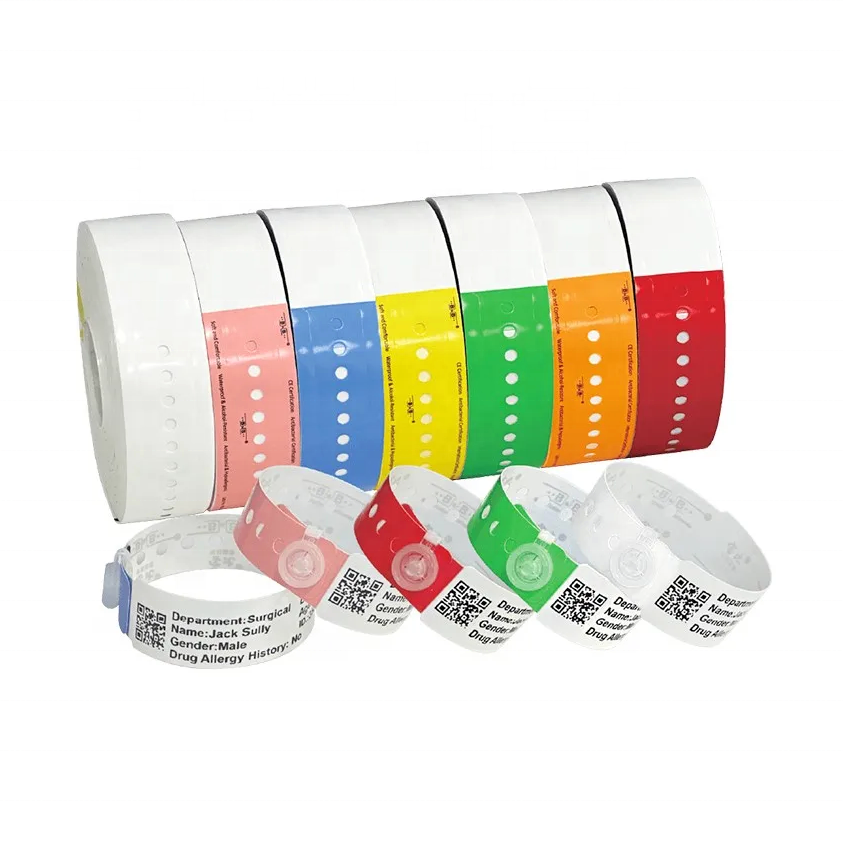
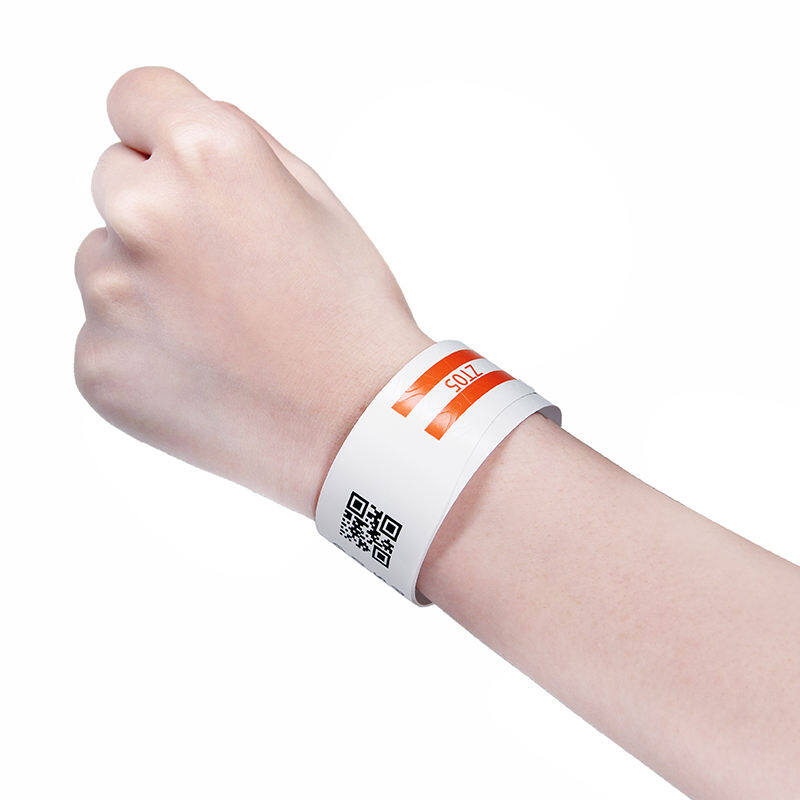
Every hospital patient wears one. A strip of plastic, thermal paper, or vinyl around the wrist, bearing a name, a barcode, sometimes a color that signals allergy, fall risk, or do-not-resuscitate status. The patient identification wristband is so ubiquitous that it barely registers as a medical device. Yet the surface of that hospital wristband is a biological interface—in constant contact with skin, bedding, intravenous tubing, and the hands of every clinician who performs a patient ID check before medication administration or a surgical time-out.
A 2007 audit published in The BMJ examined 34 identity wristbands from emergency surgical inpatients admitted for more than 48 hours. Thirty of the 34 wristbands grew at least one potentially significant bacterial colony. The isolates included Staphylococcus aureus (2 cases), coagulase-negative Staphylococcus (11), Pseudomonas species (6), and Escherichia coli (1). The authors noted a disturbing spatial correlation: in 12 of 27 patients who received a new peripheral cannula, the IV access was placed on the same side as the contaminated wristband.
That study did not prove that wristbands cause bloodstream infections. But it established something equally important: hospital wristbands are colonized with the same organisms responsible for a substantial share of healthcare-associated infections. The logical next question—can we make the wristband itself hostile to bacteria?—has spawned a small industry of antimicrobial wristbands, infection control wristbands, and antimicrobial patient ID bands incorporating silver ions, zeolites, and other additives. The question is whether the evidence supports the promise.
The Chemistry of Antimicrobial Additives
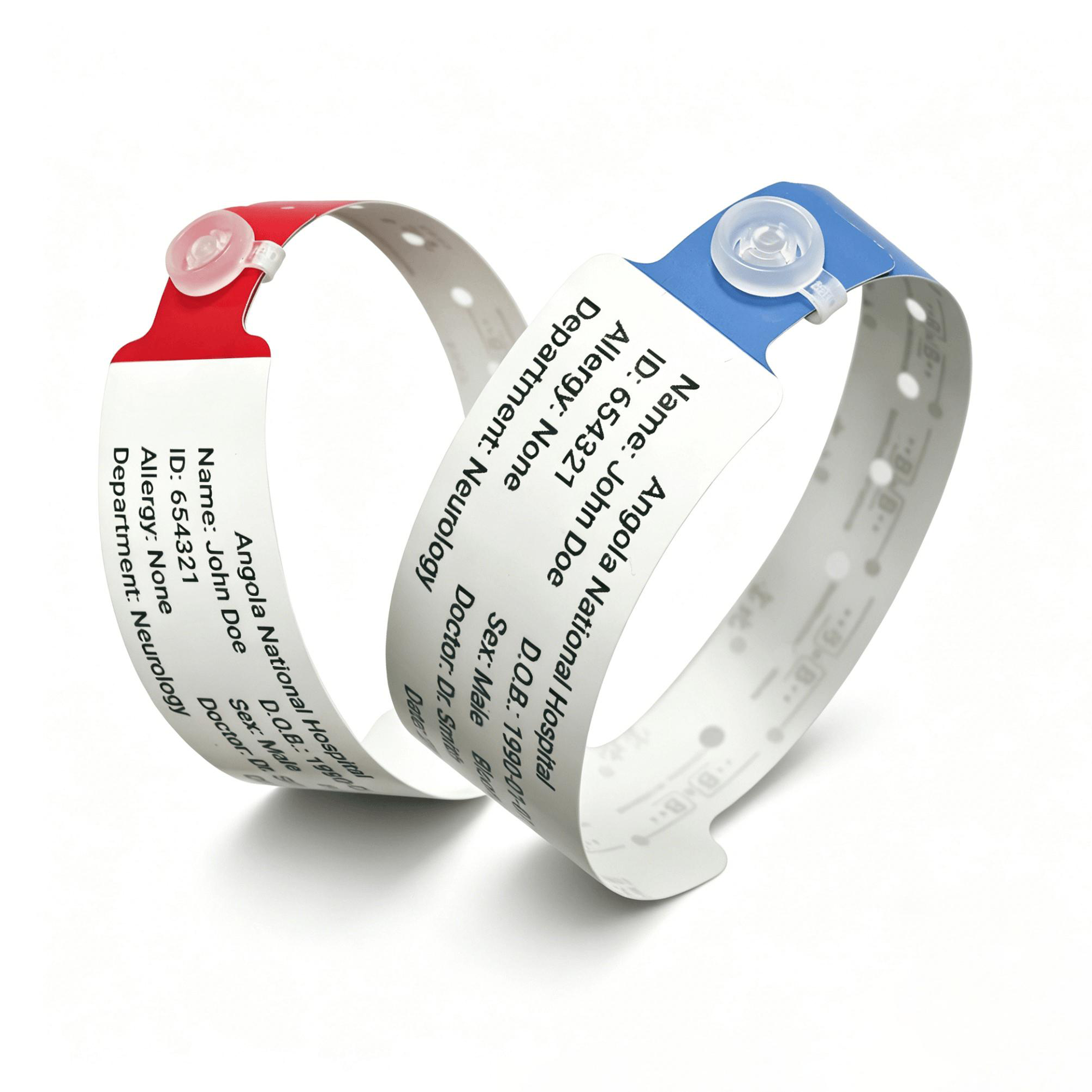
The dominant technology in antimicrobial hospital wristbands is silver. Its antimicrobial mechanism is well characterized: silver ions (Ag⁺) bind to bacterial cell membranes, disrupt electron transport, and interfere with DNA replication. The challenge is delivery—how to embed silver in a printable plastic substrate without compromising printability, durability, or cost.
Two approaches dominate the patent landscape. The first involves a water-based antimicrobial varnish applied as an overcoat on the wristband facestock. This varnish contains silver zeolites—crystalline aluminosilicate frameworks that trap silver ions and release them gradually upon exposure to moisture. The second approach embeds the antimicrobial additive directly into the direct thermal reactive layer of the wristband itself, eliminating the need for a separate varnish or overcoat. One patent describes this using an aqueous dispersion of silver chloride-coated titanium dioxide particles, characterized as "non-nano silver" due to its inorganic nature and high temperature tolerance.
The moisture-dependent release mechanism is both elegant and limiting. Silver ions are liberated only when water or moisture is present—sweat, hand sanitizer, a splash from a sink, or the ambient humidity of a patient room. A dry wristband in a dry environment may release little to no antimicrobial activity. This is a critical distinction for any infection control committee evaluating antimicrobial wristband claims: the product's performance is contingent on conditions that vary across clinical settings and individual patients.
Alternative chemistries exist. Triclosan, once a common antimicrobial additive in consumer products, has been incorporated into wristband varnishes. However, regulatory pressure on triclosan—particularly in the United States, where the FDA banned its use in consumer antiseptic washes in 2016—has made silver-based systems the preferred choice for medical wristbands.
Durability: The Clinical Reality Test
A wristband that loses its antimicrobial properties after one shift is not an infection control intervention. It is a marketing claim. Durability testing is therefore central to evaluating any antimicrobial identification band.
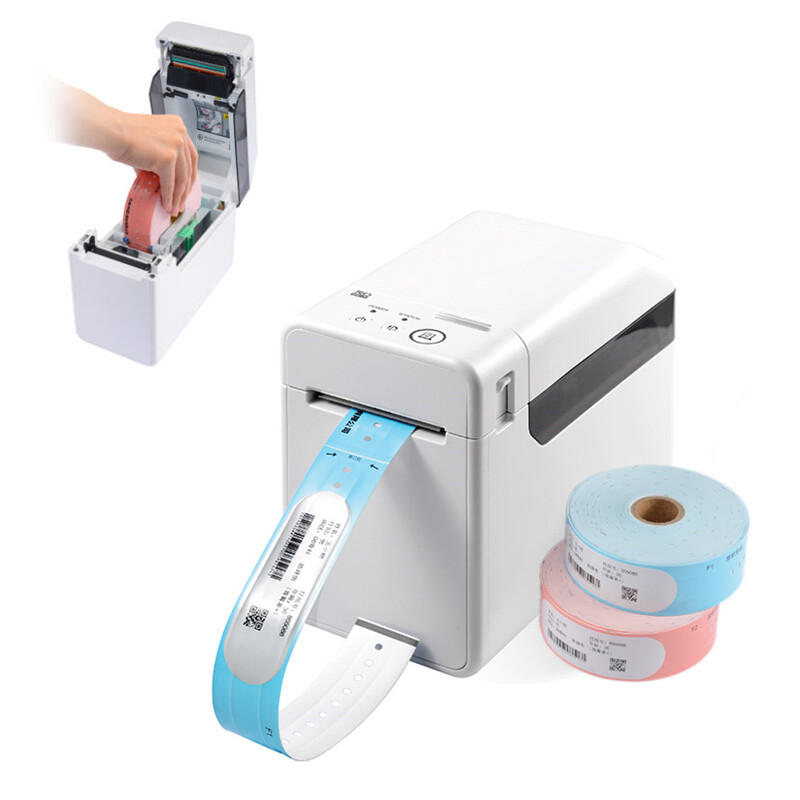
Manufacturers subject thermal transfer wristbands to a battery of chemical exposures: water, soap, friction, hand sanitizer, povidone-iodine, and alcohol. One manufacturer's specification reports validated barcode scanability after two weeks of normal use, with resistance to the full spectrum of hospital chemicals. The antimicrobial additive, if embedded within the facestock or the thermal layer, is designed to persist for the life of the wristband. But "designed to persist" and "verified to persist" are different claims. Silver zeolites in a surface varnish may leach over time; embedding the additive within the polymer matrix may protect it from mechanical removal but could also limit its surface availability for antimicrobial action.
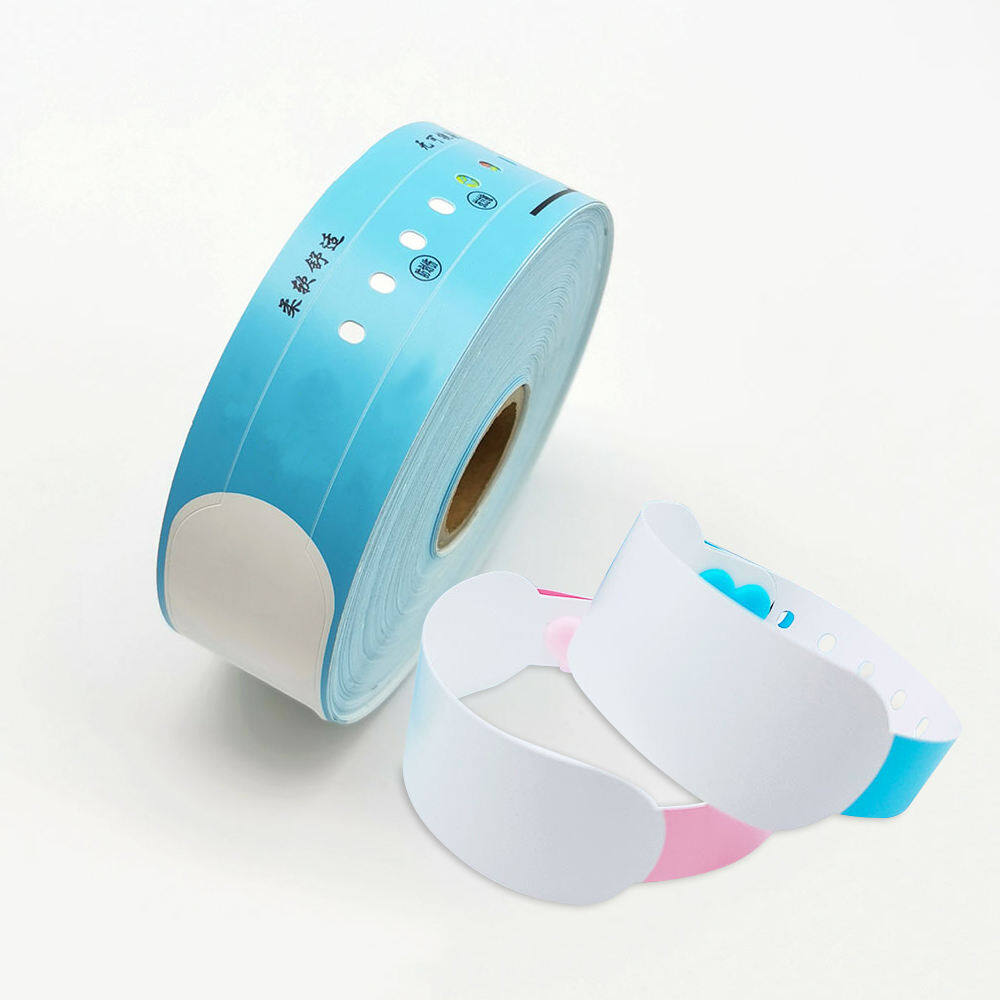
The patient wristband materials themselves matter here. Soft wristbands made of latex-free and phthalate-free materials may tolerate antimicrobial additives differently than rigid plastic clip wristbands. Thermal wristbands printed at the bedside using direct thermal printing have an exposed reactive layer—the very surface that contacts skin and bedding—whereas thermal transfer wristbands with a resin ribbon layer may place the antimicrobial compound beneath a printed image. The performance of an antimicrobial wristband cannot be generalized across form factors.
Evidence of Effectiveness: Laboratory Data Versus Clinical Outcomes
This is where the conversation must become precise. The antimicrobial wristband industry can point to laboratory data. A product claiming compliance with JIS Z 2801:2010 / ISO 22196 has demonstrated antibacterial activity on plastic surfaces under controlled conditions. That standard measures the reduction of bacterial counts on a treated surface compared to an untreated control over a specified contact time. It is a valid materials-science metric.
It is not a clinical outcome measure.
The question that matters for infection prevention is not "does the wristband kill bacteria in a petri dish?" but "does wearing an antimicrobial wristband reduce the incidence of hospital-acquired infections?" No large-scale randomized controlled trial has been published that answers this question directly. The 2023 study on bacterial prevalence and disinfection of wristbands examined contamination levels but did not track infection outcomes. The BMJ audit established that patient wristbands are contaminated, but did not test whether antimicrobial versions reduce that contamination in a clinically meaningful way.
There is an evidentiary gap here that is rarely acknowledged in product literature. Antimicrobial wristbands may reduce bacterial burden on the band surface. That reduction may or may not translate into fewer bloodstream infections, surgical site infections, or MRSA transmissions. The causal chain from wristband contamination to patient infection is plausible but not fully quantified. For an infection preventionist or hospital epidemiologist, this distinction is decisive: a materials performance claim is not the same as an infection reduction claim.
The Cannula Problem: Proximity, Not Just Contamination
The spatial relationship between identity wristbands and intravenous access deserves separate emphasis because it complicates the antimicrobial wristband narrative.
Clinical practice places IV cannulas on the dorsum of the hand, often the non-dominant side. Wristbands are also placed on the wrist—frequently the dominant wrist, per National Patient Safety Agency guidance. The result is that the hospital wristband and the peripheral IV site are often within centimeters of each other, sometimes on the same limb. When a nurse or phlebotomist palpates the IV site, adjusts tubing, or performs a blood draw, the wristband is touched or comes into contact with the same glove or skin surface.
An antimicrobial wristband addresses the bacterial load on the band. It does not address the bacterial load transferred from the band to the cannula insertion site, nor the reverse. If the wristband's antimicrobial additive reduces surface bacteria, that is a genuine benefit. But the mechanical and behavioral vectors of contamination—hand hygiene compliance, cannula care bundles, aseptic non-touch technique—remain the dominant determinants of IV-related bloodstream infection risk. An antimicrobial wristband cannot substitute for those practices, and it should not be marketed as if it could.
Regulatory Ambiguity: What Does "Antimicrobial" Actually Mean?
The regulatory landscape for antimicrobial wristbands is, at best, fragmented. In the United States, the FDA regulates patient identification bracelets as Class I devices—the lowest risk category. The FDA has issued guidance on color-coded wristbands, recommending that purple be reserved exclusively for DNR status and red for allergy, but it has not issued specific guidance on antimicrobial claims for these products.
This creates a gap. A wristband marketed as "antimicrobial" may be making a materials claim ("this product inhibits bacterial growth on its surface") rather than a medical claim ("this product reduces infection rates"). The latter would likely trigger more rigorous premarket review. The former may not. For hospital procurement teams, this means that the word "antimicrobial" on a wristband datasheet can mean anything from a rigorously tested silver-ion system with ISO 22196 validation to a vague additive with no independent verification.
The European Union has its own framework under the Biocidal Products Regulation, which governs antimicrobial additives themselves. A wristband incorporating a silver zeolite must use an approved active substance, but the finished article—the wristband—is not necessarily regulated as a biocidal product. This regulatory patchwork means that healthcare facilities in different jurisdictions face different levels of assurance about what an antimicrobial wristband actually contains and what it has been tested to do.
Practical Implications for Healthcare Facilities
For hospital administrators, infection control teams, and materials management departments evaluating antimicrobial wristbands, several practical questions should structure the decision.
First, what is the specific antimicrobial claim? Ask the manufacturer for the ISO 22196 test results and the specific organisms tested. A product that inhibits E. coli in a lab dish may not perform against Pseudomonas aeruginosa or Staphylococcus aureus under clinical conditions. Ask whether the antimicrobial is embedded in the facestock or applied as a coating, and how the manufacturer verifies that the additive remains active after two weeks of wear.
Second, what is the durability profile? A wristband that survives two weeks of hand sanitizer exposure and retains both print legibility and antimicrobial activity is a different product from one that degrades in 72 hours. Request validation data on chemical resistance and print durability alongside antimicrobial claims.
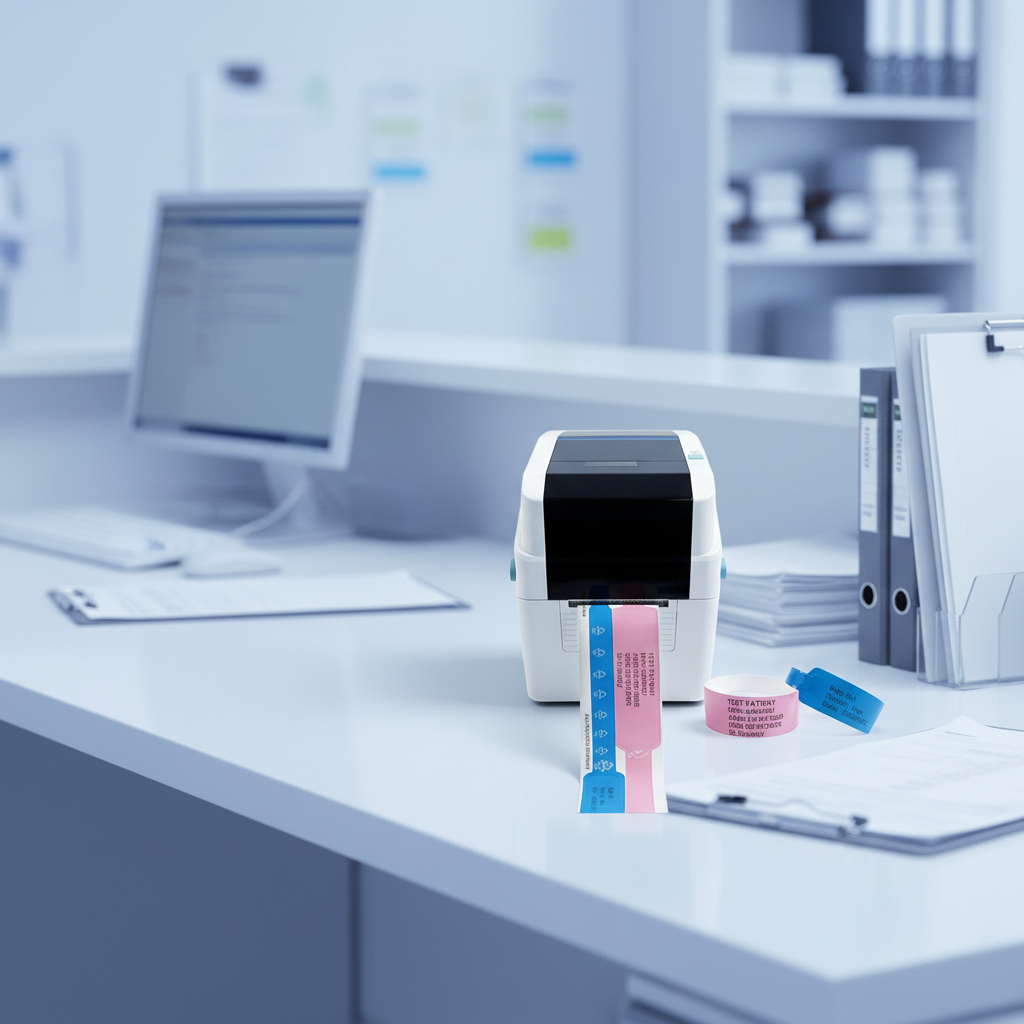
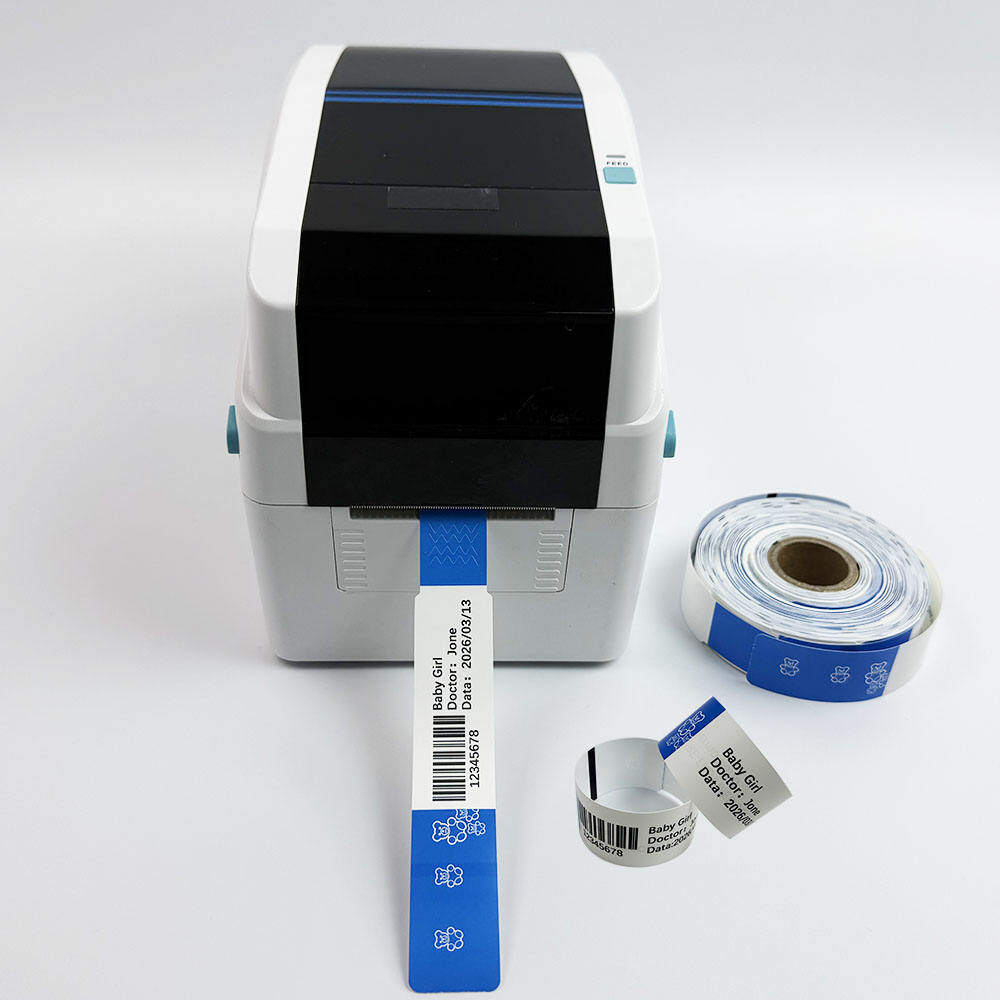
Third, how does the wristband integrate with existing workflows? A thermal wristband must work with the facility's wristband printer and EHR system. A RFID wristband with antimicrobial properties must be readable at the bedside and compatible with the nurse call system or patient tracking platform. The antimicrobial feature is worthless if the band cannot be printed, scanned, or worn comfortably for the duration of the admission.
Fourth, what is the evidence gap? Be transparent internally about what antimicrobial wristbands can and cannot do. They can reduce bacterial colonization on the band surface. They cannot replace hand hygiene, IV care bundles, or environmental cleaning. A facility that adopts antimicrobial wristbands while neglecting those fundamentals has made a purchasing decision, not an infection control strategy.
The Future of Antimicrobial Patient Identification
The trajectory of patient wristband technology points toward greater integration rather than standalone antimicrobial claims. RFID wristbands that track patient location, medication administration, and specimen collection are already deployed in smart hospital systems. Adding antimicrobial properties to these multifunction bands is a natural extension—but it also raises the stakes. A wristband that serves as the digital identity anchor for a patient's entire hospital stay carries more responsibility than a simple name band.
Future antimicrobial wristband development should be accompanied by clinical research that measures infection outcomes, not just surface bacterial counts. A pragmatic cluster-randomized trial comparing antimicrobial wristbands to standard wristbands in high-risk units—ICU, surgical wards, oncology—would provide the evidence that currently does not exist. Until then, the honest position for manufacturers and healthcare providers alike is that antimicrobial wristbands represent a plausible incremental improvement in hospital infection control, not a proven intervention.
Conclusion
Antimicrobial wristbands are a reasonable response to a documented problem. The evidence that patient wristbands carry pathogenic bacteria is solid. The chemistry of silver-ion release from zeolite and titanium dioxide matrices is well understood. Laboratory standards exist to verify surface antimicrobial activity. What remains missing is the clinical evidence linking antimicrobial wristbands to reduced hospital-acquired infection rates.
For hospitals considering adoption, the decision should rest on three pillars: verification of the specific antimicrobial claim, confidence in the wristband's durability and compatibility with existing systems, and a clear-eyed recognition that the band is one small layer in a complex infection prevention architecture. An antimicrobial wristband is not a silver bullet. But as part of a comprehensive patient identification and infection control strategy, it may earn its place on the wrist.
Continue Reading
Have Questions About Wristbands?
Our team is ready to help you find the perfect wristband solution for your needs. Contact us directly on WhatsApp for quick responses.
Contact on WhatsApp