
The Authoritative Guide to Patient Wristband Quality Testing
Introduction
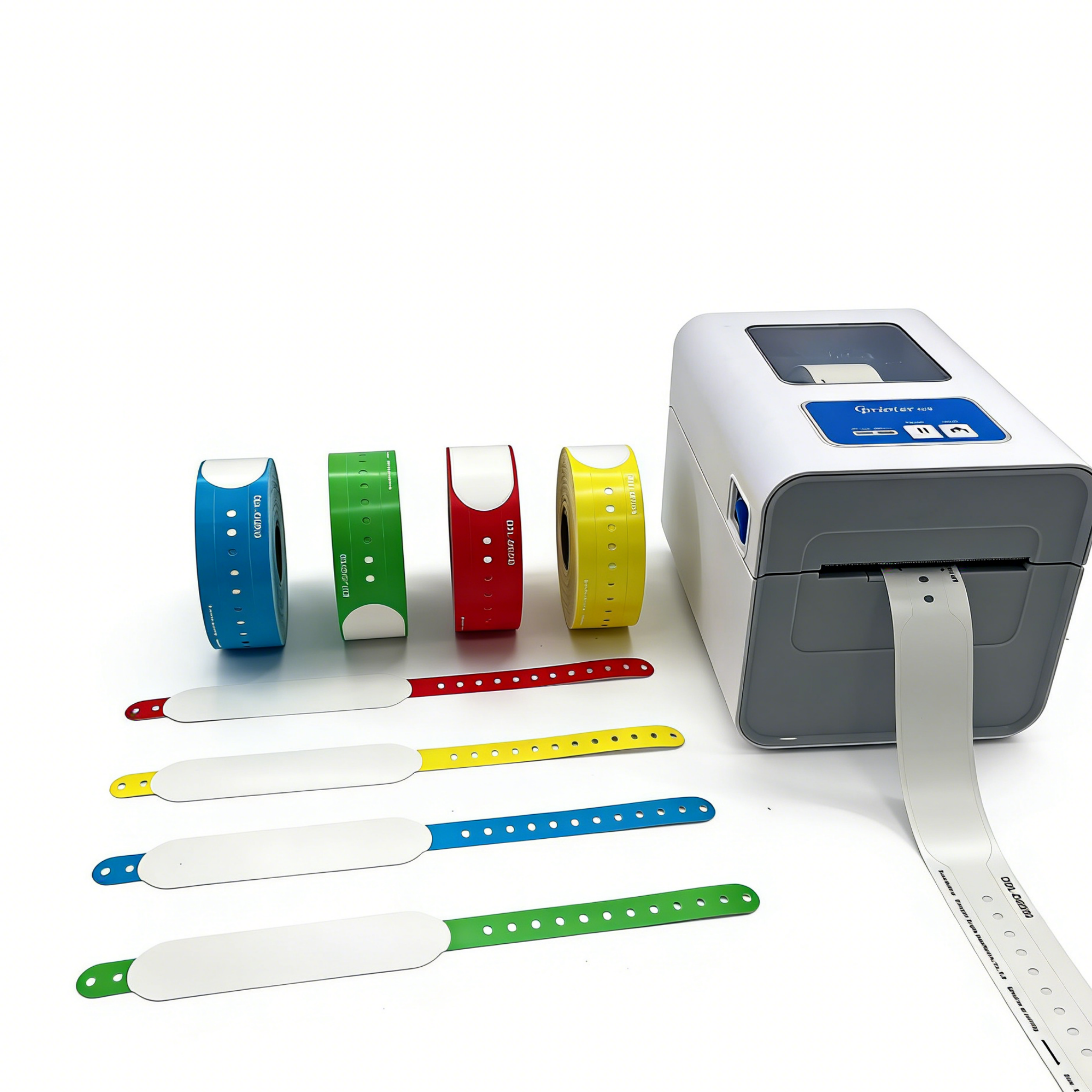
Patient identification is the cornerstone of healthcare safety. A medical wristband is not just an accessory—it is a critical piece of medical equipment that carries vital patient information throughout their hospital stay. When these wristbands fail, the consequences can range from minor inconvenience to life-threatening errors.
This comprehensive guide covers everything you need to know about patient wristband quality testing, from basic durability checks to advanced certification requirements. Whether you are a hospital procurement officer, a medical device distributor, or a manufacturer, this guide will help you understand what makes a quality patient wristband.
1. Physical Durability Testing
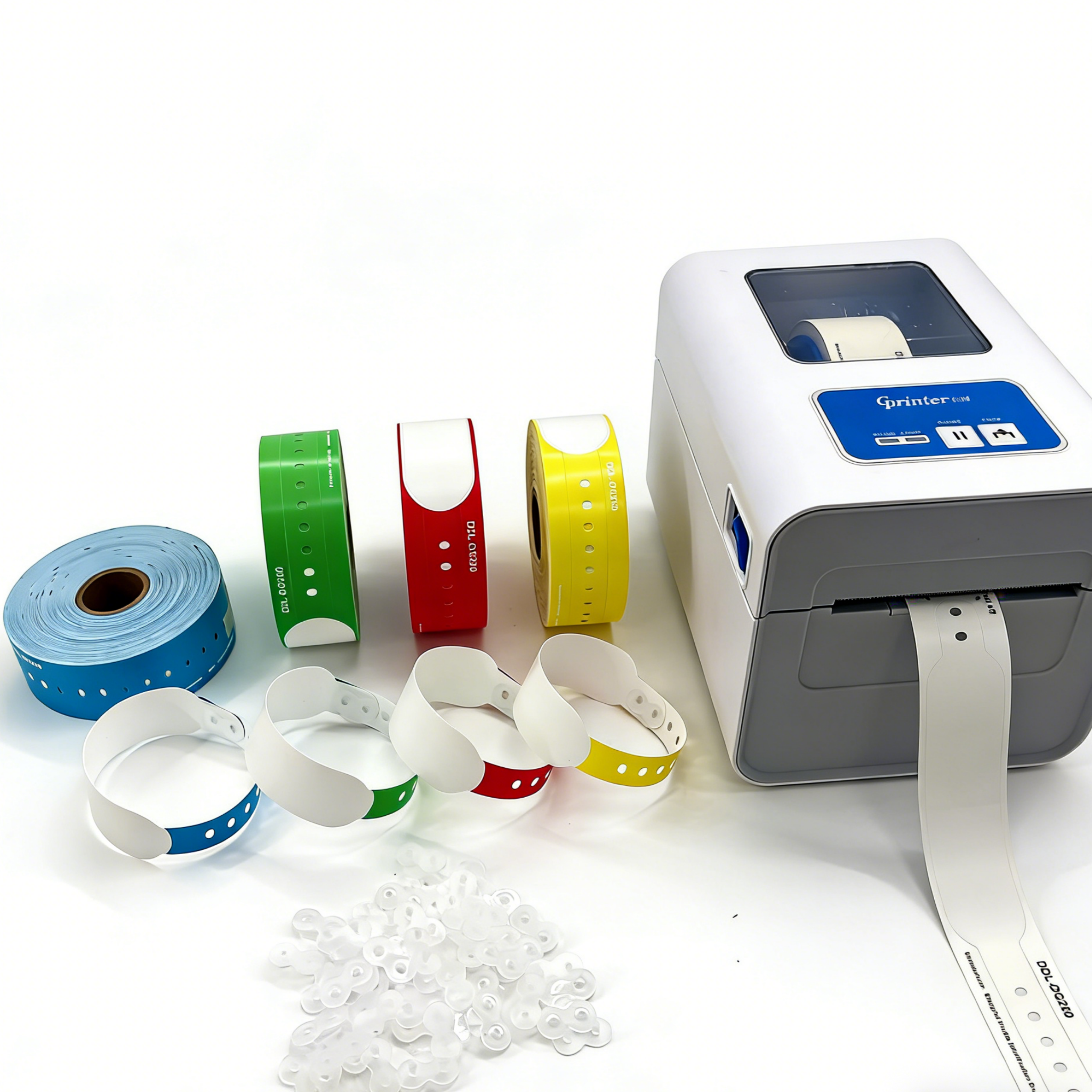
The first line of defense in wristband quality is physical durability. Hospital environments are demanding—wristbands face constant friction, moisture, and mechanical stress.
1.1 Tensile Strength Test
A quality patient wristband must withstand significant pulling force without breaking. The standard requirement is a minimum tensile strength of 15 Newtons for adult wristbands and 10 Newtons for pediatric versions.
Test Method: Apply gradual tension until failure point
Acceptable Range: 15-25N for adults, 10-15N for children
Failure Mode: Should break cleanly without sharp edges
1.2 Abrasion Resistance
Wristbands rub against bed rails, clothing, and medical equipment daily. Quality bands should show minimal wear after 1000+ rub cycles.
1.3 Flex Fatigue Testing
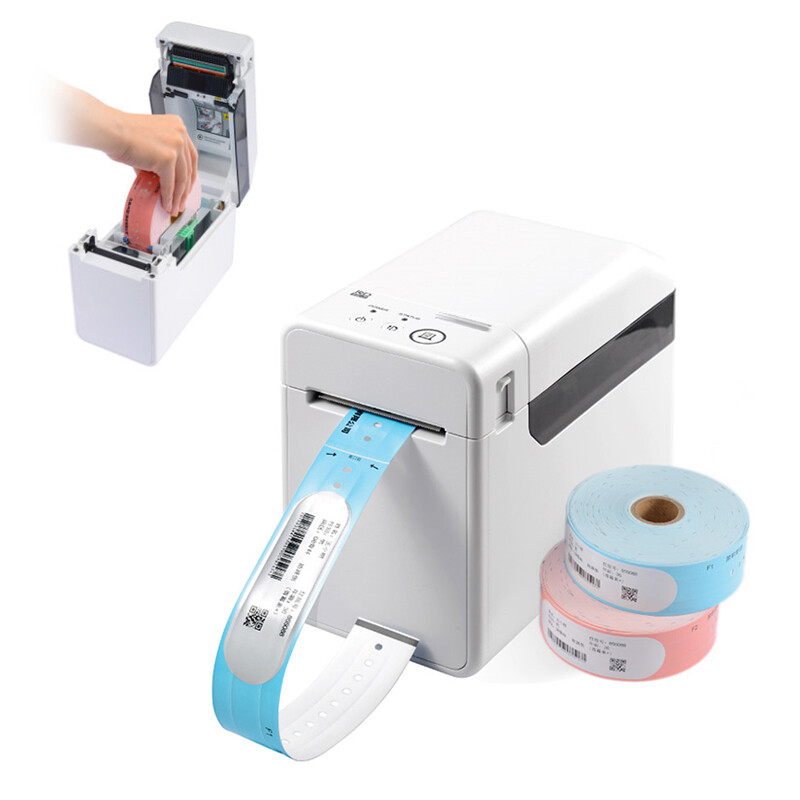
Patients move constantly. Wristbands must flex thousands of times without cracking or losing structural integrity.
Standard: Minimum 5000 flex cycles at 180-degree bend
Temperature Range: Tested at both room temperature and refrigerated conditions (4°C)
2. Chemical Resistance Evaluation
Hospitals use numerous chemicals for cleaning and disinfection. A quality wristband must resist degradation from common hospital substances.
2.1 Alcohol Resistance
Isopropyl alcohol (70%) is the most common disinfectant. After 50 wipe cycles, the wristband should show:
No color fading or bleeding
No surface degradation or softening
Maintained print legibility
2.2 Bleach Compatibility
Sodium hypochlorite solutions (0.5% concentration) are used for deep cleaning. Quality wristbands maintain integrity after 24-hour immersion.
2.3 Hand Sanitizer Exposure
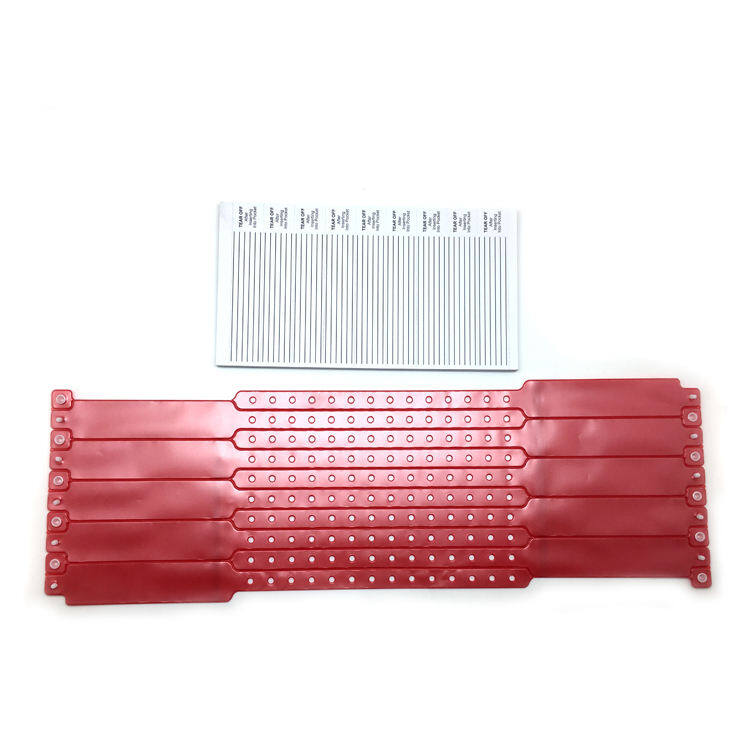
Modern hand sanitizers contain alcohol, glycerin, and other compounds. Wristbands should resist swelling, stickiness, or print damage after repeated exposure.
3. Print Quality and Barcode Scanning
The printed information on a wristband is useless if it cannot be read accurately. This section covers critical print quality parameters.
3.1 Thermal Print Adhesion
Most hospitals use thermal printers for wristband printing. Quality tests include:
Rub Test: 50 cycles with dry cloth—no ink transfer
Tape Test: Adhesive tape application and removal—print remains intact
Scratch Test: Fingernail scratch—minimal marking
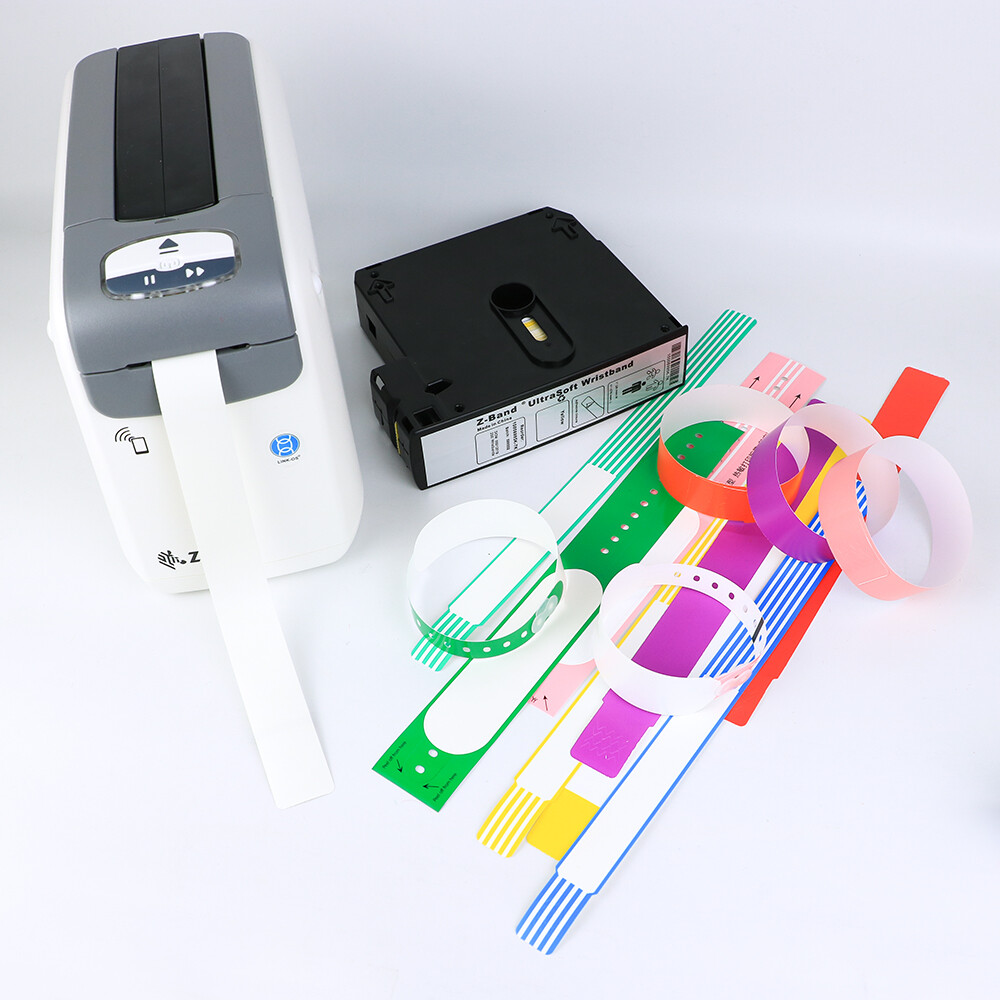
3.2 Barcode Scanning Accuracy
Barcode readability is non-negotiable. Testing protocols require:
100% scan success rate with standard hospital scanners
Readable even after 30 days of wear
Functional after exposure to water and disinfectants
3.3 Print Longevity
Printed text and barcodes must remain legible for the entire patient stay, typically 3-7 days, but sometimes extending to weeks for long-term care patients.
4. Biocompatibility and Safety Standards
Patient wristbands contact skin directly for extended periods. They must meet strict biocompatibility requirements.
4.1 Skin Irritation Testing
According to ISO 10993-10, wristbands undergo:
Primary Irritation Test: 48-hour patch test on human volunteers
Sensitization Test: Repeated exposure over 21 days
Result Requirement: Zero irritation or allergic reactions
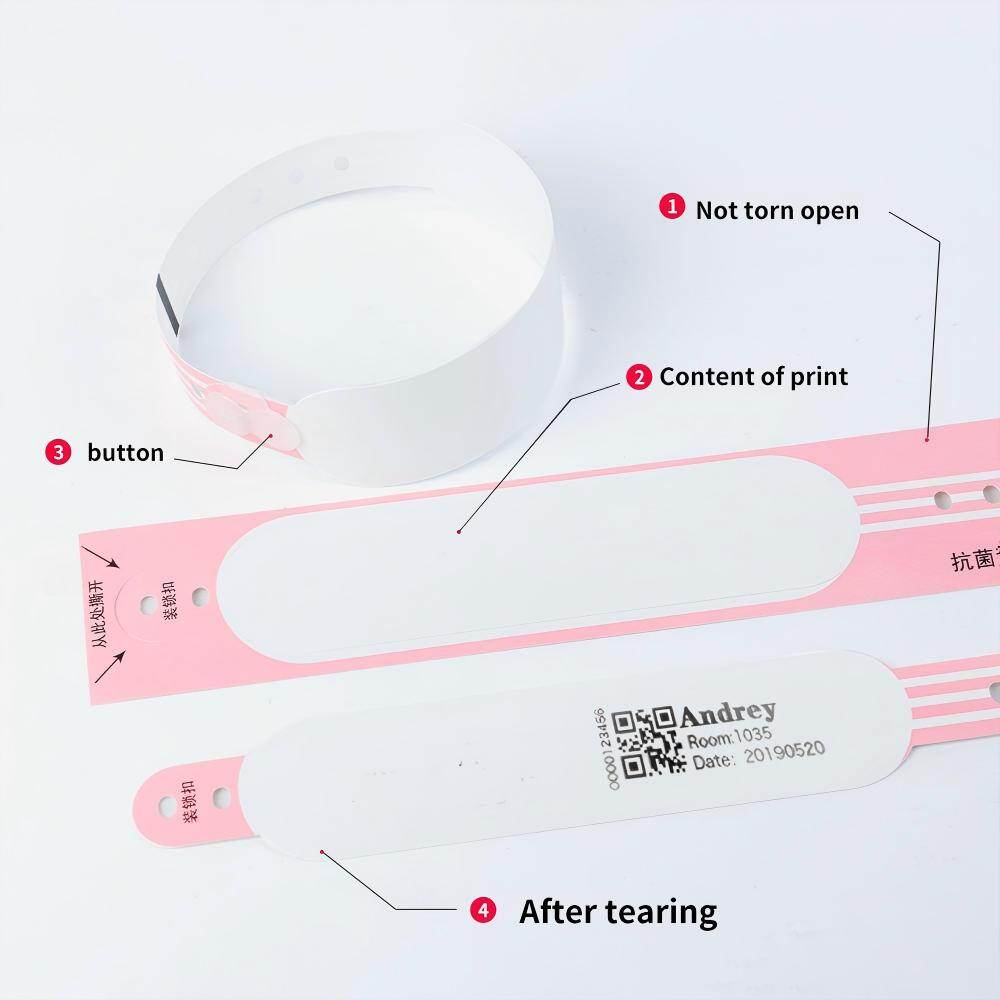
4.2 Latex-Free Certification
All modern patient wristbands must be latex-free to prevent allergic reactions. Testing confirms absence of natural rubber latex proteins.
4.3 Heavy Metal Content
RoHS compliance ensures wristbands contain no harmful levels of lead, mercury, cadmium, or other toxic metals.
5. Environmental Stress Testing
Hospital environments vary widely. Quality wristbands perform consistently across different conditions.
5.1 Temperature Extremes
Cold Storage: Maintain flexibility at -20°C (ambulance transport scenarios)
Heat Exposure: No deformation at 60°C (sterilization proximity)
Humidity: Function normally at 95% relative humidity
5.2 UV Light Resistance
Some hospital areas receive natural light. Wristbands should not yellow or become brittle after 72 hours of UV exposure.
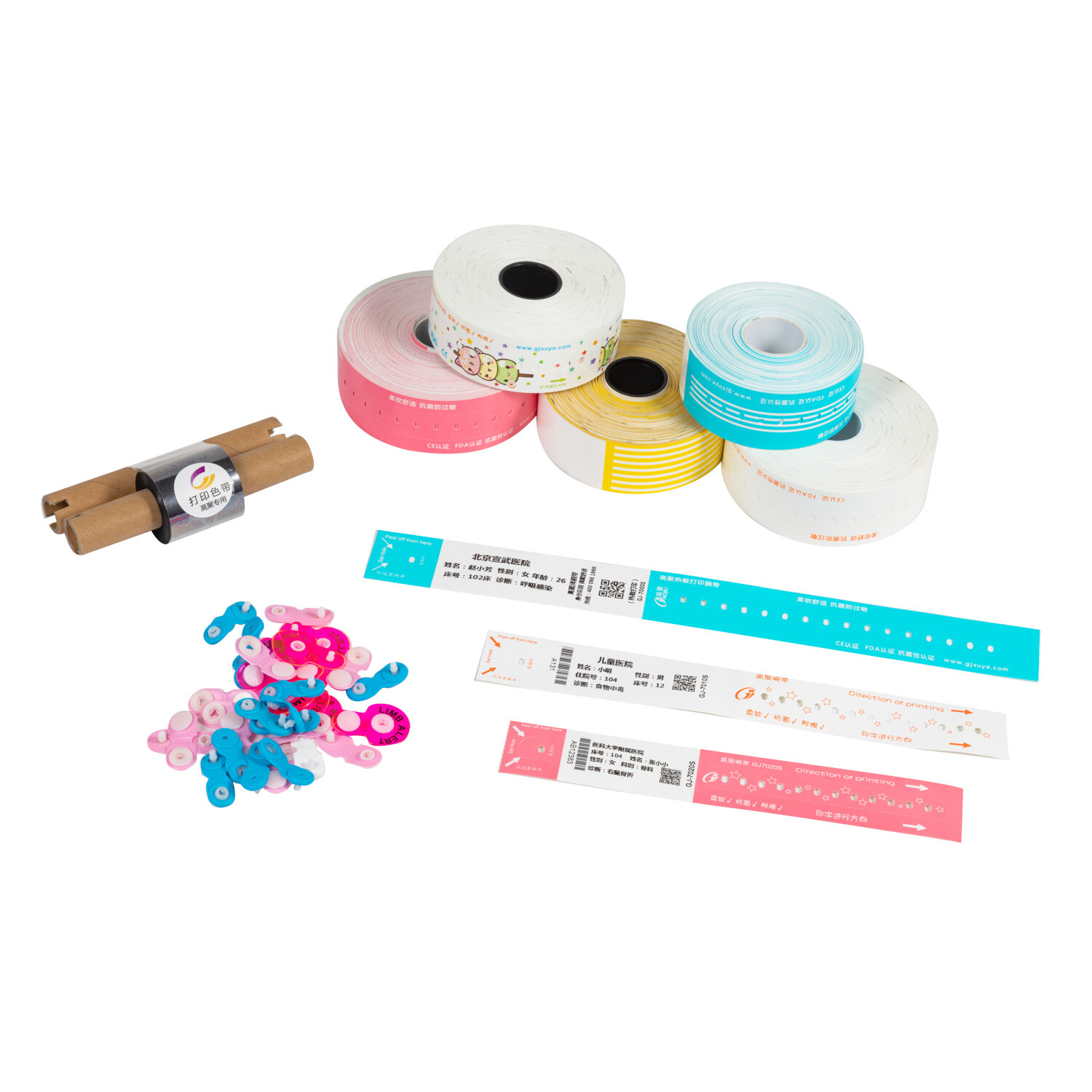
5.3 Water Immersion
Patients shower and wash hands regularly. Wristbands must be fully waterproof with no water ingress affecting the adhesive or print.
6. International Certification Requirements
Different markets have different regulatory requirements. Understanding these helps ensure global compliance.
6.1 FDA Registration (USA)
While patient wristbands are Class I medical devices, manufacturers must register with the FDA and follow Good Manufacturing Practices (GMP).
6.2 CE Marking (Europe)
European markets require CE marking under the Medical Device Regulation (MDR). This involves:
Technical documentation review
Clinical evaluation
Post-market surveillance plan
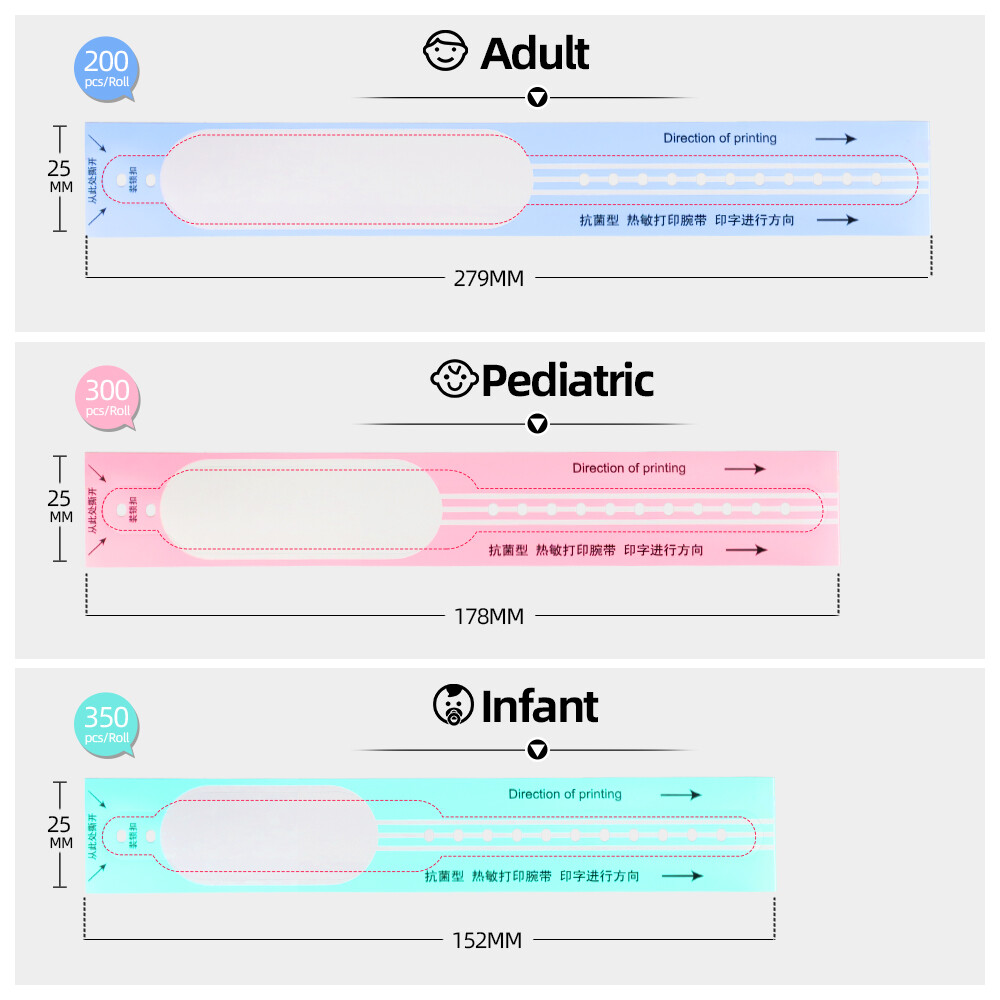
6.3 SGS Testing Reports
SGS provides independent verification of product safety and quality. Common tests include:
Material composition analysis
Physical property verification
Chemical safety assessment
7. Real-World Performance Metrics
Laboratory tests are important, but real-world performance tells the complete story.
7.1 Hospital Field Trials
Quality manufacturers conduct field trials in actual hospital settings, tracking:
Wristband failure rates (target: <0.5%)
Nurse satisfaction scores
Patient comfort feedback
7.2 Long-Term Wear Studies
For chronic care patients who may wear wristbands for months, extended wear studies assess:
Skin health under the band
Adhesive longevity
Print durability over time
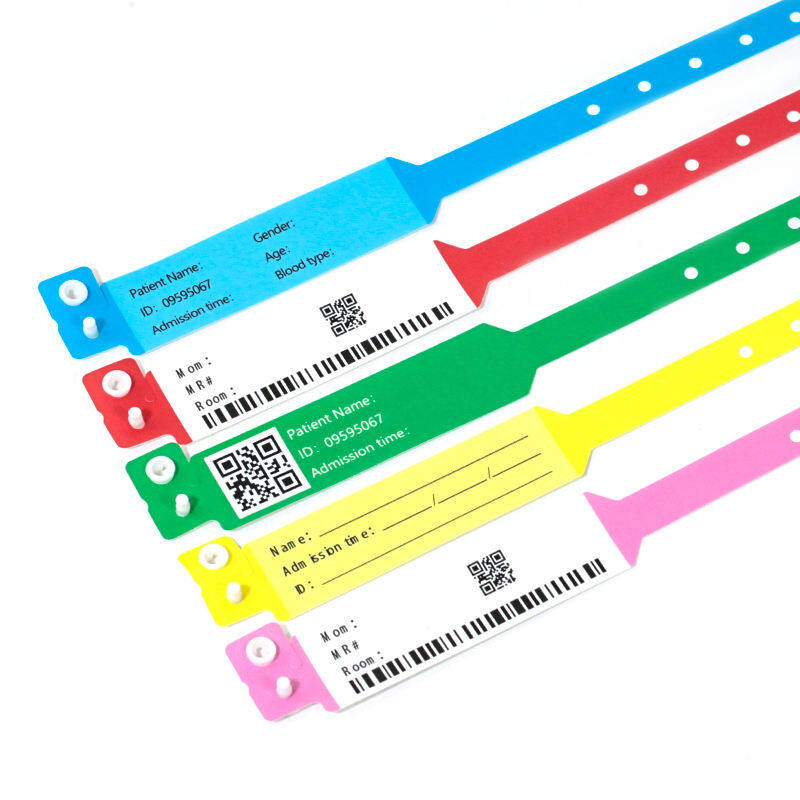
8. Quality Control in Manufacturing
Consistent quality requires rigorous manufacturing controls.
8.1 Batch Testing Protocol
Every production batch should undergo:
Random sampling (minimum 5% of batch)
Full suite of physical tests
Print quality verification
Packaging integrity check
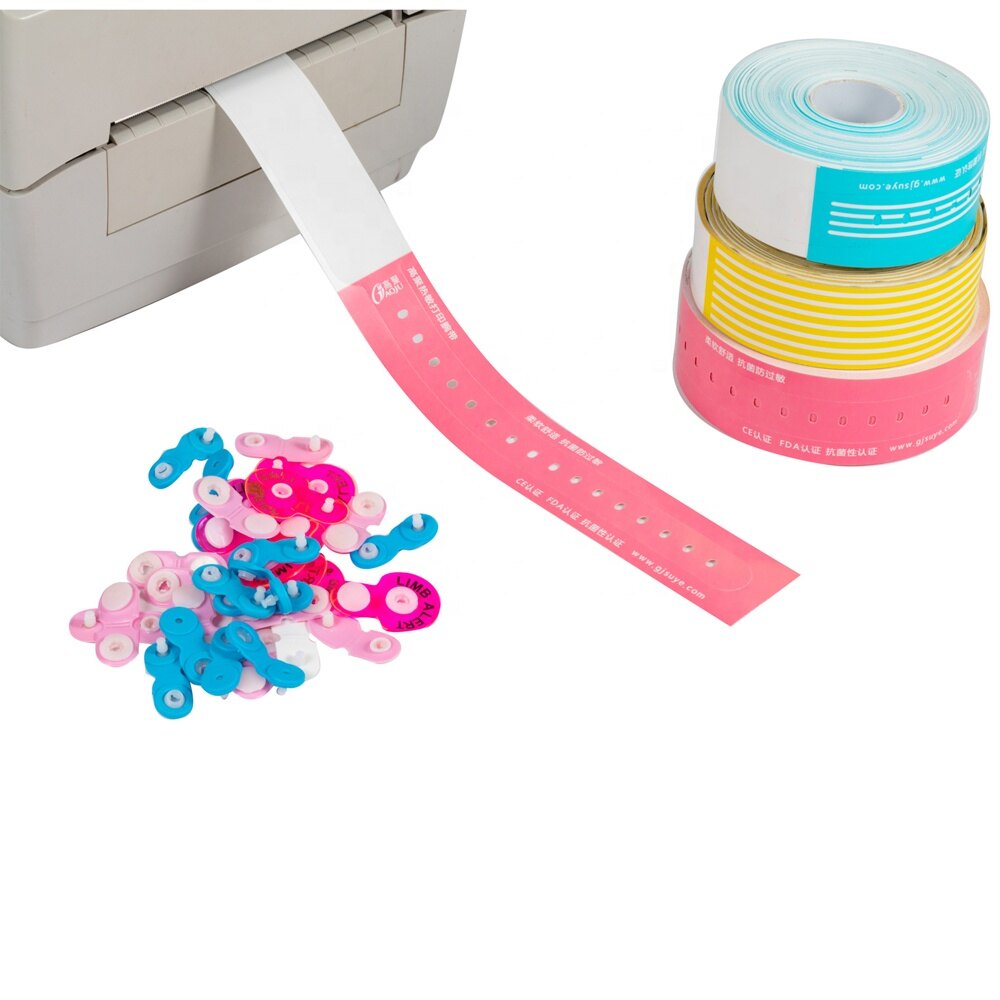
8.2 Statistical Process Control
Manufacturers use SPC charts to monitor key parameters:
Material thickness variation
Print density consistency
Adhesive coating uniformity
Conclusion
Quality testing for patient wristbands is not optional—it is essential for patient safety. By understanding these testing protocols, healthcare facilities can make informed purchasing decisions, and manufacturers can ensure their products meet the highest standards.
Remember: a wristband that fails is not just an inconvenience; it is a potential threat to patient safety. Invest in quality, verify through testing, and never compromise on the fundamentals of patient identification.
Keyword Reference
A quick note on the terms below — I've included them because they match what you might actually search for when troubleshooting a wristband issue. Figured it might save you some time.
Patient wristband, medical ID bracelet, hospital wristband, wristband quality testing, tensile strength test, abrasion resistance, flex fatigue, alcohol resistant wristband, bleach compatible, hand sanitizer resistant, thermal print adhesion, barcode scanning accuracy, print longevity, biocompatibility testing, skin irritation test, latex-free certification, heavy metal content, RoHS compliance, temperature resistance, UV light stability, waterproof wristband, FDA registration, CE marking, MDR compliance, SGS testing, field trial, long-term wear study, batch testing, statistical process control, patient safety, medical device quality, healthcare procurement, wristband durability, chemical resistance, print quality, barcode readability, ISO 10993, medical grade materials, hospital supply chain, patient identification system.
Continue Reading
Have Questions About Wristbands?
Our team is ready to help you find the perfect wristband solution for your needs. Contact us directly on WhatsApp for quick responses.
Contact on WhatsApp