
25 key points to Patient Wristbands: Addressing the Most Common Questions and Concerns
25 Key Points to Patient Wristbands: Addressing the Most Common Questions and Concerns
Patient wristbands are a cornerstone of modern healthcare safety protocols. These simple yet powerful medical ID bands serve as the first line of defense against patient misidentification errors, ensuring that every individual receives the correct treatment, medication, and care throughout their healthcare journey. In this comprehensive guide, we address the 25 most frequently asked questions about patient wristbands, hospital bracelets, and patient identification systems.
Understanding Patient Wristbands: The Fundamentals
1. What Is a Patient Wristband?
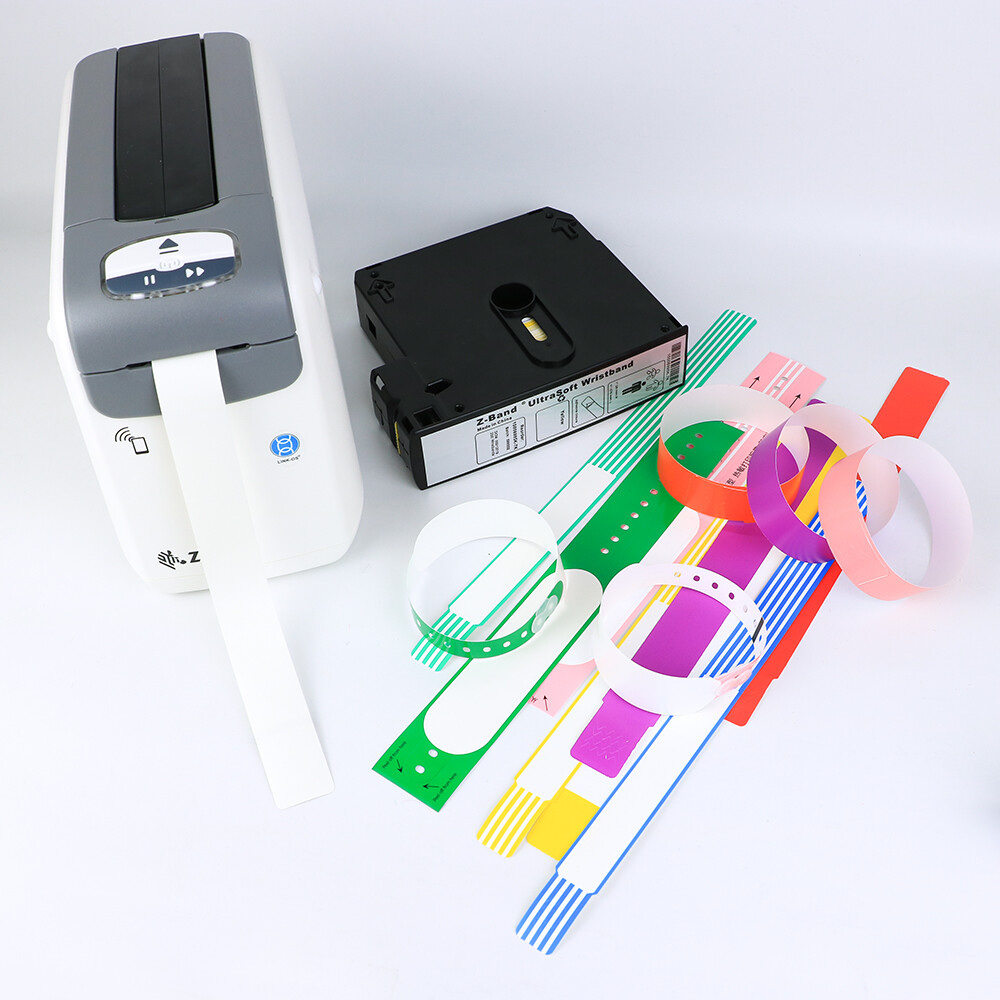
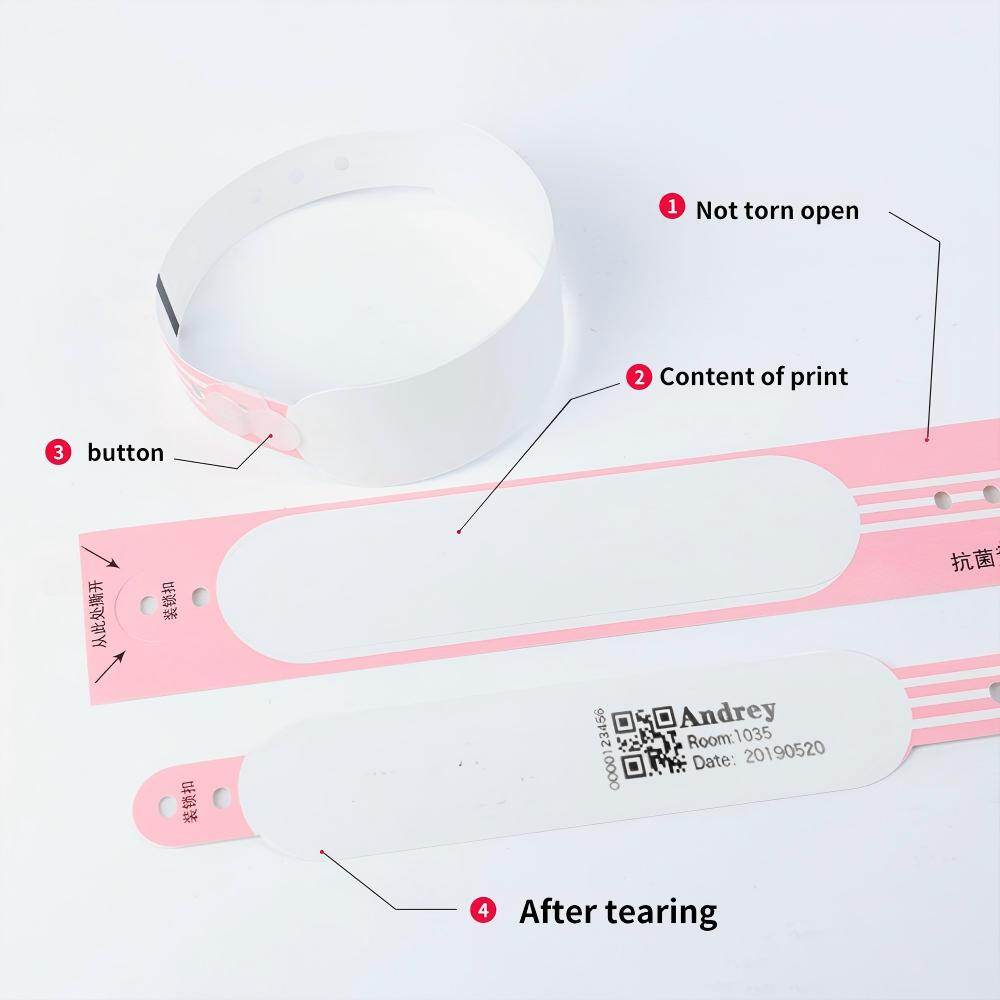
A patient wristband, also known as a hospital bracelet or medical ID band, is an identification device worn by patients in healthcare facilities. It typically displays essential information such as the patient's name, date of birth, medical record number, and often includes a barcode scanning element for electronic verification. These wristbands are designed to be durable, comfortable, and tamper-evident to maintain patient safety throughout their stay.
2. Why Are Patient Wristbands Important in Healthcare?
Patient identification is critical to healthcare safety. According to The Joint Commission, patient misidentification remains one of the leading causes of medical errors. Patient wristbands provide a reliable, always-accessible method of verifying identity before administering medications, performing procedures, collecting specimens, or transferring patients between departments. They reduce human error and create a standardized identification protocol across all healthcare touchpoints.
3. What Information Should Be on a Patient Wristband?
Standard patient wristbands should include:
- Patient full legal name
- Date of birth
- Medical record number (MRN)
- Barcode or QR code for electronic scanning
- Admission date
- Attending physician or department (optional)
- Allergy alerts or special precautions (when applicable)
The exact requirements may vary by facility policy and regulatory standards, but these core elements ensure accurate patient identification at every point of care.
4. How Do Patient Wristbands Improve Patient Safety?
Patient wristbands directly contribute to healthcare safety by creating a verifiable link between the patient and their medical records. When combined with barcode scanning technology, they enable nurses and clinicians to confirm the five rights of medication administration: right patient, right drug, right dose, right route, and right time. This systematic verification dramatically reduces adverse events caused by misidentification.
Types and Materials of Patient Wristbands
5. What Types of Patient Wristbands Are Available?
Healthcare facilities can choose from several types of patient wristbands based on their specific needs:
- Laser-printable wristbands: Printed using standard laser printers, ideal for high-volume facilities
- Thermal printing wristbands: Use direct thermal or thermal transfer technology for crisp, smudge-resistant output
- RFID wristbands: Embedded with radio-frequency identification chips for automated tracking and access control
- Color-coded wristbands: Used to indicate specific conditions such as fall risk, allergies, DNR status, or isolation precautions
- Tamper-evident wristbands: Feature security slits or adhesive patterns that reveal if removal or tampering has been attempted
- Pediatric and neonatal wristbands: Smaller sizes designed specifically for infants and children
6. What Materials Are Patient Wristbands Made From?
Patient wristbands are manufactured from various materials, each offering distinct advantages:
- Vinyl: Durable, water-resistant, and cost-effective; suitable for short-term stays
- Polyester: Soft, flexible, and comfortable for extended wear; resistant to chemicals and moisture
- Tyvek: Lightweight, breathable, and economical; commonly used for outpatient and emergency settings
- Silicone: Hypoallergenic, antimicrobial wristband options available; ideal for patients with sensitive skin
- Nano-silicone: Advanced material combining softness with durability and antimicrobial properties
7. Are Antimicrobial Wristbands Necessary?
Antimicrobial wristbands are increasingly recommended in healthcare environments where infection control is paramount. These wristbands are treated with agents that inhibit bacterial growth on the surface, reducing the risk of healthcare-associated infections (HAIs). While not mandatory in all settings, they represent a proactive approach to patient safety, particularly in ICUs, NICUs, and immunocompromised patient units.
8. What Is the Difference Between Direct Thermal and Thermal Transfer Printing?
Understanding printing methods is essential for selecting the right wristband system:
- Direct thermal printing: Uses heat-sensitive paper that darkens when exposed to heat from the printhead. No ribbon required, making it simpler and more cost-effective. Best for short-term use as the print may fade over time.
- Thermal transfer printing: Uses a heated ribbon to transfer ink onto the wristband material. Produces more durable, long-lasting prints resistant to fading, chemicals, and abrasion. Ideal for patients with extended stays.
Technology and Integration
9. How Does Barcode Scanning Work with Patient Wristbands?
Barcode scanning is the most widely adopted technology for electronic patient identification. Each wristband contains a unique barcode encoding the patient's MRN or other identifier. Clinicians use handheld or mounted scanners to read the barcode before administering medications, drawing blood, or performing procedures. The scanned data is cross-referenced with the electronic health record (EHR) in real-time, alerting staff to any mismatches and preventing errors before they occur.
10. What Are RFID Wristbands and How Do They Differ from Barcode Wristbands?
RFID wristbands contain embedded microchips that communicate with readers via radio waves. Unlike barcode scanning which requires line-of-sight, RFID wristbands can be read without direct visual contact, enabling passive monitoring and automated location tracking. They are particularly useful for:
- Infant protection systems (preventing unauthorized removal from maternity wards)
- Wandering patient alerts in dementia and psychiatric units
- Automated attendance and location tracking
- Access control for restricted areas
However, RFID wristbands are more expensive than traditional barcode wristbands and require specialized reader infrastructure.
11. Can Patient Wristbands Integrate with Electronic Health Records (EHR)?
Yes, modern patient wristband systems are designed to integrate seamlessly with major EHR platforms including Epic, Cerner, Meditech, and Allscripts. The integration enables real-time synchronization of patient data, automatic wristband printing upon admission, and instant verification during clinical workflows. This interoperability is essential for achieving meaningful use requirements and maintaining compliance with healthcare regulations.
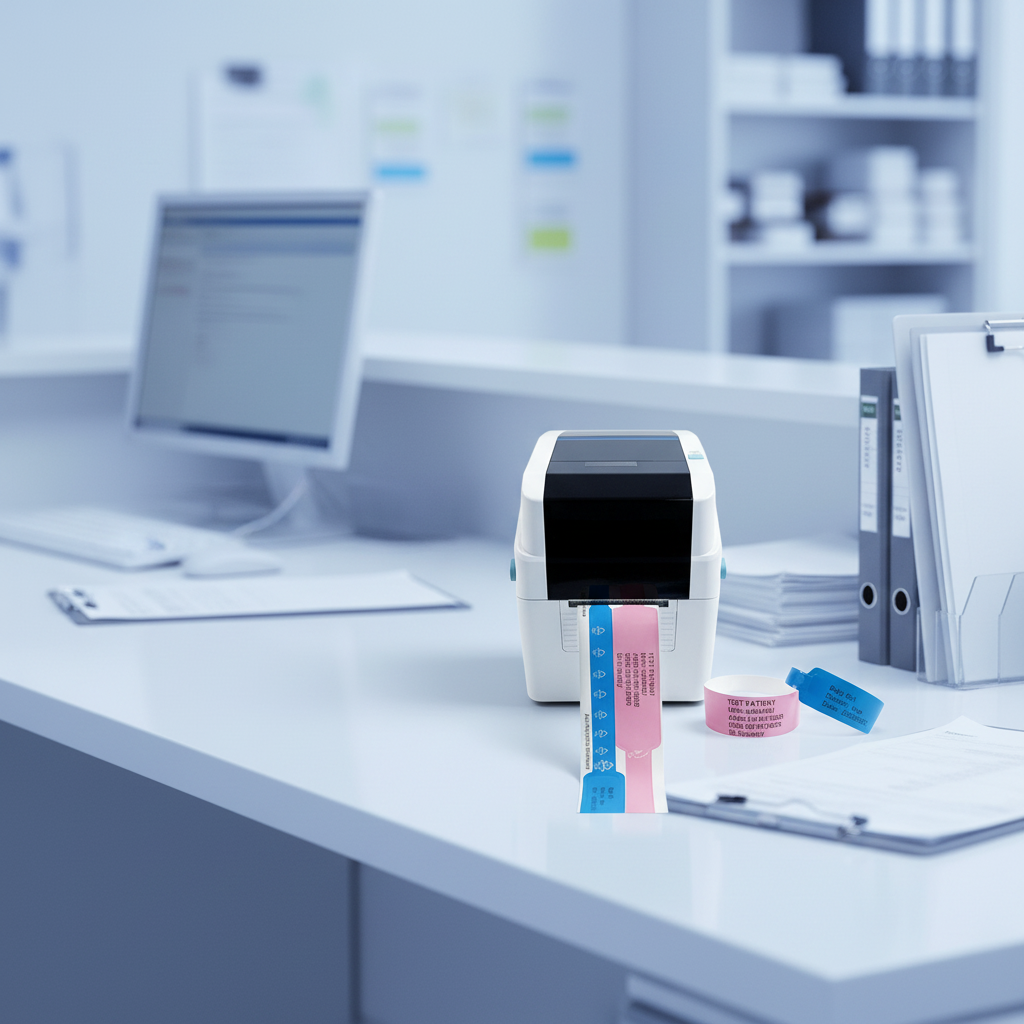
12. What Printers Are Recommended for Patient Wristbands?
Several printer manufacturers specialize in healthcare-grade wristband printing:
- Zebra Technologies: Industry leader with dedicated healthcare wristband printers featuring antimicrobial housings
- SATO: Offers reliable thermal printing solutions optimized for hospital environments
- Honeywell: Provides compact, high-speed printers suitable for nursing stations and admission desks
- TSC Auto ID: Cost-effective options with robust performance for medium-volume facilities
When selecting a printer, consider print volume, connectivity options (USB, Ethernet, Wi-Fi), compatibility with your EHR system, and ease of maintenance.

Application and Best Practices
13. When Should a Patient Wristband Be Applied?
A patient wristband should be applied immediately upon admission or registration, before any clinical interventions begin. In emergency situations where immediate identification is not possible, a temporary wristband with a unique identifier should be placed as soon as feasible. The wristband must remain on the patient throughout their entire stay and should only be removed upon discharge or when replacement is necessary due to damage or illegibility.
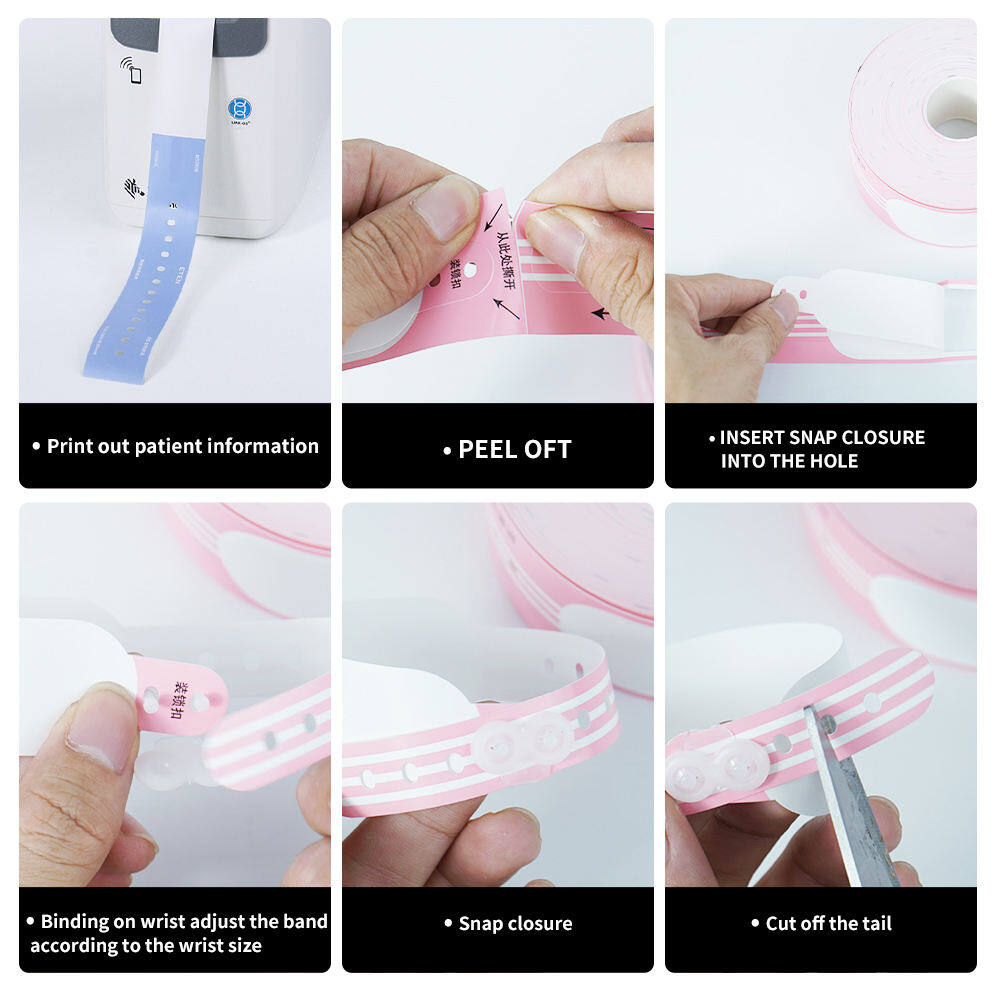
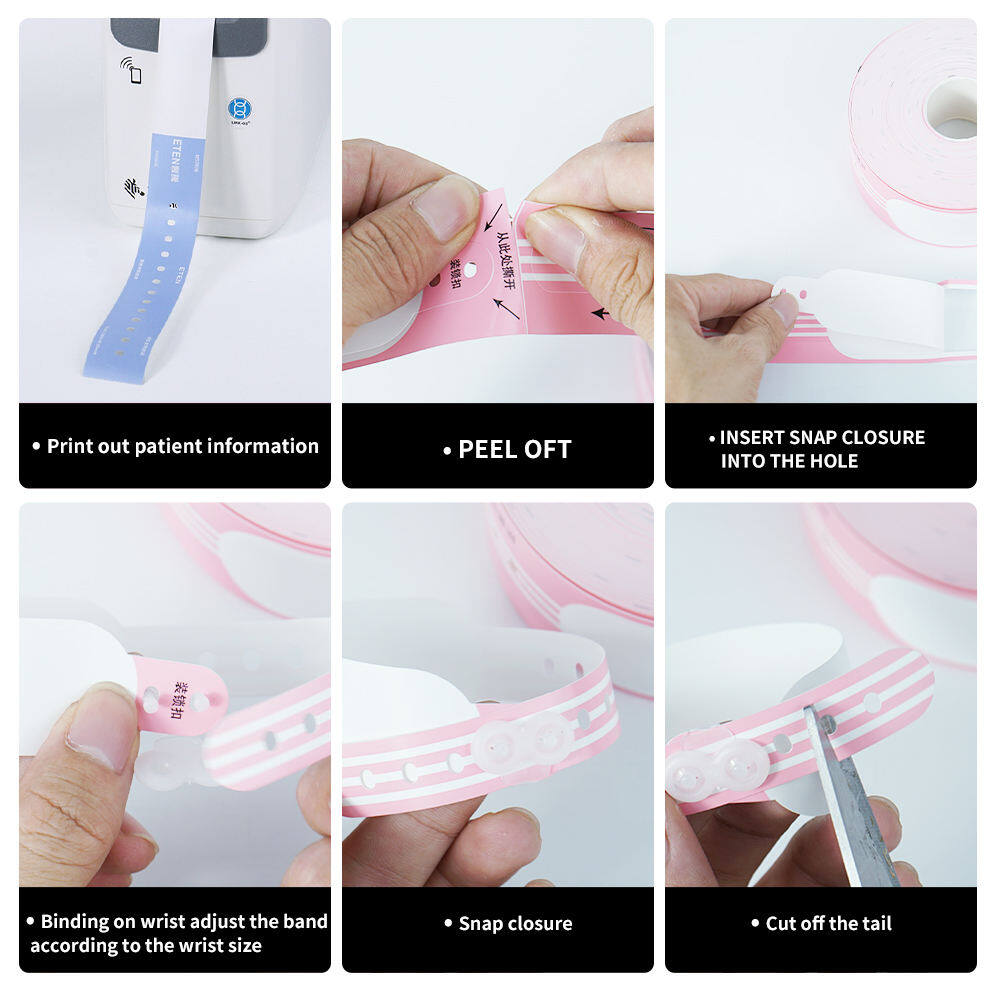
14. How Should Patient Wristbands Be Applied Correctly?
Proper application ensures both security and patient comfort:
- Verify patient identity using two identifiers before applying the wristband
- Apply to the non-dominant wrist when possible, avoiding injured or edematous limbs
- Ensure the wristband fits snugly but allows one finger to slide between the band and skin
- Position the barcode or text facing outward for easy scanning and visual verification
- For neonates and infants, apply to the ankle rather than the wrist to prevent slipping
- Document the application in the patient's medical record
15. What Should Be Done If a Patient Wristband Becomes Damaged or Illegible?
If a wristband becomes damaged, faded, or unreadable, it must be replaced immediately. Follow these steps:
- Verify patient identity using alternative methods (chart review, verbal confirmation with photo ID if available)
- Print a new wristband with current information
- Remove the damaged wristband and apply the new one
- Document the replacement in the medical record, noting the reason for change
- Never attempt to repair or rewrite on a damaged wristband
16. How Often Should Patient Wristbands Be Checked?
Healthcare facilities should establish protocols requiring wristband verification at minimum during:
- Every shift change
- Before medication administration
- Before specimen collection
- Before surgical or invasive procedures
- Patient transfers between units or facilities
- Routine safety rounds
Regular checks ensure the wristband remains intact, legible, and correctly positioned throughout the patient's stay.
17. What Are Color-Coded Wristbands Used For?
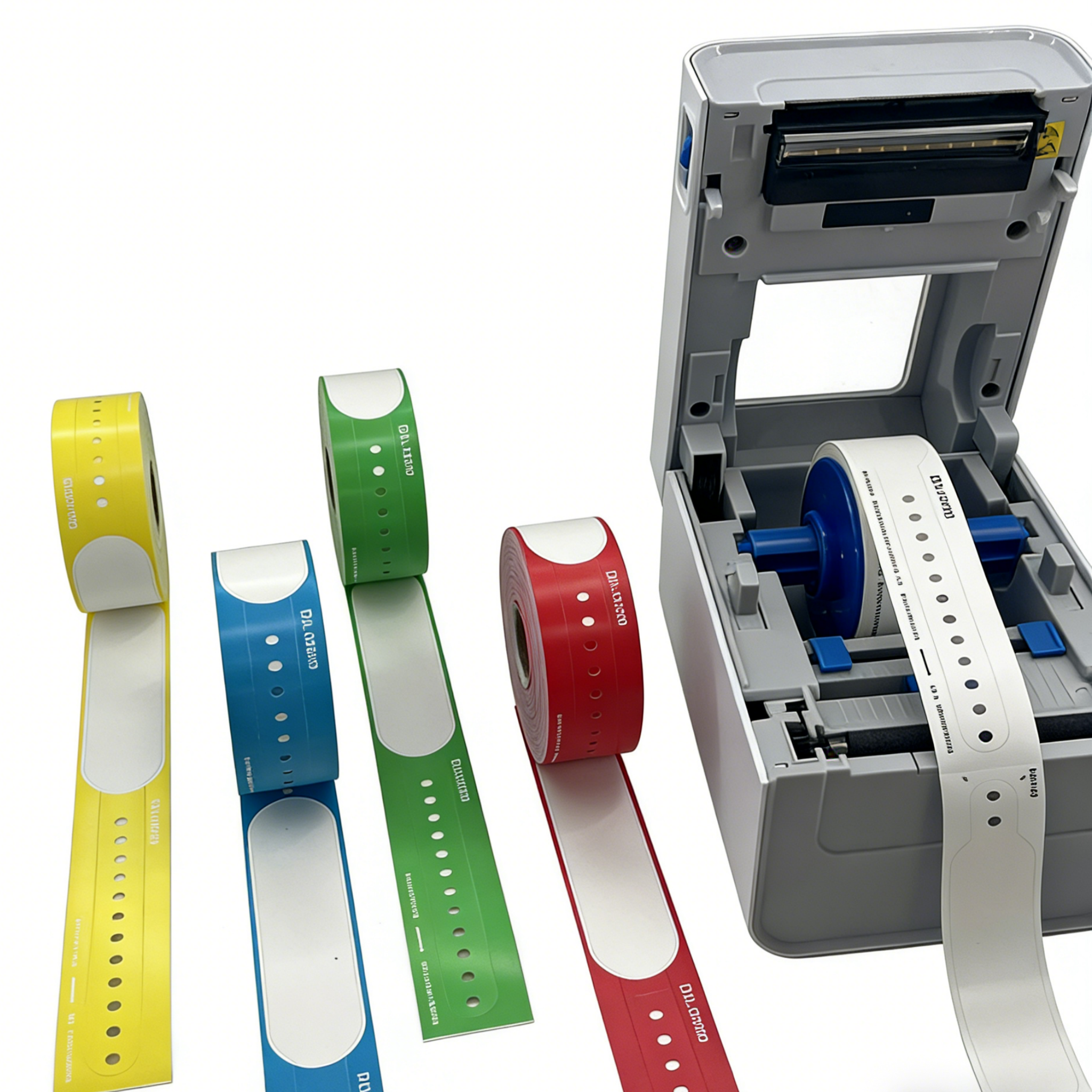
Color-coded wristbands provide immediate visual alerts for specific patient conditions or precautions. Common color conventions include:
- Red: Allergy alert
- Yellow: Fall risk
- Purple: Do Not Resuscitate (DNR)
- Pink: Infant abduction risk / maternity
- Orange: Isolation precautions
- Green: Latex allergy
Note that color standards may vary by region and facility. Always verify your institution's specific color-coding policy and ensure staff receive regular training on the system.
Regulatory Compliance and Standards
18. What Regulatory Standards Apply to Patient Wristbands?
Patient wristbands must comply with several regulatory frameworks:
- The Joint Commission (TJC): National Patient Safety Goal NPSG.01.01.01 requires use of at least two patient identifiers
- CMS Conditions of Participation: Mandates accurate patient identification systems
- HIPAA: Ensures patient information on wristbands is protected and disclosed appropriately
- FDA: Regulates wristbands as Class I medical devices when used for patient identification
- ISO 17025: Quality standards for testing and calibration of identification systems
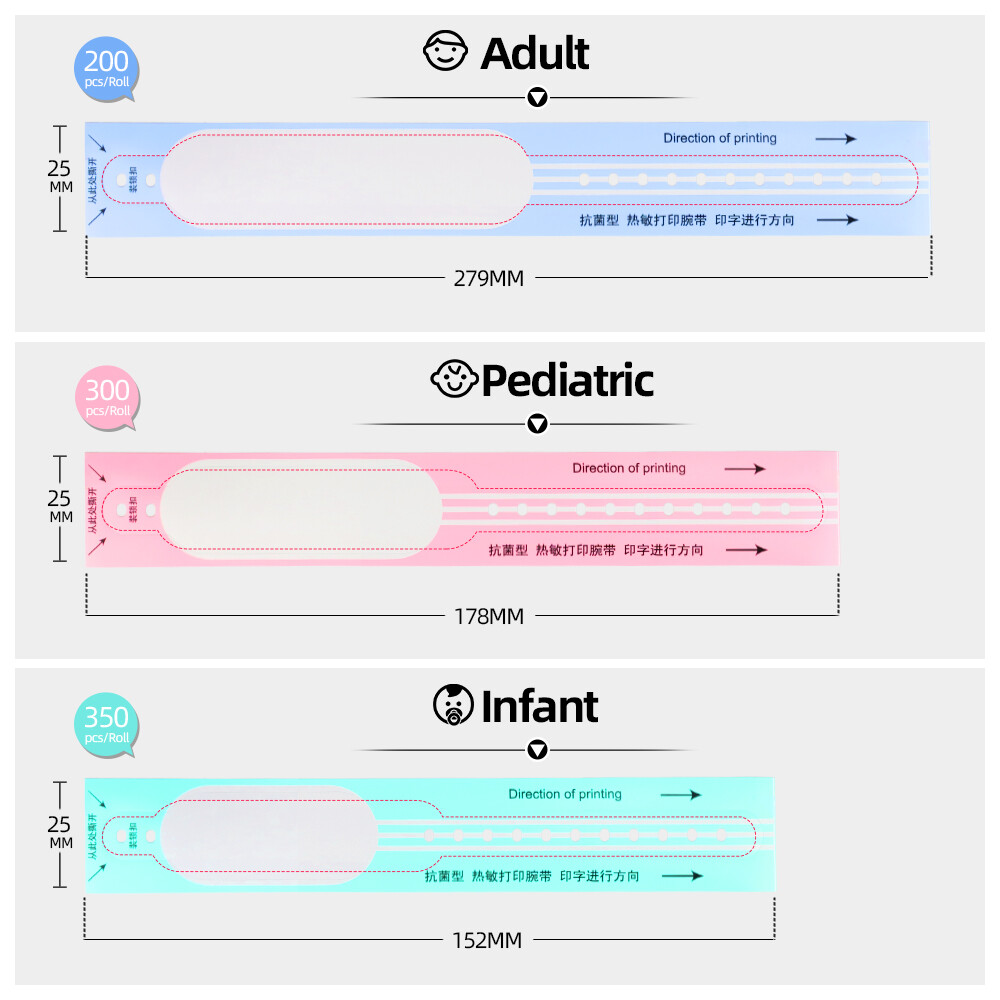
19. Are There Specific Requirements for Pediatric and Neonatal Wristbands?
Yes, pediatric and neonatal patient identification requires special considerations:
- Smaller sizing appropriate for infant and child anatomy
- Softer, hypoallergenic materials to protect delicate skin
- Ankle placement for neonates to prevent accidental removal
- Mother-baby matching systems linking maternal and infant wristbands
- Enhanced security features to prevent infant abduction
- Weight-based dosing verification integrated with wristband scanning
Special Considerations and Advanced Topics
20. How Do Patient Wristbands Support Medication Administration Safety?
Patient wristbands are integral to closed-loop medication administration. The workflow typically follows these steps:
- Nurse scans patient wristband barcode at bedside
- System verifies patient identity against medication order
- Nurse scans medication barcode
- System confirms match between patient, medication, dose, route, and timing
- If mismatch detected, system alerts nurse before administration
- Administration event documented automatically in EHR
This closed-loop process has been shown to reduce medication errors by up to 80% in studies published in leading healthcare journals.
21. Can Patients Request Removal of Their Wristband?
While patients have the right to refuse any aspect of their care, healthcare providers should educate patients on the importance of wearing identification wristbands. If a patient insists on removal:
- Explain the safety risks associated with not wearing identification
- Document the refusal in the medical record
- Implement alternative identification protocols (bedside chart verification, photo identification)
- Re-offer the wristband periodically as circumstances may change
- Involve patient advocates or family members in education efforts when appropriate
22. What Are the Environmental Considerations for Patient Wristbands?
Healthcare facilities are increasingly considering sustainability in wristband selection:
- Biodegradable and recyclable materials are now available from several manufacturers
- Reduced packaging and bulk purchasing minimize waste
- Digital-first approaches reduce unnecessary reprinting
- Some facilities have implemented wristband recycling programs for non-contaminated bands
- Energy-efficient printers reduce overall environmental footprint
23. How Do Patient Wristbands Function in Emergency and Disaster Situations?
In mass casualty incidents and disaster response scenarios, patient wristbands play a vital role in triage and tracking:
- Rapid issuance of temporary identification wristbands with minimal information
- Color-coded triage tags integrated with wristband systems
- Tracking of patient movement between field hospitals, transport, and receiving facilities
- Reunification of separated family members through linked wristband identifiers
- Integration with regional disaster response databases

24. What Future Innovations Are Expected in Patient Wristband Technology?
The future of patient identification is evolving rapidly with emerging technologies:
- Smart wristbands: Embedded sensors monitoring vital signs, location, and activity levels
- NFC-enabled bands: Near-field communication allowing tap-to-verify interactions with smartphones and tablets
- Biometric integration: Fingerprint or vein pattern recognition linked to wristband identity
- Blockchain-secured records: Tamper-proof patient identity verification using distributed ledger technology
- AI-powered anomaly detection: Machine learning algorithms identifying potential misidentification events in real-time
- Eco-friendly smart materials: Self-healing polymers and biodegradable electronics
25. How Can Healthcare Facilities Optimize Their Patient Wristband Program?
To maximize the effectiveness of your patient wristband program, consider these optimization strategies:
- Conduct regular audits of wristband compliance and accuracy
- Provide ongoing staff training on proper application, scanning, and troubleshooting
- Solicit feedback from frontline clinicians on usability and comfort
- Monitor error rates and near-miss reports related to patient identification
- Stay current with regulatory changes and industry best practices
- Evaluate new technologies annually to identify improvement opportunities
- Engage patients and families in education about the importance of wearing wristbands
- Partner with reputable suppliers who offer quality products, technical support, and regulatory guidance
Conclusion
Patient wristbands remain one of the most effective tools for ensuring healthcare safety and accurate patient identification. From basic vinyl bands to advanced RFID-enabled smart wristbands, these devices continue to evolve while maintaining their fundamental purpose: ensuring that every patient receives the right care at the right time. By understanding the 25 key points covered in this guide, healthcare professionals can make informed decisions about wristband selection, implementation, and optimization within their facilities.
Whether you are implementing a new patient identification system or seeking to improve an existing program, remember that the success of any wristband initiative depends on three pillars: quality products, proper training, and consistent adherence to established protocols. Invest in all three, and your organization will reap the benefits of enhanced patient safety, regulatory compliance, and operational efficiency.
For more information about patient wristbands, hospital bracelets, medical ID bands, and related healthcare safety solutions, explore our comprehensive product catalog and educational resources. Our team of experts is ready to help you find the perfect patient identification solution for your facility's unique needs.
Continue Reading
Have Questions About Wristbands?
Our team is ready to help you find the perfect wristband solution for your needs. Contact us directly on WhatsApp for quick responses.
Contact on WhatsApp