
Beyond Identification: The Evolving Role of the Hospital Wristband as a Critical Asset in Patient Safety and Operational Workflow
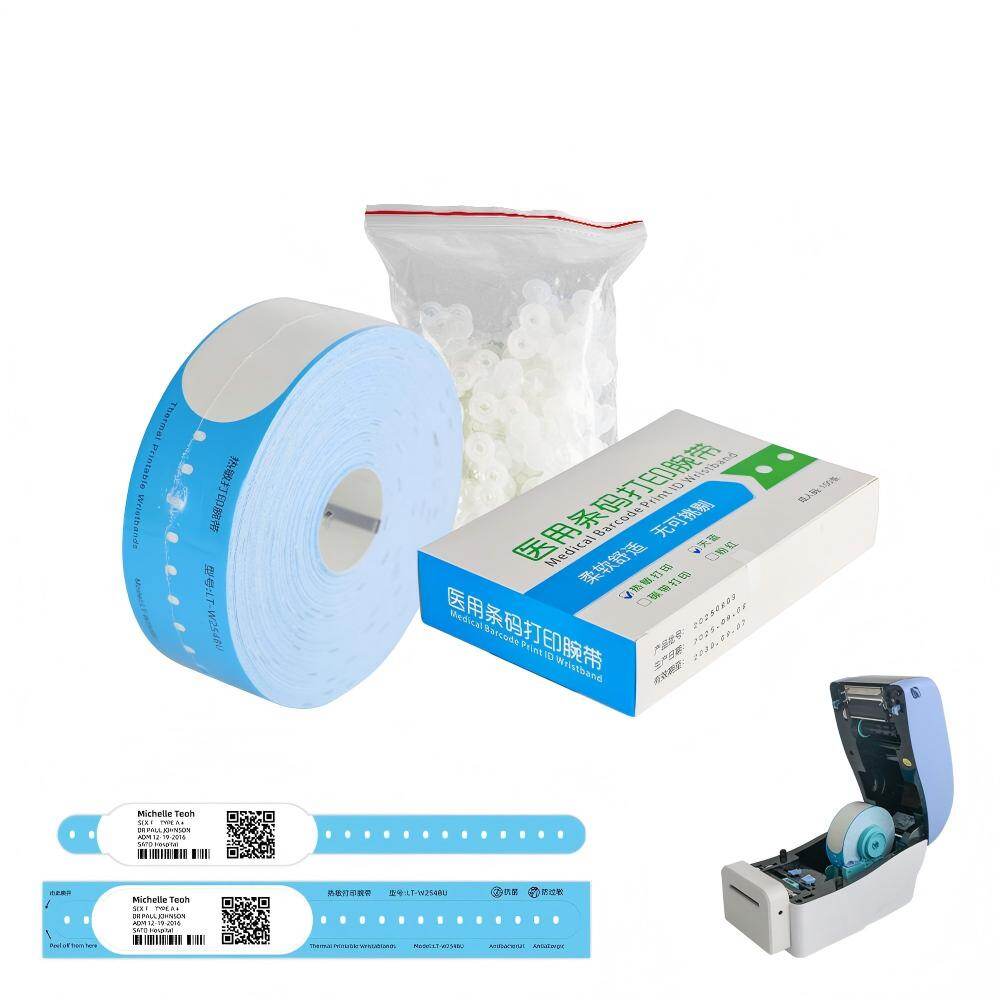
In the complex, high-stakes environment of modern healthcare, the patient wristband, also known as a hospital bracelet or medical ID band, is often the first and most fundamental point of contact between a patient and the digital health ecosystem. While many view these simple strips of synthetic material as mere identifiers, their role has evolved dramatically over the past decade. Today, the patient identification wristband serves as a sophisticated, multi-functional tool that is integral to ensuring patient safety, streamlining clinical workflows, and even enabling advanced monitoring and security protocols.
The simple plastic band or durable Tyvek wristband, traditionally used to display a patient's name and medical record number, has been transformed. Its evolution is a response to a critical mandate: the absolute necessity of accurate patient identification. As highlighted in recent guidance, misidentification errors can lead to catastrophic outcomes, including wrong-site surgery, medication errors, and transfusion mismatches. To mitigate these risks, healthcare facilities worldwide are adopting advanced solutions that go far beyond the basic write-on wristband. This article explores the multifaceted role of the modern hospital bracelet, examining its technological advancements, diverse applications across various care settings, and its crucial impact on healthcare operations.
The Imperative of Accurate Identification and the "Two-Identifier" Rule
At its core, the primary function of any patient identification wristband is to ensure that the right care is delivered to the right patient every time. This is not just a best practice but a foundational safety standard. The "two-identifier" rule, a protocol endorsed by healthcare organizations globally, mandates that clinicians must use at least two distinct patient identifiers before administering any medication, performing a procedure, or providing any treatment.
Historically, this might involve verbally confirming a patient's name and date of birth and comparing it to a handwritten wristband. However, this manual method is fraught with risks. Illegible handwriting, duplicate names, and human error during confirmation create dangerous vulnerabilities. This is where the modern barcode wristband becomes indispensable.
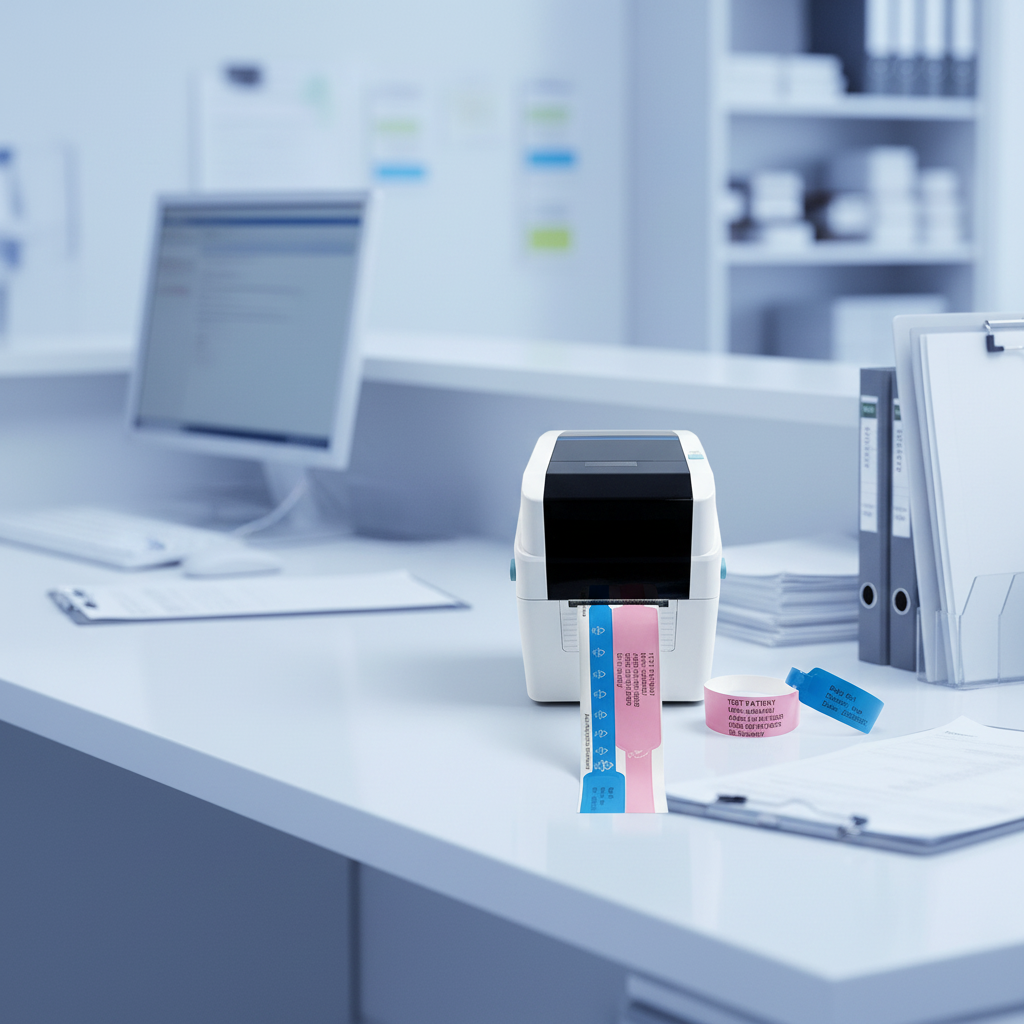
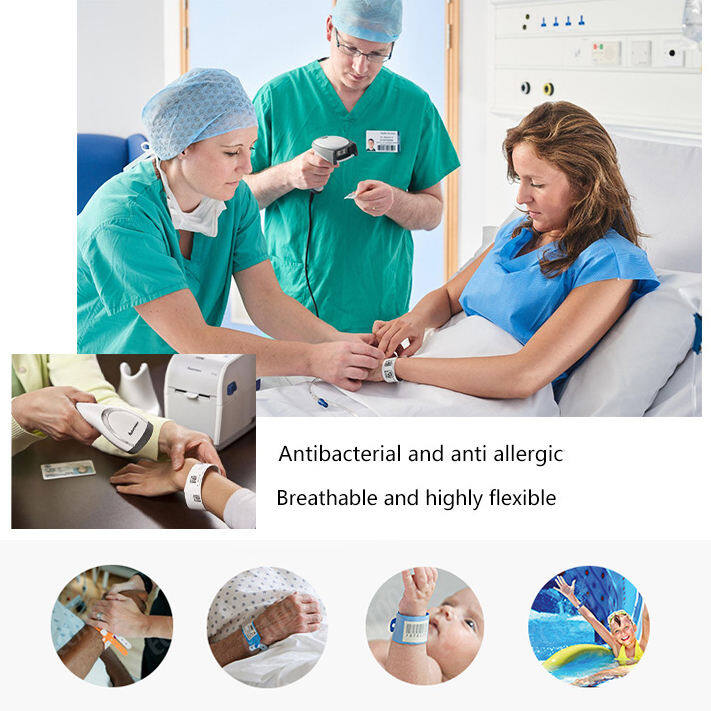
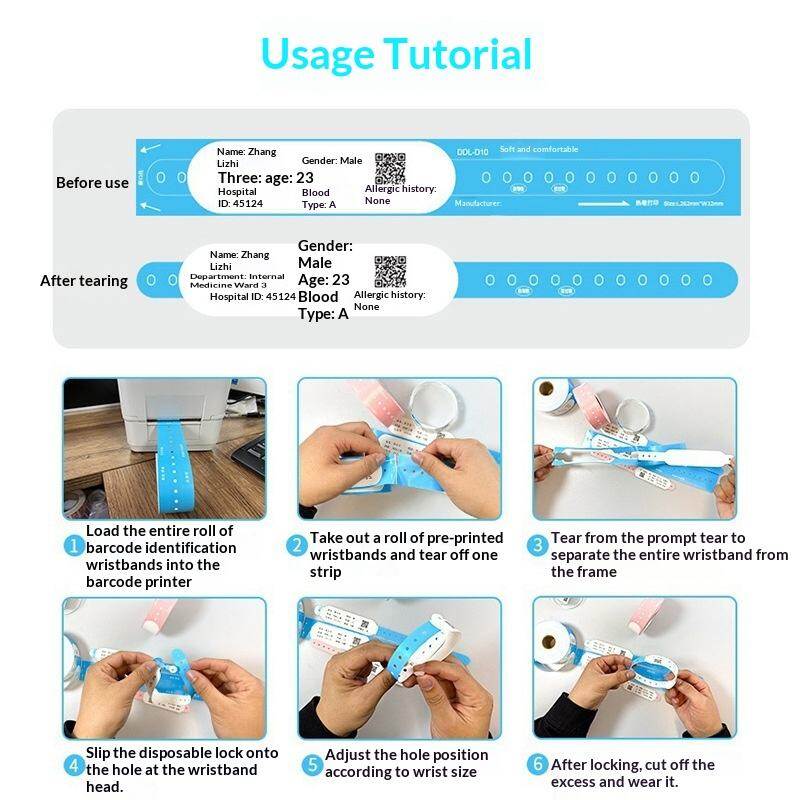
Barcoded patient wristbands are a cornerstone of the "two-identifier" rule. When a clinician scans the barcode on the patient identification band, it immediately pulls up the patient's electronic health record (EHR), confirming their identity. This action is then paired with the second identifier — the clinician's own verification of the patient's photo or another demographic detail — to create a closed-loop identification system. This process is often integrated with other safety technologies, such as an ID card printer for staff badges or labels for specimen collection, creating a seamless and secure chain of identification.
Material Science and Application Specifics: Selecting the Right Patient Wristband
The choice of material for a patient wristband is not arbitrary; it is dictated by the specific clinical application, the expected duration of wear, and the patient's unique needs. The market offers a variety of options, each with distinct advantages.
Synthetic Paper (Tyvek) and Direct Thermal Wristbands
For the vast majority of short- to medium-stay patients, a disposable synthetic paper wristband is the standard choice. Products like the Z-Band Direct series from Zebra or Tyvek wristbands are lightweight, comfortable, and cost-effective. They are designed to be printed on-demand using thermal printers, which is a crucial feature for efficient admission processes. Their print area is easily compatible with a patient ID barcode, making them ideal for daily scans for medication administration or blood draws. These materials are also water-resistant and durable enough to withstand the rigors of a hospital stay, including hand washing and sanitizing.
Advanced Synthetic and Self-Laminating Wristbands
For patients with longer anticipated stays, such as those in long-term care or specialized hospitals, a more durable hospital wristband is required. Self-laminating wristbands, like the Z-Band Fusion or LaserBand2 Advanced, offer superior protection against moisture and tampering. The clear laminate layer covers the printed text and barcode, making them highly resistant to damage from alcohol-based hand sanitizers, water, and other chemicals. This ensures that the identification wristband remains legible and scannable for the entire duration of a patient's stay, which can be critical for long-term treatment and safety.
Tailored Solutions for Specialized Wards
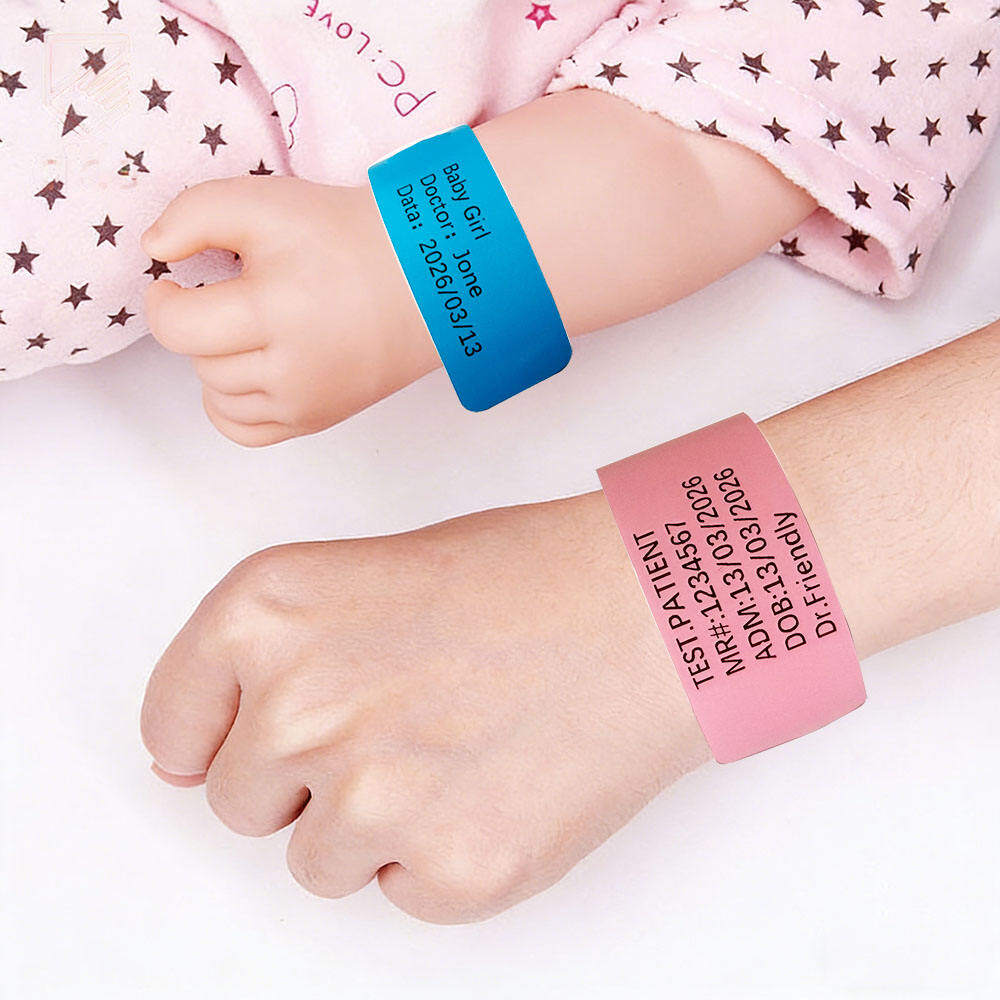
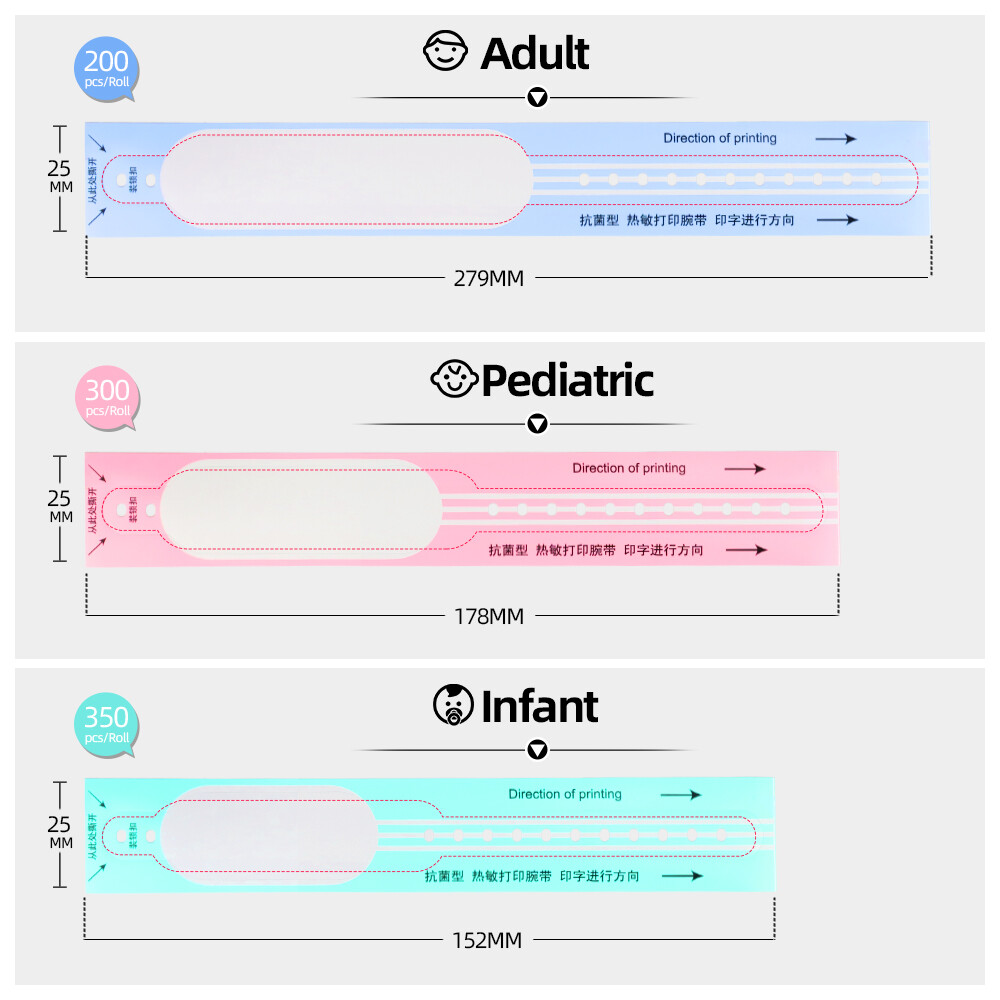
Different patient populations require specialized wristbands. For pediatric and infant patients, comfort and security are paramount. Newborn identification wristbands are typically made from the softest materials, such as flexible vinyl or foam, to protect their delicate skin. Solutions like the Z-Band ComfyCuff incorporate a soft, adjustable cuff designed specifically for newborns. Importantly, these infant wristbands are often part of a "maternity ID solution," where a matching wristband is printed for the mother and the infant, creating a vital link that helps prevent infant abduction or mix-ups in the maternity ward.
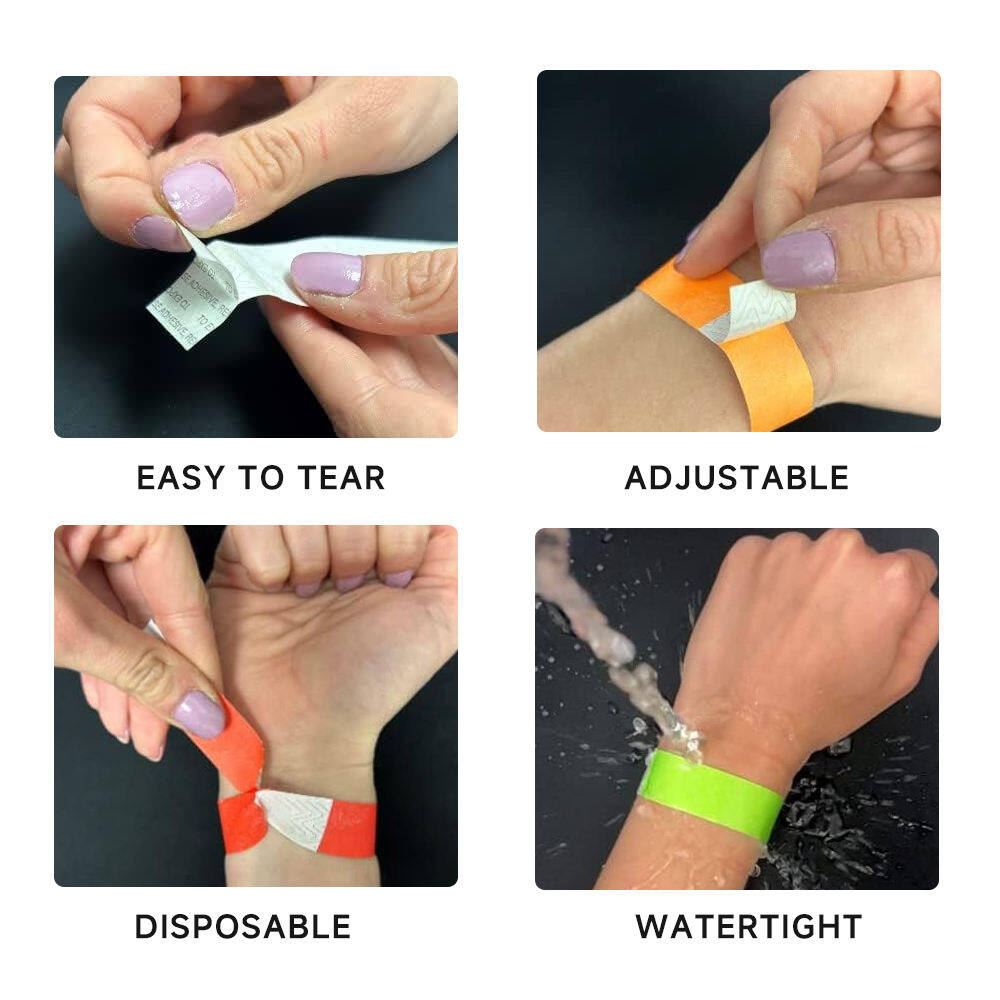
In high-acuity settings like the emergency department (ED), the focus shifts to speed. A short-stay wristband, such as the Z-Band UltraSoft ST, is often used in EDs and ambulatory surgery centers. These are designed for use with direct thermal printers to ensure rapid patient identification upon arrival, facilitating immediate care. Similarly, in psychiatric and behavioral health wards where patients may be a risk to themselves or others, the traditional adhesive closure wristband may be replaced with a tamper-evident or breakaway wristband, which helps prevent self-harm and ensures patient safety.
The Critical Role of Color-Coded Alert Wristbands
Beyond patient identification, the wristband is a powerful visual communication tool. Color-coded alert wristbands provide an immediate, at-a-glance indication of a patient's specific risks or preferences, drastically reducing the likelihood of medical errors. Standardization of these colors is vital for patient safety, especially as healthcare professionals often work in multiple facilities or travel between units.
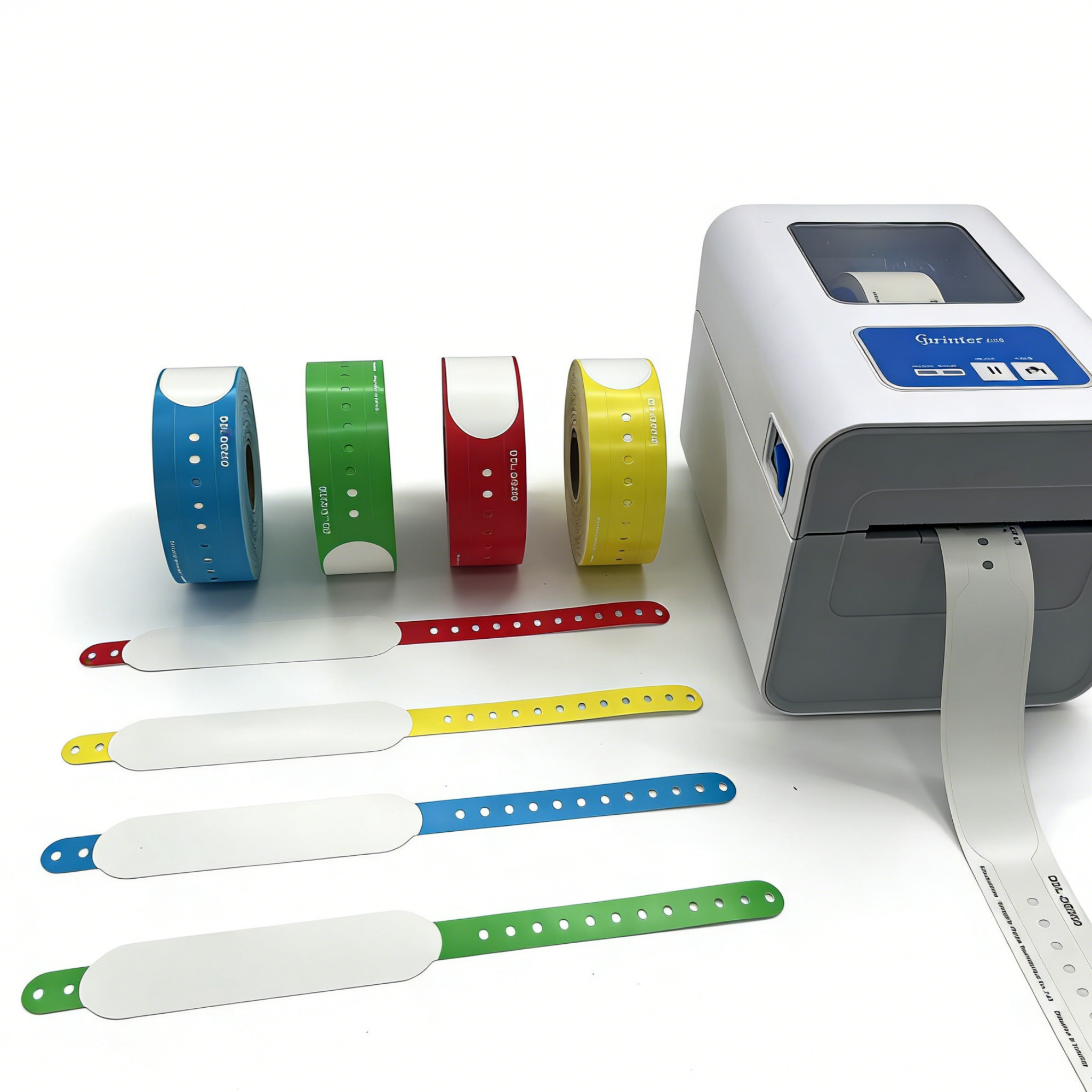
The American Hospital Association (AHA) and many state-level initiatives strongly advocate for a standardized color scheme. While not universal, the most widely adopted standard uses the following colors to represent specific alerts:
- Red: Indicates the patient has an allergy. This is one of the most critical alerts, preventing the administration of medications or materials that could cause a severe reaction.
- Yellow: Signals that the patient is a fall risk. This prompts clinicians to take extra precautions, such as ensuring bed rails are up, using fall mats, or increasing observation.
- Purple: Designates a Do-Not-Resuscitate (DNR) patient preference. This pre-printed alert ensures that all staff are aware of the patient's wishes regarding resuscitation efforts in an emergency.
- Green: Often used to indicate a latex allergy.
- Pink: Used to alert staff that a patient has a restricted extremity, meaning that an arm or limb should not be used for IV insertions, blood draws, or blood pressure readings.
The use of these alert wristbands transforms a simple patient band into a 24/7 safety device. When combined with a barcode scan, they form a powerful double-check, ensuring that not only is the patient correctly identified but that their unique and critical care requirements are immediately recognized by every member of the care team. Spot alert labels that can be adhered to existing wristbands are also a flexible solution for facilities looking to implement or augment this system.
The Digital Frontier: RFID Patient Wristbands and Smart Monitoring
The next frontier in patient wristband technology is the integration of Radio Frequency Identification (RFID). Unlike barcode wristbands, which require a line-of-sight scan, RFID-enabled hospital wristbands use radio waves to communicate with readers, enabling automatic, hands-free identification and tracking.
RFID wristbands are a game-changer for workflow efficiency and patient safety. They enable real-time location tracking, which is invaluable for monitoring high-risk patients, ensuring they do not wander into unsafe areas, or quickly locating patients who need urgent attention. In operating rooms, an RFID wristband can confirm a patient's identity through surgical drapes, eliminating the need to expose the patient to verify their wristband, thereby streamlining the pre-operative verification process and maintaining a sterile field.
Furthermore, the technology is paving the way for smart monitoring. Researchers are exploring and implementing RFID systems that can not only track location but also be integrated with sensors to monitor vital signs like heart rate and body temperature. This advancement could be instrumental in remote patient monitoring, for example, allowing clinicians to track the condition of quarantined patients or those in low-acuity care settings from a central station. An RFID wristband tag, whether on a patient or used for equipment tracking, is a central component of this IoT-enabled healthcare ecosystem.
The Interplay of Wristbands and Hospital IT Systems
For a patient wristband to be more than just a piece of plastic, it must integrate seamlessly with a hospital's broader IT infrastructure. This includes the EHR system, pharmacy software, and laboratory information systems. The patient ID barcode or RFID chip on the wristband acts as a key that unlocks a patient's digital record. This integration facilitates several critical processes:
- Closed-Loop Medication Administration (CLMA): A nurse scans the patient's wristband, then scans the medication barcode, and the system confirms that the right medication and dose are being given to the right patient at the right time.
- Specimen Collection: Before collecting blood or other samples, a clinician scans the patient's wristband and the specimen label, ensuring that the sample is correctly attributed to the patient, eliminating a major source of diagnostic errors.
- Dietary Management: A patient's wristband can be linked to their dietary restrictions and meal orders, helping ensure compliance with requirements like "NIL BY MOUTH" (NPO) before surgery.
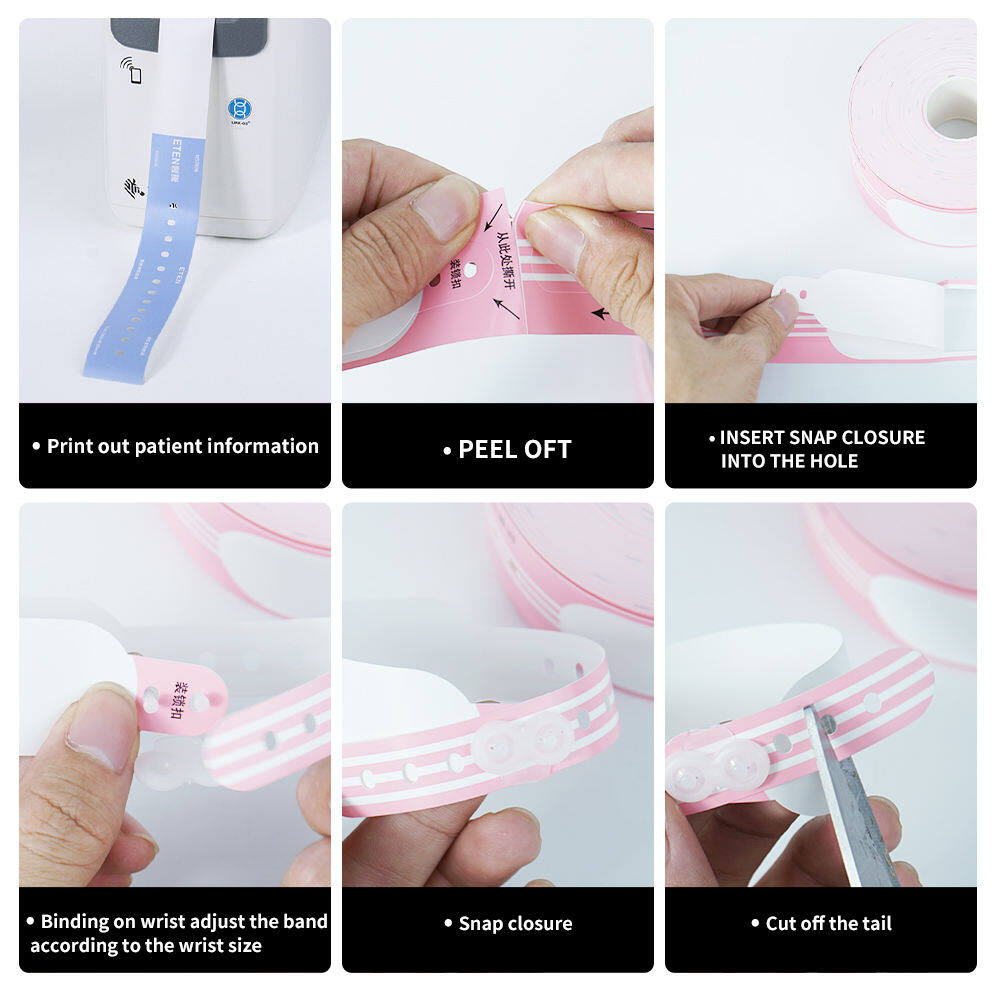
- ADT Integration: The wristband is an extension of the Admission, Discharge, and Transfer system. When a patient's status changes, it can be updated on the wristband via a thermal wristband printer, ensuring that information like room number or attending physician is always current.
This digital integration is so crucial that the market for patient identification wristbands is projected to experience substantial growth, particularly in RFID segments, as hospitals continue to digitize their operations to improve efficiency and patient safety.
The Global Market and Future Trends
The global patient identification wristbands market is on an upward trajectory, driven by a relentless focus on patient safety, the rising incidence of medical errors, and the rapid digitalization of healthcare. Valued at an estimated US$18.0 billion in 2025, it is expected to more than triple, reaching US$58.9 billion by 2032, representing a compound annual growth rate (CAGR) of 18.4%.
Growth is particularly pronounced in the Asia-Pacific region, led by countries like China, where large-scale infrastructure expansion and the adoption of digital health systems are creating immense demand. This expansion is not just about numbers; it is about improving the quality of care. Emerging trends such as biometric wristbands that incorporate fingerprint or vein pattern recognition are being piloted for high-risk scenarios. Furthermore, the development of smart wristbands capable of continuous health monitoring underscores the trajectory of the patient wristband from a simple ID tool to an indispensable component of a connected, intelligent healthcare system.

Conclusion
The patient wristband, whether it is a simple Tyvek band, a durable synthetic bracelet, or a sophisticated RFID wristband, has evolved into a cornerstone of modern healthcare delivery. It serves as the key that unlocks a world of digital safety protocols, from the fundamental "two-identifier" rule to advanced real-time location tracking and closed-loop medication administration. Its importance extends beyond simple patient identification to encompass patient safety, clinical accuracy, and operational efficiency.
The choice of wristband must be strategic and thoughtful — a decision that considers the specific clinical environment, patient population, and technological infrastructure. From the pre-printed alert wristband signaling an allergy to the self-laminating band protecting a barcode for a long-term patient, each type plays a vital role. As healthcare continues to embrace digital transformation, the hospital bracelet will continue to evolve, solidifying its position as a critical asset in the pursuit of safe, accurate, and efficient patient care.
Continue Reading
Have Questions About Wristbands?
Our team is ready to help you find the perfect wristband solution for your needs. Contact us directly on WhatsApp for quick responses.
Contact on WhatsApp