
The Anatomy of Safety: A Deep Dive into Modern Patient Identification Wristbands
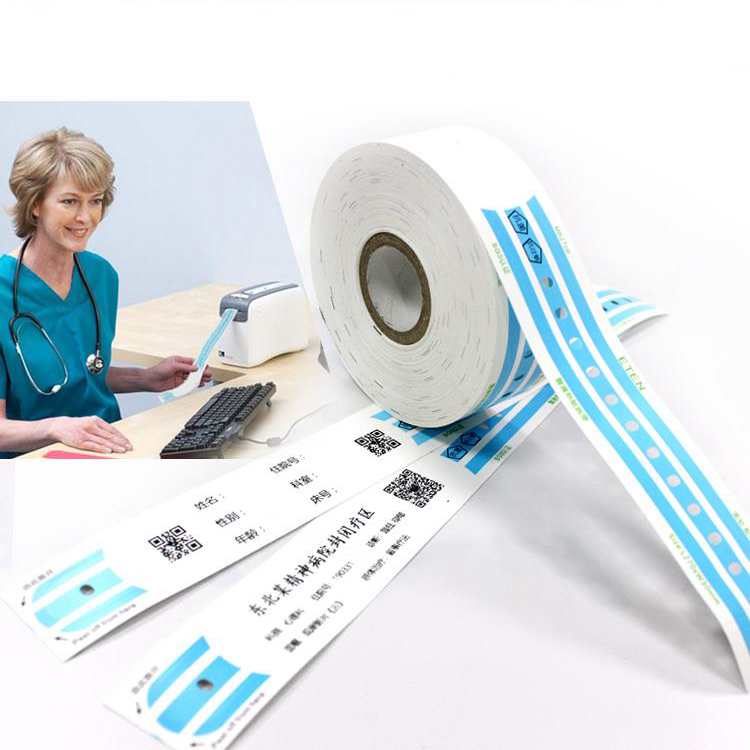
In the complex ecosystem of modern healthcare, where seconds can separate stability from crisis, one unassuming tool plays an outsized role in patient safety: the medical wristband. While often overlooked as a simple accessory, the patient identification wristband is a sophisticated piece of clinical engineering. It serves as a patient's primary voice when they cannot speak, ensuring that every intervention—from medication administration to emergency surgery—is performed on the correct individual. This article explores the clinical standards, material science, and practical applications that define the modern medical bracelet.
Beyond Identification: The Clinical Imperative
The primary function of a hospital wristband is to serve as a silent, constant communicator of a patient's identity and critical health data. Hospitals are dynamic environments where handoffs occur frequently, and the risk of human error is ever-present. A patient's medical alert bracelet acts as a final, physical check against these errors. The core principle behind their use is the "two-identifier" rule, a global standard requiring at least two distinct methods to confirm a patient's identity before any procedure or treatment.
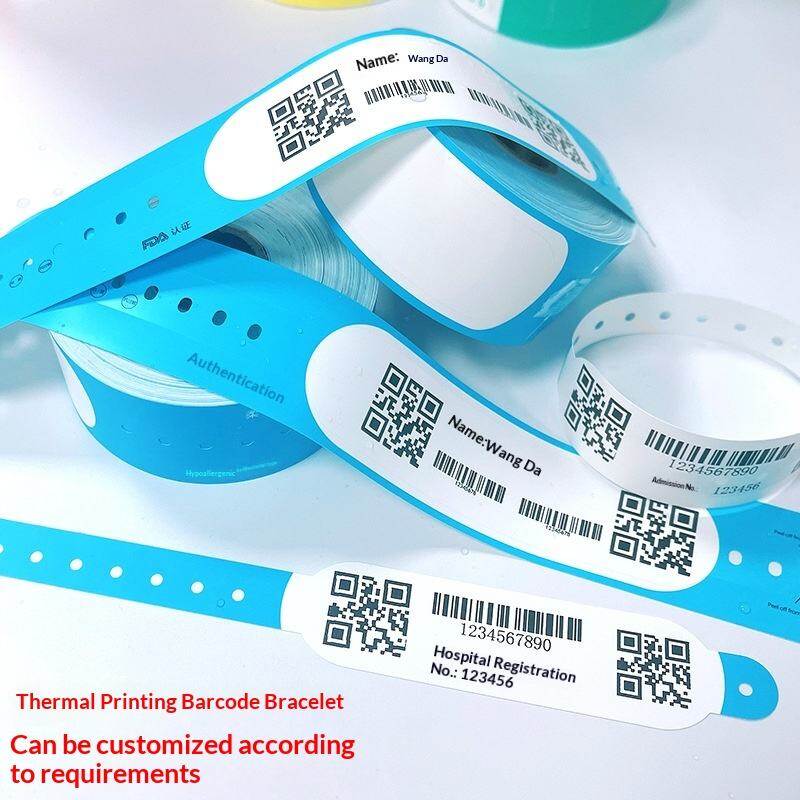
This practice is not just a recommendation; it is the foundation of clinical risk management. Guidelines from major health authorities, such as the World Health Organization's surgical safety checklist, mandate the use of identification wristbands as a key step in preventing wrong-site, wrong-procedure, and wrong-patient errors. The patient safety implications are profound, as a misplaced or incorrect wristband can set off a chain of events leading to misdiagnosis, incorrect medication, or even life-threatening allergic reactions.
Standardization and Information Accuracy
To function effectively, a medical ID bracelet must follow strict standards regarding the information it carries. Across the globe, the core data set is remarkably consistent. According to established health standards, a patient identification wristband must clearly and legibly display the patient's full name, sex, age or date of birth, and a unique identifier, such as a medical record number or ID number.
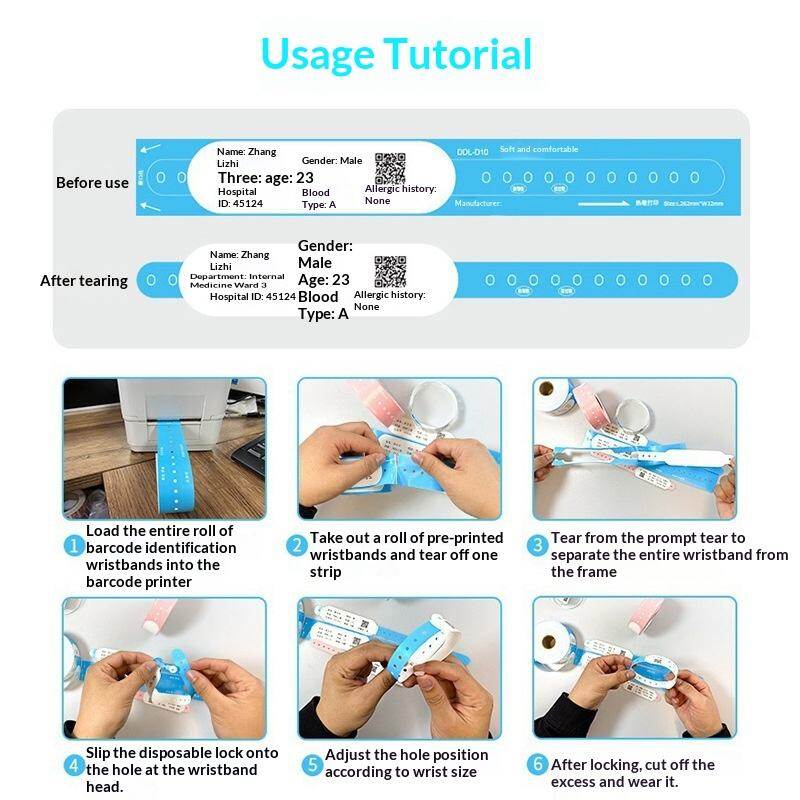
This information is non-negotiable and forms the basis of all patient identification processes. The wristband must be durable to withstand the hospital environment. The text on a custom engraved medical ID must remain legible despite exposure to water, soap, and constant friction. This is where the choice of material and printing technology becomes critical. The use of standard abbreviations, like "NKDA" (No Known Drug Allergies) or "DM" (Diabetes Mellitus), is encouraged to save space and ensure instant recognition by emergency personnel.
The Science of Materials: Silicone vs. Stainless Steel
The material composition of a medical wristband directly impacts its functionality and patient comfort. The choice is typically between medical-grade silicone and various metals, primarily stainless steel or titanium.
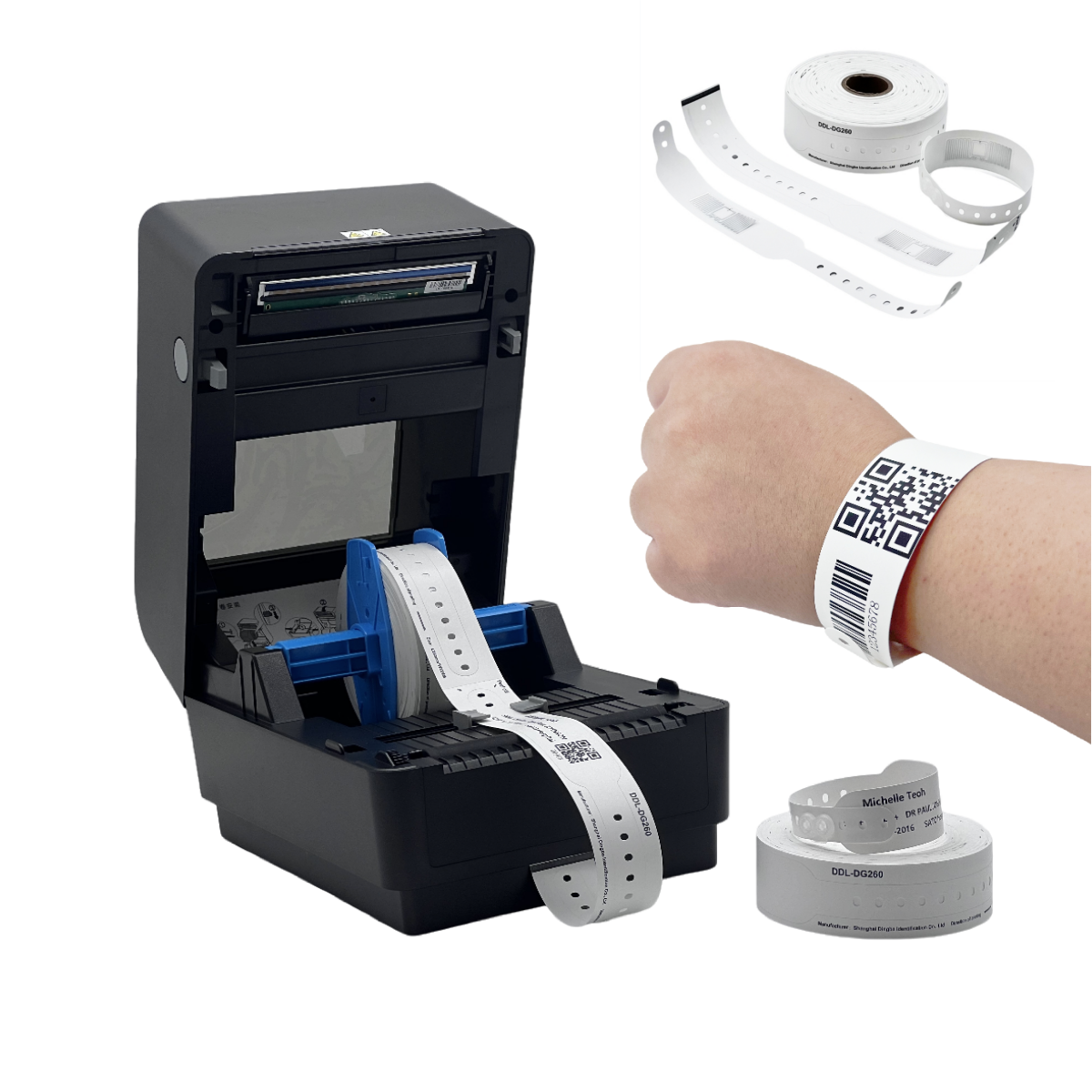
Silicone wristbands have become the ubiquitous standard for in-hospital use and daily wear for many patients. This material is favored for several reasons. It is hypoallergenic, making it safe for patients with skin sensitivities, and its flexibility ensures a comfortable, non-restrictive fit during sleep and movement. For active individuals, the silicone bracelet is ideal as it is waterproof, sweat-resistant, and easy to clean. Furthermore, silicone wristbands are designed with safety in mind; they are often engineered to snap under enough force to prevent the risk of the limb getting caught on objects.
For long-term daily wear outside the hospital, stainless steel ID bracelets remain a popular choice. These offer the durability and longevity that silicone lacks over many years. A stainless steel or titanium bracelet is highly scratch-resistant and can be professionally engraved, ensuring the text remains permanent and clear for decades.
The Precision of Permanent Engraving
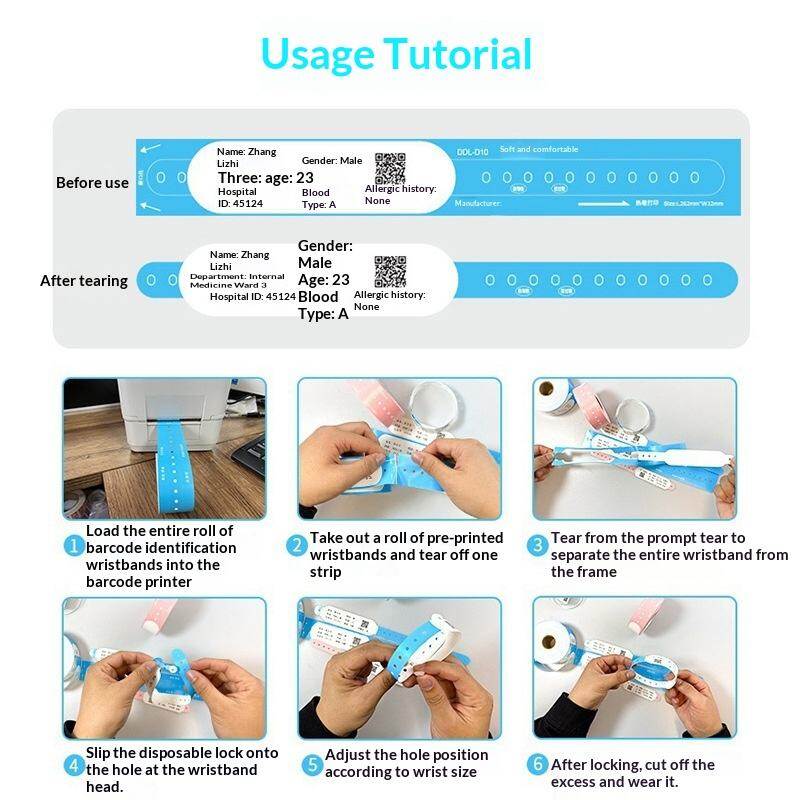
Once the material is chosen, the next critical step is the customization of the medical information. The method of marking the bracelet is crucial for its legibility and lifespan. Laser engraving is the gold standard for metal medical ID bracelets. This process creates deep, permanent markings that will not fade, smear, or rub off with time. The contrast created by a laser-etched surface ensures the text is easily readable in a variety of lighting conditions, which can be critical in a stressful emergency situation.
For silicone bands, the information can be printed or embossed, but high-quality silicone bands also use a form of laser etching to ensure the information does not wear away. This permanent ID characteristic is non-negotiable; a faded wristband can lead to misidentification and is a point of patient safety failure. The permanence of the engraving also ensures that critical information like allergies, chronic conditions such as Type 1 Diabetes or Epilepsy, and emergency contact numbers are always available to first responders, even if the patient is unconscious and cannot speak.
Practical Considerations for Best Practice
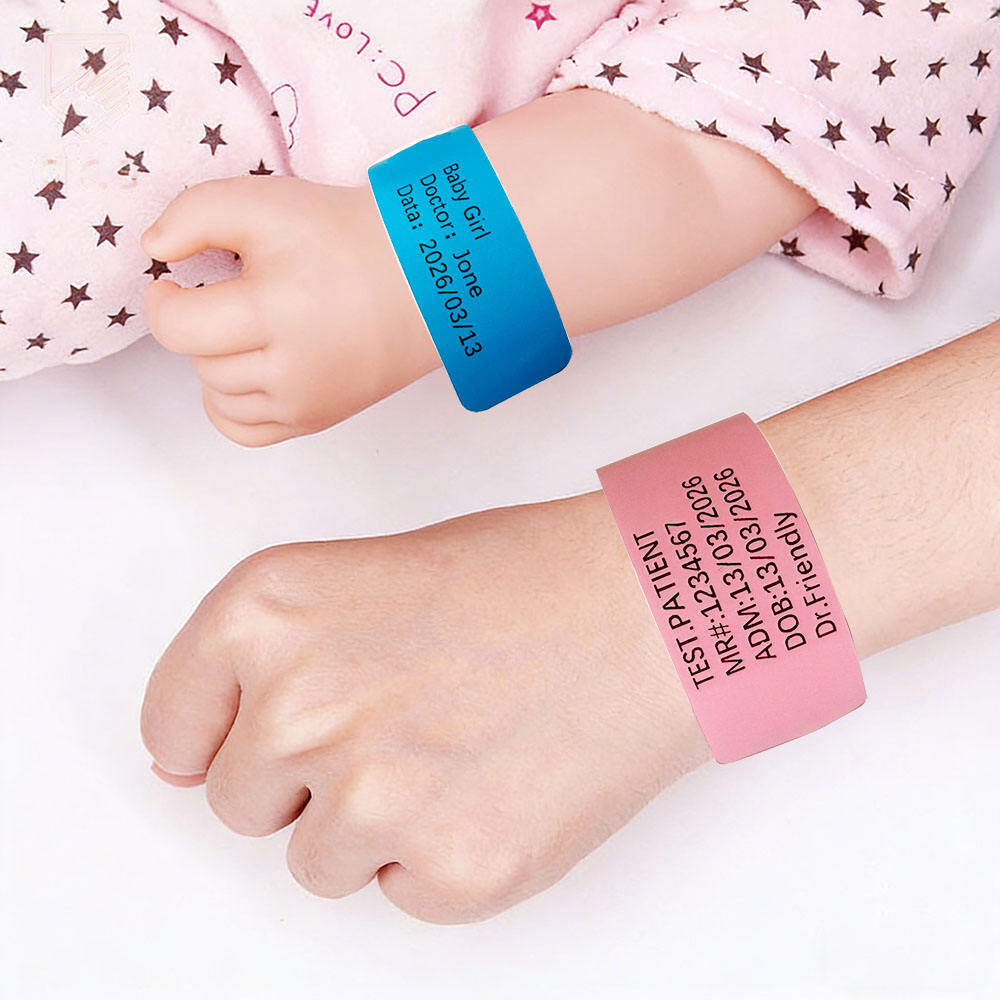
Implementing an effective wristband system goes beyond simply putting a band on a patient. It requires a systematic, protocol-driven approach. The placement of the identification band is a critical step. The preferred site is usually the wrist, but specific protocols dictate placement depending on the patient's condition, such as avoiding a limb with an IV line or a surgical site.
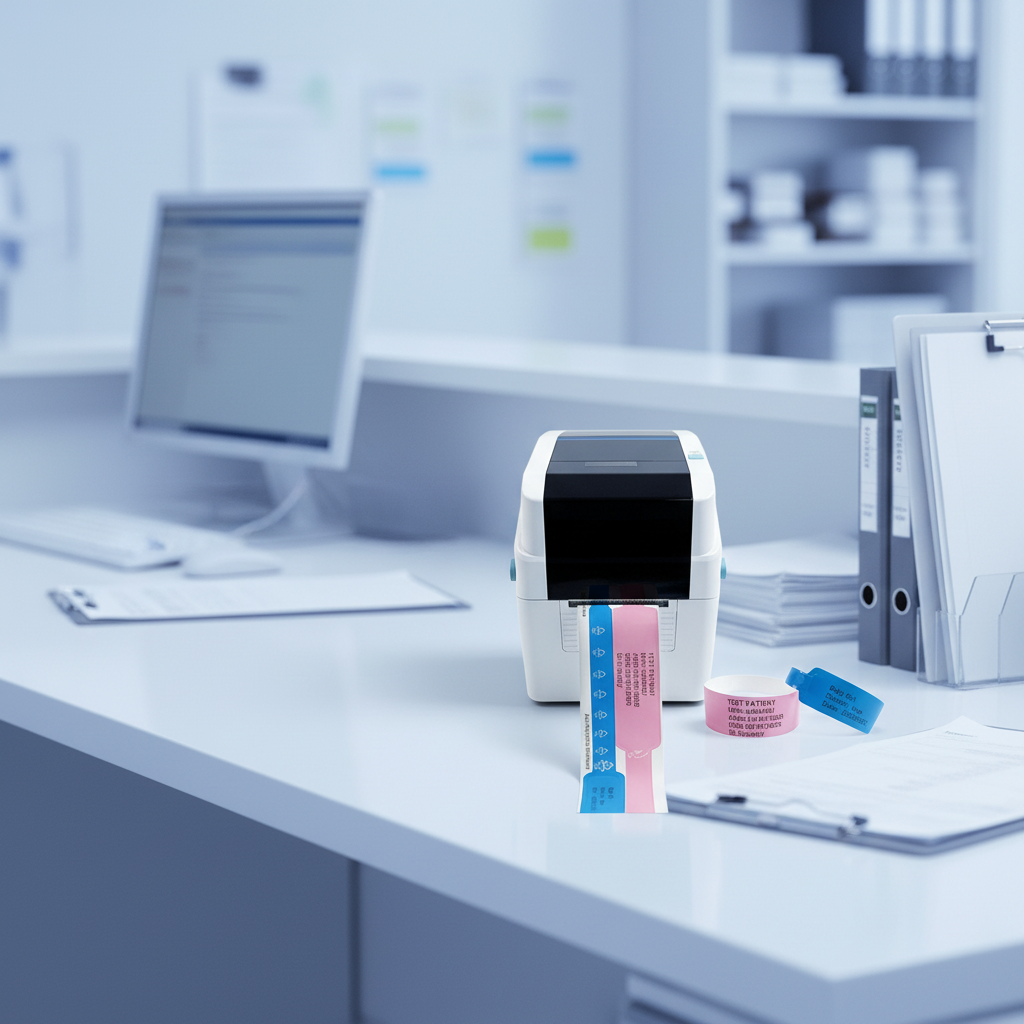
Healthcare staff are trained to verify the wristband regularly, checking for both integrity and readability. If a wristband becomes damaged or illegible, it must be removed and replaced immediately following strict verification procedures. The worn and torn band is often destroyed to prevent misuse and maintain patient data privacy. This meticulous process highlights the gravity with which healthcare systems treat patient identification; it is not merely a formality but a core component of a robust clinical risk management strategy.
Conclusion
The medical wristband is a marvel of practical design and rigorous standardization. It is a silent guardian that stands as the final, physical checkpoint in a chain of safety protocols. Whether in a busy hospital ward or on the wrist of an individual living with a chronic condition, the medical ID bracelet ensures that a patient's most vital information is always known.
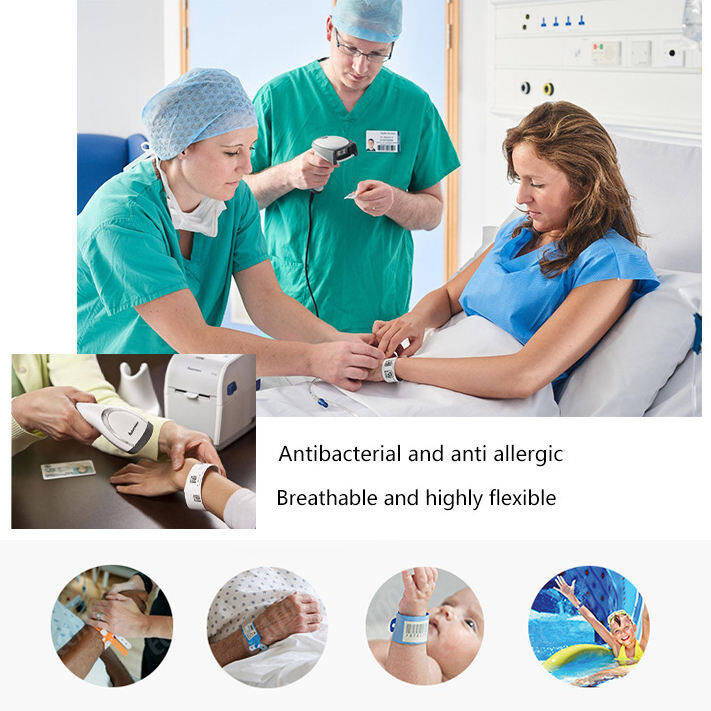
Its effectiveness lies in the synergy of durable materials, permanent engraving, and unwavering adherence to clinical standards, making it an indispensable tool in the pursuit of error-free healthcare and patient safety.
patient identification wristband, medical wristband, hospital wristband, medical ID bracelet, patient safety, clinical standards, silicone wristband, stainless steel medical bracelet, laser engraving, healthcare risk management, two-identifier rule, WHO surgical checklist, medical alert bracelet, chronic condition ID, emergency medical ID, WeIDMed, wristband manufacturer
At WEIDMED, we specialize in manufacturing medical-grade patient identification wristbands that meet the highest standards of quality, durability, and safety. Our products support barcode printing, laser engraving, and are compliant with international healthcare standards. Contact our team to learn how we can support your patient identification needs.
Continue Reading
Have Questions About Wristbands?
Our team is ready to help you find the perfect wristband solution for your needs. Contact us directly on WhatsApp for quick responses.
Contact on WhatsApp