
The Definitive Guide to Hospital Wristband Printing: Mastering Thermal Technologies for Patient Safety
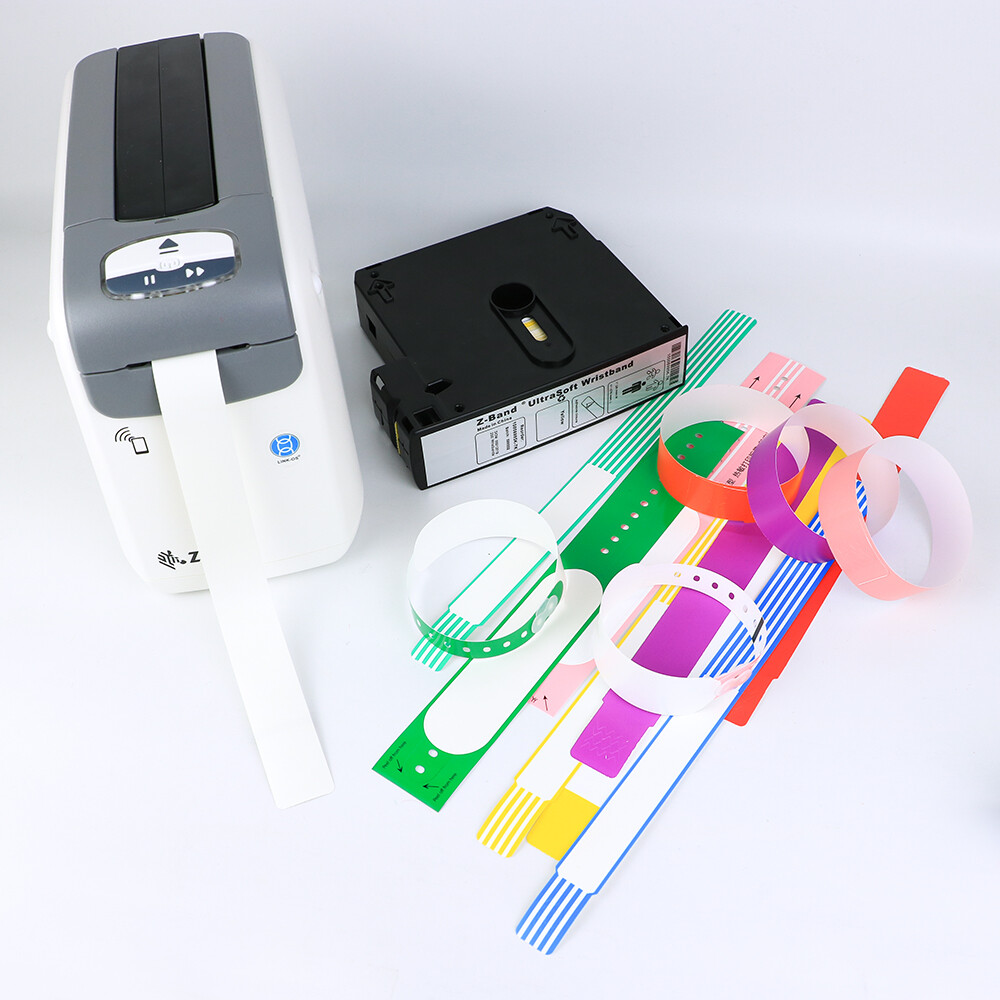
The Definitive Guide to Hospital Wristband Printing: Mastering Thermal Technologies for Patient Safety
Hospital wristband printing is a critical component of modern healthcare infrastructure. Accurate patient identification through medical wristbands directly impacts patient safety, regulatory compliance, and operational efficiency. This comprehensive guide covers everything healthcare administrators and IT professionals need to know about hospital wristband printing technologies, from direct thermal versus thermal transfer methods to printer selection, ribbon types, and industry best practices.
Why Hospital Wristband Printing Matters for Patient Safety
Patient identification errors remain one of the leading causes of medical adverse events worldwide. The Joint Commission has consistently listed accurate patient identification as a National Patient Safety Goal since 2003. Hospital wristbands serve as the primary visual and scannable identifier throughout a patient's stay, making reliable wristband printing essential for every healthcare facility.
Modern hospital wristband printing systems integrate with Electronic Health Records (EHR), Admission-Discharge-Transfer (ADT) systems, and barcode-based medication administration workflows. When implemented correctly, these systems reduce misidentification errors by up to 95% compared to manual handwriting methods.
Understanding Thermal Printing Technologies for Medical Wristbands
Two dominant thermal printing technologies power hospital wristband production: direct thermal printing and thermal transfer printing. Understanding the differences between these methods is fundamental to selecting the right solution for your facility.
Direct Thermal Printing for Hospital Wristbands
Direct thermal printing uses heat-sensitive media that darkens when exposed to the printhead. No ribbon, ink, or toner is required. This technology is widely adopted in hospital environments due to its simplicity, low maintenance requirements, and cost-effectiveness for short-term patient stays.
Key characteristics of direct thermal hospital wristband printing include:
- No consumable ribbon required, reducing supply chain complexity
- Faster print speeds suitable for high-volume admission periods
- Simplified printer maintenance with fewer moving parts
- Ideal for patients with stays under 30 days
- Lower per-label cost for short-duration applications
However, direct thermal prints are sensitive to heat, light, and chemical exposure. Prolonged exposure to sunlight, alcohol-based sanitizers, or elevated temperatures can cause fading. For long-term patients or specialty units with harsh environmental conditions, this limitation must be carefully considered.
Thermal Transfer Printing for Medical Wristbands
Thermal transfer printing uses a heated ribbon coated with wax, resin, or wax-resin formulation to transfer ink onto the wristband substrate. This method produces more durable prints resistant to moisture, chemicals, UV exposure, and abrasion.
Advantages of thermal transfer for hospital wristband printing include:
- Superior print durability lasting months without degradation
- Resistance to alcohol, water, and common hospital disinfectants
- Better barcode scan reliability over extended periods
- Suitable for NICU, oncology, and long-term care units
- Compatibility with synthetic and coated wristband materials
Comparing Direct Thermal vs Thermal Transfer: Decision Matrix
| Factor | Direct Thermal | Thermal Transfer |
|---|---|---|
| Print Durability | 3-6 months typical | 12+ months with proper ribbon |
| Cost Per Wristband | Lower (no ribbon) | Higher (ribbon consumable) |
| Printer Maintenance | Minimal | Moderate (ribbon changes) |
| Chemical Resistance | Low | High (resin ribbon) |
| Barcode Longevity | Moderate | Excellent |
| Best Use Case | Short-stay, ED, outpatient | Long-term care, NICU, oncology |
| Environmental Sensitivity | High (heat/light sensitive) | Low |
| Print Speed | Faster | Slightly slower |
Selecting the Right Hospital Wristband Printer
Choosing the appropriate printer for hospital wristband printing involves evaluating multiple factors beyond just print technology. Healthcare facilities must consider throughput requirements, integration capabilities, form factor constraints, and total cost of ownership.
Key Printer Selection Criteria
- Print Resolution: Minimum 203 DPI for legible text and barcodes; 300 DPI recommended for small-font patient data and high-density QR codes
- Print Width: Standard hospital wristbands require 2-4 inch print width capability
- Connectivity: USB, Ethernet, Wi-Fi, and Bluetooth options for flexible deployment across nursing stations, admission desks, and mobile carts
- EHR Integration: Native driver support for Epic, Cerner, Meditech, Allscripts, and other major EHR platforms
- Peel-off and Cutter Options: Automated label presentation improves workflow efficiency at high-volume admission points
- Cleaning and Sanitization: Smooth exterior surfaces compatible with hospital-grade disinfectants
Desktop vs Mobile Printers for Wristband Production
Desktop printers serve fixed locations such as admission offices and nursing stations where volume is predictable and space is available. They typically offer higher throughput, larger media capacity, and lower cost per print.
Mobile printers enable bedside wristband printing during rounds, emergency admissions, and off-site clinic operations. Battery-powered models with wireless connectivity support real-time patient identification at the point of care, reducing the risk of temporary identification gaps.
Ribbon Selection for Thermal Transfer Hospital Wristbands
For facilities using thermal transfer printing, ribbon selection directly affects print quality, durability, and cost. Three primary ribbon formulations serve the healthcare wristband market.
Wax Ribbons
Wax ribbons are the most economical option, suitable for paper-based wristbands in low-exposure environments. They produce sharp text and barcodes but lack resistance to moisture and chemicals. Best suited for outpatient clinics and short-stay units where wristbands are replaced frequently.
Wax-Resin Hybrid Ribbons
Hybrid ribbons balance cost and durability, offering moderate resistance to smudging, moisture, and light chemical exposure. They work well with both paper and synthetic wristband substrates, making them a versatile choice for general hospital wards.
Full Resin Ribbons
Full resin ribbons deliver maximum durability for demanding healthcare environments. They resist alcohol, acetone, water immersion, and UV exposure. Required for NICU wristbands, waterproof infant bands, and any application where the wristband must survive repeated sanitization cycles.
| Ribbon Type | Durability | Cost | Best Application | Substrate Compatibility |
|---|---|---|---|---|
| Wax | Low | Lowest | Outpatient, short-stay | Paper only |
| Wax-Resin | Moderate | Medium | General wards, med-surg | Paper and synthetic |
| Full Resin | Highest | Highest | NICU, oncology, waterproof | Synthetic only |
Hospital Wristband Material Considerations
The wristband substrate works in conjunction with the printing technology to determine overall performance. Common materials include:
- Paper with protective coating: Economical, comfortable, suitable for direct thermal printing in standard adult wards
- Synthetic (polyester/polypropylene): Waterproof, tear-resistant, required for thermal transfer with resin ribbons
- Tyvek: Lightweight, breathable, hypoallergenic option for patients with skin sensitivities
- Vinyl: Highly durable, waterproof, commonly used for infant and pediatric wristbands
- Silicone: Reusable, autoclavable, used in specialty units requiring repeated sanitization
Barcode Standards and Scanning Reliability
Reliable barcode scanning is non-negotiable in hospital wristband printing. Poor print quality, incorrect symbology, or degraded media can lead to scanning failures that compromise medication administration safety and specimen collection accuracy.
Recommended Barcode Symbologies
- Code 128: Industry standard for patient identification, supports alphanumeric data, widely compatible with hospital scanners
- GS1 DataBar: Compact format for small wristbands, encodes GTIN and application identifiers
- QR Code: Higher data capacity, useful for encoding URL links to patient records or multi-field data
- DataMatrix: Smallest footprint 2D symbology, ideal for neonatal and pediatric wristbands
Print Quality Verification
Implement ISO/IEC 15416 (1D) and ISO/IEC 15415 (2D) barcode verification standards. Grade A or B barcodes should be the target for all patient identification wristbands. Regular verification testing using calibrated verifiers ensures ongoing compliance and scan reliability.
Integration with Electronic Health Records (EHR)
Seamless EHR integration transforms hospital wristband printing from an isolated task into an automated patient safety workflow. Modern integration approaches include:
- Native EHR printer drivers: Direct print commands from Epic, Cerner, or Meditech to designated wristband printers
- Middleware solutions: Print management platforms that route, queue, and track wristband jobs across multiple departments
- HL7/FHIR interfaces: Real-time ADT event triggers that automatically generate wristbands upon admission, transfer, or reprint requests
- API-based integration: RESTful APIs enabling custom applications to trigger wristband printing from mobile devices or kiosks
Proper integration eliminates manual data entry, reduces transcription errors, and ensures that every printed wristband reflects the most current patient information from the EHR system.
Regulatory Compliance and Accreditation Requirements
Hospital wristband printing programs must satisfy multiple regulatory frameworks:
- The Joint Commission NPSG.01.01.01: Requires use of at least two patient identifiers when providing care, treatment, or services
- HIPAA: Wristband content must protect patient privacy while enabling identification; avoid displaying full SSN or unnecessary PHI
- FDA UDI Requirements: For facilities tracking medical devices associated with patient wristbands
- State-specific regulations: Some states mandate specific wristband colors for allergy alerts, fall risk, or DNR status
- CMS Conditions of Participation: Patient identification standards tied to Medicare/Medicaid reimbursement eligibility
Best Practices for Hospital Wristband Printing Programs
Implementing a successful hospital wristband printing program requires attention to process, technology, and human factors. The following best practices are derived from industry experience and accreditation audit findings.
Standardize Across Departments
Use consistent wristband formats, printer models, and consumables across all units. Variation increases training burden, complicates supply chain management, and introduces error-prone exceptions during inter-unit transfers.
Implement Redundancy
Deploy backup printers at each nursing station and admission point. Single points of failure in wristband printing create dangerous delays during peak admission periods and emergency surges.
Train Staff on Proper Application
Even perfectly printed wristbands fail if applied incorrectly. Train staff on proper sizing, secure fastening, placement on the correct limb, and verification procedures. Include wristband application competency in annual skills validation.
Monitor Print Quality Proactively
Schedule regular printhead cleaning, platen roller inspection, and print quality audits. Replace consumables before they reach end-of-life to prevent degraded output. Document maintenance activities for accreditation readiness.
Audit Patient Identification Compliance
Conduct periodic audits verifying that all patients have legible, scannable wristbands matching their EHR records. Track compliance rates by unit and shift. Address systemic issues through root cause analysis rather than individual blame.
Total Cost of Ownership Analysis
When evaluating hospital wristband printing solutions, consider the full cost picture beyond initial hardware purchase:
| Cost Component | Direct Thermal | Thermal Transfer |
|---|---|---|
| Printer Hardware | $300-$800 | $400-$1,200 |
| Annual Consumables | $500-$1,500 (media only) | $1,500-$4,000 (media + ribbon) |
| Maintenance Contracts | $200-$500/year | $300-$700/year |
| Printhead Replacement | Every 1-2 years | Every 1-2 years |
| IT Support Overhead | Lower | Moderate |
| Reprint Rate | Higher (fading/damage) | Lower (durable prints) |
For most acute care hospitals with average length of stay under 5 days, direct thermal offers the lowest total cost. Facilities with significant long-term care, rehabilitation, or specialty populations often achieve better value from thermal transfer despite higher consumable costs, due to reduced reprint frequency and improved scan reliability.
Future Trends in Hospital Wristband Printing
The hospital wristband printing landscape continues to evolve with emerging technologies:
- RFID-enabled wristbands: Embedded RFID chips enable contactless identification and real-time location tracking without line-of-sight scanning
- Color-coded alert wristbands: Pre-printed color bands for fall risk, allergy, DNR, and isolation status supplement printed identification data
- Cloud-managed print fleets: Centralized monitoring and configuration of wristband printers across multi-facility health systems
- Antimicrobial wristband materials: Substrates treated with silver-ion or copper-infused coatings to reduce surface contamination
- Patient-engagement integration: QR codes linking to patient portals, educational materials, or satisfaction surveys
Conclusion
Hospital wristband printing is far more than a simple administrative task. It is a foundational patient safety technology that demands careful consideration of printing technology, material science, regulatory compliance, and workflow integration. Whether your facility operates direct thermal printers for high-turnover units or thermal transfer systems for demanding specialty environments, the principles outlined in this guide provide a framework for building a reliable, compliant, and cost-effective patient identification program.
Invest in quality equipment, standardize your processes, train your staff thoroughly, and audit your compliance regularly. The return on investment is measured not just in dollars saved, but in patients safely identified, errors prevented, and trust earned.
Continue Reading
Have Questions About Wristbands?
Our team is ready to help you find the perfect wristband solution for your needs. Contact us directly on WhatsApp for quick responses.
Contact on WhatsApp