
The Definitive Guide to Wristbands & Bracelets Classification: 9 Materials, 50+ Applications, and Industry Insights
The Definitive Guide to Wristbands & Bracelets Classification: 9 Materials, 50+ Applications, and Industry Insights
Wristbands and bracelets serve far more purposes than most people realize. From patient identification in hospitals to access control at music festivals, from luxury fashion accessories to RFID-enabled cashless payment systems, these wearable identifiers span an extraordinary range of materials, designs, and applications. Whether you are a procurement manager sourcing medical-grade patient ID bands, an event organizer planning crowd management for a 50,000-person festival, or a brand marketer designing promotional giveaways, understanding the complete classification landscape is essential for making informed decisions.
This definitive guide breaks down the entire wristband and bracelet universe into 9 distinct material categories, maps out over 50 real-world applications across industries, and shares practical industry insights drawn from years of manufacturing and supply chain experience at WEIDMED. By the end, you will have a clear framework for selecting the right wristband or bracelet for any use case.
Why Classification Matters
Not all wristbands are created equal. A silicone wristband that works perfectly for a charity fundraiser would be entirely inappropriate for newborn identification in a NICU. A paper wristband designed for a one-day concert cannot survive a week-long outdoor camping festival. Material choice directly determines durability, comfort, security level, printability, cost, and environmental impact. Getting the classification right prevents costly mistakes, ensures regulatory compliance in sensitive environments like healthcare, and maximizes return on investment for every application.
The Complete Classification Framework
We organize all wristbands and bracelets into nine primary material categories. Each category has distinct physical properties, manufacturing processes, price ranges, and ideal use cases.
| Category | Primary Material | Durability | Security Level | Typical Cost Range | Best For |
|---|---|---|---|---|---|
| Tyvek / Paper | DuPont Tyvek, coated paper | Low (1-3 days) | Basic | $0.03 - $0.15/unit | Single-day events, short-term ID |
| Vinyl / Plastic | PVC, vinyl laminate | Medium (3-7 days) | Medium | $0.08 - $0.30/unit | Multi-day events, water parks |
| Fabric / Woven | Polyester, satin, nylon | High (weeks to months) | High | $0.15 - $0.80/unit | Festivals, long-term access control |
| Silicone / Rubber | Food-grade silicone, PVC rubber | Very High (months to years) | Low-Medium | $0.10 - $0.50/unit | Promotional, awareness campaigns |
| Medical-Grade Specialty | Hypoallergenic polymers, soft cloth | Variable | Critical | $0.20 - $2.00/unit | Patient ID, newborn tagging |
| Metal / Stainless Steel | Stainless steel, titanium, aluminum | Permanent | N/A (jewelry) | $2.00 - $50.00/unit | Fashion, corporate gifts, medical alert |
| Leather / PU Leather | Genuine leather, synthetic PU | High (years) | N/A (fashion) | $1.00 - $30.00/unit | Fashion accessories, branded merchandise |
| Beaded / Natural Materials | Wood, stone, glass, seed beads | Variable | N/A (decorative) | $0.50 - $20.00/unit | Cultural items, souvenirs, spiritual |
| Smart / Technology-Enabled | NFC chips, RFID tags, embedded sensors | Depends on housing | Very High | $1.00 - $15.00/unit | Cashless payments, tracking, data capture |
Category 1: Tyvek and Paper Wristbands
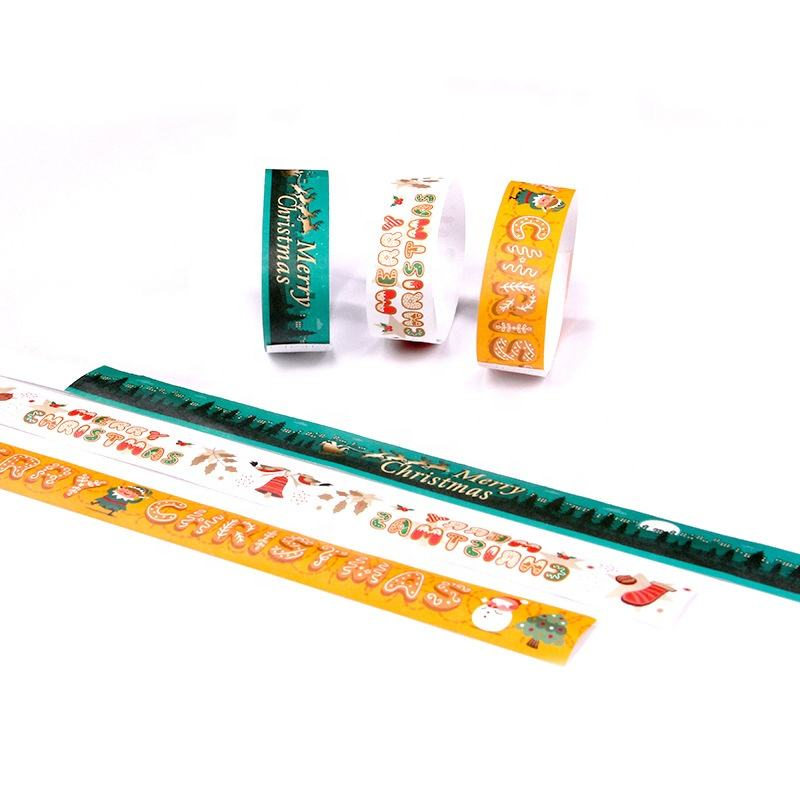
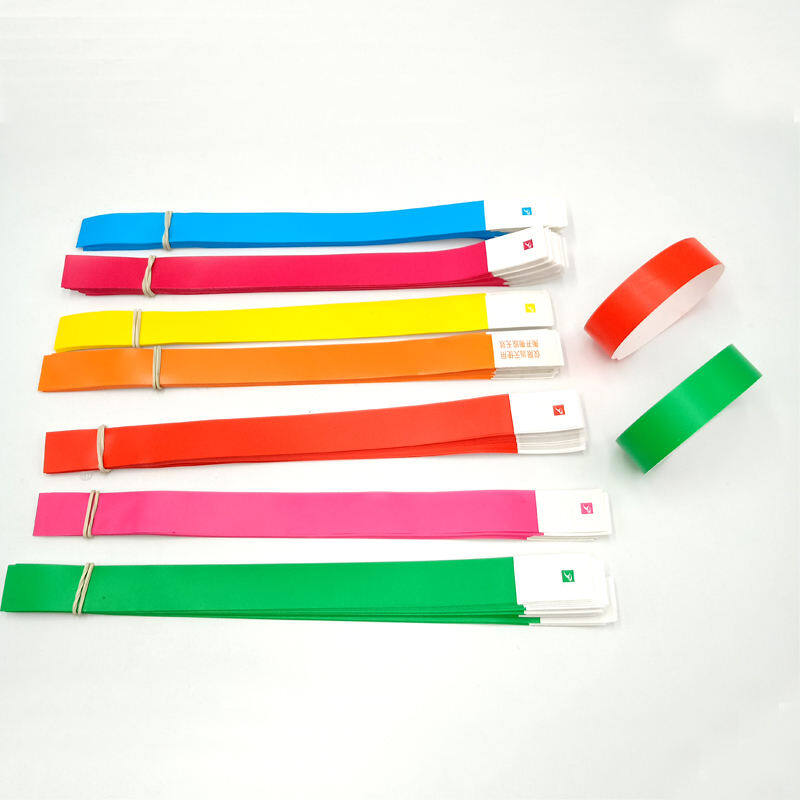
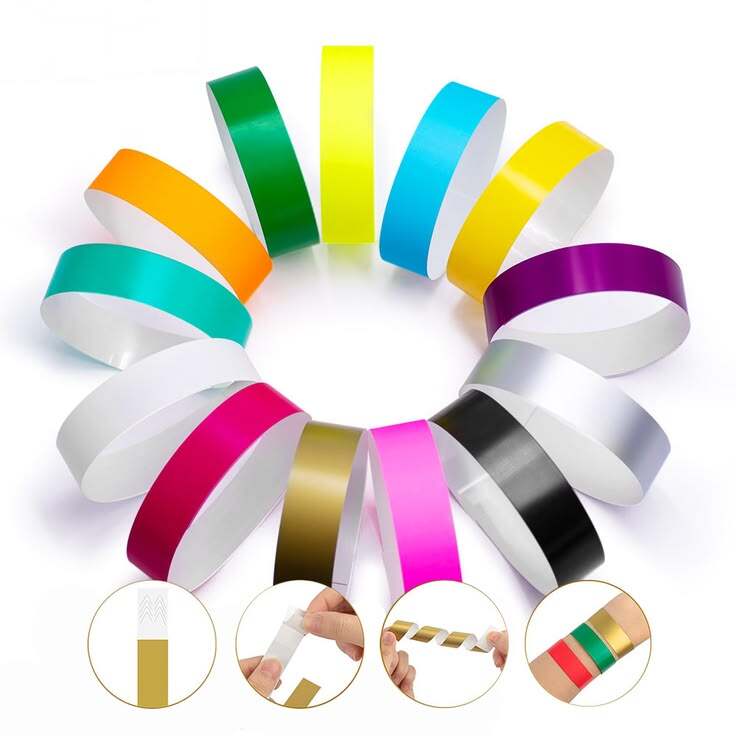
Tyvek wristbands represent the most cost-effective solution for high-volume, short-duration applications. Made from DuPont's flash-spun high-density polyethylene fibers, Tyvek combines the lightweight feel of paper with surprising tear resistance and water resistance. These wristbands typically feature adhesive closures with tamper-evident die-cut patterns that make transfer between individuals immediately visible.
Key Properties
- Weight: Approximately 3-5 grams per band
- Water resistant but not waterproof
- Accepts thermal printing, inkjet, and laser printing
- Tamper-evident adhesive closure with destructible pattern
- Available in widths from 19mm to 25mm standard
- Full-color custom printing available
Applications
- Single-day concert and festival admission
- Conference and trade show attendee badges
- Theme park daily passes
- School field trip student identification
- Hospital visitor passes
- Raffle and giveaway ticket alternatives
- Hotel guest identification for breakfast or pool access
Category 2: Vinyl and Plastic Wristbands
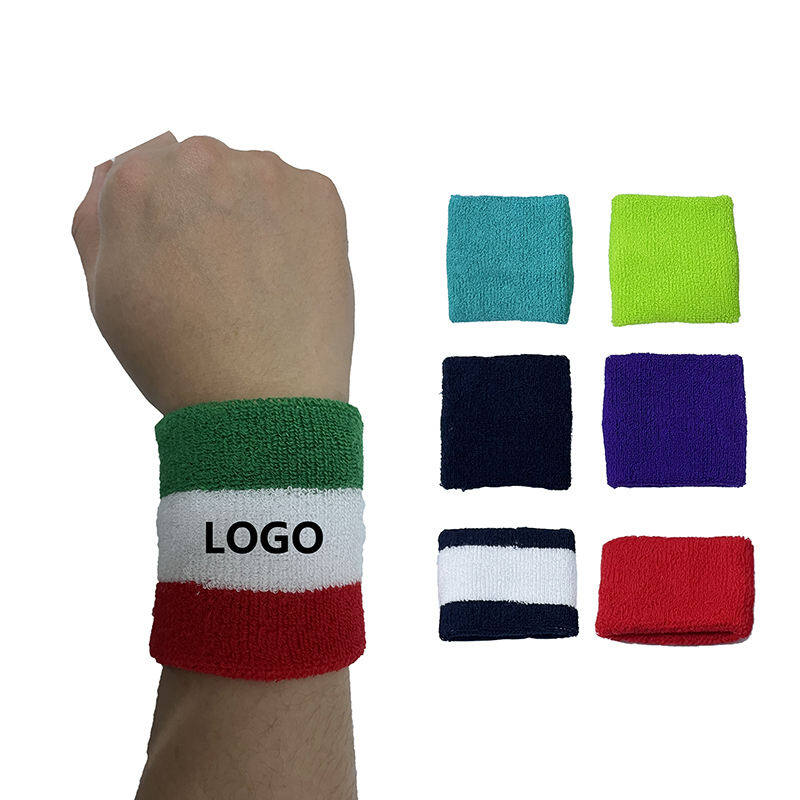
Vinyl wristbands step up durability significantly compared to Tyvek. Constructed from laminated PVC or vinyl sheets, these bands withstand water exposure, sweat, and moderate physical activity for multiple days. They typically use plastic snap closures or adhesive tabs with stronger bonding than paper alternatives. Many vinyl wristbands incorporate holographic overlays, foil stamping, or UV-reactive inks as additional security features against counterfeiting.
Key Properties
- Waterproof construction suitable for aquatic environments
- Plastic snap or strong adhesive closure options
- Supports multi-color printing, barcodes, and QR codes
- Holographic and foil security options available
- Comfortable for 3-7 day continuous wear
- More rigid than fabric but less bulky than metal
Applications
- Multi-day music festivals and conventions
- Water parks and swimming facilities
- Cruise ship passenger identification
- All-inclusive resort guest bands
- Summer camp participant tracking
- Sports tournament player and spectator passes
- Corporate retreat access control
Category 3: Fabric and Woven Wristbands
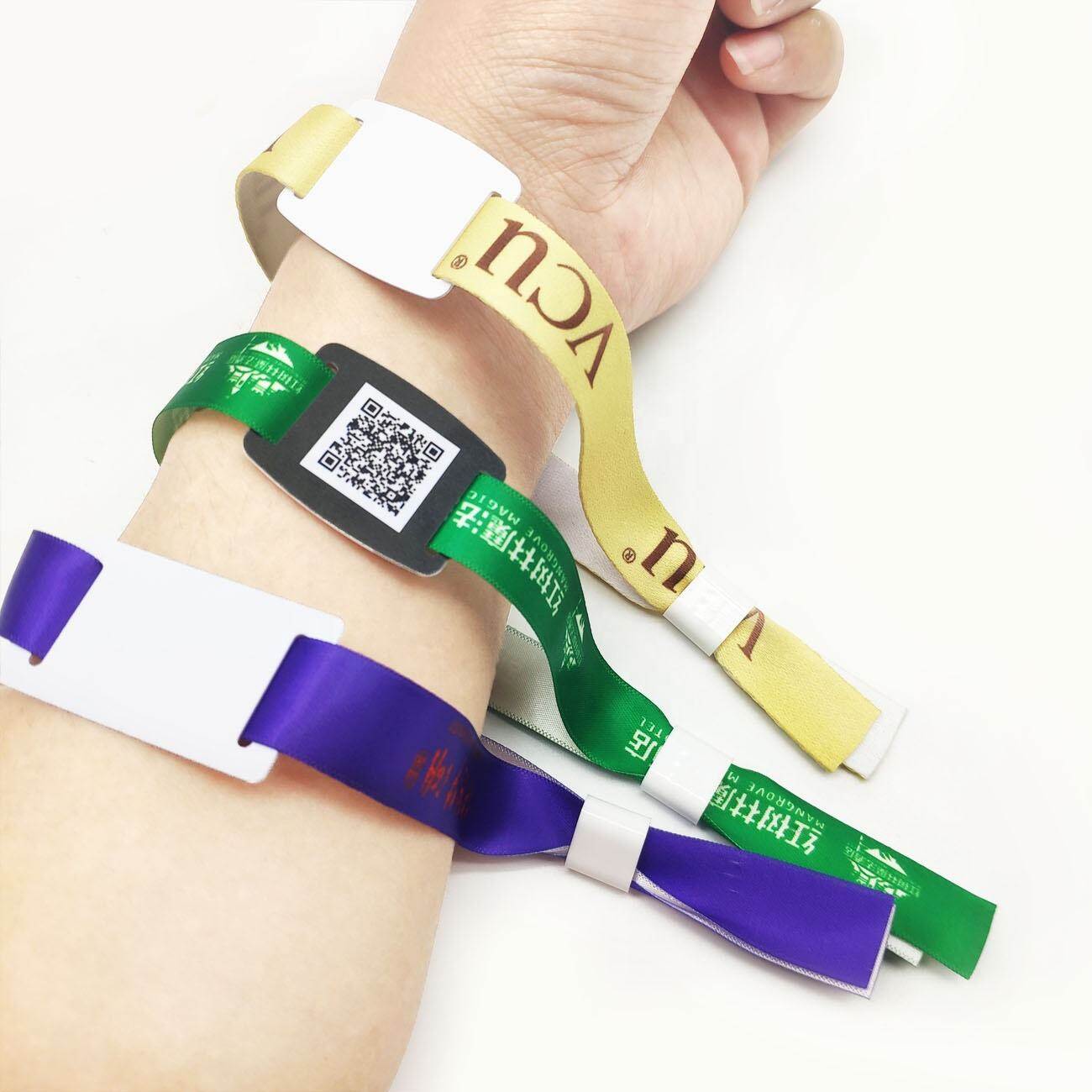
Fabric wristbands occupy the premium tier of event identification. Woven from polyester, satin, or nylon threads using jacquard looms, these bands offer superior comfort for extended wear periods ranging from several days to multiple weeks. The woven construction allows intricate multi-color designs to be integrated directly into the fabric rather than printed on the surface, resulting in a product that resists fading, peeling, and wear-through even under harsh conditions.
Key Properties
- Jacquard woven design integrated into fabric structure
- Extremely comfortable for continuous multi-week wear
- Machine washable without degradation
- Locking barrel clasp or slide closure for tamper resistance
- Supports up to 8 colors in woven design
- Can embed RFID/NFC chips within the weave
- Reusable or disposable depending on closure type
Applications
- Premium music festivals (Glastonbury, Coachella style)
- Season-long sports venue passes
- Membership identification for clubs and gyms
- Employee access badges in hospitality
- University campus identification
- Loyalty program membership tokens
- Charity and awareness campaign keepsakes
Category 4: Silicone and Rubber Wristbands
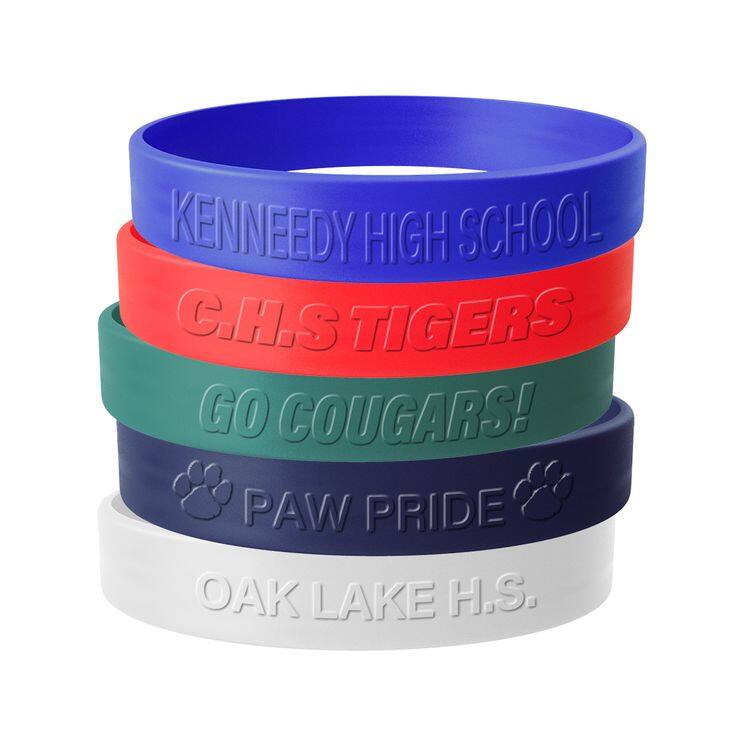
Silicone wristbands achieved global recognition through the Livestrong yellow band phenomenon and remain one of the most popular formats for awareness campaigns, promotional giveaways, and casual fashion. Made from food-grade or medical-grade silicone, these bands are hypoallergenic, waterproof, heat-resistant, and virtually indestructible under normal use conditions. They can be debossed, embossed, screen-printed, color-filled, or produced in multi-colored segmented patterns.
Key Properties
- Food-grade and medical-grade silicone options
- Hypoallergenic and latex-free
- Temperature resistant from -40C to 230C
- Waterproof, sweat-proof, UV resistant
- Debossed, embossed, printed, and color-filled options
- Available in sizes from toddler to adult XL
- Minimum orders as low as 100 units for custom designs
Applications
- Awareness and charity fundraising campaigns
- Corporate promotional giveaways and swag
- School spirit and team identity bands
- Wedding and party favors
- Hotel and resort guest amenities
- Product launch promotional items
- Political campaign merchandise
- Memorial and tribute remembrance bands
Category 5: Medical-Grade Specialty Wristbands
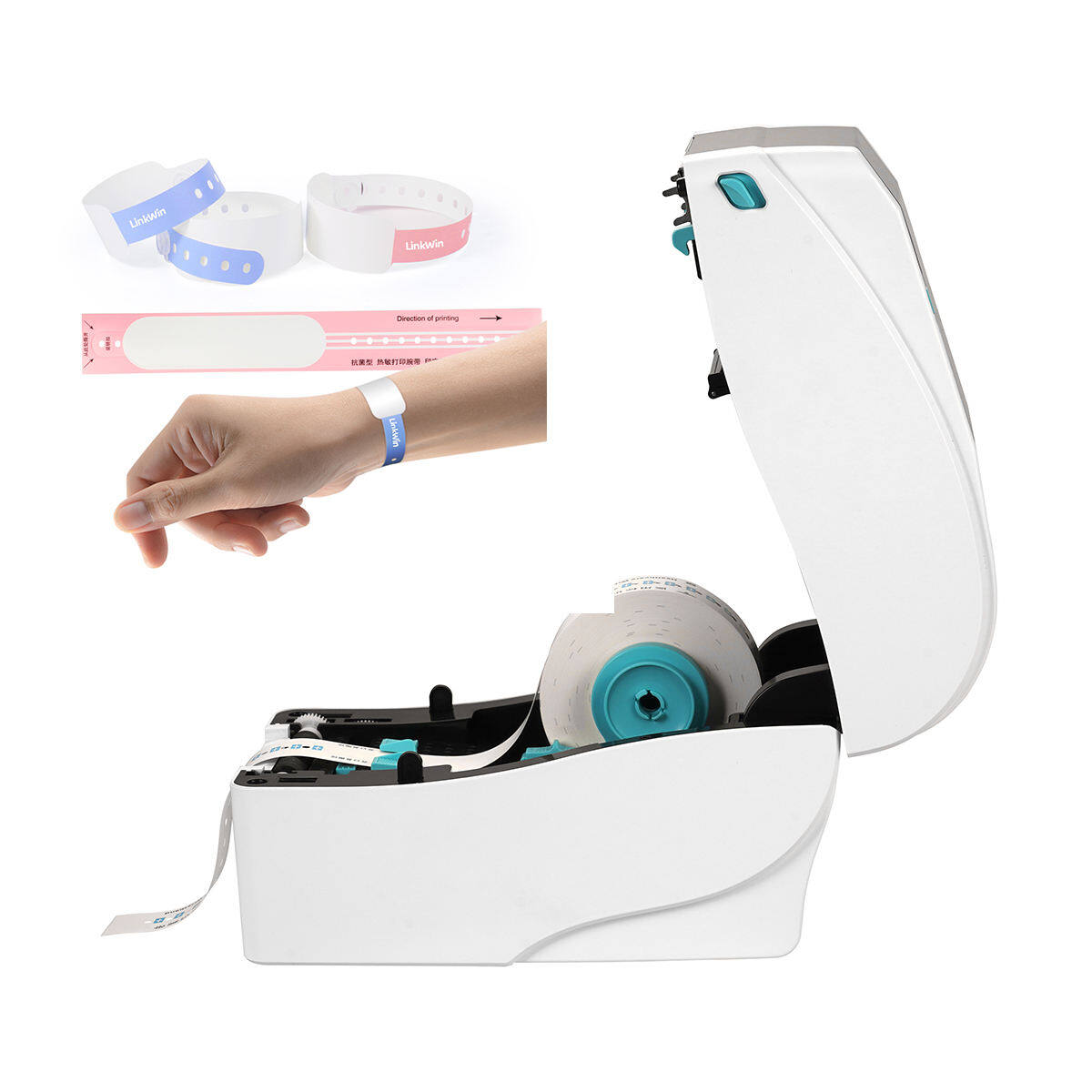
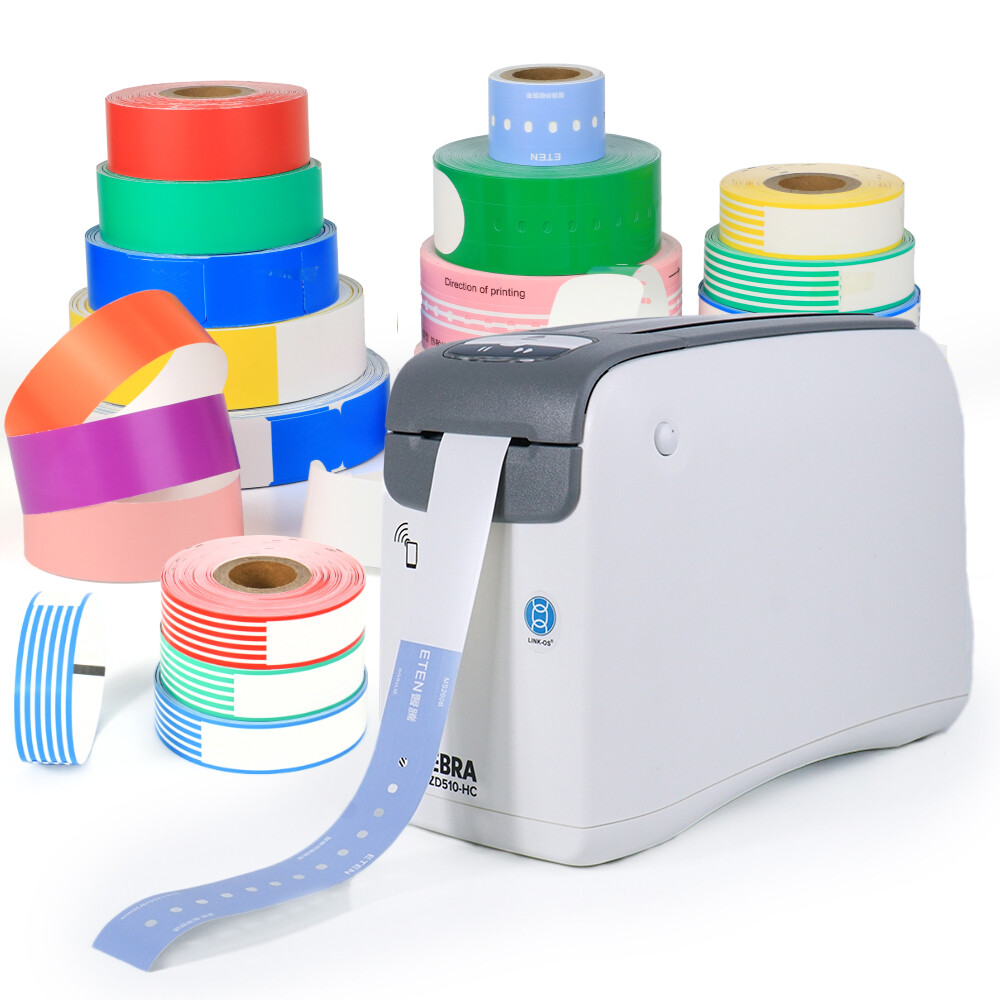
Medical wristbands operate under fundamentally different requirements than any other category. Patient safety depends on accurate, legible, and secure identification throughout a hospital stay. These wristbands must comply with regulatory standards including Joint Commission National Patient Safety Goals, HIPAA privacy requirements, and ISO 10993 biocompatibility testing. Materials must be hypoallergenic, non-irritating during extended skin contact, and compatible with hospital sanitization protocols.
Key Properties
- Biocompatible materials passing ISO 10993 cytotoxicity and sensitization tests
- Latex-free and phthalate-free construction
- Thermal-transfer printable for barcode and text clarity
- Tamper-evident closures that cannot be reattached once removed
- Fluid-resistant surfaces compatible with hospital disinfectants
- Soft-touch materials safe for neonatal and pediatric skin
- Color-coded by ward, risk level, or allergy status
Applications
- Adult patient identification in hospitals
- Newborn and infant mother-baby matching bands
- Allergy alert and DNR status notification
- Outpatient procedure and surgery verification
- Mental health facility patient tracking
- Nursing home and assisted living resident ID
- Clinical trial participant identification
- Blood bank and transfusion safety verification
Category 6: Metal and Stainless Steel Bracelets
Metal bracelets bridge the gap between functional identification and personal jewelry. Stainless steel, titanium, aluminum, and precious metals offer permanent wearability with engraving, etching, and casting capabilities for both aesthetic and informational purposes. Medical alert bracelets fall within this category, carrying critical health information that first responders can read in emergencies. In the fashion space, metal bracelets range from minimalist cuffs to elaborate chain-link designs.
Key Properties
- Permanent durability lasting decades
- Laser engraving and deep etching for permanent text
- Hypoallergenic options in surgical stainless steel and titanium
- Adjustable and fixed-size options
- Compatible with precious metal plating (gold, rose gold, black PVD)
- Waterproof and corrosion resistant
Applications
- Medical alert and condition identification bracelets
- Corporate awards and recognition gifts
- Fashion jewelry and personal accessories
- Military and service member dog tag alternatives
- Commemorative and memorial keepsakes
- Luxury brand merchandise and VIP gifts
- Engraved couple and friendship bracelets
Category 7: Leather and PU Leather Bracelets
Leather bracelets carry connotations of craftsmanship, heritage, and understated luxury. Genuine leather develops a unique patina over time, while PU (polyurethane) leather offers consistent appearance at lower cost with vegan-friendly credentials. Both materials accept embossing, debossing, hot stamping, and hardware attachment for branding and customization.
Key Properties
- Genuine leather ages with unique character development
- PU leather provides uniform appearance and vegan option
- Compatible with metal clasps, magnetic closures, and wrap styles
- Embossing and hot foil stamping for logos and text
- Widths from slim 5mm bands to wide 30mm cuffs
- Natural material variation makes each piece unique
Applications
- Premium brand merchandise and corporate gifting
- Fashion retail accessories and boutique products
- Musician and artist merchandise
- Heritage and artisan craft market products
- Custom engraved personalized gifts
- Eco-conscious brand promotions (with vegetable-tanned leather)
Category 8: Beaded and Natural Material Bracelets
Beaded bracelets encompass an enormous variety of materials including natural wood, semi-precious stones, glass, ceramic, bone, horn, coconut shell, and seed beads. This category is deeply connected to cultural traditions worldwide, from Buddhist mala prayer beads to African trade bead jewelry to Native American turquoise work. In commercial contexts, beaded bracelets serve as distinctive souvenirs, spiritual items, and bohemian fashion accessories.
Key Properties
- Vast material diversity enabling unique product differentiation
- Cultural and spiritual significance in many traditions
- Handmade and artisan production options
- Elastic cord, wire, or macrame construction methods
- Natural material variations ensure no two pieces are identical
- Wide price range from mass-produced to artisan-crafted
Applications
- Tourism souvenirs and destination merchandise
- Spiritual and meditation practice accessories
- Bohemian and festival fashion accessories
- Cultural heritage and indigenous craft products
- Wellness and yoga studio retail items
- Children's craft activity kits
- Fundraiser and charity sale items
Category 9: Smart and Technology-Enabled Wristbands
Technology-enabled wristbands represent the fastest-growing segment of the industry. By embedding NFC chips, RFID tags, Bluetooth modules, or biometric sensors into wristband housings, these products transform simple identification tools into powerful data collection, payment processing, and interaction platforms. The underlying wristband material may be silicone, fabric, vinyl, or plastic, but the embedded technology defines the product category and value proposition.
Key Properties
- NFC (Near Field Communication) for tap-to-pay and data exchange
- UHF RFID for long-range tracking and inventory management
- Bluetooth Low Energy for proximity detection and notifications
- Encrypted data storage preventing unauthorized cloning
- Integration with POS systems, access control platforms, and analytics dashboards
- Rechargeable or battery-free passive chip options
- Waterproof housings rated IP67 or higher
Applications
- Cashless payment systems at festivals and venues
- Contactless access control for offices and secure facilities
- Attendee behavior tracking and heat mapping at events
- Loyalty program enrollment and point accumulation
- Hotel room key replacement
- Public transportation fare payment
- Healthcare patient monitoring and medication tracking
- Supply chain asset tracking and authentication
Cross-Industry Application Matrix
The following matrix shows which wristband categories best serve each major industry vertical:
| Industry | Primary Categories | Key Requirements |
|---|---|---|
| Healthcare | Medical-Grade, Smart | Biocompatibility, barcode readability, tamper evidence |
| Events & Festivals | Tyvek, Vinyl, Fabric, Smart | Tiered access, counterfeit prevention, weather resistance |
| Hospitality & Tourism | Vinyl, Fabric, Smart, Silicone | Guest experience, all-inclusive tracking, brand alignment |
| Retail & Fashion | Metal, Leather, Beaded, Silicone | Aesthetic appeal, brand consistency, perceived value |
| Corporate & B2B | Metal, Leather, Fabric, Smart | Professional appearance, logo placement, employee access |
| Education | Tyvek, Silicone, Fabric | Child safety, affordability, color coding |
| Sports & Recreation | Vinyl, Fabric, Silicone, Smart | Sweat resistance, timing integration, fan engagement |
| Nonprofit & Advocacy | Silicone, Fabric, Beaded | Low cost, emotional connection, shareability |
Selection Decision Framework
When choosing the right wristband or bracelet for your application, work through these five decision factors in order:
- Duration of Wear: Single-day events justify Tyvek. Multi-day events require vinyl or fabric. Permanent wear demands metal or leather.
- Security Requirements: Basic visual ID suits paper and silicone. Anti-transfer needs call for locking fabric bands or tamper-evident vinyl. Critical safety requires medical-grade certified products.
- Environmental Conditions: Water exposure eliminates paper. Extreme temperatures narrow options to silicone or metal. Outdoor UV exposure favors woven fabric over printed surfaces.
- Budget Parameters: At scale, Tyvek costs pennies per unit. Fabric and smart bands cost dollars. Metal and leather occupy the premium range. Always calculate total cost including printing, closures, and distribution logistics.
- Brand and Experience Goals: Promotional campaigns benefit from silicone's ubiquity. Luxury positioning demands metal or leather. Tech-forward experiences require smart wristbands. Cultural authenticity calls for beaded or natural materials.
Industry Trends and Future Outlook
Several macro trends are reshaping the wristband and bracelet industry:
- Sustainability Pressure: Buyers increasingly demand recycled materials, biodegradable options, and carbon footprint transparency. Recycled PET fabric bands, FSC-certified paper, and bio-based silicone are gaining market share.
- Smart Integration Acceleration: NFC and RFID adoption continues to grow as infrastructure matures. The convergence of wristband identification with mobile app ecosystems creates new engagement and monetization opportunities.
- Personalization at Scale: Digital printing advances enable variable-data customization without traditional setup costs. Individual names, unique QR codes, and personalized messages become economically viable even at large volumes.
- Regulatory Tightening: Healthcare wristband standards continue to evolve. Data privacy regulations affect smart wristband data handling. Child safety requirements influence material and closure design for youth-oriented products.
- Direct-to-Consumer Channels: Traditional B2B procurement is supplemented by online self-service platforms where small buyers can order custom wristbands with instant pricing and rapid turnaround.
Partnering with the Right Supplier
At WEIDMED, we manufacture and supply wristbands across all nine material categories discussed in this guide. Our product managers work directly with clients to match application requirements to optimal material choices, ensuring compliance, performance, and cost efficiency. Whether you need 500 medical-grade patient ID bands for a community clinic or 500,000 smart wristbands for a national festival tour, our production capacity and quality systems scale to meet your needs.
We maintain ISO 13485 certification for medical device manufacturing, SOC 2 compliance for smart wristband data security, and OEKO-TEX Standard 100 certification for textile products. Our in-house design team supports custom artwork, prototyping, and pre-production sampling to ensure your final product meets exact specifications before mass production begins.
Conclusion
Wristbands and bracelets are deceptively complex products. What appears to be a simple strip of material worn around the wrist actually represents a sophisticated intersection of materials science, manufacturing engineering, regulatory compliance, user experience design, and supply chain logistics. Understanding the nine material categories and their respective strengths enables better purchasing decisions, improved end-user experiences, and stronger outcomes across every application domain.
We hope this guide serves as a reliable reference for your wristband and bracelet selection process. For specific product recommendations, samples, or technical consultations, reach out to our team at WEIDMED. We are here to help you find exactly the right solution for your unique requirements.
Continue Reading
Have Questions About Wristbands?
Our team is ready to help you find the perfect wristband solution for your needs. Contact us directly on WhatsApp for quick responses.
Contact on WhatsApp