
The Critical Role of Patient Wristbands in Modern Hospital Workflow Integration
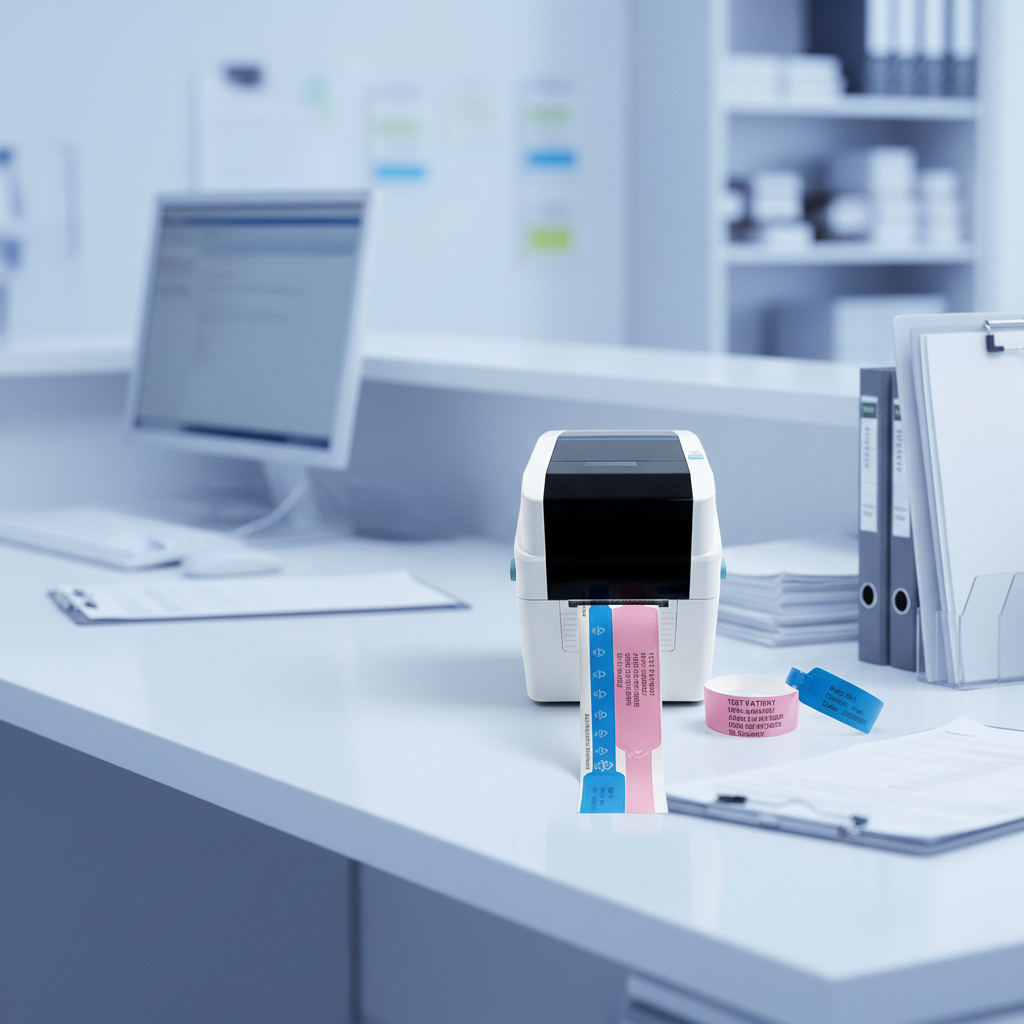
In today's complex healthcare environment, patient safety hinges on accurate identification at every point of care. Patient wristbands have evolved from simple paper tags into sophisticated digital identification tools that integrate seamlessly with hospital information systems, electronic health records, and clinical workflows. This article examines how modern patient wristbands function as the critical link between patients and their medical data, ensuring safe medication administration, accurate specimen collection, and streamlined clinical operations.
The Foundation of Patient Safety: Accurate Identification
Patient misidentification remains one of the leading causes of medical errors worldwide. The Joint Commission has consistently identified patient identification as a National Patient Safety Goal, requiring healthcare facilities to use at least two patient identifiers before administering medications, blood products, or performing procedures. Modern barcode wristbands transform this requirement from a manual verification process into an automated, technology-driven safety checkpoint.
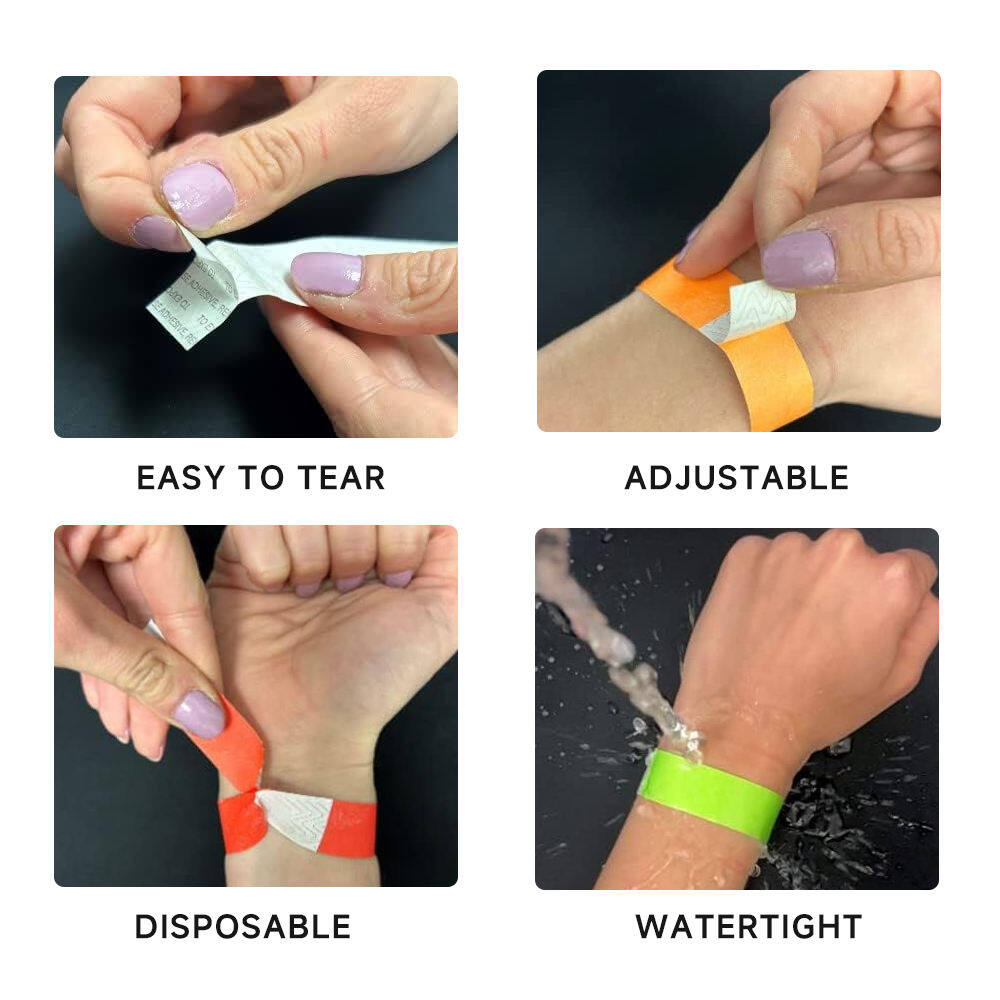
When a nurse scans a patient's wristband before medication administration, the system instantly verifies the right patient, right medication, right dose, right route, and right time. This closed-loop verification process catches potential errors before they reach the patient, reducing adverse drug events by up to 50% according to multiple clinical studies. The wristband serves as the physical anchor point for this entire safety ecosystem.
Closed-Loop Medication Administration
The most significant impact of patient wristbands occurs in medication administration. Traditional medication processes relied heavily on human memory and manual checks, creating multiple opportunities for error. With barcode-enabled wristbands integrated into electronic medication administration records (eMAR), hospitals achieve true closed-loop verification.
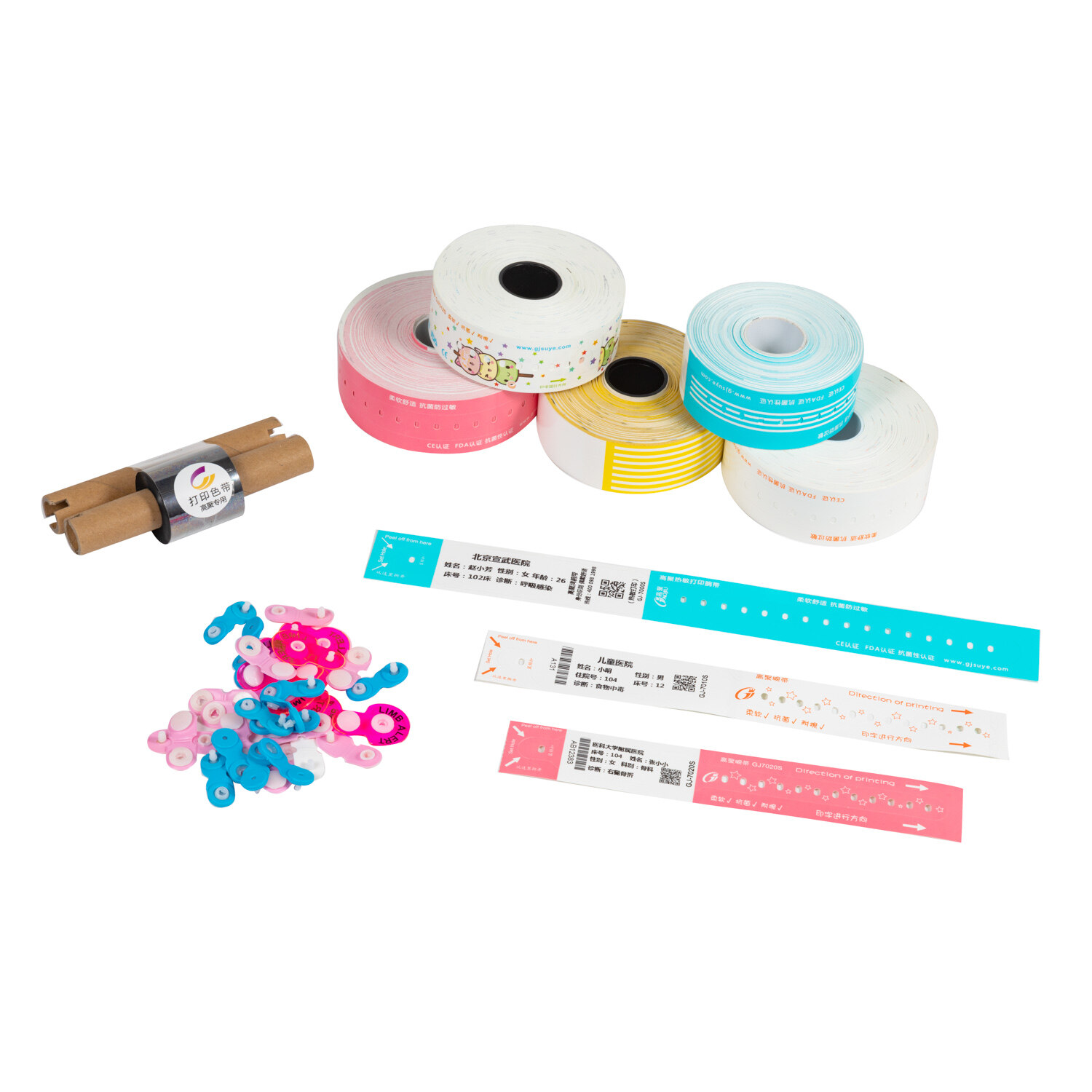
The workflow begins when the physician enters a medication order into the computerized physician order entry (CPOE) system. The pharmacy receives the order electronically, prepares the medication, and applies a barcode label matching the specific dose. At the bedside, the nurse scans both the patient's wristband and the medication barcode. The system compares these against the original order and alerts the nurse immediately if any discrepancy exists—wrong patient, wrong drug, wrong dose, expired medication, or contraindicated combination.
Real-Time Error Prevention
Studies demonstrate that closed-loop medication administration with barcode wristbands reduces medication errors by 41% to 86% across various clinical settings. More importantly, it prevents serious adverse drug events that could result in patient harm or death. The system creates an auditable trail of every medication administration event, supporting regulatory compliance and quality improvement initiatives.
Specimen Collection and Laboratory Safety
Laboratory testing errors due to specimen misidentification represent another critical safety concern. When a phlebotomist collects blood samples, scanning the patient's wristband and printing specimen labels at the bedside ensures that each tube is correctly matched to the patient from the moment of collection. This eliminates transcription errors and prevents specimens from being labeled with the wrong patient information.
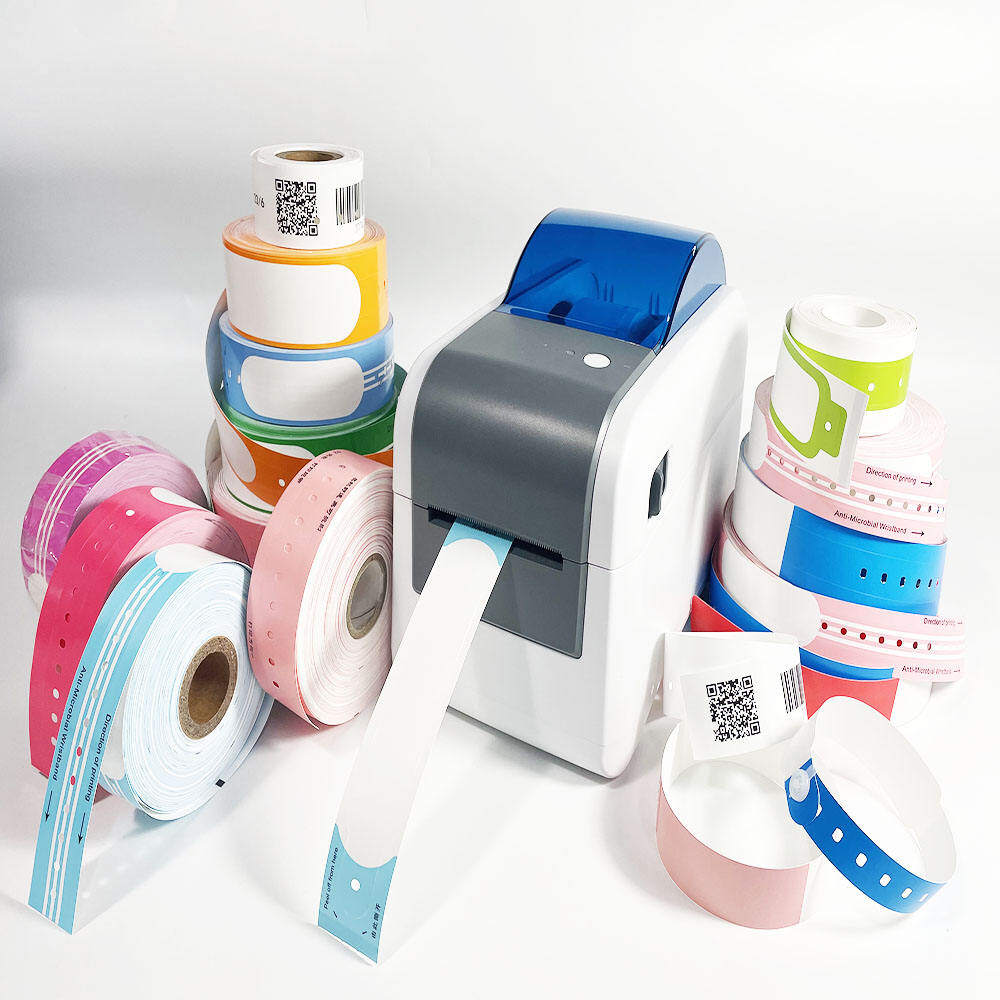
The laboratory information system receives specimen data electronically linked to the patient's unique identifier encoded in the wristband barcode. Results flow back to the correct patient record automatically, eliminating manual result entry errors. For facilities processing thousands of specimens daily, this integration dramatically reduces turnaround times while improving accuracy.
Workflow Efficiency and Staff Productivity
Beyond safety benefits, patient wristbands significantly improve operational efficiency. Nurses spend less time on manual verification tasks and documentation, freeing more time for direct patient care. Automated documentation through eMAR systems eliminates handwritten medication administration records, reducing charting time by an average of 30 minutes per shift per nurse.

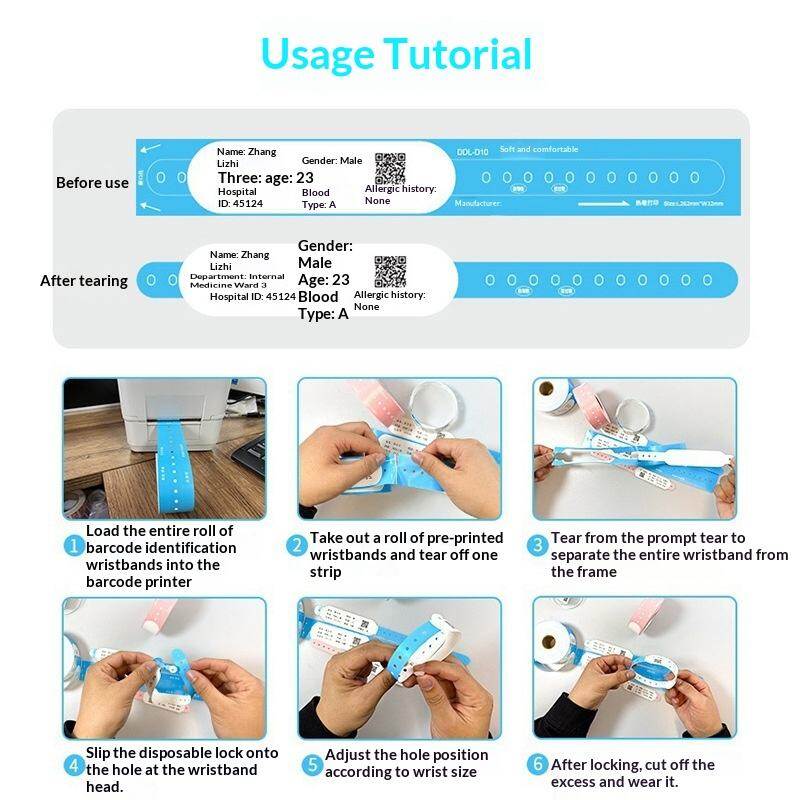
Admission processes also benefit from wristband integration. When a patient is admitted, their demographic and insurance information flows directly from the registration system to the wristband printer. The wristband is printed and applied within minutes of admission, establishing the patient's digital identity immediately. This rapid identification setup prevents delays in care initiation and ensures that safety protocols are active from the first moment of hospitalization.
Interdepartmental Communication
Patient wristbands facilitate seamless communication across departments. Radiology technicians scan wristbands to verify patient identity before imaging procedures. Respiratory therapists confirm patient identity before administering treatments. Dietary staff verify dietary restrictions linked to the patient's wristband identifier. Every department accesses the same accurate patient information through a single scan, eliminating communication gaps that lead to errors.
Technology Integration Requirements
Successful wristband implementation requires careful attention to technology infrastructure. Hospitals must ensure wireless network coverage extends to all patient care areas, including rooms, hallways, and treatment spaces. Mobile devices used for scanning must maintain reliable connectivity to access real-time patient data and medication records.
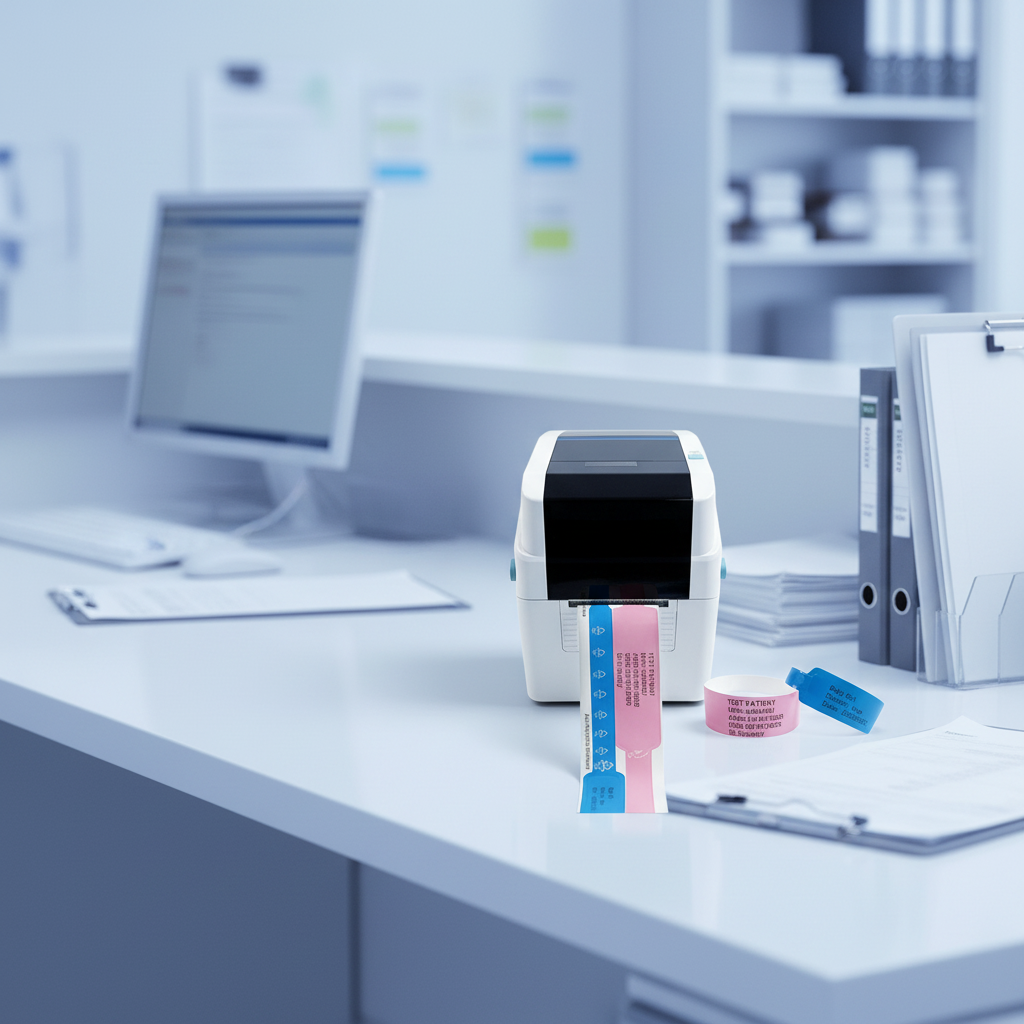
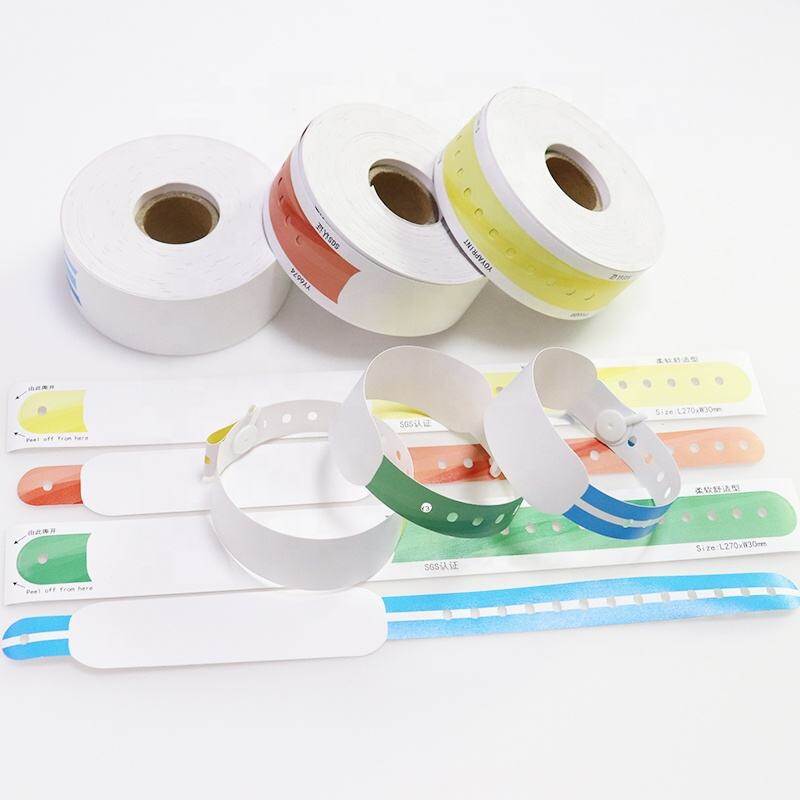
Printer selection is equally important. Direct thermal printers designed specifically for wristband production offer superior print quality, durability, and reliability compared to general-purpose label printers. These printers produce high-resolution barcodes that remain scannable throughout the patient's stay, even with exposure to moisture, chemicals, and friction. Premium wristband materials with protective topcoats ensure barcode readability for extended periods, supporting patients with longer hospital stays.
Special Population Considerations
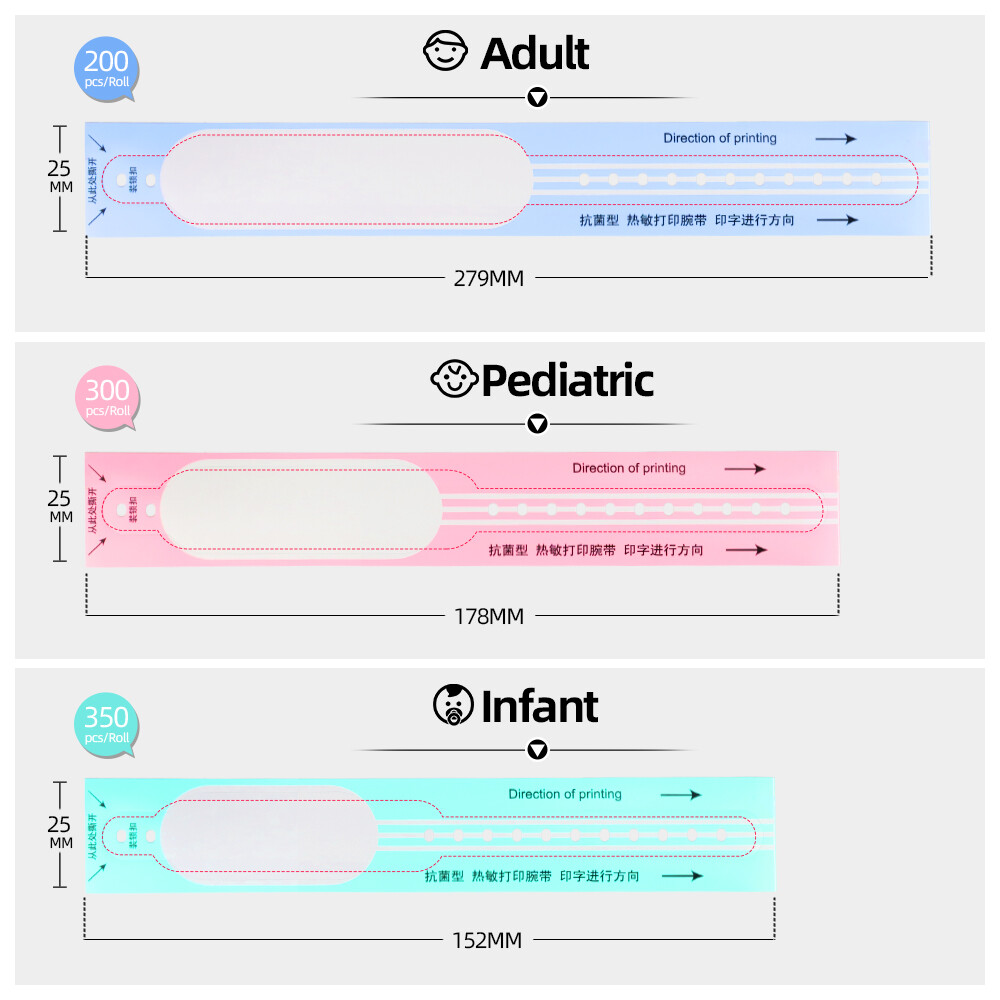
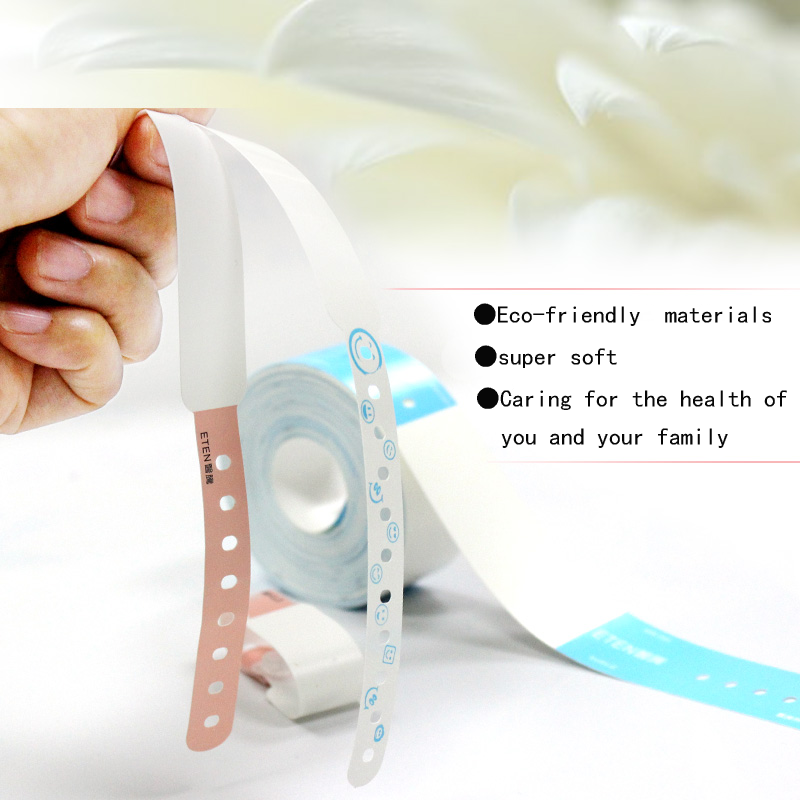
Different patient populations require specialized wristband solutions. Neonatal units use smaller, softer wristbands designed for fragile infant skin, often with dual wristbands for mother-baby matching to prevent infant abduction and ensure correct breastfeeding. Pediatric wristbands feature child-friendly designs and tamper-evident closures to prevent removal by curious young patients.
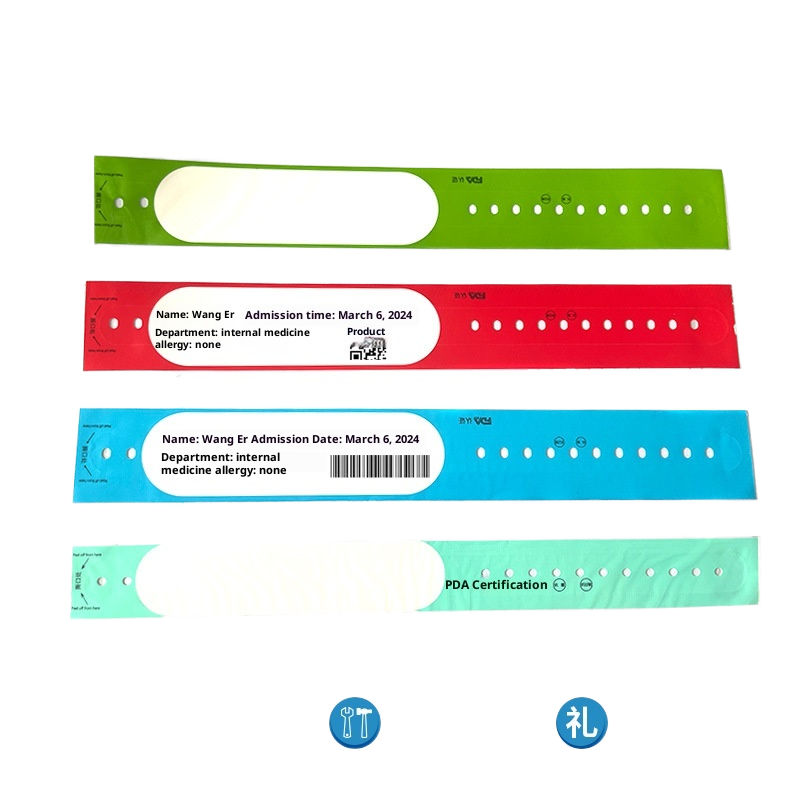
Psychiatric and behavioral health units require wristbands with enhanced security features to prevent patient removal or tampering. These wristbands may include RFID chips for location tracking, tamper-evident seals that trigger alarms when broken, and materials resistant to deliberate destruction. Geriatric patients with fragile skin benefit from hypoallergenic adhesives and softer materials that minimize skin irritation during extended wear.
Regulatory Compliance and Accreditation
Healthcare accreditation organizations increasingly emphasize patient identification systems in their evaluation criteria. The Joint Commission, DNV GL, and other accrediting bodies assess whether facilities have robust patient identification processes that leverage technology effectively. Facilities with integrated wristband systems demonstrate stronger compliance with National Patient Safety Goals and typically receive fewer identification-related findings during surveys.
State and federal regulations also mandate specific patient identification practices. Medicare Conditions of Participation require hospitals to have policies ensuring accurate patient identification. HIPAA regulations govern the privacy and security of patient information encoded in wristband barcodes. Facilities must balance accessibility of patient information for clinical staff with protection against unauthorized access or disclosure.
Implementation Best Practices
Successful wristband program implementation requires attention to several key factors:
- Staff training: Comprehensive education on proper wristband application, scanning techniques, and troubleshooting common issues ensures consistent adoption across all shifts and departments.
- Quality assurance: Regular audits of wristband readability, proper application, and compliance with scanning protocols identify gaps before they result in errors.
- Equipment maintenance: Scheduled printer maintenance, scanner calibration, and battery replacement programs prevent equipment failures that disrupt workflows.
- Patient education: Explaining the purpose and importance of wristbands to patients increases compliance and reduces intentional removal.
- Continuous improvement: Monitoring error rates, near-miss reports, and staff feedback drives ongoing optimization of wristband processes.
Future Trends in Patient Identification
Emerging technologies promise to further enhance patient identification capabilities. RFID-enabled wristbands enable passive tracking of patient location without requiring line-of-sight scanning. Biometric integration links wristband identifiers to fingerprint or facial recognition for additional verification layers. Smart wristbands with embedded sensors can monitor vital signs continuously while maintaining identification functionality.
Cloud-based identification systems allow patient data to follow individuals across care settings, supporting continuity of care during transfers between hospitals, rehabilitation facilities, and home health services. Blockchain technology offers potential for creating immutable patient identity records that resist tampering and support interoperability across disparate healthcare systems.
Conclusion
Patient wristbands represent far more than simple identification tags. They serve as the foundational element of modern hospital workflow integration, connecting patients to their medical records, medications, test results, and care teams through a single scannable interface. The investment in quality wristband systems pays dividends through reduced medical errors, improved operational efficiency, enhanced regulatory compliance, and ultimately, better patient outcomes.
As healthcare continues its digital transformation, the role of patient wristbands will only grow in importance. Facilities that recognize wristbands as critical safety infrastructure rather than commodity supplies position themselves to deliver safer, more efficient, and more reliable care. The wristband on a patient's wrist may appear simple, but it carries the weight of an entire healthcare system's commitment to doing no harm.
Need Expert Guidance on Patient Wristband Implementation?
With over 26 years of experience in medical wristband manufacturing and healthcare workflow integration, our team can help you select and implement the optimal patient identification solution for your facility. Contact us on WhatsApp for personalized consultation on wristband materials, printer compatibility, and system integration strategies.
Continue Reading
Have Questions About Wristbands?
Our team is ready to help you find the perfect wristband solution for your needs. Contact us directly on WhatsApp for quick responses.
Contact on WhatsApp