
Long-Term Care vs Acute Care: Wristband Strategy Should Not Be One-Size-Fits-All
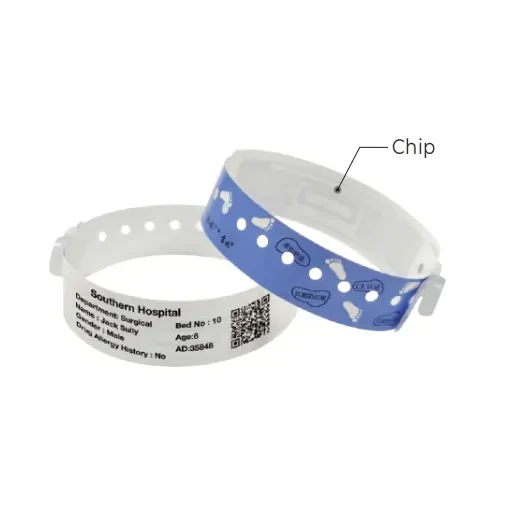
A barcode wristband is a barcode wristband. A scanner is a scanner. A medication pass is a medication pass. That is the implicit logic behind many patient identification technology rollouts—build it once for the acute care environment, then deploy the same hardware, the same software prompts, and the same scanning workflow wherever patients wear a band. The logic is tidy. It is also wrong in ways that produce measurable harm and measurable non-compliance.
The most direct evidence comes from a prospective observational study of nurses using Bar Code Medication Administration in acute care and long-term care settings within Veterans Administration hospitals. Acute care nurses scanned bar-coded wristbands to identify patients during medication administration 53% of the time. Long-term care nurses did so 8% of the time (p = .016). The gap in the downstream behavior was even wider: acute care nurses administered barcoded medications immediately after scanning 93% of the time; in long-term care, that figure was 23% (p < .001). These are not small differences in technique. They are differences in whether the identification step is integrated into the work at all.
A separate VA Health Systems Research study, examining how the same BCMA software performed across acute care and nursing home units, reported the same pattern: 53% vs. 8% wristband scanning frequency, with the authors concluding that BCMA "should be tailored to the long-term care setting". The consistency across studies is not a coincidence. It is a signal that the wristband strategy itself—not merely the software—has been designed around the wrong care environment.
Why the long-term care wristband problem is structurally different
The first structural difference is regulatory and cultural. The Joint Commission does not require arm bands as a condition of patient identification; it requires two patient identifiers. An armband, in the Commission's own language, is "a source where patient identification information may be located," not the identifier itself. In acute care, the wristband is the default physical anchor for those identifiers because lengths of stay are short, patients are frequently moved between units, and staff-to-patient ratios make visual recognition unreliable. In long-term care, residents are long-stay. Staff know them. Many nursing home patients do not wear wristbands containing identifying information at all, and some cannot positively confirm their name and date of birth when asked. The result is a setting where the wristband is optional in practice, peripheral in culture, and absent from the default mental model of "how we identify Mrs. Chen."
The second structural difference is the resident population itself. A long-term care wristband is worn continuously for months or years, not days. The skin underneath it is often fragile, thin, and vulnerable to pressure, moisture, and irritation. Materials that survive a five-day acute admission—stiff direct thermal stock, aggressive adhesives, sharp laminate edges—can become a source of discomfort, skin breakdown, and, ultimately, wristband removal by the resident or care staff. Qualitative research on wearables in dementia populations consistently identifies softness, breathability, and skin sensitivity as conditions for sustained wear; discomfort is one of the most frequently cited reasons participants remove a device. When a wristband is uncomfortable, the compliance problem is not a training problem. It is a product design problem.
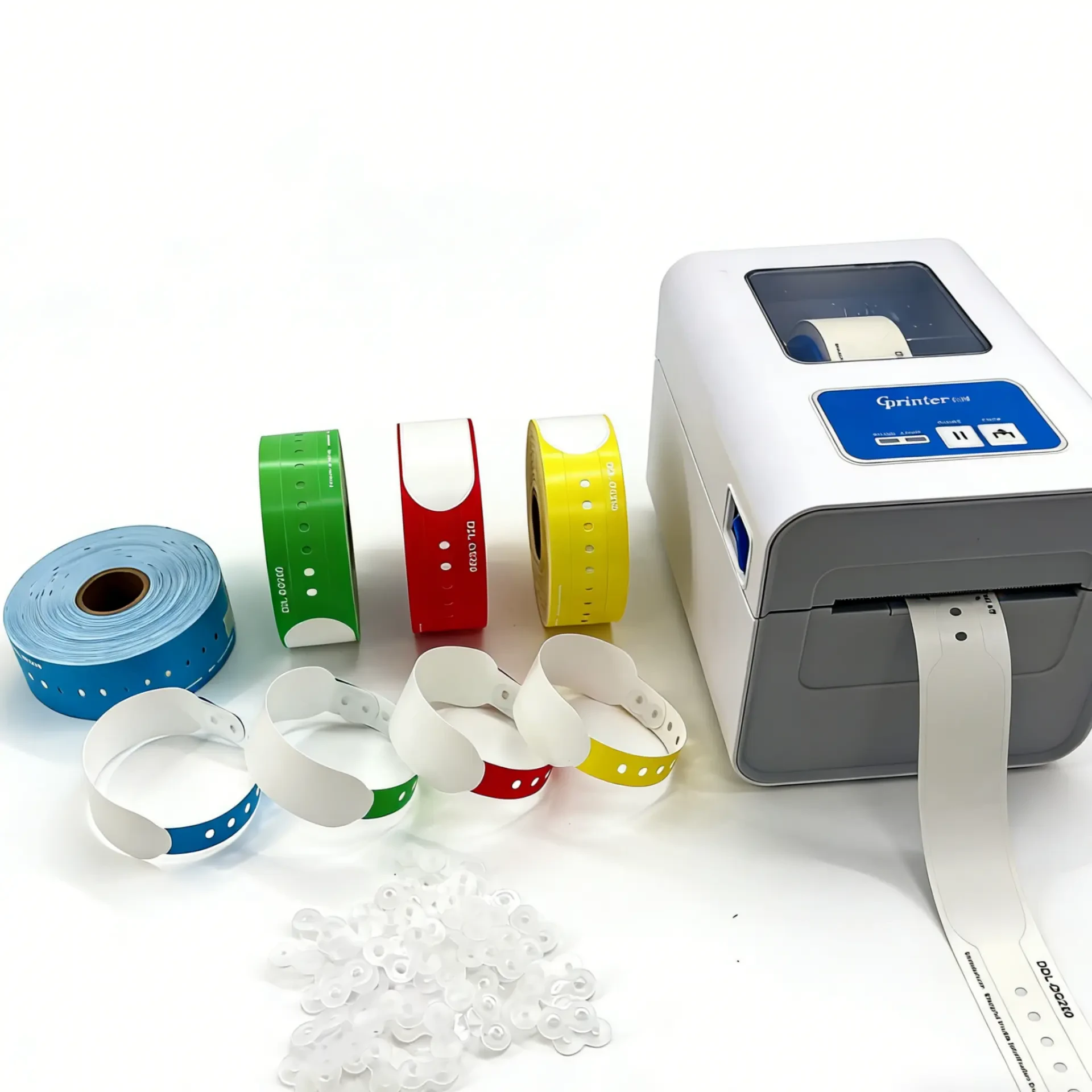
The third structural difference is the cognitive and behavioral profile of the people wearing the band. A significant proportion of long-term care residents live with dementia or other cognitive impairments. A wristband can be experienced as a foreign object, a restraint, or a source of agitation. Some residents repeatedly remove it. Others cannot be relied upon to confirm their own identity verbally. The Joint Commission acknowledges this explicitly: for residents who are non-communicative or confused, each organization determines its own identification process, and those expectations must be based on "promotion of individual safety, not convenience or workflow". In practice, this means the wristband strategy in long-term care must account for absent, removed, damaged, or illegible bands as a normal operating condition—not as an exception to be punished through audit dashboards.
The workaround is the workflow
The 8% scanning rate in long-term care is often read as a nursing compliance failure. The observational data suggest something more uncomfortable: the 8% is an accurate reflection of a workflow that was designed for a different setting.
In acute care, BCMA fits a recognizable rhythm. The nurse enters the room with a mobile cart or a handheld device, scans the patient's wristband, scans the medication, checks the eMAR at the bedside, and administers. The physical layout, the equipment placement, and the documentation expectations converge on the bedside as the point of verification. In long-term care, the medication pass is longer, the resident load is higher, and the equipment may not be at the bedside at the moment of administration. Nurses in the VA study were observed dropping activities—including wristband scanning—to reduce workload during busy periods. When the scanner is not immediately available, when the mobile cart does not fit into the room because of equipment or visitors, or when the wristband barcode is compromised by curvature, moisture, or a resident's hand covering it, the nurse faces a choice between delaying the medication and bypassing the scan. The workaround is not deviance; it is the rational response to a system that has not been configured for the setting.
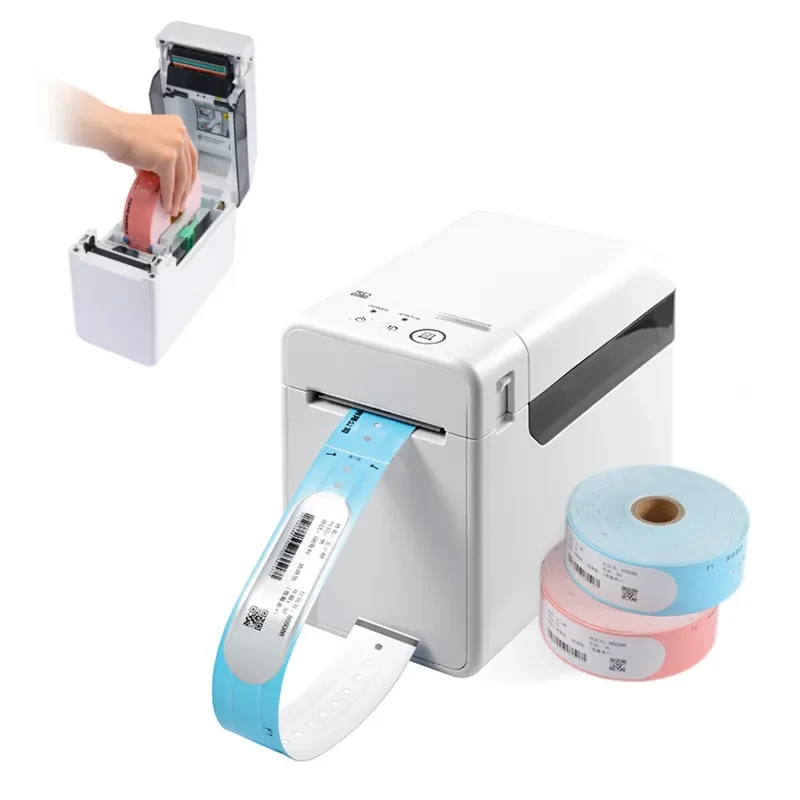
This is why simply adding more scanners or more audit reports does not close the gap. The BCMA implementation literature in long-term care identifies workarounds arising at the technology level and at the organizational-process level: intentional safety blocks that interrupt the flow, double-checking requirements that duplicate documentation, communication gaps with the pharmacy, and wristbands that are missing, removed, or placed somewhere other than the resident's wrist. A long-term care wristband strategy that does not solve for the missing-band state, the removed-band state, and the bedside-access state will continue to produce single-digit scanning rates, regardless of how many training modules are assigned.
Material and form factor: the wristband must survive the resident, not just the hospital
Acute care wristband design is optimized for image durability through a short, intense episode: resistance to hand sanitizer, water, abrasion, and the occasional tug. Long-term care wristband design must be optimized for sustained tolerance. The band has to stay on through showers, repositioning, wandering episodes, and months of continuous contact with aged skin. A band that is six times more durable against hand sanitizer is valuable; a band that is six times more durable and still soft enough that a resident with dementia does not pick at it is more valuable in this setting.
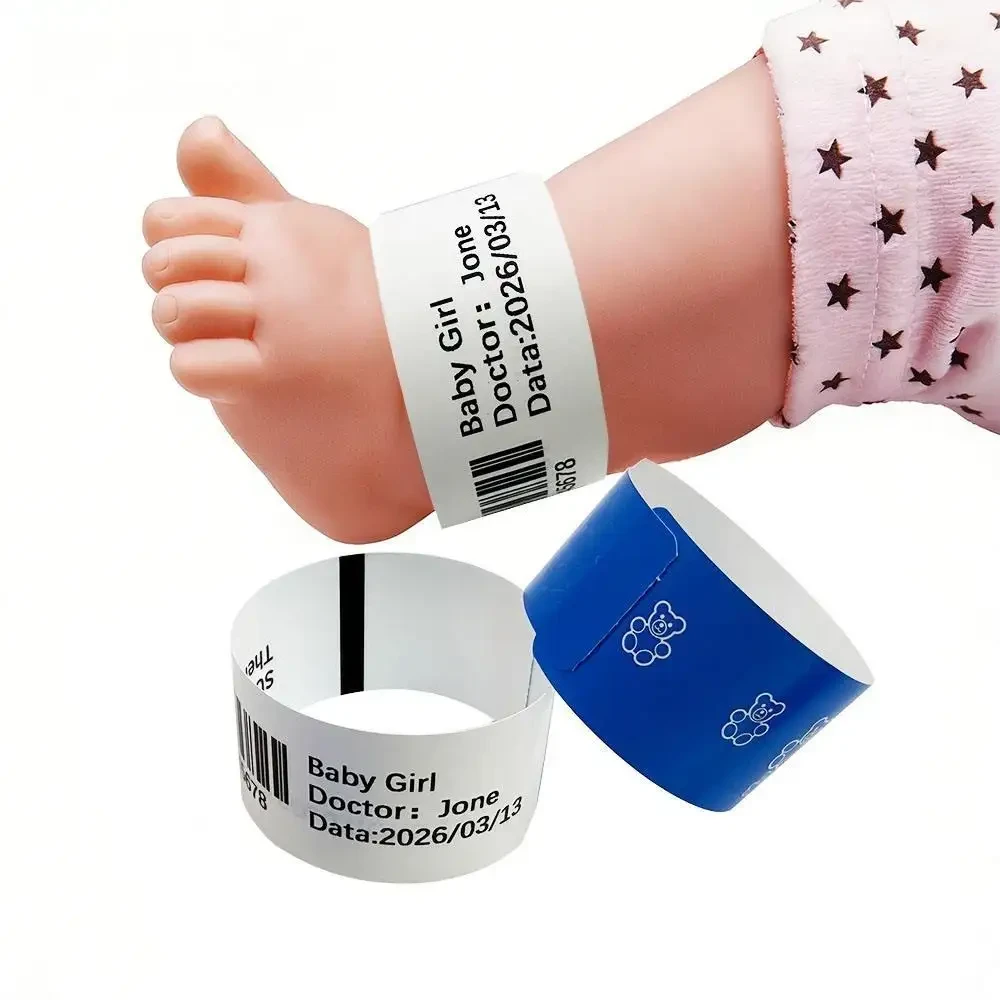
This does not mean abandoning barcode readability. It means re-weighting the design criteria—and covering the full range of residents a facility actually serves, from a neonatal band through a standard adult wristband, the extended-length wristbands ordered as bariatric patient wristbands, and the ankle bands applied when wrist access is compromised. In long-term care, the wristband is simultaneously an identification carrier and a worn object that shapes the resident's daily experience. Softness, breathability, low-profile closures, latex-free construction, and skin-friendly contact surfaces are not comfort extras; they are adherence determinants. A wristband that irritates is a wristband that gets removed. A removed wristband is a barcode that cannot be scanned. The 8% scanning rate is not only a workflow outcome; it is, in part, a materials outcome.
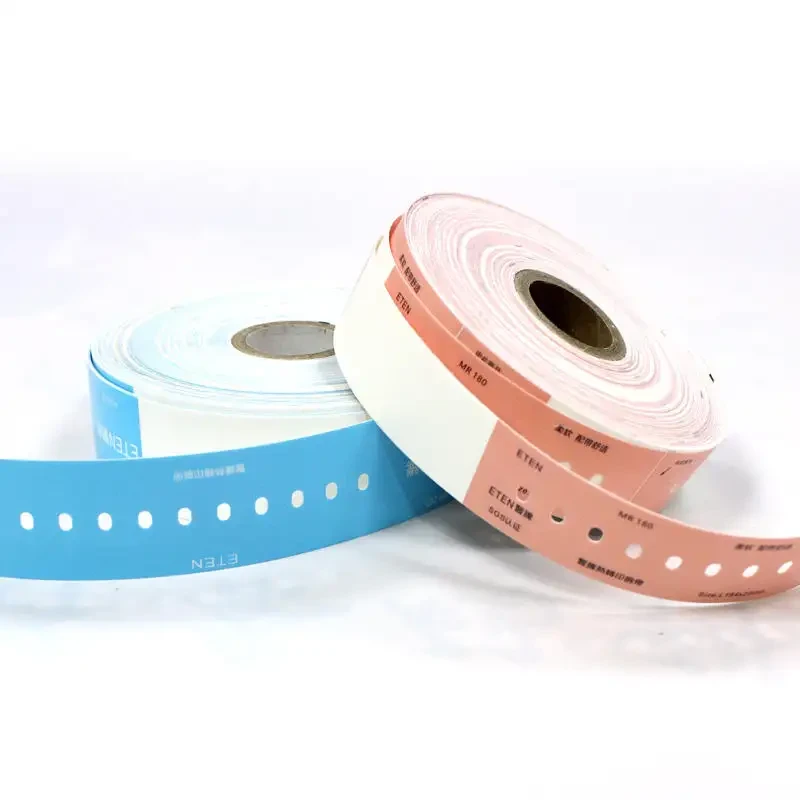
There is also a dignity dimension that is rarely captured in acute care procurement. Long-term care residents live with the wristband. A device that looks and feels institutional can reinforce the experience of being a patient rather than a resident. Some facilities have moved toward softer fabric bands or wearable devices that resemble consumer fitness trackers rather than hospital bracelets. This is not cosmetic. A wristband that the resident accepts is a wristband that remains in place, and a wristband that remains in place is the precondition for any patient identification accuracy—and thus for any scanning strategy.
The technology architecture trap: don't port acute BCMA into LTC
The most expensive mistake in long-term care wristband strategy is treating BCMA as a portable module. The core logic of barcode medication administration—scan the patient, scan the medication, verify against the eMAR at the point of care—is sound. But the acute care implementation assumes an equipment topology, a documentation rhythm, and a staffing model that long-term care does not share.
A long-term care–appropriate architecture starts from different constraints. Scanning must be possible without a fully loaded medication cart at the bedside. The system must tolerate offline or intermittent connectivity, because the scanning moment may occur in a hallway, a dining room, or a resident's room without immediate network coverage. The workflow must accommodate the reality that a wristband may be temporarily unavailable, and the recovery path must preserve two-identifier verification without forcing the nurse to abandon the electronic record altogether. The VA researchers' conclusion is explicit: implementation requires attention to "wristband maintenance" as a best-practice category, alongside training, troubleshooting, contingency planning, and equipment maintenance. Wristband maintenance is not an afterthought. In long-term care, it is a core system requirement.
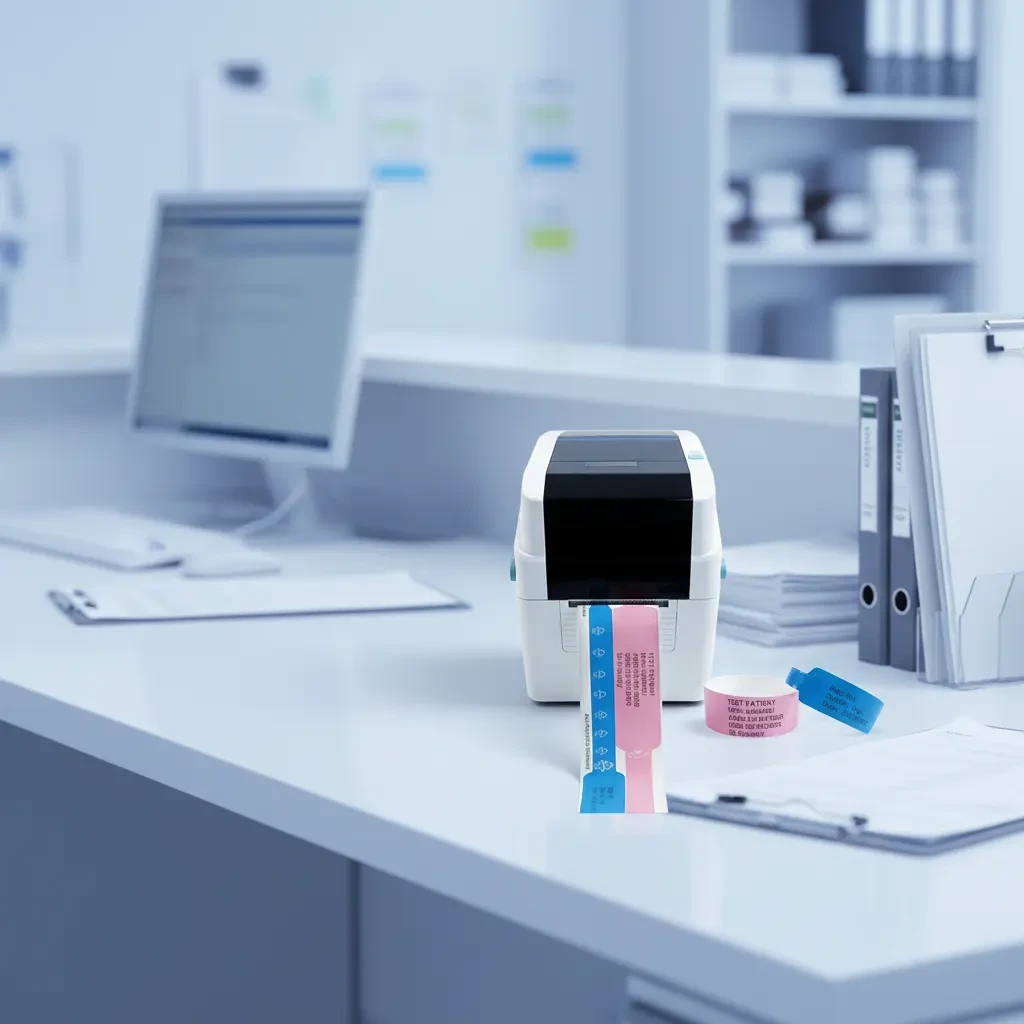
This is also where RFID and NFC capabilities become relevant, but for different reasons than in acute care. In long-term care, resident identification is entangled with wander management, fall prevention, and elopement risk. A wander guard bracelet may already be on the wrist of a resident who also needs medication identification. The strategic question is not "should we add RFID to the wristband?" but "how many separate devices should one resident reasonably wear?" Consolidating identification and safety functions into a single, comfortable, resident-acceptable band reduces device burden, improves adherence, and creates a more coherent data picture. The acute care wristband is primarily an identification artifact. The long-term care wristband has the potential to be a care-continuity artifact—but only if the architecture is designed for that broader role from the start.
Cost, ROI, and the long-term care reality
Acute care BCMA business cases often rest on error-cost avoidance: the average cost of a harmful medication error, the reduction in adverse drug events, and the payback period measured in one to four years. These calculations can be compelling in a hospital setting with high medication volume, high acuity, and a reimbursement structure that captures some of the avoided cost. They also lean on the kind of cross-institution benchmarking that surveillance programs such as CAP Q-Probes have long provided for other identification and laboratory measures.
Long-term care operates on thinner margins and different payment models. A per-bed capital expenditure that is straightforward for a hospital can be a multi-year budget conversation for a nursing home. The implementation models that are gaining traction reflect this: subscription-based pricing per patient bed per month, rather than a large upfront hardware and license purchase. The ROI case in long-term care also needs to include variables that acute care business cases often ignore: nurse satisfaction and retention, time saved in medication pass documentation, reduced rework from missing or illegible wristbands, and the operational cost of managing wander risk. A wristband strategy that reduces the number of separate devices a resident wears and simplifies the nurse's bedside verification step can produce returns that are measured in workflow efficiency and staff sustainability, not only in adverse-event avoidance.
What a differentiated wristband strategy actually looks like
A long-term care wristband strategy that acknowledges the 8% reality—rather than treating it as a training deficit—would rest on three layers.
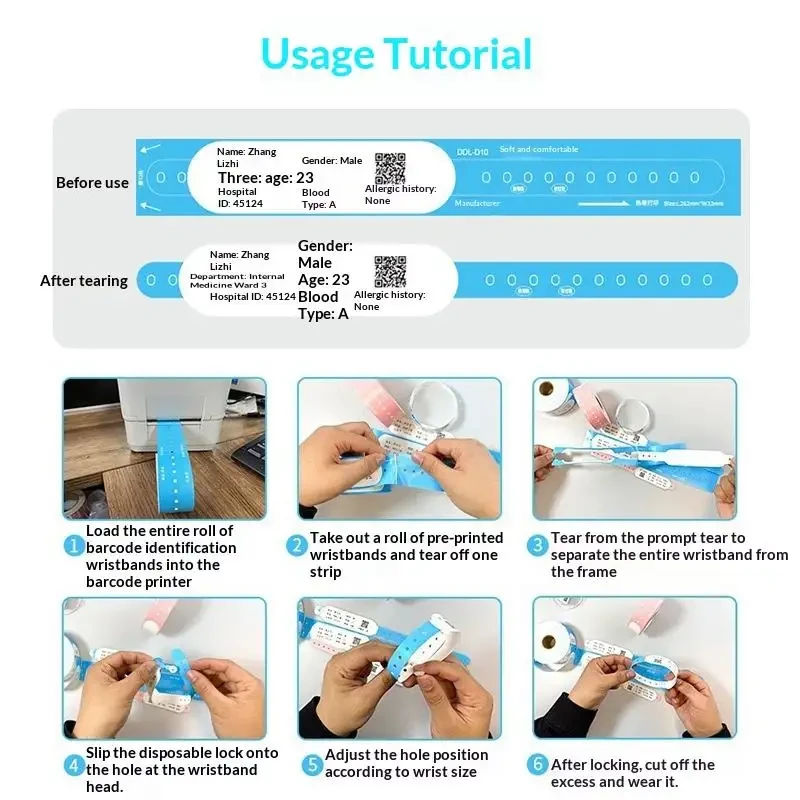
Layer one: wristband presence and wearability as a measured quality metric. Before scanning can improve, the band has to be on the resident, legible, and comfortable enough to stay on. This means auditing wristband presence and condition as part of the medication pass, not as a separate spot-check. It means selecting wristband materials for skin tolerance and sustained wear, not only for image durability. It means treating a removed or damaged wristband as a trigger for a care-plan review, not simply a documentation exception. In facilities where many residents do not wear identifying bands at all, the first strategic decision is which residents should wear a band, for what purpose, and with what consent and dignity safeguards.
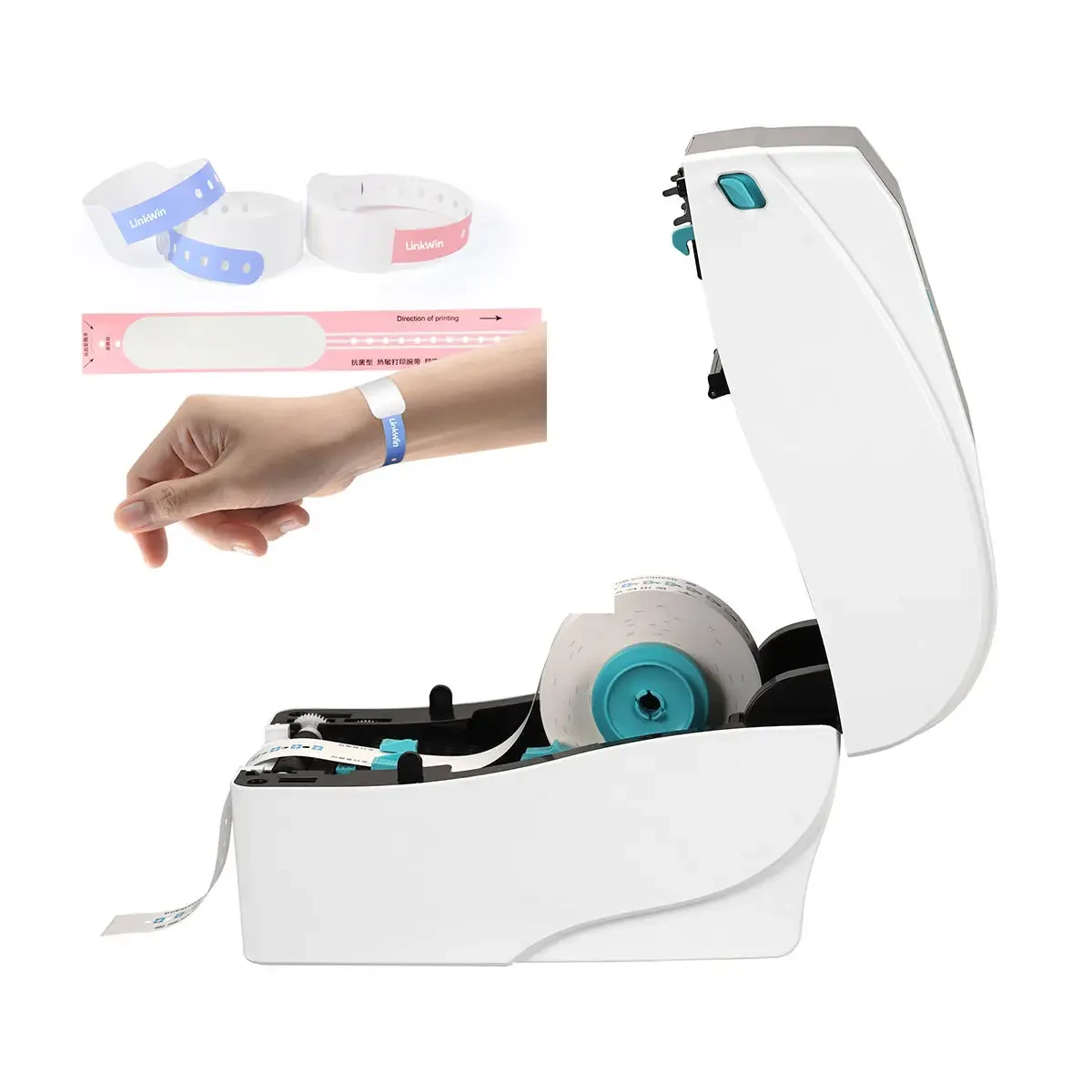
Layer two: scanning integrated into the medication pass the way it is actually performed. The scanner must be immediately available at the point of medication selection and administration, not locked to a cart that stays in the hallway. The workflow must support scanning a wristband that is curved, moist, or partially covered. The eMAR interface must not create intentional delays that push nurses toward workarounds. And the recovery path for a missing or unreadable barcode must use two independent identifiers—name plus medical record number, or name plus date of birth—without abandoning the electronic verification step entirely.
Layer three: consolidation with long-term care–specific safety functions. For residents at risk of wandering or elopement, the wristband is already part of the safety infrastructure. A strategy that treats the medication identification band and the wander guard as two unrelated products creates duplication, discomfort, and adherence problems. A unified resident-worn band that carries identification, supports medication verification, and interfaces with wander management or fall-prevention systems is more likely to stay on the resident, more likely to be scanned, and more likely to produce a coherent record of care.
The 53% vs. 8% gap will not be closed by asking long-term care nurses to behave more like acute care nurses. It will be closed by recognizing that the long-term care wristband is a different product, deployed in a different workflow, worn by a different person, for a different duration, with a different set of safety priorities. The wristband strategy should not be one-size-fits-all. In long-term care, the right question is not "why aren't they scanning?" It is "what kind of wristband, and what kind of scanning workflow, would a long-term care nurse actually be able to use—every time, for every resident, for months on end?"

Continue Reading
Have Questions About Wristbands?
Our team is ready to help you find the perfect wristband solution for your needs. Contact us directly on WhatsApp for quick responses.
Contact on WhatsApp