
Wristbands in the Emergency Resuscitation Room: The Lowest Margin for Error in the Highest Acuity Setting
In the emergency resuscitation room, the margin for error is measured in seconds. A patient arrives unresponsive. Airway is compromised. Blood pressure is falling. A trauma team converges, hands reach for equipment, medications are drawn, and a central line kit is opened. In this convergence of urgency, skill, and controlled chaos, one question sits beneath every action: Is this the right patient?
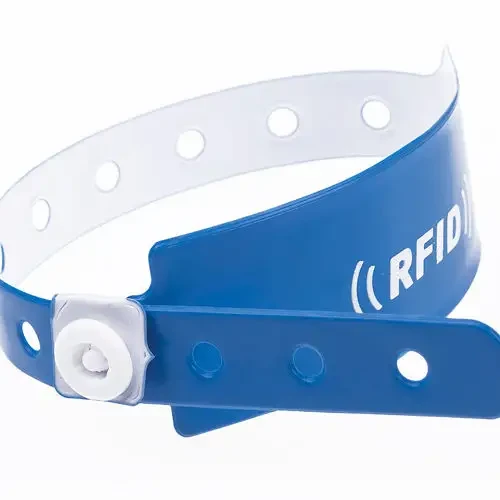
The answer is supposed to arrive on the wrist—on a patient identification band applied at registration, scanned before medication administration, checked before blood transfusion, and referenced during every handoff. Yet the resuscitation room is precisely the environment where that band is most likely to be absent, illegible, incorrectly applied, or skipped altogether. The highest acuity setting produces the lowest tolerance for identification failure, and the wristband, a thin strip of plastic or paper, is the single point at which patient identification accuracy is tested.
This is not a theoretical concern. According to The Joint Commission, misidentification accounts for over 15% of sentinel events in acute care settings, and a two-year study on identification wristband errors reported mean error rates between 2.8% and 8.4%. In ECRI Institute's patient identification data, 8.67% of wristbands carried name errors and 4.33% carried the wrong medical record number. When those figures are transposed onto a resuscitation room—where decisions are irreversible and time cannot be recovered—the arithmetic becomes uncomfortable. The wristband is not administrative decoration. It is the physical anchor of clinical identity, and in the highest-acuity environment, it is the last line of defence before a wrong-patient error becomes a catastrophe.
The Resuscitation Room Is Not a Normal Care Environment
Emergency departments generally are vulnerable to identification failure because patients arrive unexpectedly, in no planned sequence, sometimes unconscious and without identification, and may require treatment before any accurate identification procedures can be carried out. The resuscitation room concentrates every one of those vulnerabilities.
A patient may arrive by ambulance with no family, no wallet, and no prior record. A "Jane Doe" or alias must be assigned so that care can proceed, but reconciling that temporary identifier with medication records, blood bank data, and imaging orders is difficult without the patient's participation or a second identifier. A trauma patient may be stripped of clothing before a wristband has been applied, or the band may be cut away to gain access to a vein. A patient in cardiac arrest cannot state a name or date of birth, and the individuals best positioned to verify identity may be the least available to do so.
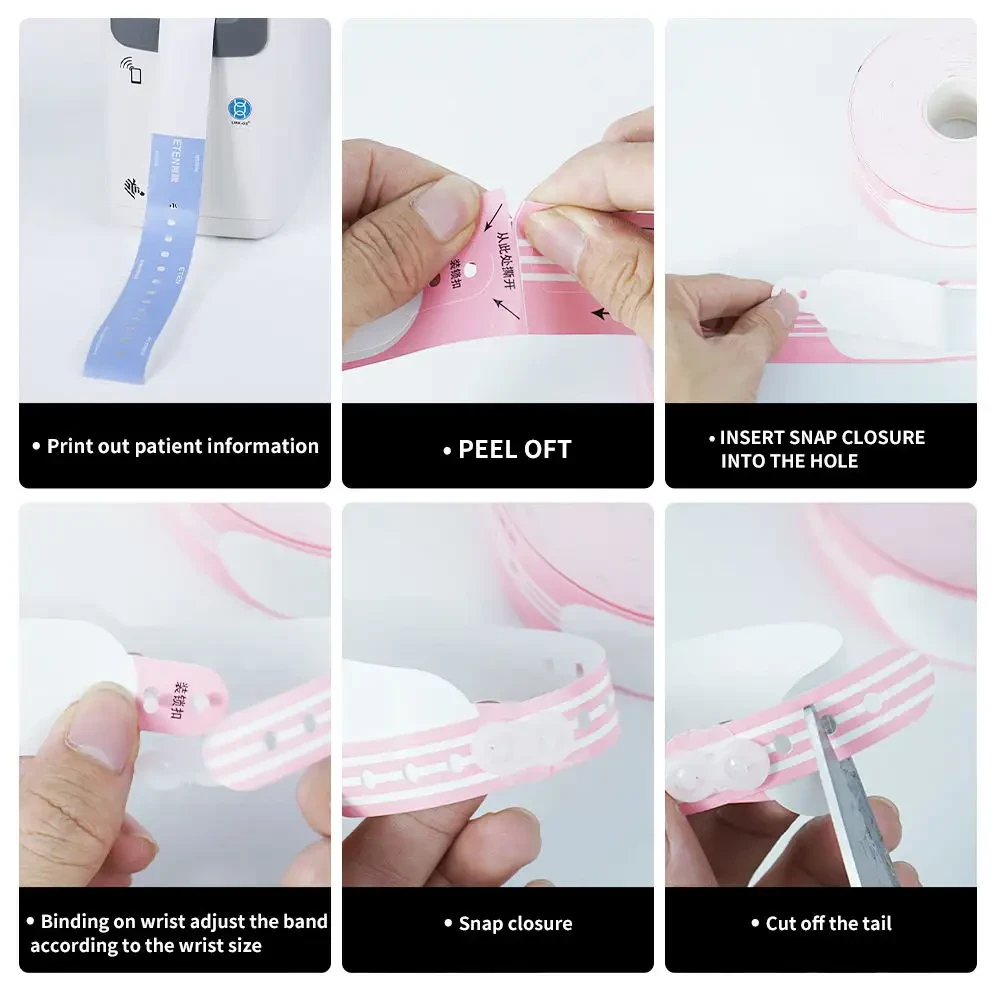
The timing of wristband placement is inconsistent across emergency departments. Some facilities apply the band after rapid registration before triage; others rely on triage nursing staff to apply it later. In the resuscitation room, the interval between arrival and the first life-saving intervention may be measured in seconds, and if the band is not present at that first contact, the default is often to proceed without it. The safest practice is to ensure wristband placement precedes any care or treatment, but in the highest-acuity scenarios, the order of operations is inverted by physiology.
When the Wristband Fails, the Failure Is Not Cosmetic
The literature on wristband-related misidentification is populated with events that began as small process deviations and ended as near-misses or outright harm. In one reported incident, a nurse applied a yellow wristband to signal a restricted extremity based on a colour-coding system from another facility. At the receiving hospital, yellow indicated do-not-resuscitate. The patient suffered a cardiopulmonary arrest and was nearly not resuscitated because of the colour of the wristband. In another case, a patient with a green wristband indicating latex allergy was transferred between facilities; the colour had no meaning at the receiving facility, the band was not removed, and the patient experienced a preventable anaphylactic reaction.
These events are not confined to colour-coding confusion. In a four-week period at a large tertiary hospital, one patient received a CT scan ordered for another patient with the same first name; two trauma patients of similar age and injury pattern underwent each other's head and cervical spine scans; a two-year-old was found wearing the identification band of an eight-month-old; and a patient receiving an EKG was found wearing the band of a 60-year-old male placed by the triage nurse. In none of these cases did the wristband itself malfunction. The failure occurred in the human system surrounding the wristband: application, verification, scanning, and cross-checking.
The Joint Commission's National Patient Safety Goal NPSG.01.01.01 requires at least two patient identifiers when providing care, treatment, and services, and explicitly prohibits the use of room number or physical location as an identifier. In the resuscitation room, compliance with that standard is not a matter of documentation. It is the difference between delivering a medication to the patient who needs it and delivering it to the patient in the next bay. Long-standing surveillance programs such as CAP Q-Probes have repeatedly shown that identification error rates vary widely between institutions, which is precisely why the resuscitation room cannot rely on assumed compliance.
Why the Process Collapses Under Pressure
The most instructive question is not whether wristband identification fails in resuscitation, but why it fails when the stakes are highest. The answer lies in the interaction between human factors, workflow design, and the psychology of urgency.
Workarounds as a Signal, Not a Sin
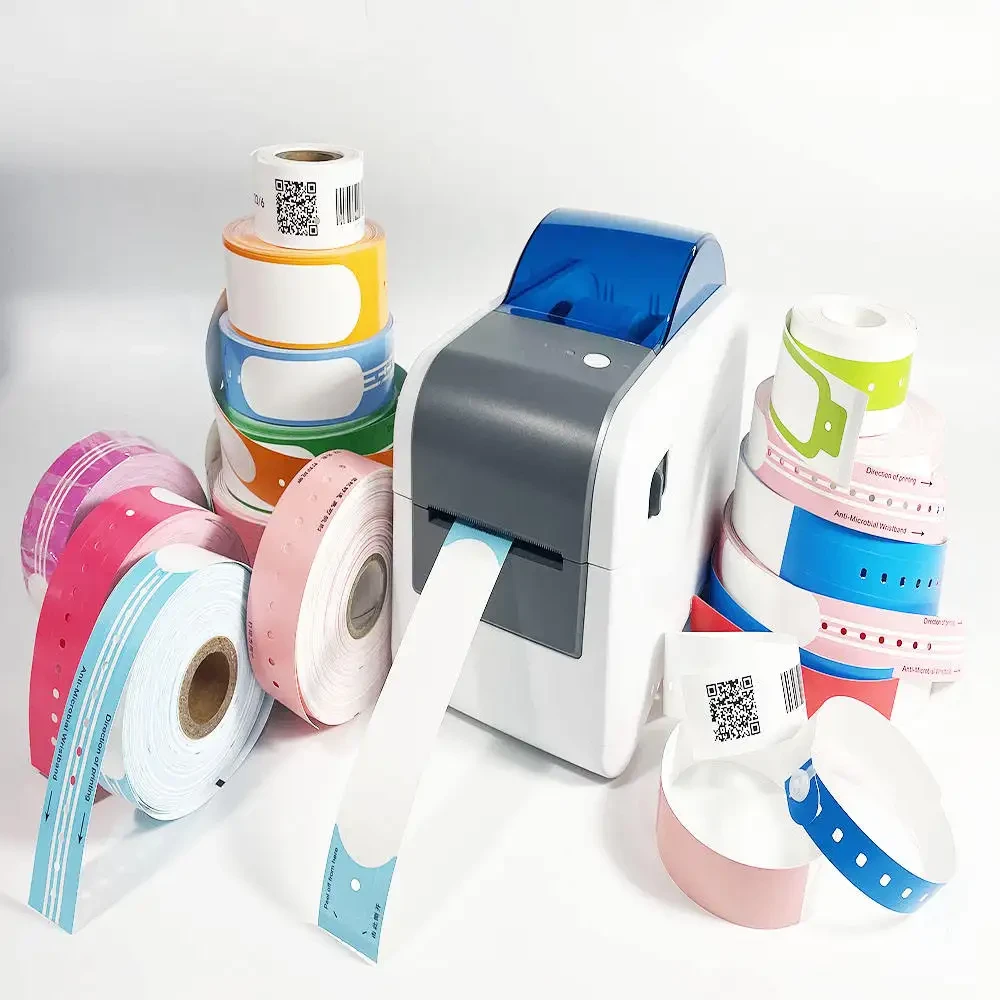
Barcode medication administration (BCMA) was designed to enforce a closed-loop between the patient's wristband and the medication to be administered. Yet BCMA studies consistently identify "emergency situations" and "urgent need of medication" as triggers for bypassing the scan. Observed workarounds include administering medication without scanning the patient ID band, scanning a barcode affixed to a computer cart instead of the patient's wristband, and carrying pre-scanned medications for multiple patients on a single cart. In one reported death, staff bypassed the BCMA procedure; in another analysis, 28% of non-scanned administrations occurred because the patient was not wearing a wristband at all.
These workarounds are not evidence of indifference. They are evidence of a system that has not reconciled the demands of resuscitation with the mechanics of verification. A nurse managing a bolus of adenosine in a crashing patient does not have the cognitive bandwidth to troubleshoot a smudged barcode or a missing band. The workaround is a rational response to a workflow that imposes friction at the exact moment friction is least tolerable. The solution is not to exhort staff to try harder; it is to design the identification step so that it requires less effort, not more.
The Two-Identifier Problem in an Unconscious Patient
The two-identifier standard is straightforward when a patient can speak. In resuscitation, it becomes a logical puzzle. If the patient cannot state a name or date of birth, the identifiers must come from the wristband, a family member, a transfer document, or a prior record. An NHS investigation found that resuscitation policy did not describe the need for patient identification in the case of cardiac arrest, nor when to undertake it during such a scenario. Staff reported that patient identification training was "assumed" and embedded in unrelated packages such as medication administration, rather than taught as a discrete resuscitation competency. The wristband may be present, but the protocol for using it under resuscitation conditions may be absent.
Colour Coding Without Standardisation Is a Safety Hazard
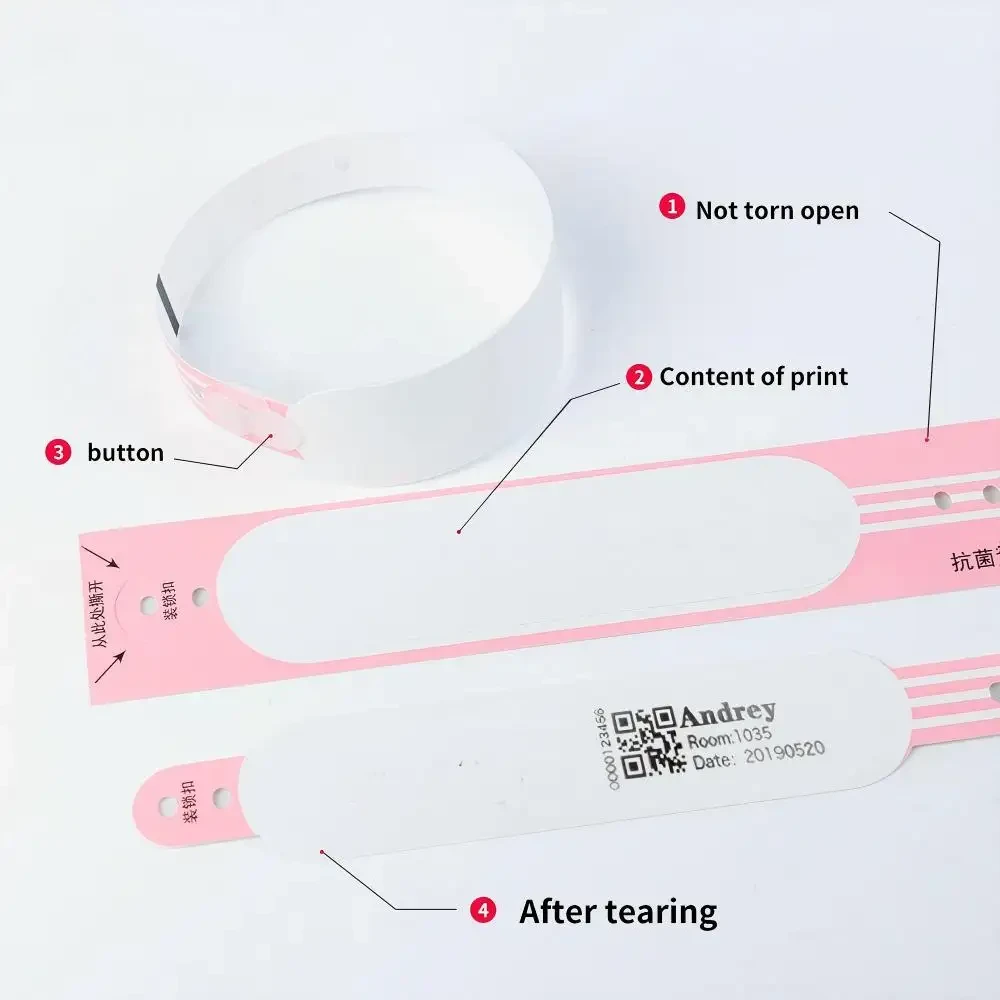
Colour-coded wristbands are intended to communicate risk factors at a glance: allergy, fall risk, latex allergy, do-not-resuscitate status, restricted extremity. But colour is a language, and in the absence of a shared vocabulary, it becomes a source of error rather than a safeguard. One survey identified ten different colours used for nineteen different risk factors across acute care settings; red alone could denote allergy, blood bank identification, restricted extremity, fall risk, or do-not-resuscitate status depending on the facility. The American Hospital Association has advocated standardisation around red for allergy, yellow for fall risk, and purple for do-not-resuscitate, but adoption is inconsistent. In a resuscitation room receiving transfers from multiple facilities, a colour that means one thing at the sending hospital may mean something entirely different—or nothing at all—at the receiving hospital.
What Technology Can and Cannot Fix
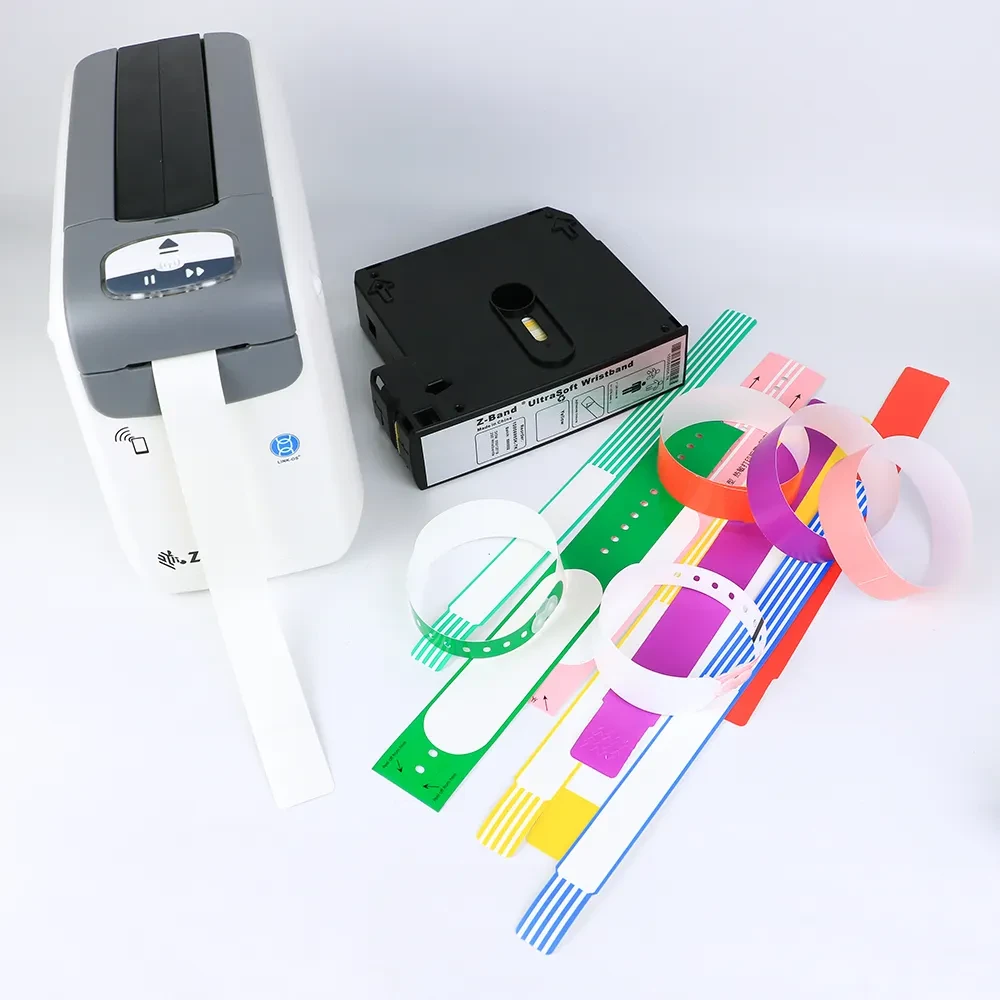
The instinct to solve identification failure with technology is understandable and partly correct. Barcode scanning and RFID wristbands add a machine-verifiable layer that does not rely on human vigilance alone. RFID enables contactless reading through gloves and at a distance, supports read/write functionality for dynamic updates such as allergy flags or isolation status, and can be integrated into closed-loop medication administration and blood transfusion verification. In high-mobility environments such as emergency departments and surgical prep areas, RFID's non-contact reading is a practical advantage over line-of-sight barcode scanning.
But technology does not eliminate the wristband problem; it relocates it. A barcode cannot be scanned if the wristband is not on the patient. An RFID reader cannot verify an identity that was never correctly assigned. A closed-loop system cannot close the loop if the loop begins with a wrong-patient registration or an alias that is never reconciled. The most sophisticated identification technology in the resuscitation room is only as reliable as the human process that places the band, confirms the identifiers, and commits to scanning even when the patient is crashing.
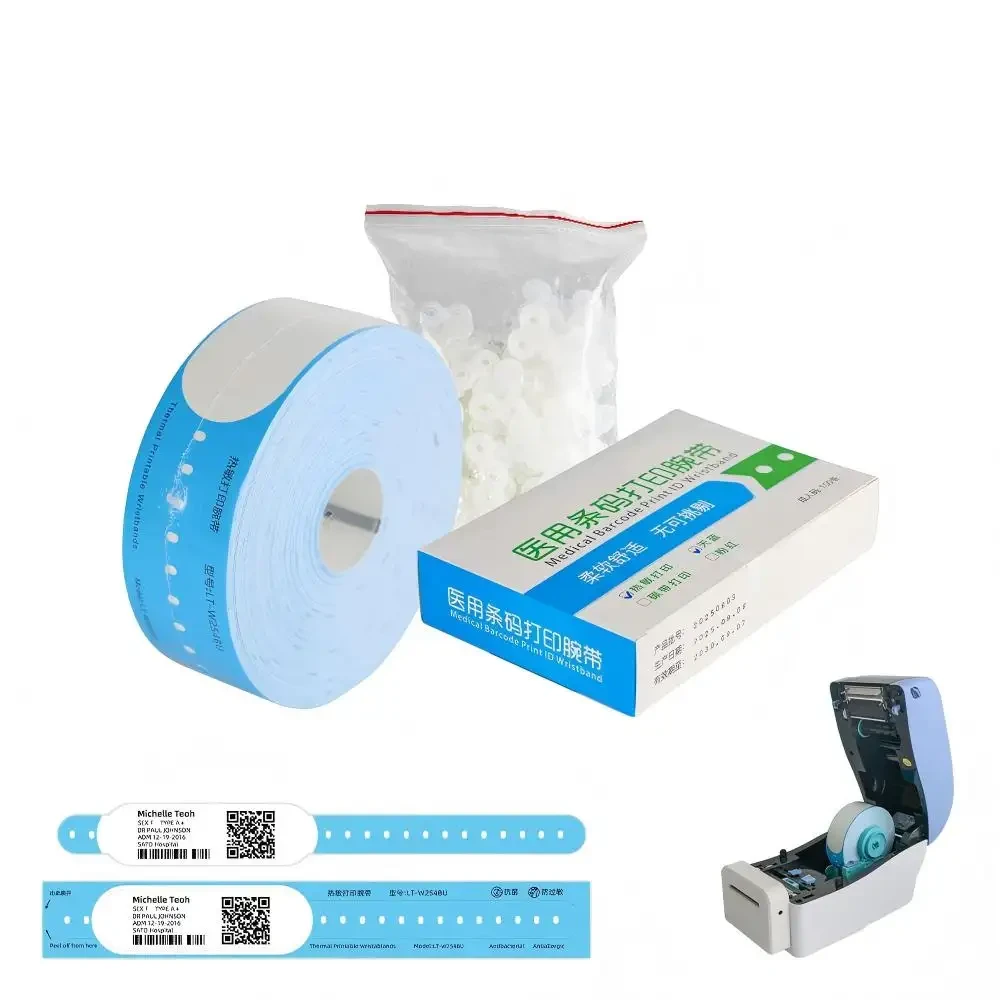
The more important innovation may be design rather than device. BCMA workarounds decrease when technology is aligned with clinical workflows, alarms are clinically significant rather than noise, and the scanning step is integrated into the physical choreography of resuscitation rather than appended to it. A wristband that can be applied in seconds, scanned at a distance, and read without removing gloves solves a resuscitation-specific problem. A wristband that requires the clinician to put down a laryngoscope blade to align a barcode with a scanner does not.
Designing the Wristband for the Resuscitation Room
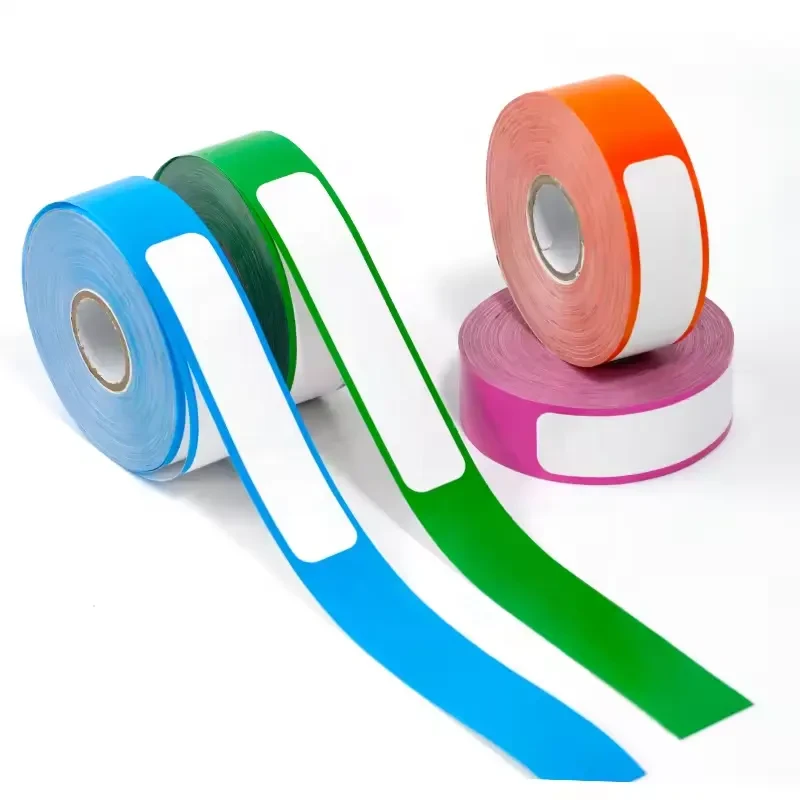
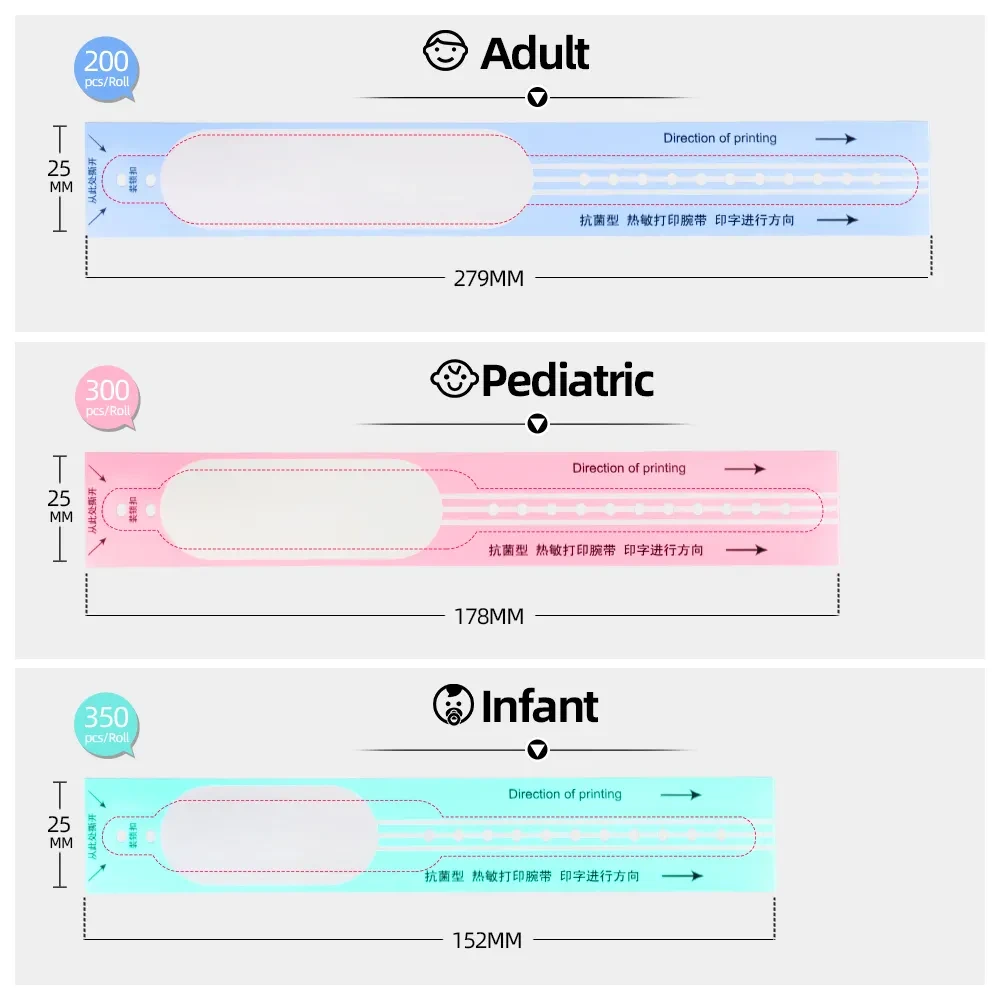
If the resuscitation room represents the lowest margin for error, the wristband used there should be designed to a different standard than the wristband used on a general ward. There is no single band that suits every patient: a resuscitation-ready system has to cover a standard adult wristband, the extended-length wristbands ordered as bariatric patient wristbands, and the ankle bands applied when wrist access is compromised. Several principles follow.
Apply before care, not after stabilisation. The safest practice is to place the identification band at first patient contact, before any treatment or medication administration. In resuscitation, this means integrating band application into the primary survey or the trauma team's initial actions, rather than treating it as an administrative task to be completed when time permits.
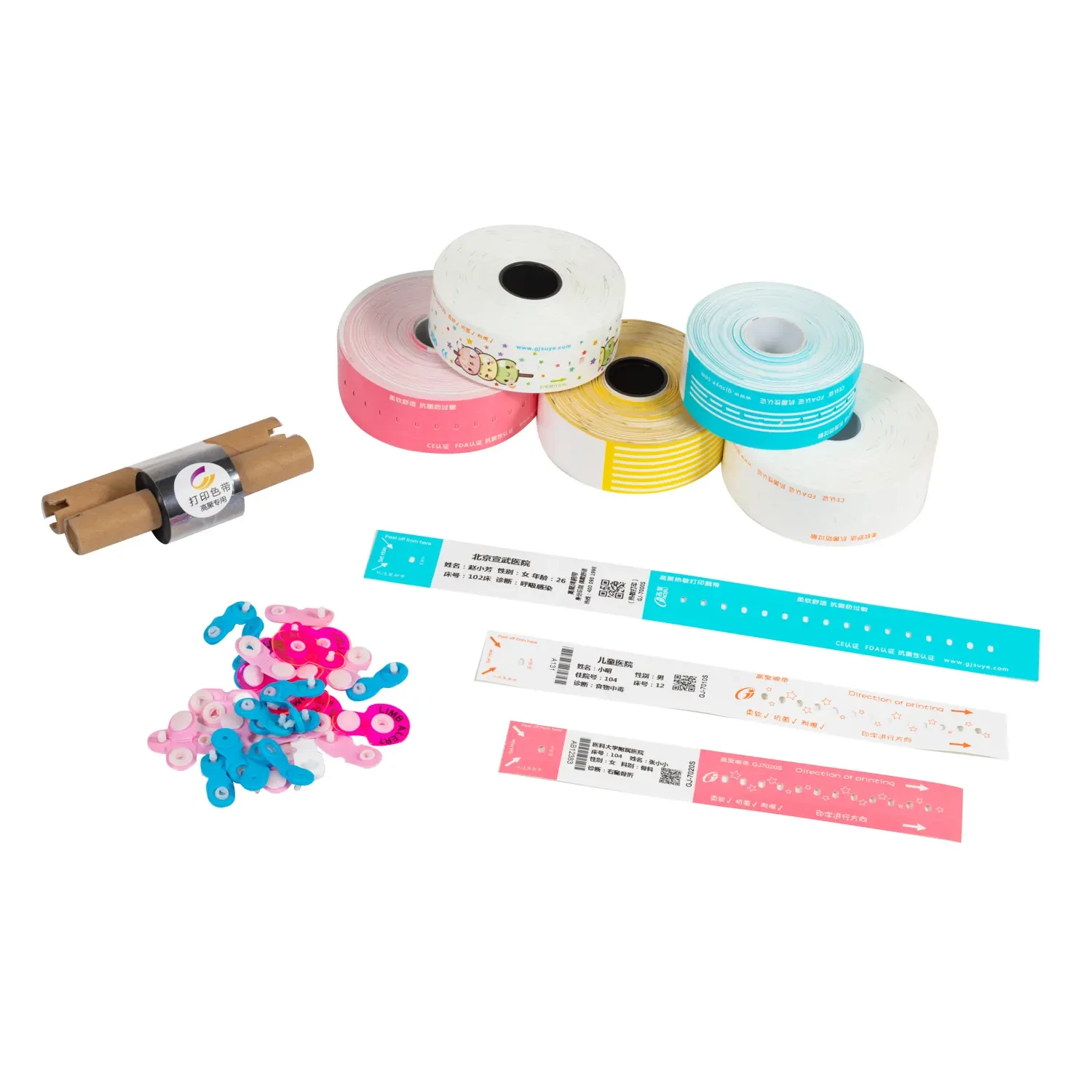
Use a dedicated resuscitation identifier. The two-identifier standard should be operationalised with a defined hierarchy: for the unidentified patient, a temporary alias plus a unique encounter number; for the identified patient, legal name plus date of birth or medical record number. The identifiers must be confirmed at the time of band application, not assumed from a bed card or a verbal report.
Standardise colour, or remove colour from the identification band. If colour-coded alert bands are used, the meaning must be standardised across the receiving region and must never be the sole means of communicating a critical risk factor. Where standardisation is not achievable, pre-printed text alerts on the band are safer than colour alone.
Build scanning into the resuscitation workflow. Barcode or RFID scanning should be positioned so that it occurs as a natural step in medication preparation and administration, not as a retrospective documentation burden. The goal is not to add a checkpoint but to make the correct action the path of least resistance.
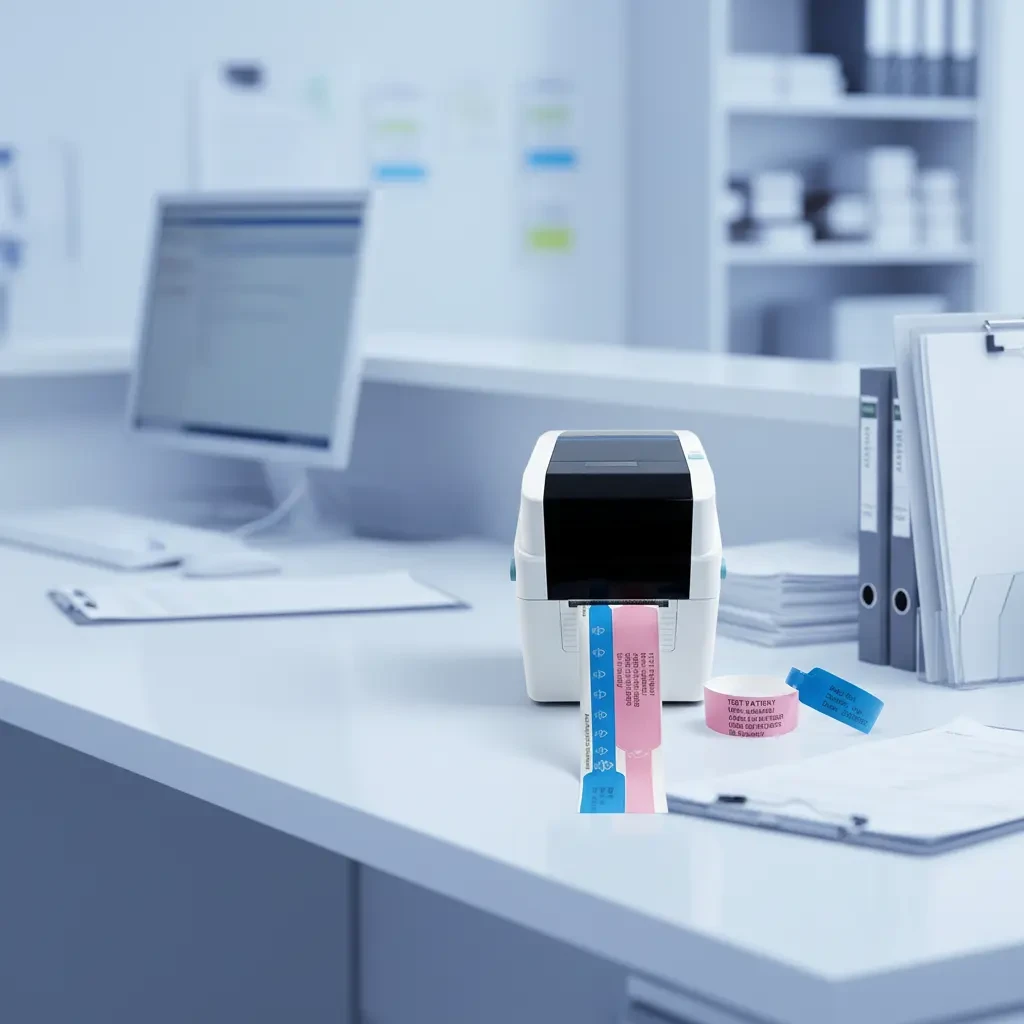
Train for resuscitation-specific identification. General patient identification training is not sufficient. Staff should rehearse identification under resuscitation conditions: what to do when the patient is unconscious, when the band is missing, when the band is illegible, and when two patients with similar identifiers are in adjacent bays. The NHS investigation's finding that identification training was "assumed" rather than delivered is a warning that should be heeded by every emergency department.
The Margin Is Small Because the Consequences Are Large
The wristband in the resuscitation room is not a bureaucratic artefact. It is the physical manifestation of a commitment: that before we act, we will know whom we are acting upon. When that commitment holds, the wristband is unremarkable—a strip of material that no one notices because everything goes right. When it fails, the failure propagates through every downstream decision: the medication, the blood product, the imaging order, the family conversation, the resuscitation status.
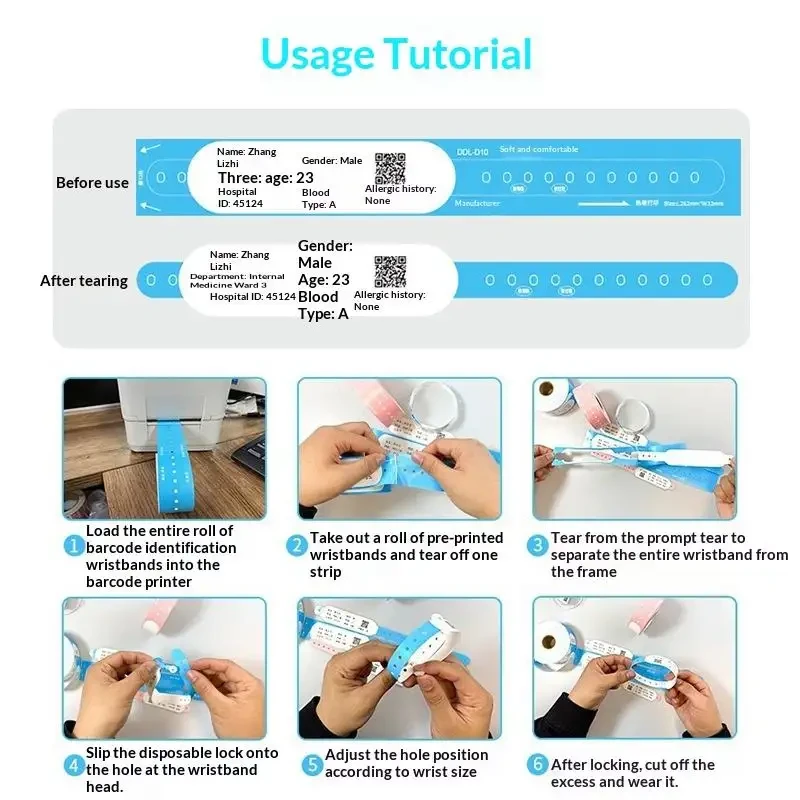
The evidence is clear that wristband-based identification reduces error, but only when the wristband is present, correct, and used. The highest-acuity setting will always compress time, elevate cognitive load, and reward action over verification. That is precisely why the wristband, and the process that surrounds it, must be designed for the resuscitation room rather than borrowed from the ward. The lowest margin for error demands the most deliberate identification system—not because the wristband is complicated, but because in the resuscitation room, everything else already is.
About the author: This article is part of an ongoing educational series on patient identification wristbands for healthcare visitors and procurement teams. For guidance on selecting wristband materials, printing methods, or scanning compatibility for emergency and high-acuity environments, consult your facility's patient safety and infection prevention teams.
Continue Reading
Have Questions About Wristbands?
Our team is ready to help you find the perfect wristband solution for your needs. Contact us directly on WhatsApp for quick responses.
Contact on WhatsApp