
Scanning for 90 Days? How Medical Wristbands Resist Alcohol, Blood, and Stains
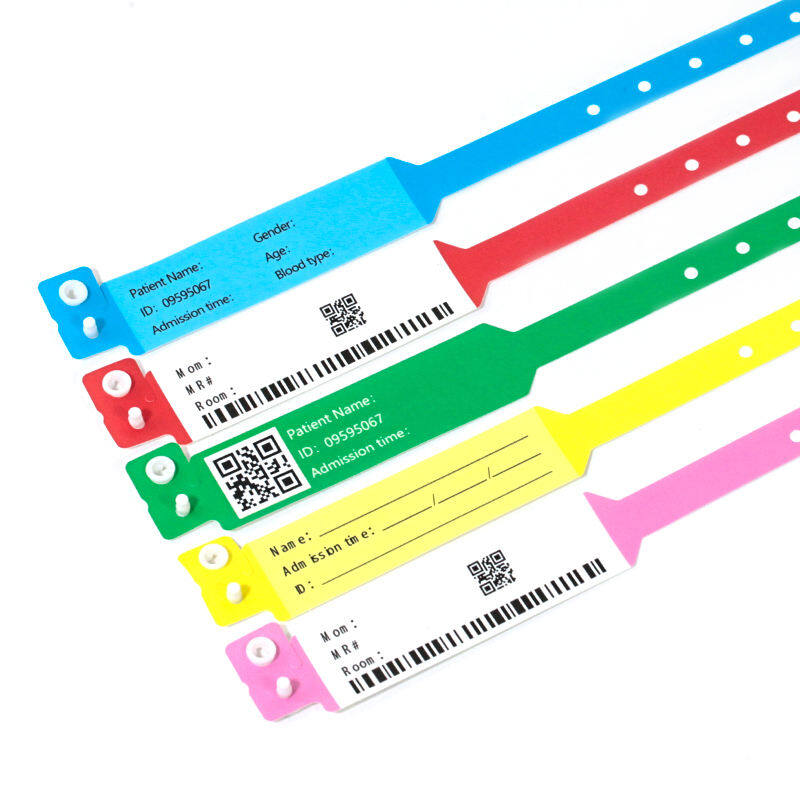
In modern healthcare, a patient's barcode wristband is more than an identification tool—it is a critical safety device that must remain fully functional throughout their entire hospital stay. But what happens when that wristband is exposed to alcohol-based sanitizers, blood, bodily fluids, or repeated friction over weeks of continuous wear? The answer lies in rigorous durability testing. This comprehensive guide explores how medical wristbands are engineered to withstand the harshest clinical environments while maintaining scannability for up to 90 days.
Why Durability Matters: The Clinical Reality
Hospital environments are uniquely hostile to printed materials. Nurses apply alcohol-based hand sanitizer dozens of times per shift. Patients shower, sweat, and experience wound drainage. Wristbands encounter blood, iodine, chlorhexidine, and countless other chemicals daily. A wristband that degrades under these conditions doesn't just look unprofessional—it becomes unreadable, breaking the closed-loop verification system and putting patients at risk.
The industry standard requires wristbands to maintain full barcode scannability for a minimum of 90 days under simulated clinical conditions. This benchmark ensures that even long-term patients in rehabilitation, oncology, or chronic care units never lose their primary identification safeguard.
Test 1: Alcohol and Solvent Resistance
Alcohol-based hand sanitizers contain 60-70% ethanol or isopropanol, making them one of the most aggressive substances a wristband encounters. In standardized testing, wristband samples are subjected to repeated applications of 70% isopropyl alcohol, simulating hundreds of sanitization events over a 90-day period.
Testing Protocol
Samples are rubbed with alcohol-soaked cotton swabs at controlled pressure for 200 cycles, then evaluated for print clarity, barcode readability, and material integrity. Premium thermal wristbands use a specialized topcoat that creates a chemical barrier, preventing alcohol from dissolving the thermal-sensitive layer beneath. After testing, the barcode must still achieve a Grade B or higher scan rating per ISO/IEC 15416 standards.
Common Failure Modes
Low-quality wristbands without proper topcoating show rapid degradation: the printed barcode fades within days, the surface becomes tacky or discolored, and the adhesive closure weakens. In worst-case scenarios, the entire wristband material begins to delaminate, creating both a hygiene hazard and an identification failure.
Test 2: Water Immersion and Moisture Resistance
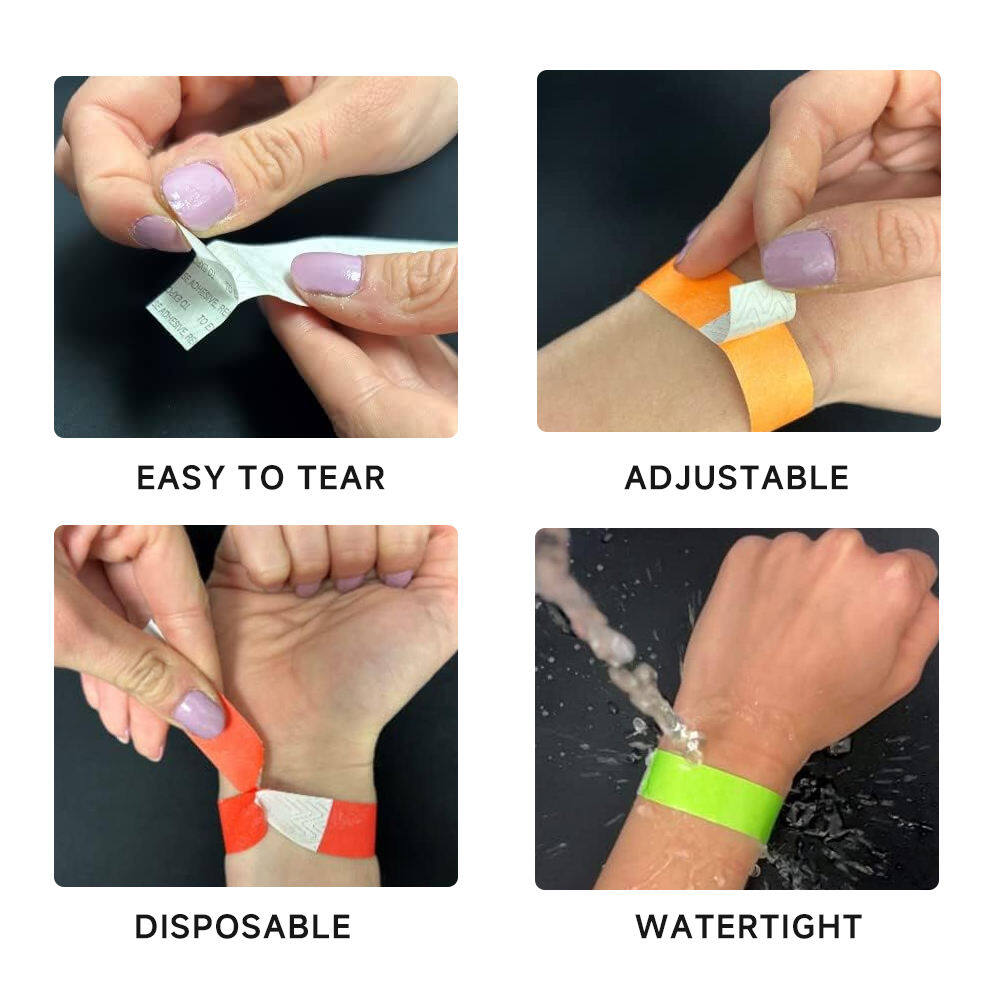
Patients wear wristbands continuously, including during bathing, hydrotherapy, and wound care. Water resistance testing evaluates whether the wristband can survive prolonged moisture exposure without losing structural integrity or print quality.
Immersion Testing Standards
Wristband samples are submerged in water at 37°C (body temperature) for 24 hours, then removed and tested immediately for barcode readability. Additional tests include exposure to soapy water, saline solution, and chlorinated pool water to simulate real-world scenarios. Premium wristbands maintain full functionality after immersion, while budget alternatives often show edge curling, print bleeding, or adhesive failure.
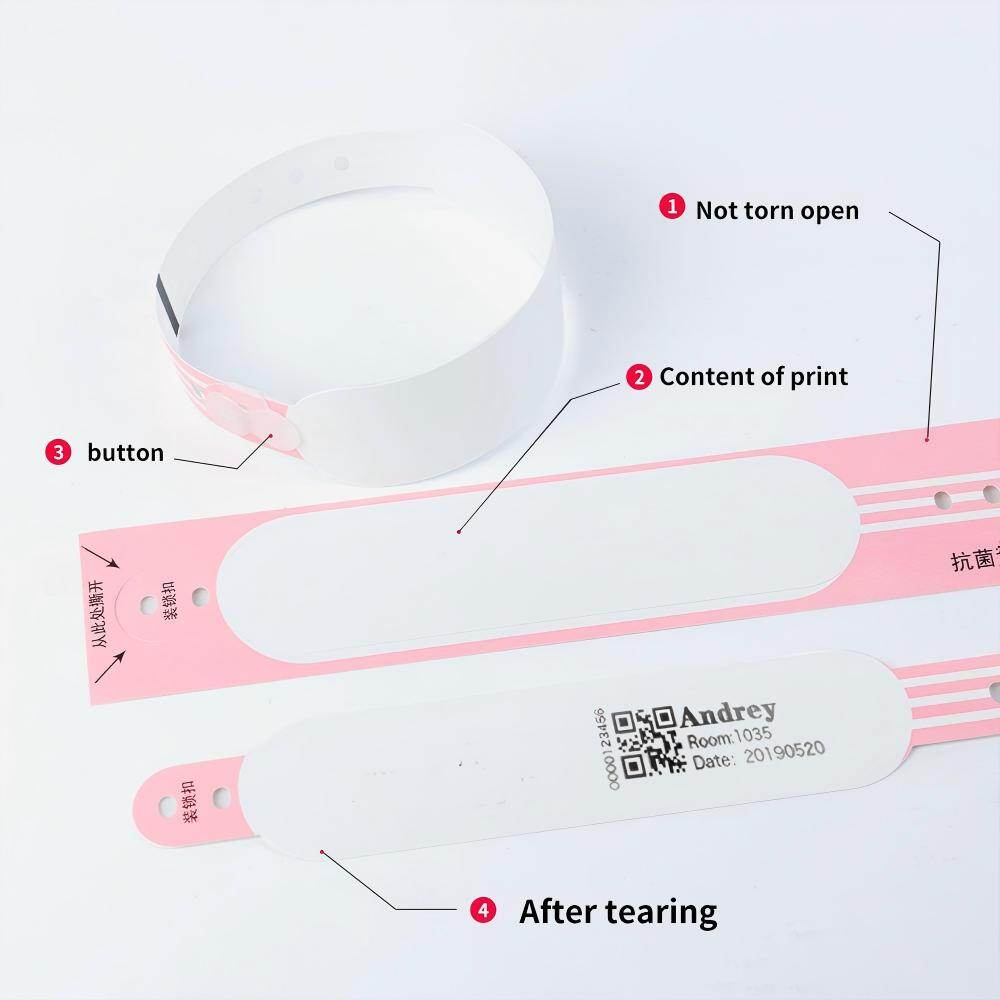
Blood and Bodily Fluid Exposure
Beyond water, wristbands must resist staining and degradation from blood, urine, wound exudate, and other bodily fluids. These substances contain proteins, salts, and enzymes that can penetrate unprotected thermal coatings. Testing involves applying standardized biological simulants and evaluating both visual appearance and scan performance after cleaning.
Test 3: Abrasion and Friction Resistance
A wristband on an active patient experiences constant friction against bedding, clothing, medical equipment, and the patient's own skin. Over 90 days, this cumulative abrasion can wear through printed surfaces and compromise barcode readability.

Taber Abraser Testing
Industry-standard Taber abrasion testing uses calibrated abrasive wheels under specified load to simulate months of wear in accelerated time. Wristbands are evaluated at intervals corresponding to 30, 60, and 90 days of clinical use. The pass criterion is maintaining a minimum barcode contrast ratio that allows reliable scanning by standard hospital-grade barcode readers.
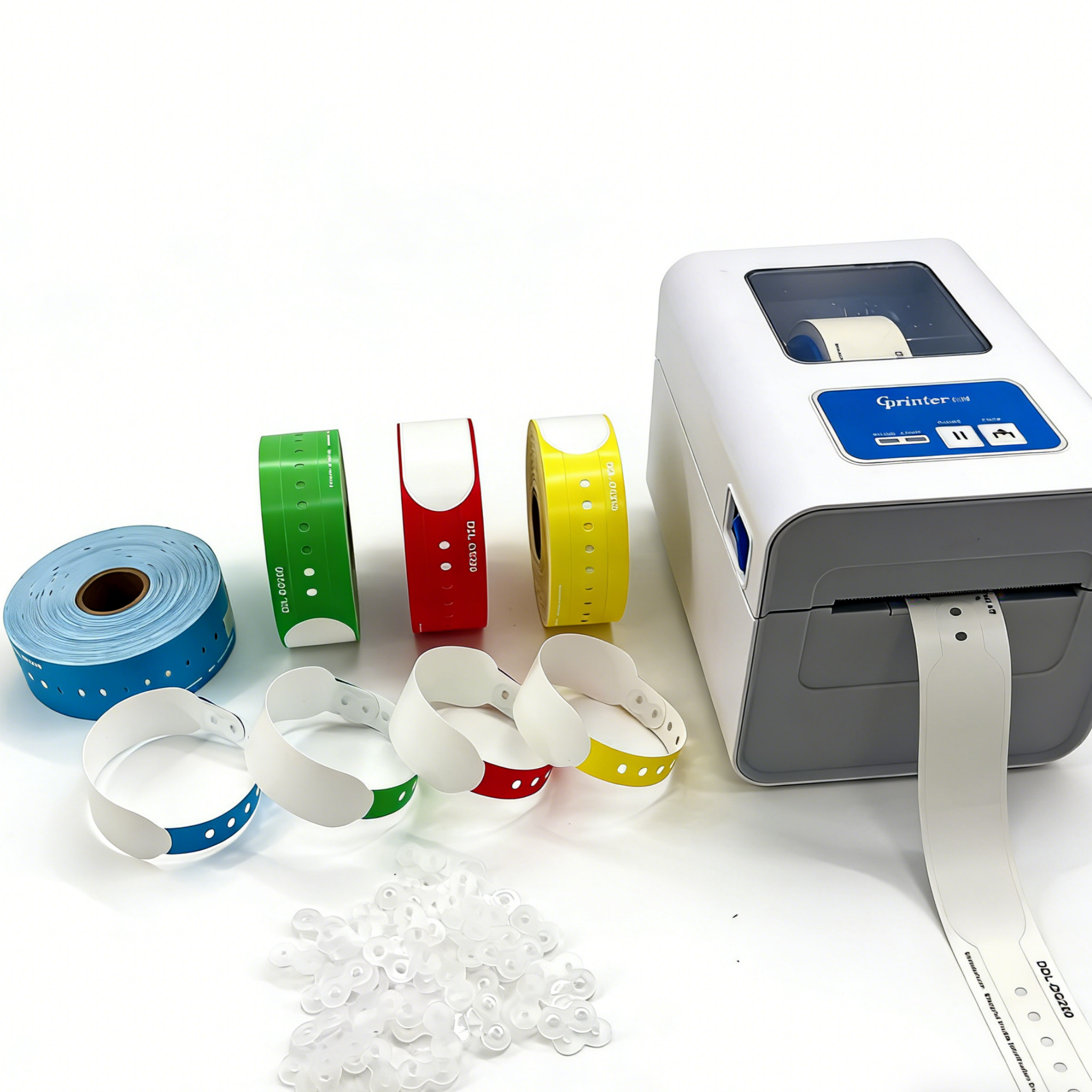
Real-World Wear Simulation
Beyond laboratory abrasion testing, manufacturers conduct extended wear trials with volunteer subjects who wear wristbands during normal daily activities for the full 90-day test period. These trials capture variables that lab tests cannot replicate: variable sweat chemistry, UV exposure, mechanical stress from patient movement, and interaction with topical medications applied near the wristband site.
Material Comparison: Tyvek vs. Thermal Wristbands
Two dominant materials compete in the medical wristband market, each with distinct durability characteristics suited to different clinical applications.
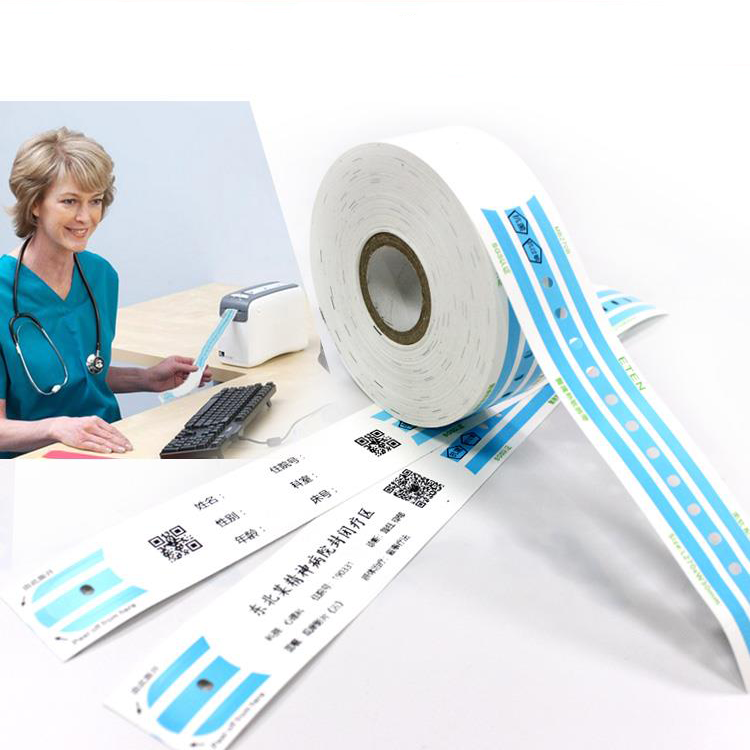
Tyvek Wristbands
Made from flash-spun high-density polyethylene fibers, Tyvek wristbands offer exceptional tear resistance and chemical inertness. They are inherently waterproof without requiring additional coatings, making them ideal for neonatal units, psychiatric wards, and long-term care facilities where wristbands may be worn for months. Tyvek accepts laser printing, which produces extremely durable marks resistant to solvents and abrasion. However, Tyvek has a paper-like texture that some patients find less comfortable, and it typically costs 20-30% more than thermal alternatives.
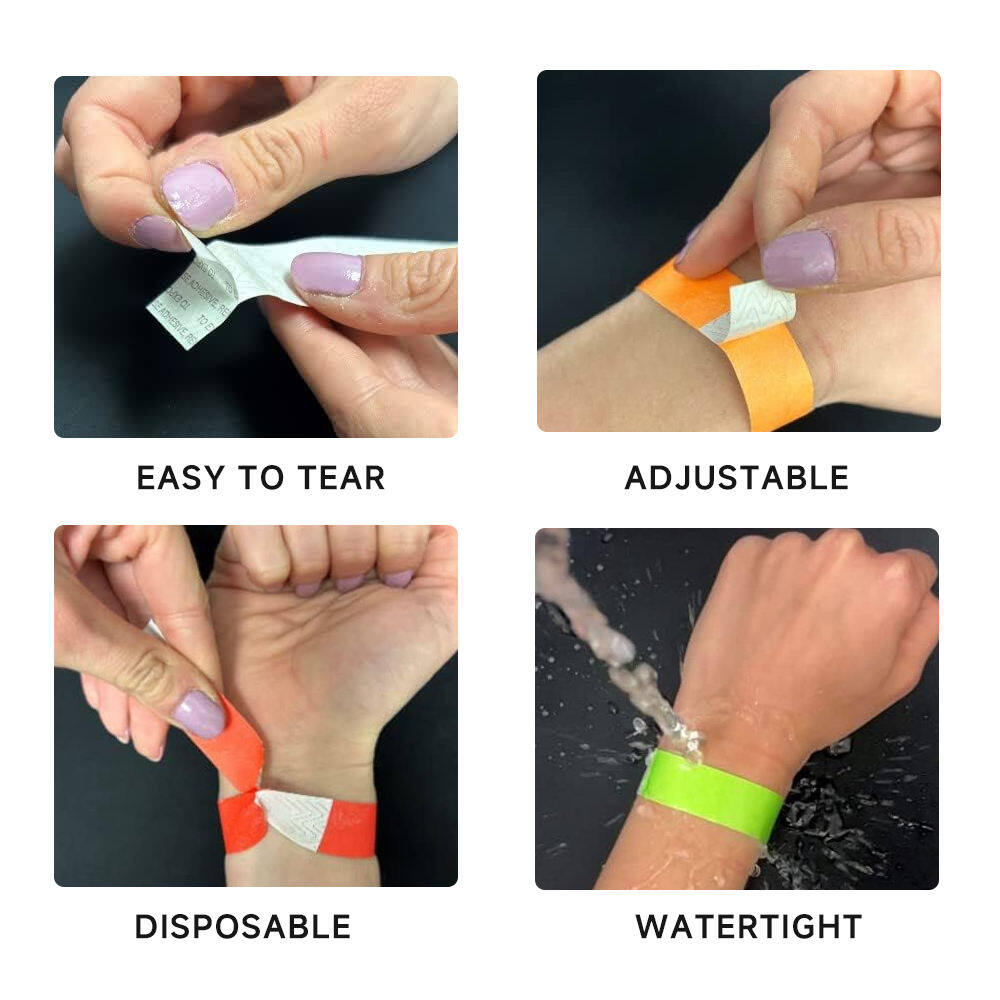
Thermal Wristbands
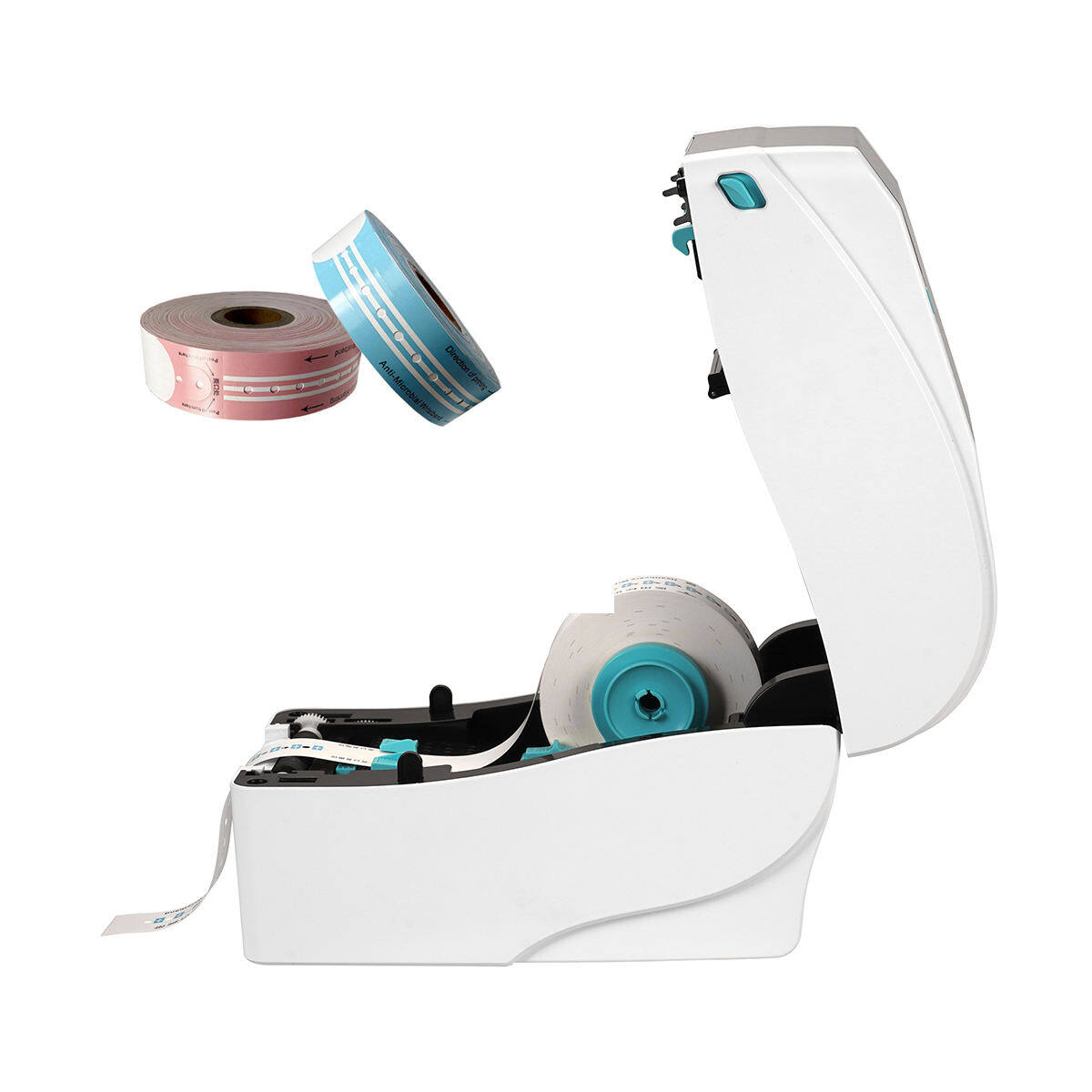
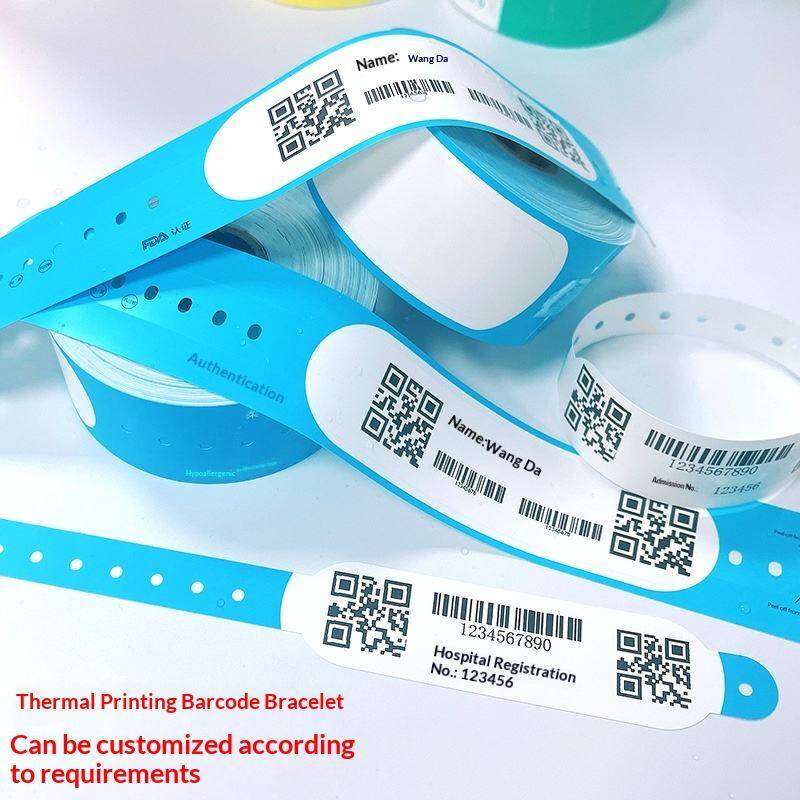
Modern thermal wristbands use direct thermal printing technology with advanced topcoats that provide excellent resistance to alcohol, moisture, and abrasion. They offer superior print quality for high-density barcodes and QR codes, smoother surface comfort for patients, and lower per-unit cost. Premium thermal wristbands with proper topcoating can match or exceed Tyvek durability in alcohol and abrasion tests while providing better barcode contrast for reliable scanning. For most acute care applications with typical stays of 3-14 days, premium thermal wristbands represent the optimal balance of durability, comfort, and cost-effectiveness.
The True Cost of Substandard Wristbands
Choosing wristbands based solely on unit price ignores the substantial hidden costs of premature failure. When a wristband becomes unreadable before the end of a patient's stay, the consequences cascade through the healthcare system:
- Re-printing costs: Each replacement wristband requires staff time, printer consumables, and administrative overhead—typically $2-5 per incident when fully costed.
- Workflow disruption: Nurses must interrupt medication rounds to replace failed wristbands, delaying care delivery and increasing cognitive load during already demanding shifts.
- Safety incidents: An unreadable wristband breaks the closed-loop verification chain. Studies show that facilities with higher wristband failure rates experience measurably more near-miss medication errors.
- Regulatory risk: Accreditation bodies including The Joint Commission evaluate patient identification systems. Systematic wristband failures can trigger findings during surveys and jeopardize accreditation status.
- Patient trust erosion: Patients notice when their identification band is faded, peeling, or falling apart. It undermines confidence in the facility's overall commitment to quality and safety.

When these factors are quantified, the total cost of ownership for premium wristbands is often lower than budget alternatives, despite the higher initial unit price. Facilities that invest in validated, durable wristbands consistently report fewer replacement events, smoother workflows, and improved compliance with patient identification protocols.
Selecting the Right Wristband for Your Facility
No single wristband is optimal for every application. Consider these factors when selecting:
- Average length of stay: Short-stay acute care units can use standard thermal wristbands; long-term care and rehabilitation require extended-durability options.
- Chemical exposure profile: Units with heavy use of alcohol-based sanitizers, iodine, or chlorhexidine need wristbands with validated chemical resistance.
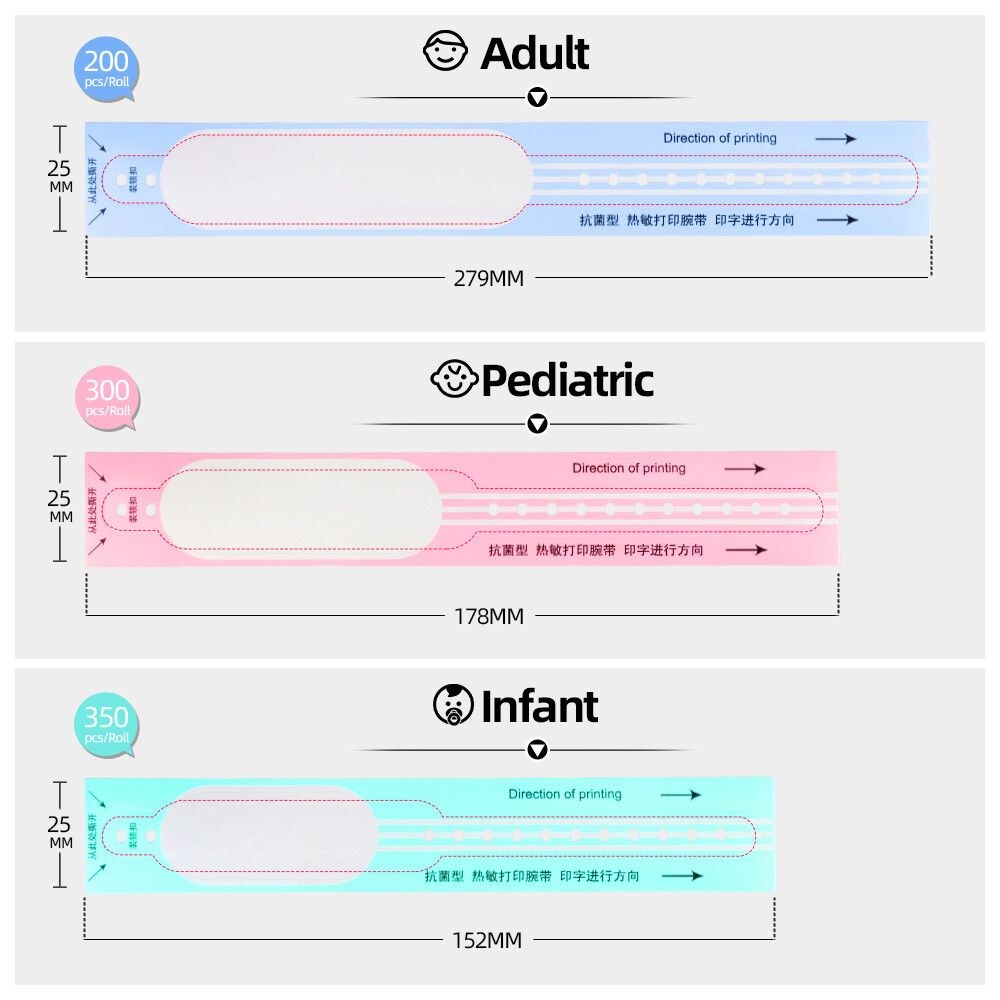
- Patient population: Neonatal, pediatric, geriatric, and psychiatric patients have different comfort and security requirements.
- Printer compatibility: Ensure wristband specifications match your existing thermal or laser printing infrastructure.
- Barcode density requirements: High-density QR codes encoding extensive patient data require wristbands with superior print resolution capabilities.
Conclusion
Medical wristband durability is not a luxury feature—it is a fundamental requirement for patient safety. The ability to resist alcohol, blood, stains, and abrasion over 90 days of continuous wear separates professional-grade identification tools from inadequate substitutes. By understanding the testing protocols, material trade-offs, and true cost implications, healthcare procurement teams can make informed decisions that protect patients, support clinical staff, and maintain regulatory compliance. The wristband on a patient's wrist may be small, but its reliability carries enormous weight in the mission of zero-harm healthcare.
Need Help Choosing Durable Medical Wristbands?
Our team has over 26 years of experience in wristband manufacturing and durability testing. Contact us on WhatsApp for expert advice on selecting wristbands that meet your facility's specific durability requirements and clinical environment.
Continue Reading
Have Questions About Wristbands?
Our team is ready to help you find the perfect wristband solution for your needs. Contact us directly on WhatsApp for quick responses.
Contact on WhatsApp