
Ergonomics and Dermatology in Medical Wristbands: Engineering for Allergy-Free, Comfortable, and Secure Patient Identification
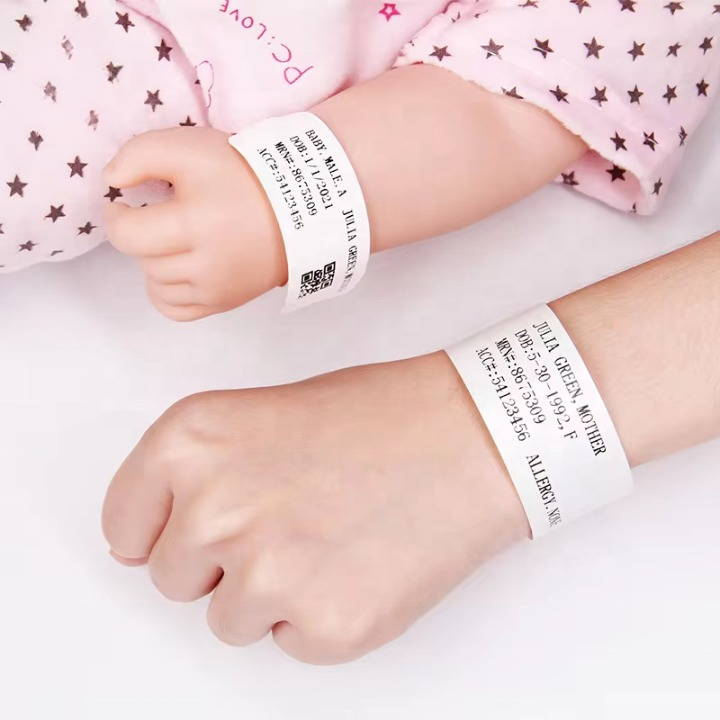
In healthcare settings, patient identification wristbands are worn continuously—sometimes for days, weeks, or even months. Yet despite their critical role in patient safety, wristband comfort and skin compatibility are often overlooked during procurement. Patient complaints about tightness, itching, redness, and allergic reactions are not merely inconveniences; they signal fundamental failures in ergonomic design and material science. This comprehensive guide examines how modern medical wristbands are engineered to be allergy-free, comfortable, and secure, covering ergonomic design principles, biocompatibility testing standards, international certifications, and evidence-based material selection criteria.
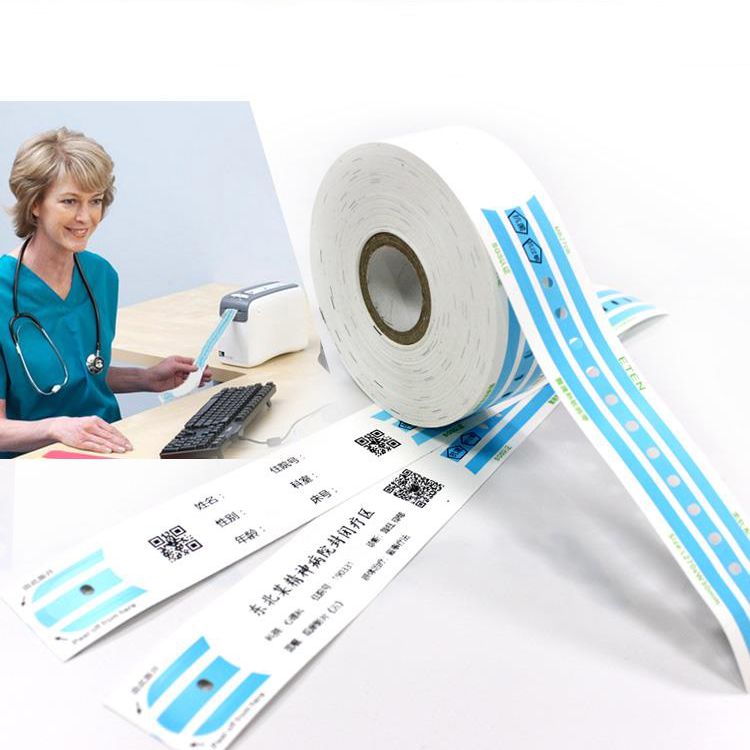
Understanding Patient Comfort Complaints
Before diving into engineering solutions, it is essential to understand the problems patients actually experience. Surveys and clinical feedback consistently identify five categories of wristband-related discomfort:
- Tightness and constriction: Wristbands that are too tight restrict blood flow and cause pain, while those that are too loose slide along the arm, creating friction burns and increasing the risk of removal by confused patients.
- Skin irritation and contact dermatitis: Redness, itching, and rash formation beneath or around the wristband, typically caused by chemical sensitizers in adhesives, dyes, or base materials.
- Moisture trapping: Non-breathable materials trap sweat against the skin, leading to maceration—a softening and breaking down of skin that creates entry points for infection.
- Edge abrasion: Poorly finished edges cut into the skin during normal movement, particularly problematic for neonatal and geriatric patients with fragile skin.
- Allergic reactions: Latex proteins, nickel in metal clasps, and certain adhesive compounds trigger Type I or Type IV hypersensitivity reactions in susceptible patients.
These complaints are not evenly distributed across patient populations. Neonates, elderly patients, those with pre-existing skin conditions (eczema, psoriasis), and patients with known chemical sensitivities are disproportionately affected. For these vulnerable groups, wristband selection is not a generic procurement decision—it is a clinical intervention that directly impacts patient outcomes.
Ergonomic Design Principles for Medical Wristbands
Ergonomic wristband design addresses the physical interaction between the device and the human body. Unlike consumer wearables optimized for aesthetics, medical wristbands must balance identification functionality, security, and physiological compatibility across diverse patient anatomies.
Anatomical Contouring and Width Optimization
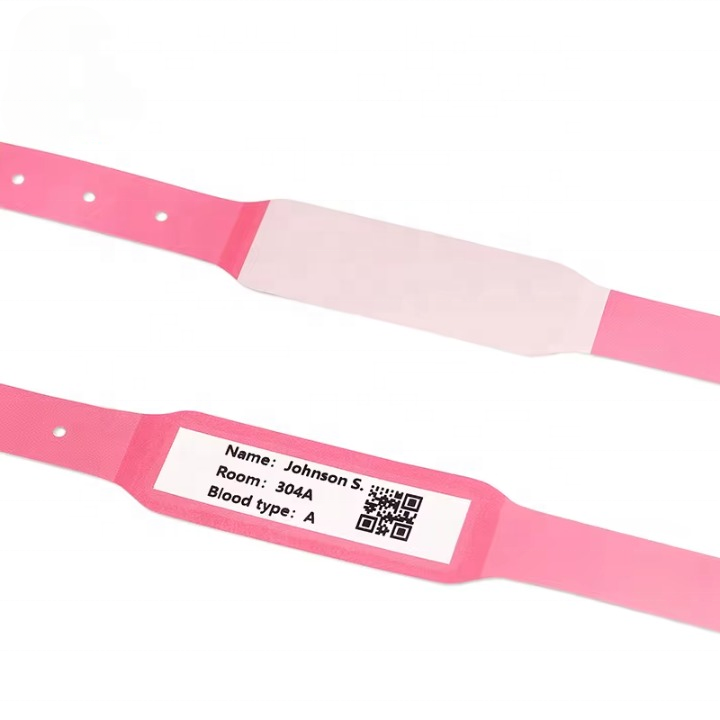
The human wrist is not cylindrical—it has an oval cross-section with prominent bony landmarks (radial and ulnar styloid processes). Flat wristbands pressed against this anatomy create pressure points at the bone prominences while leaving gaps elsewhere. Ergonomically designed wristbands use either pre-curved profiles or flexible materials that conform naturally to wrist contours without creating localized pressure. Width optimization is equally important: adult wristbands typically range from 19mm to 25mm, providing sufficient surface area for barcode printing while avoiding coverage of the entire wrist circumference that would trap heat and moisture.
Adjustable Closure Systems
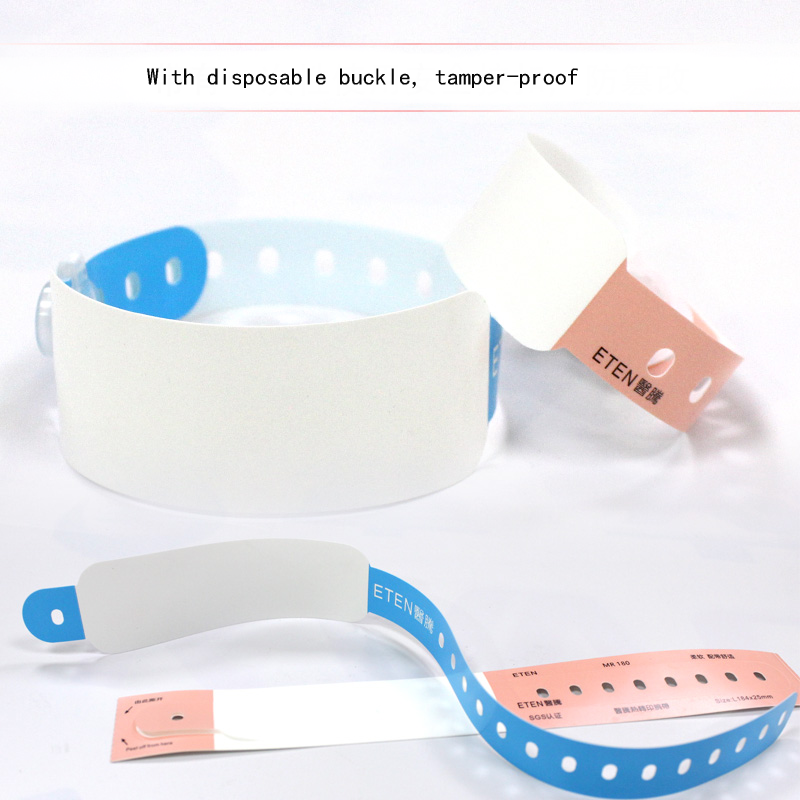
One-size-fits-all wristbands inevitably fail a significant portion of patients. Modern ergonomic designs incorporate adjustable closure mechanisms—snap buttons with multiple positions, adhesive tabs with repositionable zones, or sliding buckle systems—that allow nurses to customize fit at the point of care. The ideal closure achieves secure attachment without compression, maintaining enough clearance for one finger to slide between the wristband and skin. This "finger test" is a simple clinical heuristic that prevents both overtightening and excessive looseness.
Edge Finishing and Surface Texture
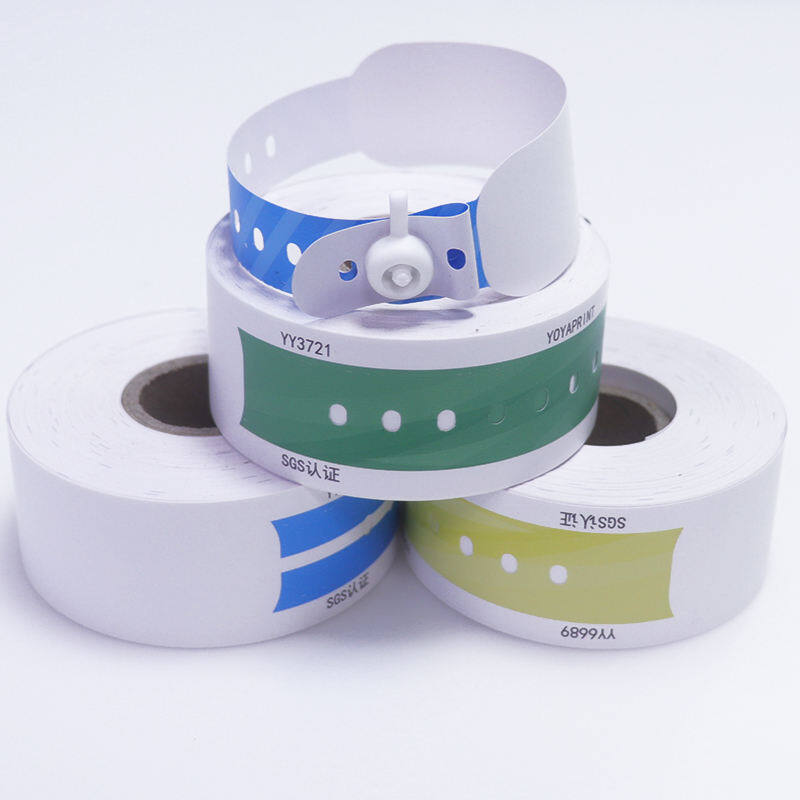
Die-cut edges on wristband materials can be sharp enough to cause micro-abrasions during normal arm movement. Premium manufacturing processes include edge rounding, burnishing, or sealed-edge treatments that eliminate cutting hazards. Surface texture also plays a role: completely smooth surfaces can feel clammy against skin, while lightly textured surfaces improve breathability perception and reduce the sensation of stickiness in warm environments.
Weight and Flexibility Balance
Wristband weight matters more than most specifications acknowledge. Heavy wristbands create drag during arm movement and increase awareness of the device, leading to more frequent adjustment attempts by patients. Lightweight materials (under 3 grams for adult sizes) reduce proprioceptive awareness, improving compliance. However, excessive flexibility can compromise barcode readability if the wristband deforms during scanning. The optimal design achieves sufficient rigidity for reliable scanning while remaining flexible enough for comfortable conformal fit.
Non-Stretch Materials: Why Dimensional Stability Matters
Material stretch is a critical but frequently overlooked property. Stretchy wristbands may seem more comfortable initially, but they introduce serious problems in clinical practice:
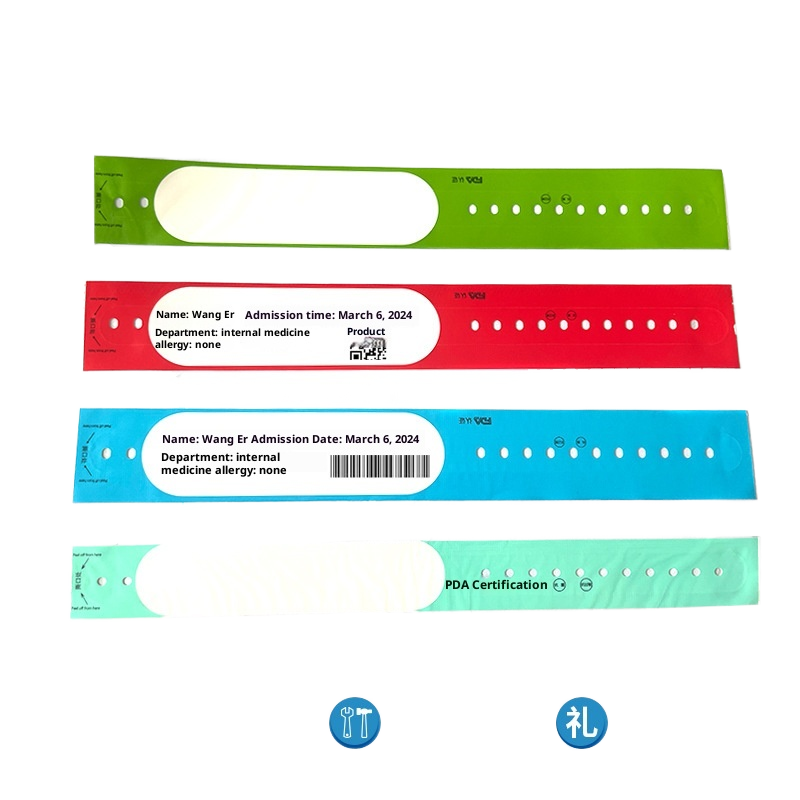
- Barcode distortion: Elastic deformation stretches printed barcodes beyond readable tolerances, causing scan failures at critical moments like medication administration.
- Security compromise: Stretchy materials can be pulled over the hand, defeating tamper-evident features and enabling patient misidentification.
- Inconsistent fit: Materials that stretch during application and then relax create unpredictable fit characteristics that change over time.
- Print quality degradation: Thermal printing on elastic substrates produces inconsistent dot placement, reducing barcode contrast and scan reliability.
Professional-grade medical wristbands use dimensionally stable materials such as Tyvek (flash-spun HDPE), coated thermal paper, or synthetic films that maintain their dimensions under normal wearing forces. These materials provide the mechanical stability required for reliable barcode performance while still offering sufficient flexibility for comfortable wear. The key distinction is flexibility without elasticity—the material bends to conform to the wrist but does not stretch under tension.
Biocompatibility Testing: ISO 10993 Standards
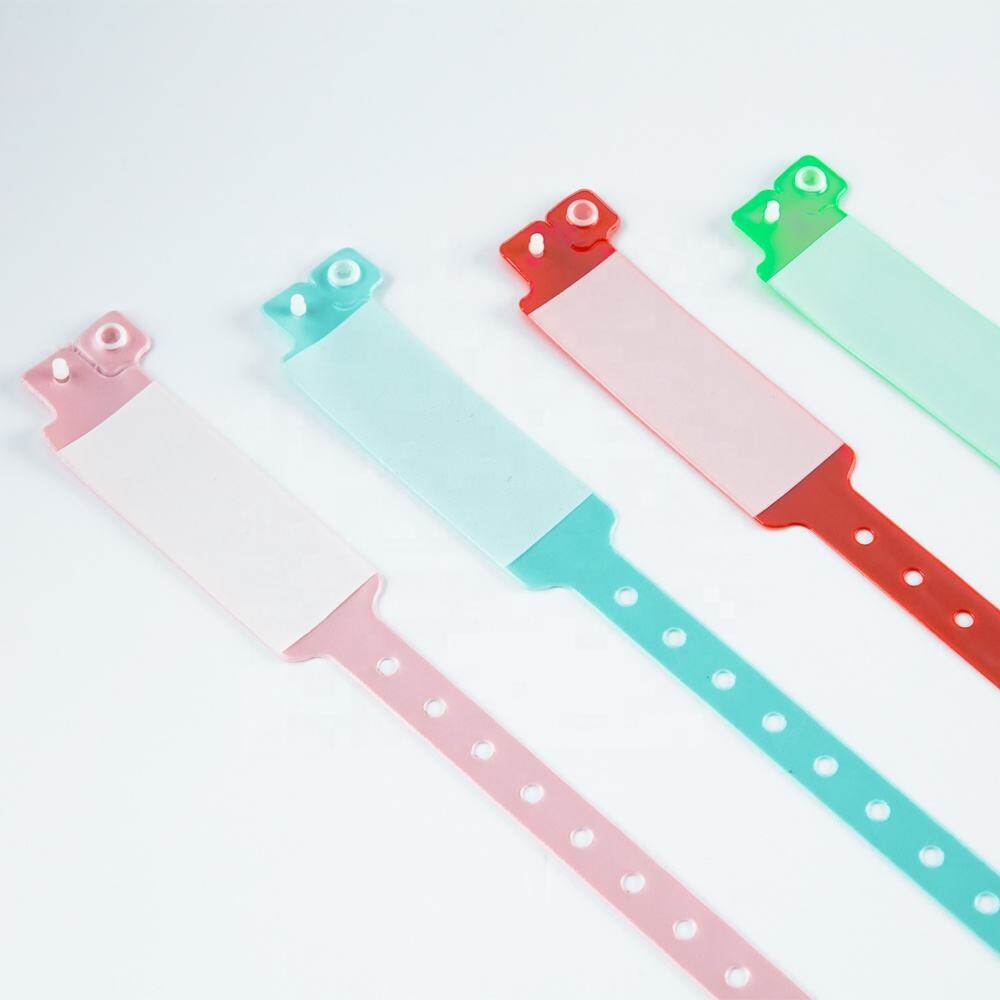
Biocompatibility is the scientific foundation of dermatological safety in medical devices. ISO 10993, the international standard series for biological evaluation of medical devices, provides a systematic framework for assessing whether a wristband material is safe for prolonged skin contact.
Classification and Test Selection
Under ISO 10993-1, medical wristbands are classified as surface-contacting devices with prolonged exposure duration (greater than 24 hours to 30 days). This classification determines the required test battery:
- Cytotoxicity (ISO 10993-5): Extracts from wristband materials are applied to cultured mammalian cells to detect substances that kill or damage living tissue. This is the foundational screening test—all materials must pass before proceeding to additional evaluations.
- Sensitization (ISO 10993-10): Guinea pig maximization tests or murine local lymph node assays evaluate whether material components can induce allergic sensitization. This test is critical for identifying potential contact allergens before clinical use.
- Irritation (ISO 10993-10): Rabbit skin irritation tests assess whether direct contact with the material causes inflammatory responses. Results are scored on a standardized scale to quantify irritation potential.
- Chemical characterization (ISO 10993-18): Analytical chemistry techniques identify and quantify extractable compounds from wristband materials, providing data for toxicological risk assessment without requiring additional animal testing.

Beyond Compliance: Clinical Relevance
Passing ISO 10993 tests establishes baseline safety, but clinical relevance requires additional considerations. Test extracts should simulate actual use conditions—including exposure to sweat, alcohol-based sanitizers, and elevated temperature—to capture degradation products that might not appear in standard extraction protocols. Manufacturers committed to dermatological safety conduct supplementary patch testing on human volunteers under controlled conditions, providing real-world validation that complements laboratory data.
Certifications That Matter: SGS, FDA 510(k), and ISO 13485
International certifications provide independent verification that wristband manufacturers meet established safety and quality standards. Understanding what each certification covers helps procurement teams make informed decisions.
SGS Testing Reports
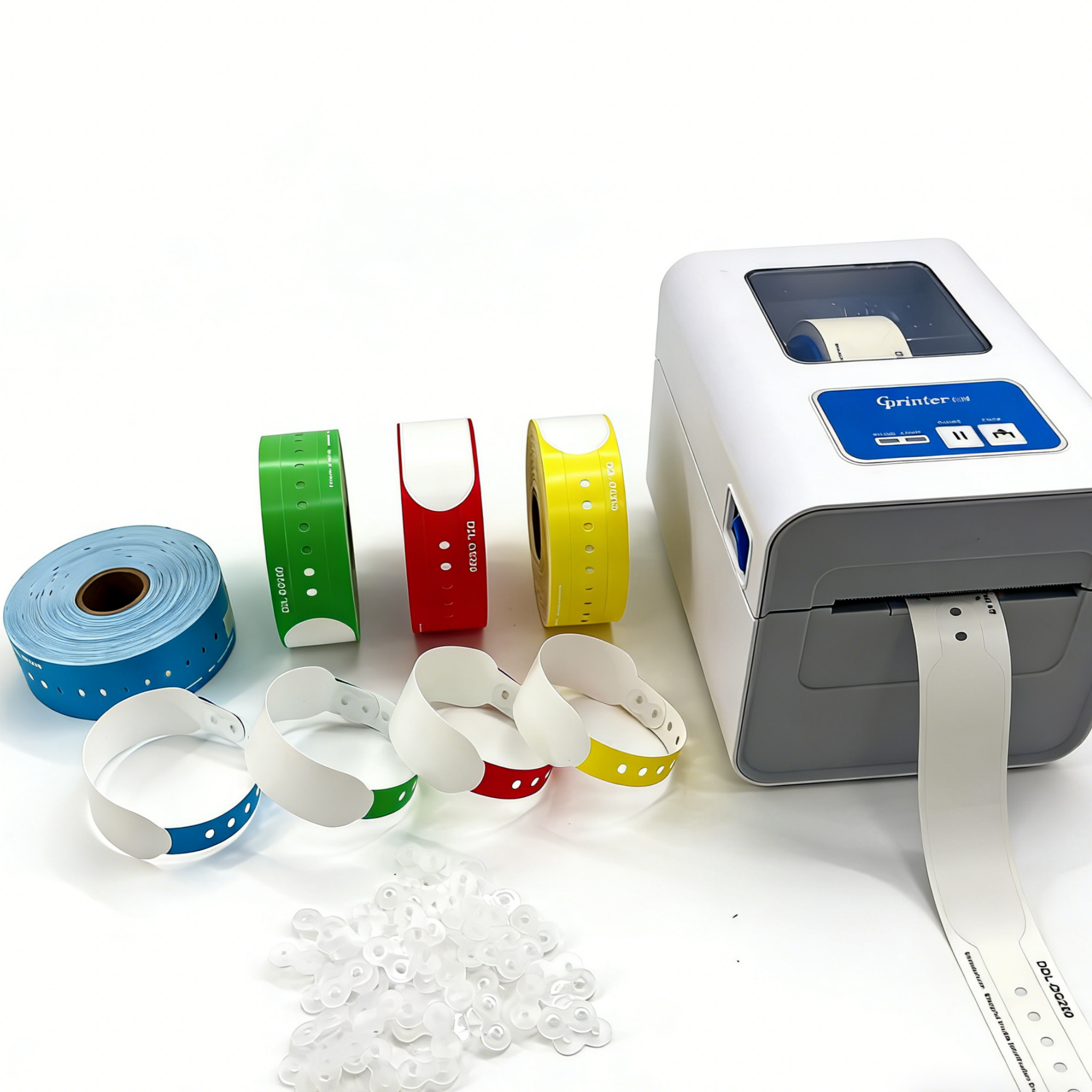
SGS is a globally recognized third-party testing organization. For medical wristbands, SGS reports typically cover restricted substance screening (heavy metals, phthalates, formaldehyde, latex proteins), colorfastness testing, and physical property verification. An SGS report confirms that specific batches of wristband material comply with regulatory limits for harmful substances. Procurement teams should verify that SGS testing covers the exact product being purchased, not just generic material categories.
FDA 510(k) Clearance
In the United States, medical wristbands used for patient identification in healthcare facilities are classified as Class I medical devices. FDA 510(k) clearance demonstrates that the device is substantially equivalent to a legally marketed predicate device. While Class I devices are subject to general controls rather than premarket approval, 510(k) clearance provides assurance that the manufacturer has registered with FDA, listed the device, and met applicable regulatory requirements. International buyers should note that FDA clearance specifically addresses the U.S. market but signals adherence to rigorous manufacturing standards.
ISO 13485 Quality Management
ISO 13485 certification confirms that the manufacturer operates a quality management system specifically designed for medical device production. Unlike general ISO 9001 certification, ISO 13485 includes requirements for design control, process validation, traceability, and post-market surveillance specific to medical devices. This certification ensures consistent manufacturing quality across production batches—a critical factor when wristband properties must remain uniform over millions of units.
Material Selection Guide: Choosing the Right Wristband
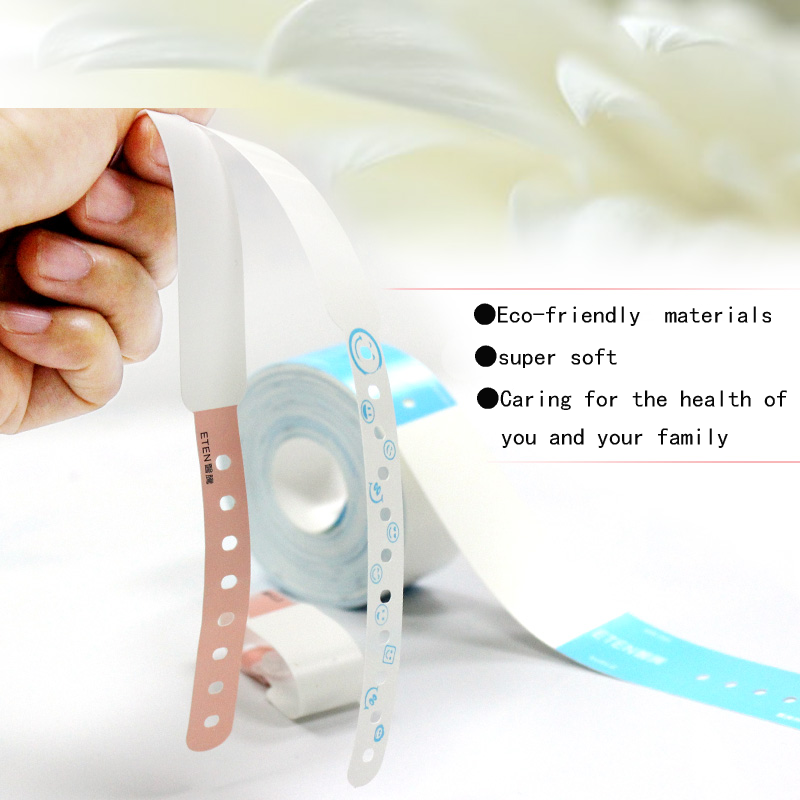
Selecting the optimal wristband material requires balancing multiple factors: patient population characteristics, expected wear duration, environmental conditions, printing technology, and budget constraints. The following guide compares the most common medical wristband materials across key performance dimensions.
Tyvek (Flash-Spun HDPE)
Best for: Long-term wear, neonatal units, psychiatric facilities, water-intensive environments.
Advantages: Exceptional tear resistance, inherently waterproof without coatings, chemically inert, latex-free, accepts laser printing for maximum durability. Biocompatibility profile is excellent due to pure polyethylene composition with no additives.
Limitations: Paper-like texture may feel less premium, higher unit cost, limited to laser printing (not compatible with direct thermal printers).
Coated Thermal Paper
Best for: Acute care, short-to-medium stays (3-14 days), high-volume printing operations.
Advantages: Excellent print quality for dense barcodes, smooth comfortable surface, lower cost, compatible with widely available direct thermal printers. Modern topcoats provide good alcohol and moisture resistance.
Limitations: Shorter functional lifespan than Tyvek, requires proper topcoating for chemical resistance, performance varies significantly between manufacturers.
Vinyl and Synthetic Film
Best for: Waterproof applications, pediatric units, facilities requiring colored wristbands for visual coding.
Advantages: Fully waterproof, available in multiple colors, durable construction, good print receptivity.
Limitations: Some vinyl formulations contain phthalates (verify plasticizer-free certification), less breathable than alternatives, may cause sweating in warm environments.
Fabric and Textile
Best for: Event identification, low-security applications, situations where comfort is prioritized over tamper evidence.
Advantages: Most comfortable option, breathable, washable, reusable potential.
Limitations: Not tamper-evident, absorbs fluids creating hygiene concerns, limited barcode durability after washing, generally unsuitable for acute care patient identification.
Special Considerations for Vulnerable Populations
Certain patient populations require specialized wristband considerations beyond standard adult protocols:
- Neonates and premature infants: Skin barrier function is immature, making these patients extremely susceptible to chemical absorption and mechanical injury. Wristbands must be ultra-lightweight, free of all known sensitizers, and sized appropriately for wrists as small as 3cm in circumference. Adhesive closures should use hypoallergenic acrylic adhesives rather than rubber-based formulations.
- Geriatric patients: Aging skin is thinner, drier, and more fragile. Wristbands with softer materials and wider distribution of contact pressure reduce the risk of skin tears. Moisture-wicking properties are particularly important for patients with reduced mobility who cannot adjust the wristband themselves.
- Patients with eczema or psoriasis: Pre-existing skin barrier disruption increases susceptibility to irritant contact dermatitis. Wristbands should be positioned away from active lesions when possible, and materials should be validated for use on compromised skin.
- Patients with known allergies: Documentation of specific allergens (latex, nickel, acrylates) should trigger selection of verified allergen-free alternatives. Cross-contamination during manufacturing must be controlled—facilities producing both latex-containing and latex-free products require validated cleaning protocols.
Implementing a Wristband Safety Program
Technical specifications alone do not guarantee patient comfort. Healthcare facilities should implement comprehensive wristband safety programs that include:
- Standardized assessment protocols: Train nursing staff to evaluate wristband fit and skin condition at each shift change, documenting any signs of irritation or discomfort.
- Adverse event reporting: Establish clear pathways for reporting wristband-related skin reactions, enabling systematic tracking and root cause analysis.
- Supplier qualification: Require current ISO 10993 test reports, SGS certificates, and ISO 13485 certification from all wristband suppliers. Conduct periodic audits of manufacturing facilities.
- Patient feedback integration: Include wristband comfort questions in patient satisfaction surveys. Aggregate data to identify trends and drive continuous improvement.
- Alternative options availability: Maintain inventory of multiple wristband types to accommodate patients who develop reactions to standard-issue products.
Conclusion
Ergonomics and dermatology are not secondary considerations in medical wristband design—they are fundamental requirements for effective patient identification. A wristband that causes discomfort will be adjusted, loosened, or removed by patients, compromising the very identification function it serves. A wristband that triggers allergic reactions creates new clinical problems while solving an administrative one. By applying rigorous ergonomic design principles, adhering to ISO 10993 biocompatibility standards, verifying international certifications, and selecting materials based on evidence rather than cost alone, healthcare organizations can achieve the dual goals of reliable patient identification and uncompromised skin health. The best wristband is one the patient forgets they are wearing.
Need Expert Guidance on Biocompatible Wristband Selection?
Our team brings over 26 years of experience in medical wristband manufacturing, biocompatibility testing, and ergonomic design. Contact us on WhatsApp for personalized recommendations tailored to your facility's patient population, clinical environment, and regulatory requirements.
Continue Reading
Have Questions About Wristbands?
Our team is ready to help you find the perfect wristband solution for your needs. Contact us directly on WhatsApp for quick responses.
Contact on WhatsApp