
Smart Wristbands in Hospitals: RTLS, IoT, and Real-Time Patient Tracking
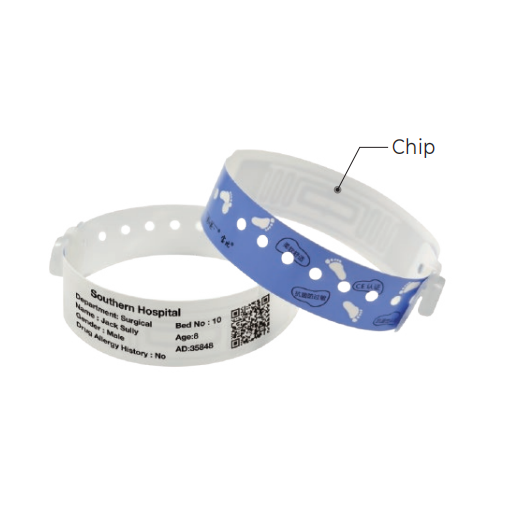
Walk into any modern hospital, and you will notice something on nearly every patient's wrist: a band that has evolved far beyond a simple name tag. What was once a strip of plastic with handwritten details has become a sophisticated gateway to patient safety, clinical intelligence, and operational efficiency.
The global smart hospital management system market was valued at $61.21 billion in 2024 and is projected to reach $168 billion by 2030, growing at a compound annual growth rate of 18.15%. At the heart of this transformation sits a deceptively simple device: the patient wristband.
This article explores how smart wristbands, real-time location systems (RTLS), and the Internet of Things (IoT) are reshaping hospital operations. We examine the technologies powering these devices, their clinical and operational applications, the real-world outcomes they deliver, and the critical considerations for implementation.
Whether you are a hospital administrator evaluating wristband solutions, a clinical leader seeking to reduce errors, or a technology partner building healthcare systems, this guide provides the knowledge you need to navigate this rapidly evolving landscape.
What Is a Smart Wristband? Beyond Identification
The Evolution from Plastic Band to Clinical Sensor
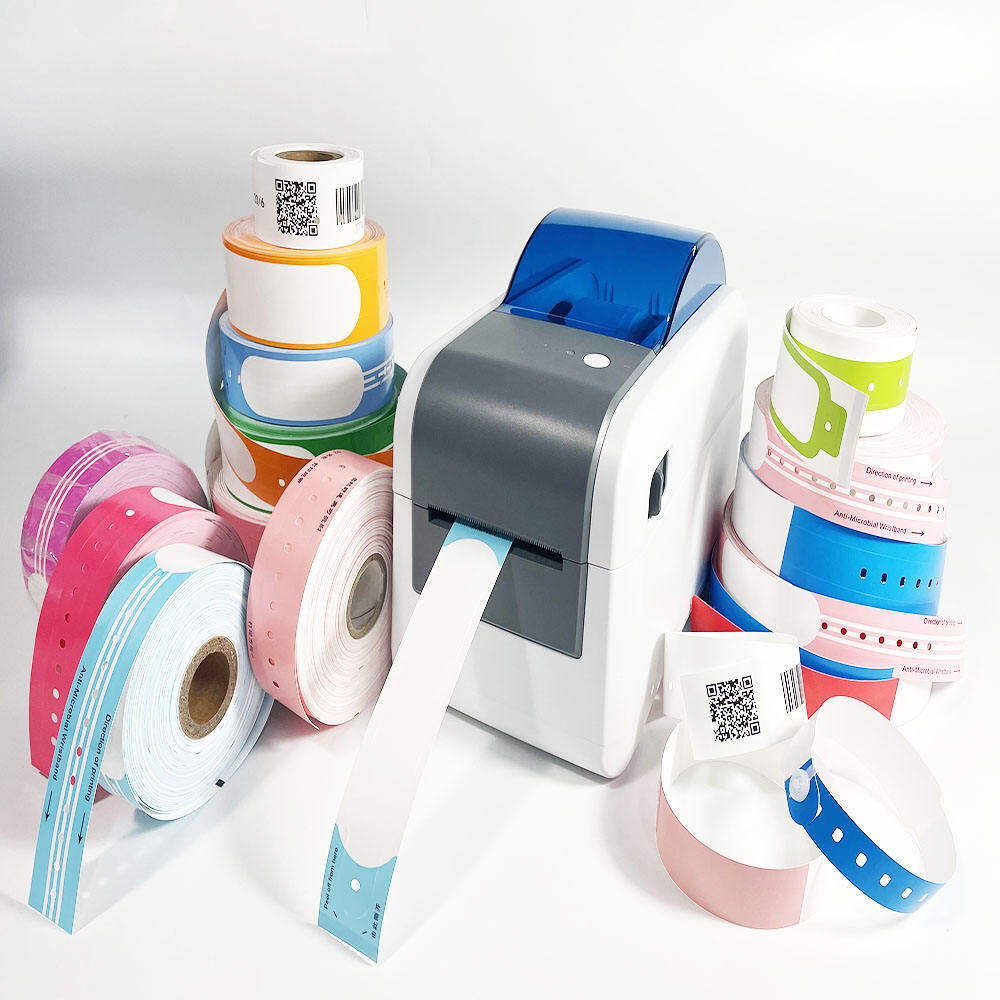
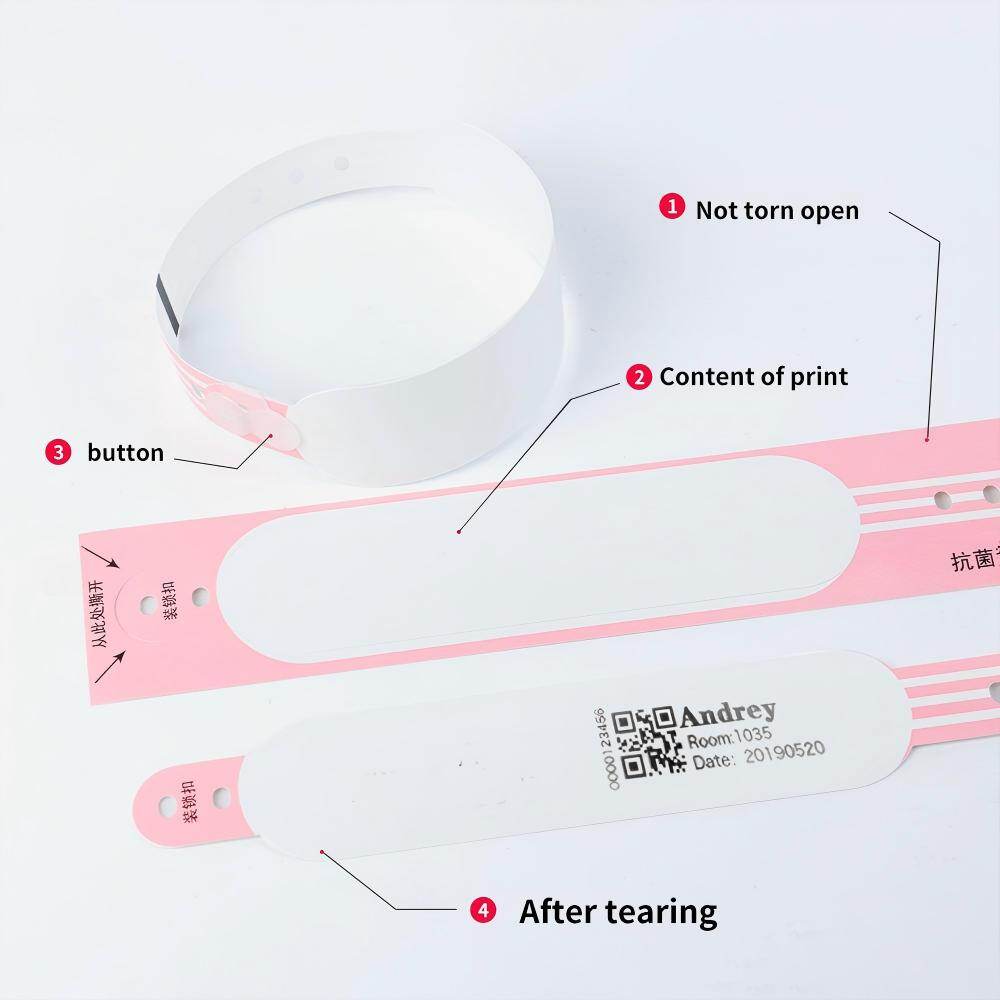
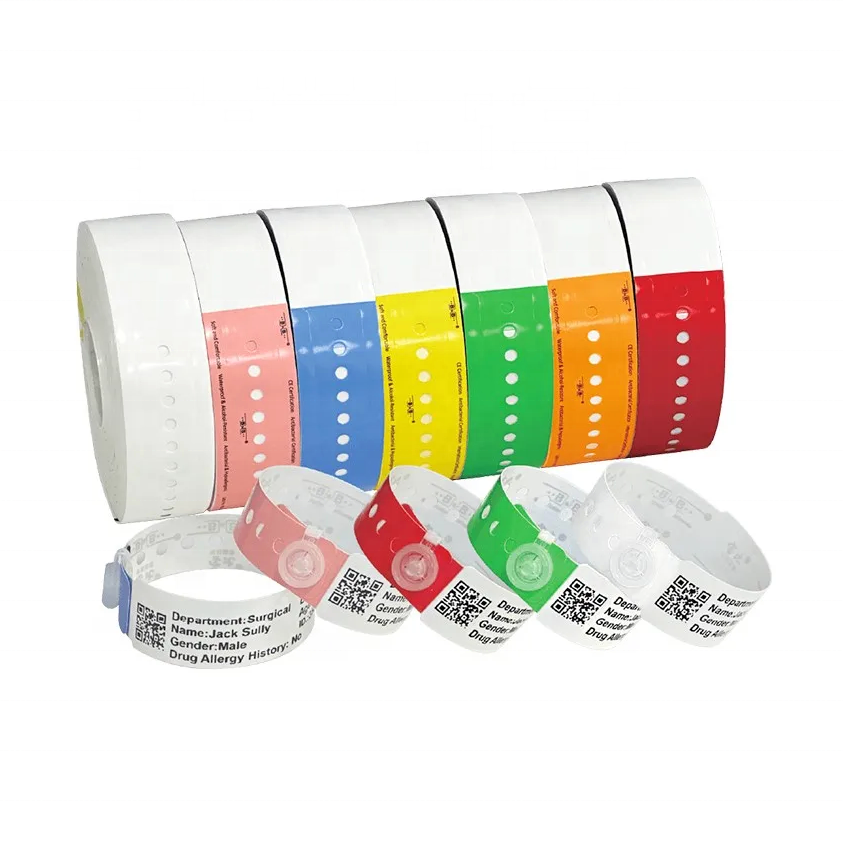
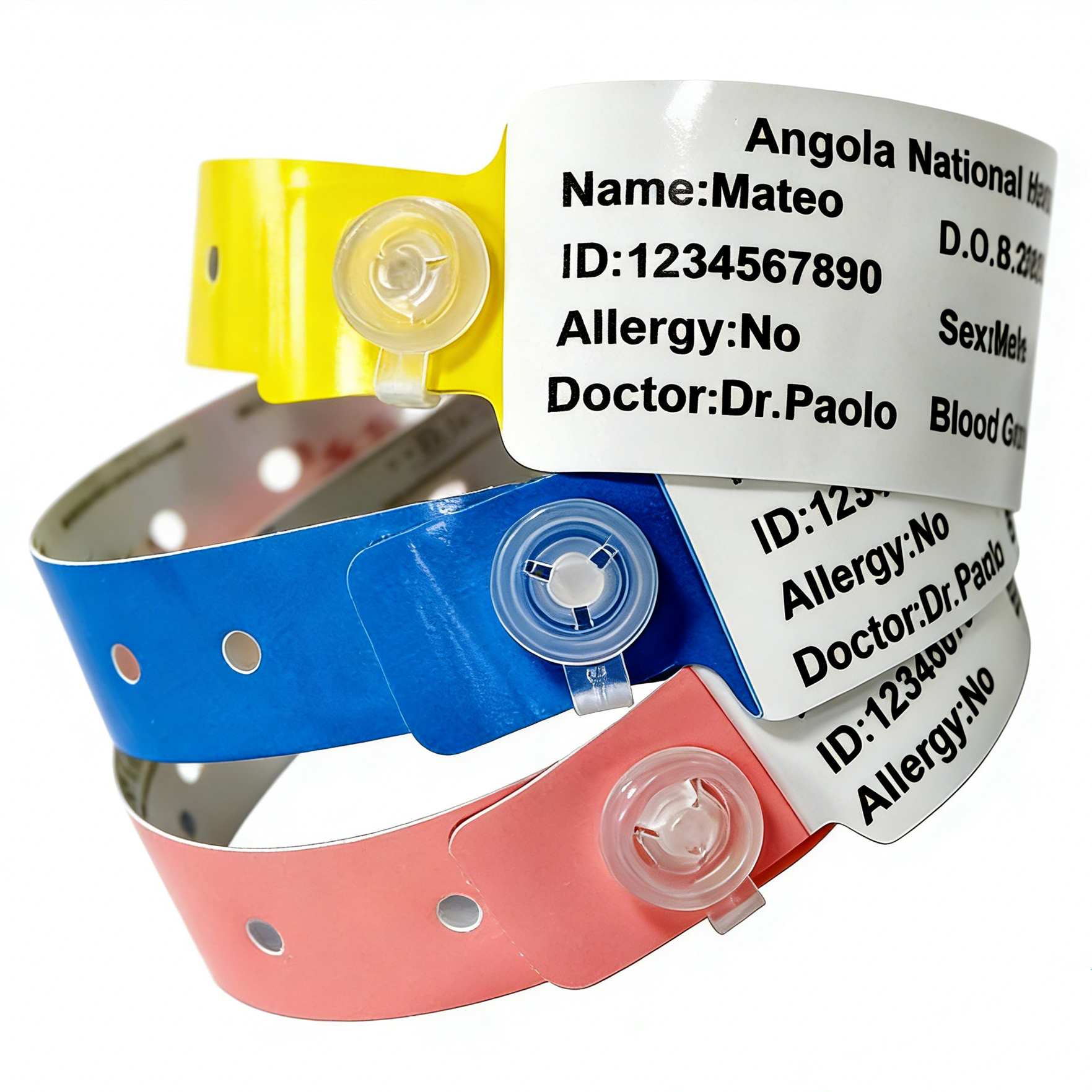
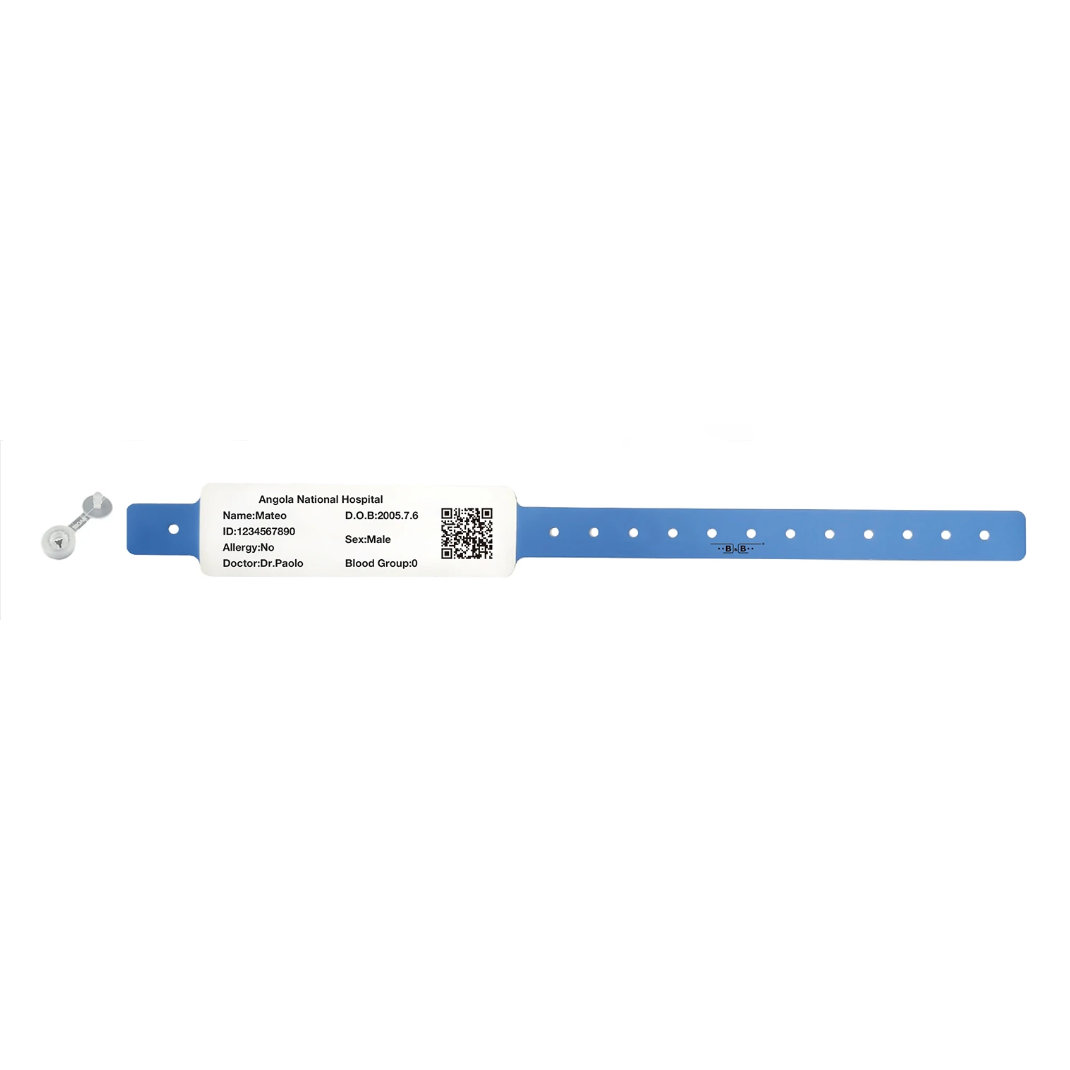
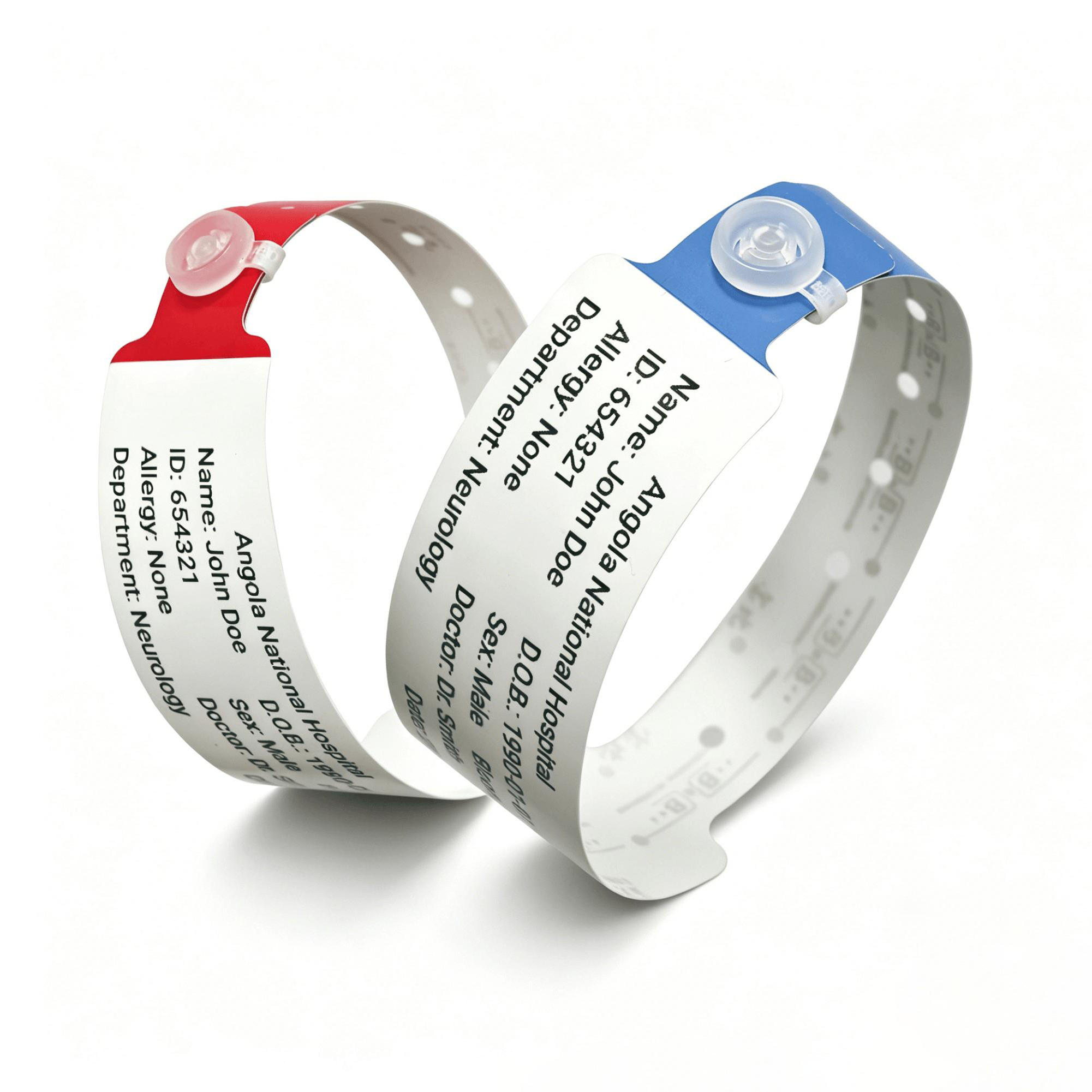
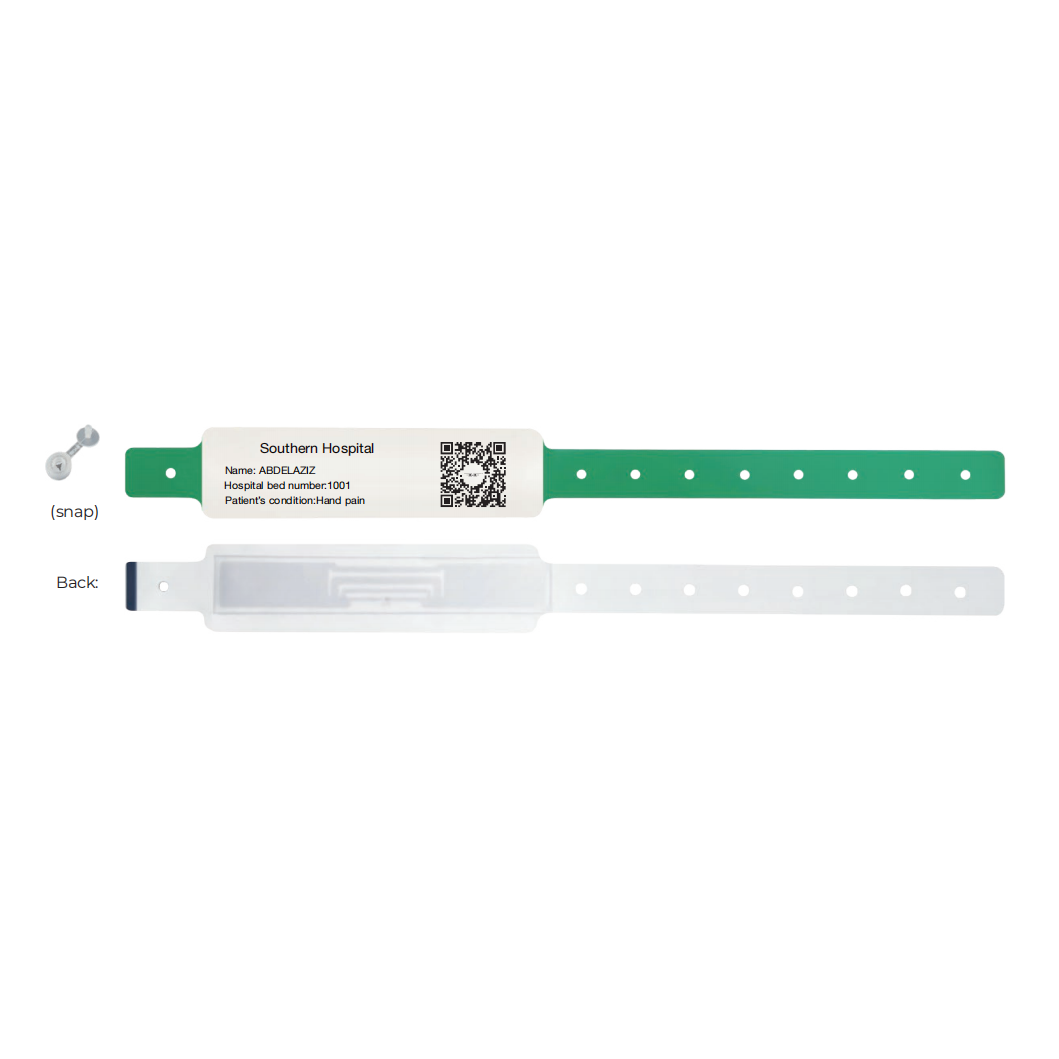
A traditional patient wristband serves one primary function: identification. It contains basic information, such as name, date of birth, and medical record number, allowing staff to verify identity before administering medication or performing procedures. Barcode scanning systems have significantly enhanced this function by linking wristbands to electronic patient records, ensuring the right patient receives the right treatment.
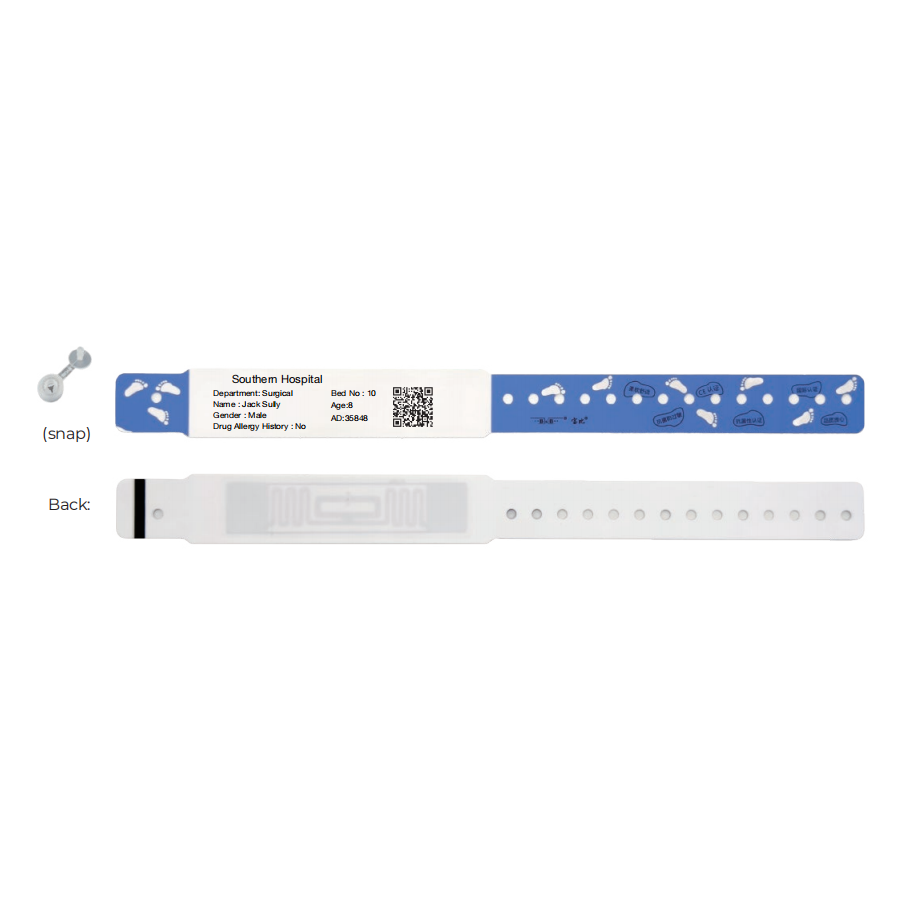
Smart wristbands represent a fundamental leap forward. They retain all identification capabilities while adding sensing, communication, and location-awareness functions. Depending on configuration, a smart wristband may include:
- Pulse oximetry sensors for continuous heart rate and oxygen saturation monitoring
- Accelerometers and gyroscopes for fall detection, seizure monitoring, and mobility tracking
- Radio-frequency identification (RFID) or Bluetooth Low Energy (BLE) chips for real-time location tracking
- Temperature sensors for continuous thermal monitoring
- Wireless communication modules that transmit data to central monitoring systems
These capabilities transform the wristband from a passive identifier into an active participant in the patient's care journey.
The Technical Architecture Behind Smart Wristbands
A smart patient monitoring system typically comprises several integrated components: smart patient wristbands equipped with sensors, smart nurse wristbands for receiving alerts, central monitoring software, and a wireless communication network connecting them all.
In a representative system design, each patient wristband contains a pulse oximeter sensor that measures heart rate and oxygen saturation. The wristband's microcontroller processes these signals using advanced algorithms, then transmits the calculated values to central monitoring software through a wireless network. When values fall outside normal ranges, the software automatically sends alerts to nurses' wristbands, which generate acoustic alarms and vibration notifications to prompt immediate response.
This architecture, sensor, processor, transmitter, central intelligence, feedback loop, forms the foundation of nearly all smart wristband deployments, whether the focus is vital signs, location, or movement.
Real-Time Location Systems (RTLS): The Invisible Infrastructure
How RTLS Powers Patient and Asset Tracking
Real-time location systems use wireless technologies to continuously determine and communicate the location of tagged objects or people. In healthcare settings, RTLS has traditionally leaned heavily on established wireless technologies such as Wi-Fi and Bluetooth.
The NHS England Digital guidance defines the core questions any RTLS implementation must answer: What are you trying to locate? Where? To what accuracy? What existing infrastructure is in place? Who benefits? And who maintains the system?
RTLS deployments typically employ one or more location technologies:
- Wi-Fi-based systems leverage existing hospital wireless networks, offering room-level accuracy at relatively low infrastructure cost
- Bluetooth Low Energy (BLE) provides higher precision through beacon networks, commonly used for patient and staff tracking
- Infrared and RFID hybrids achieve the highest accuracy, often deployed where precise location data is clinically critical
- Ultra-wideband (UWB) offers centimeter-level precision, increasingly used in complex surgical and procedural environments
The Clinical Impact of RTLS: Evidence and Outcomes
The evidence supporting RTLS in healthcare continues to accumulate. A 2025 study published in the International Journal for Quality in Health Care examined RTLS integration with logistics and dispatch management in a metropolitan hospital. The results were striking: a 20.9% reduction in delivery time, 86.8% faster equipment search, and 91.2% staff satisfaction, with zero adverse event recurrence.
Another study investigated RTLS for monitoring recovery after major abdominal surgery, where early mobilization is a key component of enhanced recovery pathways. The research found that RTLS tracking detected simulated movement out of a room with 91% sensitivity and 100% specificity. When patients were prospectively monitored using RTLS badges, sensitivity and specificity for detecting out-of-room ambulation were both 100%, correlating well with direct observation and patient-reported activity.
These findings demonstrate that RTLS is not merely an operational convenience; it generates clinically actionable data that can improve patient outcomes.
The Internet of Things (IoT) in Patient Care
From Connected Devices to Connected Care
The Internet of Things refers to the network of physical devices embedded with sensors, software, and connectivity that enables them to collect and exchange data. In healthcare, IoT facilitates connectivity between patients, medical equipment, and hospital systems, enhancing both efficiency and care quality.
Market data confirms the scale of adoption: over 60% of hospitals worldwide have adopted IoT-enabled tools for patient and asset monitoring. RTLS implementations have reduced equipment loss by up to 35%, while IoT integration in hospital infrastructure has achieved energy cost savings of approximately 20%.
Smart wristbands serve as the patient-facing endpoint of this IoT ecosystem. They collect physiological data, transmit it to cloud or on-premises systems, and enable real-time clinical decision support.
Continuous Monitoring: A New Standard of Care
Traditional vital sign monitoring relies on intermittent manual checks, typically every four to eight hours on general wards. This approach captures snapshots, not trends, and delays detection of clinical deterioration.
Smart wristbands enable continuous monitoring of heart rate and oxygen saturation, with data transmitted to central systems and compared against normal values in real time. When abnormalities are detected, alerts are delivered directly to nurses' wristbands through acoustic and haptic signals, enabling faster response and potentially improving patient recovery rates.
Beyond vital signs, wristband sensors are being developed for increasingly sophisticated applications. Research has demonstrated that wristband accelerometer, gyroscope, and surface electromyography signals can detect generalized tonic-clonic seizures with 100% sensitivity and a low false alarm rate, using algorithms trained on combined inpatient and outpatient data. This represents a significant advance for epilepsy monitoring, where timely detection is critical for patient safety.
Real-World Applications: Where Wristbands Make a Difference
Patient Identification and Medication Safety
The most fundamental application of wristband technology remains patient identification, but the stakes are higher than commonly understood. Medication errors represent one of the most persistent patient safety challenges in healthcare, and misidentification is a leading contributor.
Barcode scanning systems improve patient safety by ensuring the right person receives the right treatment for the right reason. When a nurse administers medication, they scan the patient's wristband and then the medication's barcode. This two-point verification ensures the right medicine, right dose, right time, right route, and correct documentation.
The updated Patient Identification SAFER Guide from leading healthcare safety organizations strengthens recommendations for displaying patient photographs and using electronic patient identification, including barcoding and radiofrequency identification on patient wristbands. These evidence-based national recommendations aim to reduce patient misidentification, which remains a significant source of preventable harm.
Fall Detection and Mobility Monitoring
Falls are among the most common adverse events in hospitals, particularly for elderly patients and those recovering from surgery or managing conditions that affect balance and gait. Smart wristbands equipped with accelerometers and gyroscopes can detect fall events in real time, triggering immediate alerts to nursing staff.
Beyond fall detection, wristband sensors enable objective mobility monitoring, a capability with significant implications for surgical recovery. The RTLS study on postoperative mobilization demonstrated that accurate, objective tracking of patient movement is feasible and correlates well with direct observation. This data can support early mobilization protocols, which are known to reduce postoperative complications and length of stay.
Infection Control and Contact Tracing
RTLS has emerged as a powerful tool for infection control and emergency response. During infectious disease outbreaks, the ability to rapidly identify individuals who may have been in contact with an infected patient is critical for containment.
Smart wristbands with location capabilities enable:
- Precise contact tracing by identifying all individuals who spent time in proximity to a confirmed case
- Quarantine compliance monitoring for patients under isolation protocols
- Hand hygiene tracking through integration with hospital systems
- Equipment tracking to ensure disinfection compliance
The value of RTLS in infection control extends beyond outbreak response. Understanding patient and staff movement patterns can inform the design of infection prevention protocols and identify environmental factors that contribute to transmission risk.
Seizure Detection and Neurological Monitoring
For patients with epilepsy, continuous monitoring during hospitalization provides both safety assurance and valuable clinical data. Research using wristband accelerometers, gyroscopes, and surface electromyography has demonstrated the feasibility of automated seizure detection with high sensitivity.
The algorithm developed through this research achieved 100% sensitivity with a false alarm rate of 0.107 per 24 hours when trained on combined inpatient and outpatient data, significantly outperforming models trained only on in-hospital data. This finding highlights the value of broader datasets in improving algorithm performance and reducing false alarms, a critical factor for clinical adoption, as excessive false alarms erode staff trust and responsiveness.
Postoperative Recovery Monitoring
Enhanced recovery after surgery (ERAS) protocols emphasize early mobilization as a key driver of improved outcomes. However, objectively measuring patient movement has historically been challenging.
RTLS-based monitoring addresses this gap. The feasibility study on major abdominal surgery patients demonstrated that RTLS tracking is capable of objectively and accurately monitoring patient movement. This capability enables:
- Objective assessment of protocol compliance without relying on patient self-report or staff observation
- Early identification of patients who are not mobilizing as expected
- Data-driven interventions when mobilization goals are not met
- Quality improvement by correlating mobilization data with outcomes
Operational Efficiency: The Business Case for Smart Wristbands
Equipment Location and Utilization
One of the most immediately tangible benefits of RTLS is equipment tracking. In hospitals, the time staff spend searching for IV pumps, wheelchairs, and monitoring devices represents both direct productivity loss and potential delay in patient care.
The metropolitan hospital study demonstrated an 86.8% improvement in equipment search time following RTLS implementation. This translates directly into more time for patient care and faster response to clinical needs.
Beyond search time, RTLS data enables utilization analysis. Hospitals can identify where equipment is under- or over-utilized, optimize inventory levels, and reduce capital expenditure on redundant devices.
Patient Flow and Bed Management
The same study reported a 20.9% reduction in delivery time through RTLS-enabled logistics and dispatch management. For patient transport, bed assignment, and discharge coordination, even modest time savings compound into significant operational improvements.
RTLS data provides the visibility required for proactive bed management. Rather than relying on manual status updates, bed availability and patient location are continuously tracked, enabling:
- Real-time bed status across the facility
- Faster patient placement upon admission
- Streamlined discharge by tracking pending transports and room cleaning
- Capacity planning through historical movement analysis
Staff Workflow Optimization
While patient-facing benefits dominate the discussion, staff efficiency gains are equally important. When nurses and clinical staff spend less time searching for equipment, tracking down patients, and documenting in multiple systems, they have more time for direct patient care.
The 91.2% staff satisfaction rate reported in the RTLS study reflects this reality. Technology that genuinely makes staff work easier and more effective earns their support.
Implementation Considerations: What to Know Before You Deploy
Infrastructure Requirements
Successful smart wristband deployment depends on robust wireless infrastructure. The NHS guidance emphasizes the importance of understanding what current infrastructure is in place and maximizing value using existing connectivity wherever possible.
Key infrastructure considerations include:
- Wireless coverage throughout all areas where tracking or monitoring will occur
- Network capacity to handle continuous data transmission from many devices simultaneously
- Power and mounting requirements for access points, readers, or beacons
- Integration with existing systems including EHR, nurse call, and bed management
Privacy, Security, and Regulatory Compliance
Patient tracking generates sensitive data that must be protected. The privacy and security risks associated with transmitting and storing private health data are significant and require careful attention.
Regulatory frameworks including HIPAA in the United States and GDPR in Europe establish requirements for health data protection. The FDA has issued updated cybersecurity guidance for medical devices, emphasizing that cybersecurity risk management is a component of overall quality management and that devices with network connectivity or wireless communication protocols are subject to cybersecurity requirements.
For smart wristband implementations, key considerations include:
- Data encryption in transit and at rest
- Access controls ensuring only authorized personnel can view patient data
- Audit trails documenting who accessed what information and when
- De-identification where full data is not required
- Business Associate Agreements with technology vendors handling protected health information
Blockchain-enabled frameworks are emerging as a potential solution for privacy-preserving patient monitoring, using smart contracts for data integrity and access control while ensuring compliance with privacy regulations. While still early in adoption, these approaches represent the direction of travel for secure IoT healthcare systems.
Change Management and Staff Adoption
Technology alone does not improve outcomes. The human factor is critical, and implementation success depends on staff buy-in, training, and workflow integration.
The RTLS study's finding of 91.2% staff satisfaction is notable not only for its magnitude but for its indication that the system was designed with staff needs in mind. Key factors in achieving such satisfaction include:
- Intuitive interfaces that fit existing workflows
- Reliable performance with minimal false alarms
- Clear communication about how the technology benefits staff and patients
- Training and support during rollout and ongoing operations
Selection Criteria for Wristband Solutions
With many vendors offering wristband solutions, selection criteria matter. Considerations include:
- Durability and comfort: wristbands must withstand clinical environments and be comfortable enough for continuous wear
- Sensor accuracy: clinical decisions depend on data quality
- Battery life: frequent charging or replacement creates workflow burden
- Compatibility: integration with existing RTLS infrastructure, EHR, and monitoring systems
- Scalability: the solution should grow with your needs
- Vendor support: implementation, training, and ongoing maintenance
Materials science is also advancing. Researchers have developed wristbands using flexible microneedle arrays for painless glucose and lactate monitoring, ultrasonic sensors for blood pressure and arterial stiffness, and ECG sensors for heart rate, all in a single device. These multi-parameter sensing capabilities represent the future direction of wristband technology.
The Future Landscape: Where Wristband Technology Is Heading
Multi-Modal Sensing and AI Integration
The trajectory of smart wristband development points toward increasingly comprehensive physiological monitoring. Rather than measuring one or two parameters, future wristbands will integrate multiple sensing modalities, cardiovascular, metabolic, neurological, and respiratory, into a single device.
Artificial intelligence will play a central role in interpreting this multi-modal data. Machine learning algorithms can identify patterns and predict adverse events before they become clinically apparent, enabling truly proactive care.
The development of multimodal wearable biosensing combined with multidomain AI represents a pathway to decentralized healthcare, where continuous monitoring and intelligent analysis occur outside traditional hospital settings.
Regulatory Evolution and Cybersecurity Requirements
As wristband technology becomes more capable, regulatory frameworks are evolving to match. The FDA's updated cybersecurity guidance emphasizes that manufacturers must incorporate security by design, conduct threat modeling, implement authentication and access controls, protect data integrity, and design for timely security updates.
Software transparency is increasingly emphasized, including maintenance of a software bill of materials, a comprehensive inventory of software components, to support vulnerability management.
For hospitals deploying these systems, regulatory alignment is not merely a compliance matter. Devices that fail to meet cybersecurity expectations may delay authorization or trigger enforcement, while proactive compliance protects patients and maintains operational continuity.
Expanded Clinical Applications
Beyond current applications in vital signs, location, and movement, wristband sensors are being developed for increasingly specialized clinical uses:
- Respiratory monitoring for asthma and COPD patients, with automatic emergency notification and inhaler location features
- Glucose and lactate monitoring for diabetes management without fingerstick testing
- Cardiac arrhythmia detection through continuous ECG monitoring
- Hydration status monitoring through bioimpedance sensors
- Medication adherence tracking through integrated sensing
As sensor technology matures and regulatory pathways clarify, these capabilities will transition from research settings to routine clinical care.
Frequently Asked Questions
What is the difference between a traditional patient wristband and a smart wristband?
Traditional wristbands provide static identification information, typically read by barcode scanning. Smart wristbands add active sensing (vital signs, movement), wireless communication, and location tracking capabilities. They function as both identification devices and clinical sensors.
How accurate is RTLS patient tracking?
Accuracy varies by technology and configuration. A study of RTLS for postoperative monitoring found 91% sensitivity and 100% specificity for detecting room exits in simulated scenarios, and 100% sensitivity and specificity in prospective patient monitoring. Real-world accuracy depends on infrastructure density and environmental factors.
Can smart wristbands replace manual vital sign checks?
Current practice involves intermittent manual checks supplemented by continuous monitoring for patients who require it. Smart wristbands enable continuous monitoring that can detect deterioration between manual checks, but they complement rather than replace clinical judgment and periodic assessment.
What happens if a wristband is removed or damaged?
Monitoring systems can generate alerts when wristbands are removed or communication is lost. Barcode scanning systems depend on intact, scannable wristbands, and staff are trained to check wristband condition and replace damaged bands promptly.
Are smart wristbands safe for all patients?
Most patients can wear smart wristbands safely. Considerations include skin sensitivity to materials, cognitive ability to tolerate the device, and clinical appropriateness of continuous monitoring. Alternative approaches may be needed for patients who cannot wear wristbands due to medical or behavioral reasons.
Conclusion: The Wristband as Clinical Infrastructure
The patient wristband has evolved from a simple identification tool into a sophisticated clinical instrument. Smart wristbands combine identification, sensing, location, and communication into a single device worn on the patient's wrist, an accessible, continuous, and increasingly intelligent interface between the patient and the healthcare system.
The evidence supporting these technologies is compelling. RTLS reduces equipment search time by 86.8% and improves staff satisfaction to over 91%. Continuous monitoring detects deterioration earlier and delivers alerts directly to caregivers. Wristband sensors can detect seizures, monitor mobility, and track physiological parameters with clinical-grade accuracy.
Yet successful implementation requires more than technology. It demands robust infrastructure, attention to privacy and security, thoughtful change management, and a clear understanding of clinical and operational objectives. The most successful deployments are those where the technology fades into the background, where staff wonder how they ever worked without it, and patients receive safer, more responsive care as a result.
For healthcare organizations evaluating wristband solutions, the question is no longer whether to adopt this technology, but how to do so effectively. The evidence is clear, the technology is mature, and the patients are waiting, with a smart wristband already on their wrist.
Continue Reading
Have Questions About Wristbands?
Our team is ready to help you find the perfect wristband solution for your needs. Contact us directly on WhatsApp for quick responses.
Contact on WhatsApp