
Thermal Transfer vs. Direct Thermal Printing: The Critical Choice for Medical Wristbands
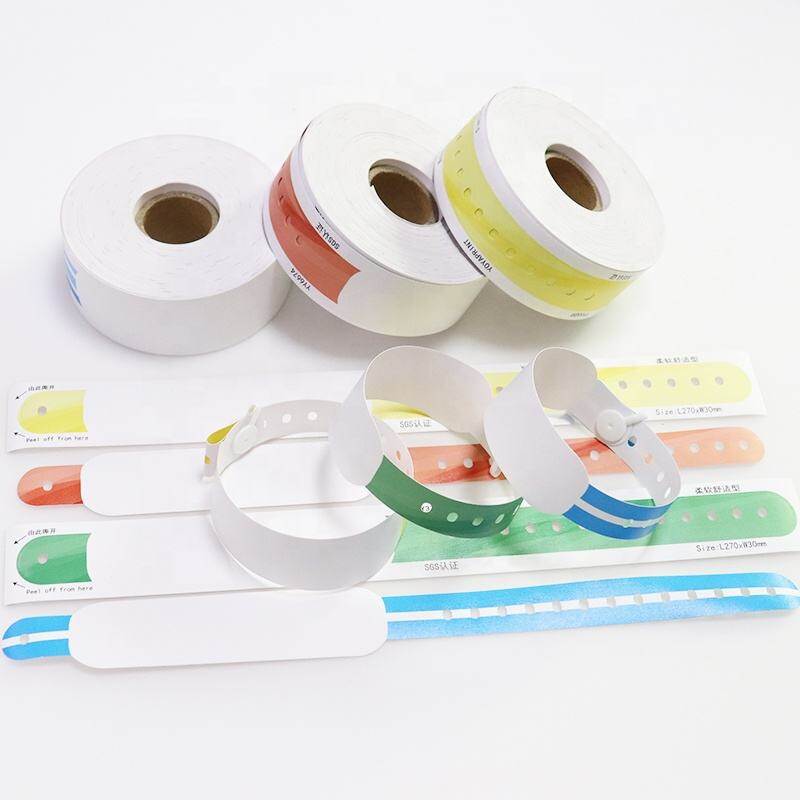
In the demanding environment of modern healthcare, patient identification wristbands must meet rigorous standards for durability, clarity, and longevity. This has sparked an ongoing debate about the best printing technology for medical wristbands: thermal transfer or direct thermal printing. This article explores the key differences between these technologies, explains why thermal transfer has become the gold standard for top-tier hospitals, and analyzes the technical requirements that make it a non-negotiable feature in major medical procurement bids.
How Each Technology Works
Both printing methods use a thermal print head that applies heat to create an image, but they achieve this in fundamentally different ways.
Direct Thermal Printing uses chemically treated, heat-sensitive media that darkens when it passes under the thermal printhead. This method requires no ribbon, ink, or toner, making it simpler and more cost-effective to operate. The material itself contains the "ink" that becomes visible when heated. This is why direct thermal wristbands are also called thermochromic wristbands — the printing is literally a chemical reaction triggered by heat.
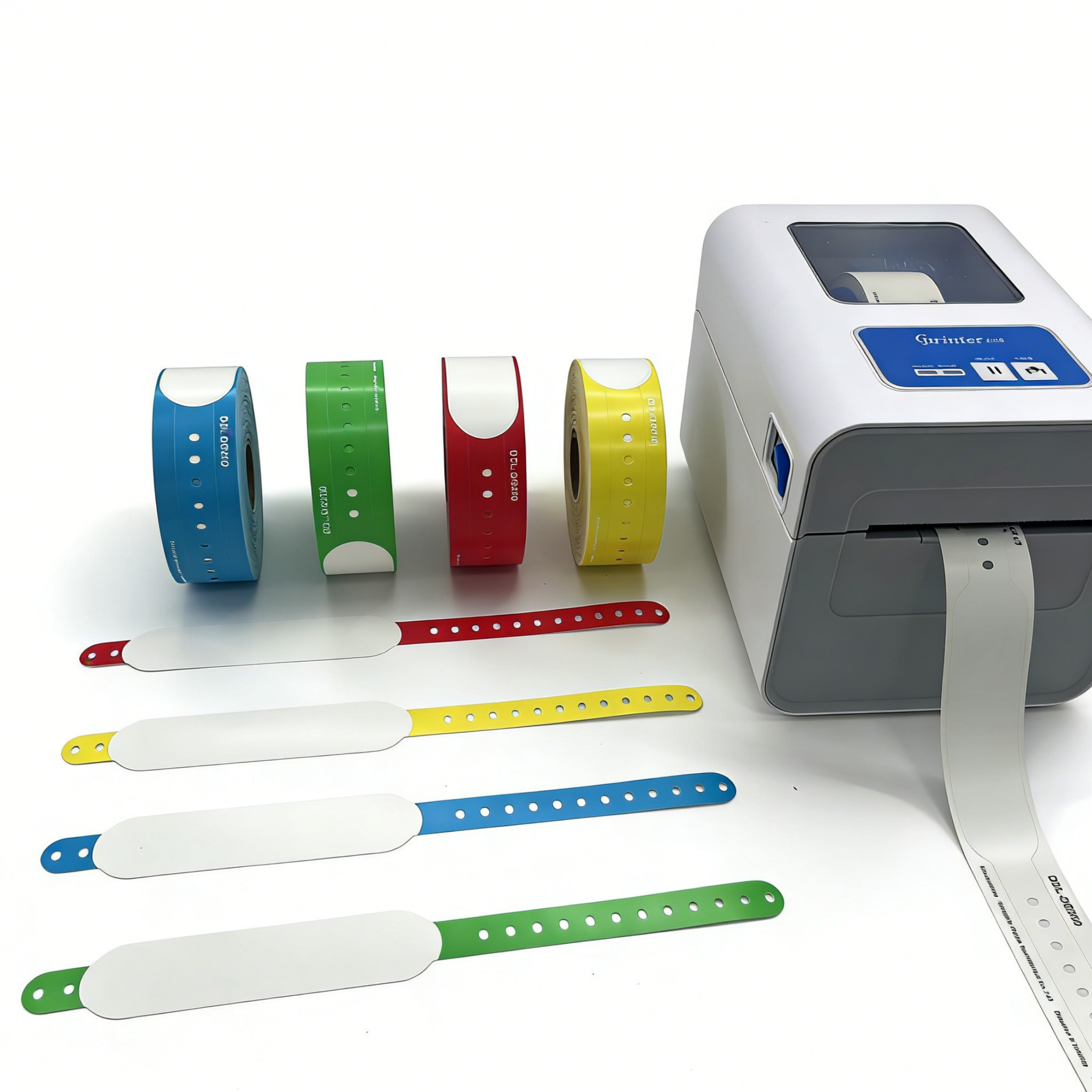
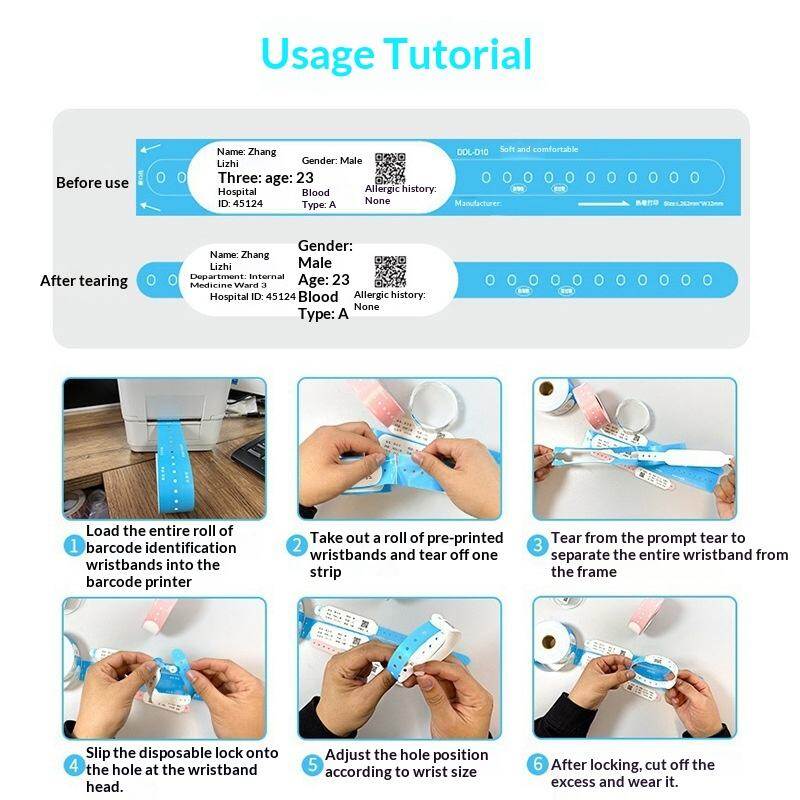
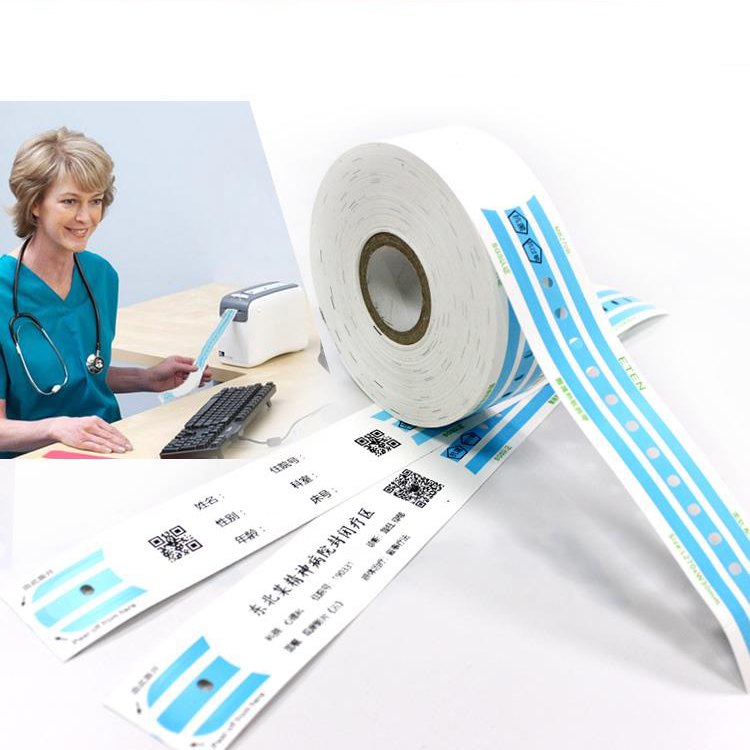
Thermal Transfer Printing, in contrast, uses a ribbon (also called a carbon ribbon or thermal transfer ribbon) that melts ink onto the wristband surface when heated by the printhead. The image becomes part of the media itself, creating exceptional durability. This is why thermal transfer wristbands are often referred to as carbon band wristbands in some markets.
Head-to-Head Comparison
Print Quality and Durability
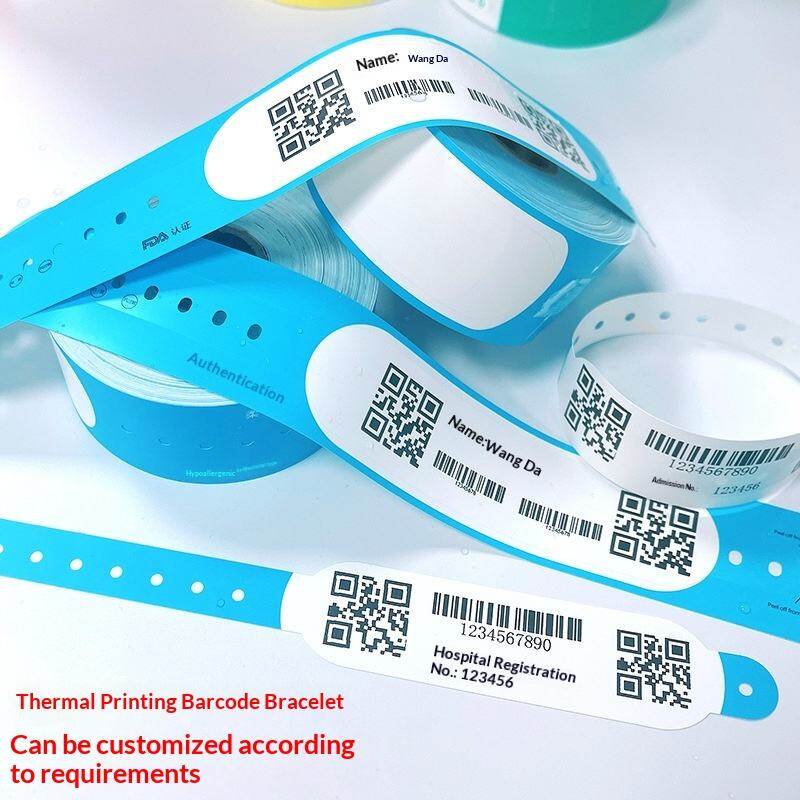
Thermal transfer produces significantly more durable results. When matched with suitable media, thermal transfer technology creates images that are impervious to heat, moisture, and cannot be rubbed off. The printed content—whether text, barcodes, or QR codes—remains crisp and scannable for extended periods.
Direct thermal printing, while initially sharp, is extremely sensitive to environmental conditions such as heat, light (especially fluorescent and direct sunlight), and abrasion. If exposed to temperatures above 60°C, direct thermal wristbands can darken or fade, making barcodes unreadable. This thermal sensitivity can actually serve as a safety feature for certain patients, as the wristband changes color to warn patients with reduced temperature sensitivity (such as the elderly) if bath water is too hot.
Water and Alcohol Resistance
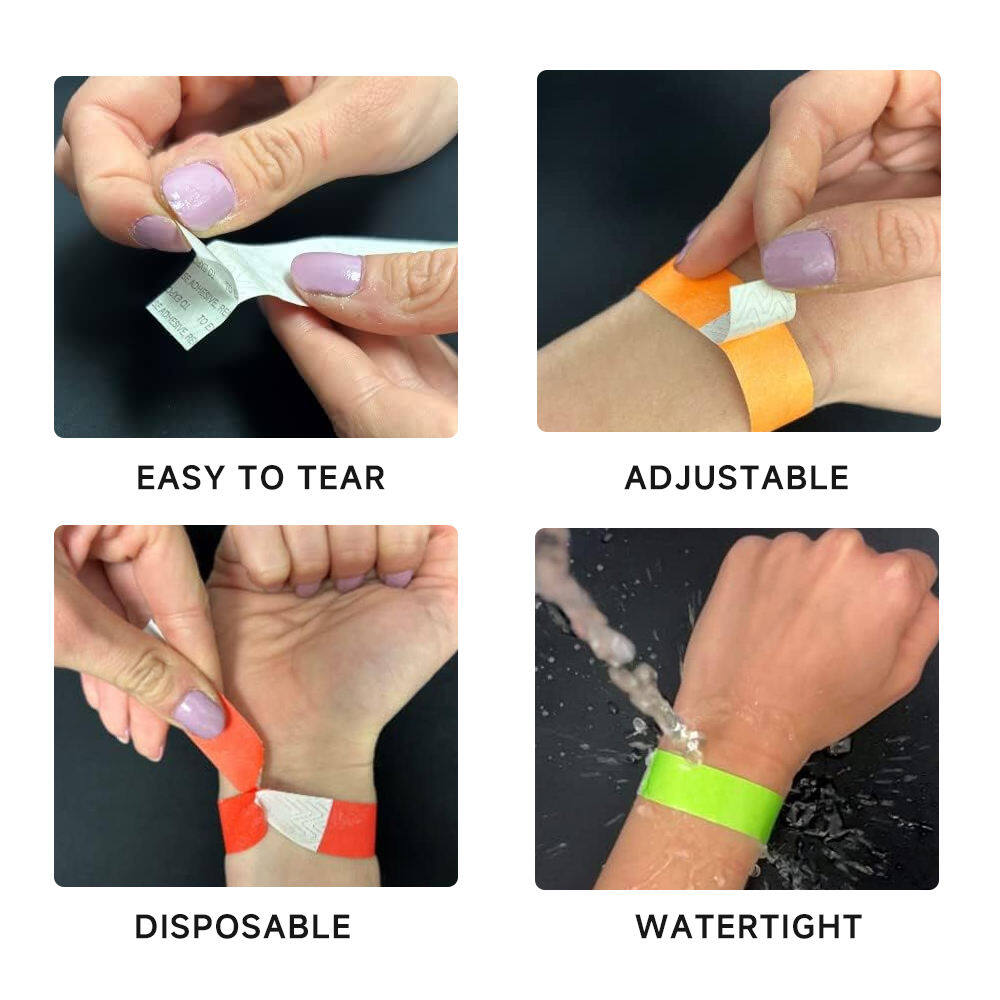
This is where thermal transfer demonstrates its clear superiority for healthcare applications. Thermal transfer wristbands offer highly effective waterproofing and resistance to alcohol, iodine, and cleaning agents. Multiple wiping tests confirm that the printing remains clear and does not fade.
Direct thermal wristbands, by contrast, are vulnerable to moisture and chemical exposure. In clinical settings where wristbands are regularly exposed to hand washing, sanitizers, and medical cleaners, direct thermal wristbands can degrade significantly faster than thermal transfer options.
Required Scanning Period and Longevity
For hospitals, the ability to reliably scan a wristband throughout a patient's entire stay is crucial. This is why specifications frequently mention a "scannable shelf life" or "readable period."
Top-tier thermal transfer wristbands can achieve a scanning period of ≥90 days. This extended readability is achieved through the combination of a durable ribbon and specially formulated media. Products like the SK10-T series boast an impressive scannable period of 60-90 days under normal conditions, making them ideal for long-stay patients.
Direct thermal wristbands generally have a much shorter lifespan. While some can last for weeks in ideal conditions, exposure to heat, light, or chemicals can significantly shorten their usable life. For this reason, direct thermal is not recommended for lifetime identification or applications requiring long-term durability.
Cost and Operational Considerations
Direct thermal offers lower operating costs since there is no ribbon to purchase or replace. The printers are simpler to operate with virtually no waste. This makes direct thermal an attractive option for short-term identification needs like outpatient clinics, visitor badges, or day surgery patients.
Thermal transfer has higher supply costs due to the need for ribbons. However, thermal transfer printheads generally last longer than direct thermal printheads, and the superior durability often justifies the additional expense. Users must also carefully match the ribbon to the media to achieve optimal print quality.
Why Thermal Transfer Dominates Hospital Tenders
Increasingly, large general hospitals (also known as tertiary hospitals) are mandating thermal transfer technology in their procurement requirements. Analysis of recent hospital tenders reveals why thermal transfer has become a compulsory requirement in medical wristband bidding.
Procurement Specifications
Several recent hospital tender documents explicitly specify thermal transfer technology. For instance, Zhongshan University Third Hospital Yuedong Hospital required thermal transfer printing as a key technical requirement for their patient wristbands. Ezhou Central Hospital's procurement also listed thermal transfer as a primary requirement alongside direct thermal.
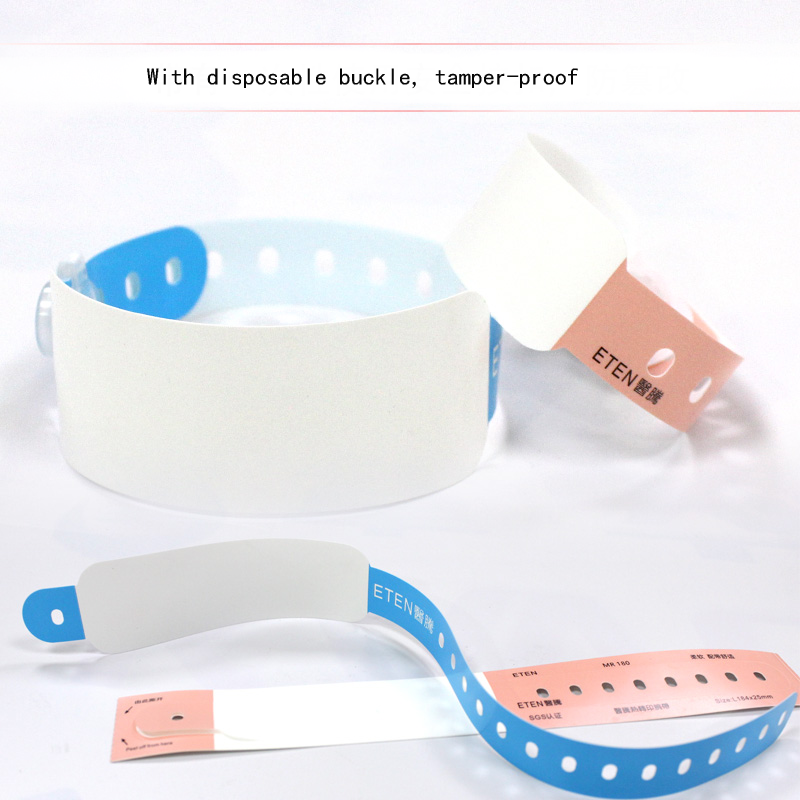
These hospitals recognize that thermal transfer wristbands ensure "a single wristband lasts the entire hospitalization period"—a phrase that appears repeatedly in both marketing materials and tenders. The ability to withstand daily challenges like hand washing, alcohol-based sanitizers, and various medical solutions is essential for maintaining patient safety and identification accuracy.
Quality Certification Requirements
Top hospitals typically require comprehensive certifications for their wristbands. These include:
- •ISO 9001 quality management certification
- •SGS and FDA testing reports
- •Anti-allergy certification
- •Confirmation of hypoallergenic materials
Beyond Just the Wristbands
Many hospital tenders now require suppliers to provide printers and necessary ribbons as part of the purchase price. This "all-in-one supply solution" often includes:
- •Free provision of printers (sometimes >40 units) for the hospital's use during the contract period
- •Matching carbon ribbon supplies provided free of charge
- •7×24 technical support with 1-hour on-site response times
- •24-hour delivery of consumables
This comprehensive approach ensures that hospitals can implement and maintain their wristband printing systems without additional budget allocations.
Material Innovations Supporting Thermal Transfer
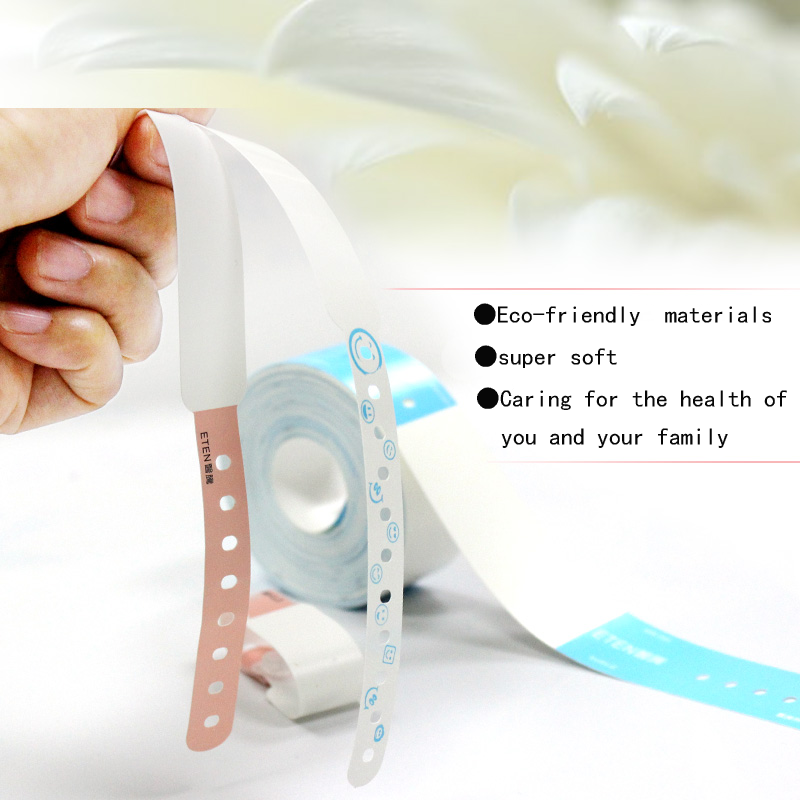
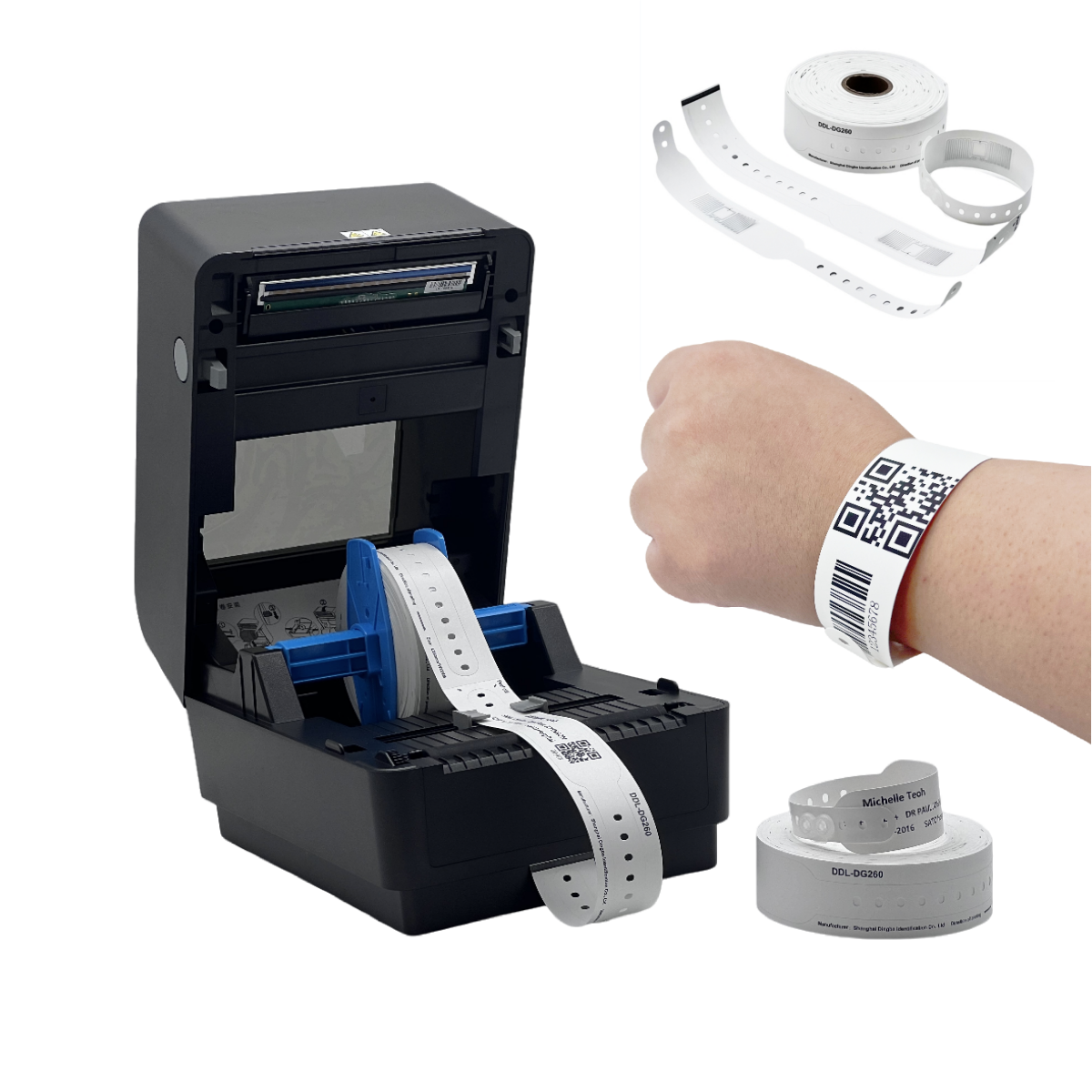
Modern thermal transfer wristbands leverage advanced materials science. The SK10-T series, for example, uses specially formulated nano-silicone composite materials. These provide:
- •Soft, comfortable feel with rounded edges to prevent skin abrasion
- •High gloss finish resistant to oxidation
- •High water resistance and resistance to alcohol, iodine, and various detergents
- •Single-layer design for higher roll capacity, reducing the frequency of roll changes and improving workflow efficiency
These materials are available in multiple sizes tailored to different patient populations:
- •Adult wristbands (e.g., 291mm×40mm or 260mm×30mm)
- •Child wristbands (e.g., 222mm×30mm)
- •Newborn wristbands (e.g., 180mm×30mm)
The Future of Medical Wristband Printing
The trend in healthcare is clearly moving toward thermal transfer as the preferred technology for long-term patient identification. However, this doesn't mean direct thermal will disappear. The technology is likely to continue serving applications where:
- •Wear time is short (under 30 days)
- •Environmental exposure is minimal
- •Cost sensitivity is high
- •Barcode scanning reliability is less critical
For patients requiring extended hospital stays, intensive care, or those with high hygiene requirements requiring frequent disinfection, thermal transfer wristbands represent the gold standard. As hospitals increasingly implement mobile nursing systems and electronic medical record integration, the ability to accurately scan patient wristband barcodes throughout the entire hospital stay becomes paramount.
Leading manufacturers are likely to continue improving their thermal transfer offerings, focusing on:
- •Ease of use (simplified ribbon loading)
- •Cost reduction (higher yields, longer-lasting ribbons)
- •Patient comfort (softer, more breathable materials)
- •Environmental sustainability (eco-friendly materials and processes)
Conclusion
The choice between thermal transfer and direct thermal printing for medical wristbands comes down to a fundamental question: how long must the information last and under what conditions?
Direct thermal offers convenience, lower costs, and simplicity—ideal for short-term applications where the wristband won't be exposed to harsh conditions. However, its vulnerability to heat, light, and chemicals makes it unsuitable for modern hospital environments where patient stays can extend weeks or months.
Thermal transfer, while more expensive and requiring consumables, delivers the durability, readability, and chemical resistance that modern healthcare demands. This is why top tertiary hospitals increasingly require thermal transfer technology in their wristband tenders, making it a hard requirement rather than a preference.
For manufacturers and hospital procurement departments alike, understanding these technologies—including their respective printers, consumables (ribbons), and media (wristbands)—is essential for making informed decisions that balance cost, quality, and patient safety. Ultimately, the small additional investment in thermal transfer technology pays dividends in enhanced patient safety, improved staff efficiency, and reduced risk of medical errors through reliable, long-lasting patient identification.
Need Help Selecting Medical Wristbands?
Our team has over 26 years of experience in wristband manufacturing. Contact us on WhatsApp for expert advice on selecting the right wristbands for your healthcare facility.
Continue Reading
Have Questions About Wristbands?
Our team is ready to help you find the perfect wristband solution for your needs. Contact us directly on WhatsApp for quick responses.
Contact on WhatsApp