
Why Hospitals Prefer Nano-Silicone Wristbands: Decoding the "Gold Material" Standard for Medical ID Bands
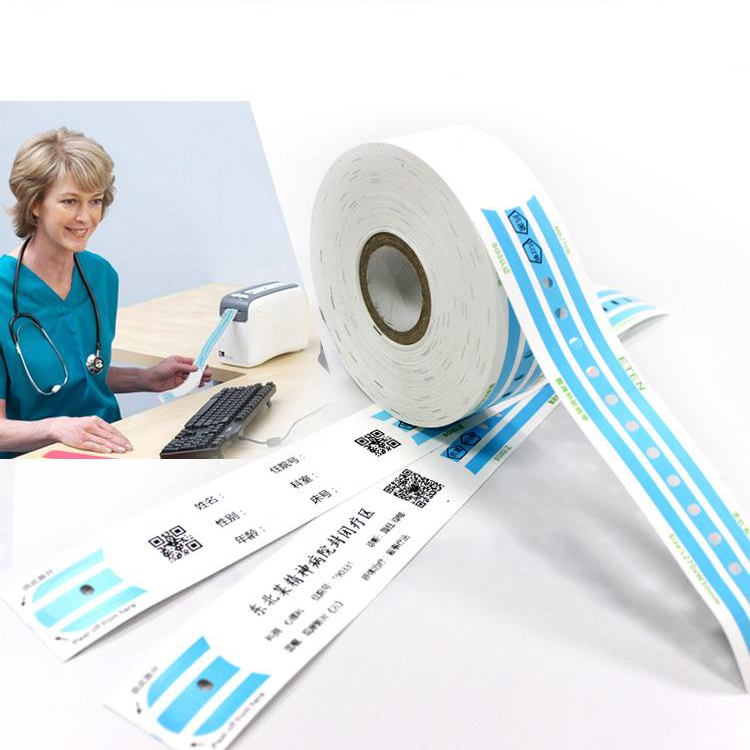
In recent years, a clear trend has emerged across hospital procurement announcements: nano-silicone has become the material of choice for patient identification wristbands. But what makes this material the "gold standard" for medical applications? Let's examine the evidence from actual hospital tenders and break down the scientific criteria that define a truly medical-grade patient wristband.
What Hospital Tenders Reveal About Material Preferences
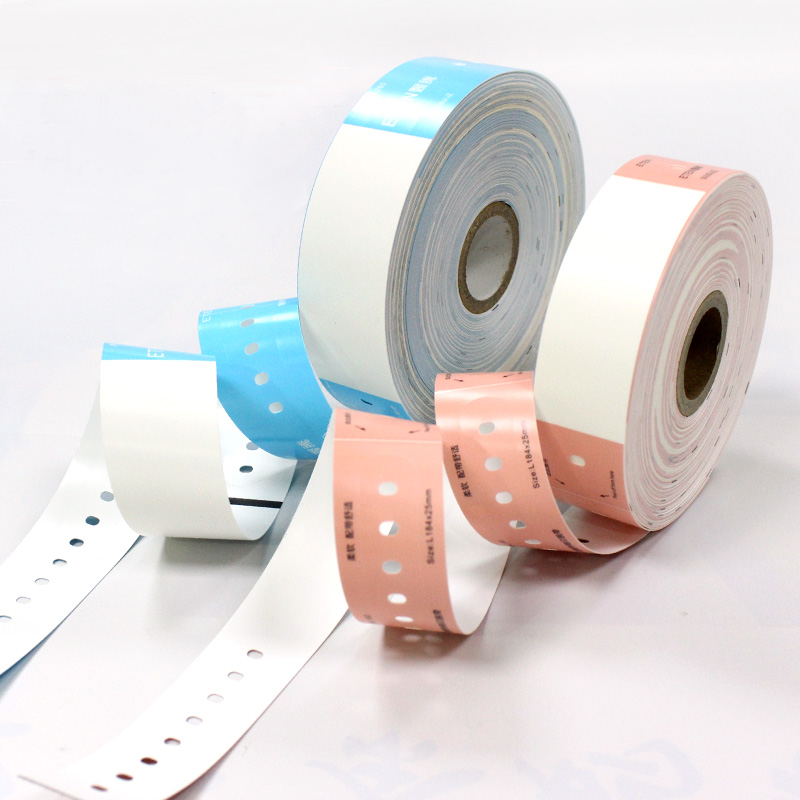
A review of current hospital procurement documents shows that medical wristbands must meet rigorous technical specifications. At Fujian Medical University Second Affiliated Hospital, their 2026 tender requires wristbands made from "nano-silicone material" with specific characteristics: ultra-soft texture, comfortable wear, eco-friendly composition, and no skin allergies. Similarly, the Third Affiliated Hospital of Sun Yat-sen University specifies "nano-silicone composite material" with properties including softness, comfort, antibacterial protection, allergy prevention, durability, and corrosion resistance.
These requirements aren't arbitrary—they reflect the real-world clinical demands placed on patient ID wristbands every day.
The Five Pillars of Medical-Grade Nano-Silicone
1. Ultra-Soft Comfort and Hypoallergenic Properties
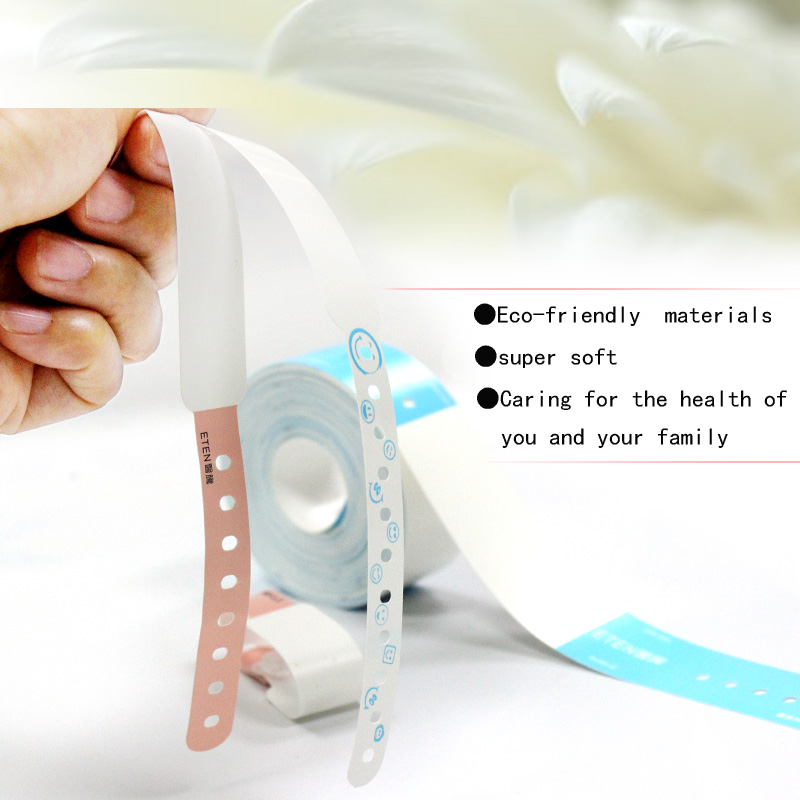
Patient comfort is paramount, especially for long-term wear. Multiple hospital bids emphasize wristbands must be "super soft" and "will not cause skin allergies". Nano-silicone achieves this through its unique molecular structure—flexible yet durable, with a smooth surface that minimizes friction against skin. The material's hypoallergenic nature is critical for vulnerable populations including infants, elderly patients, and those with sensitive skin.
2. Antibacterial Protection
Healthcare environments demand infection control. Several tenders explicitly require "antibacterial coating" on wristbands to resist blood, IPA (isopropyl alcohol), sewage, detergents, and alcohol erosion. Nano-silicone can be formulated with inherent antimicrobial properties, creating a protective barrier that reduces bacterial colonization on the identification wristband surface—a vital feature in hospital settings where cross-contamination risks are high.
3. Durability and Chemical Resistance
Hospital wristband tags face constant exposure to harsh substances. The nano-silicone material must withstand:
- •Repeated handwashing and sanitizer use
- •Blood and bodily fluid contact
- •Cleaning agents and disinfectants
- •Friction from bedding and clothing
Procurement documents specify that print information must remain scannable for ≥90 days under normal conditions. The material's resistance to alcohol and chemicals ensures barcode wristbands remain readable throughout a patient's entire hospital stay.
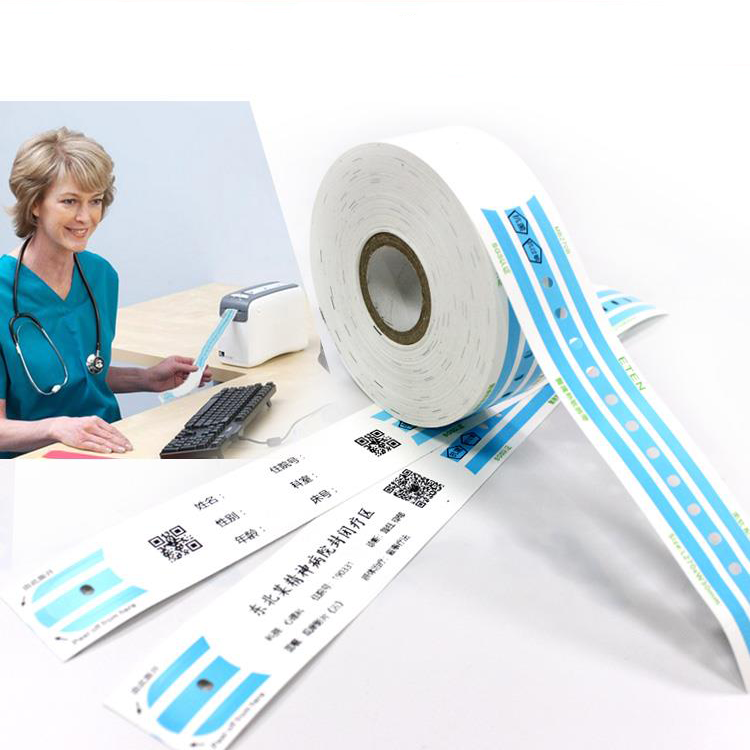
4. Non-Stretchable, Single-Use Security
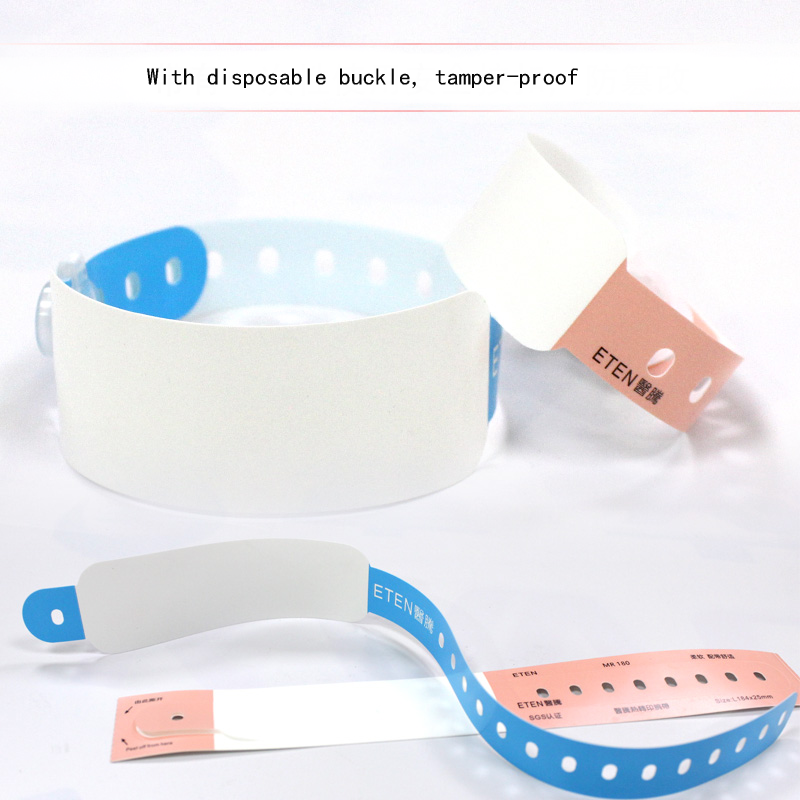
Patient safety requires medical wristbands to be tamper-proof and non-transferable. Hospitals mandate wristbands must have "no elasticity" and use "single-use, non-removable" locking mechanisms. Nano-silicone is engineered to be durable yet break under sufficient force—ensuring the wristband cannot be stretched off and reattached to another person. This "break-before-stretch" characteristic is essential for maintaining patient identification integrity.
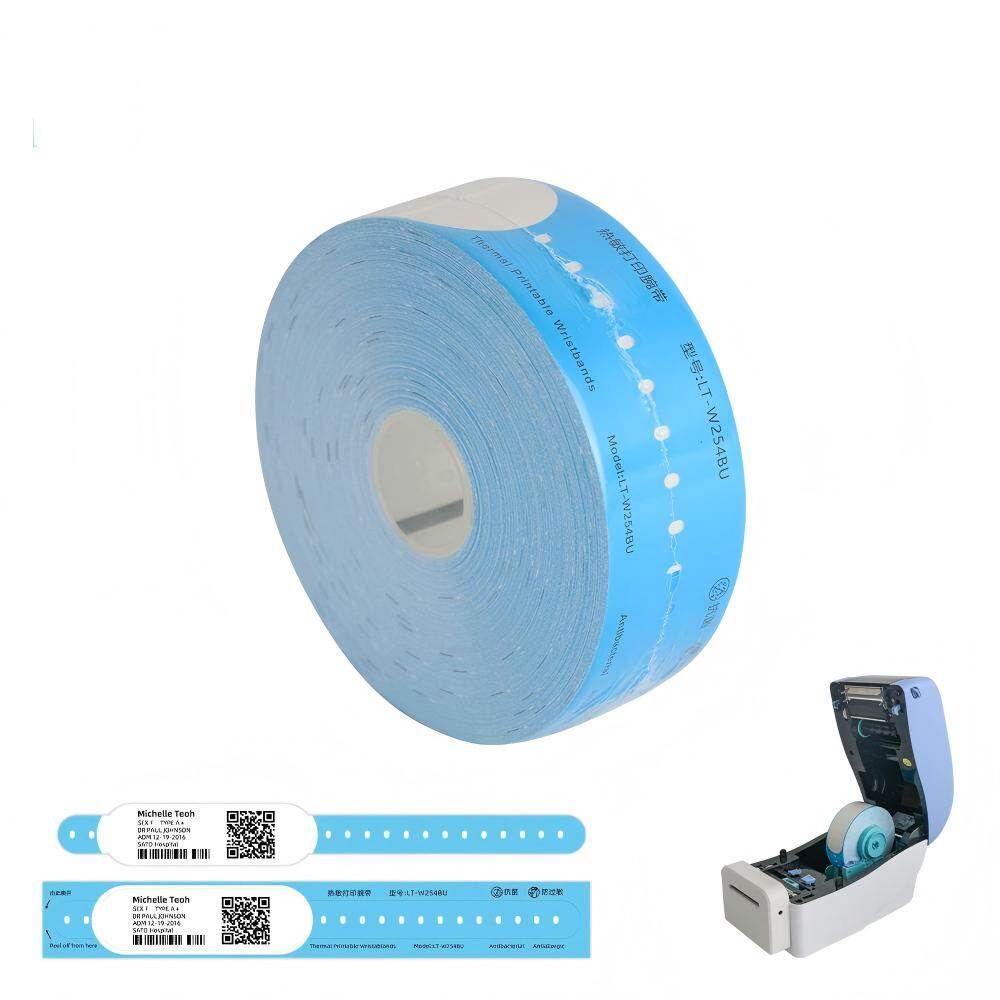
5. Printing Compatibility and Longevity
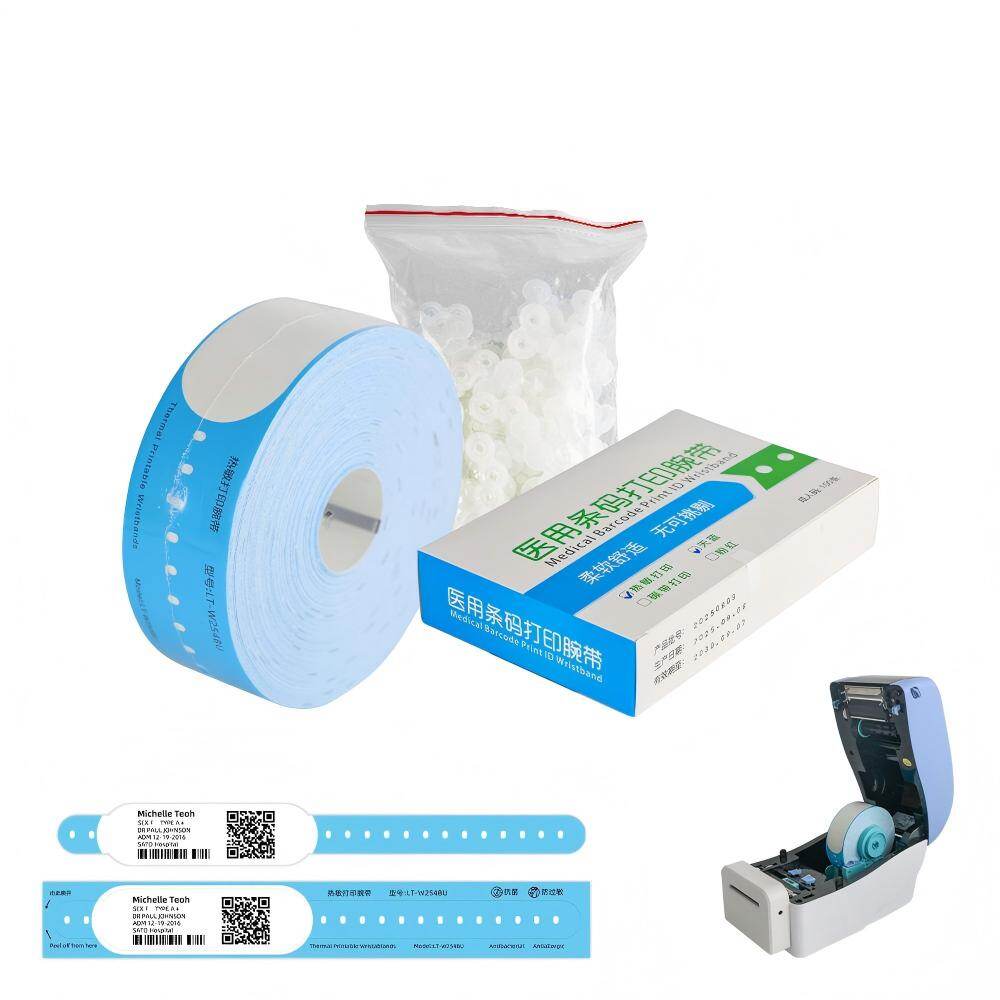
Modern hospital wristbands must support thermal transfer or thermal printing for text, 1D barcodes, and QR codes. Nano-silicone's surface coating enables crisp, high-contrast printing that resists smudging. The material's stability ensures printed information remains legible throughout the scanning period, supporting seamless integration with electronic medical record systems and mobile nursing workflows.
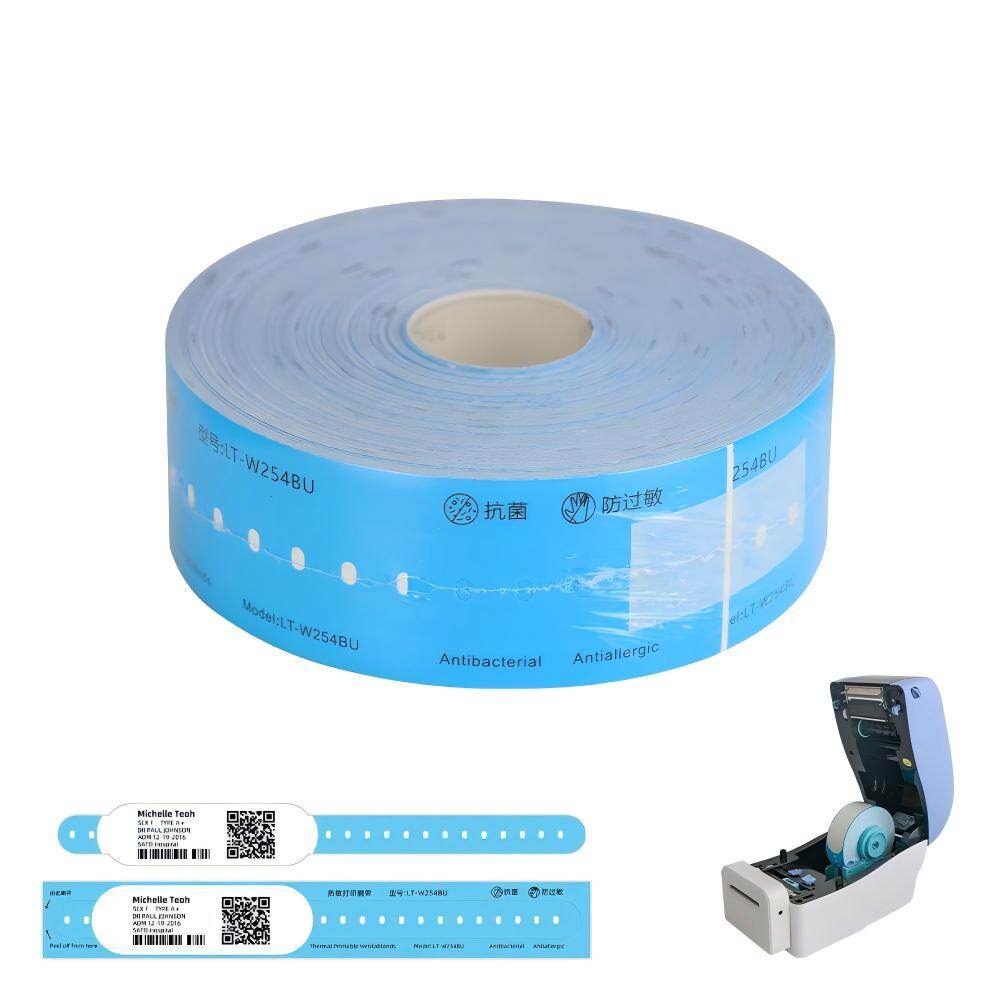
Third-Party Validation Matters
Hospitals increasingly require independent certifications for patient wristband materials. Common requirements include:
- •FDA testing reports for biocompatibility
- •SGS certification (RoHS compliance) for safety
- •CE marking for European market compliance
- •Environmental protection reports verifying non-toxic composition
These certifications provide objective evidence that nano-silicone wristbands meet international safety and quality benchmarks.
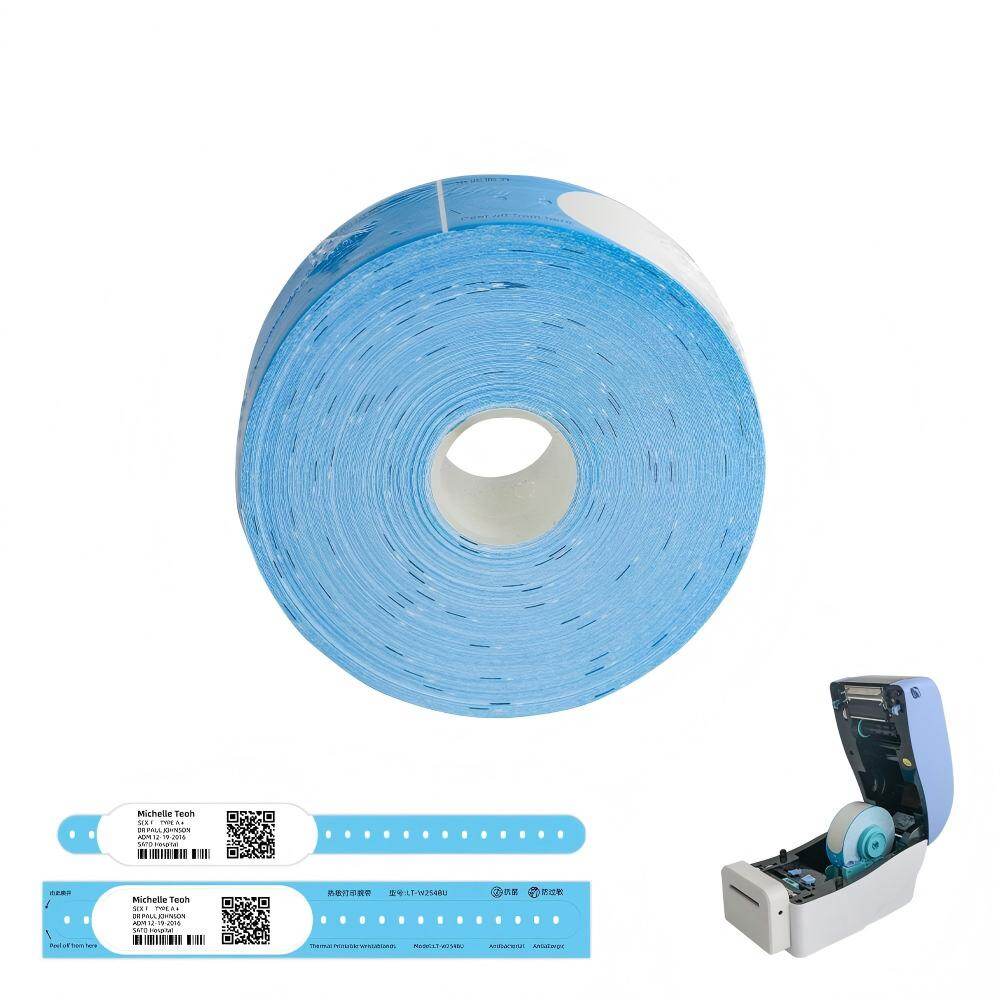
Beyond Material: The Full-Service Expectation
Hospital procurement doesn't stop at the wristband itself. Tenders typically include:
- •Printer rental and maintenance services
- •On-site support with rapid response times (e.g., 30-minute arrival, 20-minute resolution)
- •Compatibility testing with existing hospital systems
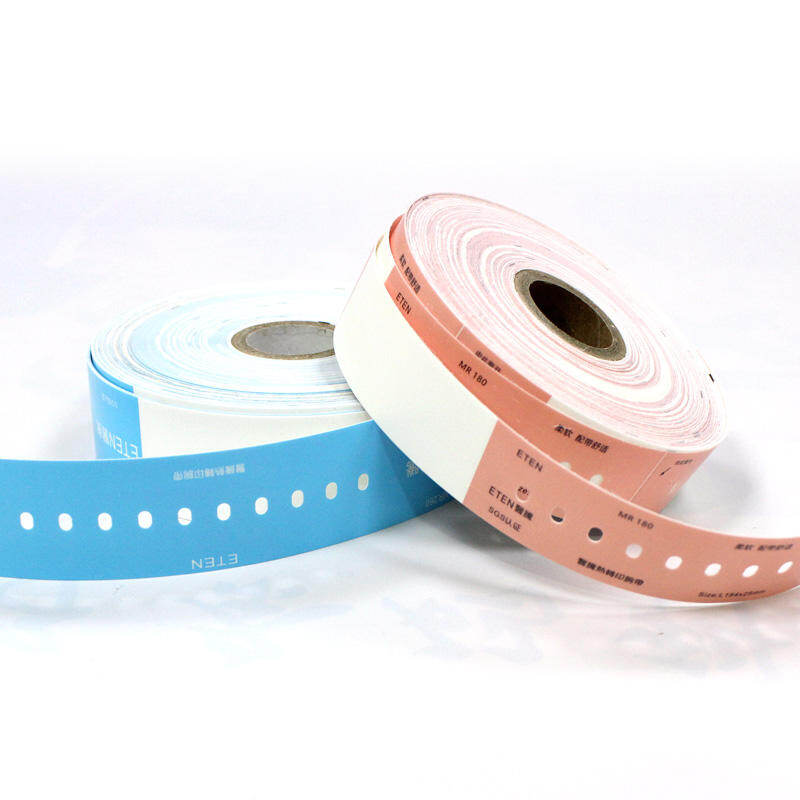
- •Custom color options for patient classification (e.g., white, pink, blue, red, yellow for special populations)
This comprehensive approach ensures that custom wristbands integrate smoothly into clinical workflows without disrupting care delivery.
Conclusion: Why Nano-Silicone Wins
Nano-silicone has emerged as the preferred material for medical identification wristbands because it uniquely satisfies all critical hospital requirements simultaneously:
| Requirement | Nano-Silicone Solution |
|---|---|
| Comfort | Ultra-soft, hypoallergenic texture |
| Safety | Antibacterial, non-toxic, FDA/SGS certified |
| Durability | Resists alcohol, blood, cleaners, friction |
| Security | Non-stretchable, single-use locking |
| Functionality | Excellent print quality, 90+ day scannability |
For healthcare facilities evaluating patient wristband options, the growing consensus is clear: nano-silicone isn't just a trend—it's the evidence-backed standard for safe, reliable patient identification. As technology evolves, this "gold material" continues to set the benchmark for what medical-grade really means.
Need Help Selecting Medical Wristbands?
Our team has over 26 years of experience in wristband manufacturing. Contact us on WhatsApp for expert advice on selecting the right wristbands for your healthcare facility.
Continue Reading
Have Questions About Wristbands?
Our team is ready to help you find the perfect wristband solution for your needs. Contact us directly on WhatsApp for quick responses.
Contact on WhatsApp