
Wristband Documentation for Regulatory Audits: What to Record and How Long to Keep It

Patient identification is one of the most fundamental safety practices in healthcare delivery, yet it remains a persistent challenge for quality departments. The humble wristband—a simple strip of plastic or fabric worn on a patient's wrist—carries significant regulatory weight. When an auditor arrives, that wristband and the documentation surrounding it become critical evidence of an organization's commitment to patient safety.
This guide examines wristband documentation from a quality department perspective, covering what records must be maintained throughout the wristband lifecycle and how long those records should be retained. It also identifies common gaps in the evidence chain that auditors frequently encounter.
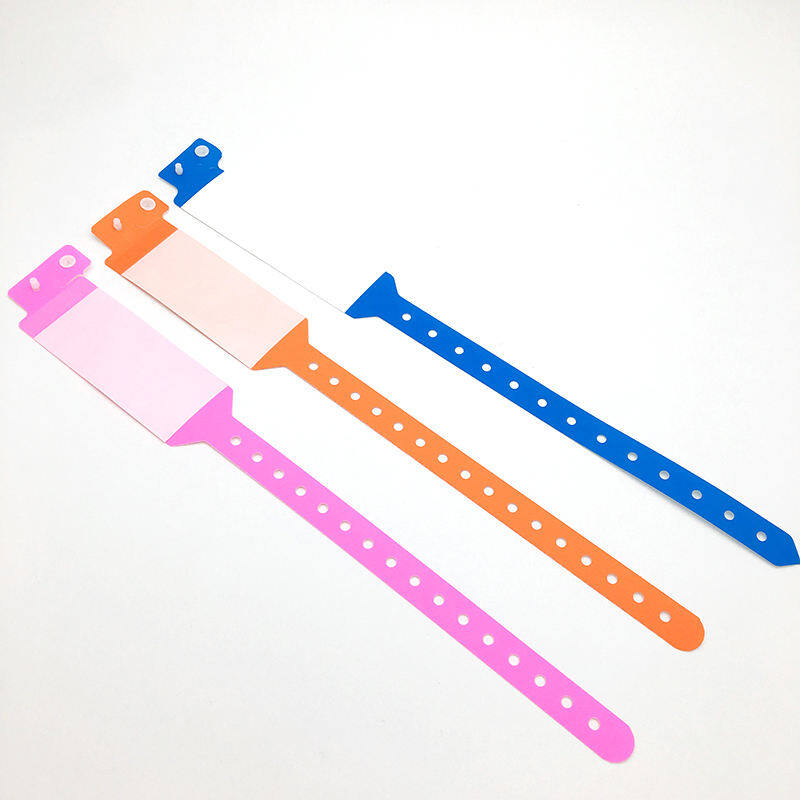
Why Wristband Documentation Matters
Wristbands are more than identification accessories. They serve as the physical anchor for patient identification verification at the point of care. The Joint Commission, NHS England, and other regulatory bodies worldwide have established clear expectations for how patient identity bands are created, applied, and managed.
The documentation supporting these processes demonstrates that an organization has designed a system to prevent wrong-patient errors and that staff are following it consistently. When a misidentification event occurs—or when an auditor conducts a routine review—the paper trail becomes the primary means of proving due diligence.
A well-maintained wristband documentation system answers several critical questions:
- Was the correct patient identified before the wristband was applied?
- Did the wristband contain all required identifiers?
- Was a replacement issued when the original became illegible or damaged?
- Was the wristband properly removed and destroyed at discharge?
Each of these questions maps to specific documentation requirements that quality departments must monitor.
Key Definitions in Wristband Documentation
Before examining specific requirements, it is important to establish terminology that quality professionals will encounter in regulatory standards and audit checklists.
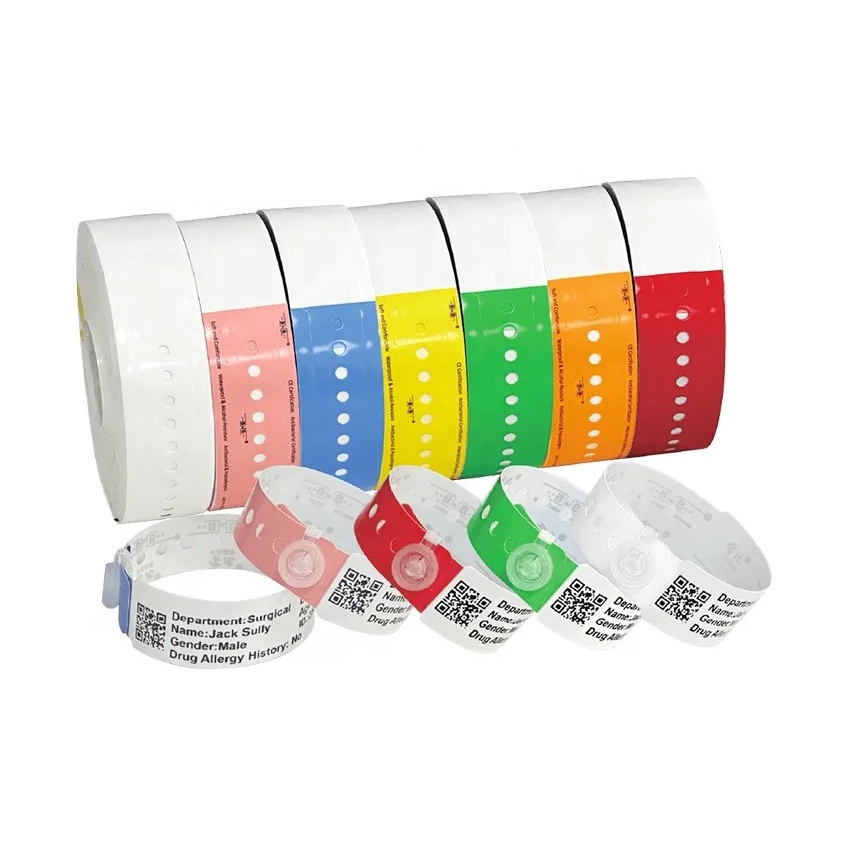
Patient identification audit. A systematic review of records and processes to verify that patient identification practices comply with organizational policy and regulatory standards. Audits may be retrospective (reviewing completed records) or concurrent (observing practice in real time).
Wristband procurement documentation. Records demonstrating that identity bands were purchased from approved suppliers, meet applicable standards (such as GS1 compliance for barcode-encoded bands), and were received and stored under appropriate conditions.
Wristband issuance records. Documentation showing when a wristband was created or assigned to a specific patient, including the identifiers encoded on the band and verification that the correct patient received it.
Wristband replacement documentation. Records of when and why an original wristband was replaced, who authorized the replacement, and confirmation that the new band underwent two-patient identifier verification.
Wristband disposal documentation. Evidence that wristbands were removed, destroyed, or deactivated upon patient discharge or transfer, preventing reuse or continued association with a patient who is no longer present.
The Evidence Chain Auditors Expect
Regulatory auditors do not examine wristband documentation in isolation. They follow an evidentiary chain that begins with procurement and ends with disposal. Gaps at any point weaken the entire chain.
Procurement and Supply Records
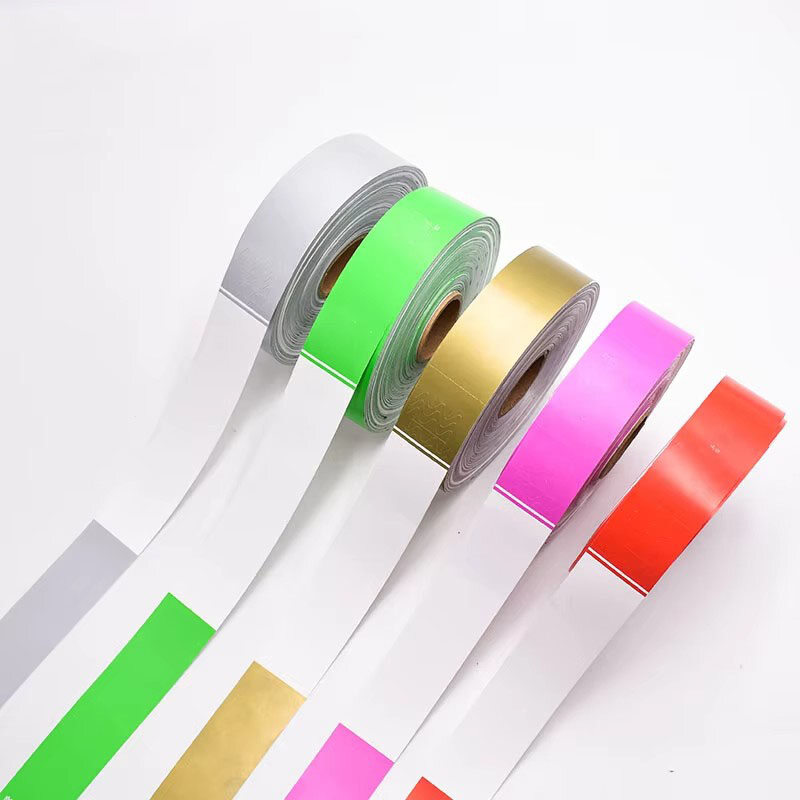
Quality departments should maintain documentation that approved wristband suppliers meet applicable standards. For organizations using barcode-encoded identity bands, NHS England standards require GS1 DataMatrix compliance. Procurement records should include:
- Supplier qualification documentation and certificates of conformity
- Purchase orders and receiving records with batch or lot numbers
- Specifications confirming the wristbands meet regional or national standards
- Evidence of appropriate storage conditions (temperature, humidity, protection from contamination)
Auditors may request this documentation to verify that the organization is not using non-compliant products that could undermine patient identification accuracy.
Issuance and Application Records
The point at which a wristband is applied to a patient generates several documentation requirements. Best practice—and in many jurisdictions, regulatory expectation—requires that two-patient identifier verification occur before application.
Documentation for wristband issuance should capture:
- Patient identifiers verified (typically full name, date of birth, and medical record number or NHS number)
- The name and credentials of the staff member who performed verification
- Date and time of wristband application
- The specific identifiers printed or encoded on the wristband
- Confirmation that the patient (or their representative) confirmed the information
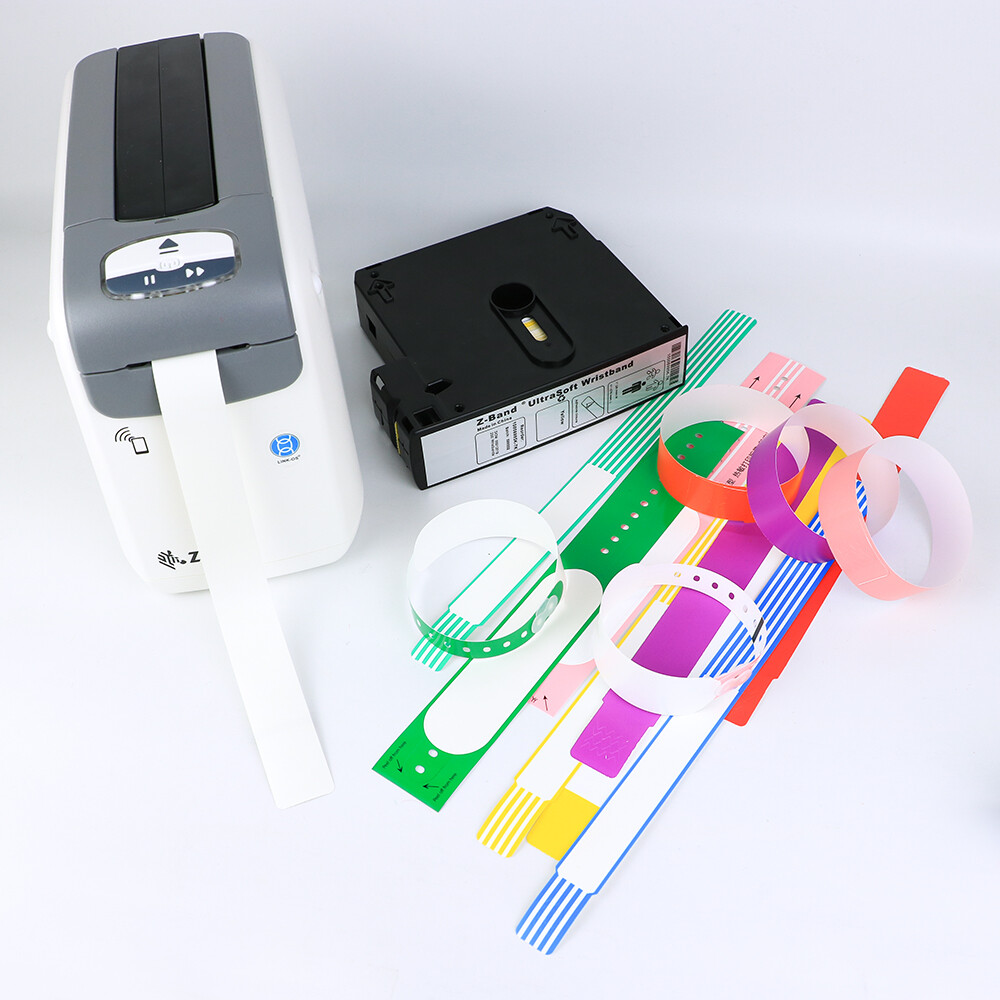
In paper-based systems, this may appear as a checklist or notation in the patient record. Electronic systems often capture this data automatically, but quality departments must verify that the system's audit trail is complete and retrievable.
Replacement Documentation
Wristbands become illegible, damaged, or lost. When replacement is necessary, the documentation burden increases because the new band must undergo the same verification process as the original. Replacement records should indicate:
- The reason for replacement (illegibility, damage, loss, size adjustment)
- Who authorized or performed the replacement
- Confirmation that two-patient identifier verification occurred before the new band was applied
- The identifiers on the new band and confirmation they match the original record
A common audit finding is that replacement bands are applied without repeating the full verification process, or that replacement events are not documented at all. Quality departments should treat replacement documentation as a high-priority area for monitoring.
Disposal and Deactivation Records
The final link in the evidence chain concerns what happens to wristbands when they are no longer needed. Upon patient discharge, transfer, or expiration of the wristband's designated use period, the band should be removed and destroyed.
Documentation expectations vary by organization and jurisdiction, but auditors may look for:
- Notation in the discharge record that the wristband was removed
- Confirmation that the band was destroyed (not simply discarded where it could be retrieved)
- For electronic wristbands, evidence that the device was deactivated or its association with the patient record was terminated
- Logs of bulk disposal if bands are collected and destroyed in batches
Failure to document disposal creates a risk that a wristband could be reused or that a patient's identity association persists beyond the appropriate period.
Retention Periods: How Long to Keep Wristband Documentation
Retention requirements for wristband documentation generally follow the broader medical record retention framework applicable to the organization's jurisdiction. However, quality departments should consider specific factors that may extend or modify standard retention periods.
The General Framework
Medical record retention laws vary significantly by jurisdiction. Common benchmarks include:
- Adult patients: Ten years from the date the patient was last seen
- Minor patients: Twenty-eight years from the patient's date of birth
- Deceased patients: Five years from the date of death
Wristband documentation that becomes part of the patient's medical record—such as verification checklists, application notes, or replacement records—typically follows the same retention schedule as the broader record.
Procurement and Administrative Records
Procurement records, supplier qualifications, and inventory logs are generally treated as administrative rather than clinical records. Retention periods for these documents may be shorter, often ranging from three to seven years depending on organizational policy and tax or contractual requirements.
However, quality departments should consider whether procurement records might be needed to defend against allegations that a patient safety event was caused by a defective or non-compliant wristband product. In such cases, retaining procurement documentation for the same period as clinical records may be prudent.
Audit Records
Patient identification audit records—including audit tools, findings, corrective action plans, and follow-up documentation—should be retained according to the organization's quality management system requirements. Many organizations retain audit records for a minimum of three to five years, with longer retention for audits that identified significant safety concerns.
Legal Hold Considerations
When an adverse event or litigation is anticipated, all wristband documentation potentially relevant to the matter must be preserved. This includes not only the patient's clinical record but also procurement records, audit records, training documentation, and any other materials that could bear on the question of whether appropriate identification practices were followed.
Quality departments should have a process for identifying and preserving records when a legal hold is issued, and they should ensure that routine destruction schedules do not inadvertently eliminate records subject to the hold.
Common Gaps in the Wristband Documentation Chain
Auditors consistently identify several categories of documentation deficiencies. Quality departments can use these findings to target their own improvement efforts.
Missing Two-Patient Identifier Verification
The most frequent and consequential gap is the absence of documented verification that two patient identifiers were confirmed before wristband application or replacement. Staff may perform the verification but fail to record it, or they may skip verification entirely when the patient appears familiar.
Audit evidence chain gap: Without documentation of verification, an organization cannot demonstrate that wristband application followed policy. In a misidentification event, this gap becomes a liability.
Illegible or Incomplete Wristbands
Documentation that a wristband was applied is not sufficient if the wristband itself is illegible. Auditors may examine actual wristbands or review photographs or records to verify that required identifiers are present and legible. Common deficiencies include faded printing, missing identifiers, or handwritten information that does not match the patient record.
Undocumented Replacements
When wristbands are replaced without documentation, the evidence chain breaks. Auditors cannot verify that the replacement band was properly verified or that the original band was appropriately destroyed. This gap is particularly common in high-turnover units where wristbands frequently become soiled or damaged.
Absent Disposal Documentation
Organizations often focus on wristband application and neglect the disposal end of the lifecycle. Auditors may find that discharge records do not indicate whether the wristband was removed, or that no process exists for documenting bulk destruction of collected bands.
Incomplete Procurement Records
In organizations that have transitioned to barcode-encoded wristbands, procurement records may not clearly demonstrate that the products meet applicable standards. Auditors may request supplier documentation and find that certificates of conformity are missing or expired.
Building a Defensible Wristband Documentation Program
Quality departments can strengthen wristband documentation by implementing several practical measures.
Standardize verification documentation. Provide clear, easy-to-complete forms or electronic templates that guide staff through two-patient identifier verification and capture all required elements. The easier the process, the higher the compliance.
Integrate wristband documentation into the patient record. Rather than maintaining separate logs, embed wristband application, replacement, and removal documentation within the patient's clinical record. This ensures retention requirements are automatically applied and reduces the risk of documentation being lost or overlooked.
Conduct regular patient identification audits. Retrospective and concurrent audits can identify documentation gaps before they become audit findings. The audit process itself should be documented, with findings and corrective actions retained according to quality management standards.
Train staff on documentation requirements. Staff may understand the importance of patient identification but not appreciate that documentation is equally essential. Training should emphasize that an undocumented verification is, from an audit perspective, an unverified patient.
Maintain procurement and compliance records. Quality departments should coordinate with supply chain and procurement functions to ensure that wristband products meet applicable standards and that compliance documentation is current and retrievable. Keeping a complete size range in stock—bariatric patient wristbands, extended-length wristbands, and newborn ankle bands included—prevents emergency substitutions that weaken patient identification accuracy and keeps audit evidence aligned with benchmarks such as CAP Q-Probes.
Review retention schedules periodically. As regulations change and organizational practices evolve, retention schedules for wristband documentation should be reviewed and updated. Legal counsel should be consulted when retention questions arise.
Conclusion
Wristband documentation is a critical component of patient safety infrastructure and regulatory compliance. While the wristband itself is a physical object, its evidentiary value depends entirely on the documentation that surrounds it. From procurement through disposal, each stage of the wristband lifecycle generates records that auditors will examine to assess whether an organization has designed and implemented effective patient identification processes.
Quality departments play a central role in establishing documentation expectations, monitoring compliance, and closing gaps in the evidence chain. The most common findings—missing verification records, undocumented replacements, and incomplete disposal documentation—are also among the most preventable. By treating wristband documentation as an integral part of the patient record rather than an administrative afterthought, organizations can strengthen their audit readiness and, more importantly, reduce the risk of patient misidentification events.
Continue Reading
Have Questions About Wristbands?
Our team is ready to help you find the perfect wristband solution for your needs. Contact us directly on WhatsApp for quick responses.
Contact on WhatsApp