
Patient Wristband Recalls and Safety Alerts: How to Monitor and Respond
The Regulatory Status of Patient Identification Wristbands
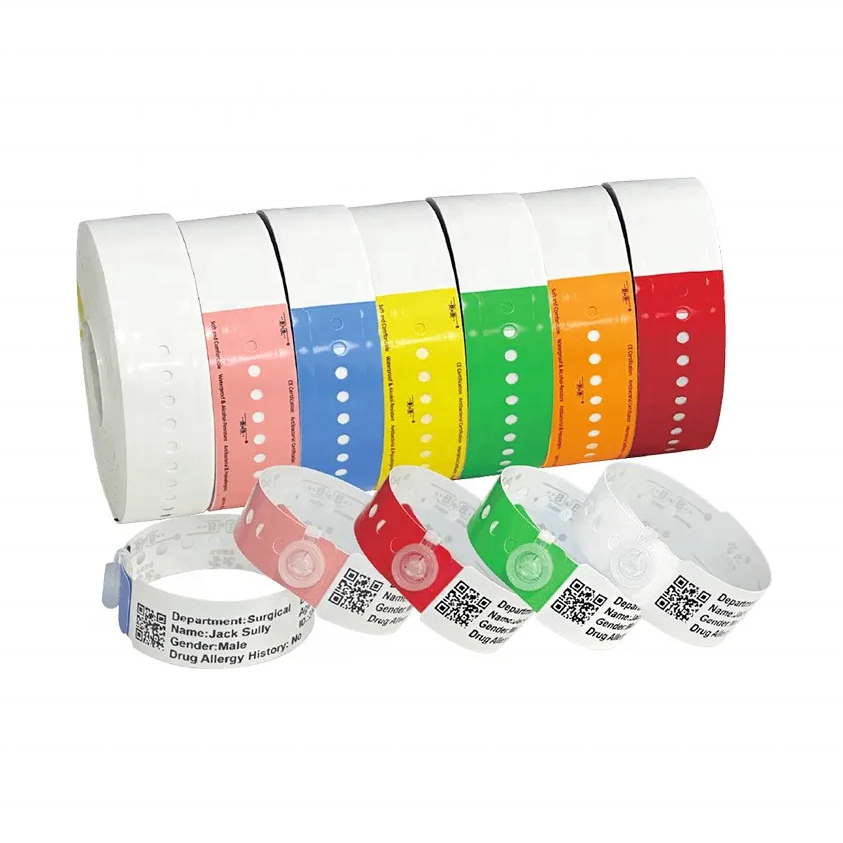
Patient identification wristbands are among the most ubiquitous medical devices in any healthcare facility. They are applied at admission, worn continuously throughout a patient's stay, and serve as the primary link between the patient and their medical record. Yet despite their apparent simplicity, wristbands are regulated medical devices that can be subject to recalls, safety alerts, and enforcement actions. For healthcare organizations, understanding how to monitor these notifications and respond appropriately is not merely a regulatory obligation—it is a fundamental component of patient safety infrastructure and patient identification accuracy.
This article examines the landscape of patient wristband recalls and safety alerts, the channels through which healthcare providers can monitor them, and the operational procedures required to respond effectively when a wristband product is flagged for safety concerns.
What Constitutes a Wristband Recall or Safety Alert?
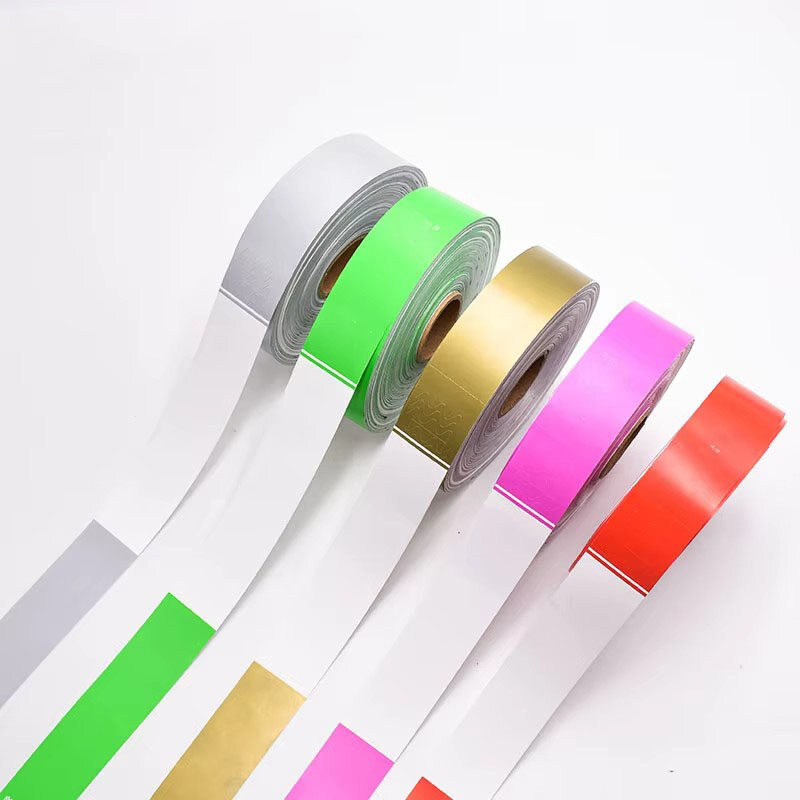
It is a common misconception that patient wristbands are exempt from medical device regulation due to their simplicity. In reality, patient identification bands are classified as Class I medical devices under FDA regulations. The product code FZZ is assigned to "Patient Identification Band," described as a single-piece circular band designed to be worn around the wrist to provide identification and basic information about a patient. While Class I devices are subject to the least stringent regulatory controls, they remain subject to general controls including establishment registration, device listing, and—critically—adverse event reporting and recall procedures.
This classification means that manufacturers of patient wristbands must report adverse events to the FDA when they become aware of information suggesting that a device may have caused or contributed to a death or serious injury, or has malfunctioned in a manner that would likely cause or contribute to a death or serious injury if the malfunction recurred.
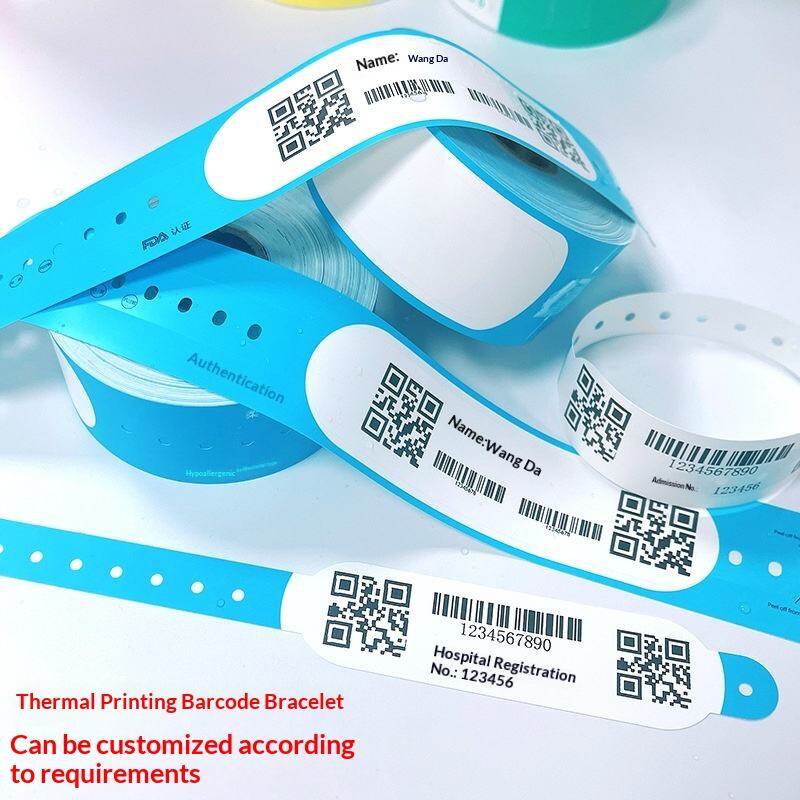
Recalls of patient wristbands can arise from a range of issues. Manufacturing defects such as failed clasp mechanisms, illegible printing, or degradation of materials can compromise the wristband's ability to serve its identification function. Chemical sensitivities or skin irritation from wristband materials—particularly adhesives, inks, or plastic compounds—have been reported in adverse event databases. Barcode readability failures, whether due to print quality or scanner compatibility, represent another category of concern, as barcode scanning errors can directly lead to patient misidentification.
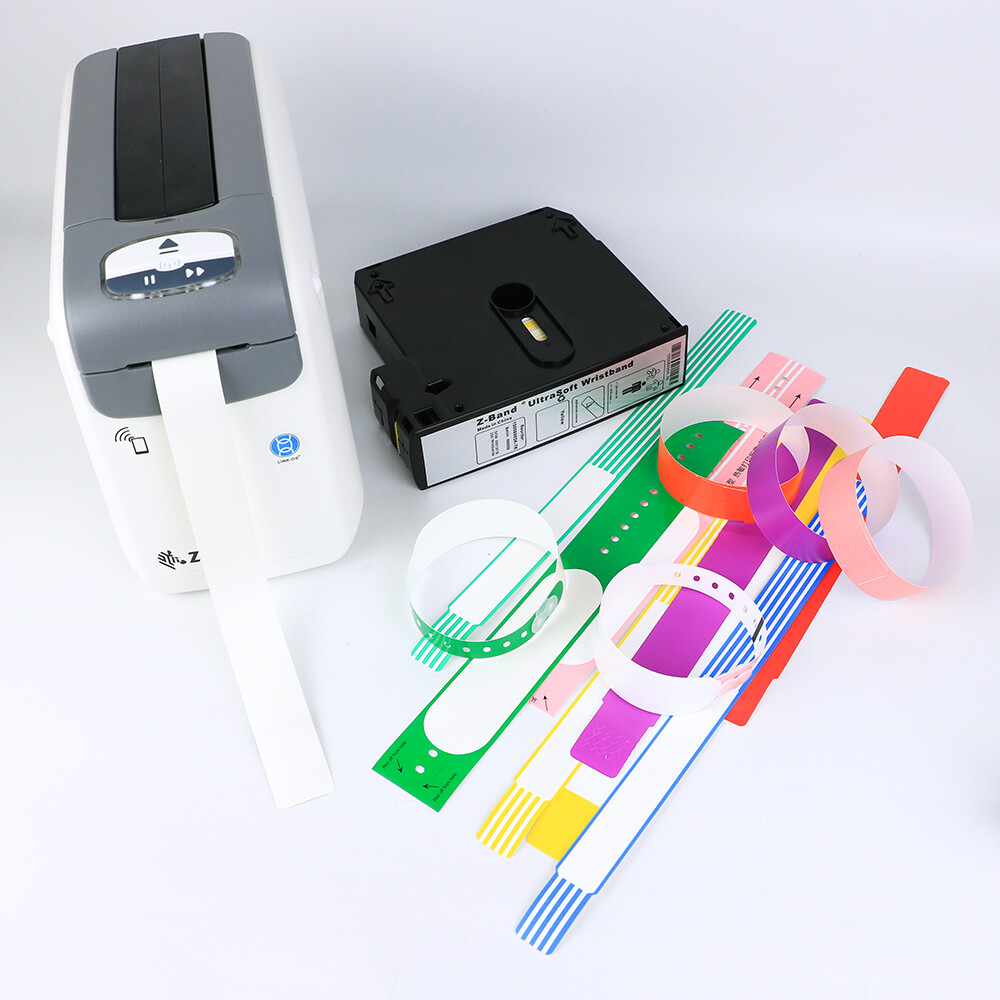
Beyond physical defects, safety alerts may also address broader concerns such as color-coding standardization. In 2021, the FDA issued a letter to industry regarding the use of purple wristbands, urging manufacturers to reserve this color exclusively for Do Not Resuscitate status in alignment with American Hospital Association recommendations, following concerns about potential confusion in clinical settings.
Recall classifications reflect the relative health hazard posed by the device. Class I recalls involve situations where there is a reasonable probability that use of the device will cause serious adverse health consequences or death. Class II recalls involve devices that may cause temporary or medically reversible adverse health consequences. Class III recalls involve devices unlikely to cause adverse health consequences. For wristbands, even a Class III recall merits attention, as identification failures can cascade into serious patient safety events.
Monitoring Channels: Where Wristband Safety Information Originates
Healthcare organizations have access to multiple overlapping channels for monitoring patient wristband recalls and safety alerts. An effective monitoring strategy utilizes several of these sources simultaneously, as no single channel captures all relevant information.
The FDA MAUDE Database
The Manufacturer and User Facility Device Experience (MAUDE) database is the FDA's repository for adverse event reports involving medical devices. MAUDE contains reports submitted by mandatory reporters—device manufacturers, importers, and user facilities—as well as voluntary reports from healthcare professionals, patients, and consumers.
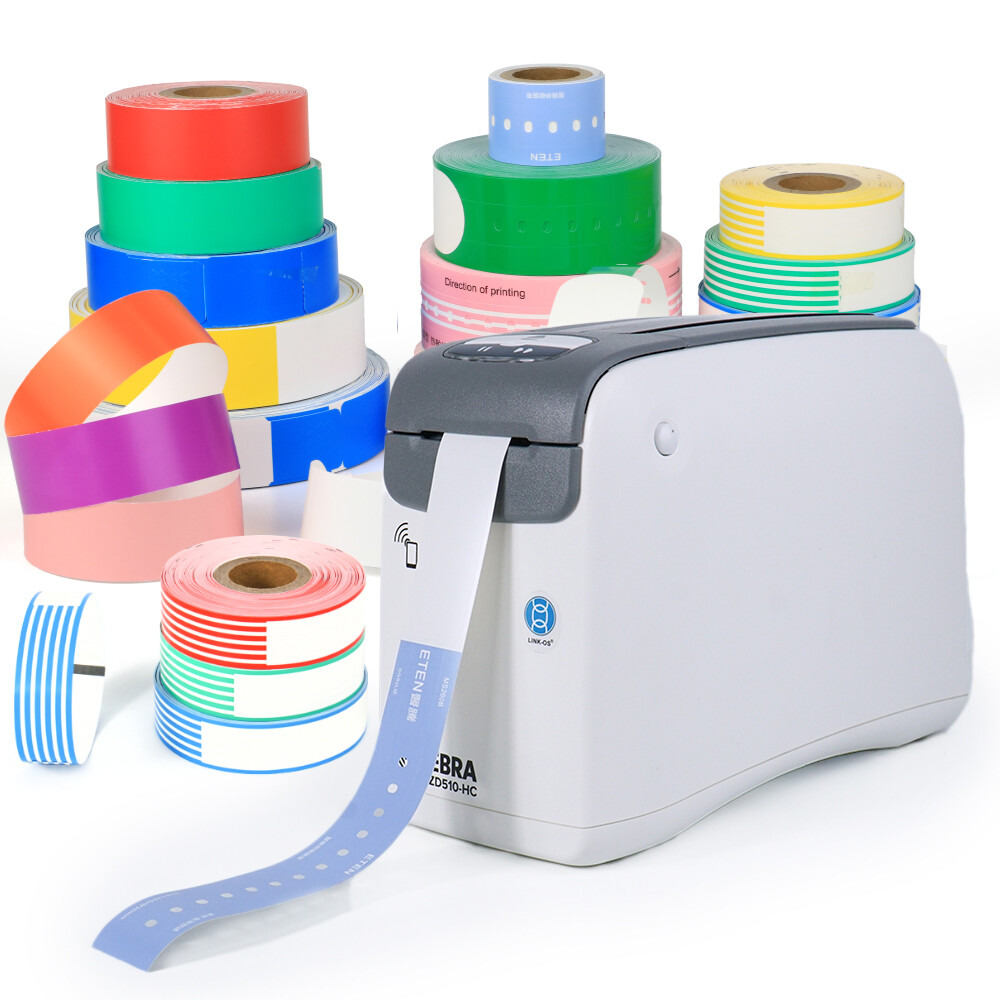
For wristband-related events, MAUDE is particularly valuable because it captures the granular details of what went wrong in real clinical settings. A search of MAUDE might reveal reports of skin reactions to wristband materials, barcode scanning failures that led to identification errors, or mechanical failures that resulted in wristbands falling off patients. Each report includes structured data fields including event description, device information, patient demographics, and health effect codes.
A representative MAUDE report for a wristband-related device illustrates the type of information captured. One report described a patient who developed erythema and blisters after using a rechargeable wristband device. The patient, reporting voluntarily, noted the product lacked FDA establishment registration or 510(k) clearance. While this particular device fell outside standard patient identification wristband categories, it demonstrates how MAUDE serves as an early warning system for problematic products reaching patients.
More directly relevant are MAUDE reports involving patient identification wristbands in clinical use. A report involving a glucose meter described how invalid patient ID readings from a wristband led staff to override the system, resulting in test results that failed to post to patient records. The investigation revealed the wristband barcode was not reading correctly. Such reports highlight the interconnected nature of wristband failures—a scanning problem becomes a documentation problem, which becomes a patient safety risk.
FDA Enforcement Reports
The FDA Enforcement Report is the agency's weekly publication listing all recalls monitored by FDA, including medical devices. Each entry includes the recall classification, product description, code information, recalling firm, reason for recall, and the specific action being taken.
For healthcare organizations, the Enforcement Report offers several advantages over MAUDE. First, it is a curated source—entries have been reviewed by FDA and classified according to hazard level. Second, it covers the full spectrum of recall types, from firm-initiated voluntary recalls to FDA-requested actions. Third, the report includes "not yet classified" recalls, meaning certain actions are posted before hazard assessment is complete, providing earlier visibility.
The Enforcement Report can be accessed through weekly publications, search functionality, or an Application Programming Interface (API) for organizations with automated monitoring systems. An example of a wristband-adjacent recall from this system involved a water-resistant pendant with wristband component, recalled due to premature battery depletion that could prevent emergency call alarms from being received. While this device served a different function than identification wristbands, the recall mechanism and response expectations are analogous.
Manufacturer Direct Notifications
Manufacturers and distributors are required to issue recall notifications directly to their customers. These notifications typically contain detailed product identification information—lot numbers, catalog numbers, distribution dates—along with instructions for returning or disposing of affected products. Direct notifications may reach organizations before the recall appears in public FDA channels, particularly for smaller recalls that do not rise to the level of a public warning.
ECRI and Other Alert Services
Organizations may also subscribe to third-party alert services such as ECRI Health Devices Alerts, which aggregate and analyze recall information from multiple sources. University health systems often subscribe to both FDA Enforcement Reports and ECRI alerts to ensure comprehensive coverage.
The Anatomy of a Recall Response: Operational Procedures
When a patient wristband recall notification arrives—whether from the manufacturer, the FDA, or an alert service—healthcare organizations must execute a structured response. The specific procedures vary by institution, but effective programs share common elements.
Initial Receipt and Routing
In many healthcare organizations, Environment, Health and Safety (EH&S) departments serve as the central receiving point for recall and alert notifications. Upon receipt, EH&S personnel review the notification to determine which departments or units may possess the affected product. The notification is then routed to the appropriate responsible individuals for action.
Critical to this step is the distinction between urgent and non-urgent recalls. For life-threatening recalls—such as Class I actions—the notification process is accelerated, with hand delivery or fax transmission to responsible individuals and a requirement for return confirmation within 24 hours. Standard recalls allow a longer response window, typically five working days.
Product Identification and Inventory Check
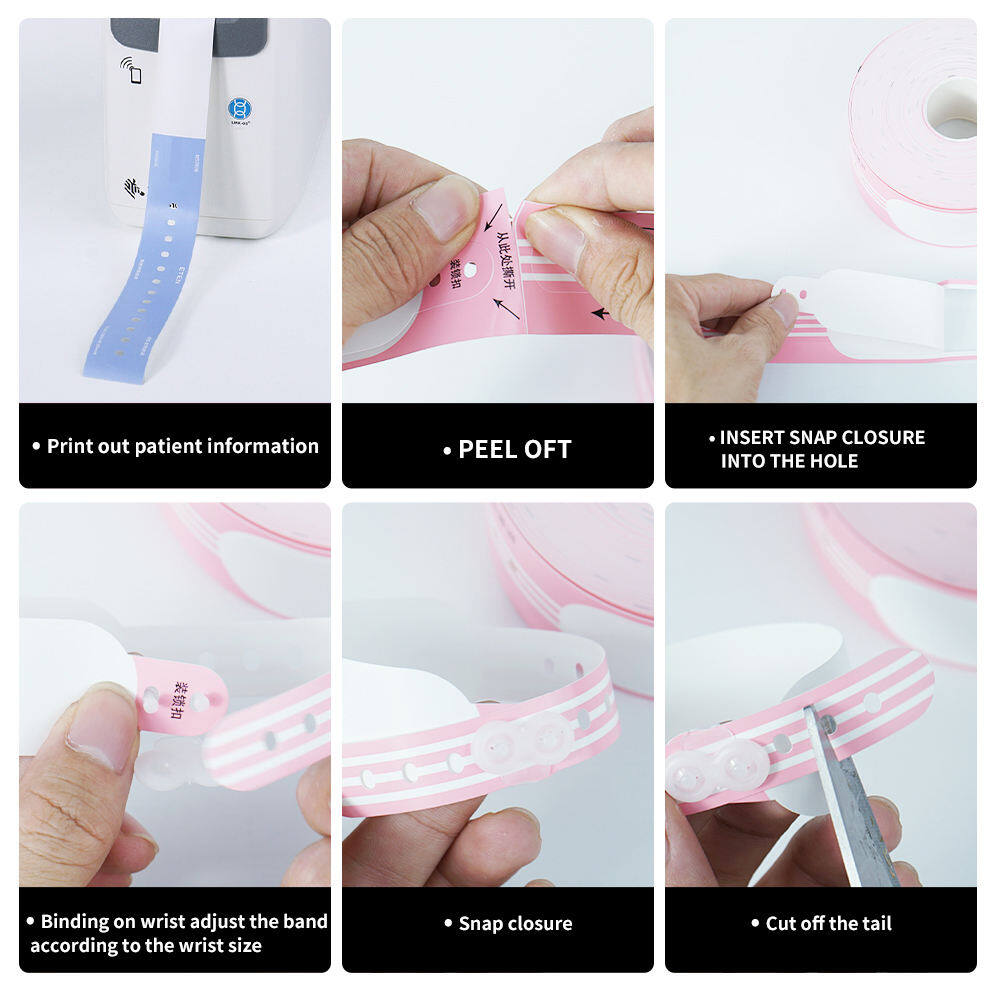
The responsible department must determine whether it possesses the recalled product. For patient wristbands, this involves checking current inventory against the product identifiers in the recall notice: manufacturer name, product description, model or catalog numbers, lot numbers, and manufacturing date codes.
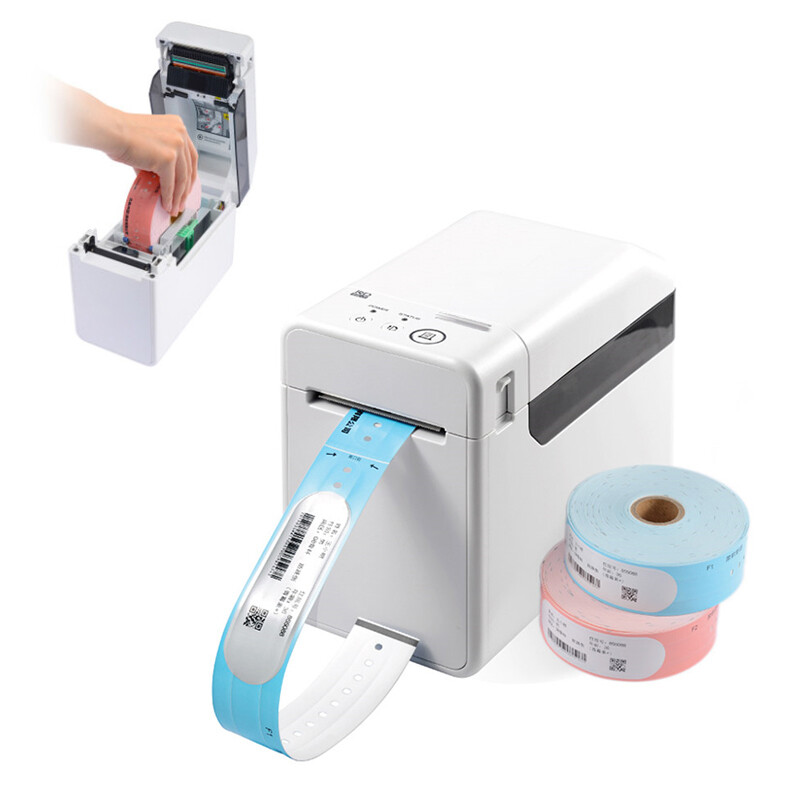
This step can be complicated by the fact that wristbands may be distributed across multiple storage locations—central supply, individual nursing units, emergency departments, and procedural areas. A thorough inventory check must account for all potential storage sites, including specialty stock such as bariatric patient wristbands, extended-length wristbands and ankle bands for patients whose wrist sites are inaccessible.
Segregation and Removal from Service
If affected product is identified, it must be immediately removed from service. The standard procedure is to quarantine the product in a designated area, clearly labeled as recalled, until it can be returned to the manufacturer, disposed of, or certified safe for use. Under no circumstances should recalled wristbands continue to be applied to patients while the recall is being investigated.
Patient Notification and Follow-Up
The most complex element of recall response involves situations where recalled wristbands have already been applied to patients. If the recall involves a defect that could cause patient harm—for example, a material that causes skin reactions or a barcode that scans incorrectly—the organization must determine whether patients need to be notified and, if so, how.
This assessment requires input from clinical leadership, risk management, and often the attending physician. For wristband recalls involving potential infection risk or skin reactions, the calculus may involve identifying and contacting patients who wore the affected bands during the recall period. For recalls involving barcode scanning failures, the more pressing concern may be retrospective review of whether any patient misidentifications or documentation errors occurred while the defective wristbands were in use.
Documentation and Reporting
Every recall response must be documented. At minimum, records should include: the date and source of the notification; the product identification information; the action taken (no action required, product removed from service, product returned, product repaired); the date of action; and the individual responsible for the response.
Organizations with more mature recall management systems maintain these records for defined retention periods—often five years or more—and aggregate them for periodic review by safety committees. This review process allows organizations to identify patterns, assess the effectiveness of their recall response procedures, and implement improvements.
Proactive Strategies: Beyond Reactive Recall Response
While the ability to respond effectively to wristband recalls is essential, the most safety-conscious organizations also implement proactive strategies that reduce the likelihood of patient harm from problematic wristband products.
Vendor Qualification and Product Evaluation
Before a wristband product is introduced into clinical use, a structured evaluation process can identify potential problems. This evaluation might include review of the manufacturer's regulatory status, testing of barcode readability across the organization's scanning systems, assessment of material biocompatibility, and pilot testing on a limited patient population.
Standardization and Color Coding
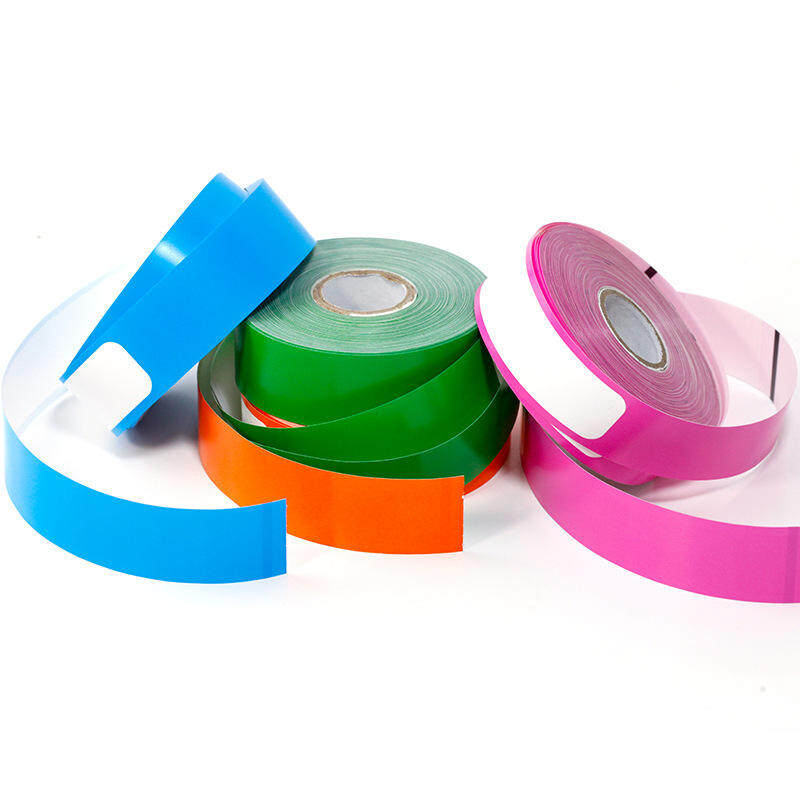
The experience of the UK's National Patient Safety Agency, which documented 2,900 wristband-related incident reports over a twelve-month period, led to recommendations for wristband standardization. In the United States, the American Hospital Association's color-coding recommendations—purple for DNR, red for allergy, yellow for fall risk—provide a framework that reduces the likelihood of confusion. The FDA has reinforced these recommendations, urging manufacturers to reserve purple exclusively for DNR status.
Staff Training on Wristband Application and Verification
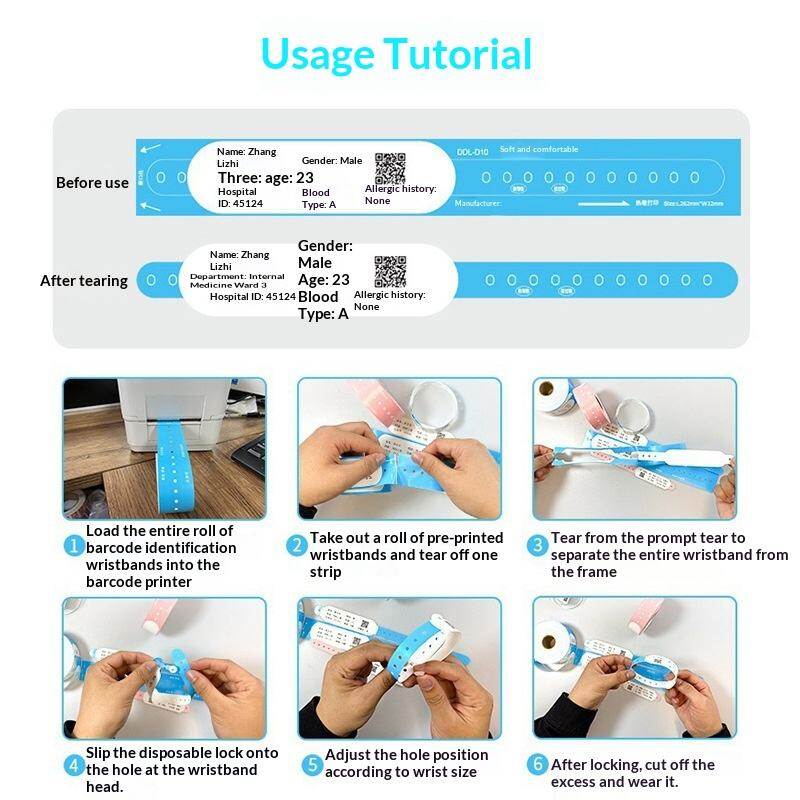
Many wristband failures originate not with the device itself but with how it is applied and used. Training should address proper application technique to ensure the wristband remains secure and legible, the importance of scanning rather than manually entering identification data when barcode technology is available, and the appropriate response when a wristband cannot be read or scanned correctly.
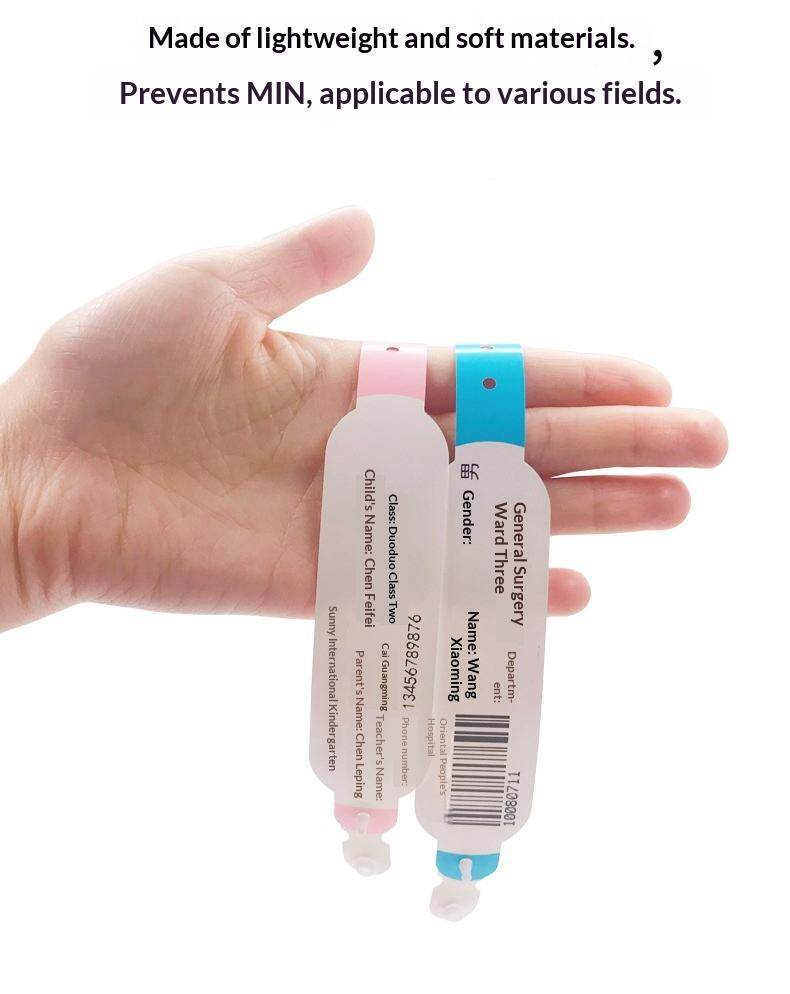
The MAUDE report describing staff overriding a "patient ID not valid" error—rather than investigating the wristband issue—illustrates what can go wrong when frontline staff lack clear guidance on handling scanning failures. Every wristband scanning failure should trigger a defined workflow: obtain a new wristband, verify patient identity through an independent source, and document the incident.
Building a Resilient Wristband Safety Program
Patient wristband recalls and safety alerts are not rare events. They are an inherent feature of the medical device landscape, affecting products ranging from sophisticated monitoring wristbands to basic identification bands. What distinguishes high-reliability organizations is not the absence of recalls but the presence of robust systems for detecting, responding to, and learning from them.
An effective program requires designated responsibility for monitoring alert channels—MAUDE, Enforcement Reports, manufacturer notifications, and alert services. It requires written procedures for recall response that specify timelines, responsible individuals, and documentation requirements. It requires integration with clinical workflows so that recalled products are quickly removed from patient care areas. And it requires a culture of reporting in which staff feel empowered to flag wristband problems rather than working around them. Benchmarking programs such as CAP Q-Probes give safety committees an external reference point for measuring patient identification accuracy and wristband-related error rates across peer institutions.
For healthcare organizations, the wristband is a small device with an outsized role in patient safety. Monitoring and responding to wristband recalls is not bureaucratic overhead—it is a direct investment in the reliability of the identification systems upon which every other clinical process depends. Whether the inventory includes standard adult bands, bariatric patient wristbands, extended-length wristbands or ankle bands, a disciplined recall program keeps every one of them trustworthy at the point of care.
Continue Reading
Have Questions About Wristbands?
Our team is ready to help you find the perfect wristband solution for your needs. Contact us directly on WhatsApp for quick responses.
Contact on WhatsApp