
From Admission to Discharge: The Standardized Lifecycle of the Patient Wristband — A Deep Dive into Material Selection, Information Protocols, Application Procedures, Verification Systems, and Safe Removal
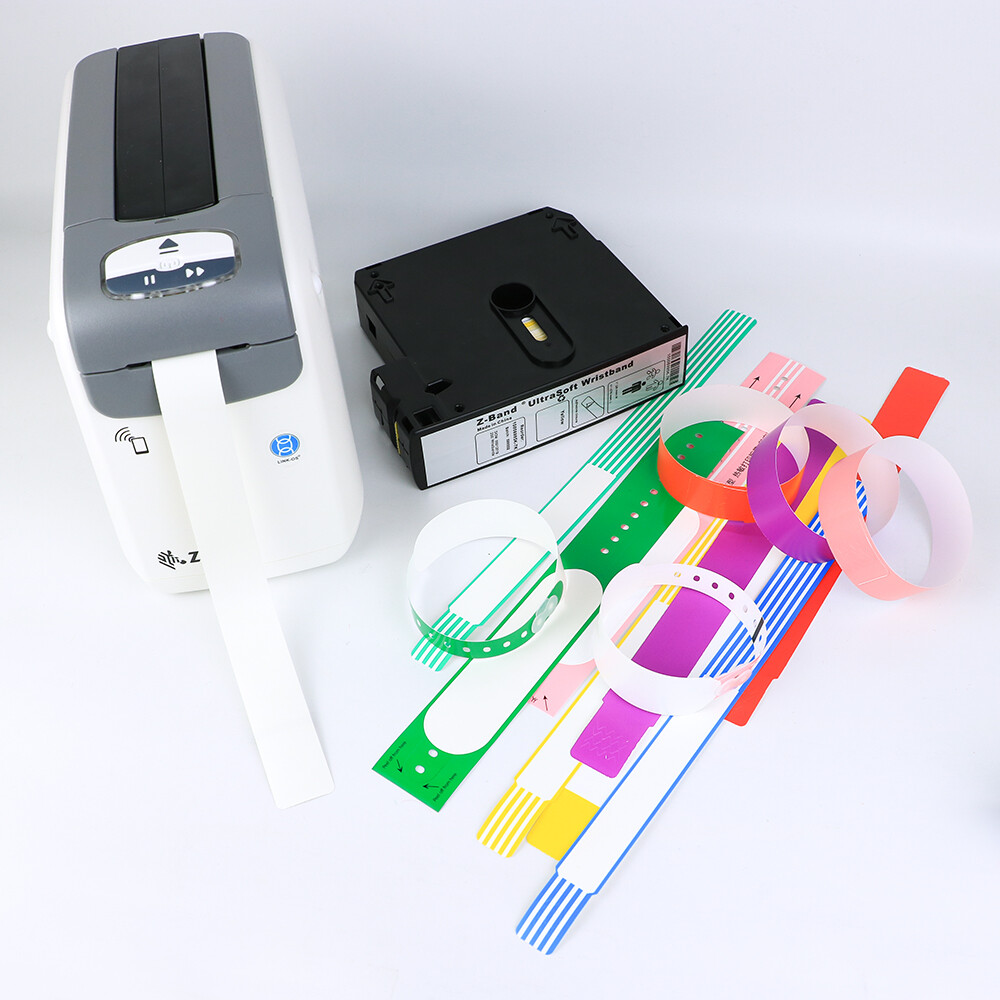
In the complex, fast-paced ecosystem of a modern hospital, the patient wristband is far more than a simple strip of plastic or paper. It is the patient's "identity card," a constant, physical link between an individual and their electronic health record (EHR), and a primary defense against one of healthcare's most pervasive threats: misidentification. A failure in this system can lead to devastating wrong-patient errors, including medication errors, unsafe procedures, incompatible blood transfusions, and diagnostic errors. This article provides an in-depth exploration of the patient wristband's complete lifecycle — from the moment of admission to its final removal at discharge. We will examine the evidence-based standards for material selection, the critical process of information filling, the correct application protocols, the mandatory double-check verification systems, and the safe, compliant removal process, highlighting how each step is a vital component of a comprehensive patient safety strategy.
The Foundation: Material Selection and Design
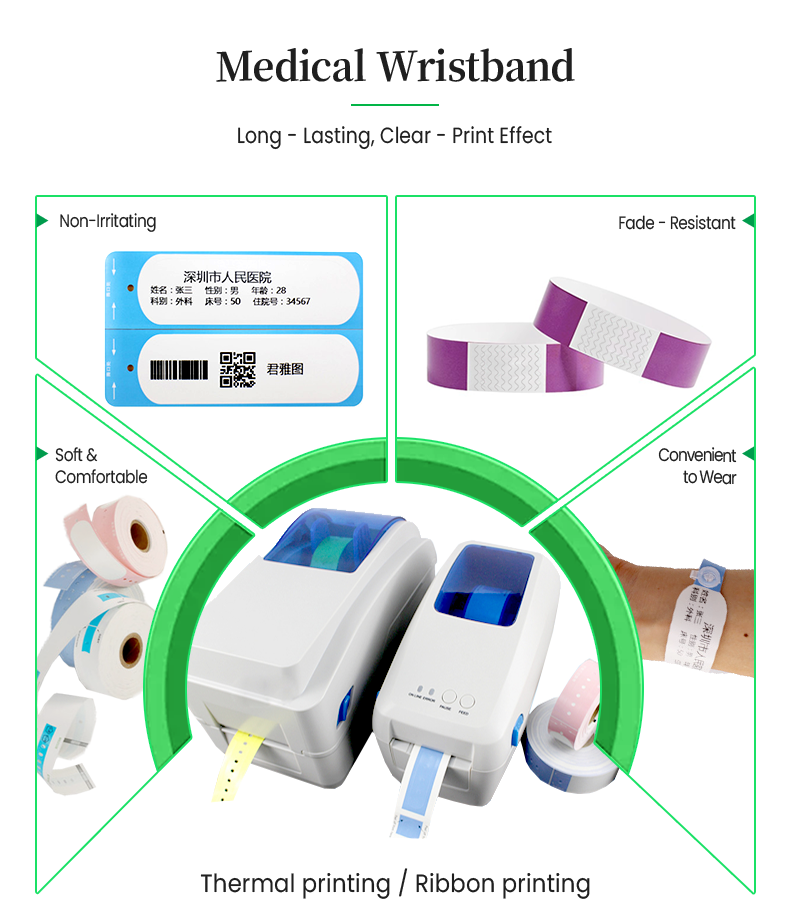
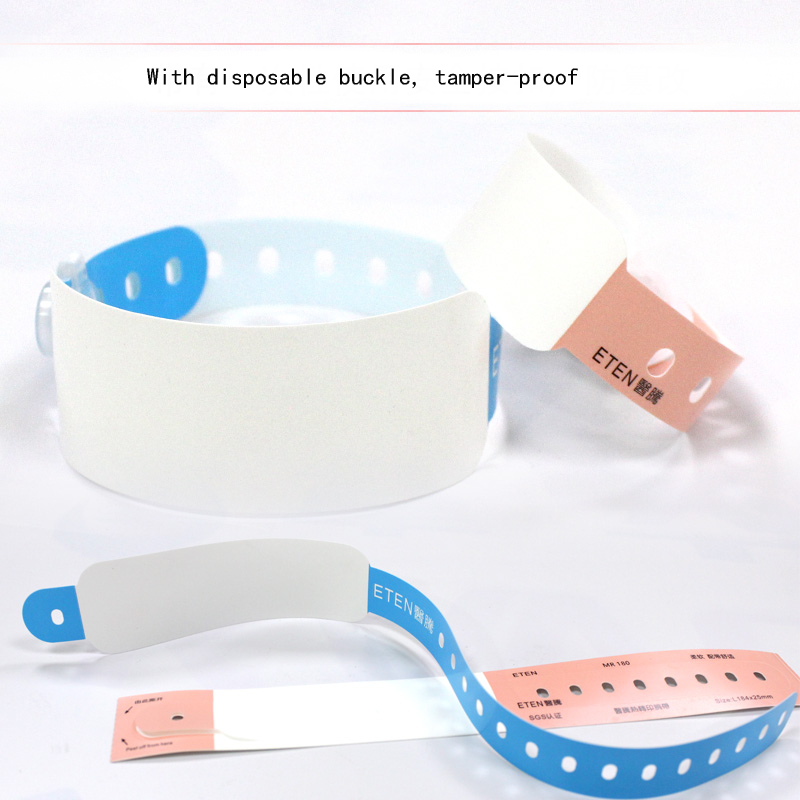
The journey of a safe wristband begins with its physical properties. A wristband that is uncomfortable, illegible, or easily damaged is a wristband that will be removed or ignored. As the National Patient Safety Agency (NPSA) in the UK stipulated, wristbands must be comfortable for patients, easy to keep clean, and secure. The selection process is a clinical decision that must balance patient comfort with the rigorous demands of a healthcare environment.
Core Physical Properties
A clinically appropriate wristband must be:
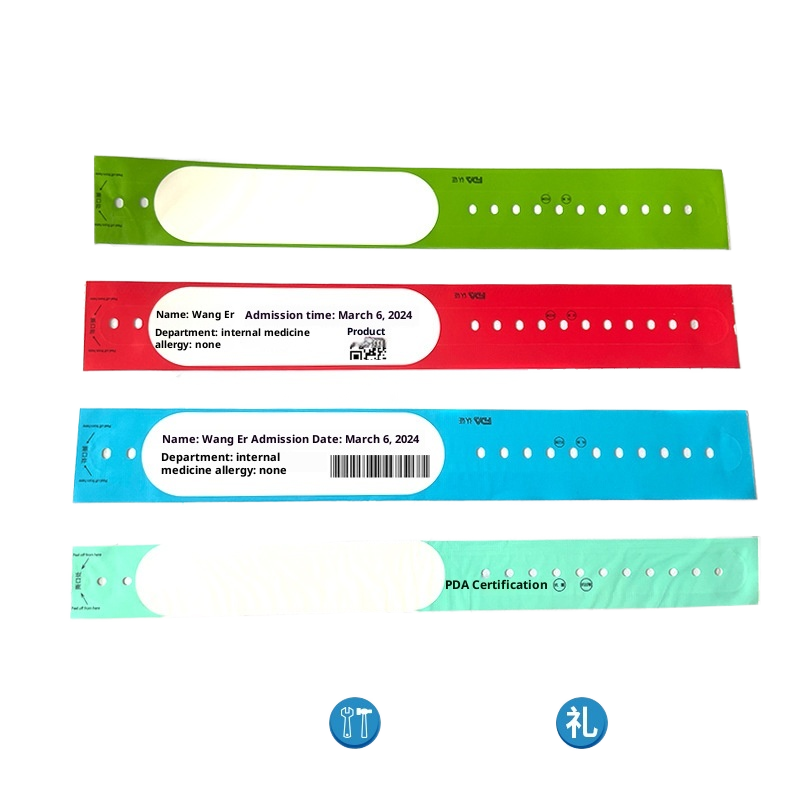
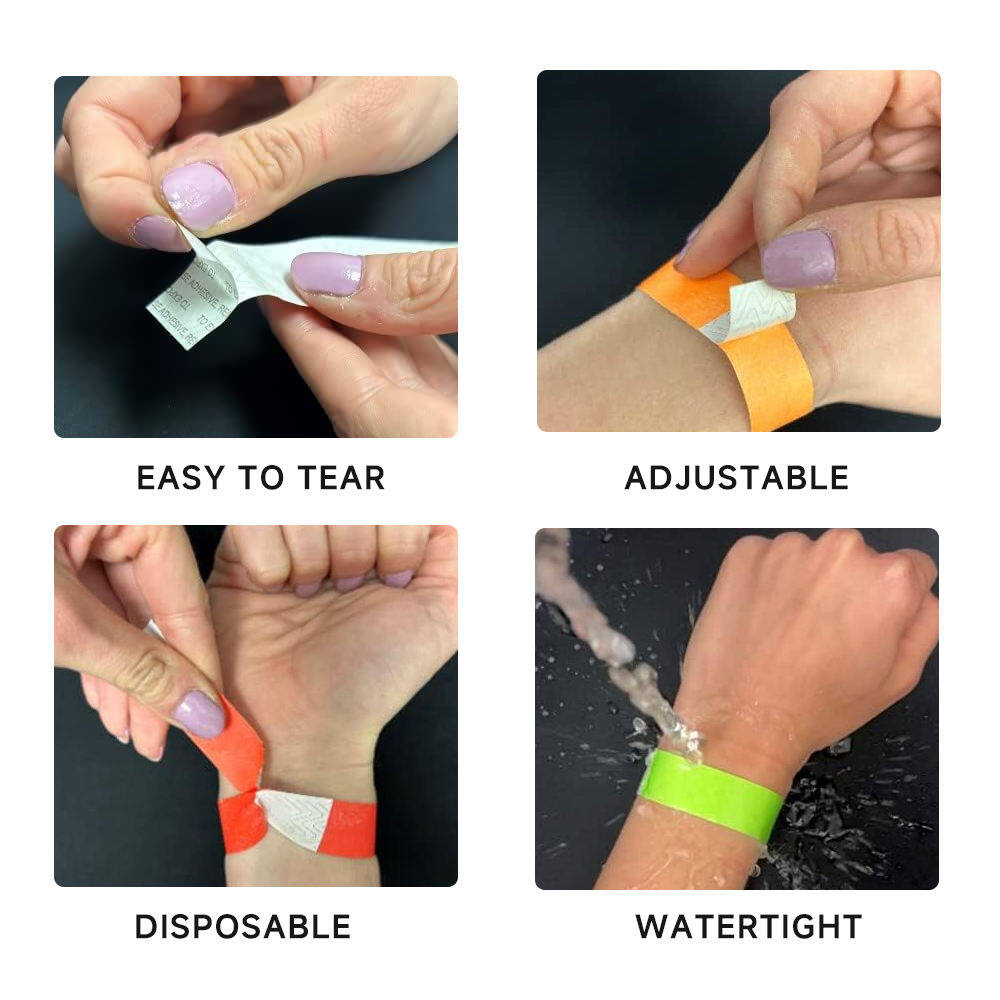
- Durable and Waterproof: The wristband must withstand constant exposure to soap, water, alcohol-based hand sanitizers, and bodily fluids without fading or smudging. A thermal print is standard for this purpose, as it produces durable, high-contrast text and barcodes that remain legible for the duration of a patient's stay.
- Hypoallergenic and Latex-Free: To prevent adverse skin reactions, materials must be safe for all patients, including those with sensitive skin or known allergies.
- Tamper-Evident: The fastening mechanism should make it obvious if the wristband has been removed or tampered with. This is crucial for patients who may be confused, such as those with dementia, or for newborns in a nursery.
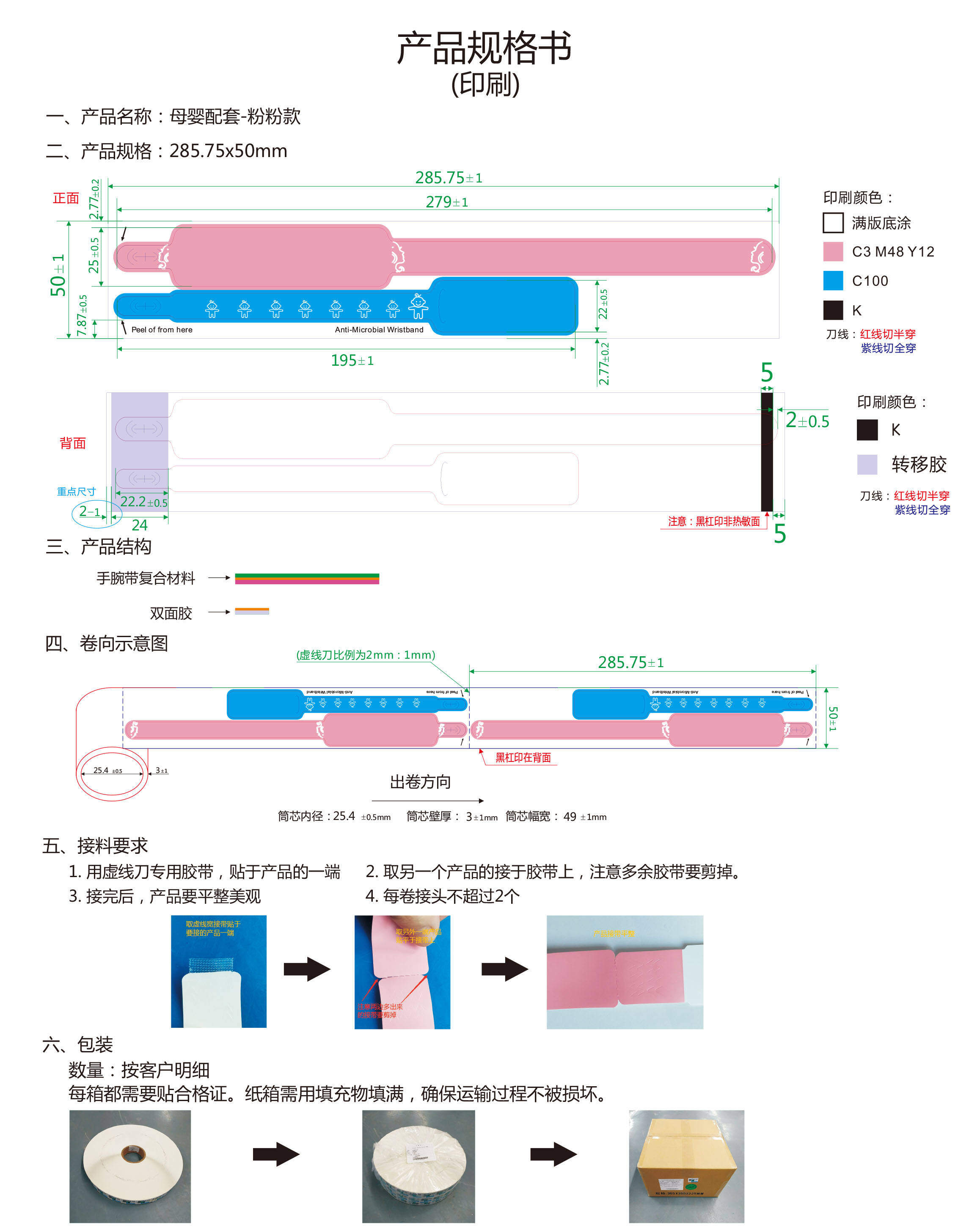
- A Range of Sizes: The NPSA guidance explicitly calls for wristbands to come in "a range of sizes to fit all patients, from the smallest newborn babies through to overweight patients and patients with oedema and those with intravenous lines and bandages." This ensures that a secure, comfortable fit can be achieved for every individual.
- Readability: The print area must be large enough and the font clear enough to be easily read in variable lighting conditions. Information must be "easy to read and durable throughout the patient's stay."
The Color-Coding Conundrum and the Push for Standardization
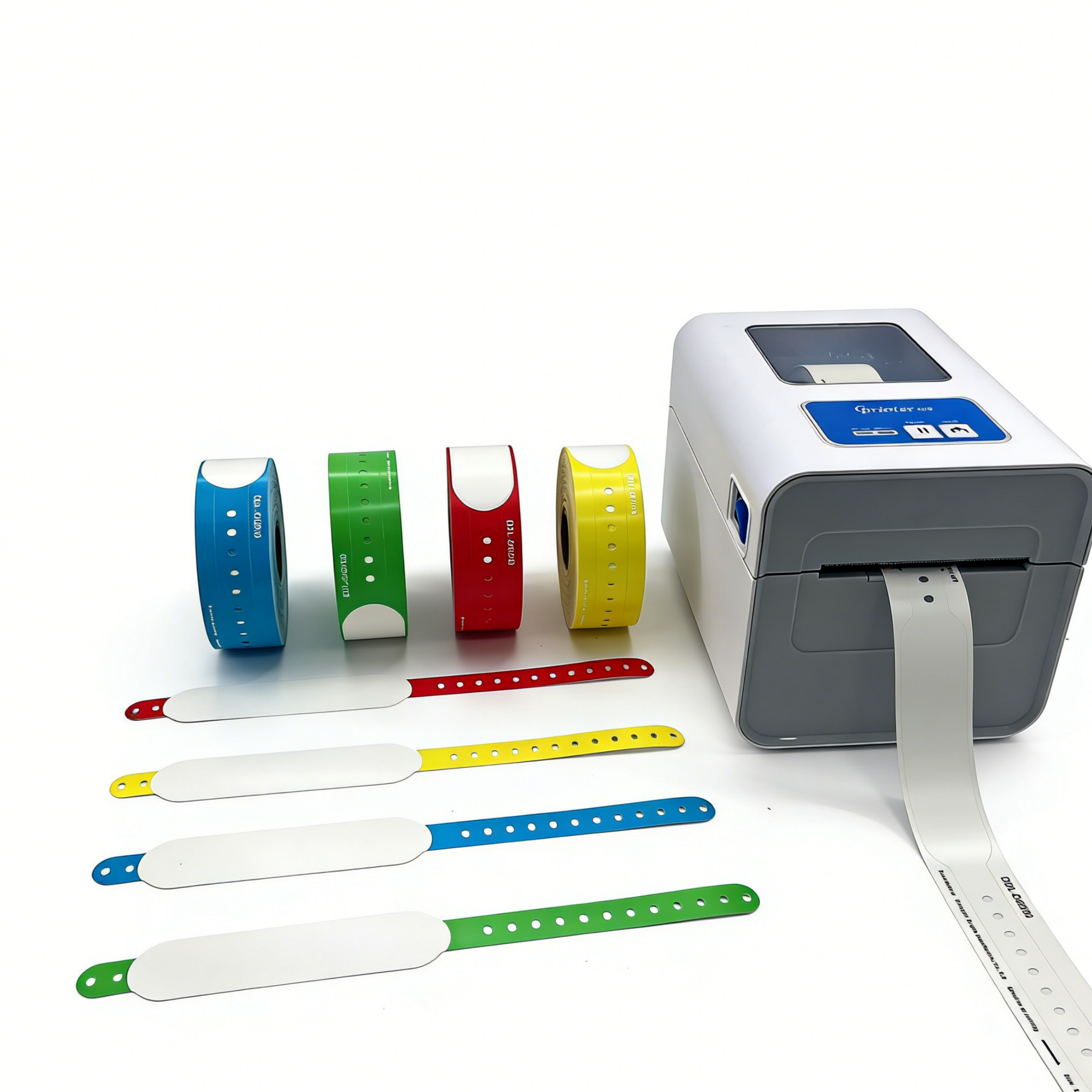
One of the most significant areas of risk and evolution in wristband design has been the use of color-coded wristbands to communicate specific patient risks at a glance, such as allergies, fall risk, or DNR status. The lack of standardization in this area has been a source of profound patient safety events.
A landmark case that brought this issue to national attention occurred in Pennsylvania when a patient experiencing cardiac arrest almost wasn't resuscitated because they had been mistakenly given a yellow wristband, which that hospital used to indicate a DNR order. The nurse who applied the yellow wristband also worked at another hospital where yellow meant "restricted extremity." This near-miss, reported to the Pennsylvania Patient Safety Authority (PA-PSA), uncovered a shocking reality: a survey found that hospitals in the state were using nine different colors to communicate 22 different messages. A DNR order, for example, could be indicated by five different colors, and an allergy by seven. A subsequent survey in Missouri identified a staggering 29 colors being used to communicate 21 clinical conditions.
This lack of standardization poses a severe risk, especially given the high number of traveling nurses and inter-facility patient transfers. To mitigate this, a national movement has been underway to standardize color-coding. The American Hospital Association (AHA) and many states have adopted a recommended color scheme:
- Red: Allergy alert
- Yellow: Fall risk
- Purple: Do Not Resuscitate (DNR)
- Pink: Restricted extremity (e.g., no blood draws/IV on this arm)
As of now, around 35 states have adopted some form of this standardized system. However, because universal implementation has not been achieved, the safest practice is to rely on more than just color. The use of wristbands preprinted with text (e.g., "ALLERGY," "FALL RISK") is crucial to eliminate ambiguity, particularly for the small percentage of the population with color blindness and in low-light clinical situations. This "dual-cue" approach (color and text) is the gold standard.
At the Point of Admission: The Information Filling Process
The process of creating a patient wristband is the first and most critical step in the identification lifecycle. Errors made here are propagated throughout the entire hospitalization, potentially leading to a cascade of errors. The new Patient Identification SAFER Guide and the National Health Service (NHS) guidelines emphasize that this process must be standardized and robust.
Core Identifiers and Data Entry
The wristband must contain a set of "core patient identifiers" to enable accurate matching. These are universally recognized as:
- Patient's surname (last name)
- Patient's first name
- Date of birth (DOB)
- A unique medical record number (MRN), hospital number, or NHS number
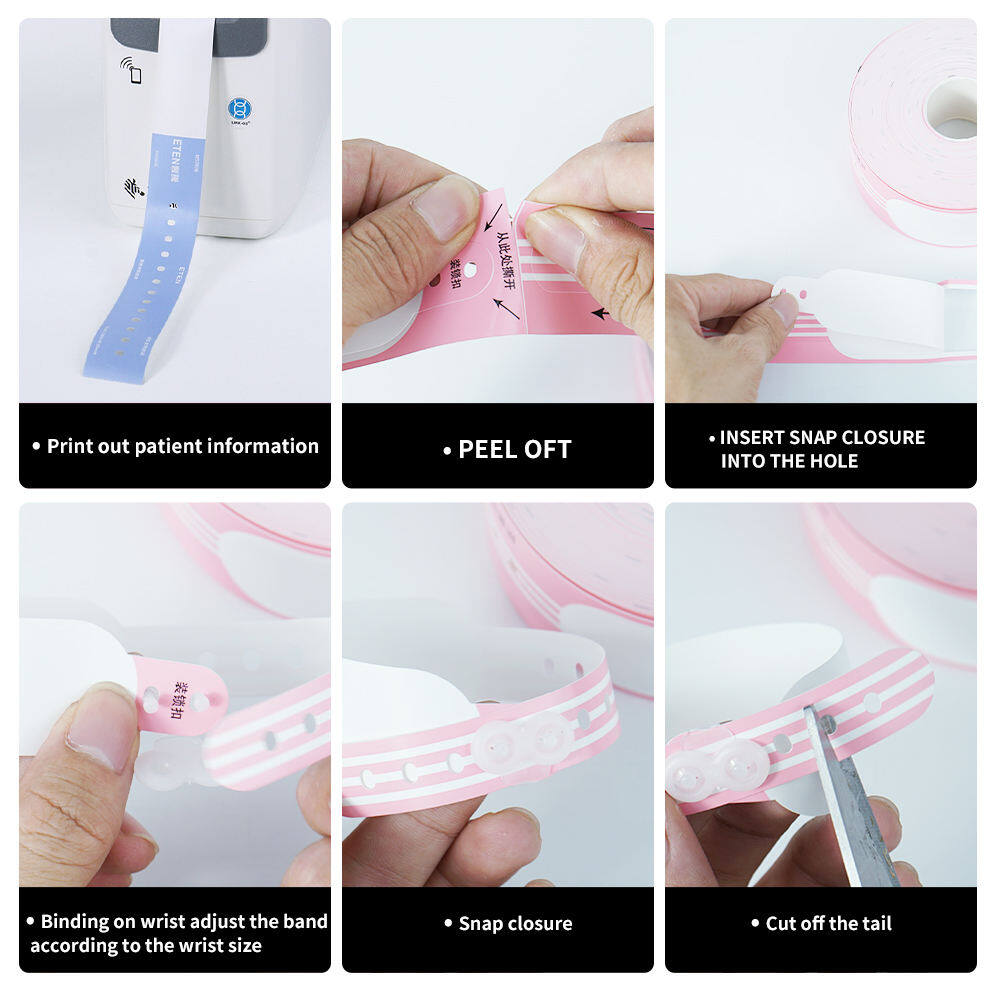
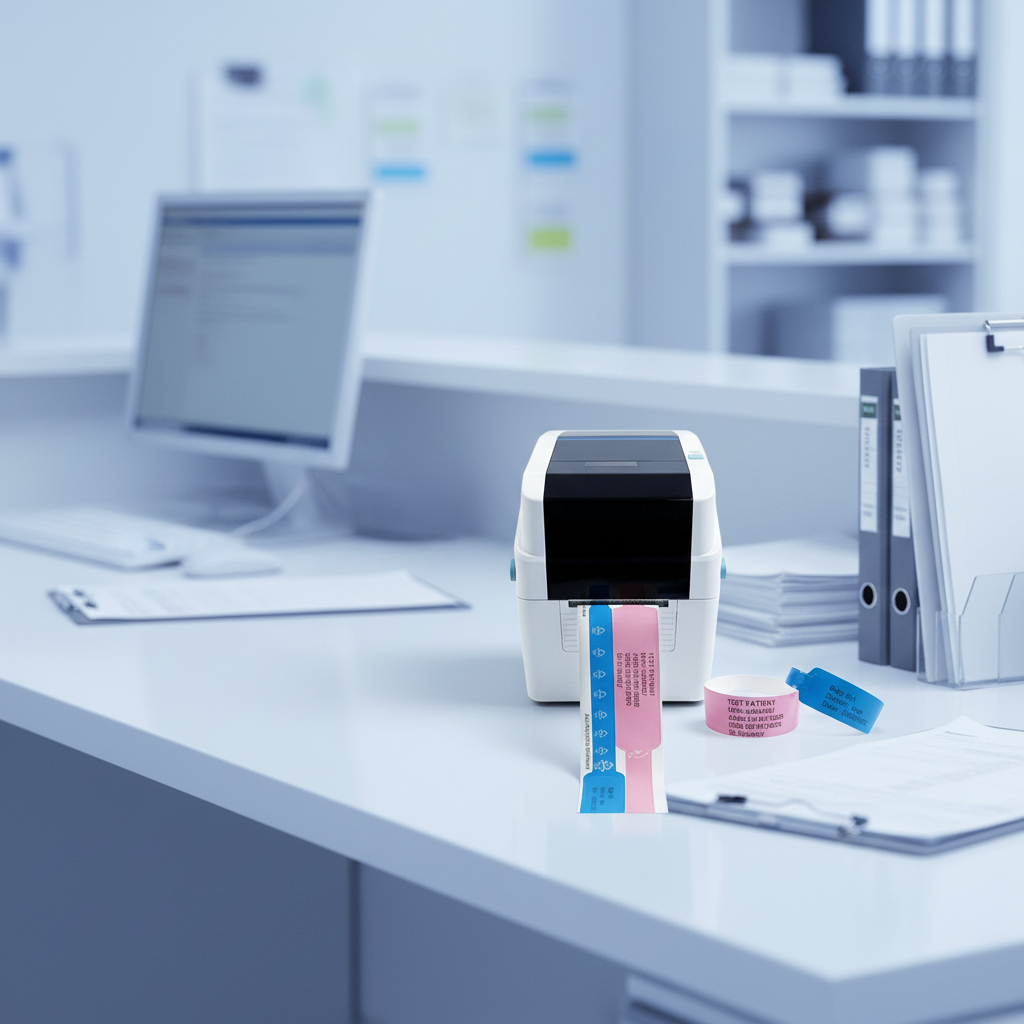
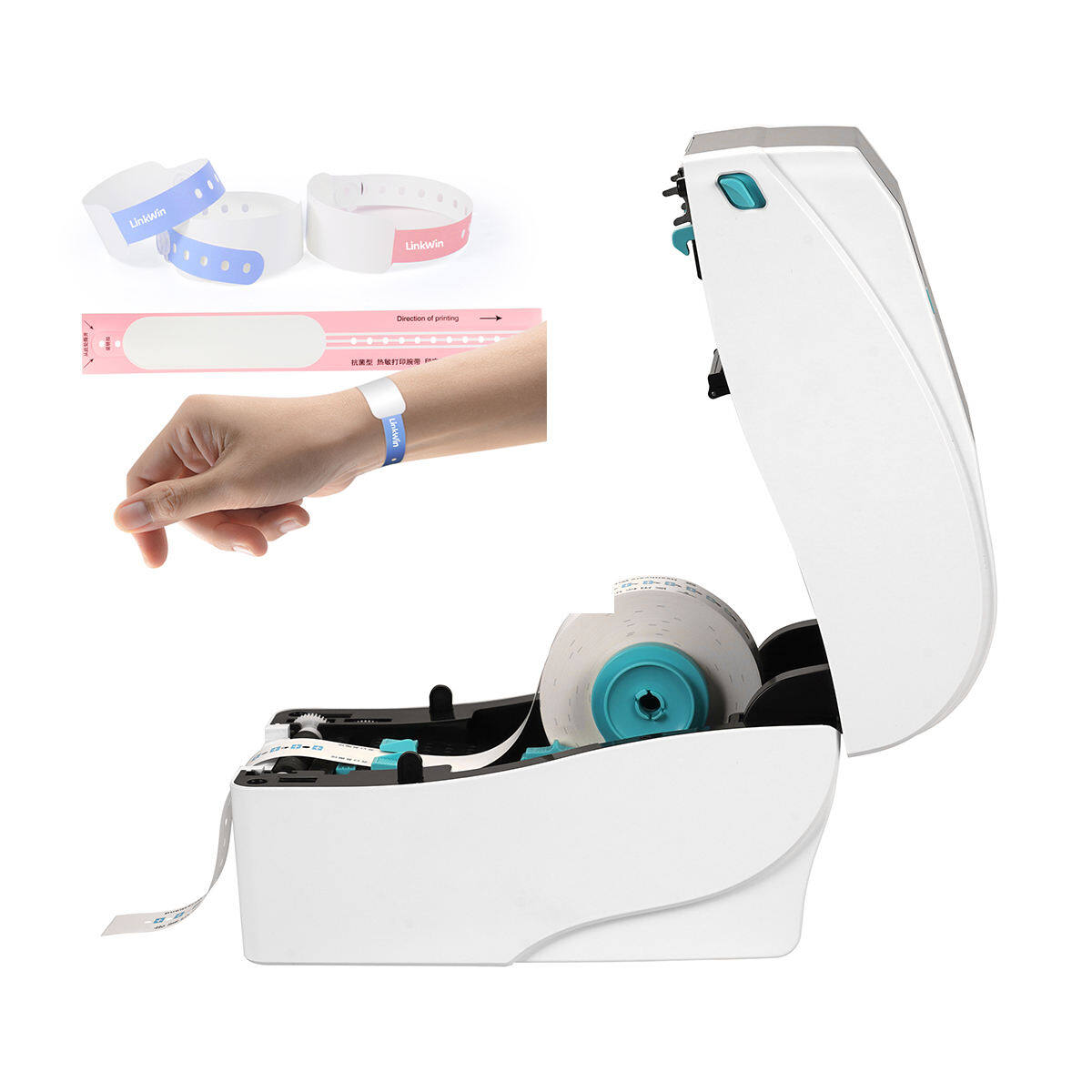
The NPSA guidance is explicit that wristbands should be "generated and printed from the hospital demographic system (for example, the patient administration system) at the patient's bedside, wherever possible." This is a critical safeguard. By printing the wristband at the bedside using the data directly from the hospital's central system, staff eliminate the risk of transcribing information from a paper chart. Common errors, such as transposing digits in a hospital number or misspelling a name, are avoided. The Australian Commission on Safety and Quality in Health Care also mandates that health service organisations have "systems in place that ensure correct identification and procedure matching for patients."
The Role of the Patient in Verification
The process must be a "two-way communication." A clinician should not simply read the information to the patient and ask them to confirm. Instead, the patient (or their caregiver/family member) should be asked to state their full name and date of birth. This information is then compared against the wristband and the patient's medical record. A study on patient identification errors found that before administering medication, identification wristbands were used for only 16 out of 34 patients, and that a key point of failure is not asking the patient to state their name. If a patient cannot provide this information (e.g., due to a comatose state, dementia, or because they are a newborn), then verification must be done with family members or by using two staff members to confirm the information against the patient's documentation.
The Application: Correct "Posture" and Placement
Once the wristband is created, its secure and correct application is the next essential step. Poor application can lead to the wristband falling off, being removed by the patient, or causing discomfort and skin irritation.
Standard Protocols
- Timing: Ideally, the wristband is applied immediately upon admission. For patients admitted through an emergency "green channel" or in an urgent situation, it should be applied as soon as the patient is stable and their information is confirmed.
- Wrist Placement: The standard placement is on the patient's nondominant wrist. This is to minimize interference with activities like writing or eating.
- Exceptions: In certain situations, alternative placement is necessary. For patients with intravenous (IV) lines, bandages, or casts, the wristband should be placed on an alternative site, such as the other wrist or the ankle. For agitated patients with dementia who may attempt to remove the band, placing it on the ankle makes it more difficult for them to access, providing a continuous safeguard. For newborns, a dual-band system is standard practice: one on the wrist and one on the ankle.
- Security: The band must be applied snugly enough that it cannot slide over the hand but loose enough that it does not constrict circulation. The clinician must check that two fingers can fit comfortably between the band and the patient's skin. The fastening mechanism should be secure and tamper-evident. For patients with edema, a larger band is necessary to ensure comfort and avoid pressure injuries.
The Check: The 5 Rights of Clinical Care
The wristband is not merely an accessory; it is the primary tool for the "double-check" that is foundational to safe clinical care. This is where the "right patient" is verified as part of the "5 Rights" of medication administration (Right Patient, Right Drug, Right Dose, Right Route, Right Time) and analogous protocols for surgery and transfusions.
Mandatory Double-Check Protocols
A standardized wristband system mandates that a patient's identity be verified:
- At Admission and Transfer: The patient's identity is verified when they are admitted to a unit and every time they are transferred to a new department or ward.
- Before Medication Administration: A clinician must check the patient's wristband and match it to the medication administration record (MAR) before any medication is given. A study showed that verifying patient ID is defined as "matching the patient to the ID band" and is a core part of the medication administration process.
- Before Any Procedure or Surgery: This is a key step in the WHO Surgical Safety Checklist. The team must confirm the patient's identity, the surgical site, and the procedure using the wristband and patient documentation.
- Before Blood Transfusions: This is a high-risk area where errors are especially catastrophic. The bedside electronic transfusion systems that use barcode matching of patients' wristbands and blood units are now recommended as best practice to ensure patient safety.
- During Handoffs: When responsibility for a patient is transferred from one clinician to another, the patient's identity must be re-verified.
The "Two-Identifier" Rule and Barcode Scanning
The two-identifier rule is the gold standard. This means using at least two separate pieces of information from the patient and the wristband/EHR to confirm identity. Typically, this is the patient's stated name and date of birth, or the name and MRN. The use of barcoding and RFID (radiofrequency identification) technology further enhances this check. By scanning the wristband's barcode, the clinician can instantly retrieve the correct patient's EHR, virtually eliminating the risk of a wrong-patient error due to a manual data entry mistake. This technology is a central component of the updated Patient Identification SAFER Guide.
The Discharge: Safe Removal and Data Compliance
The lifecycle of the patient wristband concludes at discharge. While it might seem a trivial step, the process of removal is also governed by important safety and privacy regulations.
The Protocol for Removal
- Timing: The wristband is removed only when the patient has been officially discharged from the hospital or, in some cases, when they are transferred to another facility where a new wristband will be applied.
- Who Can Remove: This is typically part of the nursing discharge procedure. The patient or their family should not remove the wristband themselves; it should be removed by a staff member. If a patient is being transferred, it is standard practice for the receiving facility to apply their own wristband, and the transferring facility's band can be removed.
Data Protection and Disposal
The wristband contains personally identifiable information (PII) — the patient's full name, date of birth, and medical record number. As such, its disposal is a matter of data protection compliance. The wristband must be disposed of in a manner that ensures the destruction of this sensitive information. This typically means placing it in a secure, confidential waste bin or shredding it. As one clinic's policy states, "as soon as your hospital stay is over, we will dispose of the wristband in accordance with data protection regulations." This final step ensures that the patient's privacy is protected even after their clinical care has concluded.
Conclusion
The journey of a patient wristband from admission to discharge is a microcosm of a hospital's entire commitment to safety and quality. It is a process that demands rigorous attention at every step. The selection of the right durable, waterproof, and hypoallergenic material ensures the band will stay on and remain legible. The creation of the band using accurate, verified data from the central EHR prevents the transcription errors that underlie many patient identification errors. The careful application considers the patient's individual needs, while the mandatory two-identifier verification protocol is the active, clinical guardrail against wrong-patient errors during medication, surgery, and transfusion. Finally, the secure destruction of the wristband at discharge preserves patient privacy.
As the healthcare industry moves toward even more robust systems — incorporating patient photographs, biometric identification, and RFID tracking as recommended by the updated SAFER Guide — the fundamental principles remain unchanged. The wristband is the patient's "voice" when they cannot speak and their anchor in a system where a single misread character can lead to devastating harm. For healthcare professionals, administrators, and patients alike, understanding and respecting this full lifecycle is not just a matter of policy; it is a non-negotiable pillar of safe and compassionate care.
Continue Reading
Previous Article
From Blurry Ink to Digital Certainty: How Barcode and RFID Wristbands are Revolutionizing Patient Identification and Healthcare Efficiency
Next Article
The Silent Guardians: How Patient Wristbands Safeguard the Most Vulnerable — A Deep Dive into Surgical, Comatose, Dementia, and Neonatal Care
Have Questions About Wristbands?
Our team is ready to help you find the perfect wristband solution for your needs. Contact us directly on WhatsApp for quick responses.
Contact on WhatsApp