
From Blurry Ink to Digital Certainty: How Barcode and RFID Wristbands are Revolutionizing Patient Identification and Healthcare Efficiency
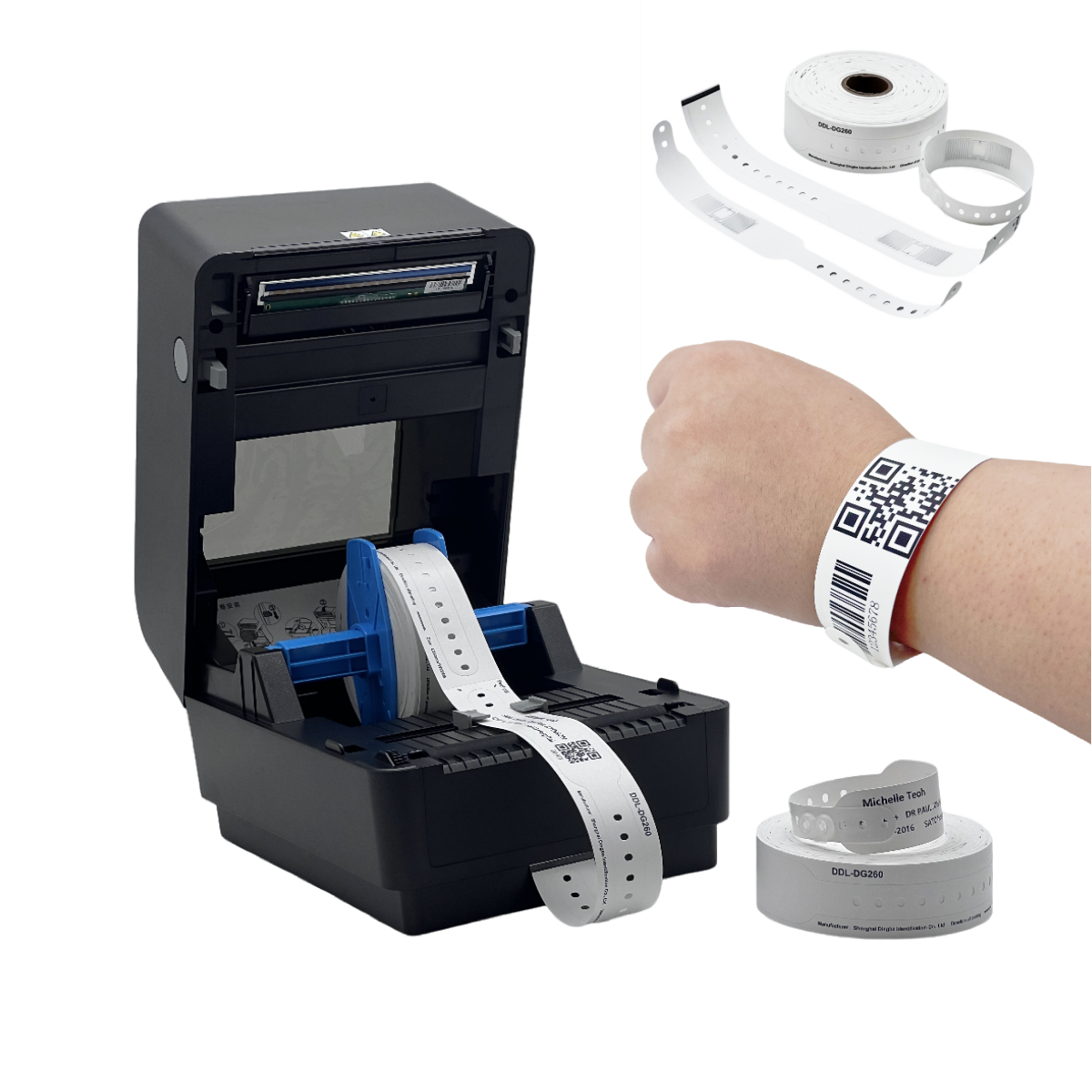
Introduction: The Critical Imperative of Accurate Patient Identification
In the high-stakes environment of modern healthcare, accurate patient identification is not merely an administrative formality; it is the foundational pillar of patient safety and clinical excellence. Every year, millions of patients worldwide are affected by medical errors, with a significant portion stemming from misidentification issues that lead to wrong-site surgery, medication errors, blood transfusion mismatches, and incorrect treatment plans. As healthcare systems grow increasingly complex and patient volumes surge, the margin for error shrinks. This article delves deep into the transformative role of patient wristbands — from traditional paper bands to advanced barcode and RFID (Radio Frequency Identification) technologies — in addressing these challenges. We will compare the strengths and limitations of each system, analyze how electronic identification minimizes manual errors, and explore how these solutions build robust, auditable trails that enhance healthcare accountability. This is a comprehensive exploration of how the humble wristband has evolved into a powerful instrument for ensuring the right care is delivered to the right patient at the right time.
Section 1: The Legacy of Traditional Patient Wristbands and Their Inherent Risks
For decades, the standard for patient identification in hospitals was the traditional plastic or paper wristband. These bands typically displayed the patient's name, date of birth, medical record number, and sometimes a simple, text-based code. While they represented an improvement over having no identification system at all, traditional wristbands are fraught with vulnerabilities that pose significant risks to patient safety and operational efficiency.
1.1. The Problem of Illegibility and Data Degradation
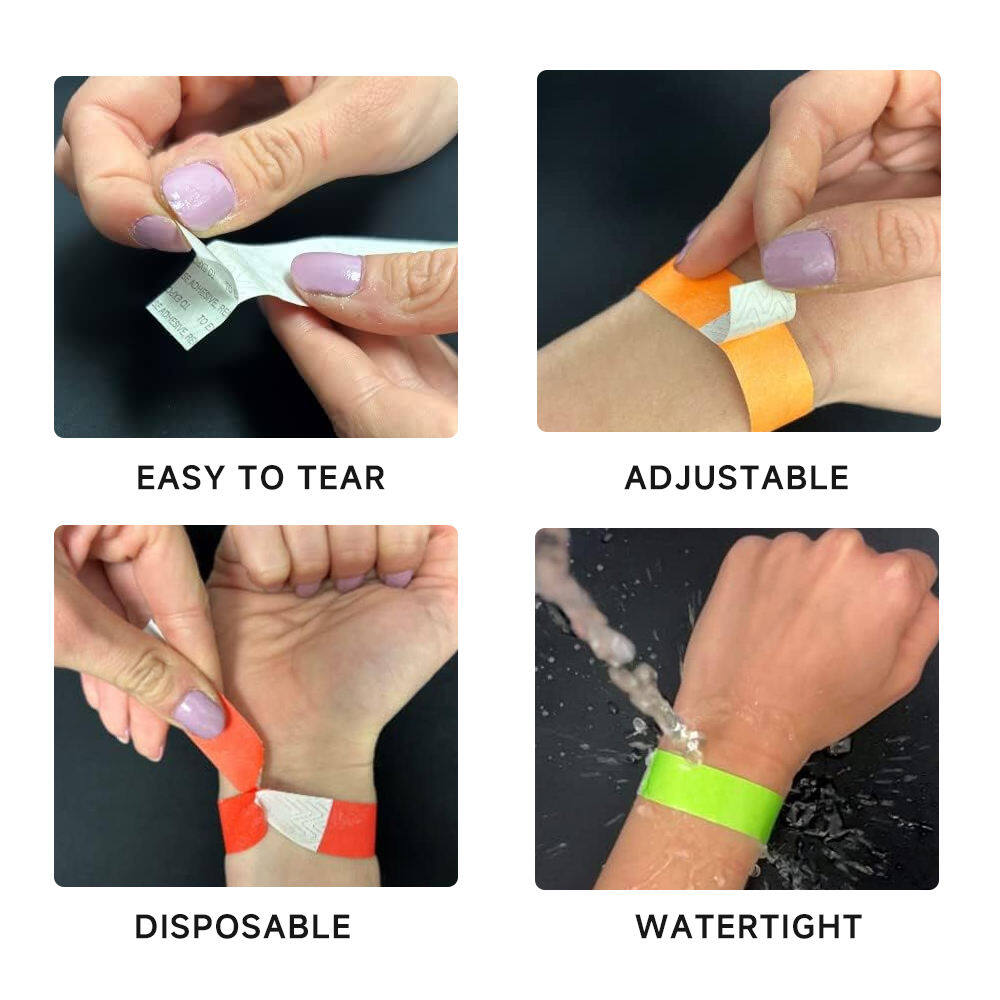
The most immediate and pervasive issue with traditional wristbands is the degradation of printed text. In the clinical environment, patient wristbands are constantly exposed to water, alcohol-based hand sanitizers, bodily fluids, and the general wear and tear of a hospital stay. This can cause ink to smudge, fade, or become entirely illegible. When a nurse or clinician cannot read the patient's name or medical record number, they are forced to rely on secondary identifiers, such as asking the patient for their name or checking their bed number — both of which are unreliable methods that can lead to catastrophic errors. The blurry ink on a wristband is more than an inconvenience; it represents a critical gap in the safety net designed to protect patients.
1.2. Human Error in Manual Checks and Documentation
Traditional wristbands rely heavily on manual visual checks. A caregiver visually confirms a patient's identity against a paper chart or a digital screen. This process is susceptible to confirmation bias and fatigue, especially in busy hospital wards where nurses perform hundreds of these checks daily. Furthermore, the documentation of care administered was often a manual process, requiring staff to write down medication times, vitals, and procedures on paper charts. This manual data entry is time-consuming, prone to transcription errors, and creates a significant administrative burden that diverts time away from direct patient care.
1.3. Lack of Real-Time Data and Audit Trails
Traditional wristbands are static. They provide a snapshot of a patient's identity at the time of admission but cannot track movement, changes in treatment, or interaction with healthcare providers. Without a digital link to the hospital information system (HIS), there is no automatic, reliable audit trail of who accessed a patient's information, what procedures were performed, or where the patient has been within the facility. This lack of traceability makes it difficult to analyze workflow inefficiencies, identify bottlenecks in patient flow, or investigate incidents. In case of an adverse event, relying on paper logs and memory makes root-cause analysis a challenging and often incomplete process.
Section 2: The Advent of Barcode Wristbands: A Digital Leap Forward
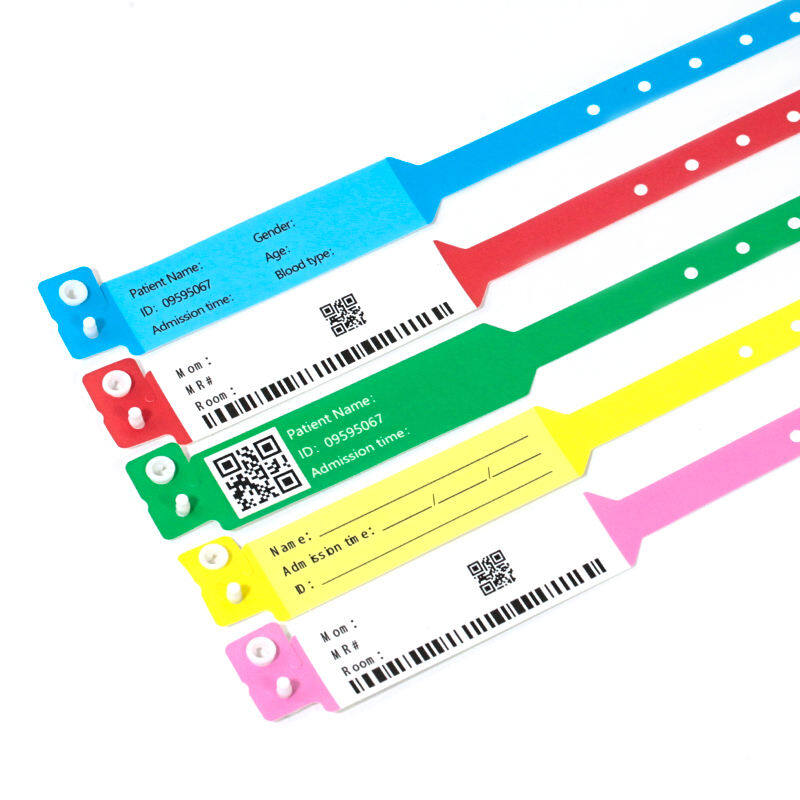
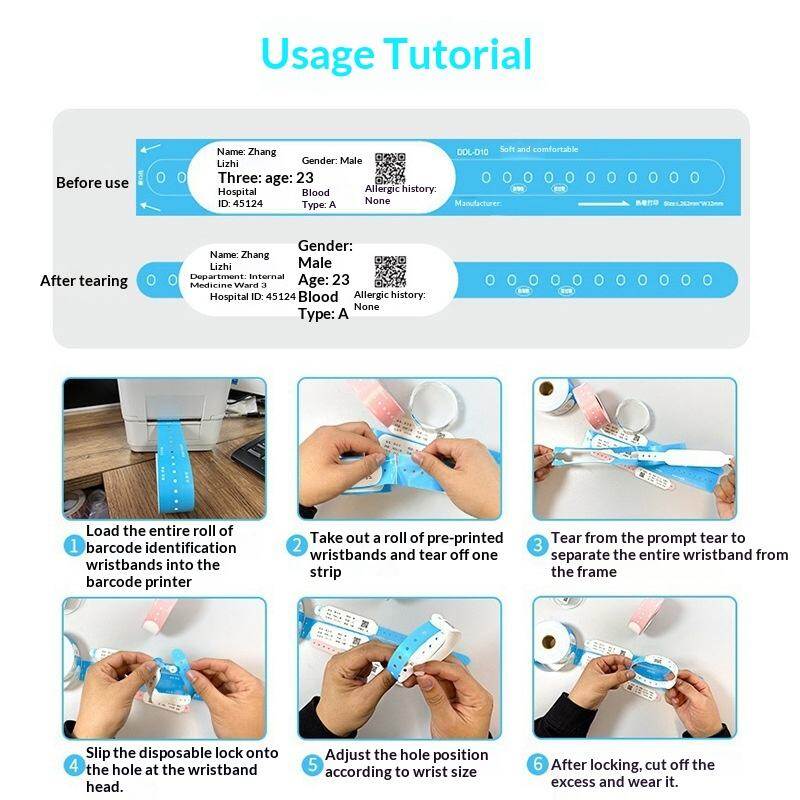
The introduction of barcode technology into patient wristbands marked a significant leap forward in healthcare safety and efficiency. In most hospitals, barcode wristbands have become the global standard due to their reliability, low cost, and broad compatibility with existing hospital IT systems. These wristbands feature a unique, scannable 1D or 2D barcode (such as Code 128 or QR codes) that encodes the patient's unique identifier.
2.1. How Barcode Identification Works and Enhances Safety
Barcode wristbands function as a direct digital key to a patient's electronic health record (EHR). When a healthcare professional scans the barcode using a handheld scanner or a mobile device, the system instantly pulls up the patient's profile. This process is fundamental to several life-saving clinical workflows:
Medication Administration (BCMA - Bedside Medication Administration): This is perhaps the most critical application. The "Five Rights" of medication administration — right patient, right drug, right dose, right route, and right time — can be verified almost instantaneously. A nurse scans their own ID, the patient's wristband, and the medication barcode. The system cross-references these data points against the physician's orders in the EHR. If any element does not match, the system generates an alert, preventing a potential medication error.
Specimen Collection and Blood Transfusions: Barcode scanning ensures that lab samples are correctly labeled at the bedside, linking the specimen definitively to the patient. Similarly, in blood transfusions, scanning the patient's wristband and the unit of blood confirms compatibility before transfusion begins, virtually eliminating the risk of a fatal ABO-incompatible transfusion.
Access to Patient Information: In emergency situations where a patient is unresponsive, scanning their wristband provides immediate access to their medical history, allergies, and critical health information, enabling faster and more accurate emergency care.
2.2. Advantages Over Traditional Bands
The advantages of barcode wristbands over traditional paper bands are clear and impactful:
- Unmatched Accuracy: Barcode scanning is vastly more accurate than manual visual checks, practically eliminating "wrong-patient" errors.
- Speed and Efficiency: Scanning a barcode takes a fraction of a second compared to manual data entry or visual verification, significantly streamlining workflows.
- Cost-Effectiveness: The infrastructure required for barcode scanning — printers and handheld scanners — is relatively inexpensive and highly durable.
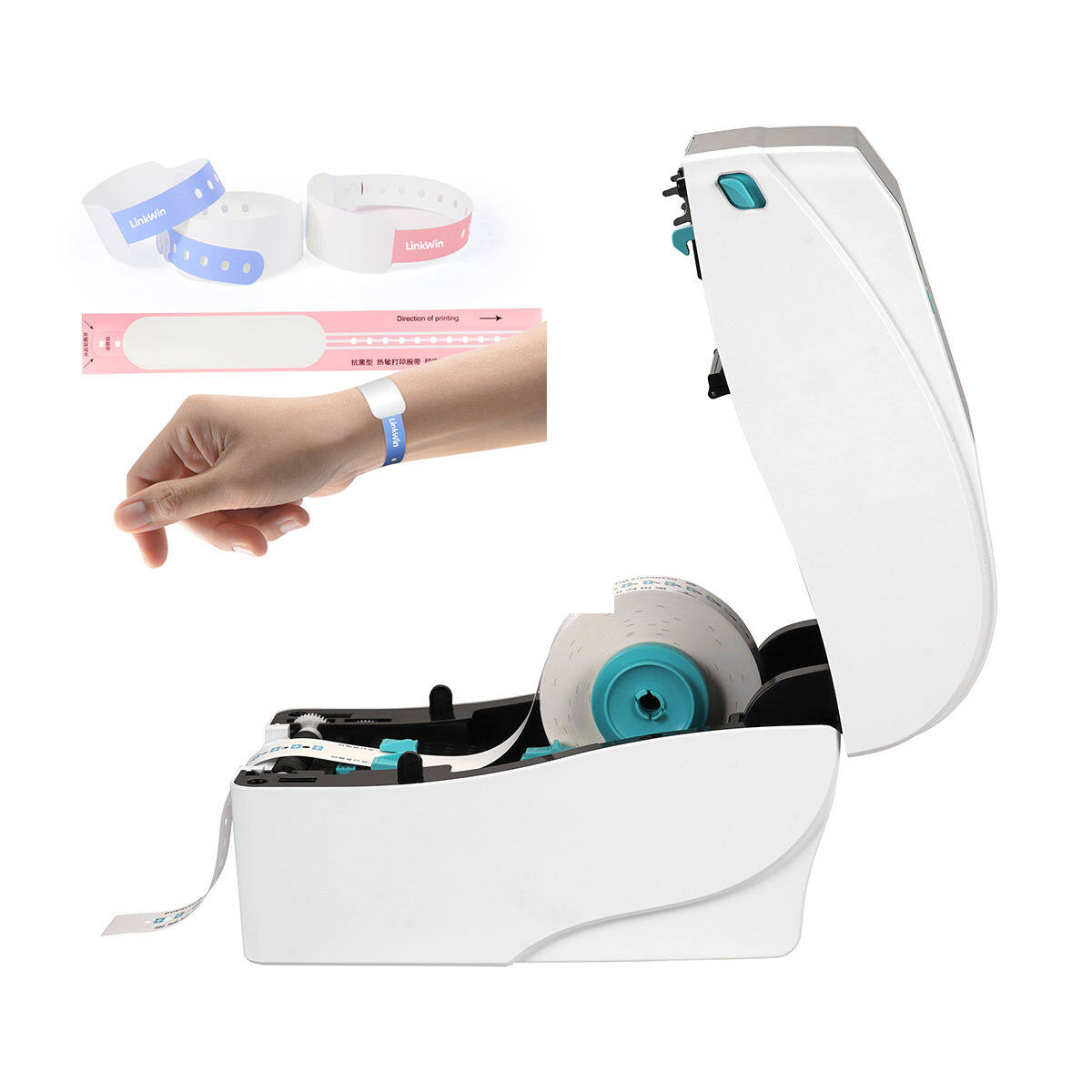
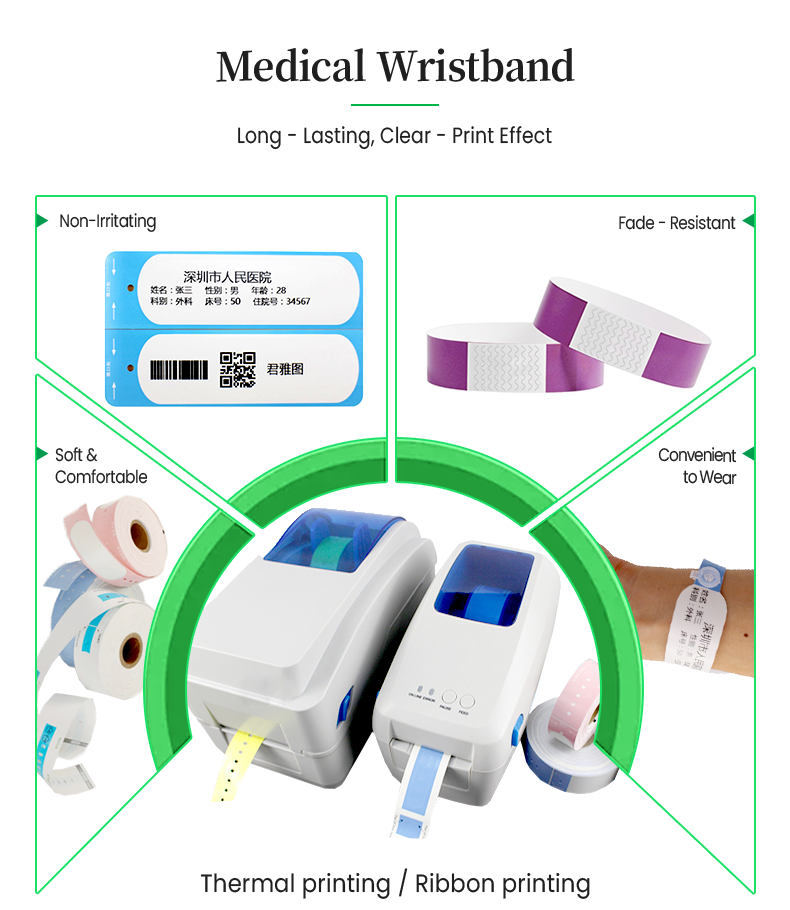
- Durability: Modern barcode wristbands, like those from Zebra Technologies, are engineered with direct thermal printing to be durable, resistant to water, alcohol, and disinfectants, ensuring the barcode remains scannable throughout the patient's stay.
2.3. The Limitations of Barcode Technology
Despite these strengths, barcode wristbands have inherent limitations:
- Line-of-Sight Requirement: The scanner must have a direct, unobstructed line of sight to the barcode to read it. If the wristband is twisted, dirty, or obscured by clothing or bandages, scanning may be difficult or impossible, requiring staff to reposition the patient's wrist.
- Manual Scanning Process: Scanning is a discrete, manual action. It requires staff to actively stop what they are doing, pick up a scanner, and initiate the scan. This creates a friction point in the workflow that can be bypassed if staff are busy or stressed, leading to "workarounds" that compromise safety.
- Limited Data Capacity: While 2D barcodes can hold more data, the primary role of a barcode is typically to act as a pointer to a database entry rather than storing a significant amount of data on the wristband itself.
Section 3: RFID Wristbands: The Next Frontier in Automated Identification and Tracking
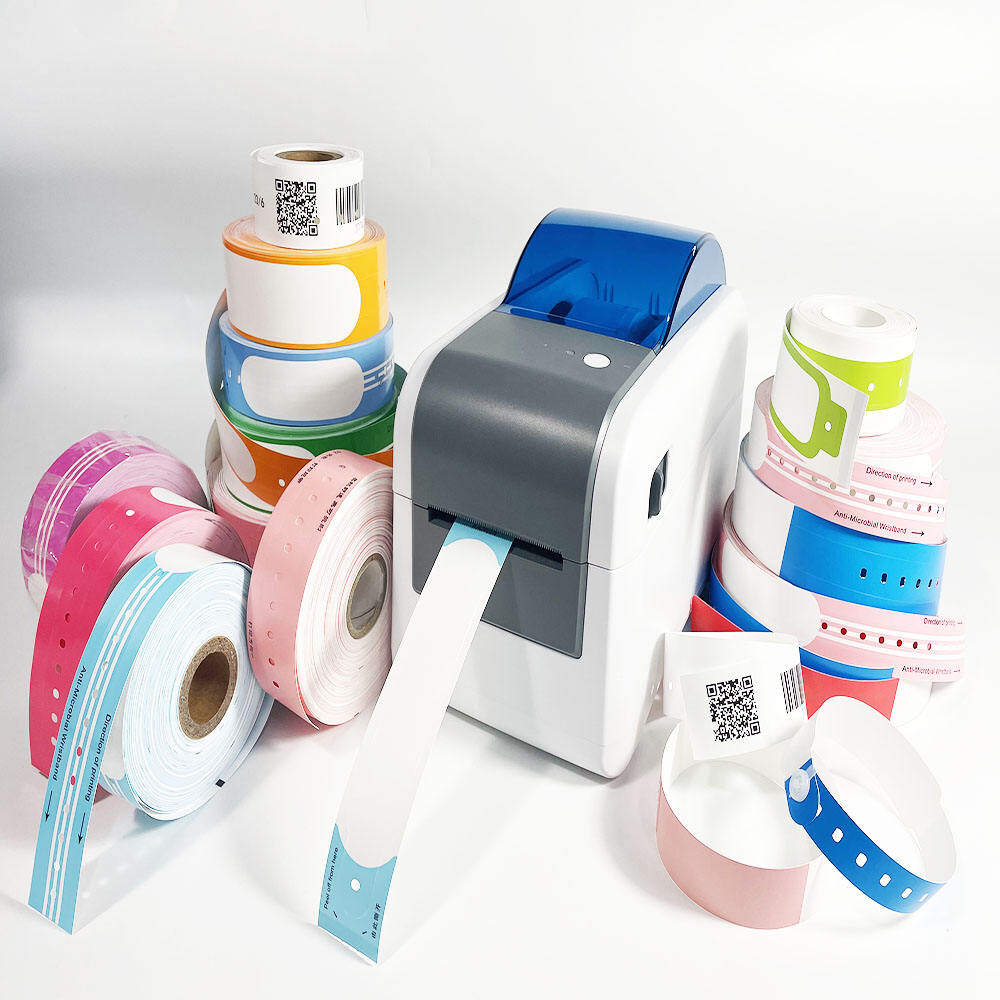
Radio Frequency Identification (RFID) represents a paradigm shift in patient identification. Unlike barcodes, RFID uses radio waves to identify a patient automatically, without the need for direct line-of-sight. An RFID wristband contains a microchip and an antenna. When it enters the radio field of an RFID reader, it transmits its unique ID and any stored data. This technology allows for "hands-free" automation and real-time data capture, unlocking capabilities far beyond traditional identification.
3.1. Understanding RFID Technology in Healthcare: HF vs. UHF
There are primarily two types of passive RFID systems used in healthcare: High Frequency (HF) and Ultra-High Frequency (UHF).
High Frequency (HF) / Near Field Communication (NFC): HF RFID typically operates at 13.56 MHz. It offers a short read range, usually up to a few centimeters. This makes it ideal for secure, proximity-based applications like bedside medication verification, where the wristband needs to be touched or held very close to the reader. This ensures that the correct patient is identified and prevents accidental reads of nearby patients.
Ultra-High Frequency (UHF): UHF RFID operates at a higher frequency (e.g., 860-960 MHz) and provides a much longer read range, from several feet to over 30 feet. This capability enables a host of sophisticated applications, including Real-Time Location Systems (RTLS). UHF tags can be read automatically by fixed readers placed at doorways, corridors, or ceilings without any active effort from staff.
3.2. Key Advantages of RFID Over Barcodes
- No Line-of-Sight Required: RFID tags can be read through materials like clothing, plastic, and even human tissue. This makes verification reliable even when a wristband is twisted or covered.
- Simultaneous and Automatic Reads: RFID readers can capture data from hundreds of tags within their field almost simultaneously. This allows for mass "batch reading," such as automatically logging a patient's arrival in a ward or counting inventory.
- Real-Time Location and Tracking (RTLS): By placing fixed UHF RFID readers throughout a facility, a hospital can track the real-time location of every patient wearing an RFID wristband. This is invaluable for managing patient flow, reducing wait times, locating patients who may be lost or disoriented, and enforcing safety protocols like ensuring patients don't wander into restricted areas.
- Enhanced Data Storage and Security: Some RFID tags can store more data than a barcode, and they can be equipped with encryption and password protection, making them more secure against tampering and cloning.
3.3. The Higher Cost and Infrastructure Investment
The primary barrier to widespread RFID adoption is the significant initial investment required. The wristbands themselves are more expensive than their barcode counterparts, often costing 5-10 times as much. More critically, a hospital must invest in a network of RFID readers, antennas, and specialized software. Integrating this infrastructure with the existing EHR and other clinical systems is a complex and costly undertaking. For many hospitals, especially those in developing nations or smaller community hospitals, this cost is prohibitive, which is why barcodes remain the most commonly used patient ID technology globally.
Section 4: Barcode vs. RFID: A Direct Feature Comparison
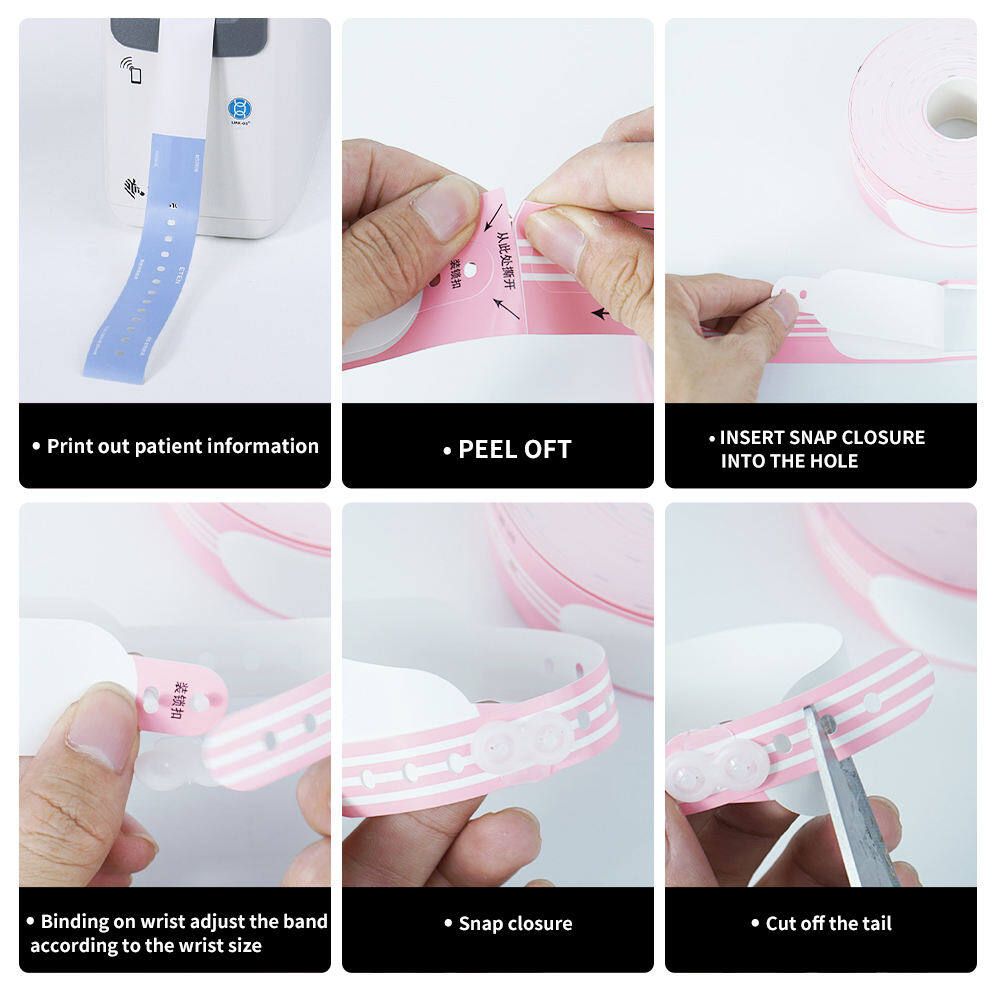
To make an informed decision, healthcare administrators must understand the nuanced trade-offs between barcode and RFID technology. The following table provides a direct comparison of the key features and benefits.
| Feature | Barcode Wristband | RFID Wristband |
|---|---|---|
| Read Method | Manual optical scanning requiring direct line-of-sight. | Automatic radio frequency reading; no line-of-sight required. |
| Read Speed | Slower; one wristband at a time. | Faster; can read hundreds of tags simultaneously (batch reading). |
| Data Capacity | Low (e.g., a unique ID number). | Higher; can store more patient-specific data directly on the chip. |
| Cost | Low initial investment in printers and scanners. | High initial investment in tags, readers, antennas, and software. |
| Applications | Ideal for point-of-care checks (BCMA, specimen collection, blood transfusions). | Ideal for automation (auto-check-in), location tracking, asset management, and access control. |
| Clinical Workflow | Relies on staff to initiate the scan; prone to workarounds. | Automates data capture; reduces staff workload; enables passive tracking. |
| Audit Trail | Creates a manual, event-based record. | Creates an automatic, continuous and comprehensive audit trail. |
| Security | Low; easily copied or obscured. | High; can include encryption and authentication features. |
4.1. Where Barcodes Excel
For over 80% of hospitals globally, barcode-based workflows remain the gold standard. They are the most cost-effective and reliable solution for core clinical safety checks at the point of care. Their low cost of entry, ease of use, and universal compatibility with clinical information systems (CIS), lab information systems (LIS), and pharmacy systems make them the practical choice for the vast majority of use cases.
4.2. Where RFID Excels
RFID is not a universal replacement for barcodes but an advanced tool for specific strategic initiatives. Its true power is unleashed in scenarios requiring automation and location tracking:
- Managing Patient Flow in High-Volume Areas: Emergency departments, maternity wards, and outpatient clinics benefit from automatically logging a patient's presence without manual scanning.
- Infant Security: In maternity wards, RFID-enabled ankle or wristbands for newborns can be paired with exit alarms. If an infant is taken near an unauthorized exit, the system instantly alerts security, providing an extra layer of protection against abduction.
- Real-Time Location Services (RTLS): Tracking patients with dementia or psychiatric conditions to ensure they remain in safe areas.
- Asset Tracking: The same infrastructure used to track patients can also be used to locate high-value medical equipment like infusion pumps and wheelchairs, vastly improving equipment utilization and reducing capital expenditure.
Section 5: Elevating Patient Safety: BCMA, Blood Transfusions, and Specimen Tracking
The most profound impact of electronic identification wristbands is on patient safety. By automating verification processes, these technologies create a series of "forcing functions" that make it very difficult for clinicians to inadvertently harm a patient. The reduction of human error is the primary driver for adopting barcode and RFID systems.
5.1. The Electronic Five Rights of Medication Administration
The implementation of Barcode Medication Administration (BCMA) is one of the most well-documented success stories in health IT. By scanning the patient wristband, the clinician, and the medication, the system checks against the five rights. A study using a PDA and barcodes found a dramatic reduction in medication errors. The system creates a positive patient identification that prevents drug administration errors. This simple scanning sequence creates a reliable, documented workflow that protects patients from one of the most common sources of hospital harm: adverse drug events (ADEs).
5.2. Securing Blood Transfusions and Lab Specimens
Blood transfusion errors are among the most feared and fatal mistakes in healthcare. The verification of patient identity and blood product compatibility is a multi-step process where barcode scanning is vital. The "right patient, right blood" principle is enforced by the system, which will generate a clear alarm if the blood type does not match the patient's record. A 2006 extension of this system to blood transfusion authentication further enhanced safety.
In specimen collection, ensuring the sample comes from the correct patient is critical for diagnostic accuracy. Barcode labels generated at the bedside and linked to the patient's wristband ensure that every sample is correctly labeled from the point of collection, eliminating labeling errors that can lead to misdiagnosis and incorrect treatment.

Section 6: Operational Efficiency and Workflow Optimization
Beyond safety, the adoption of these technologies significantly reduces the operational burden on healthcare staff. In an era of widespread nursing shortages and increasing administrative demands, any tool that streamlines workflow is invaluable.
6.1. Reducing the "Scan Time" and Administrative Workload
One of the most direct efficiency gains is the reduction of time spent on verification. In a study comparing barcode and RFID authentication at the bedside using a PDA, the time required for authentication by RFID was just half of that required by barcode. While barcodes are faster than manual verification, RFID's ability to read tags without line-of-sight eliminates the need to physically position a scanner, saving precious seconds with every interaction. When multiplied by hundreds or thousands of interactions daily, this time saving is substantial and translates into more time for direct patient care. Furthermore, the automation of data capture into the EHR eliminates manual documentation, reducing the clerical burden on nurses and physicians.
6.2. Automated Patient Tracking and Throughput
RFID systems can automate many administrative checkpoints. For example, when a patient is transported from the ER to a ward, their RFID wristband can be automatically read as they pass through a doorway, notifying the receiving ward of their imminent arrival and updating their location in the hospital's master patient index. This passive tracking improves throughput and reduces the incidence of "lost" patients within the facility. With RTLS, a hospital can analyze patient flow data to identify bottlenecks and optimize resource allocation, improving the overall patient experience and reducing unnecessary delays.
Section 7: Building the Digital Audit Trail and Enhancing Accountability
A significant advantage of electronic wristbands is their ability to create a comprehensive, automatic, and immutable audit trail. This has profound implications for legal liability, quality improvement, and billing integrity.
7.1. The "Who, What, When, and Where" of Care
Every scan of a barcode or a read of an RFID tag generates a data point. When a nurse scans their ID, the patient's wristband, and a medication, the system records exactly who administered the drug, to whom it was given, what drug it was, the dose, and the exact time. This audit trail provides a complete digital record of clinical interactions.
For Litigation: In the event of an adverse outcome, this digital record serves as definitive evidence of what care was provided. It can quickly exonerate healthcare professionals who followed protocols and identify deviations from standard care.
For Quality Improvement: Data from audit trails can be analyzed to identify trends and patterns. For instance, a hospital could analyze medication administration times to see if there are delays in certain units, or track specimen collection times to improve laboratory turnaround.
7.2. Aiding Compliance and Financial Integrity
A robust audit trail is also essential for compliance with regulatory requirements, such as those related to billing and coding. Accurate documentation of procedures and services performed is the foundation of proper medical billing. By automatically linking treatments to the correct patient record, these systems reduce the risk of billing fraud and ensure the hospital captures all the revenue it is entitled to for services provided. The detailed logs can be used to demonstrate compliance with treatment protocols, which is a key element of many value-based care reimbursement models.
Section 8: Overcoming Implementation Challenges and Ensuring Success
The journey from traditional wristbands to advanced electronic identification systems is not without its challenges. Successful adoption requires careful planning, training, and a commitment to change management.
8.1. The Cost Factor: ROI and the Hybrid Model
For most healthcare facilities, the choice between barcode and RFID is not binary. The "hybrid model" is becoming the industry standard, where barcode wristbands are used for the vast majority of clinical safety checks (due to their low cost and high reliability), while RFID is used for strategic, high-value applications like RTLS in specific departments or for asset management. This allows hospitals to gain the benefits of RFID without the massive capital expense of converting the entire organization overnight.
8.2. Avoiding Alert Fatigue and Workarounds
One of the common challenges with BCMA is "alert fatigue." When staff are bombarded with warnings, they may become desensitized and begin to bypass the system to save time. It is crucial to design workflows that are intuitive and minimize unnecessary alerts. This includes ensuring that the scanning technology is fast and reliable. A study identified that if a barcode on a wristband is curved, it can be difficult to scan, which contributes to workarounds. Solutions include using special wristband shapes for better scan performance or ensuring high-quality printing and materials.
8.3. Data Security, Privacy, and Patient Acceptance
With any digital health technology, security and privacy are paramount. Patient data on RFID tags must be encrypted to prevent unauthorized access. Additionally, clear communication with patients is vital. Patients must be informed about the purpose of the wristband and what data is being collected. Hospitals must adhere to regulations like HIPAA in the US or GDPR in Europe to ensure patient consent and data privacy.
Section 9: Future Trends in Patient Wristband Technology
The evolution of patient wristbands continues. As technology advances, we can expect to see even more functionality integrated into these critical identification tools.
Smart Bands and Continuous Monitoring: The future may see wristbands that do more than just identify. They are evolving into "smart" wearables that can continuously monitor vital signs such as heart rate, blood pressure, blood oxygen, and even glucose levels. For instance, researchers have developed wristbands with microneedle arrays to track glucose, lactate, and alcohol levels, while other smart bands can detect arrhythmias like atrial fibrillation. Integrating these monitoring capabilities into identification bands could create a holistic health monitoring system that automatically alerts clinicians to a deteriorating condition.
Enhanced RTLS and IoT Integration: With the growth of the Internet of Things (IoT), wristbands will become a key node in a smart hospital ecosystem. They will communicate not just with readers but with other devices, such as smart beds, infusion pumps, and nurse call systems. If a patient at risk of falls leaves their bed, the wristband could automatically notify staff or even lower the bed to prevent injury.
Biometric Integration: The future of patient identification may move beyond wristbands to incorporate biometric data like fingerprint, palm vein, or facial recognition. These methods could be used in conjunction with wristbands to provide two-factor authentication, making the identification process even more secure and eliminating the risk of a lost or swapped wristband.
Conclusion: The Digital Standard for a Safer Healthcare System
The transition from blurry ink and manual checks to scannable barcodes and intelligent RFID chips is a fundamental shift in how healthcare systems ensure patient safety and operational excellence. Traditional wristbands, while simple, are a relic of an era plagued by preventable medical errors. Barcode wristbands have become the bedrock of modern patient identification, offering a cost-effective, highly reliable method to enforce the "Five Rights" of medication administration, secure blood transfusions, and ensure accurate specimen labeling. They have proven indispensable in reducing the most common and dangerous medical errors.
RFID wristbands represent the next frontier, unlocking unprecedented levels of automation, efficiency, and data granularity. While the cost is higher, the ability to track patient location in real-time, automate check-ins, and create continuous, passive audit trails offers strategic value that barcode technology cannot match. The most practical and prevalent approach is a hybrid model, leveraging barcodes for point-of-care safety and RFID for targeted automation and location tracking.
Ultimately, the goal is clear: to create a healthcare environment where the "wrong-patient" error is virtually impossible. By embracing these technologies, hospitals are not just upgrading their infrastructure — they are making a profound commitment to patient safety, clinician well-being, and the delivery of high-quality, accountable care. The digital wristband is a small piece of plastic, but it is a powerful symbol of a healthcare system that is smart, safe, and patient-centric.
Continue Reading
Previous Article
The "Smart Wristband" Era: Real-Time Location Tracking and Continuous Vital Sign Monitoring in Modern Healthcare
Next Article
From Admission to Discharge: The Standardized Lifecycle of the Patient Wristband — A Deep Dive into Material Selection, Information Protocols, Application Procedures, Verification Systems, and Safe Removal
Have Questions About Wristbands?
Our team is ready to help you find the perfect wristband solution for your needs. Contact us directly on WhatsApp for quick responses.
Contact on WhatsApp