
The Silent Guardians: How Patient Wristbands Safeguard the Most Vulnerable — A Deep Dive into Surgical, Comatose, Dementia, and Neonatal Care
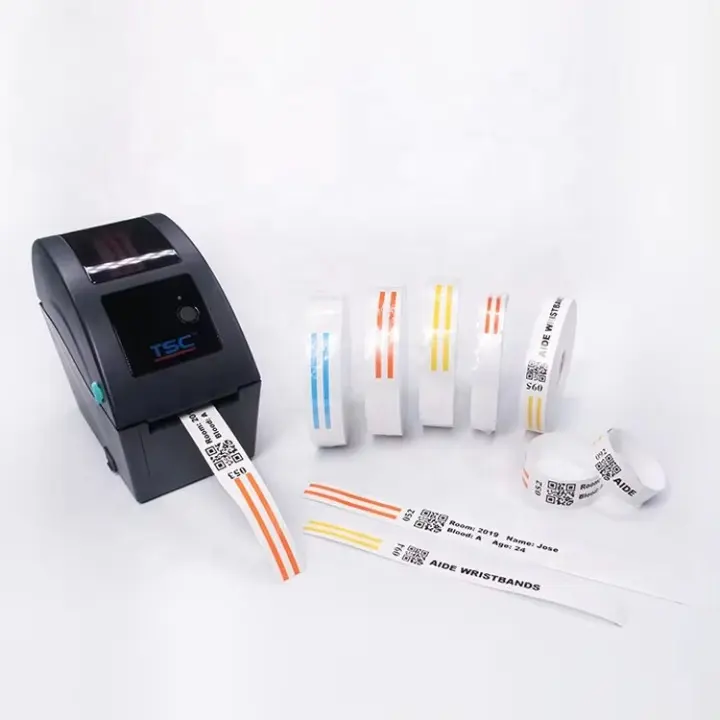
In the complex and often chaotic ecosystem of a modern hospital, effective communication is not merely a courtesy; it is a critical component of patient safety. Yet, for a significant portion of the patient population, the capacity for verbal communication is compromised or entirely absent. These are the patients who cannot speak for themselves — the surgical patient under anesthesia, the comatose individual in the ICU, the person with advanced dementia who is confused and disoriented, and the fragile newborn who has never spoken a word. For these individuals, the patient wristband evolves from a simple identification tool into a silent, constant guardian — their primary, and often only, voice in the healthcare system. This article explores the critical role of wristbands as an indispensable safety net for these special patient populations, analyzing the protocols, challenges, and innovations that ensure they receive the right care at the right time.
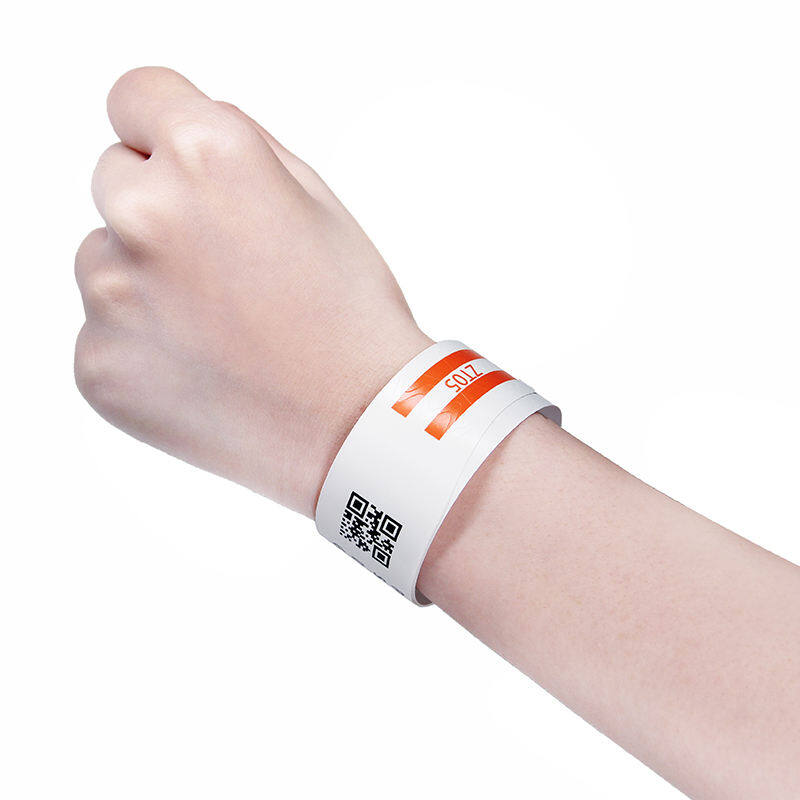
The Unspoken Risk: When Patients Can't Confirm Their Identity
The foundation of all medical care is the correct identification of the patient. The "two-patient identifier" protocol, recommended by the World Health Organization (WHO) and The Joint Commission, is the gold standard for preventing wrong-patient errors. This typically requires a clinician to ask the patient to state their full name and date of birth and then compare this against the information on their wristband and medical record.
However, this foundational safety check crumbles when the patient is unable to participate. Patients with dementia may be unable to recall their name or may provide incorrect information due to confusion. Surgical patients are often pre-medicated, under anesthesia, or in the post-anesthesia care unit (PACU), rendering them unconscious or severely drowsy. Comatose patients, by definition, are incapable of any form of verbal or physical response. Newborns lack the ability to communicate verbally and may not yet have a formal name, relying on a designation like "Baby Boy Smith." In these situations, relying on the patient's voice for identification is impossible, creating a significant vulnerability.
This is where the patient wristband transcends its administrative function and becomes a vital clinical safeguard. As one guideline states, for patients who are "mentally handicapped, sensory organ dysfunction or incapacitated, the nurse needs to check with the family members patient information." When a family member is not present, the wristband becomes the only reliable, physically attached source of truth that can be visually verified or scanned.
The Surgical Patient: A Time of Heightened Vulnerability
The perioperative period is a nexus of high risk. A patient's journey from the ward to the operating room (OR) and back involves numerous handoffs, multiple team members, and the administration of powerful anesthetic agents. The moment a patient enters the surgical suite, their ability to advocate for themselves is effectively suspended.
The Surgical Safety Checklist and the Wristband
The WHO Surgical Safety Checklist is a cornerstone of modern surgical safety, and the wristband is an integral part of its first and most critical step: "Sign In." Before anesthesia is induced, the team is required to confirm the patient's identity, the surgical site, and the procedure. The patient wristband is the primary tool for this verification. According to the University of Derby's safer surgery guidance, the National Patient Safety Agency in the UK reported over 200 incidents related to missing or incorrect wristbands, underscoring the scale of this risk.
Protocols for the Unconscious Patient
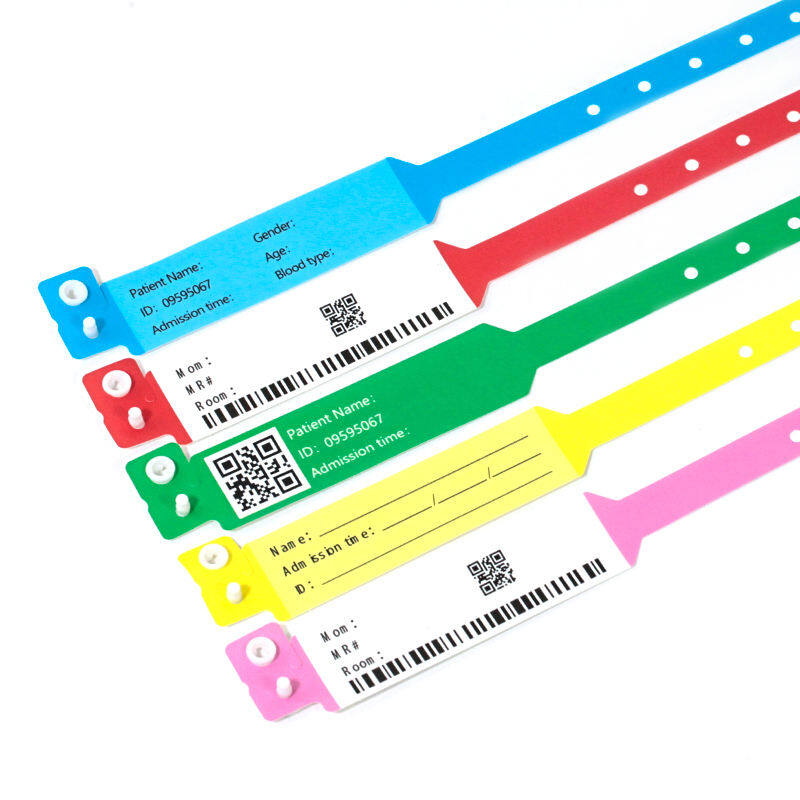
For patients who are prepped for surgery, the wristband is often applied on admission. If a patient is admitted through an emergency "green channel" and a wristband is not applied in time, the OR nurse is responsible for applying one after checking the patient's information. In some facilities, surgical patients are identified by a specific colored wristband, such as green, to clearly flag their status and differentiate them from the general patient population. This color-coded system provides an immediate visual cue to all staff that this patient is on a specific, high-alert pathway. Before any operation, the wristband is checked as part of the checklist, ensuring that the correct patient, with the correct allergies and correct site, is on the correct table.
The Comatose and Critically Ill: In the Silence of the ICU
The Intensive Care Unit (ICU) is an environment of constant vigilance, where patients are often sedated, intubated, and in critical condition. A comatose patient is entirely dependent on their care team to make decisions, but also to simply "know" who they are. In this setting, a missing or illegible wristband is a catastrophic failure. It can lead to the administration of the wrong medication, the performance of an incorrect procedure, or the failure to recognize a critical allergy.
Visual Cues for High Risk
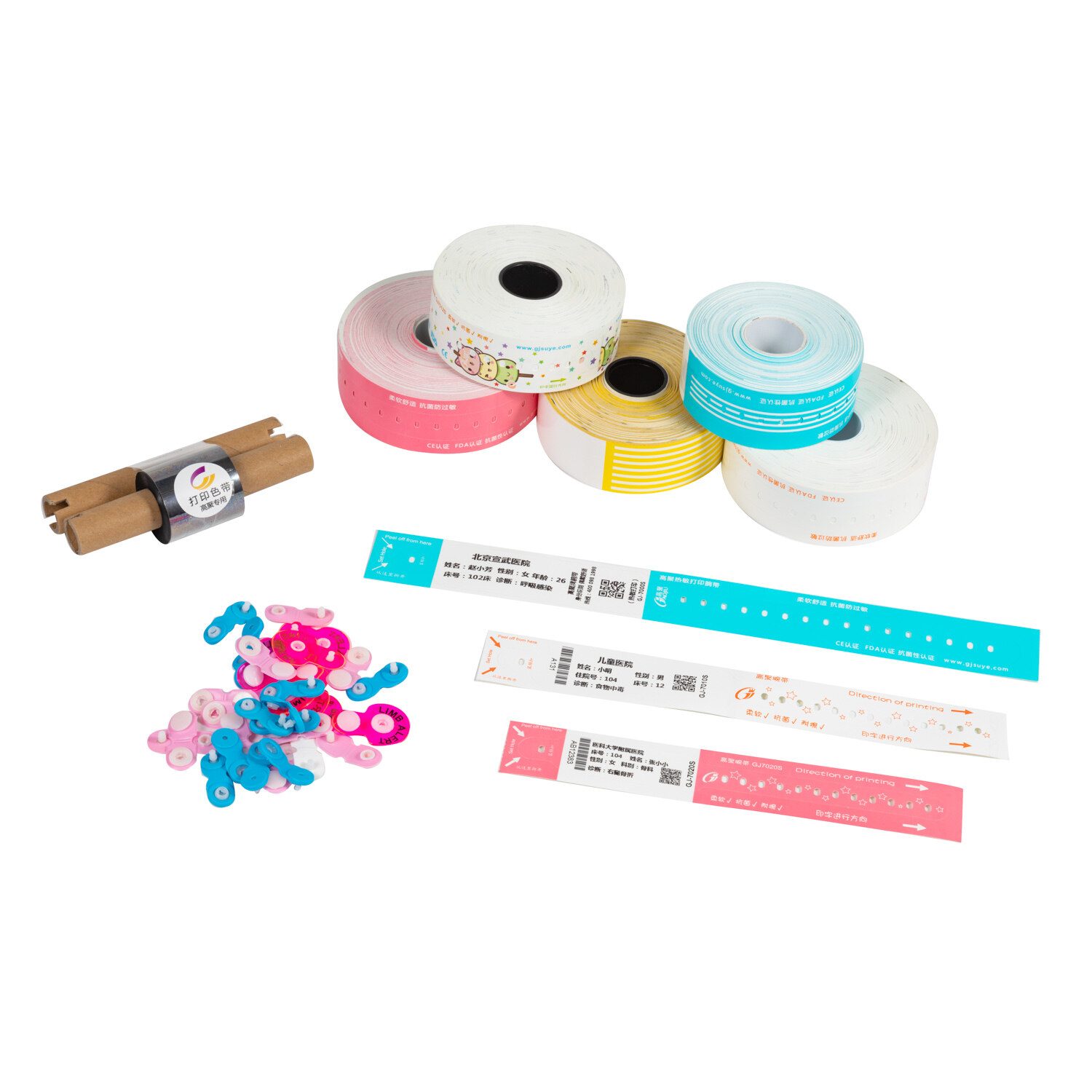
To mitigate these risks, many hospitals use a color-coded wristband system. For example, one identified protocol uses a blue wristband for patients who are "重症、抢救、意识障碍、失语、痴呆" (severe, emergency, unconscious, aphasic, dementia). This simple color alerts any clinician, from a physician to a phlebotomist, that this patient is at high risk for misidentification. The application process for these patients is particularly stringent. If a patient is unaccompanied and has a "consciousness disorder," a nurse may temporarily name the wristband, for example, "Anonymous 090805," to provide a unique, trackable identifier until their identity can be confirmed.
The Dementia and Alzheimer's Patient: A Different Kind of Wandering
The risk for patients with dementia and Alzheimer's disease extends beyond the hospital walls. These patients are prone to wandering and may become disoriented, unable to recognize familiar surroundings or faces. In the community, this represents a significant safety and public health challenge. While not strictly a hospital setting, the principle of wristband-based identification is the same: a constant, non-removable link to identity.
Beyond the Hospital: Community Identification
Police forces and community programs have adopted wristband technology to locate vulnerable missing persons. For example, the Cambridgeshire Police in the UK has distributed yellow wristbands to people with dementia that contain the contact details of their next of kin. Similarly, the "Project Lifesaver" program uses wristband transmitters that emit a trackable radio signal, enabling a rapid rescue (often within 30 minutes) for people with dementia or autism who have wandered away from home. Research indicates that up to 60% of people with dementia will wander at least once, and if not found within 24 hours, the risk of death from exposure or accidents rises steeply. This demonstrates that a simple, durable wristband can be a literal lifeline, transforming a potential tragedy into a rescue.
In the Hospital
Within the clinical setting, patients with dementia pose a different challenge. They may be agitated, trying to remove their wristband, or non-compliant with the identification process. In such cases, protocols often dictate that the wristband can be worn on the left ankle if the patient is agitated and uncooperative. This prevents them from easily removing it while ensuring the identifier remains on their person. For dementia patients, the wristband's value is multi-faceted: it not only ensures correct clinical treatment but also helps prevent elopement from the ward by making the patient easily identifiable to staff at exits.
The Newborn: The Most Vulnerable of All
Arguably no patient population is more at risk for misidentification than newborns. They cannot speak, look very similar, and can be easily moved around the unit. Misidentification of a newborn can lead to breastfeeding errors (a mother receiving the wrong baby), medication errors, or the devastating possibility of an infant being discharged to the wrong family.
A Dual-Band Protocol for Maximum Safety
To address these unique risks, a highly specific and robust protocol is universally applied. The KwaZulu-Natal (KZN) Health guideline for newborn identification provides a comprehensive example of this critical practice.
- Two Bands, Two Limbs: As a standard of care, two separate wristbands are used for a newborn. One is placed on a wrist and the other on an ankle. This redundancy is vital; if one band falls off due to the baby's tiny limbs or is removed for a procedure, the other remains as a backup.
- Information Recorded: The bands typically contain the mother's name and IP number, the baby's birthdate, and gender. This is confirmed with the mother immediately after birth, and if she is unable to confirm (e.g., after a C-section), then with her birthing partner or two members of staff.
- Continuous Checking: The protocol mandates checking these two bands in several situations: on transfer, when admitted to or transferred to a neonatal unit; twice daily, as a matter of routine, with the mother against the clinical record; and before every procedure, including medication administration or any surgery.
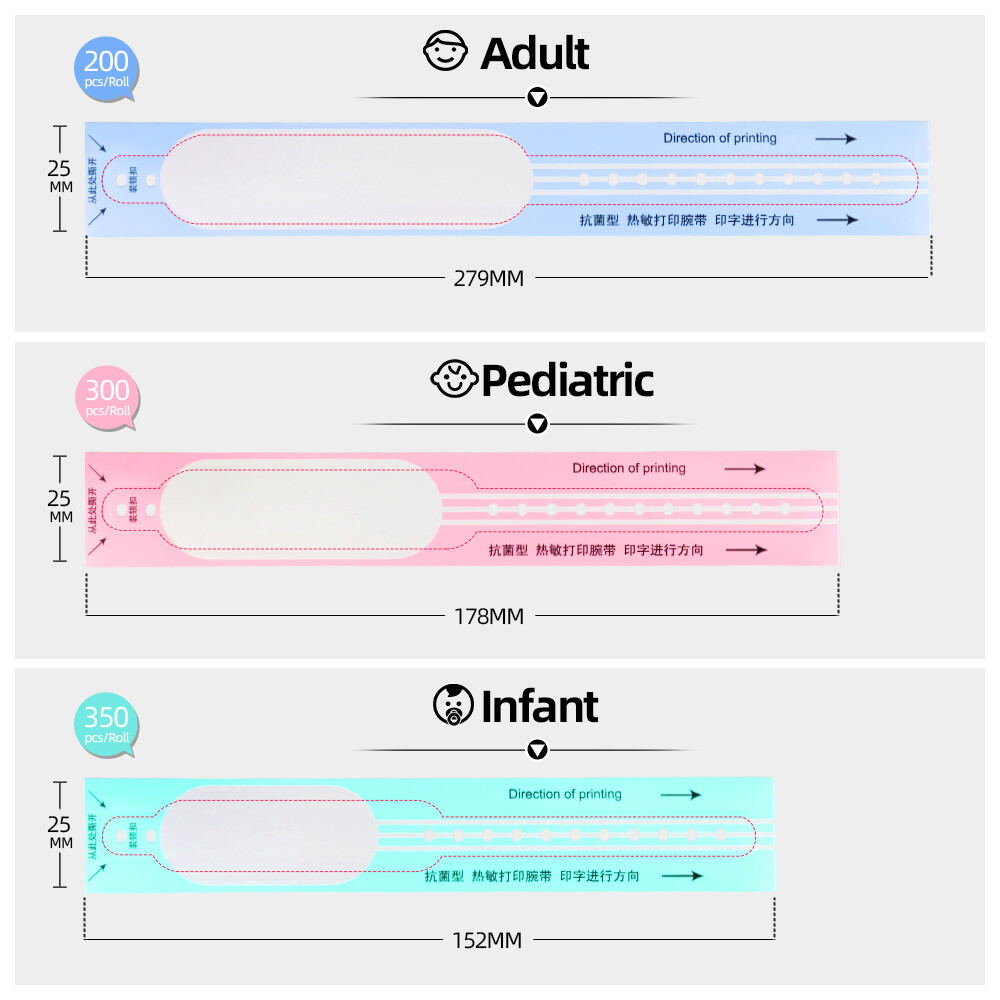
A year-long study in a neonatal unit found that on average, 50.9% of patients were at risk for misidentification on any given day due to similar names or IP numbers. This statistic highlights the existence of "patient misidentification in the neonatal intensive care unit" and supports the need for extreme vigilance. Because of these risks, even the products themselves are specialized; some neonatal wristbands, like the "Babysoft," are designed to be ultra-soft, waterproof, and tamper-evident to protect a baby's delicate skin while providing a secure, durable identification.
Innovations in Infant Safety
Innovations are emerging to further reduce risk in the NICU. One study explores the use of "Pictographs" — a unique, culturally appropriate picture selected by the family and printed on the infant's wristband and other items like breastmilk bottles to prevent wrong-patient errors. This adds a visual layer of identification that complements the textual data.
The Patient Wristband: Material and Functional Requirements
For a wristband to serve as a reliable "silent guardian," it must be meticulously designed and manufactured. The demands placed on these simple-seeming devices are immense.
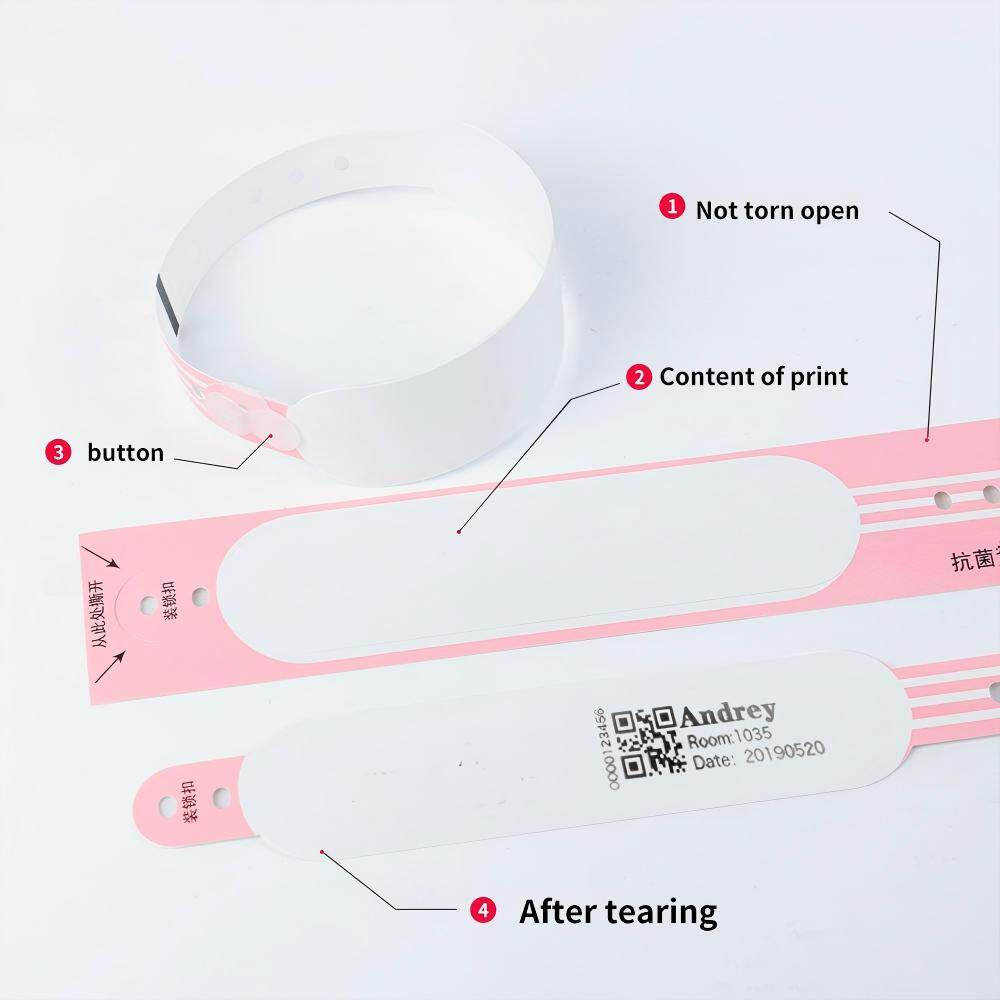
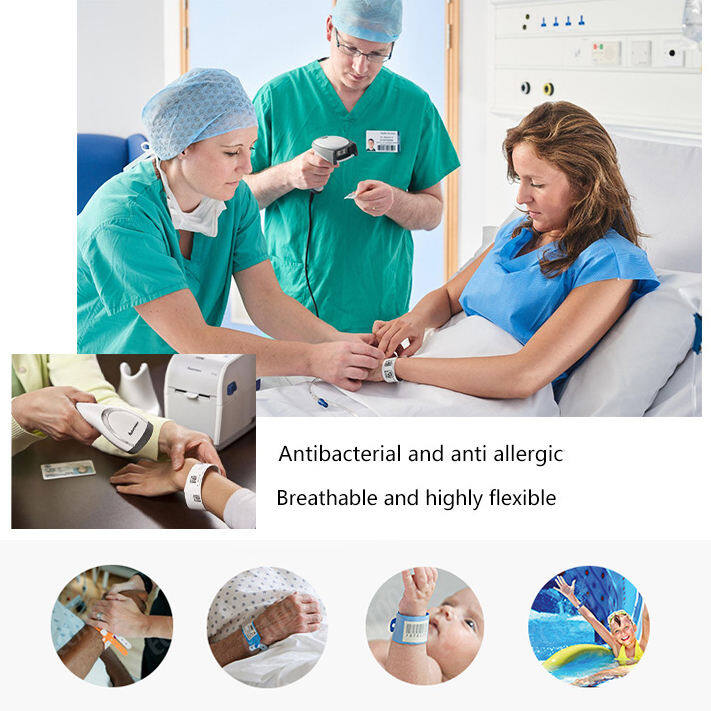
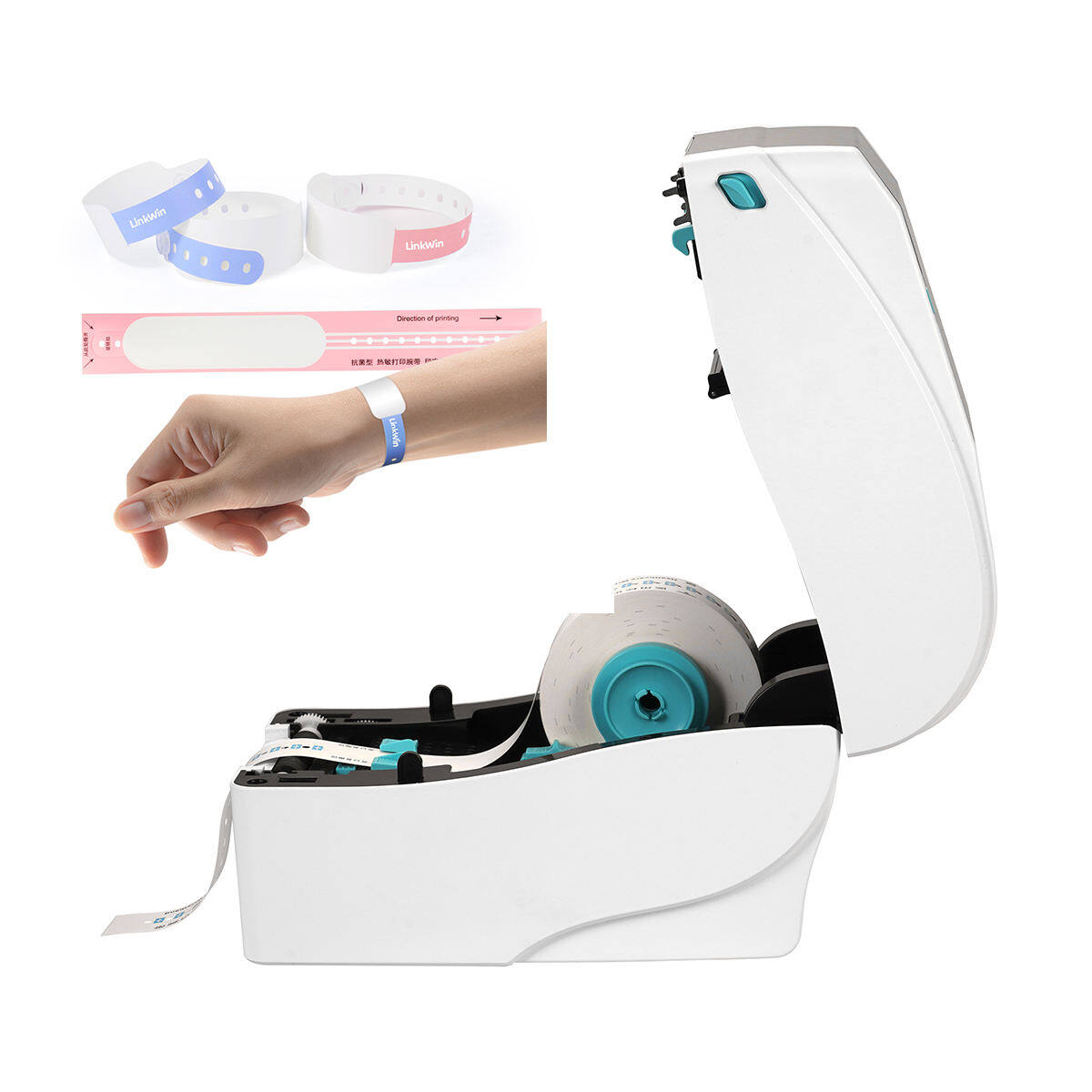
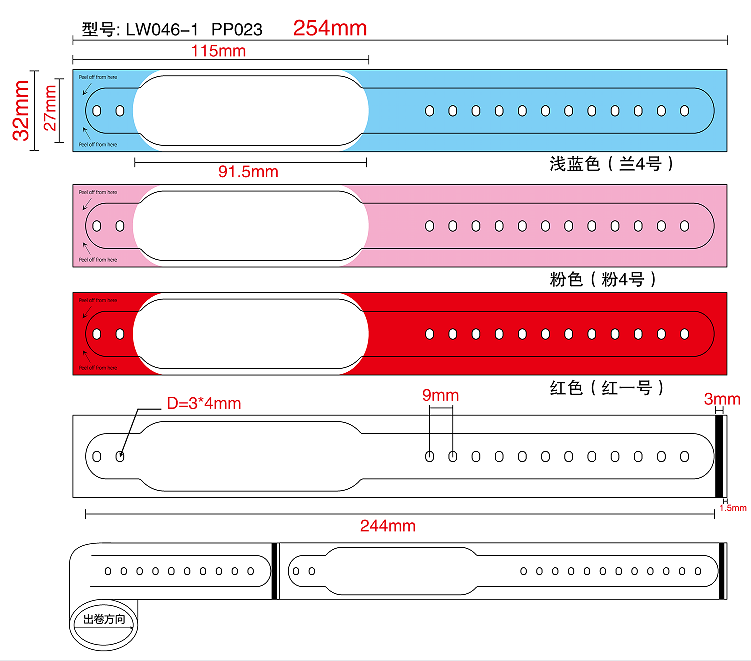
- Durability and Material: The wristband must be waterproof and resist exposure to soap, alcohol-based hand sanitizers, and bodily fluids to remain legible. Materials must be hypoallergenic and latex-free to prevent allergic reactions, especially in vulnerable populations.
- Security: The fastening must be tamper-evident. It should be impossible to remove without it being obvious, which is critical for patients with dementia who may try to remove it. The "breakaway" feature also allows for safe removal in an emergency.
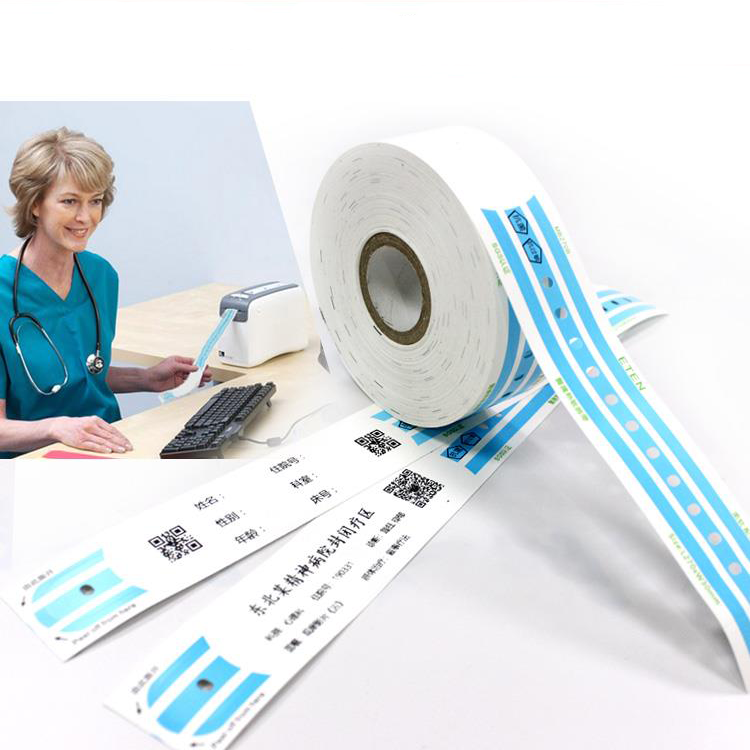
- Printing and Readability: The wristband must be compatible with thermal printing to ensure clear, legible text and barcodes that do not smudge. Features like high-contrast color schemes and a dedicated print area ensure easy reading.
- Specialized Designs: For a newborn, the band must be extra-soft (e.g., the "Babysoft" range) and have a very short adjustability for tiny ankles. For a surgical patient, a band might be designed for shorter application cycles to accommodate a short stay in a fast-paced OR. The ability to integrate RFID (radiofrequency identification) is also becoming an option for tracking patients in real-time.
Conclusion: The Voice for the Voiceless
In the demanding and error-prone world of healthcare, the patient wristband is much more than a simple accessory. For the surgical patient, it is the final confirmation before the knife is put to skin. For the comatose individual, it is the sole identifier in a sea of tubes and monitors. For the person with dementia, it is a beacon that can lead them back to safety. And for the newborn, it is the first and most critical connection to their identity.
Healthcare professionals must treat the application and maintenance of a patient wristband with the utmost seriousness. It is not a mere administrative task; it is a clinical intervention. As the statistics show, the risk of not having a wristband, or having one with incorrect information, is high and the consequences are devastating. Through consistent education, standardized protocols, and a deep understanding of the unique needs of these vulnerable populations, we can ensure that these silent guardians continue to do their essential work, giving a "voice" to those who cannot speak for themselves and safeguarding the most fundamental promise of healthcare: to do no harm.
Continue Reading
Previous Article
From Admission to Discharge: The Standardized Lifecycle of the Patient Wristband — A Deep Dive into Material Selection, Information Protocols, Application Procedures, Verification Systems, and Safe Removal
Next Article
The "Correct Posture" and Patient Safety: An In-Depth Exploration of the Patient Wristband as a Patient's "Identity Card" — Examining Proper Application, Clinical Significance, and Common Pitfalls
Have Questions About Wristbands?
Our team is ready to help you find the perfect wristband solution for your needs. Contact us directly on WhatsApp for quick responses.
Contact on WhatsApp