
The "Smart Wristband" Era: Real-Time Location Tracking and Continuous Vital Sign Monitoring in Modern Healthcare
Introduction: The Evolution from Passive Identification to Active Clinical Intelligence
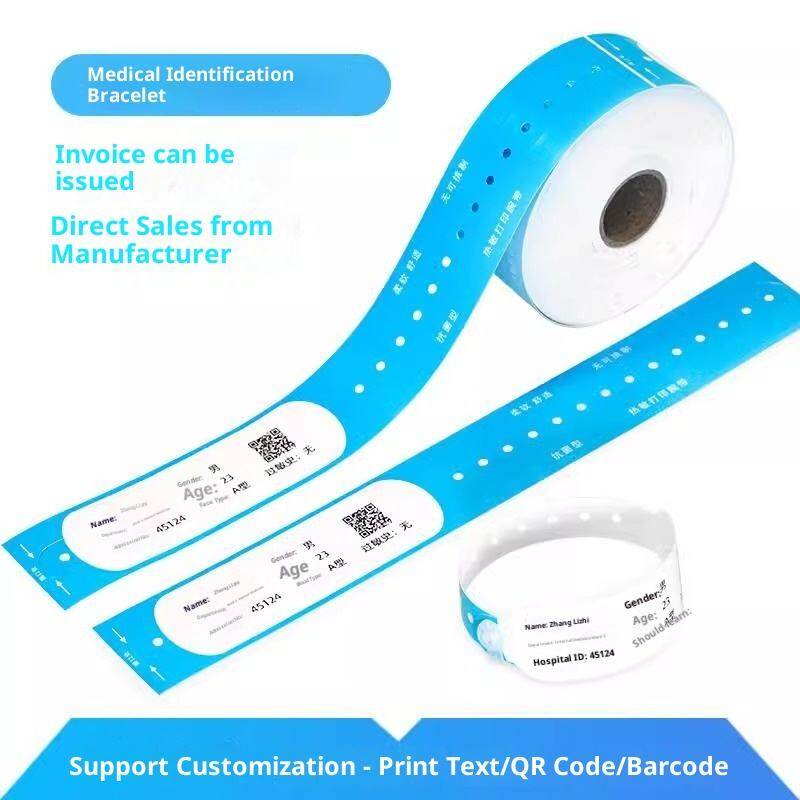
The patient wristband has undergone a remarkable transformation over the past decade. What was once a simple plastic or paper band displaying a patient's name and medical record number has evolved into a sophisticated, sensor-rich device capable of continuously monitoring life-sustaining physiological parameters and tracking patient location in real time. This evolution represents a fundamental shift in healthcare delivery — moving from reactive, episodic care to proactive, continuous surveillance powered by the Internet of Medical Things (IoMT) and wearable technology.
The global medical smart wristband market was valued at approximately US$3.98 billion in 2024 and is projected to reach US$6.38 billion by 2031, reflecting a compound annual growth rate of 6.9%. This rapid growth underscores the healthcare industry's recognition that intelligent wristbands are not merely identification tools but essential clinical instruments that enhance patient safety, improve operational efficiency, and enable data-driven clinical decision-making.
This article explores the transformative capabilities of smart wristbands that integrate RFID technology, Bluetooth Low Energy (BLE) connectivity, and advanced biomedical sensors. We will examine how these devices enable real-time location services (RTLS), continuous vital signs monitoring, and early warning systems that are reshaping hospital workflows and patient care paradigms. Through real-world case studies and clinical evidence, we will demonstrate how smart wristbands are establishing a new standard for patient safety and clinical excellence.
Section 1: Understanding Smart Wristband Technology
1.1. The Technological Pillars of Smart Wristbands
Smart wristbands represent a convergence of several advanced technologies that work in concert to create a comprehensive patient monitoring and identification system. The core technological components include:
Radio Frequency Identification (RFID) and Bluetooth Low Energy (BLE): These wireless communication technologies enable automatic, hands-free identification and location tracking. RFID tags embedded in wristbands transmit unique patient identifiers to nearby readers without requiring line-of-sight, while BLE technology provides precise location data through signal strength triangulation. Smart hospitals are increasingly adopting these technologies as foundational elements of their IoMT infrastructure, enabling hyperconnected care environments that blend sensing-centric wearables with real-time location services.
Biomedical Sensors: Modern smart wristbands incorporate a range of physiological sensors that continuously measure vital signs. These typically include photoplethysmography (PPG) sensors for heart rate and oxygen saturation monitoring, accelerometers for movement detection and fall risk assessment, and thermistors for skin temperature measurement. Some advanced devices integrate additional sensors for monitoring respiratory rate, blood pressure, and even glucose levels.
Wireless Data Transmission: Smart wristbands utilize Wi-Fi, 5G, or Bluetooth connectivity to transmit collected data to central monitoring systems and electronic health records (EHRs). This continuous data streaming enables real-time clinical oversight and automated alert generation.
Artificial Intelligence and Analytics: The data generated by smart wristbands is processed through AI-enabled algorithms that identify trends, detect anomalies, and predict potential health risks. These analytical capabilities transform raw physiological data into actionable clinical intelligence, enabling preventive interventions and reducing the likelihood of emergencies.
1.2. Types of Smart Wristbands
The medical smart wristband market encompasses several distinct product categories, each designed for specific clinical applications:
- Vital Signs Monitoring Wristbands: These devices are primarily focused on continuous physiological monitoring, tracking parameters such as heart rate, respiratory rate, temperature, and oxygen saturation. They are typically used for inpatient monitoring in medical-surgical units, step-down units, and general wards.
- Location Tracking Wristbands: These wristbands prioritize real-time patient location tracking using RFID or BLE technology. They are commonly deployed in emergency departments, psychiatric units, and geriatric wards to monitor patient movement and prevent elopement or wandering.
- Multifunctional Health Management Wristbands: These comprehensive devices combine vital signs monitoring with location tracking and additional features such as fall detection, activity monitoring, and geofencing capabilities.
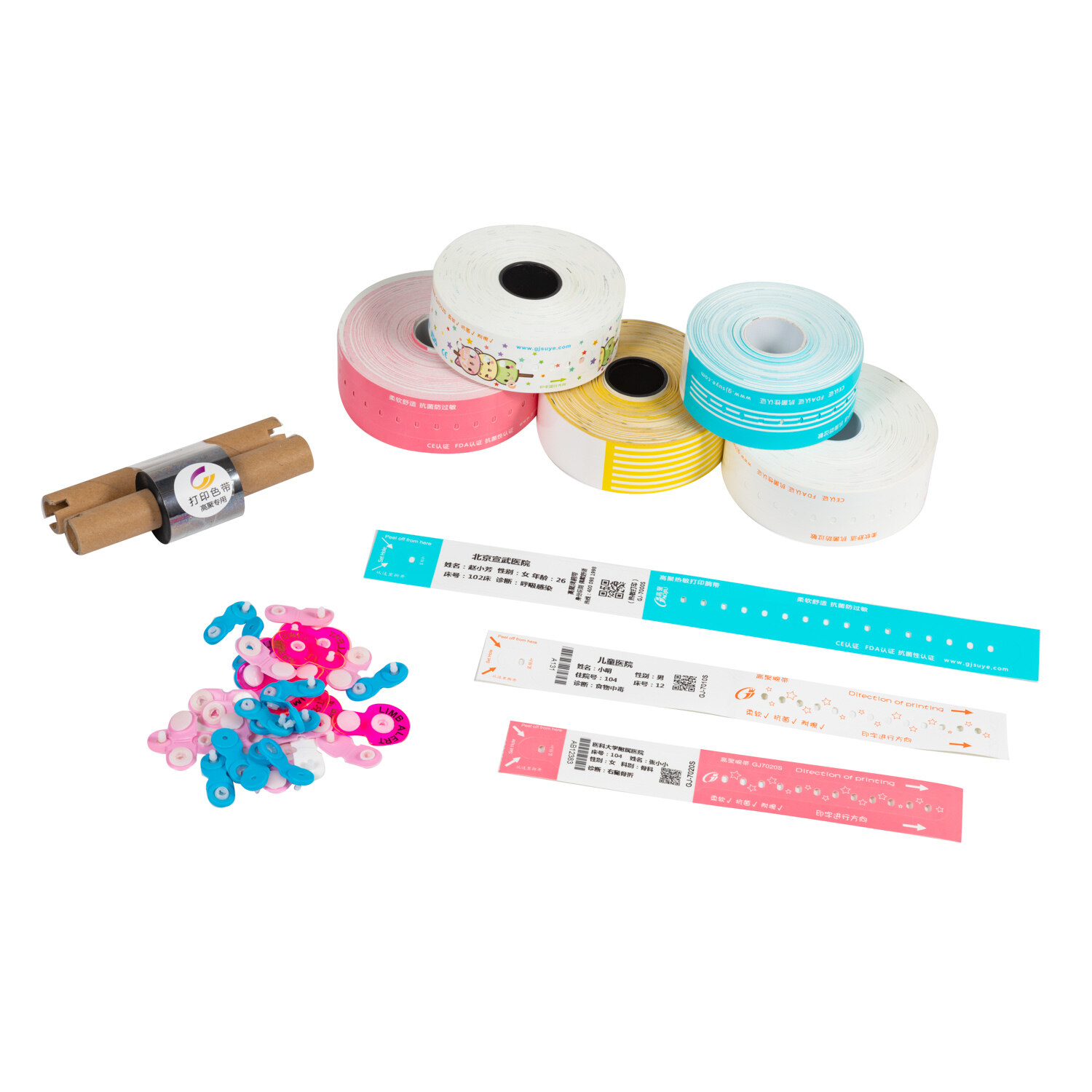
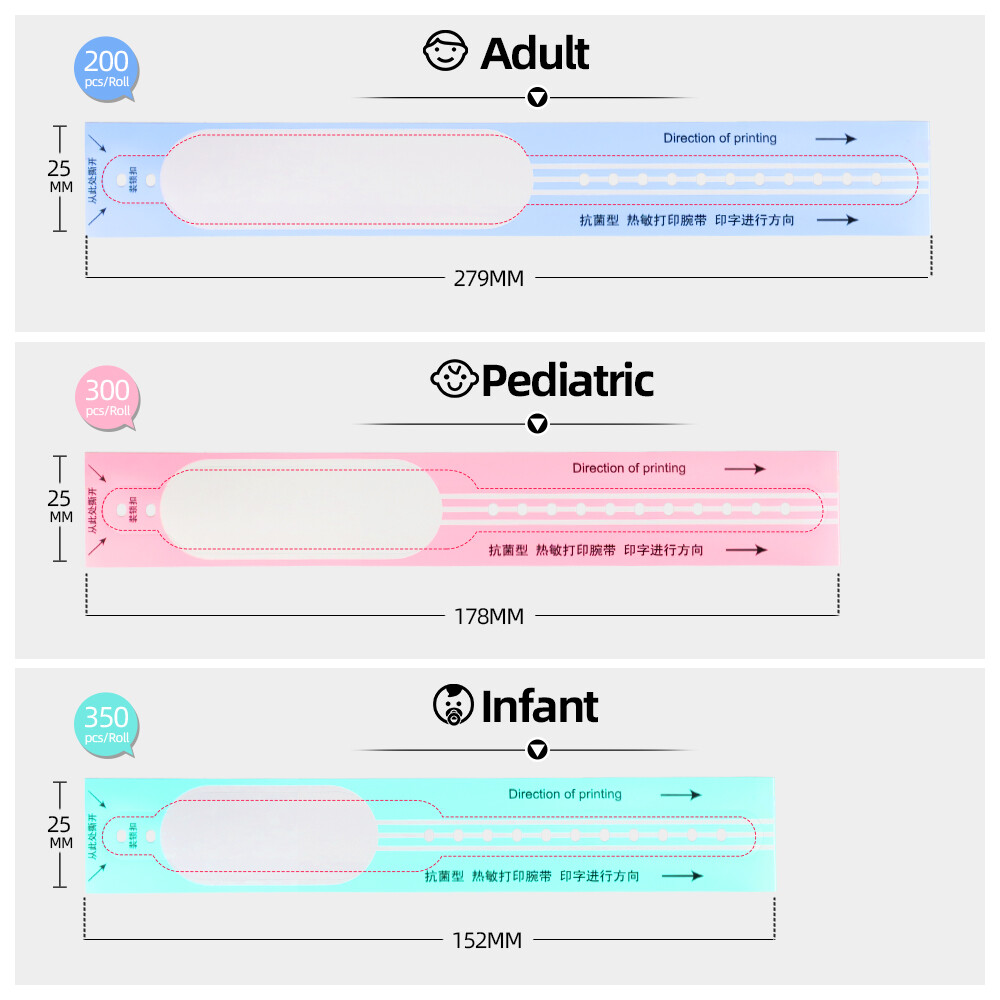
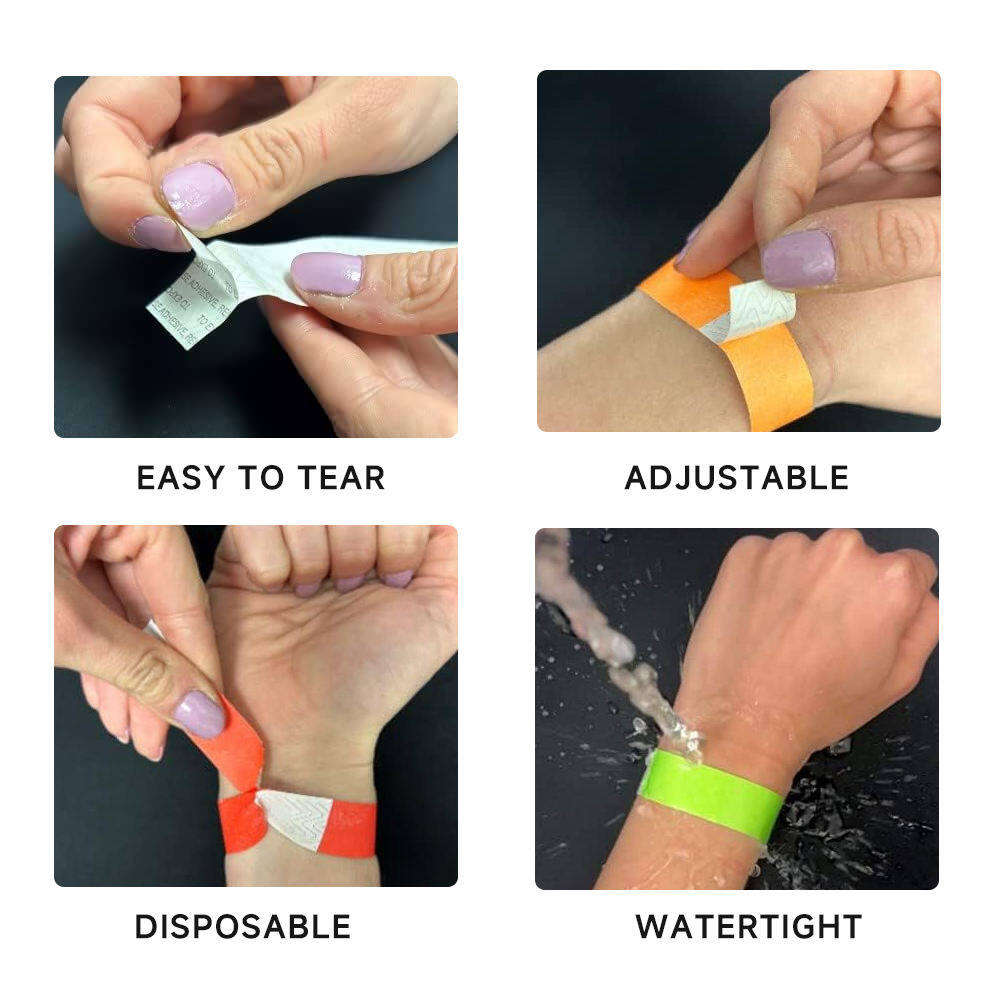
- Disposable Hospital Wristbands: These are cost-effective, single-use smart wristbands designed for short-term inpatient stays. They typically incorporate basic RFID identification and limited monitoring capabilities.
Section 2: Real-Time Location Services (RTLS) and Patient Tracking
2.1. The Clinical Imperative for Patient Location Tracking
One of the most significant challenges in hospital operations is maintaining awareness of patient location, particularly for vulnerable populations. Patients with dementia, cognitive impairment, psychiatric conditions, or those at risk of self-harm may wander from their designated areas, potentially leading to falls, elopement, or other adverse events. Traditional methods of patient tracking — such as visual checks and paper logs — are labor-intensive, prone to error, and cannot provide continuous surveillance.
2.2. How RTLS-Enabled Smart Wristbands Work
RTLS-enabled smart wristbands utilize a network of fixed readers or beacons positioned throughout the healthcare facility. As a patient wearing a smart wristband moves within the facility, the wristband's RFID tag or BLE signal is detected by nearby readers, which triangulate the patient's position in real time. This location data is transmitted to a central monitoring system, providing staff with continuous visibility into patient location.
2.3. Case Study: BLE Wristband Implementation at Tin Shui Wai Hospital
The Hong Kong Hospital Authority's Tin Shui Wai Hospital (TSWH) has implemented Bluetooth Low Energy wristbands to locate high-risk patients in its Accident and Emergency (A&E) Department. The system enables staff to track patients wearing BLE wristbands within designated A&E areas, with location information displayed on the nursing station dashboard.
The clinical benefits have been substantial. Patients with dementia or those at risk of self-harm are fitted with BLE wristbands following clear explanation during triage. A geofencing alert is triggered when a patient leaves the department, simultaneously notifying on-duty nurses through instant messaging on work mobiles. According to A&E Consultant Dr. Lui Chun-tat, the scope of surveillance is limited to locations within A&E to respect patient privacy while ensuring safety.
Dr. Lui explains that patients with visual or hearing impairments may not be able to hear announcements or see waiting hall screens. "Colleagues call out again and again, but no one answers. Now, they can use the BLE system to locate patients and provide timely care." A survey conducted at the hospital found that most staff considered the technology useful for preventing patients from leaving the A&E department before treatment completion.
2.4. Geofencing and Access Control
Geofencing represents an advanced application of RTLS technology. Smart wristbands can be programmed with virtual boundaries that trigger alerts when patients enter or exit designated areas. This capability is particularly valuable for:
- Maternity wards: Preventing infant abduction by triggering alarms when newborns approach unauthorized exits
- Psychiatric units: Ensuring patients remain within safe areas and alerting staff when boundaries are breached
- Fall prevention: Detecting when high-risk patients attempt to get up from bed or wander into areas with increased fall risk
2.5. Fall Prevention and Movement Analysis
Beyond simple location tracking, smart wristbands equipped with accelerometers and gyroscopes can detect patient movement patterns that indicate increased fall risk. A clinical study evaluating a fall prevention early warning bracelet found that patients wearing the device had significantly lower fall rates compared to control groups, with the intervention group experiencing zero falls versus 13.3% in the control group. The study also reported improved nursing satisfaction and more efficient shift handovers, as staff could quickly locate at-risk patients and assess their status.
More advanced systems integrate gait analysis to detect abnormal movement patterns. A patented 5G intelligent LED wristband system acquires patient gait position data and compares it with preset standard data to determine whether patient monitoring and positioning is normal. When abnormalities are detected, the system generates early warnings and transmits them to monitoring terminals, enabling real-time patient surveillance and rapid response to potential falls or other incidents.
Section 3: Continuous Vital Signs Monitoring: The Clinical Game-Changer
3.1. The Limitations of Traditional Vital Signs Measurement
Traditional vital signs monitoring relies on manual measurement every four hours, a practice that has remained largely unchanged for over a century. This intermittent approach has several significant limitations:
- Missed early deterioration: Clinical deterioration can occur rapidly between scheduled measurements, delaying recognition of patient decline and increasing the risk of adverse outcomes
- Sleep disruption: Nighttime vital signs checks wake patients, interfering with the rest essential for recovery
- Staff workload burden: Manual vital signs measurement consumes significant nursing time that could be directed toward direct patient care
- Data gaps: Intermittent measurement provides an incomplete picture of patient physiology, potentially masking trends that indicate deterioration
3.2. The Smart Wristband Solution: Continuous Physiological Monitoring
Smart wristbands equipped with biomedical sensors address these limitations by providing continuous, real-time monitoring of key physiological parameters. The data collected is transmitted wirelessly to central monitoring systems and integrated with electronic health records, enabling:
- Early warning detection: Continuous data enables algorithm-driven early warning scores that can identify subtle changes in patient condition before they become clinically apparent
- Reduced manual workload: Automated monitoring reduces the need for routine manual vital signs checks, freeing nursing time for direct patient care
- Improved patient experience: Patients experience fewer nighttime disruptions, promoting rest and recovery
- Comprehensive data: Continuous monitoring provides a complete picture of patient physiology, supporting more informed clinical decision-making
3.3. Evidence from the Houston Methodist Health System Implementation
One of the most comprehensive implementations of continuous vital signs monitoring in a health system was conducted at Houston Methodist, an eight-hospital academic health system. The initiative, described in a 2026 implementation report published in JMIR Medical Informatics, scaled wireless continuous vital signs monitoring across approximately 2,700 adult non-ICU beds.
The program utilized an FDA-cleared wearable device (BioButton) that continuously measured heart rate, respiratory rate, and skin temperature. Data was integrated into Epic, the health system's electronic health record, and monitored 24/7 through a centralized Virtual Operations Center (VOC). The rollout followed a phased approach, with implementation spanning from 2022 to 2024.
Key outcomes included:
- High adoption rates: The program achieved greater than 95% device utilization rates and full nursing staff training completion
- Reduced alert burden: A standardized escalation workflow filtered approximately 50% of alerts at the VOC review stage, substantially reducing frontline alert fatigue
- Workflow efficiency gains: Several units extended overnight manual vital signs intervals from every 4 hours to every 6-8 hours, with staff estimating approximately 4 hours saved per nursing shift. Patient care assistants redirected time toward patient mobility and personal care needs
- Staff confidence: Staff reported growing confidence in device performance over time
The Houston Methodist experience demonstrates that embedding continuous vital signs monitoring into routine inpatient care is both feasible and beneficial. The program's success was enabled by early strategic alignment, phased rollout, robust IT and monitoring infrastructure, and iterative optimization. The implementation represents the first system-wide deployment of CVSM across a diverse, multi-hospital health system and serves as a model for other organizations pursuing digital vital signs redesign.
3.4. AI-Enabled Predictive Analytics
The integration of artificial intelligence with smart wristband data represents the next frontier in patient monitoring. AI models can analyze continuous sensor data to identify patterns that predict potential health risks, enabling preventive actions and reducing the likelihood of emergencies.
An AI-Enabled IoT RFID-Based System for Automated Patient Health Monitoring proposed in a 2026 IEEE study combines intelligent data analysis, RFID-based identification, and continuous sensing into a unified framework. The system uses IoT-enabled sensors to continuously monitor critical health metrics like heart rate, temperature, and oxygen saturation. Each patient has a unique RFID tag that securely connects to their health profile, and AI models analyze trends in sensor readings to forecast possible health risks, enabling preventive actions before emergencies develop.
Section 4: Smart Wristbands and the Internet of Medical Things (IoMT)
4.1. The IoMT Ecosystem
Smart wristbands are integral components of the broader Internet of Medical Things (IoMT) ecosystem. IoMT refers to the network of connected medical devices, sensors, and systems that collect, transmit, and analyze health data. In smart hospitals, IoMT creates hyperconnected care environments that blend sensing-centric wearables with real-time location services and robotics.
The IoMT architecture typically includes multiple layers:
- Perception layer: Smart wristbands and other sensors that collect physiological and location data
- Edge/fog layer: Local processing units that perform initial data analysis and filtering
- Cloud layer: Centralized storage, analytics, and clinical decision support systems
- Application layer: Clinical dashboards, alert systems, and EHR integration
4.2. Integration with Electronic Health Records
Smart wristbands are most effective when their data is integrated with electronic health records. This integration enables a comprehensive view of patient health, combining continuously collected physiological data with other clinical information such as laboratory results, medication orders, and provider notes.
The Houston Methodist implementation integrated continuous vital signs data with Epic, the health system's EHR, through secure transmission protocols and validated data flows into Epic flowsheets and early warning score logic. IT preparations included configuring BioHub connectivity, enabling secure transmission of physiological data, and validating data flow into clinical decision support systems.
4.3. Challenges in IoMT Implementation
Despite the significant benefits, implementing IoMT-enabled smart wristbands presents several challenges:
- Interoperability and standardization: Ensuring seamless data exchange between diverse systems and devices remains a significant challenge. Smart hospitals must navigate multiple standards and protocols to achieve comprehensive integration
- Privacy and cybersecurity: The continuous transmission of patient health data creates privacy and security risks that must be addressed through encryption, authentication, and access controls
- Cost and change management: Significant investments in technology, infrastructure, and staff training are required. Implementing these systems requires substantial organizational commitment and leadership support
- Workforce training: Staff must be trained not only on device use but also on interpreting and responding to continuous data streams
Section 5: Enhancing Patient Safety Through Smart Wristbands
5.1. Preventing Elopement and Wandering
Patient wandering and elopement represent significant safety risks, particularly for vulnerable populations such as those with dementia, cognitive impairment, or psychiatric conditions. Smart wristbands with RTLS capability provide continuous surveillance that alerts staff when patients attempt to leave designated areas.
The BLE wristband implementation at Tin Shui Wai Hospital demonstrates the effectiveness of this approach. The system triggers geofencing alerts when high-risk patients leave the A&E department, simultaneously notifying on-duty nurses through instant messaging. This enables rapid intervention before patients can wander into unsafe areas or leave the facility.
5.2. Early Detection of Clinical Deterioration
Continuous vital signs monitoring enables earlier detection of clinical deterioration than traditional intermittent measurement. Algorithm-driven early warning scores can identify subtle changes in heart rate, respiratory rate, and temperature that may precede more obvious signs of deterioration by hours.
The Houston Methodist implementation found that a standardized escalation workflow filtered approximately 50% of alerts at the VOC review stage, substantially reducing frontline alert burden while maintaining effective surveillance. This suggests that continuous monitoring can improve detection without overwhelming staff with unnecessary notifications.
5.3. Fall Risk Assessment and Prevention
Falls are among the most common adverse events in hospitals, with serious consequences including fractures, head injuries, and prolonged hospital stays. Smart wristbands with accelerometers can detect patient movements that indicate increased fall risk, such as attempting to get up from bed without assistance.
The fall prevention early warning bracelet study demonstrated a significant reduction in falls among patients wearing the device, with the intervention group experiencing zero falls compared to 13.3% in the control group. The study also found that all patients were willing to continue wearing the device, indicating good patient acceptance.
5.4. Access Control and Security
Smart wristbands can serve as access control mechanisms, ensuring that only authorized personnel access sensitive areas such as medication rooms, supply storage, and operating theaters. The wristband's RFID or BLE signal is read by door readers, granting access based on the wearer's role and permissions.
Section 6: Clinical Decision Support and Data-Driven Care
6.1. Transforming Data into Clinical Intelligence
Continuous monitoring generates vast amounts of data that must be transformed into actionable clinical intelligence. AI-enabled analytics play a crucial role in this transformation, identifying patterns and trends that may indicate patient deterioration.
The AI-Enabled IoT RFID-Based System proposed in the IEEE study demonstrates how AI models can analyze sensor readings to forecast possible health risks, enabling preventive actions and lowering the likelihood of emergencies. This predictive capability represents a significant advancement over reactive approaches to patient care.
6.2. Reducing Medication Errors and Enhancing Verification
Smart wristbands can enhance medication safety by integrating with barcode medication administration (BCMA) systems. When a healthcare professional scans the smart wristband, the patient's unique identifier is transmitted, and the system verifies the "Five Rights" of medication administration — right patient, right drug, right dose, right route, and right time.
Some smart wristbands incorporate RFID technology that enables hands-free patient identification, further reducing the time required for verification. A study comparing barcode and RFID authentication found that RFID authentication time was just half that of barcode authentication, contributing to more efficient clinical workflows.
6.3. Remote Patient Monitoring and Telehealth Integration
Smart wristbands are enabling the expansion of remote patient monitoring (RPM), allowing patients to be monitored outside traditional hospital settings. This has significant implications for post-discharge care, chronic disease management, and populations in rural or underserved areas with limited access to healthcare facilities.
The Houston Methodist implementation report notes that future work should evaluate the applicability of continuous monitoring to post-acute and ambulatory care settings. Expanding these capabilities beyond the hospital could reduce readmissions, improve disease management, and enhance patient outcomes.
Section 7: Patient Experience and Acceptance
7.1. Patient Comfort and Wearability
For smart wristbands to be effective, they must be comfortable enough for patients to wear continuously throughout their hospital stay. Modern smart wristbands are designed with patient comfort in mind, using lightweight materials, adjustable bands, and low-profile form factors.
The fall prevention early warning bracelet study found that while 26.7% of patients reported some impact on hand movement or rest, all patients expressed willingness to continue wearing the device. This high acceptance rate suggests that patients recognize the safety benefits of smart wristbands and are willing to tolerate minor discomfort.
7.2. Privacy Considerations and Informed Consent
The continuous collection and transmission of patient location and physiological data raise important privacy considerations. Patients must be informed about what data is being collected, how it will be used, and who will have access to it.
The Tin Shui Wai Hospital BLE wristband implementation addresses privacy concerns by limiting surveillance to locations within the A&E department and providing clear explanation to patients during triage. This approach respects patient privacy while enabling effective monitoring.
7.3. Family Engagement and Reassurance
Smart wristbands can provide reassurance to patients' families, who can be confident that their loved ones are continuously monitored and that staff will be alerted in case of changes in condition or location. The fall prevention bracelet study found that family participation in fall prevention activities increased, suggesting that patients and families appreciate the safety benefits of these devices.
Section 8: Future Directions in Smart Wristband Technology
8.1. Integration with 5G Networks
The deployment of 5G networks in healthcare settings promises to enhance smart wristband capabilities through faster data transmission, lower latency, and greater device density. 5G-enabled wristbands will enable real-time transmission of high-fidelity physiological data, supporting more sophisticated analytics and faster response times.
The patented 5G intelligent LED wristband system demonstrates the potential of 5G integration, enabling real-time patient monitoring, positioning, and early warning capabilities that exceed those of current systems.
8.2. Advanced Sensor Integration
Future smart wristbands will incorporate an increasingly diverse array of biomedical sensors, enabling more comprehensive physiological monitoring. Potential additions include continuous glucose monitoring, blood pressure measurement, hydration monitoring, and advanced cardiac rhythm analysis.
8.3. Biometric Authentication
Smart wristbands may incorporate biometric authentication capabilities, such as fingerprint or vein pattern recognition, to provide two-factor authentication that ensures the wristband is worn by the intended patient. This would eliminate the risk of wristband swapping or loss compromising patient identification.
8.4. Predictive and Prescriptive Analytics
As AI capabilities continue to advance, smart wristband analytics will evolve from descriptive (what happened) and diagnostic (why it happened) to predictive (what will happen) and prescriptive (what to do about it). This will enable truly proactive patient care, with interventions initiated before adverse events occur.
Conclusion: The Smart Wristband as a Clinical Cornerstone
The evolution of the patient wristband from a passive identification tool to an active clinical monitoring device represents one of the most significant advances in patient safety and healthcare delivery in recent decades. Smart wristbands integrating RFID technology, BLE connectivity, and biomedical sensors are establishing a new standard for patient care — one characterized by continuous surveillance, early intervention, and data-driven clinical decision-making.
The evidence from implementations at Tin Shui Wai Hospital and Houston Methodist Health System demonstrates that smart wristbands deliver tangible benefits: improved patient safety through real-time location tracking and geofencing, enhanced clinical outcomes through continuous vital signs monitoring, and increased operational efficiency through reduced manual workload and automated surveillance.
While challenges remain — including cost, integration complexity, and staff training — the trajectory is clear. Smart wristbands are becoming indispensable tools in modern healthcare, enabling the shift from episodic, reactive care to continuous, proactive surveillance. As technology continues to advance and healthcare organizations build on the experience of early adopters, the smart wristband will increasingly serve as a cornerstone of safe, efficient, and patient-centered care delivery.
Continue Reading
Have Questions About Wristbands?
Our team is ready to help you find the perfect wristband solution for your needs. Contact us directly on WhatsApp for quick responses.
Contact on WhatsApp