
Does the Barcode Survive Ten Alcohol Wipes? The Clinical Case for Wristband Durability Testing
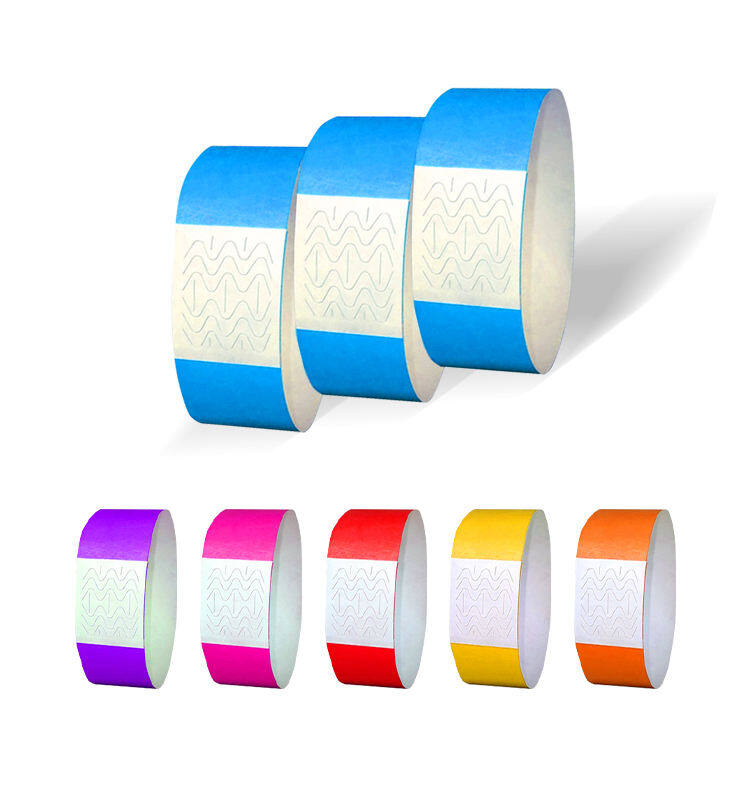
High-compliance units destroy wristbands faster than anyone expects. This is why ICU and infectious disease departments need tolerance-tested media—not the same stock that works fine on a general ward.
The Uncomfortable Relationship Between Clean Hands and Dead Barcodes
Here is a metric that rarely appears in infection prevention dashboards: wristband scan failure rate by unit. It should.
The units with the highest hand hygiene compliance—intensive care, infectious disease, isolation wards—are precisely the units where patient identification bands degrade fastest. Every alcohol-based hand rub application near a patient's wrist brings the band into contact with ethanol or isopropanol. Every glove change, every bed repositioning, every arterial line check involves the wrist. Over twelve hours, a wristband in the ICU may encounter alcohol exposure a dozen times. Over seventy-two hours, that number climbs into the dozens.
The barcode that scanned perfectly at admission begins to fail. The nurse tries again. Repositions the scanner. Wipes the band—with another alcohol wipe. The failure mode accelerates.
This is not a hypothetical. A study examining barcode scanner failures in an intensive care unit found that staff abandoned barcode scanning and reverted to manual data entry because scanners could not read barcoded patient bands on the first attempt. The study placed bands on volunteers for eleven days—roughly twice the average institutional length of stay—and found significantly higher scan failure rates on worn bands compared to new ones. The wear wasn't the only variable. The exposure was.
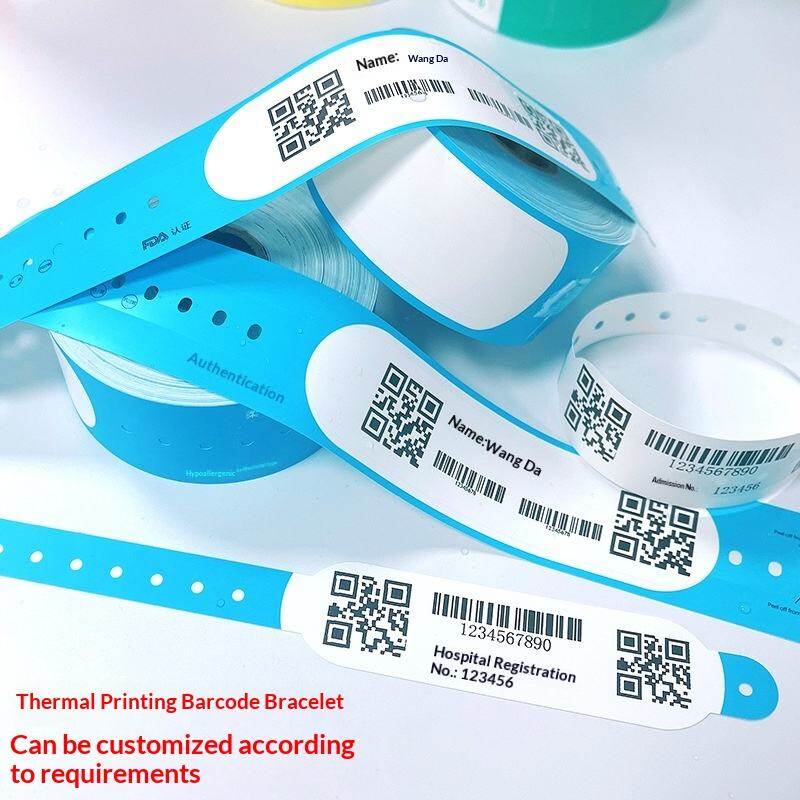
For procurement teams selecting wristband media, the question is straightforward: Does your current product survive the chemical environment of the units where it is actually used? If the answer is unknown, you are running an uncontrolled experiment on patient safety. The same wristband durability testing logic applies when specifying bariatric patient wristbands, extended-length wristbands and ankle bands, and when preparing for CAP Q-Probes style identification audits that measure patient identification accuracy across the facility.
What Hand Hygiene Does to a Wristband
To understand why alcohol exposure matters, it helps to understand what wristbands are made of and how printing works.
Direct thermal wristbands rely on a heat-sensitive coating applied to the media surface. The printhead triggers a chemical reaction that darkens specific areas, creating text and barcodes. That coating remains chemically active after printing. Exposure to alcohol-based hand rubs can accelerate the reaction in unintended areas, darkening the background and reducing barcode contrast. Repeated exposure degrades the coating's integrity, causing the print to fade or smear.
Thermal transfer wristbands use a ribbon to transfer resin or wax-based ink onto the media surface. The ink sits on top of the material rather than reacting with it. This construction is generally more resistant to chemical exposure because the printed image is not dependent on a chemically active coating. Testing data from wristband manufacturers indicates that thermal transfer bands tolerate water, soap, friction, hand sanitizer, iodine, and alcohol, remaining scannable after two weeks of normal use.
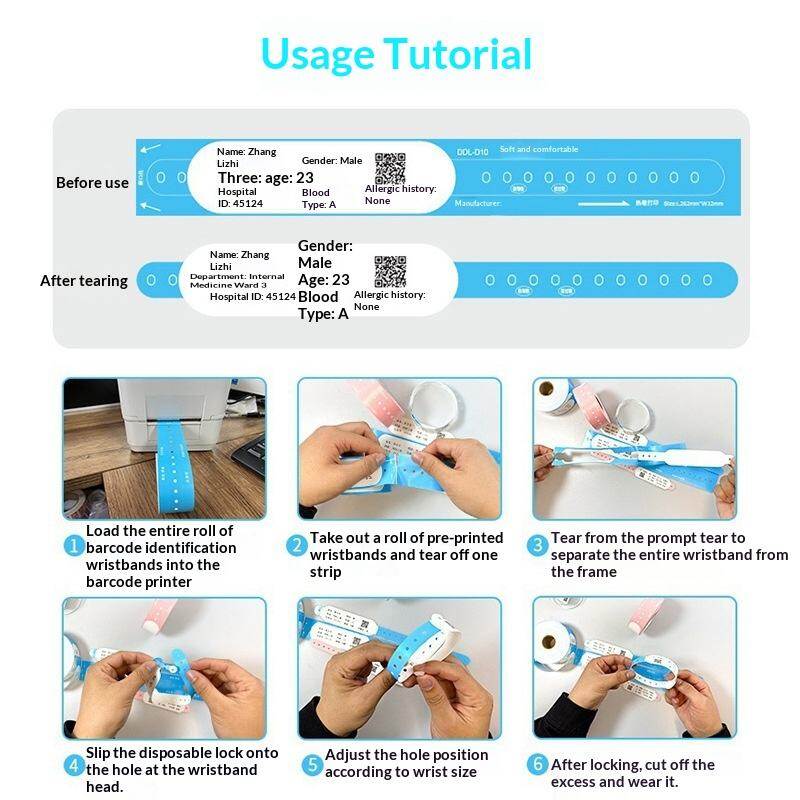
Laser-printed wristbands use toner fused onto paper or synthetic media. Without a protective laminate shield, toner is vulnerable to alcohol and moisture. Products with self-laminating features address this by covering the printed area with a clear film that resists water and solvents.
The material science matters because the clinical exposure is relentless. In a 2024 study, hand hygiene adherence in intensive care improved from 10% to 56% following intervention. That improvement is exactly what infection prevention teams want. But it also means wristbands in those units are exposed to alcohol far more frequently than they were before the improvement.
The "Ten Wipes" Question
Some procurement specifications now include a practical test: after ten alcohol wipes, is the barcode still scannable?
This is not an arbitrary standard. A Chinese hospital procurement specification for medical wristbands requires that after writing with a ballpoint pen, the information should show no obvious fading after five wipes with distilled water or 95% alcohol. Another specification calls for print coatings that resist alcohol, disinfectants, soap, hot water, and blood, with documented friction testing. These requirements reflect clinical reality: wristbands are exposed to cleaning agents constantly, and the print must survive.
The ten-wipe test is a proxy for a longer clinical exposure. If a band fails after ten wipes, it will fail in a high-compliance unit. If it passes, it has a reasonable chance of remaining scannable through a typical ICU stay.
But ten wipes is not a standardized test. The variables matter: the type of wipe (70% isopropanol versus 70% ethanol versus a quaternary ammonium disinfectant), the pressure applied, the dwell time before wiping, and the wristband material itself. A band that survives ten gentle wipes with 70% ethanol may fail after five vigorous wipes with a higher-concentration product.
For procurement teams, the practical solution is to specify the exposure conditions relevant to your facility. If your ICU uses a specific alcohol-based hand rub, test candidate wristbands against that product. If your cleaning protocol includes quaternary ammonium wipes on equipment near patients, include that exposure. Generic "alcohol resistant" claims are insufficient. The test protocol should match the clinical protocol.
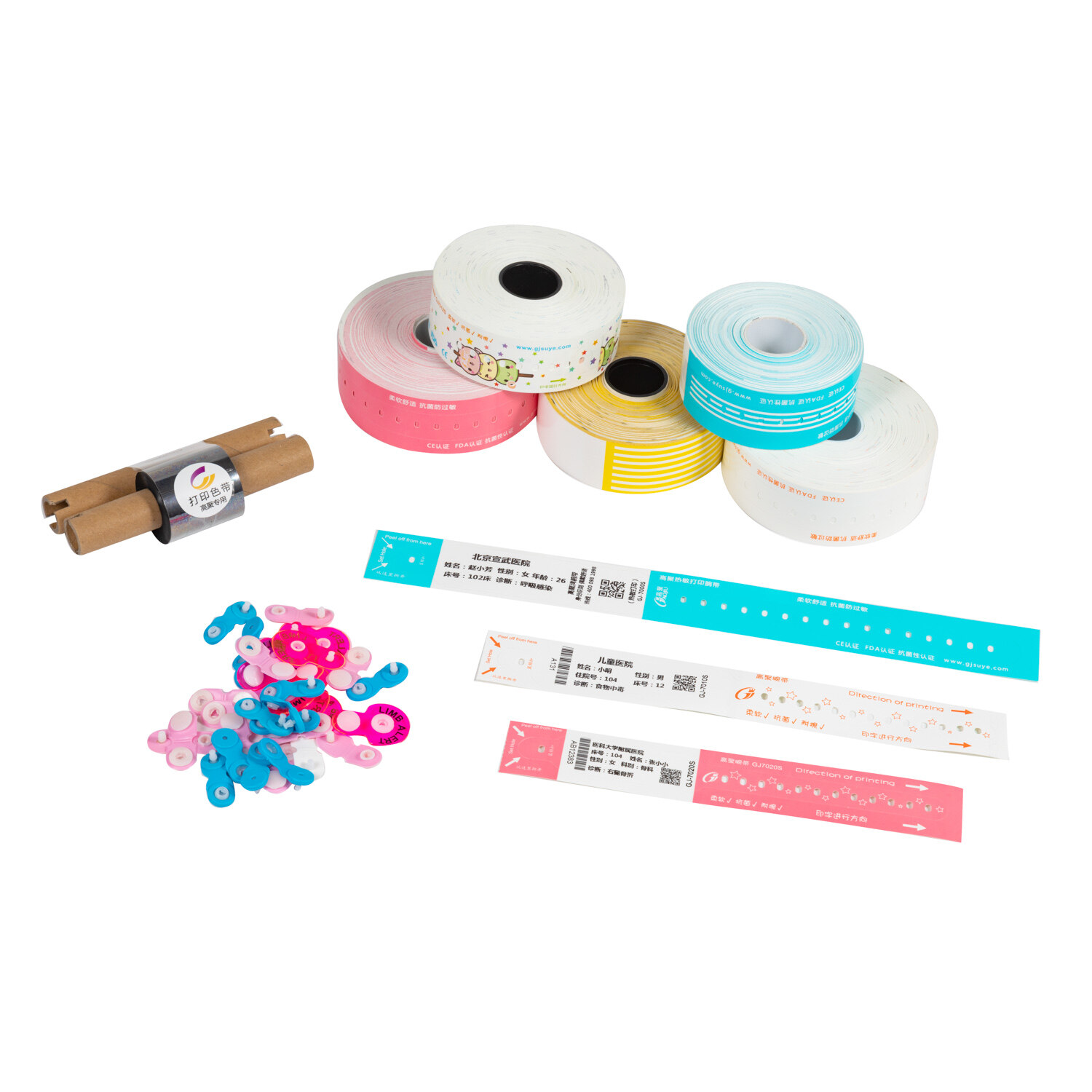
Material Differences That Matter in High-Acuity Settings
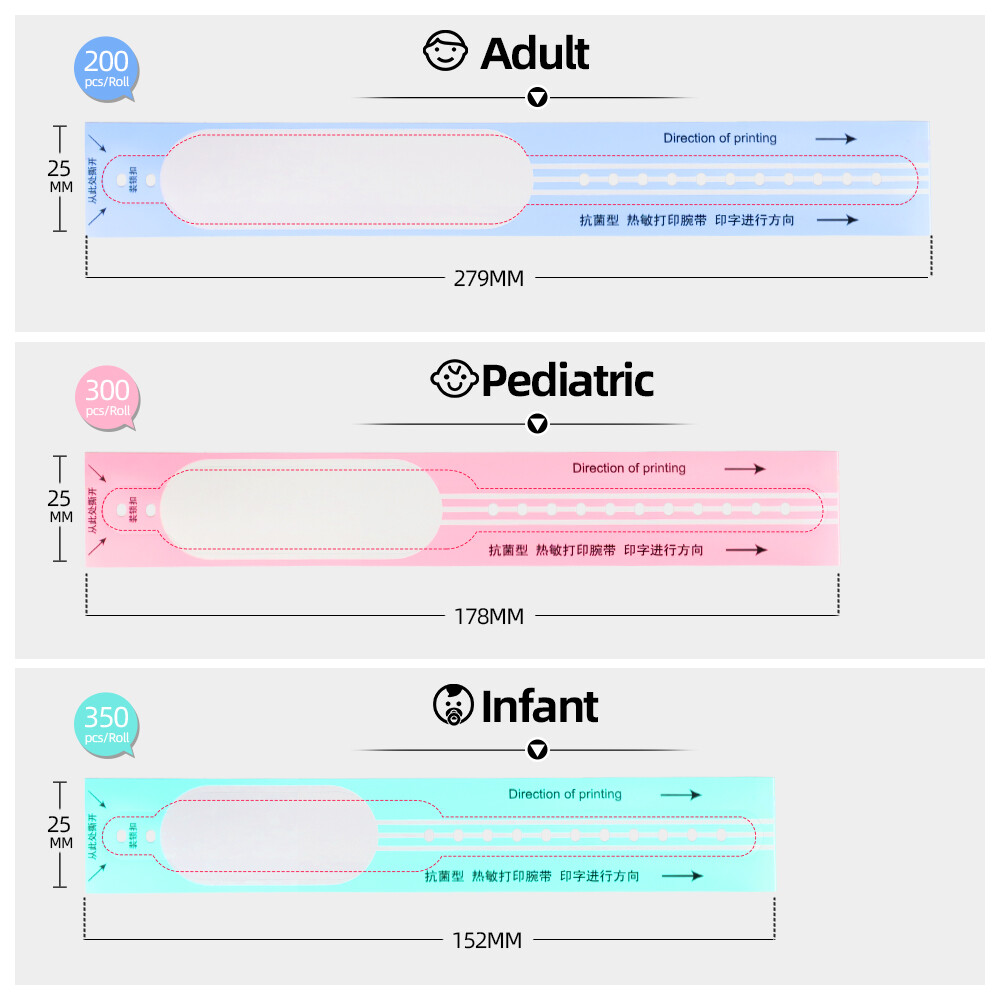
Not all wristbands are designed for the same exposure profile. The material and construction determine how a band will perform in ICU versus a medical-surgical floor.
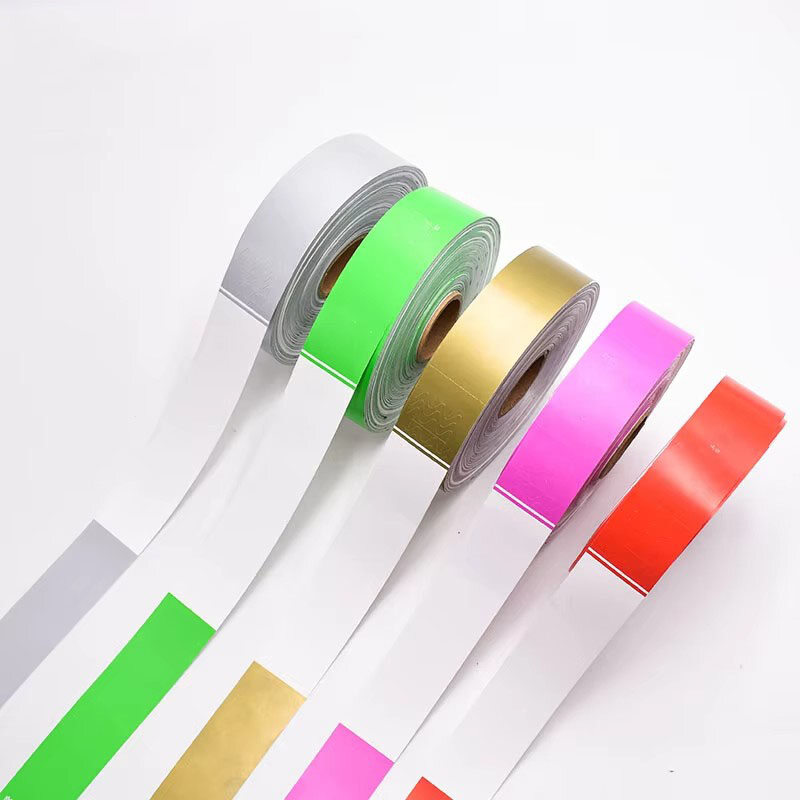
Direct thermal with protective topcoat. Some direct thermal wristbands include a protective topcoat over the heat-sensitive layer. This topcoat provides a barrier against moisture, alcohol, and abrasion while still allowing the printhead to contact the thermal coating. McKesson's Securline barcode wristbands, for example, include a laminate shield that protects patient information and barcode from water or solvents. The manufacturer claims the advanced material resists moisture, alcohol, and hand sanitizer to preserve barcode integrity.
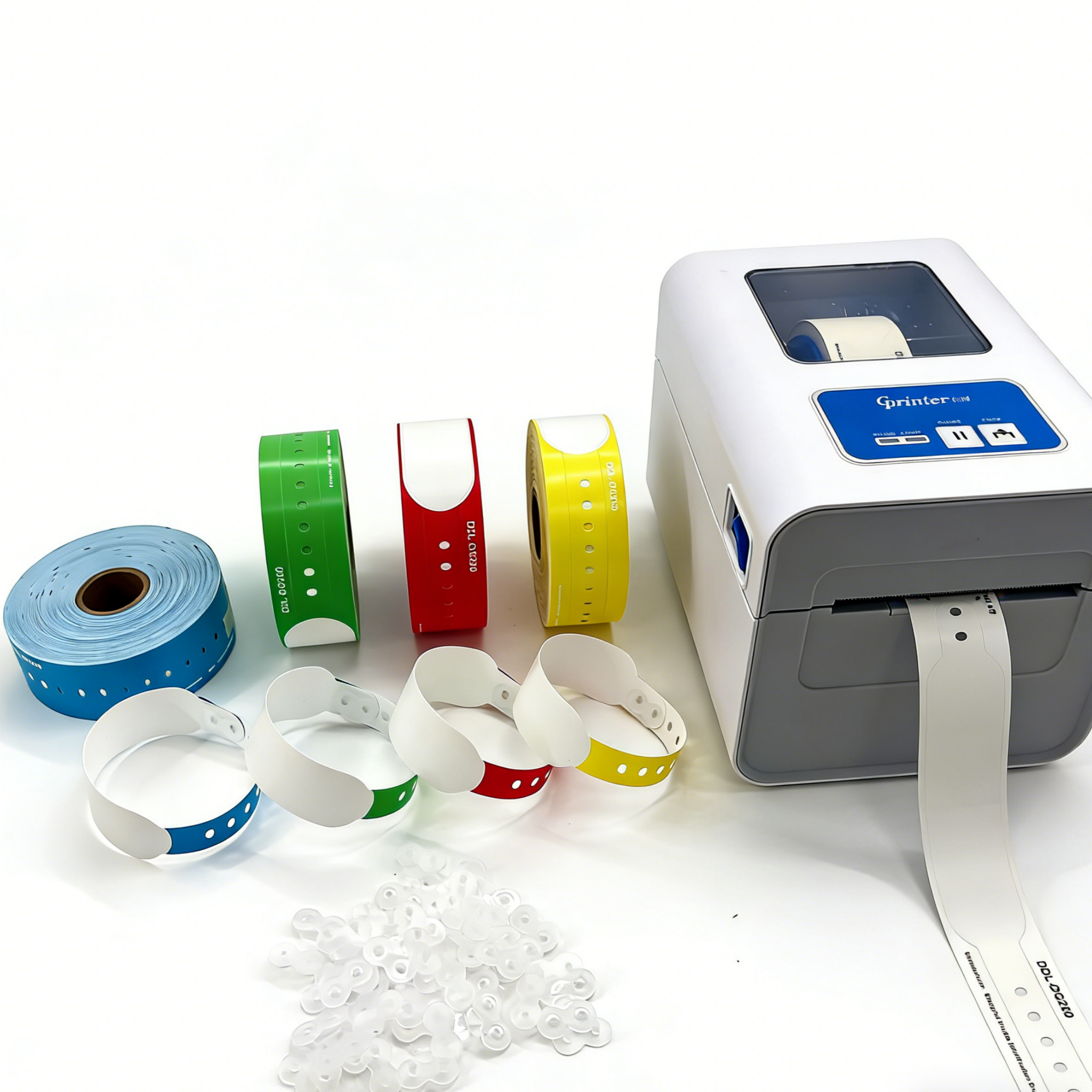
Thermal transfer on synthetic media. SATO's thermal transfer wristbands use a printing method that applies ink via ribbon rather than relying on a chemically reactive coating. The manufacturer states these bands are more resistant to hospital soaps, alcohol, and hand sanitizers compared to thermal bands, and remain scannable after two weeks of normal use. The material is also soft and skin-friendly, addressing the comfort concerns that lead to patient-initiated removal.
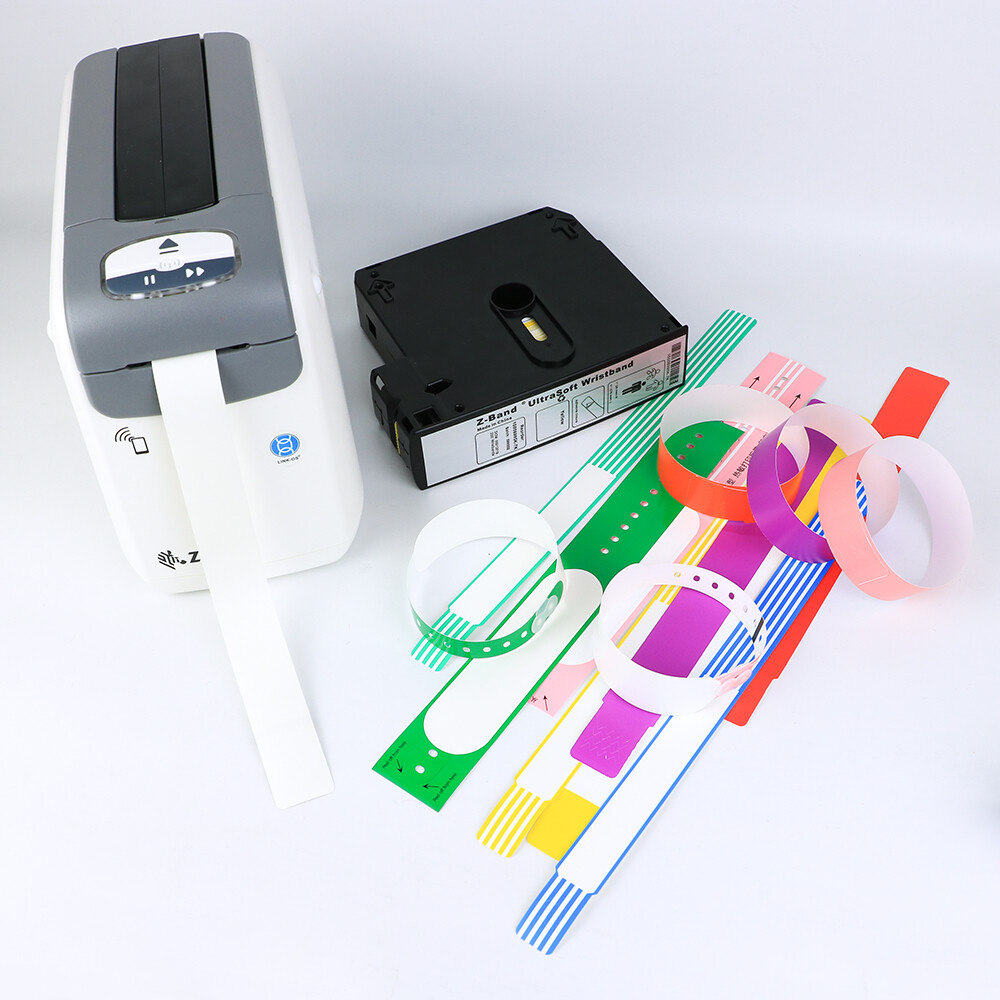
Laser with self-laminating shield. Laser-printed wristbands without lamination are the most vulnerable to alcohol exposure. Toner particles sit on the media surface and can be dissolved or smeared by alcohol. Self-laminating products apply a clear protective layer over the printed area after printing, creating a barrier that resists water and solvents. The trade-off is additional material cost and a slightly more complex printing process.
RFID wristbands. RFID identification bands include an embedded chip and antenna. The material must protect the electronics from moisture and chemical exposure while maintaining read range. Some RFID wristbands are specified as resistant to water, alcohol, and other substances. For facilities using RFID for patient tracking or wander prevention, durability testing must include both the printed visual information and the electronic read performance.
The Data Problem: Most Facilities Don't Measure Wristband Degradation
Here is the uncomfortable truth: most hospitals have no systematic data on how their wristbands perform under real clinical exposure.
They know the purchase price. They know the box count. They may know the general complaint rate from nursing staff. But they do not know the scan failure rate at twelve hours, twenty-four hours, or seventy-two hours. They do not know whether failures cluster in specific units. They do not know whether a particular alcohol-based hand rub formulation accelerates degradation.
This data gap matters because wristband selection often proceeds on assumptions rather than evidence. The band that works acceptably in a post-operative unit may fail catastrophically in an ICU. The band that performed well under the previous hand hygiene product may fail under a new one introduced by infection prevention.
A structured tolerance testing protocol fills this gap. The protocol does not need to be complex. It needs to be relevant.
Baseline characterization. Select spare wristbands of each candidate product. Print standardized test barcodes and text. Record the initial barcode grade using a verifier or a consistent scanning protocol.
Controlled exposure. Apply a defined number of wipes with the specific alcohol-based product used in your facility. The wipe count should reflect clinical reality: a band in a high-compliance unit may experience twenty to thirty alcohol exposures over a typical stay. Ten wipes is a minimum. Twenty is more realistic.
Post-exposure evaluation. Rescan the barcode. Record the grade or scan success. Repeat the exposure cycle and re-evaluate at intervals. Document the point at which scanning fails or degrades below an acceptable threshold.
Clinical correlation. Where possible, collect worn wristbands from ICU patients at defined intervals and evaluate them using the same protocol. This connects the controlled test to actual clinical performance.
The output is a product-specific durability profile that can be compared across vendors and matched to unit-specific requirements.
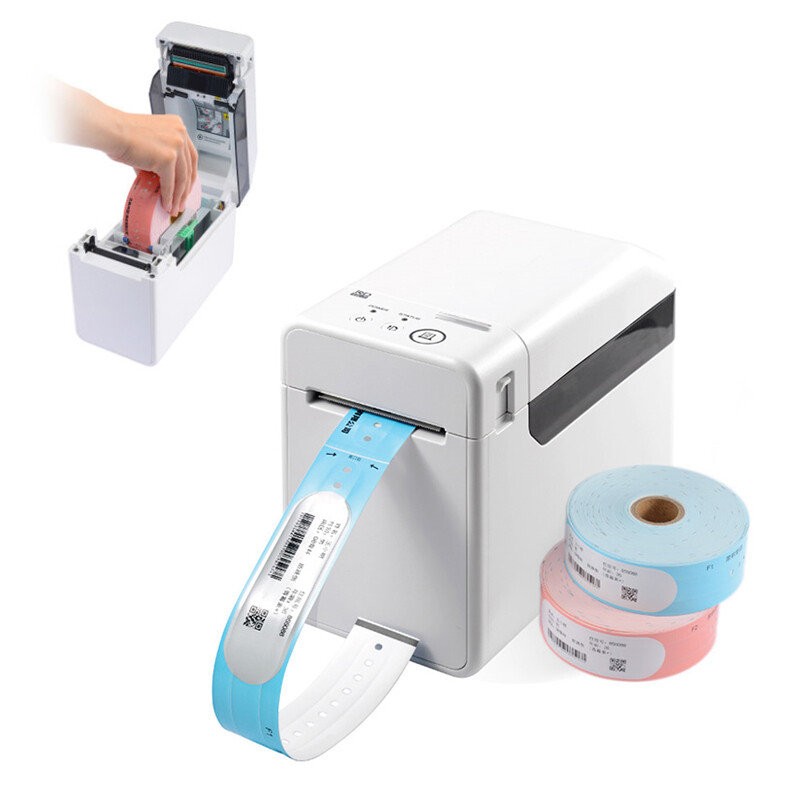
Selecting Media for ICU and Infectious Disease Units
The selection logic for high-acuity units differs from general ward procurement.
Prioritize chemical resistance over unit cost. The per-band price difference between a standard thermal wristband and a chemically resistant product may be measured in cents. The cost of a single scan failure that delays medication administration or forces manual data entry is measured in nursing time and safety risk. In units where every wristband is exposed to alcohol dozens of times, the resistant product is the lower-cost choice.
Verify the resistance claim against your specific exposure. "Alcohol resistant" is not a standardized claim. Ask vendors for test data against the specific hand hygiene products and cleaning agents used in your facility. If the vendor cannot provide this data, treat the claim as unverified.
Consider thermal transfer for the highest-exposure units. Thermal transfer printing, while requiring ribbon consumables, produces a print image that is less vulnerable to chemical degradation than direct thermal. The higher consumable cost may be justified in units where direct thermal bands fail before the end of the average patient stay.
Test before you commit. A pilot deployment in one ICU or infectious disease unit, with structured scan failure tracking, generates the evidence needed for facility-wide decisions. The pilot should run long enough to capture the full range of patient lengths of stay and clinical exposures.
Align with infection prevention. Wristband selection interacts with hand hygiene protocols. If infection prevention is introducing a new alcohol-based product, the wristband durability assessment should include that product. Conversely, if wristband failures are driving nursing staff to avoid scanning, that is an infection prevention concern as well as a patient safety concern.
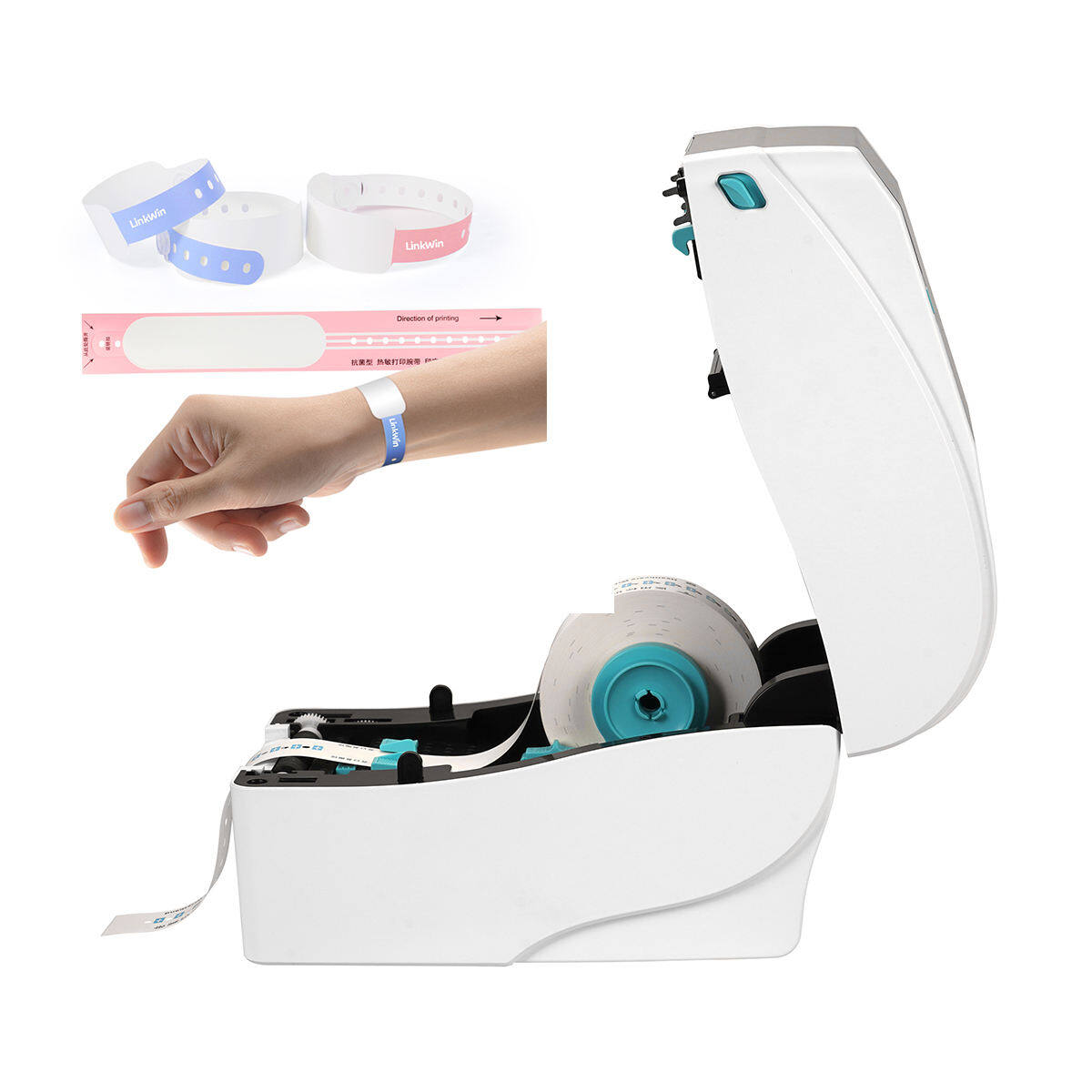
The Safety Consequence of Degraded Identification
A wristband that fails scanning is not merely inconvenient. It is a patient safety event waiting to happen.
When barcode scanning fails, staff have three options. They can manually enter the patient identifier, reintroducing the transcription error risk that barcode systems were designed to eliminate. They can try another scanner or another angle, consuming time in a workflow where time is already constrained. Or they can skip the scan and proceed with the task based on visual identification—a workaround that bypasses the verification step entirely.
Research on barcode medication administration workarounds identifies missing or unreadable barcodes as a direct cause of process deviations. When nurses cannot scan wristbands, they develop workarounds. Those workarounds persist. The safety benefit of barcode technology is diluted or lost.
A study of bar code decoding errors found that misread wristband barcodes generated incorrect patient identifiers, and in the worst case, misidentified patient results could have been transmitted to the incorrect medical record. The study authors noted implications for medication administration, transfusion verification, and any area where patient misidentification can be life-threatening.
These are not marginal risks. They are the core safety functions that patient identification systems exist to perform. A wristband that degrades under alcohol exposure undermines those functions.
Making Durability a Specification, Not an Assumption
The practical takeaway for procurement and clinical teams is straightforward.
Stop assuming that wristbands work simply because they are in use. Start measuring. The measurement does not require a research protocol. It requires a structured approach to answering one question: Does this product maintain scannable identification under the chemical exposure conditions of the units where it is deployed?
For ICU and infectious disease units, that question has a specific form: After ten alcohol wipes, is the barcode still scannable? After twenty? After the typical length of stay?
If the answer is unknown, the wristband is running on assumption. In patient identification, assumptions are where errors begin.
The wristband is a small, inexpensive item. The identification function it performs is not. Selecting media that survives the chemical environment of high-compliance units is not a premium choice. It is the minimum condition for the system to work as designed.
Continue Reading
Have Questions About Wristbands?
Our team is ready to help you find the perfect wristband solution for your needs. Contact us directly on WhatsApp for quick responses.
Contact on WhatsApp