
5 Safety Audit Checks Before Your Wristband Contract Renewal
Why Audit Before Renewal
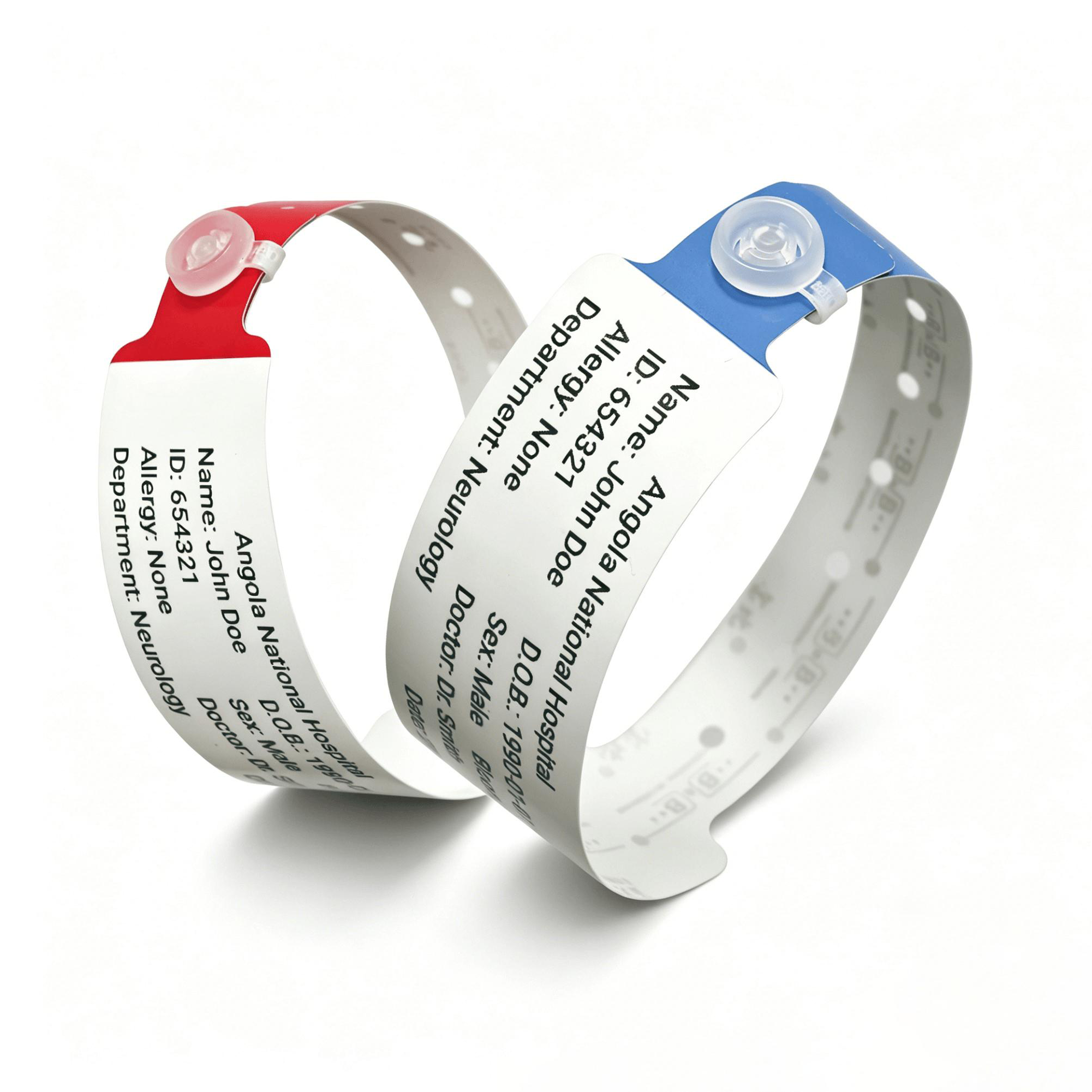
Patient identification wristbands are rarely evaluated on their own merits. They get bundled into supply chain contracts, renewed on autopilot, and forgotten until a barcode fails to scan at 3 AM in the ICU. The stakes are not theoretical. Patient misidentification contributes to medication errors, transfusion errors, and wrong-patient procedures — errors that are largely preventable with robust identification practices. A UK audit of 505 patient wristbands found 49 with either the wrong name or wrong unit number. That is roughly one in ten wristbands carrying incorrect data, a reminder that patient identification accuracy must be measured, not assumed.
When a contract comes up for renewal or a GPO conversion looms, procurement teams face a narrow window to assess whether current products are actually working. The default assumption — that because the wristbands have been in use, they must be adequate — is precisely the problem. Wristbands degrade quietly. A closure that loosens slightly, a thermal coating that smears just enough to slow a scan, a material that irritates fragile skin: these issues accumulate without triggering alarms. They become visible only through structured review.
This audit is designed for that window. It focuses on operational reality rather than catalogue specifications. Five checks. Each produces actionable evidence.
Check 1: Barcode Scan Success Rate at the Point of Care
The first and most consequential audit item is whether the barcode actually reads when a nurse scans it. Not when it is printed. Not when it is fresh out of the box. When it is on a patient's wrist after twelve hours of hand hygiene, bedding friction, and clinical exposure.
What to Measure
Conduct a spot audit across multiple units and shifts. For a representative sample of inpatients, attempt to scan the existing wristband barcode with the same scanner hardware used in routine care. Record the first-attempt read success. Any failure that requires repositioning, wiping, or a second device is a data point. The IHS Barcode Medication Administration standard operating procedure specifies that when wristband scanning failures occur, the physical wristband sample should be sent to a verification lab for ANSI/ISO print quality assessment. You can replicate the logic internally: collect failed wristbands and examine them under magnification for bar edge definition, contrast degradation, and surface damage.
Why This Matters
Barcode scan success is not a convenience metric. It directly affects medication administration workflows, specimen labeling accuracy, and transfusion verification. A wristband that scans reliably on day one may fail on day three if the thermal coating or laminate has worn. For direct thermal wristbands, the print is a chemical coating that remains chemically active after printing; exposure to abrasion, alcohol-based hand sanitizers, or elevated temperatures can darken the background or lighten the bars, rendering the barcode unreadable. Laser-printed wristbands without protective shielding are similarly vulnerable to toner smear and fluid penetration.
What to Record
Document scan failures by unit, wristband age (hours or days since application), and failure mode (barcode unreadable, barcode missing, wristband missing). If failures cluster in specific units or correlate with length of stay, the product may not match the clinical environment's demands. Units with long-stay patients — including those wearing bariatric patient wristbands and extended-length wristbands — deserve extra sampling, because longer wear exposes more print degradation.
Check 2: Closure Integrity and Tamper Evidence Over the Patient Stay
A wristband closure that loosens or fails creates two problems simultaneously. The patient loses the band, and the organization loses the chain of identification. Worse, a closure that can be removed and reapplied without visible evidence enables unintended wristband transfer — a scenario that undermines every downstream safety check.
What to Inspect
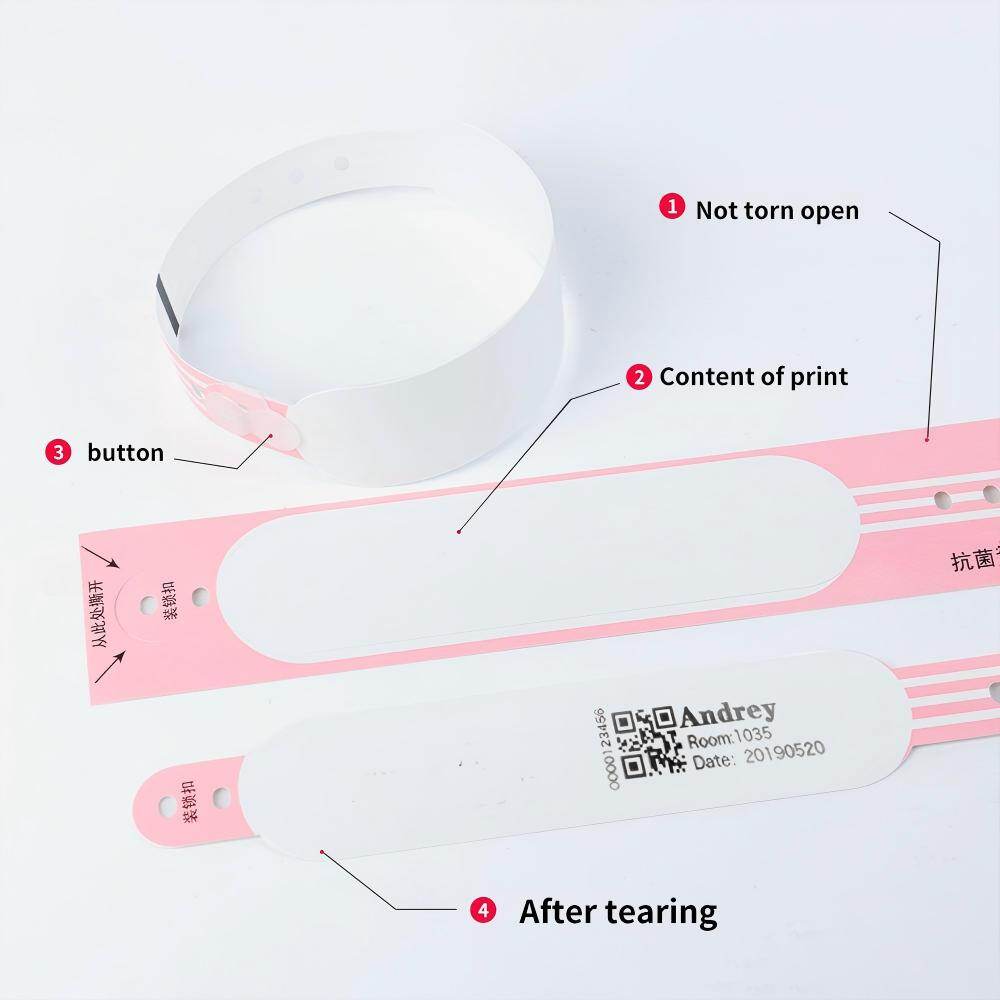
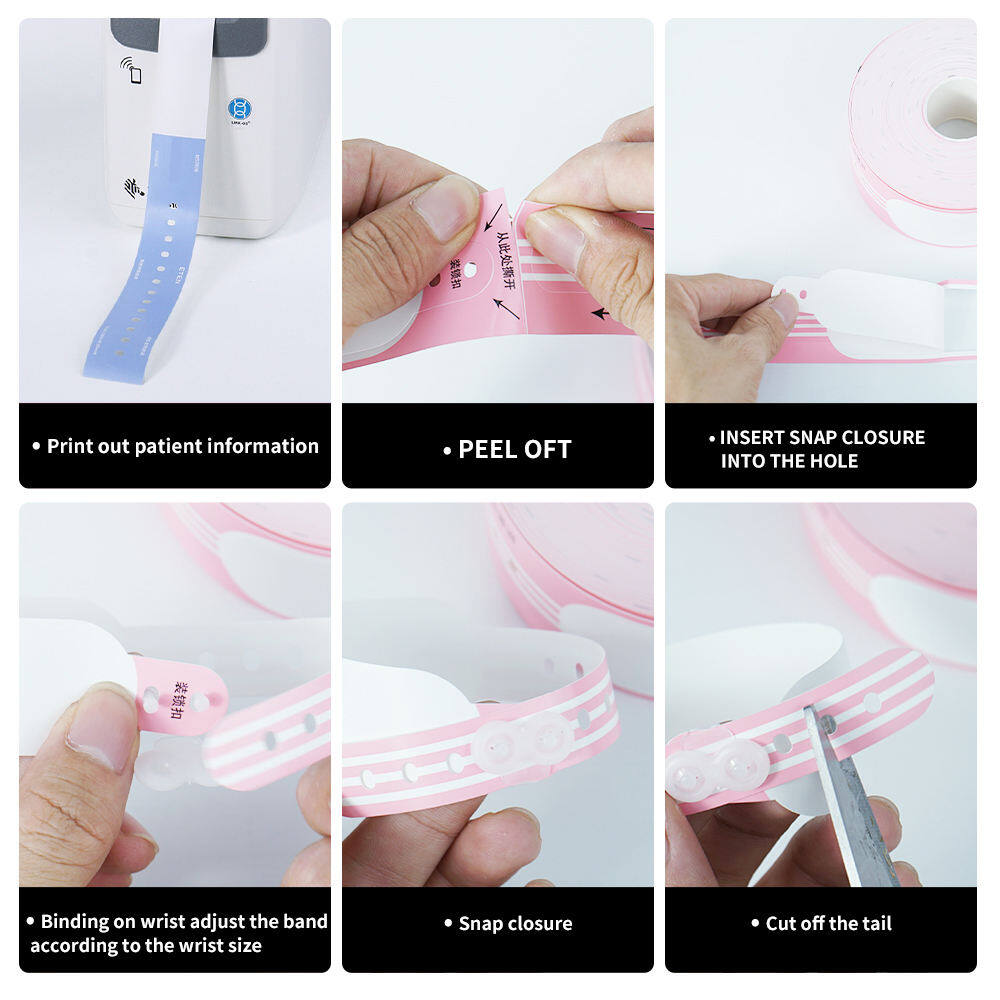
During the audit, examine wristbands on patients who have been wearing them for varying durations. Check the closure mechanism — adhesive tab, snap, or clip — for secure attachment. Apply gentle traction. Look for evidence of tamper-evident features: slits that void when the band is removed, adhesive that tears the substrate if peeled. The patent literature on wristband materials describes the design intent: the combination of face stock and flexible vinyl should ensure that attempted removal produces visible voiding rather than allowing the band to be stretched off and reapplied. If a closure can be opened and resealed without leaving evidence, the tamper feature is not functioning.
The Failure Pattern to Watch For
Adhesive-based closures are particularly vulnerable in clinical settings. Body heat, moisture, and the mechanical stress of daily activity can cause adhesive to migrate or lose tack. A wristband that was secure at admission may be loose by the second day. For pediatric and neonatal patients, the risk is elevated because smaller bands have less adhesive surface area; ankle bands used in NICU deserve the same traction testing as wrist-applied bands. The audit should specifically include these populations, where closure failure rates often differ from adult inpatient patterns.
Check 3: Legibility of Printed Identifiers After Exposure
Two patient identifiers are the standard for safe identification. The Joint Commission requires staff to verify the patient with two identifiers before any treatment or service. If the wristband print has faded, smeared, or become obscured by moisture or chemicals, that verification step either fails or forces staff to rely on verbal confirmation — which is precisely the vulnerability the wristband exists to eliminate.
How to Test
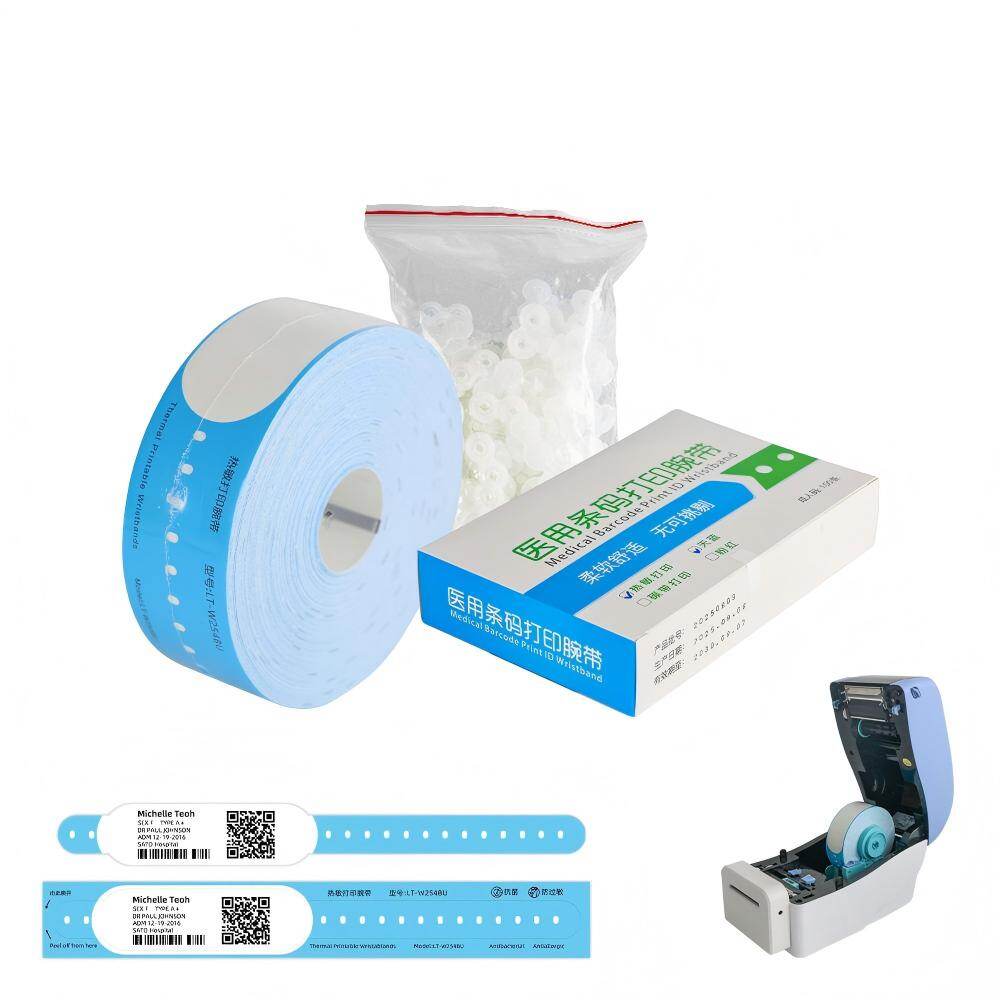
For a sample of wristbands in use, record the visibility of the printed name, medical record number, and any additional identifiers. Then apply controlled exposure tests to spare wristbands: wipe with alcohol-based hand sanitizer, expose to water, rub with gauze. These simulate routine clinical exposures. Direct thermal materials with protective topcoats are designed to resist these conditions, but lower-grade thermal stock will produce gray or black background discoloration that obscures the print. Laser-printed wristbands require a self-laminating shield to achieve comparable durability; without it, toner can flake or smear.
The Corrective Action Standard
If legibility degrades to the point where a nurse would need to hold the wristband at an angle or squint to read it, the product has failed. Document the exposure condition that caused the degradation. This evidence informs whether a material upgrade — or a different print technology entirely — is required before renewal.
Check 4: Skin Compatibility and Comfort Across Vulnerable Populations
Skin irritation and breakdown at the wristband site are underreported but consequential. A patient who removes a wristband because it itches or abrades the skin has effectively opted out of the identification system. In neonatal intensive care, where skin is fragile and every gram of pressure matters, material softness is not a preference — it is a clinical requirement.
What to Review
Audit reported skin issues over the preceding contract period. Check nursing notes, incident reports, and informal staff feedback. Ask nurses in pediatrics, geriatrics, and NICU whether wristbands are frequently removed for comfort reasons. Examine wristbands on patients with prolonged stays for signs of material degradation where the band contacts skin: edge curl, adhesive residue, or hardening. Include every format in use — standard adult bands, bariatric patient wristbands, extended-length wristbands and neonatal ankle bands — because contact time and surface area differ across populations.
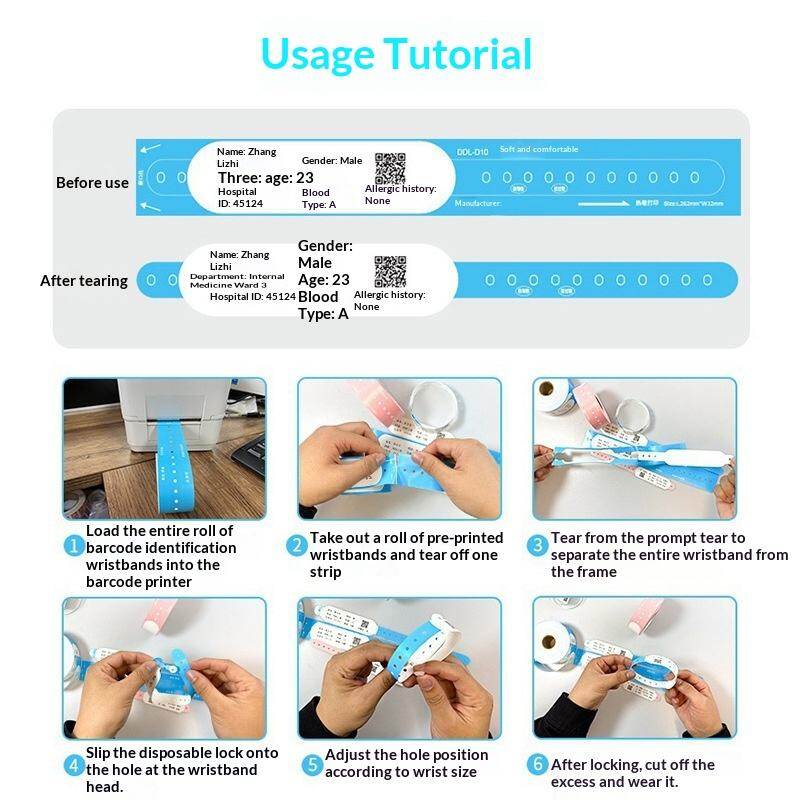
Materials matter here. Soft nylon and ultrasoft polypropylene constructions are designed for comfort during extended wear. Latex-free and phthalate-free formulations are essential for preventing allergic reactions in sensitive patients. If the current product's material specifications do not include biocompatibility documentation — ISO 10993 testing for skin irritation and sensitization — that is a gap worth addressing in the renewal evaluation.
The Staff Workaround Signal
Watch for informal workarounds. If nursing staff are padding wristbands with gauze, applying the band over clothing, or systematically removing bands from certain patient populations, the product has failed that population. Workarounds are the most honest audit data available because they reflect what clinical staff do when the standard product does not work.
Check 5: Printer Compatibility and Consumable Supply Chain Resilience
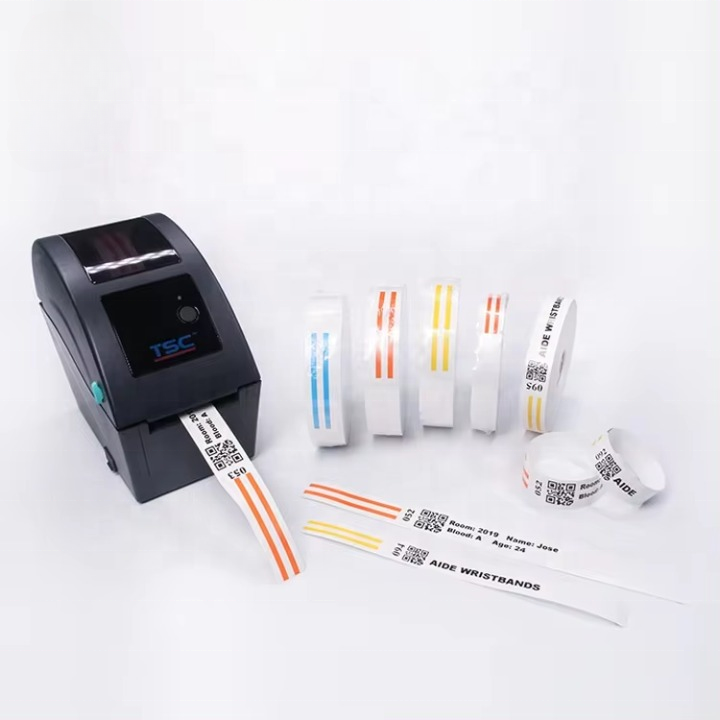
A wristband that performs perfectly in the package is useless if it cannot be printed on demand with the infrastructure the facility actually owns. The final audit check evaluates whether the current wristband specification matches the printer fleet and whether the supply chain can sustain uninterrupted availability.
Verify Printer-to-Media Alignment
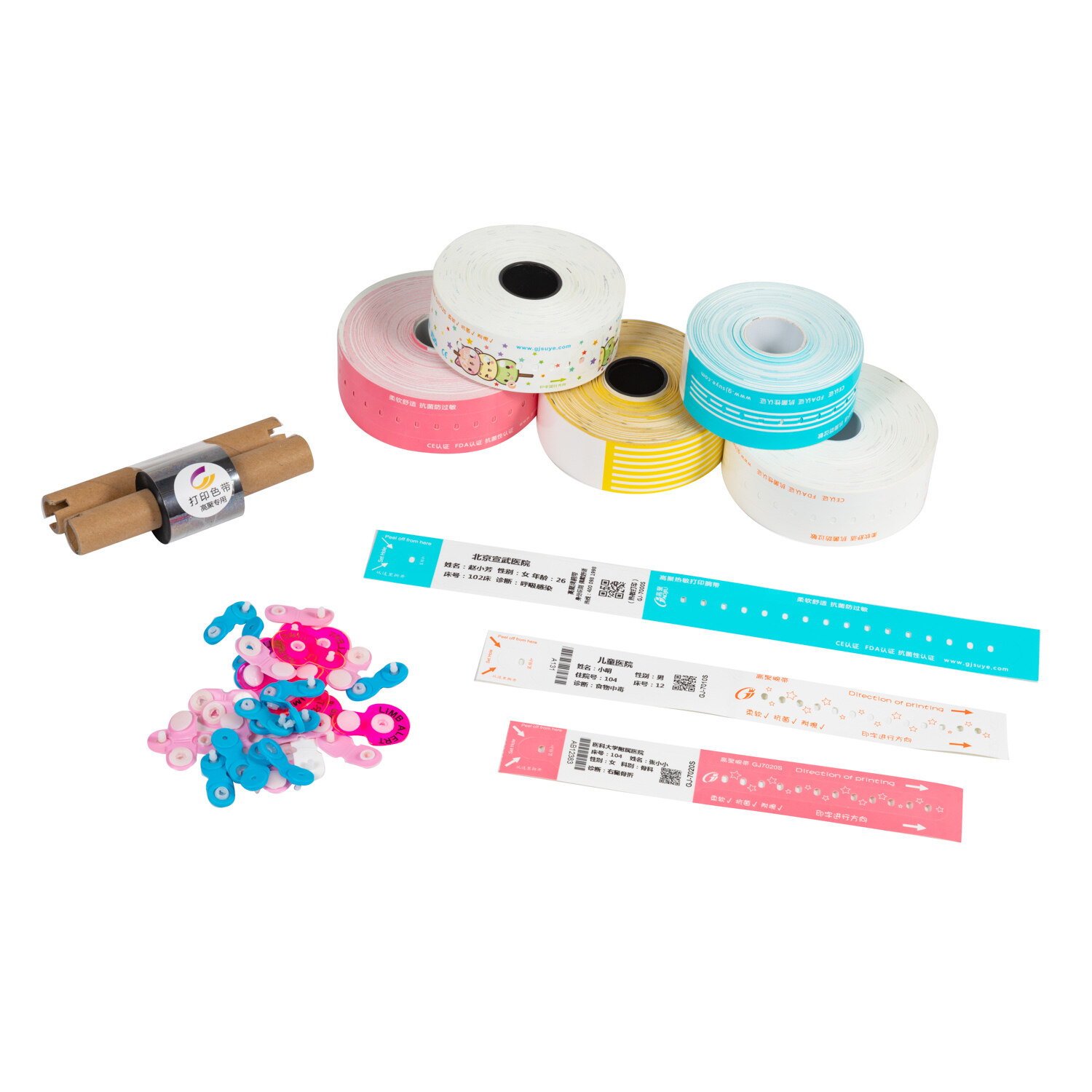
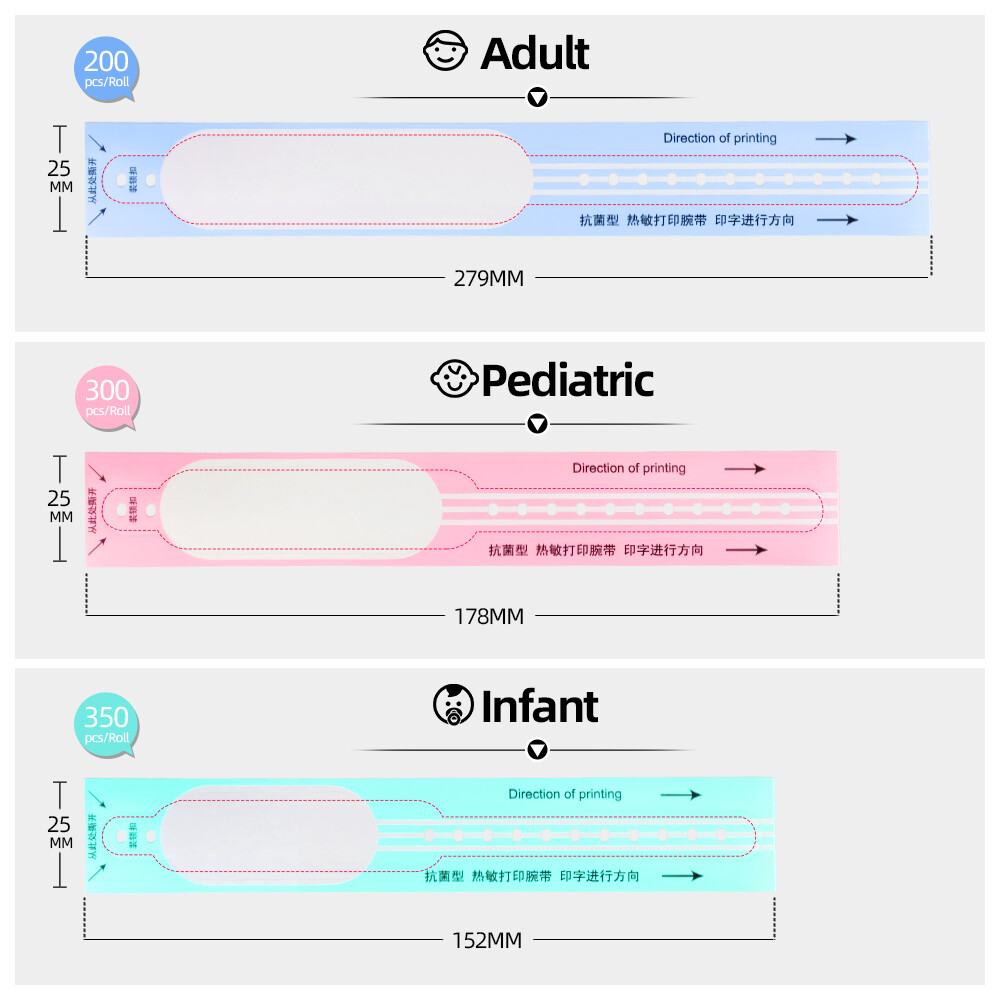
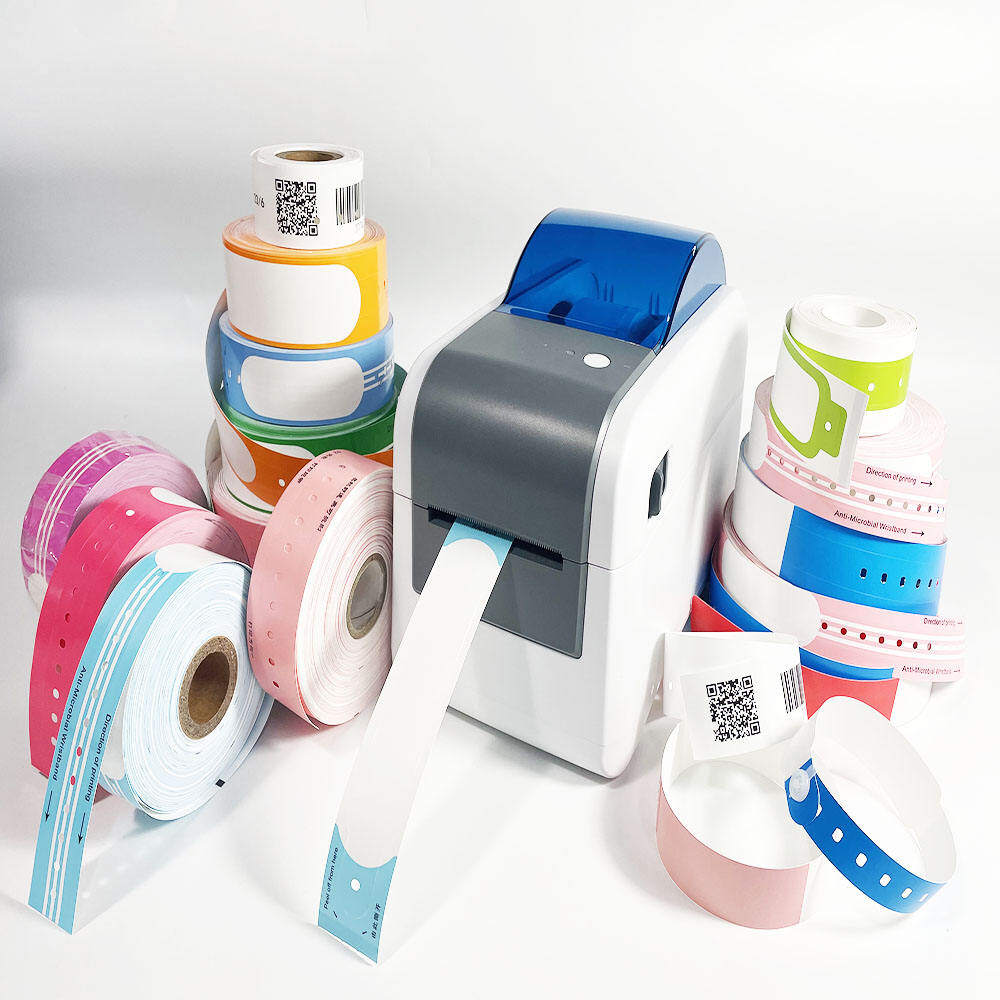
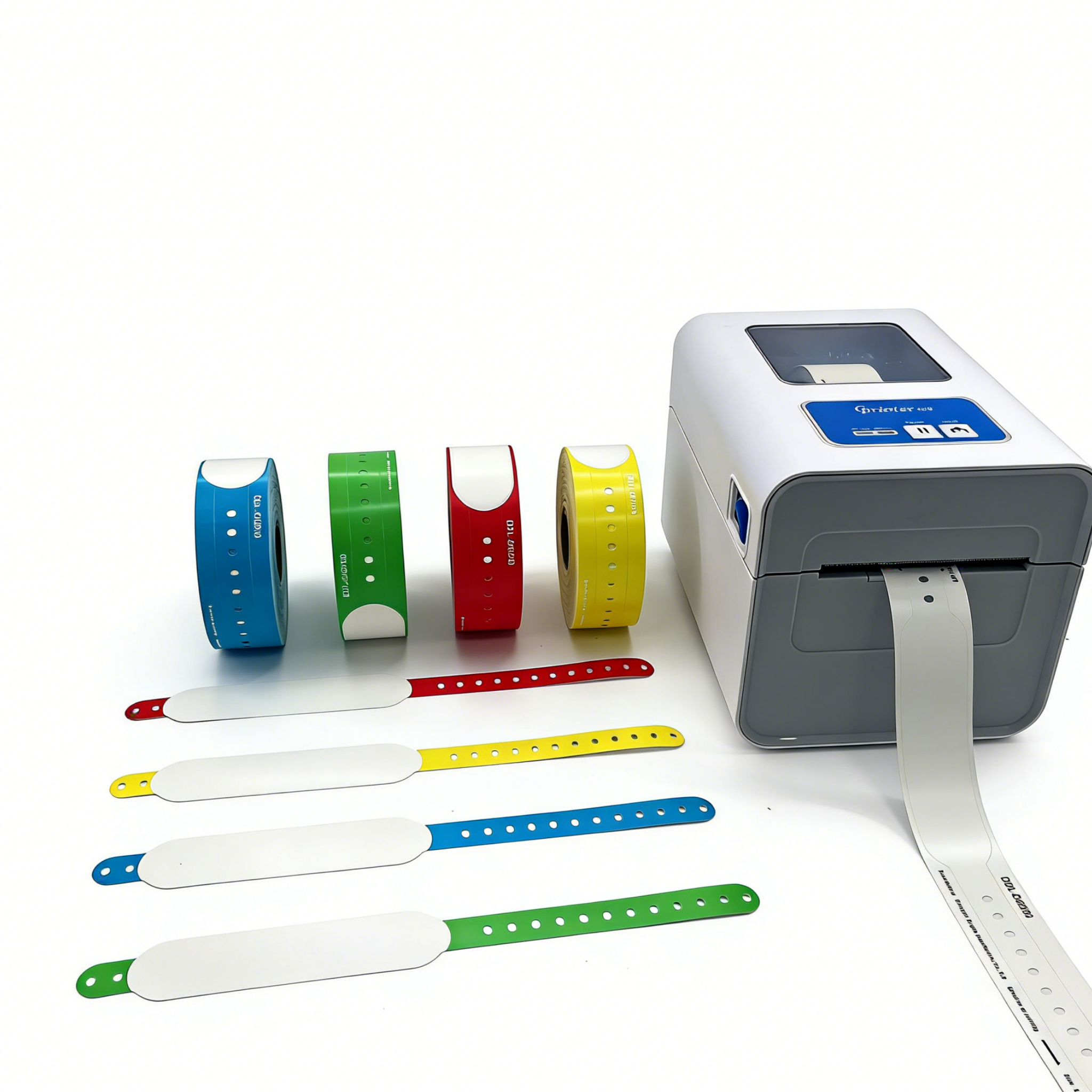
Inventory every printer used for wristband production. For each model, confirm the print method — direct thermal, thermal transfer, or laser — and the media specifications it supports: roll width, core diameter, sensor type, and adhesive configuration. Then verify that the wristbands being purchased are matched to those specifications. This check prevents the most common and costly procurement error: purchasing thermal-printable wristbands for a facility that has only laser printers, or vice versa.
If the facility uses Zebra desktop printers, verify that the print method configuration matches the wristband stock. A direct thermal wristband loaded into a printer set to thermal transfer mode will produce blank output and a ribbon error. The reverse configuration — thermal transfer media in a direct thermal printer — will produce poor-quality output and potentially damage the printhead.
Assess Supply Continuity
Review the supplier's lead times and the facility's safety stock levels. A wristband shortage forces clinical staff to improvise, and improvised identification is exactly the condition that patient safety standards exist to prevent. Check whether the current supplier has a documented business continuity plan, whether the product is manufactured in a single facility or region, and whether alternative compatible products are available under the same contract. The NHS Supply Chain framework for printable patient identification wristbands includes contract durations of 48 months, reflecting the procurement lead times and supply chain planning required for this category. If your renewal contract does not include meaningful continuity protections, that is an audit finding.
Turning Audit Findings Into Contract Decisions
The five checks produce a body of evidence. Each finding maps to a contract term or product specification.
Scan failure clusters suggest a material or print technology mismatch. If direct thermal wristbands fail under alcohol exposure in high-acuity units, consider a protected thermal formulation or a shift to another technology for those environments.
Closure failures point to a specific product deficiency. If adhesive tabs loosen during extended stays, evaluate alternative closure designs or a different band material. The renewal negotiation should include performance thresholds, not just unit pricing.
Legibility degradation is a specification issue. If the current product lacks a protective topcoat or self-laminating feature, the next contract should require documented resistance to relevant clinical exposures.
Skin compatibility findings require material documentation. The renewal should include provisions for ISO 10993 testing reports or equivalent biocompatibility evidence for any product used in vulnerable populations.
Printer incompatibility or supply fragility are structural risks. A renewal contract that does not address printer alignment and continuity planning leaves the facility exposed regardless of per-unit cost.
The Cost of Skipping the Audit
The expenditure on patient identification wristbands is a rounding error in most hospital supply budgets. The cost of a misidentification event is not. Blood transfusion errors, wrong-patient medication administration, and incorrect procedure verification all trace back — at least in part — to identification failures that a functioning wristband system is designed to prevent.
A renewal signed without audit is a bet that the current product is working adequately. The evidence from wristband audits suggests that bet is often wrong. In one audit, 10% of patient wristbands carried incorrect information. In another, the percentage of point-of-care tests with no patient identifier entered reached 69%. These are not exotic failures. They are the baseline condition when identification products are procured without operational verification. Programs benchmarked through CAP Q-Probes consistently show that facilities measuring patient identification accuracy catch these gaps early, while facilities that do not measure discover them through incidents.
The five-check audit takes less time than a single medication error investigation. It produces evidence that can be used in contract negotiation, product specification, and — if needed — supplier replacement. For procurement teams facing a renewal deadline, the sequence is straightforward: audit first, then decide.
The wristband is small. The consequences of getting it wrong are not.
Continue Reading
Have Questions About Wristbands?
Our team is ready to help you find the perfect wristband solution for your needs. Contact us directly on WhatsApp for quick responses.
Contact on WhatsApp