
Barcode vs RFID Patient Wristbands: A Department-by-Department Selection Framework for Hospitals
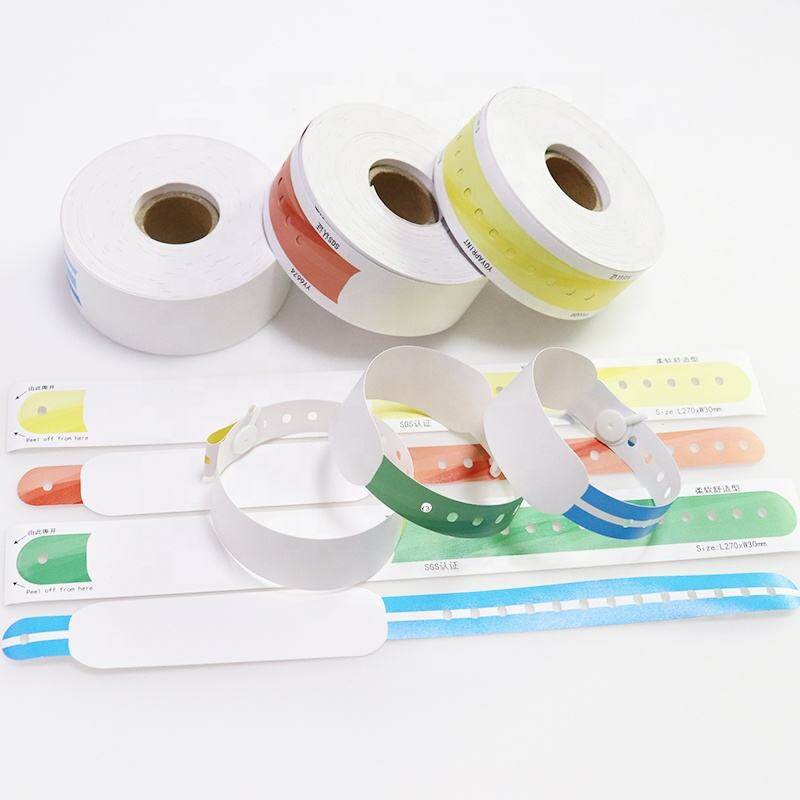
Patient identification errors remain one of the most persistent and preventable sources of harm in modern healthcare. The humble wristband—that thin strip of plastic or silicone encircling a patient's wrist—serves as the front line of defense against wrong-patient errors, medication mistakes, and critical information gaps. Yet not all wristbands are created equal. The choice between barcode and RFID technology carries profound implications for workflow efficiency, patient safety, and capital expenditure.
This article provides a practical, evidence-informed framework for hospital administrators, clinical engineering teams, and procurement officers tasked with selecting wristband technology. Rather than advocating for one solution universally, we argue that the optimal choice varies by department—and that many hospitals benefit from a hybrid strategy that leverages the strengths of both modalities.
Understanding the Core Technologies
Before examining departmental applications, a clear-eyed comparison of barcode and RFID is essential.
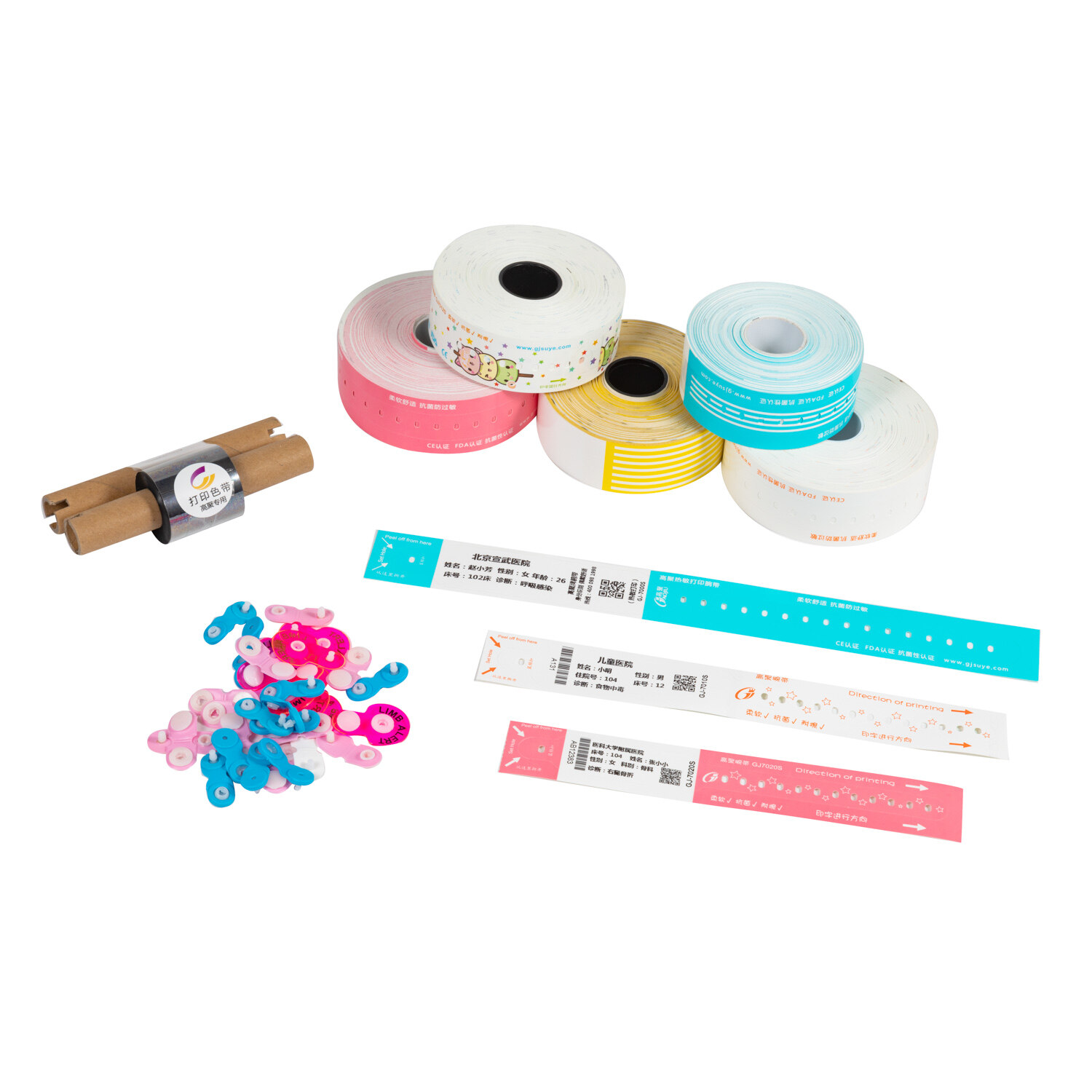
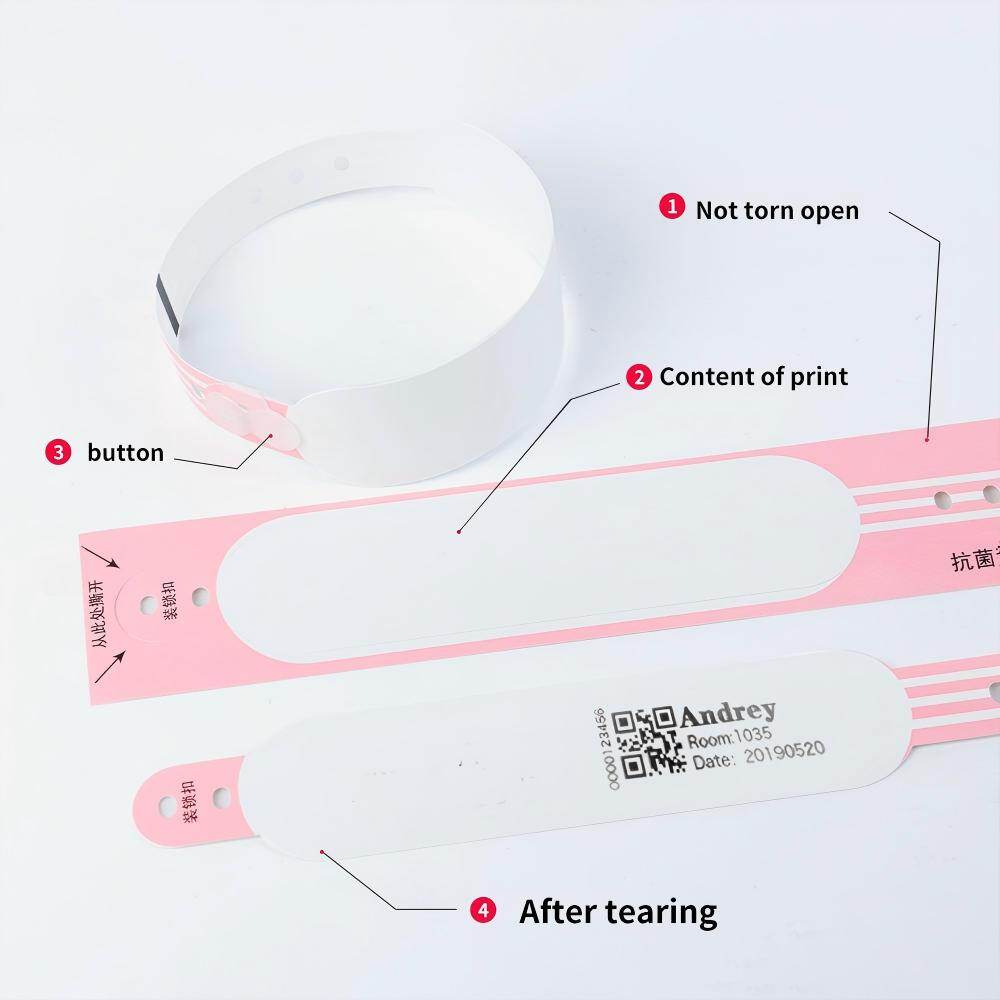
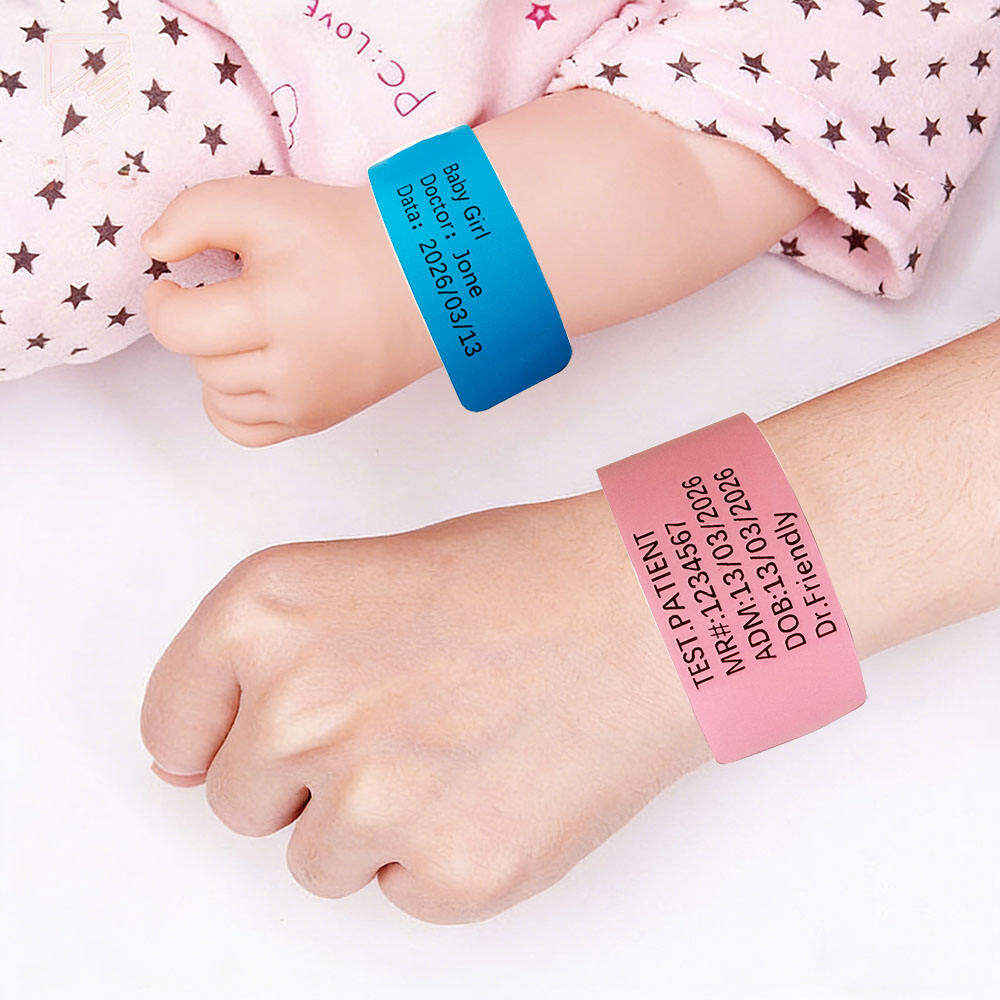
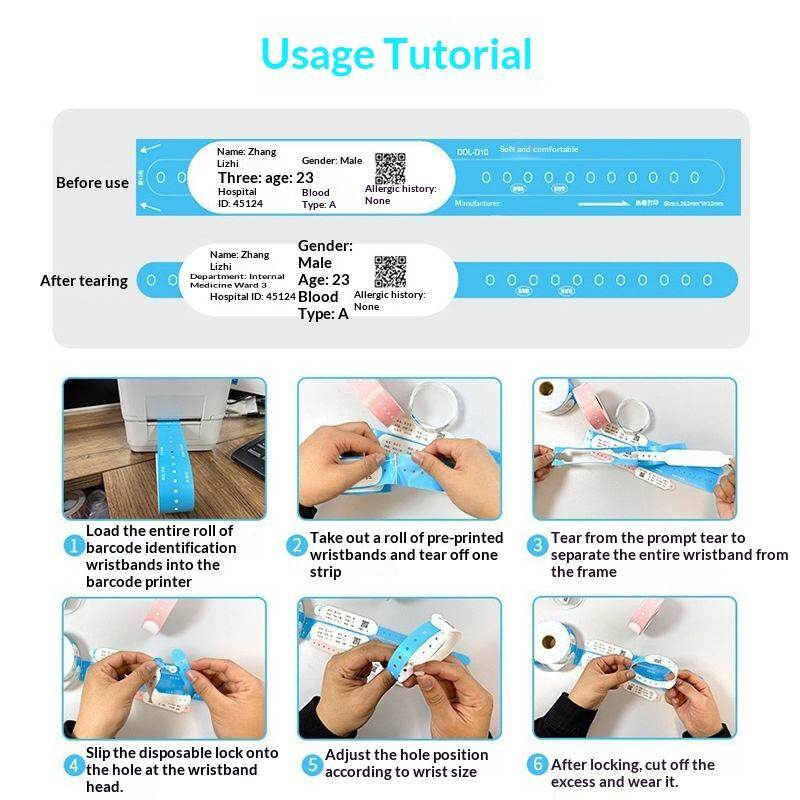
Barcode wristbands encode patient identification data in a visual pattern of bars and spaces, read optically by a scanner requiring direct line of sight. The technology is mature, inexpensive, and universally understood. Barcode labels can carry one-dimensional (1D) or two-dimensional (2D) codes, with QR codes offering substantially greater data capacity in a compact footprint. A barcode on a wristband might contain the patient's medical record number, name, and date of birth—the core identifiers recommended by organizations including Médecins Sans Frontières for patient identification bands.
RFID wristbands embed a tiny chip and antenna that communicate wirelessly with readers via radio waves. This fundamental difference eliminates the line-of-sight requirement and enables multiple tags to be read simultaneously—a capability known as anti-collision. RFID tags can be passive (powered by the reader's electromagnetic field) or active (battery-powered), with passive UHF systems achieving read ranges of several meters in industrial applications.
The practical implications of these technical differences become most apparent when examined through the lens of specific clinical environments.
How Reading Distance and Line-of-Sight Requirements Shape Workflow
The most immediate operational difference between barcode and RFID is how proximity and positioning affect scanning.
Barcode scanning requires the reader to be aimed directly at the code, typically within a few centimeters. This constraint can seem trivial in a quiet office but becomes consequential in clinical reality. A nurse managing a patient in a semi-Fowler position, an IV line obscuring the wristband, or a patient with an arm tucked under a blanket faces a small but real friction cost with every scan. Over hundreds of medication administrations per shift, these micro-frictions accumulate.
RFID eliminates the line-of-sight requirement entirely. A reader can interrogate a wristband through clothing, bedding, or the patient's body. For patients who are confused, combative, or simply asleep with their arm beneath a pillow, RFID offers a meaningful workflow advantage.
However, RFID's greater read range introduces its own complexity. In a multi-bed bay or semi-private room, a reader with excessive range may inadvertently capture a neighboring patient's tag. This is not a theoretical concern—it is a well-recognized implementation challenge that demands careful reader placement, power tuning, or the use of near-field (HF) rather than far-field (UHF) RFID in dense patient areas.
The Simultaneous Reading Advantage: Clinical Implications
RFID's ability to read multiple tags simultaneously represents the most significant functional divergence from barcode technology. A barcode scanner reads one label at a time; an RFID reader can inventory dozens or hundreds of tags within its field in a single sweep.
In the operating room, this capability transforms what would otherwise be a tedious manual verification process. Rather than scanning each patient's wristband sequentially—a process vulnerable to interruption and error—an RFID-enabled system can confirm the identity of every patient in a pre-operative holding area in seconds. The Hong Kong Hospital Authority has deployed RFID straps in emergency departments specifically to monitor high-risk patients, with sensors at exits triggering alerts if a tagged patient attempts to leave unaccompanied.
For medication administration, RFID enables a fundamentally different verification paradigm. A nurse pushing a medication cart through a ward can, in principle, have the cart's RFID reader automatically detect which patients are within range, cross-reference their electronic medication administration records, and flag discrepancies—all without the nurse physically scanning each wristband. Whether this level of automation is desirable or wise in every clinical context remains an open question, but the technical capability is real.
Cost Structures and Return on Investment
The cost differential between barcode and RFID wristbands is substantial and deserves careful analysis.
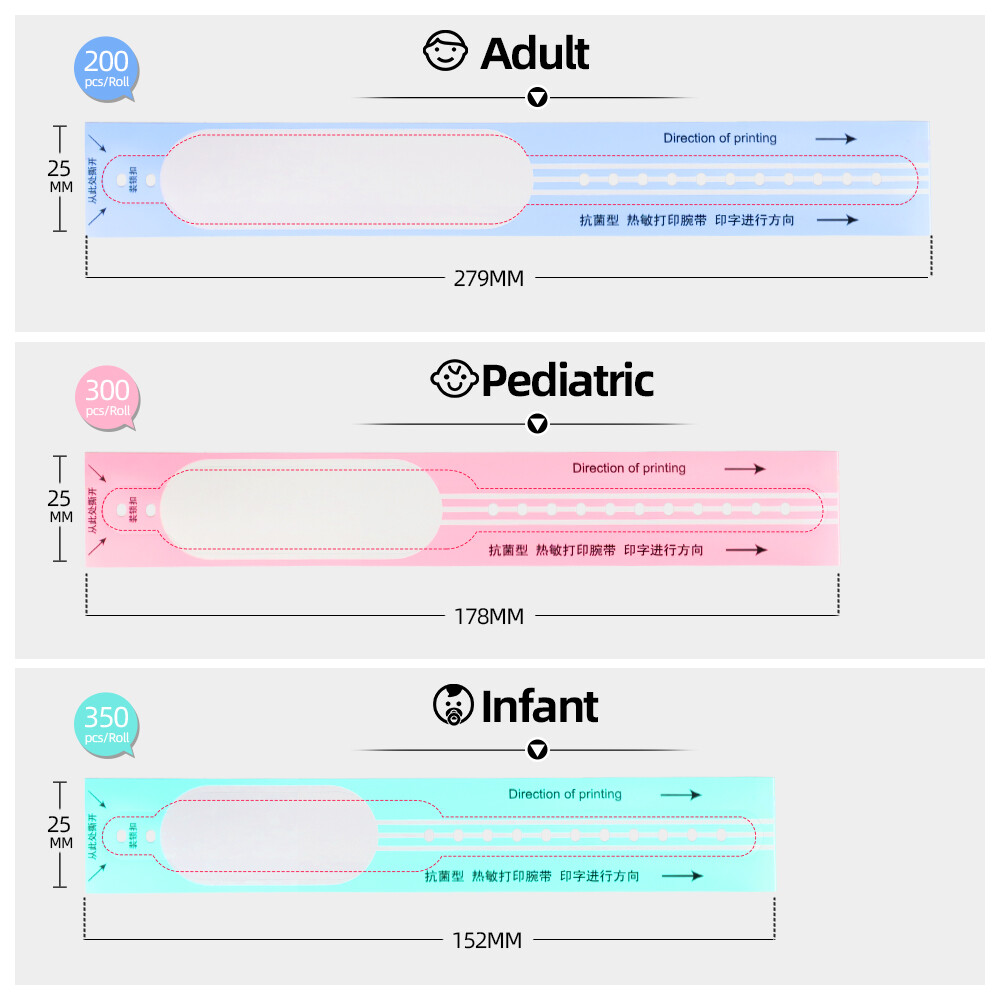
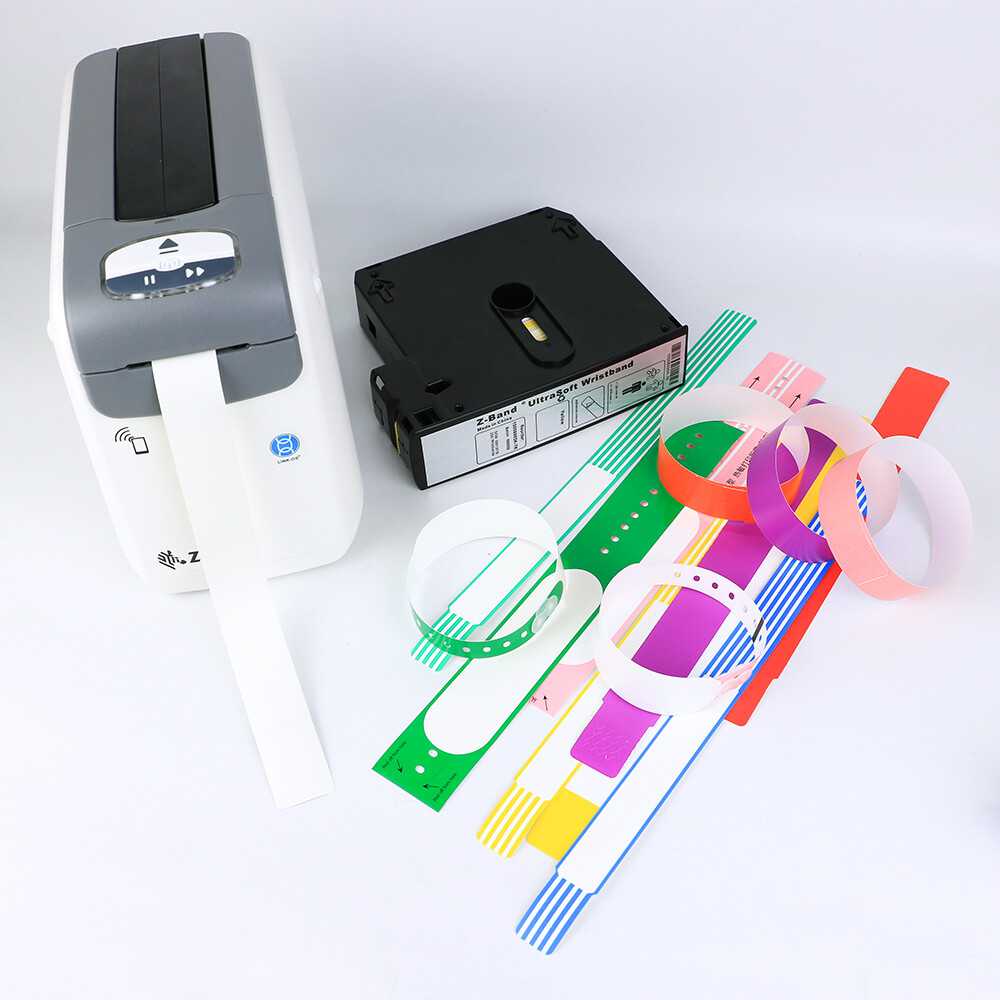
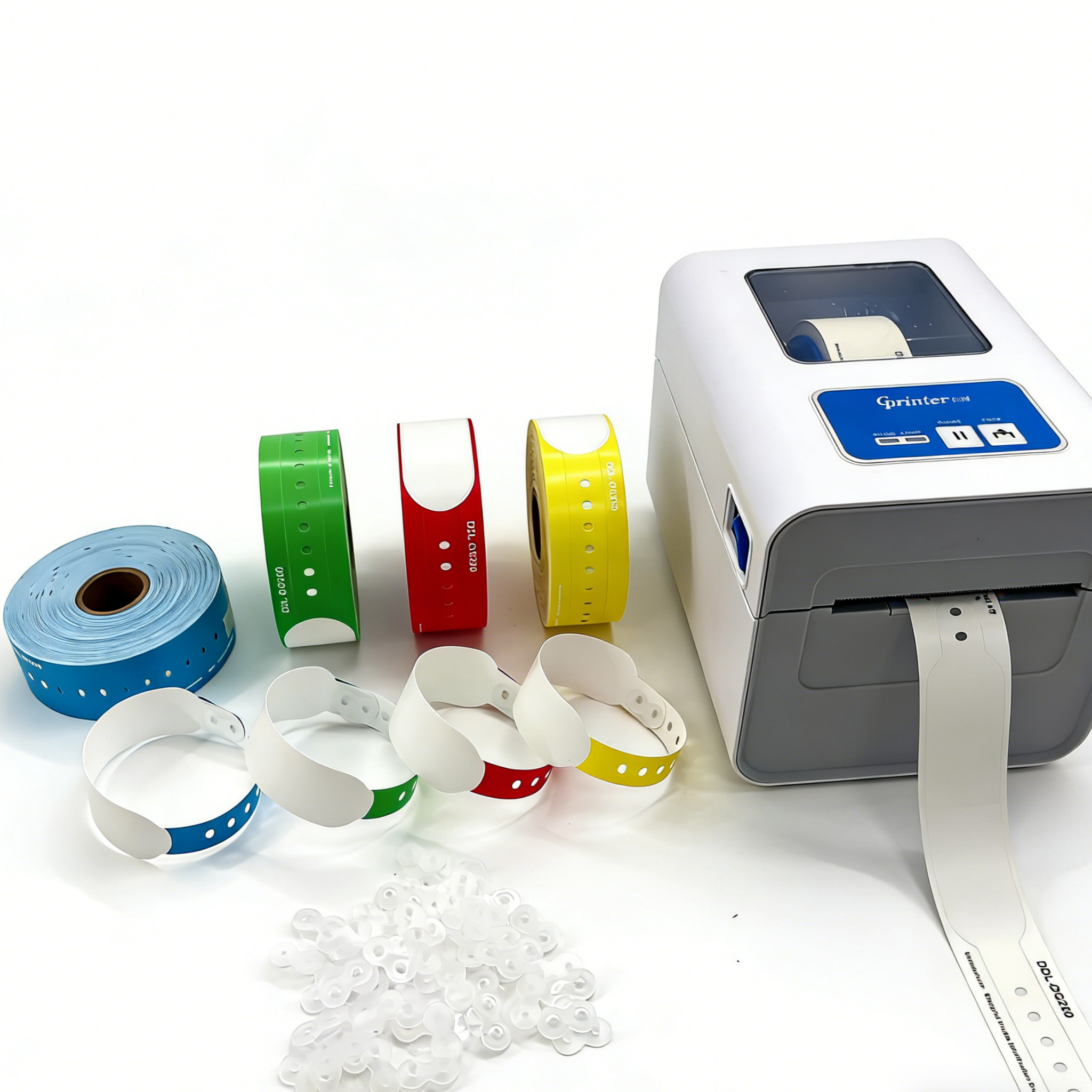
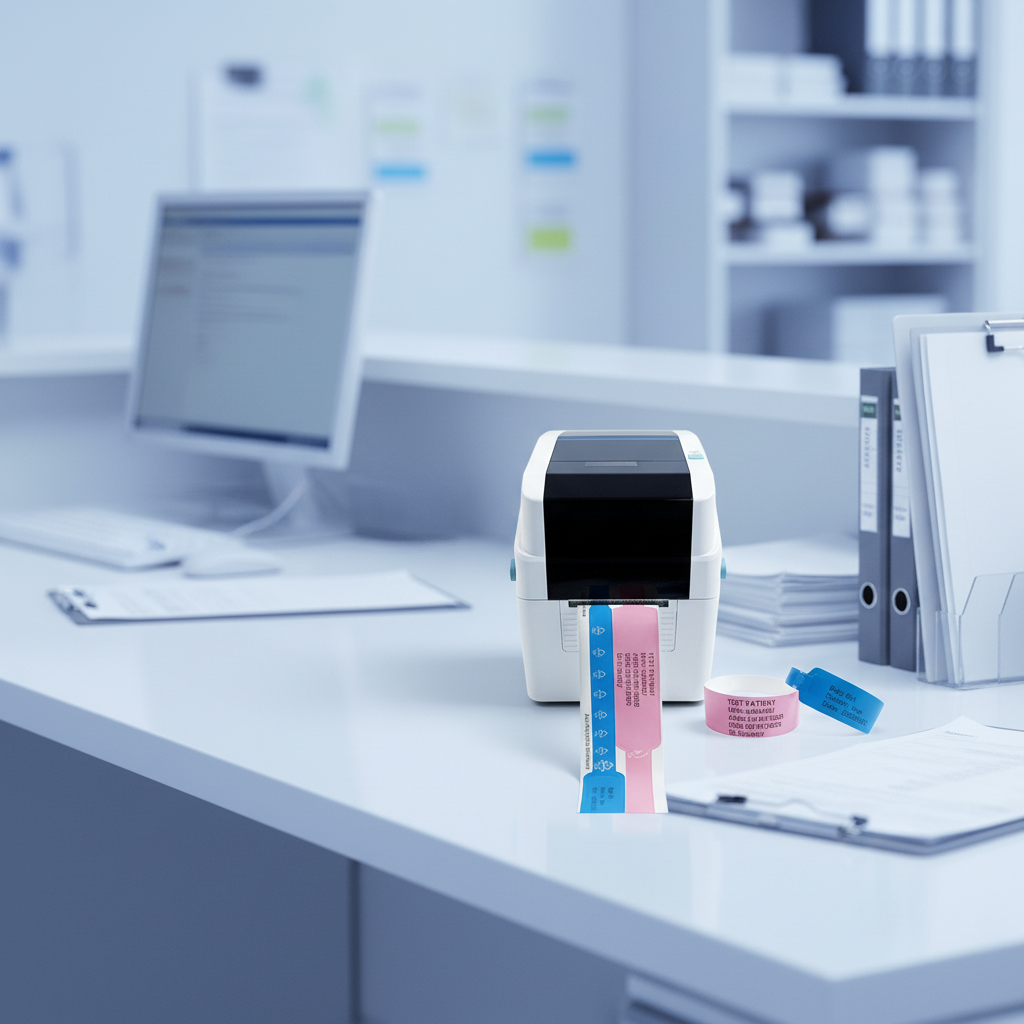
Barcode wristbands are commodities. A thermal-printable adult wristband with self-locking clasp costs pennies per unit. The printers themselves are widely available and inexpensive. The total cost of ownership for a barcode-based patient identification system is dominated by labor—nursing time spent scanning—rather than hardware.
RFID wristbands cost significantly more per unit, with passive UHF tags in healthcare-grade form factors commanding a premium. Readers are more expensive than barcode scanners. Infrastructure costs—antennas, cabling, middleware—can be substantial for real-time location system (RTLS) deployments.
The return on investment case for RFID rests on three pillars: labor savings from automated identification, reductions in adverse events attributable to improved verification, and operational gains from location tracking. The evidence base for these returns is mixed. A study examining a provider-contact wristband—a low-cost silicone band with a phone number—found a statistically significant reduction in 90-day readmissions (6.4% before, 4.0% after) but not in emergency department visits. The intervention was low-cost precisely because it used a simple wristband, not RFID.
For hospitals with constrained budgets, the case for RFID must be made on demonstrable workflow improvements that barcode cannot deliver. Where those improvements are marginal, the incremental cost may not be justified.
Department-by-Department Selection Framework
We now turn to specific departmental contexts, where the tradeoffs between barcode and RFID take on distinct shapes.
Emergency Department
The emergency department presents the most complex identification challenge in the hospital. Patients arrive unidentified, incapacitated, agitated, or combative. Throughput pressures are intense. The risk of patient elopement—particularly among elderly patients with cognitive impairment or those with psychiatric presentations—is a persistent safety concern.
The Hong Kong Hospital Authority's experience with RFID straps in emergency departments offers a useful model. Nurses apply RFID wristbands to patients identified during triage as high-risk for elopement—those with cognitive impairment, a history of wandering, or who present alone with no accompanying caregiver. Sensors at emergency department exits detect tagged patients attempting to leave, triggering alarms at the exit and nursing station. The system does not replace clinical judgment; it augments it with a technological safety net. Approximately two to three patients per day at Queen Mary Hospital require the RFID strap, and patients have generally been cooperative.
For hospitals considering this approach, the key insight is that RFID's value in the emergency department lies not in routine identification but in selective risk mitigation. A barcode wristband serves as the primary identifier for all emergency patients; RFID is layered on for a defined high-risk subset. This hybrid model contains costs while addressing the highest-consequence failure mode.
Operating Room and Perioperative Services
The operating room is a high-stakes environment where identification errors can have catastrophic consequences. Wrong-patient, wrong-site, and wrong-procedure events are rare but devastating. Verification protocols that require patients to state their identity, cross-checked against wristbands and operative schedules, have demonstrated substantial improvements in compliance when rigorously audited.
Wristband scanning in the operating room has a specific constraint: the patient is often positioned, draped, or otherwise obscured. Barcode scanning may require awkward maneuvering of the patient's arm or the scanner itself. RFID's line-of-sight independence is advantageous here. However, RFID read range must be carefully controlled to avoid cross-reading adjacent operating tables in multi-room suites.
The perioperative environment also benefits from RFID's potential for tracking patients through the surgical pathway—from pre-op holding to the OR to PACU to the post-surgical unit. Real-time location data can reduce the time staff spend searching for patients and improve handoff communication. This capability, however, requires infrastructure investment that may not be justified for barcode-only hospitals.
A pragmatic approach for most surgical services: barcode wristbands for primary identification, with RFID considered only where patient tracking across multiple physical spaces demonstrably improves throughput or safety.
General Medical and Surgical Wards
General wards represent the largest volume of patient identification events—medication administration, specimen collection, blood transfusion verification, and routine care. The economics of wristband selection are most acute here because per-unit costs are multiplied across thousands of patients.
Barcode wristbands are the appropriate default for most general ward applications. The scanning workflow—nurse approaches patient, scans wristband, confirms identity, proceeds with task—is well-established and supported by mature electronic medication administration record (eMAR) systems. The line-of-sight requirement, while occasionally inconvenient, does not fundamentally impede care delivery in this setting.
RFID's simultaneous reading capability offers less value in general wards, where patient density is moderate and the primary identification events are one-to-one interactions between a nurse and a patient. The cost premium is difficult to justify when barcode scanning already achieves the core safety objective of verifying patient identity against the medication or specimen order.
That said, two caveats merit consideration. First, if a hospital already has RFID infrastructure for other purposes (asset tracking, for example), extending it to wristbands may carry marginal costs low enough to warrant consideration. Second, for specific ward subpopulations—patients with severe cognitive impairment who repeatedly remove or tamper with wristbands—the tamper-resistant properties of certain RFID wristband designs may offer advantages. Size inclusivity matters on every ward: bariatric patient wristbands, extended-length wristbands and ankle bands for inaccessible wrist sites must scan as reliably as standard adult bands, whichever technology is chosen.
Specialty Contexts: Neonatal and Pediatric
Neonatal and pediatric patients present unique considerations. Wristbands must be sized for tiny wrists, materials must be hypoallergenic and non-irritating, and the risk of inadvertent removal or tampering is heightened. The information density on a neonatal wristband is inherently limited by the physical space available; RFID chips can carry more data in less space than printed barcode labels.
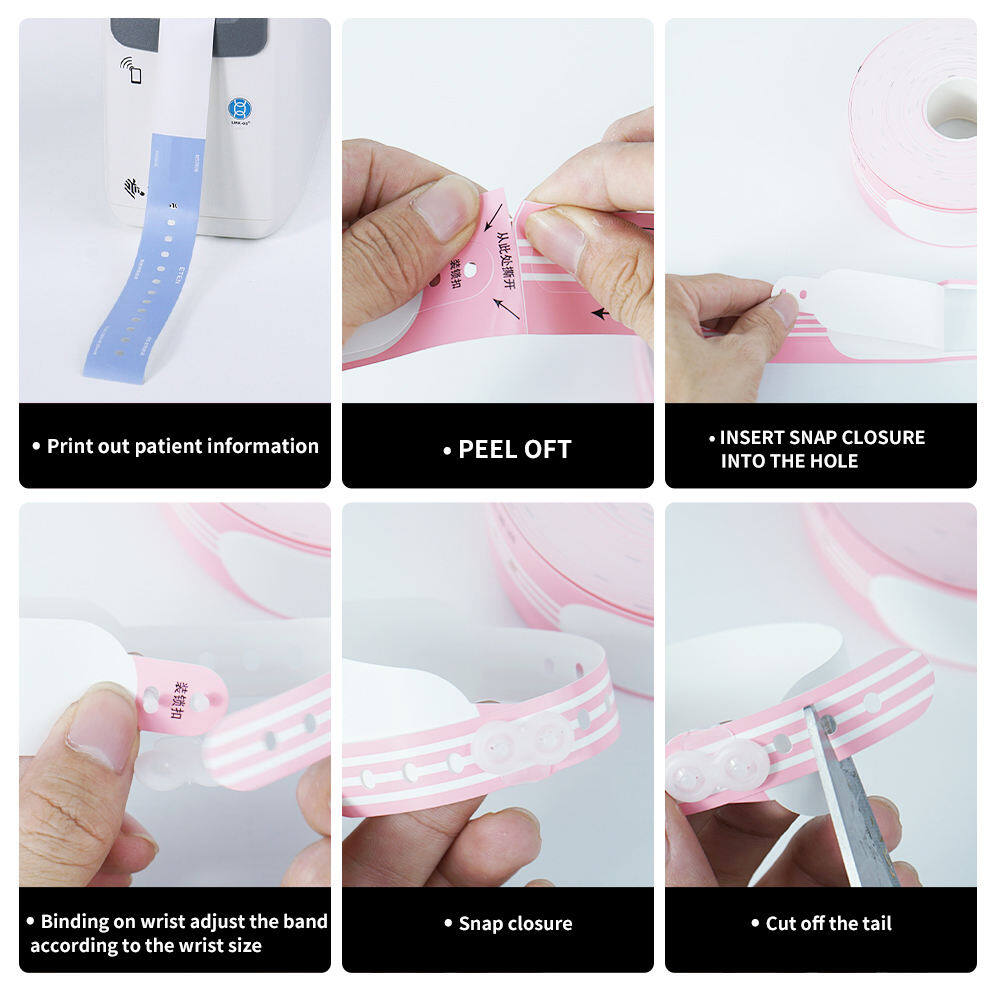
For neonatal units, the identification priority is matching mother to infant and preventing infant abduction or misidentification. RFID-based infant security systems are well-established in this domain, often integrated with door access controls. The wristband technology decision here is less about barcode-versus-RFID in isolation and more about the broader security infrastructure. Where an RFID infant security system is already in place, RFID wristbands for both mother and infant can provide a unified identification and security solution.
A Decision Framework for Hospital Administrators
Synthesizing the evidence and practical considerations, we propose the following framework:
Choose barcode wristbands when: the primary need is reliable one-to-one patient identification at the point of care; per-unit costs must be minimized; existing barcode scanning infrastructure (printers, scanners, eMAR integration) is already deployed; and the clinical environment permits line-of-sight scanning with acceptable workflow friction.
Choose RFID wristbands when: line-of-sight scanning is genuinely impractical (e.g., combative patients, patients with obscured wrists); simultaneous reading of multiple patients provides demonstrable workflow value (e.g., pre-operative holding areas); location tracking or elopement prevention is a defined safety objective; or the hospital has existing RFID infrastructure that can be leveraged.
Consider a hybrid approach when: the hospital wants barcode as the universal default but RFID for specific high-risk populations or high-complexity workflows—a model validated by the Hong Kong Hospital Authority's emergency department experience.
The most important recommendation, however, is that wristband technology selection should never be driven by technology enthusiasm alone. The question is not "which technology is more advanced?" but "which technology, deployed in which departments, will most reliably prevent identification errors at a cost the hospital can sustain?" External benchmarking programs such as CAP Q-Probes help safety committees quantify patient identification accuracy and wristband-related error rates before and after any technology change.
Conclusion
Patient wristbands are deceptively simple artifacts with surprisingly complex implications. The choice between barcode and RFID is not a binary; it is a portfolio decision that should reflect the distinct risk profiles, workflow patterns, and budget realities of different hospital departments. Barcode wristbands remain the workhorse of general patient identification—cheap, reliable, and deeply integrated into existing clinical workflows. RFID wristbands offer genuine advantages in specific contexts: elopement prevention, multi-patient verification, and environments where line-of-sight access is compromised.
The most robust strategy is one that assigns the right technology to the right department, with a clear-eyed assessment of where RFID's capabilities translate into measurable safety or efficiency gains—and where they do not. In the end, the wristband is only as good as the system and the culture that surround it. Technology enables; it does not replace the vigilance of the bedside nurse who scans, asks, and verifies.
Continue Reading
Have Questions About Wristbands?
Our team is ready to help you find the perfect wristband solution for your needs. Contact us directly on WhatsApp for quick responses.
Contact on WhatsApp