
The Future of Patient Wristbands: Digital Identity, Blockchain, and Self-Sovereign Health Records
The Persistent Problem of Patient Misidentification
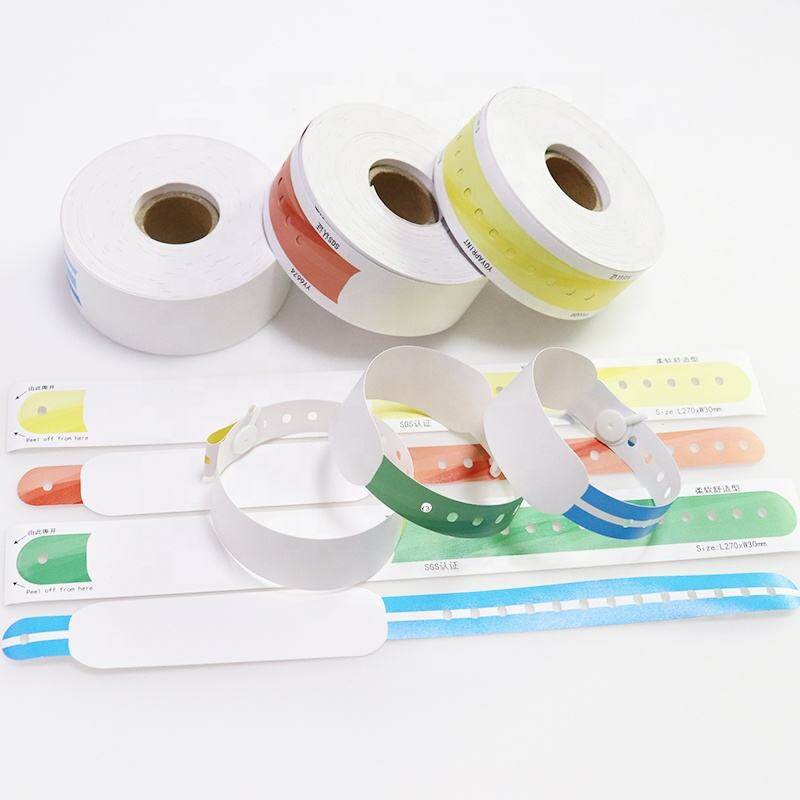
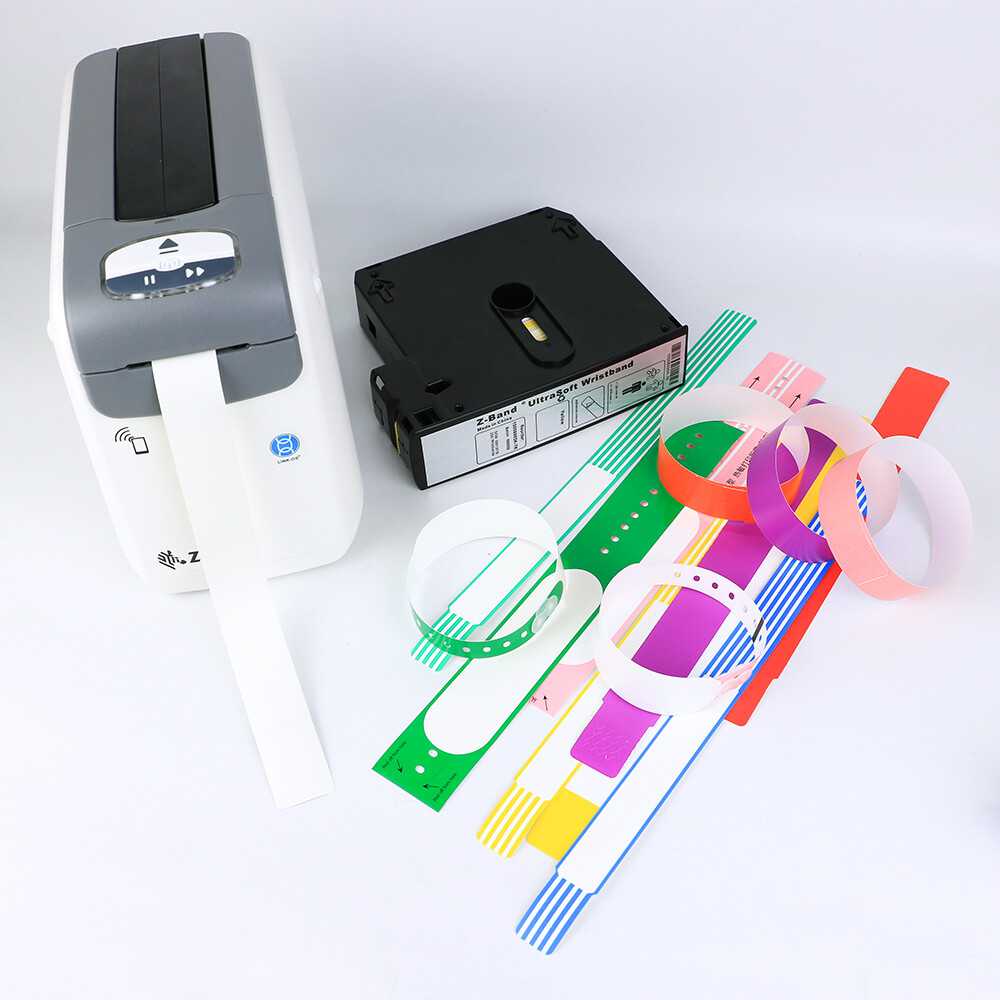
The patient wristband has remained remarkably unchanged for decades. A strip of plastic or vinyl, printed with a name, a medical record number, perhaps a barcode. It is functional, inexpensive, and universally recognizable. Yet beneath this apparent simplicity lies a profound transformation waiting to unfold. As healthcare systems worldwide grapple with patient identification errors, data fragmentation, and growing demands for patient autonomy, the humble wristband is poised to become something far more significant: the physical anchor of a patient's digital identity and the gateway to a self-sovereign health record ecosystem.
This article examines the trajectory of patient wristband technology, from its current role in safety protocols to its potential as a blockchain-enabled identity credential that fundamentally reshapes who controls—and who can access—patient data.
Patient identification errors are not a marginal concern. They represent one of the most fundamental threats to patient safety in modern healthcare. A landmark study published in the Archives of Pathology & Laboratory Medicine examined wristband identification errors across 712 hospitals, finding a median total error rate of 2.2%. Perhaps more troubling, 10% of participating institutions reported error rates of 10.9% or higher. Missing wristbands accounted for nearly half of all errors, followed by multiple wristbands with conflicting information, incomplete data, and illegible entries.
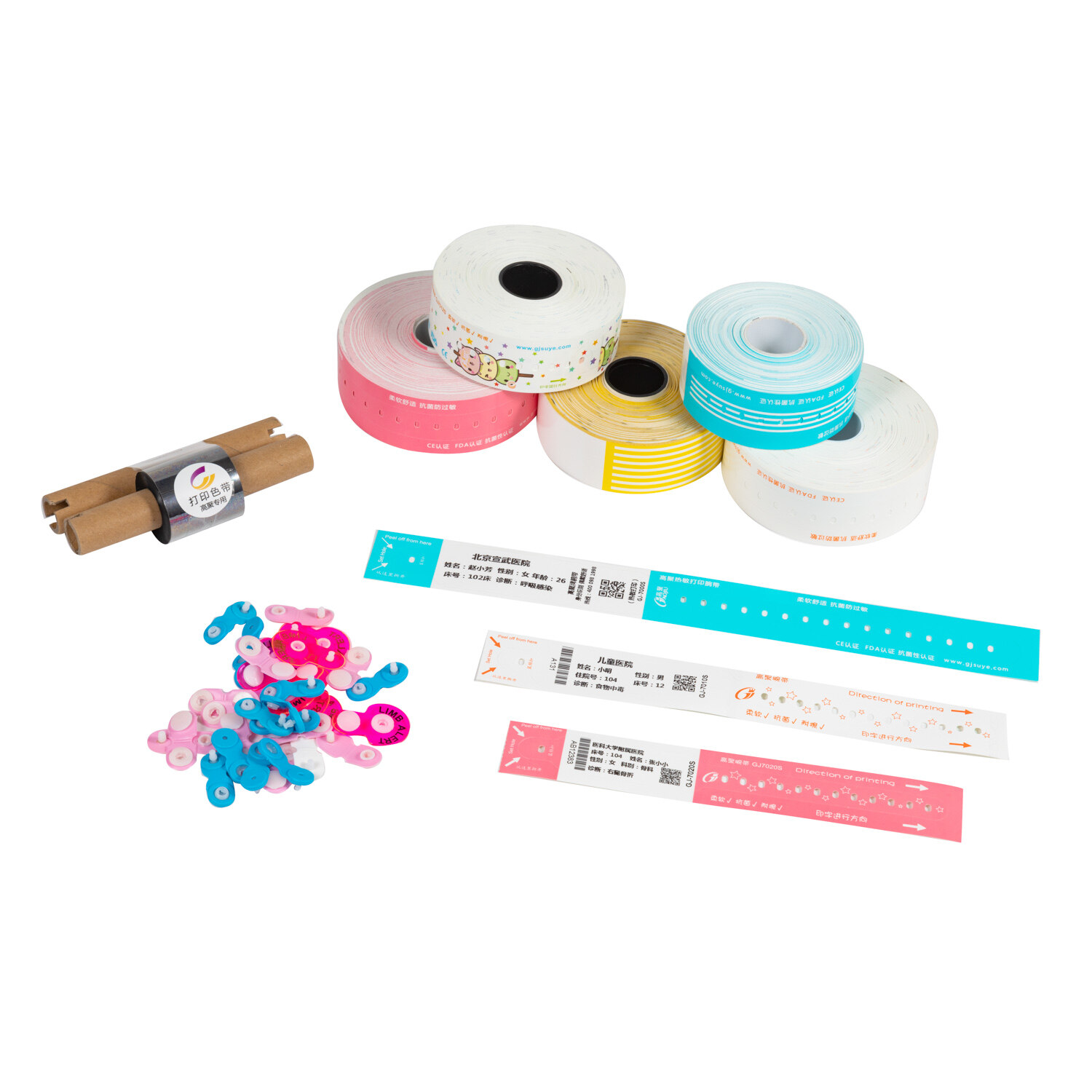
These statistics, while dated, underscore a persistent vulnerability. The consequences of misidentification are severe: wrong-patient medication administration, incompatible blood transfusions, incorrect surgical procedures, and diagnostic errors that cascade through the care continuum. Traditional wristbands—whether handwritten or printed with basic text and barcodes—rely on human vigilance and consistent protocol adherence. Both are susceptible to fatigue, time pressure, and system complexity.
In response, healthcare organizations have layered additional identification tools onto the wristband: color-coded bands for fall risk, allergy alerts, or deep vein thrombosis warnings. Barcode scanning at the point of care has become standard practice in many institutions, linking the wristband to the electronic health record and verifying the "five rights" of medication administration. These innovations have improved safety, but they remain fundamentally passive. The wristband identifies; it does not authenticate, verify, or authorize in any sophisticated sense.
From Passive Identifier to Active Digital Credential
The next generation of patient wristbands will function differently. Rather than simply displaying information, they will serve as active digital identity credentials—cryptographically verifiable, privacy-preserving, and patient-controlled.
The technological foundations for this shift are already maturing. Radio-frequency identification and near-field communication have been explored for patient wristbands for over a decade, enabling automatic identification and location tracking. More recently, the Patient Identification SAFER Guide published in 2026 strengthened recommendations for electronic patient identification, explicitly including barcoding and radiofrequency identification on wristbands, along with biometric identification at registration and the point of care. The trajectory is clear: the wristband is becoming a node in a digital identity infrastructure, not merely a label.
What distinguishes the emerging model from conventional barcode systems is the concept of verifiable credentials. In a self-sovereign identity framework, credentials are issued by authoritative organizations—a hospital, a health system, a government health agency—and stored in a digital wallet controlled by the patient. Each credential is cryptographically signed, tamper-evident, and selectively disclosable. A patient might prove they are over 18, or that they have a specific allergy, or that they are covered by a particular insurance plan, without revealing their full name, date of birth, or medical record number.
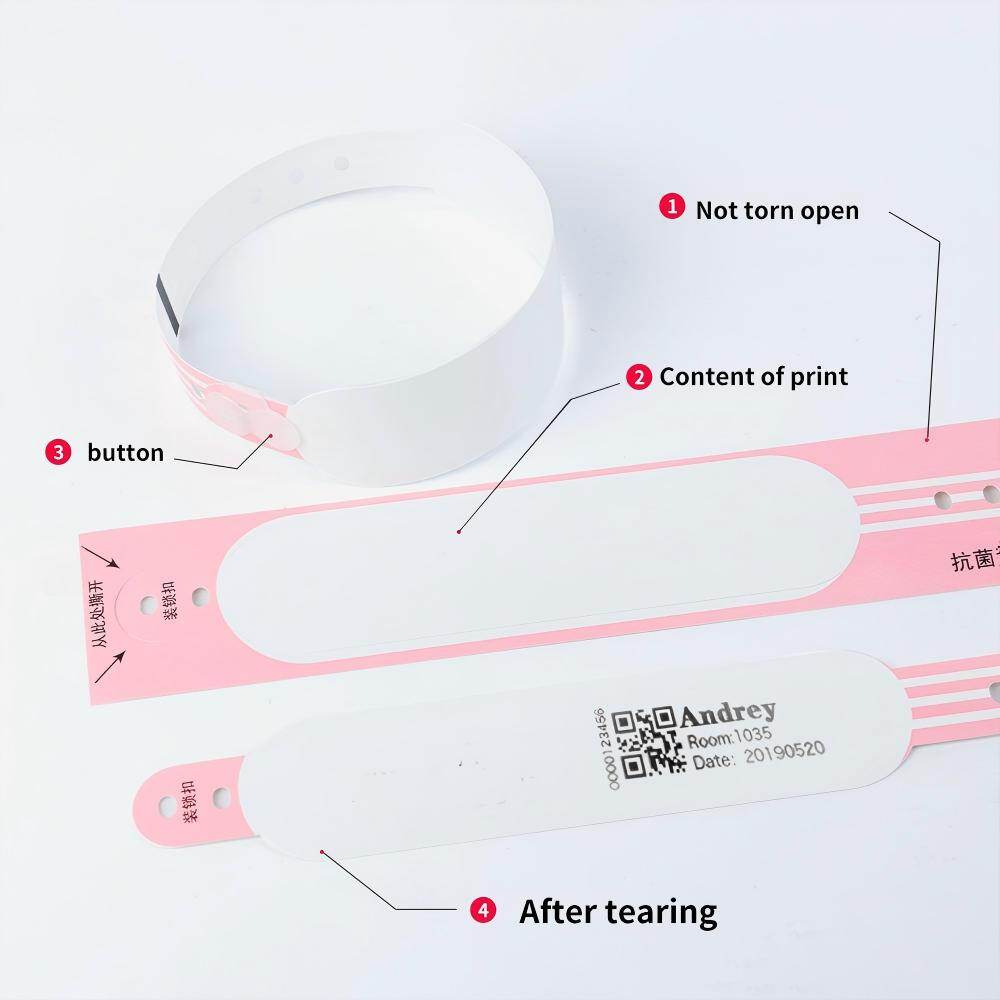
A blockchain-enabled wristband would serve as the physical interface to this wallet. When a clinician needs to verify a patient's identity before administering medication, they could scan the wristband and receive a cryptographic proof that satisfies the verification requirement—without accessing the patient's entire record. The patient, through their digital wallet, controls precisely what attributes are shared, with whom, and for what purpose.
Self-Sovereign Identity: Returning Data Ownership to Patients
The philosophical core of this transformation is self-sovereign identity, a model in which individuals possess and control their own identity data rather than relying on centralized authorities or institutions to manage it on their behalf.
In healthcare, SSI addresses a long-standing tension. Patients generate enormous quantities of data—imaging studies, laboratory results, medication histories, genomic sequences, wearable device telemetry—yet they typically have minimal control over how that data is stored, shared, or monetized. Access is mediated through institutional portals, each with its own authentication system, its own data silos, and its own policies. The result is a fragmented experience for patients and interoperability headaches for clinicians.
SSI promises a different architecture. Patients hold their identity attributes and health credentials in a personal digital wallet. Decentralized identifiers replace institution-specific patient IDs. Verifiable credentials replace proprietary authentication tokens. And zero-knowledge proofs enable verification without unnecessary disclosure. When a patient visits a new provider, they can present exactly the credentials required for that encounter—proof of identity, insurance coverage, relevant medical history—without surrendering a comprehensive data profile.
Research on blockchain-enabled SSI in healthcare emphasizes that patients gain "granular control over identity attributes and consent". This granularity matters. A patient might consent to share their medication list with an emergency department physician without revealing their mental health history. They might authorize a research study to access de-identified imaging data without exposing their genomic information. The wristband becomes the physical token that initiates this selective disclosure, while the blockchain provides the trust layer that makes it verifiable.
Blockchain as the Trust Infrastructure
The role of blockchain in this ecosystem is often misunderstood. It is not a storage medium for medical records—that would be impractical, expensive, and inconsistent with privacy regulations. Instead, blockchain serves as a consent and access management layer, a decentralized mechanism for recording permissions, verifying identities, and auditing data access without relying on a single trusted intermediary.
A study examining medical imaging data integration with blockchain wallets demonstrated this model in practice. The architecture used blockchain for consent verification while storing encrypted imaging data off-chain. Patients were empowered to manage access, clinicians could act with confidence in data provenance, and researchers could reuse high-value datasets under appropriate permissions. The researchers concluded that "security, privacy, and usability can be achieved simultaneously" when blockchain, FHIR standards, and digital identity technologies converge.
Smart contracts automate the enforcement of consent rules. A patient might specify that their data can be accessed by any emergency physician in a life-threatening situation, by their primary care provider for routine care, and by research institutions only in de-identified form. These rules execute automatically, without requiring a human gatekeeper. The wristband, linked to the patient's digital wallet, becomes the initiator of these access events. When a clinician scans it, the blockchain verifies the clinician's credentials, checks the patient's consent parameters, and grants or denies access accordingly—all in seconds.
Technical Architecture: What Makes a Blockchain Wristband Different
From a technical perspective, a blockchain-enabled patient wristband integrates several components that collectively enable secure digital identity management.
Secure element: Unlike conventional wristbands, which may contain only printed text or a simple RFID tag, blockchain wristbands require a secure element capable of cryptographic operations. This element stores private keys, signs transactions, and ensures that the wristband cannot be cloned or spoofed. The secure element functions as a hardware wallet, analogous to the devices used to store cryptocurrency, but optimized for healthcare credential management.
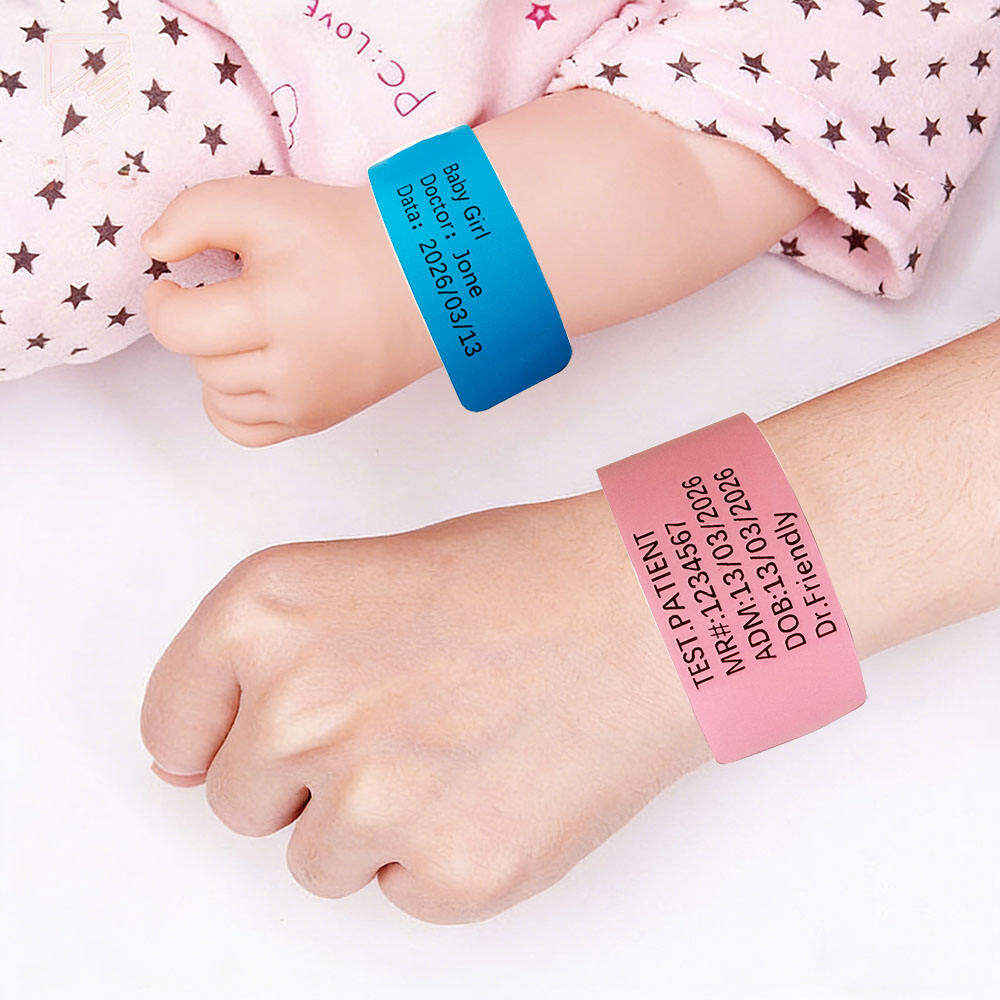
Decentralized identifier: Each wristband is associated with a DID—a globally unique identifier that does not depend on any central registry. The patient's wallet holds the private keys that control this DID, ensuring that no institution can unilaterally alter or revoke it. Multiple credentials can be linked to a single DID, enabling a unified identity across healthcare encounters.
Verifiable credentials: Hospitals, laboratories, pharmacies, and insurers issue verifiable credentials that attest to specific facts: this patient has completed a COVID-19 vaccination series; this patient has a documented penicillin allergy; this patient is covered by a particular insurance policy. These credentials are stored in the patient's wallet and can be presented selectively. The wristband provides a convenient physical interface for presenting them during clinical encounters.
Zero-knowledge proofs: When a patient needs to prove something without revealing underlying data, zero-knowledge proofs enable the verification. A patient might prove they are over 18 without revealing their birth date, or prove they have valid insurance without exposing their policy number. This minimizes data exposure while satisfying verification requirements.
Blockchain anchoring: Consent decisions, access events, and credential revocations can be recorded on a permissioned blockchain, creating an immutable audit trail without storing sensitive clinical data on-chain. This provides accountability and transparency while preserving privacy.
The convergence of these technologies is not speculative. Academic research has demonstrated working prototypes of blockchain-based SSI systems for electronic health records, e-health cards, and medical imaging data. The question is no longer whether the technology works, but how quickly healthcare systems can integrate it with existing infrastructure and workflows.
The Wristband as Physical-Digital Bridge
Why does the wristband matter in a world of smartphones and digital wallets? Couldn't patients simply use their phones to authenticate?
The wristband offers several advantages that smartphones cannot replicate. First, it is persistent and passive. During surgery, in an emergency, or when a patient is unconscious, the wristband remains accessible. A smartphone may be locked, lost, or stored with personal belongings. Second, it is context-appropriate. In an operating room or intensive care unit, scanning a wristband is faster and more hygienic than manipulating a personal device. Third, it is universally recognizable. Clinicians already know to check the wristband. Embedding digital identity capabilities into this existing workflow minimizes disruption.
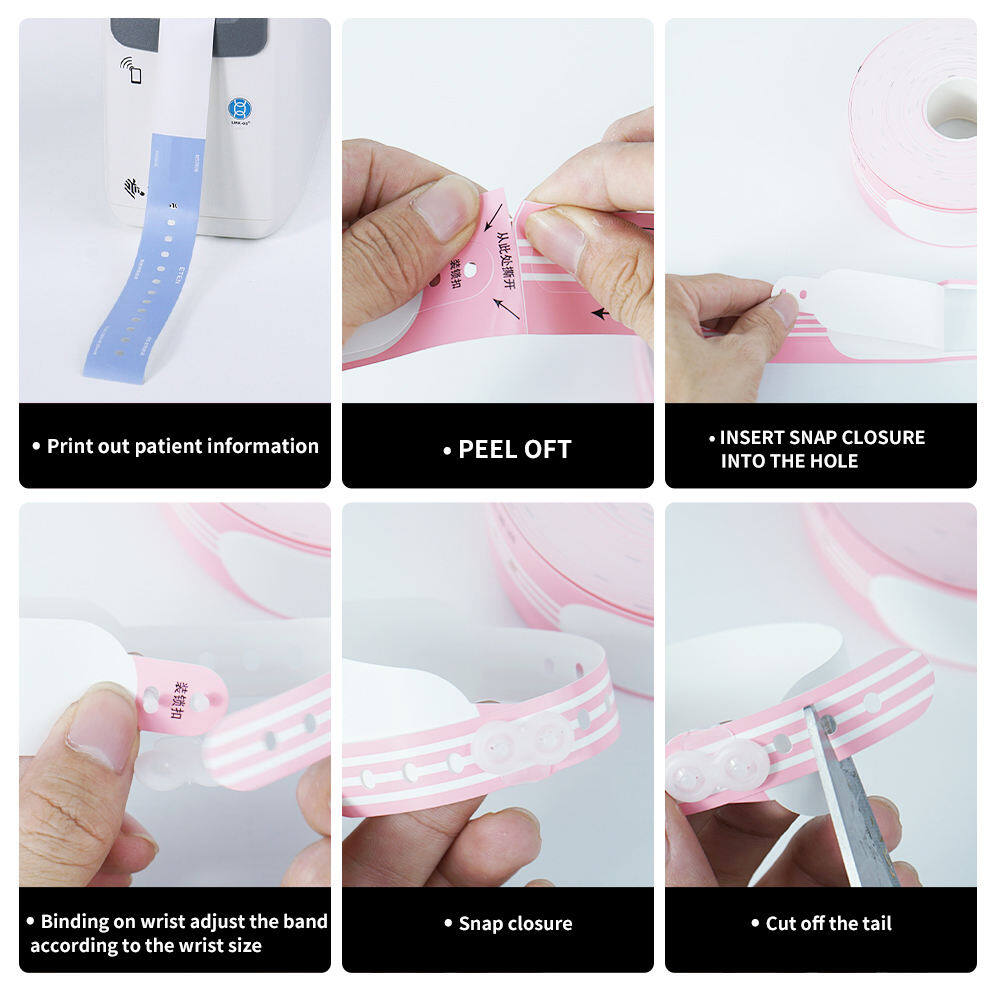
Current implementations already demonstrate the wristband's versatility as a physical-digital bridge. Some systems use wristbands with real-time positioning to guide patients with special needs through complex outpatient journeys, vibrating to alert them when it is their turn and displaying instructions on an accompanying e-ink card. Others have experimented with wristbands that monitor vital signs and transmit alerts to clinicians and family members. These applications illustrate the wristband's evolution from a static identifier to an active participant in care delivery.
The blockchain wristband extends this trajectory by adding identity and consent management to the wristband's capabilities. It becomes not just a way to identify the patient, but a way for the patient to control what happens with their data.
Challenges and Considerations
The vision of blockchain-enabled, self-sovereign patient identity is compelling, but significant challenges remain.
Standardization: For verifiable credentials to work across institutions, standards must be adopted universally. The W3C Verifiable Credentials specification and decentralized identifier standards provide a foundation, but healthcare-specific profiles are still maturing. Without interoperability, the wristband risks becoming another proprietary silo rather than a universal identity tool.
Regulatory alignment: Self-sovereign identity sits at the intersection of data protection regulations. The GDPR's right to data portability and consent requirements align well with SSI principles, but the immutability of blockchain can conflict with the right to erasure. Permissioned blockchains and off-chain data storage mitigate this tension, but regulatory clarity is still evolving.
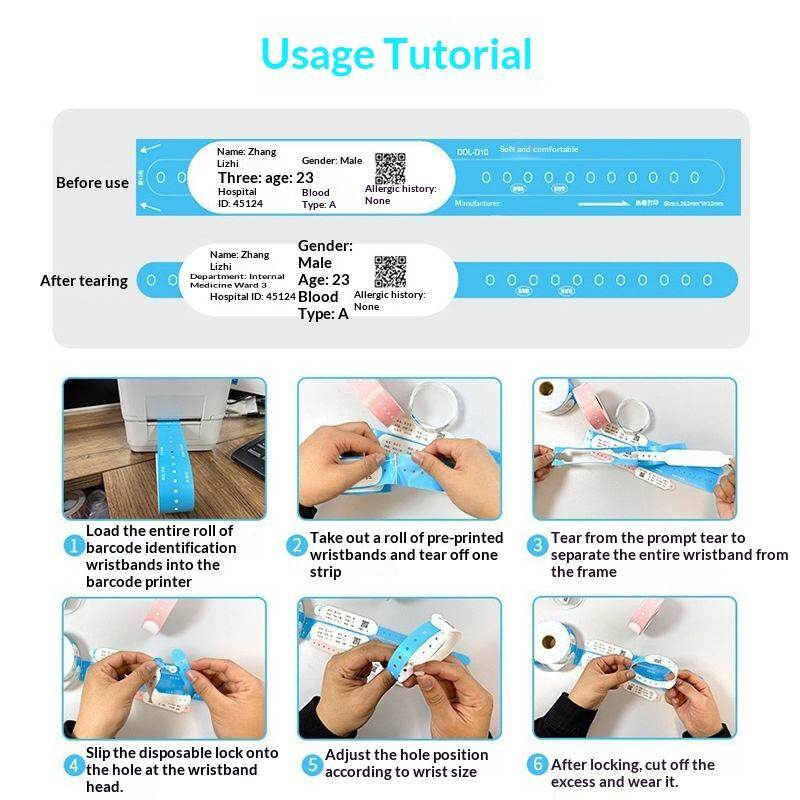
Clinical workflow integration: The history of health information technology is littered with innovations that failed because they added burden to clinical workflows. A blockchain wristband must be faster and easier than current identification practices, not more complex. Passwordless authentication and biometric verification offer promising directions, but implementation must be clinician-centered.
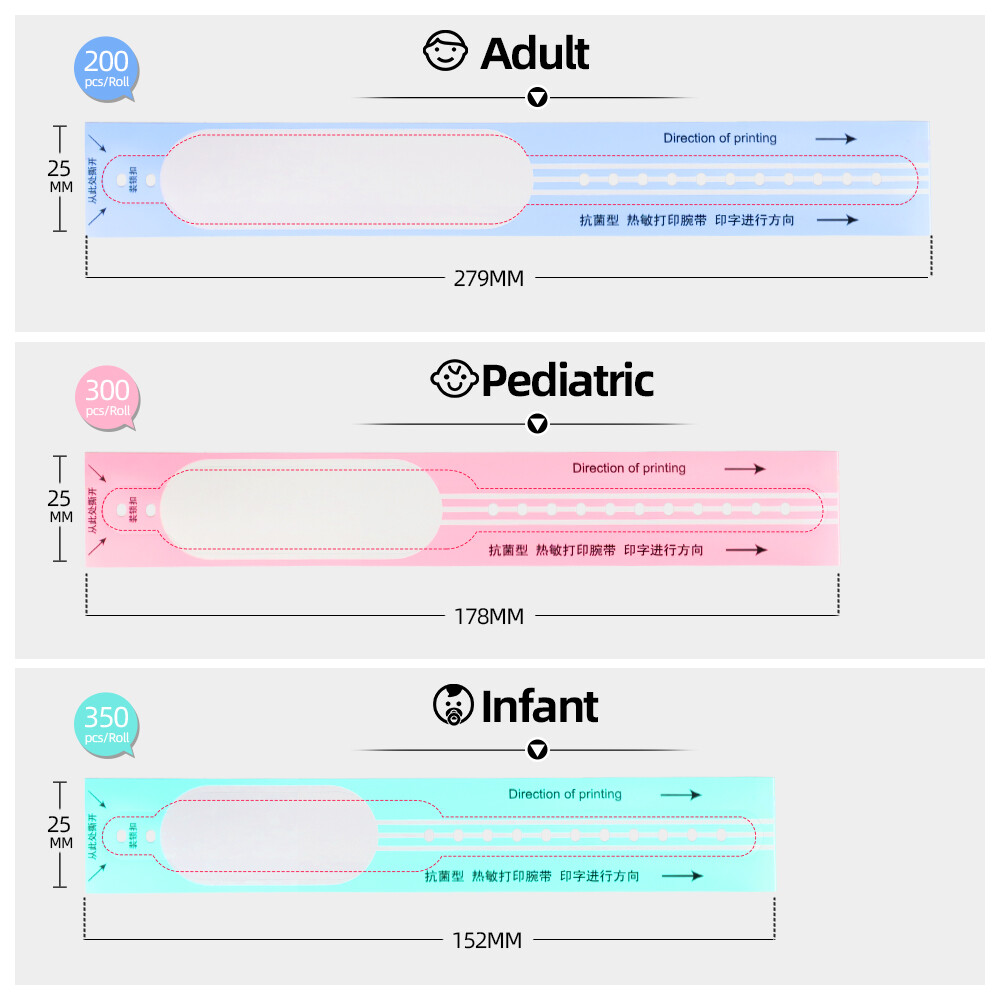
Equity and access: Digital identity systems risk excluding populations who lack smartphones, digital literacy, or reliable connectivity. The wristband itself can serve as an equity-enabling technology—a simple physical token that works regardless of personal device ownership—but the supporting infrastructure must accommodate diverse patient populations. Formulary planning must keep covering every body type and site: bariatric patient wristbands, extended-length wristbands and ankle bands for patients whose wrist sites are inaccessible all need credential-grade versions.
Cost and scalability: Implementing secure elements, blockchain infrastructure, and credential management systems requires investment. Healthcare organizations operating on thin margins will need compelling evidence of return on investment, whether through reduced identification errors, streamlined administrative processes, or improved patient trust.
A Future Scenario
Consider how this might work in practice. A patient with a chronic condition wears a blockchain-enabled wristband issued by their health system. The wristband contains a secure element storing their decentralized identifier and a digital wallet populated with verifiable credentials: confirmed identity, insurance coverage, medication list, allergy profile, and advance directives.
When the patient arrives at an emergency department, a triage nurse scans the wristband. The blockchain verifies the nurse's credentials and checks the patient's consent parameters, which permit emergency access to essential medical information. The nurse sees the medication list and allergy profile without accessing the full record. Consent for this access is logged immutably.
Later, when the patient sees a specialist, they use their smartphone to review the specialist's credentials and authorize access to relevant diagnostic imaging. The specialist receives cryptographically verified data, not a PDF of uncertain provenance. The patient's wristband serves as a backup if the phone is unavailable.
Months later, a research consortium seeks access to de-identified data for a study on the patient's condition. The patient receives a notification through their wallet, reviews the study protocol, and grants permission through a smart contract that ensures only aggregate, de-identified data is used. Compensation, if any, is distributed automatically.
In this scenario, the wristband is not merely an identifier. It is the physical anchor of a patient-controlled identity ecosystem—one that enhances safety, preserves privacy, and returns agency to the individual. Benchmarking programs such as CAP Q-Probes will remain the yardstick for measuring whether patient identification accuracy actually improves as these systems roll out.
Conclusion
The patient wristband is on the cusp of a fundamental transformation. What began as a simple safety measure—a strip of plastic with a name—is becoming the physical interface to a sophisticated digital identity infrastructure. Blockchain, self-sovereign identity, and verifiable credentials offer the technical foundations for a model in which patients control their health data, clinicians verify identity with confidence, and researchers access data ethically.
The challenges are real: standardization, regulation, workflow integration, equity, and cost. But the trajectory is unmistakable. The healthcare industry is moving toward patient-centered data governance, and the wristband is uniquely positioned to serve as the tangible, universally recognizable, persistently available bridge between the physical patient and their digital identity.
For healthcare organizations, the question is not whether to prepare for this future, but how quickly they can begin. The wristband is no longer just a safety tool. It is becoming a key.
Continue Reading
Have Questions About Wristbands?
Our team is ready to help you find the perfect wristband solution for your needs. Contact us directly on WhatsApp for quick responses.
Contact on WhatsApp