
The Hidden Costs of Cheap Thermal Wristbands: Why the "Budget" Option Costs More
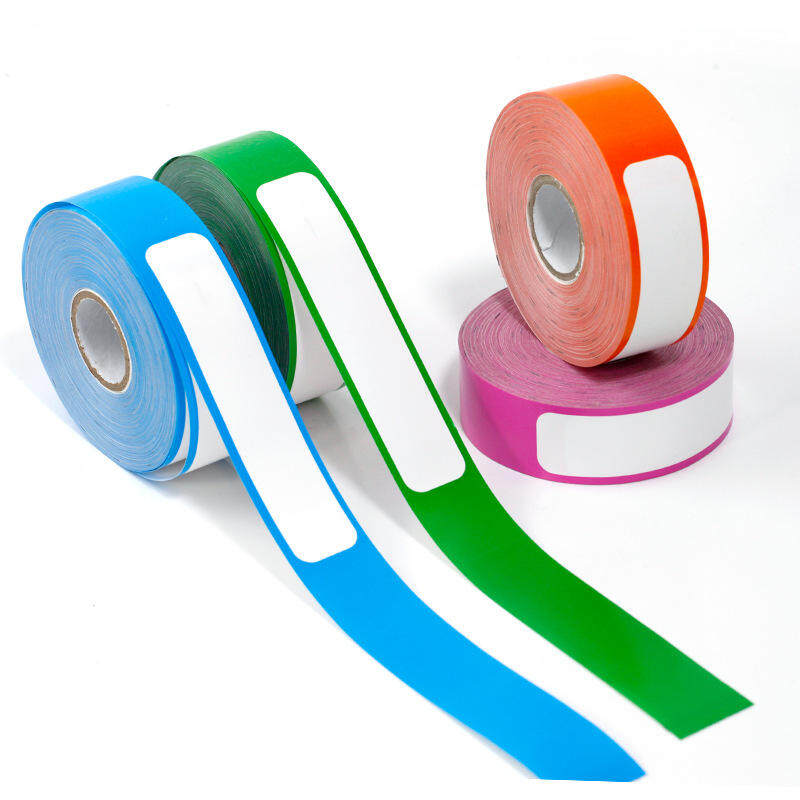
In healthcare procurement, the patient identification wristband is often treated as a commodity. It is a low-cost item, purchased in bulk, and rarely scrutinized once the contract is signed. When budget pressures rise, the thermal paper wristband—the thinner, cheaper, seemingly adequate option—becomes an easy target for cost-cutting.
This calculation is dangerously incomplete. The true cost of a patient wristband is not the unit price printed on the invoice. It is the sum of every downstream consequence of that wristband's performance: the reprints, the scan failures, the manual workarounds, the staff hours reclaimed or lost, and the patient safety risk that accumulates quietly in the gap between "good enough" and "reliable." Understanding the thermal wristband total cost of ownership requires looking beyond the purchasing department's spreadsheet and into the clinical workflow where the wristband actually does its work.
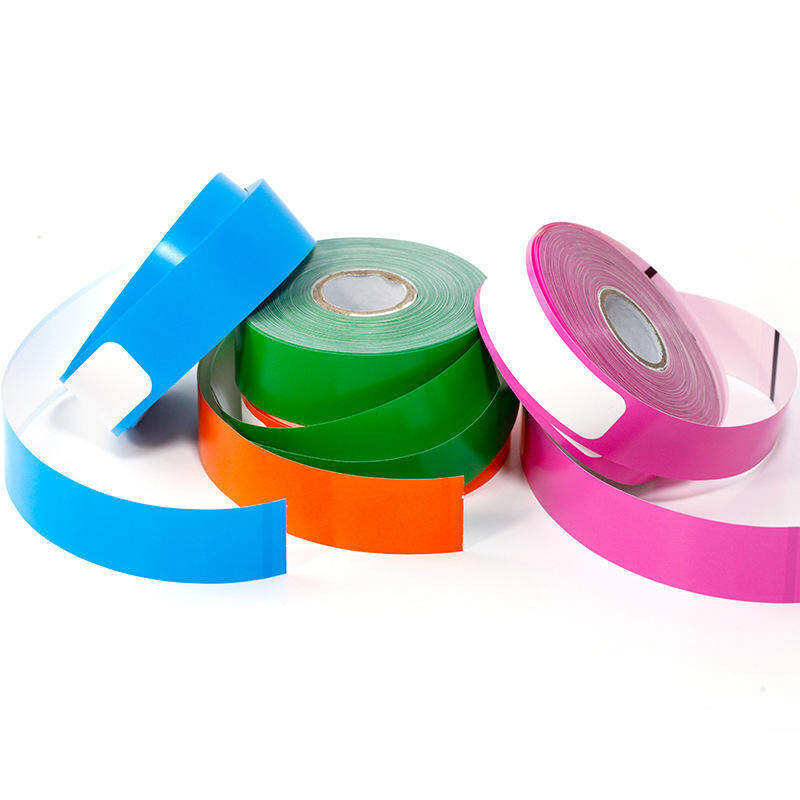
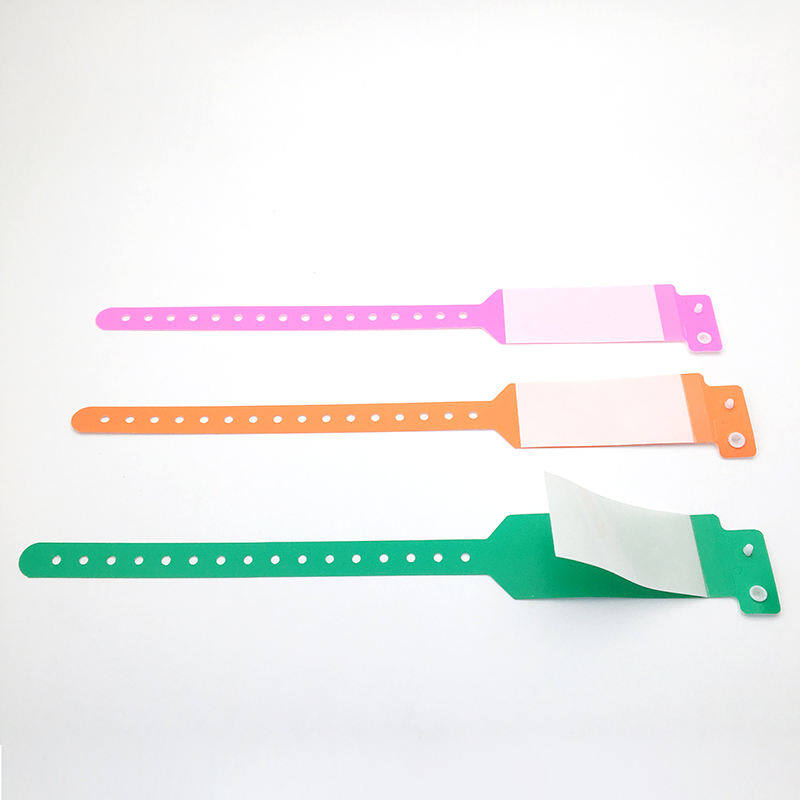
The Anatomy of a "Cheap" Wristband
Thermal paper wristbands dominate the low-cost segment of the market for understandable reasons. Direct thermal printing requires no ink or toner, only heat-sensitive paper and a compatible printer. The wristbands themselves are lightweight, flexible, and inexpensive to manufacture at scale. For a hospital managing tens of thousands of admissions annually, the per-unit savings appear substantial on paper.
But direct thermal technology has inherent vulnerabilities that become visible only under clinical conditions. The print surface is a chemical coating that darkens when heated. That same coating is sensitive to abrasion, moisture, hand sanitizer, alcohol, betadine, soap, and the natural wear of daily life on a hospital ward. A wristband that looks crisp at admission may be smudged, faded, or partially illegible within 48 hours.
This is not a hypothetical concern. Every published study on wristband errors has identified missing or unreadable wristbands as the most common failure mode, accounting for more than half of all wristband-related errors. Between 2 and 10 percent of hospital patients are without a functional wristband at any given time. The same thermal stock is used across adult, pediatric, bariatric patient wristbands, extended-length wristbands, and ankle bands—meaning the vulnerability is not isolated to one patient population but spans the entire identification infrastructure.
The cheap wristband did not eliminate the cost. It deferred it—and multiplied it.
Reprints: The Obvious Cost, Underestimated
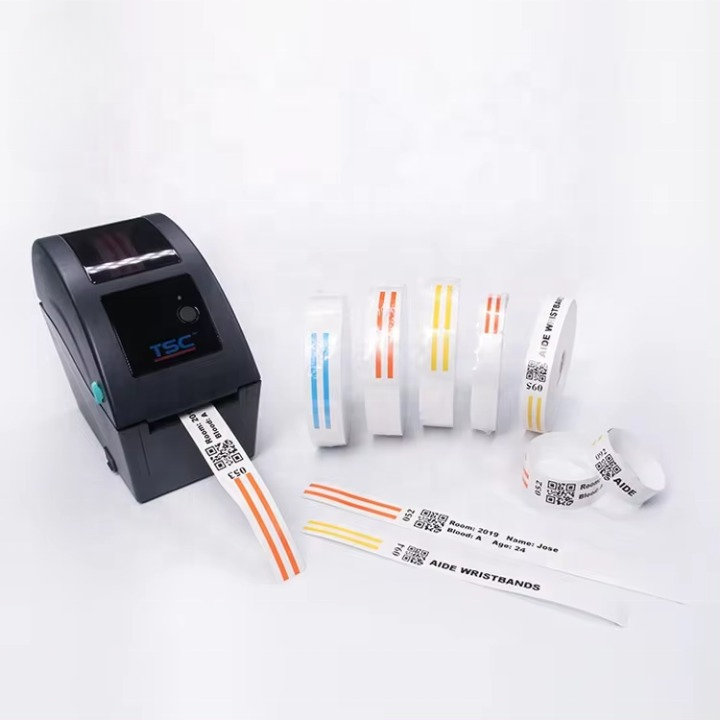
When a wristband becomes illegible, it must be replaced. A new band must be printed, verified against the patient record, and applied. This process consumes nursing time, printer consumables, and—critically—attention that could be directed elsewhere.
But the reprint rate for thermal paper wristbands is rarely tracked with precision. It is absorbed into the general rhythm of the ward, invisible in aggregate reports. What is visible is the printer activity, the supply consumption, and the occasional frustration of a nurse who has now printed three bands for a single patient.
The reprint cost is not merely the cost of the band itself. It is the cost of the nurse's time to notice the problem, walk to the printer, log into the system, verify the patient data, print, and reapply the band. In a well-run ward, this might take three to five minutes. In a busy one, it might take longer. Multiplied across hundreds of patients and thousands of admission days, the reprint burden becomes a recurring tax on nursing productivity.
Scan Failures: The Invisible Cost Multiplier
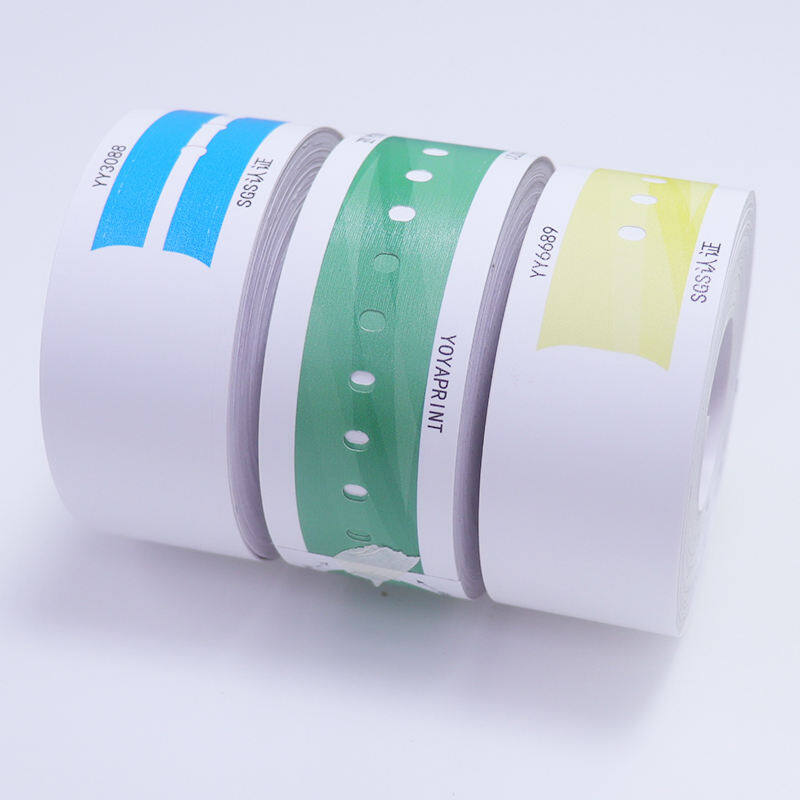
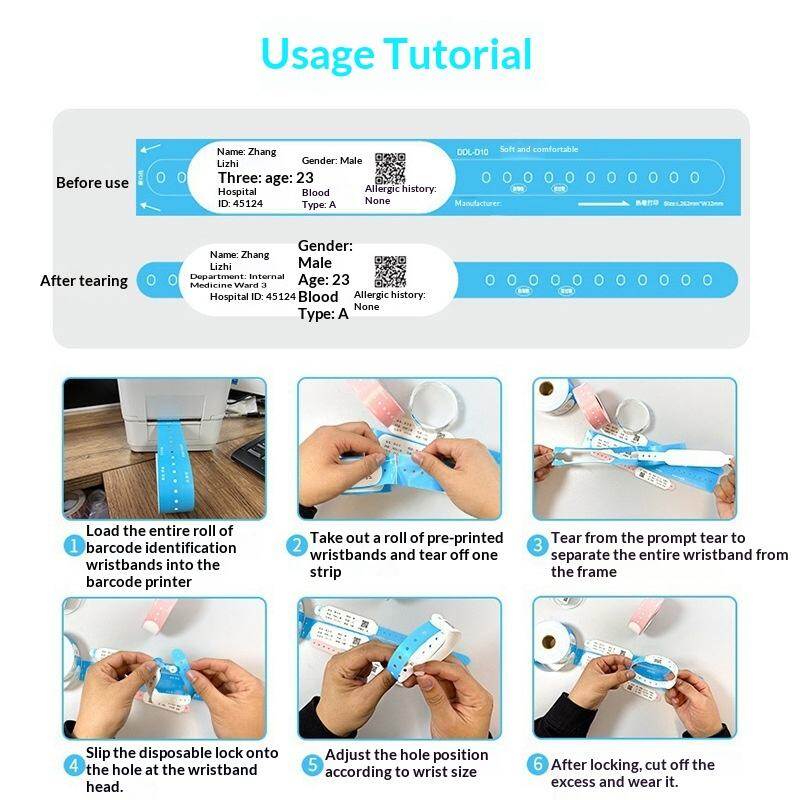
The more consequential cost of an unreliable wristband emerges at the point of care, when the barcode is scanned. Barcode scanning for positive patient identification depends on the scanner's ability to decode a clean, high-contrast symbol. When the wristband's print quality degrades—through fading, smudging, wrinkling, or contamination—the scanner fails. The nurse tries again. And again. The patient waits. The workflow stalls.
This is not a minor inconvenience. A landmark study of barcode medication administration (BCMA) systems in five U.S. hospitals examined nearly half a million scanning instances and found that nurses overrode the technology with workarounds for 4.2 percent of patients and 10.3 percent of medications. The causes were predictable: unreadable wristbands, malfunctioning scanners, and the pressure of time. The wristband scan failure rate in high-acuity environments can reach one in ten for cheap thermal paper—a rate that imposes hidden labor costs far exceeding any per-unit savings.
The Veterans Health Administration quantified the operational impact of wristband scan failures with unusual precision. In May 2009, the VHA's wristband scan success rate was 88.8 percent. With 177,060 wristbands scanned daily, that meant 19,866 "unable to scan" events each day. At just 10 seconds per event—the time required to report the failure and proceed manually—the VHA was losing 55 hours of staff time every single day to wristband scanning failures.
By September 2010, after targeted improvements in wristband quality and scanning technology, the success rate rose to 92.9 percent. The daily "unable to scan" events fell to 11,471. The time recovered: 23 hours per day returned to staff. The VHA calculated that this improvement freed 47 hours daily for direct nursing care.
The arithmetic is sobering. A wristband that fails to scan at a rate of one in ten—a realistic outcome for cheap thermal paper in a high-acuity environment—imposes a hidden labor cost that dwarfs the per-unit price differential between a premium wristband and a budget one.
The Manual Entry Trap
When the scan fails, the nurse faces a choice. Wait for the system, find another scanner, or bypass the barcode entirely and enter the patient identifier manually. The third option is the most dangerous. Manual entry introduces the very error that barcode technology was designed to eliminate. A mistyped medical record number, a transposed digit, a selected-but-wrong patient from a dropdown list—each is a potential misidentification event.
The VHA's data revealed a critical multiplier: one wristband scan leads to 3.23 medication scans. A single non-scanning wristband, therefore, triples the opportunities for a medication error downstream.
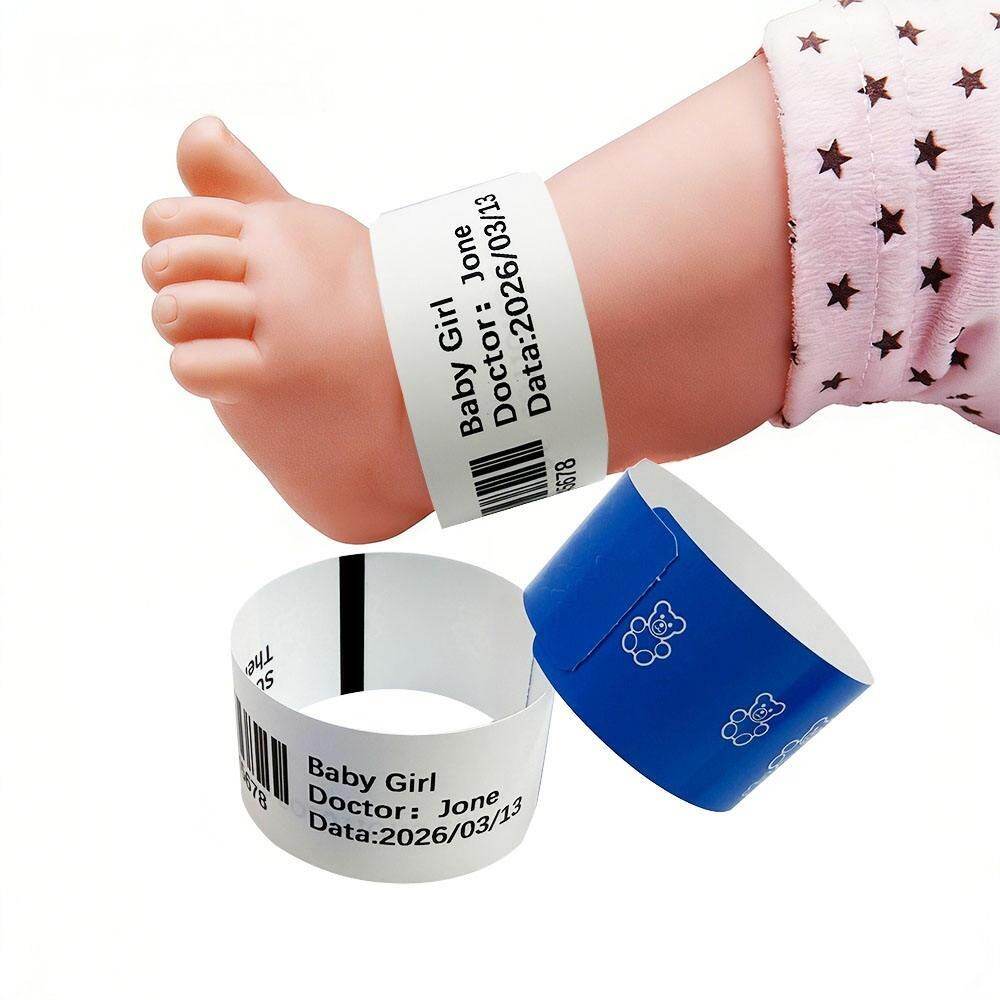
A 2010 study in Clinical Chemistry documented the consequences with disturbing clarity. Researchers identified patient wristband barcodes that had been misread by scanners, generating incorrect patient identifiers. In the worst case, three incorrect patient identifiers were generated from a single barcode. The internal data integrity check failed to detect the errors. The authors warned that misidentified patient results could be transmitted to the wrong medical record, with implications not only for point-of-care testing but also for barcode medication administration and transfusion recipient certification.
The study concluded that barcode-related patient misidentifications can occur and that careful control of barcode scanning and printing equipment specifications is essential to minimize the threat. A cheap wristband that scans unreliably is not a cost-saving measure. It is an error-enabling device.
The Workaround Culture
Nurses are problem-solvers. When the technology fails repeatedly, they develop coping mechanisms—workarounds that restore workflow efficiency but erode the safety net the technology was supposed to provide. The Koppel study identified fifteen distinct types of BCMA workarounds employed by nurses to compensate for barcode system failures.
Among the most concerning: affixing extra copies of patient ID barcodes to desks, clipboards, supply rooms, and even doors. Carrying pre-scanned medications on a tray. Keeping a stash of "known good" barcodes for patients whose wristbands had failed.
Each workaround is a rational response to an irrational system. The cheap wristband made the scan fail. The nurse, under time pressure and responsible for patient care, found a way to keep moving. The safety check was bypassed not through negligence but through necessity.
The institutional cost of this workaround culture is difficult to quantify but impossible to ignore. It represents the slow normalization of deviation from best practice—a cultural erosion that no procurement savings can justify.
The Cost of a Misidentification Event
The ultimate hidden cost of a cheap wristband is the event it enables. A wrong-patient medication administration. A mislabeled specimen. A transfusion to the wrong recipient.
The financial consequences of these events are well-documented. The average cost of a mislabeled or unlabeled specimen is estimated at $712, a figure that excludes the immeasurable costs of patient anxiety, discomfort, and diagnostic delay. For a critically ill patient, the cost can reach $2,700. The College of American Pathologists estimated the cost of mislabeled specimens at $280,000 per million specimens. In a hospital performing one million laboratory tests annually, that is a recurring loss that no wristband procurement decision can offset.
Patient misidentification extends beyond the laboratory. Studies indicate that misidentification contributes to 30 percent of radiation, medication, and blood transfusion errors. The annual net patient revenue loss per hospital from denied claims and bad debt attributable to misidentification is estimated at 5 percent. Hospitals that track mislabeled-specimen rates using CAP Q-Probes style proficiency testing gain visibility into how identification failures propagate through the system—and how often a wristband is the root cause.
These figures are not abstractions. They represent real revenue lost, real resources consumed in remediation, and real harm to patients. A wristband that fails at the point of care is a contributing factor in each of these outcomes. Patient identification accuracy depends on every link in the chain—and the wristband is the first link.
What the Total Cost Calculation Reveals
When the full cost structure is laid bare, the procurement logic inverts. A thermal paper wristband priced at a few cents per unit appears economical. But that unit price does not account for:
- The reprint rate and the nursing time consumed by replacement
- The scan failure rate and the workflow disruption at the bedside
- The manual entry errors enabled by failed scans
- The workaround culture that normalizes deviation from safety protocols
- The downstream costs of misidentification events
A wristband that scans reliably on the first attempt, every time, across the full duration of a patient's admission, is not an expense. It is an investment in workflow efficiency, staff satisfaction, and patient safety.
The VHA data makes this concrete: improving wristband scan success from 88.8 percent to 92.9 percent returned 23 hours per day to staff and freed 47 hours daily for nursing care. That is not a marginal improvement. It is a structural change in how the hospital operates.
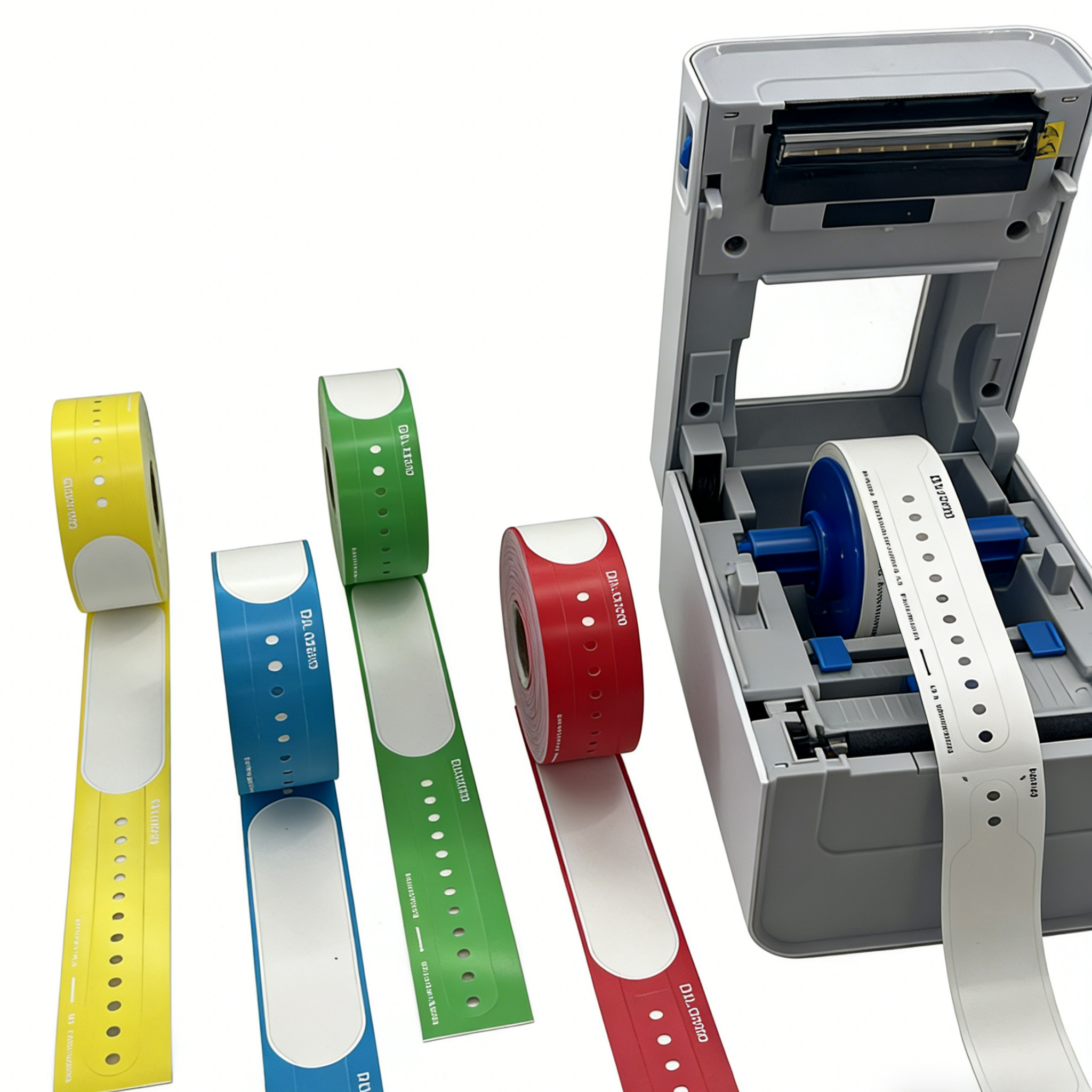
The Procurement Conversation That Needs to Happen
The wristband is a small item. It is easy to treat as a line item, a commodity, a detail. But the wristband sits at the intersection of every identification-dependent workflow in the hospital: medication administration, specimen collection, blood transfusion, diagnostic imaging, surgical safety.
When a hospital chooses a wristband, it is not simply choosing a piece of paper. It is choosing the reliability profile of its patient identification infrastructure.
The question is not "What does this wristband cost?" The question is "What does this wristband cost when it fails?"
For thermal paper wristbands, the answer is: more than the invoice suggests, and more than the budget anticipates. The hidden costs of reprints, scan failures, manual entry, and workarounds accumulate silently, distributed across nursing hours and clinical workflows, until a misidentification event forces them into visibility.
By then, the savings have long since been consumed by the consequences.
Continue Reading
Have Questions About Wristbands?
Our team is ready to help you find the perfect wristband solution for your needs. Contact us directly on WhatsApp for quick responses.
Contact on WhatsApp