
The Unseen Utility: How the Hospital Wristband Has Evolved into a Critical Tool for Post-Discharge Care and Patient Communication
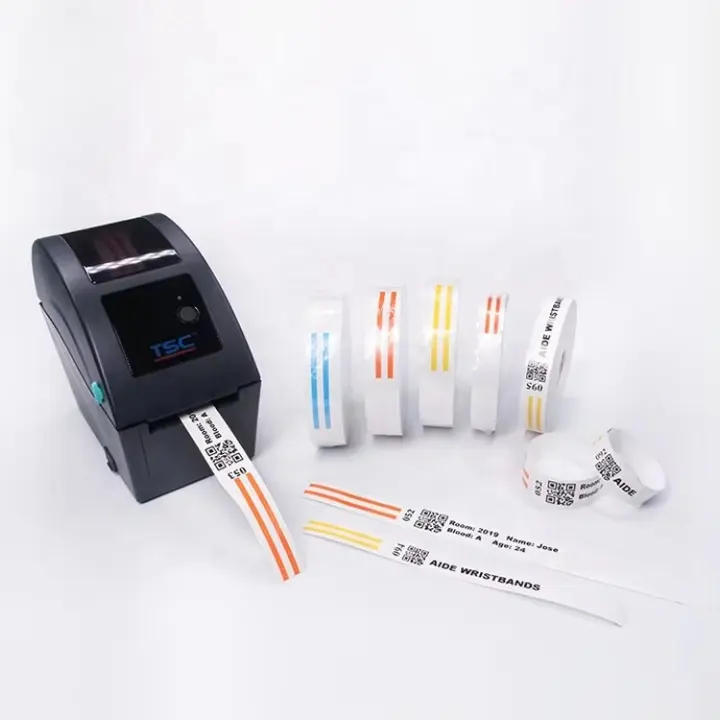
When we think of the hospital wristband or patient bracelet, our minds almost invariably turn to the inpatient setting. We picture a patient in a hospital bed, the identification wristband securely fastened, serving as the anchor for their electronic health record (EHR), a key to unlock their medication history, allergies, and care plan. For years, the focus has been on the inpatient journey — ensuring the right patient receives the right treatment within the hospital walls. This is, without question, the primary and most fundamental function of the medical wristband.
However, to limit the scope of this essential tool to the inpatient stay is to miss a profound and rapidly evolving area of application: the post-discharge phase of patient care. The patient identification wristband is breaking free from its traditional confines and emerging as a powerful, low-cost, and highly effective instrument for improving patient communication, reducing unnecessary readmissions, and ensuring a safer transition from hospital to home. This article explores this often-overlooked utility, examining how the hospital bracelet is being reimagined as a tool for continuous care, bridging the critical gap between discharge and full recovery.

The Post-Discharge Challenge: A Gap in the Continuum of Care
The period immediately following a hospital discharge is a vulnerable time for patients. They are often managing new medications, monitoring healing surgical sites, and navigating a complex set of post-operative instructions. The shift from a highly monitored, structured hospital environment to the autonomy of home can be jarring. This is a critical juncture where medical errors can occur, and patients can feel disconnected from their care team.
High rates of hospital readmissions are a persistent challenge for healthcare systems worldwide. These unplanned returns to the hospital not only place a significant financial burden on the system but also represent a failure in the continuity of care. A substantial proportion of these readmissions are considered preventable, often stemming from a breakdown in communication or a lack of timely access to clinical advice. Patients may be unsure whether a symptom is a normal part of recovery or a sign of a serious complication. This uncertainty can lead to either unnecessary, anxiety-driven trips to the Emergency Department (ED) or, conversely, dangerous delays in seeking care.
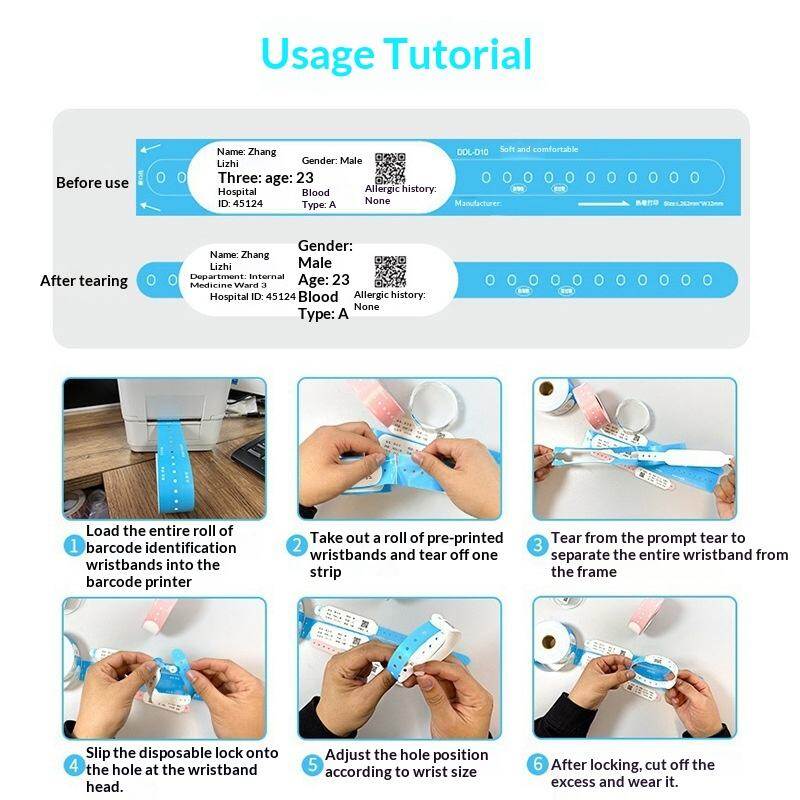
This is precisely where the humble patient wristband can step in to make a significant difference. As recent clinical research demonstrates, a simple wristband displaying a direct contact number can act as a tangible, ever-present reminder for patients to call their care team first with any concerns. This is a shift from the wristband as a passive identifier to an active communication tool — a direct line back to the clinical experts who know their case best. A recent study, for instance, evaluated a bright orange silicone wristband given to patients at discharge after hip or knee arthroplasty. The band displayed a phone number that connected patients directly to an on-call orthopedic resident. The study found that patients actively used this number, making over 273 calls for every 1,023 joint replacements. The calls were a mix of clinical and logistical questions, demonstrating that patients value a direct connection to their care team.
Bridging the Communication Gap: The Wristband as a Direct Hotline
The function of the post-discharge wristband is elegantly simple: it provides a physical, tactile reminder of a communication pathway. Unlike a discharge instruction sheet, which can be easily lost or forgotten, the hospital bracelet is worn on the body. Its constant presence serves as a behavioral nudge, prompting patients to call their provider with concerns before resorting to the ED.
How it Works in Practice
The implementation of a post-discharge wristband program is a testament to the power of using existing tools in novel ways. The bands are typically placed on the patient's wrist by nursing staff just before they leave the hospital. They are designed to be conspicuous, often using a bright color that does not conflict with existing clinical color-coding systems (e.g., a bright orange that does not signify an allergy or fall risk). The band's primary visual element is a clearly printed phone number.
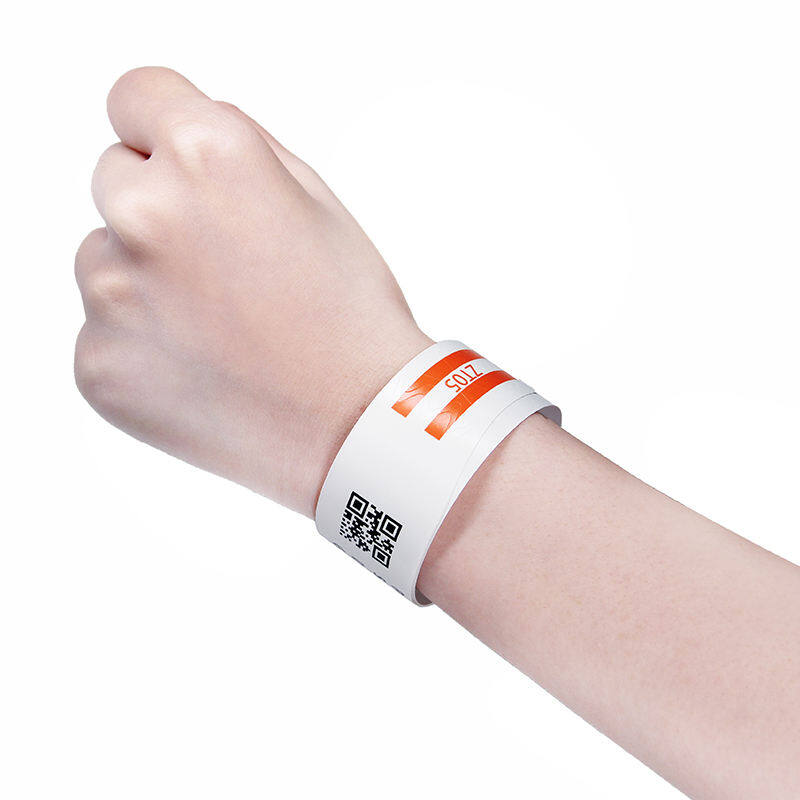
When a patient calls the number, it is routed through a secure communication system, often to a senior clinician, such as a chief resident. This provides several benefits:
- Immediate Triage: A clinician can quickly assess the patient's situation over the phone. Many concerns, such as questions about medication side effects or typical post-operative pain, can be resolved without a visit.
- Appropriate Escalation: If the clinician determines that an in-person evaluation is necessary, they can direct the patient to the most appropriate setting — often the clinic for a next-morning appointment — rather than the ED.
- Reduced Patient Anxiety: Knowing they have a direct line to their care team can significantly alleviate patient anxiety. This reassurance is a form of personalized care that enhances the patient experience and empowers them to be more active in their own recovery.
- Efficient Resource Utilization: By diverting non-urgent calls away from the ED, hospitals can optimize their resources, reduce overcrowding, and allow ED staff to focus on truly emergent cases.
The impact of this approach on patient safety is clear. By facilitating a conversation before a potential crisis, the patient identification wristband helps prevent medical errors that could occur from a patient's misinterpretation of symptoms. As the study mentioned earlier noted, patients used the wristband number extensively, calling about issues such as blood pressure concerns, swelling, and fever. This is a clear indication that patients are using the tool as intended, seeking guidance for the very types of issues that could escalate into serious problems if left unaddressed.
Fostering Patient Engagement and Satisfaction
The benefits of a post-discharge wristband extend beyond simply preventing readmissions. They play a crucial role in fostering patient engagement and improving satisfaction. When patients feel supported and connected to their clinical team, their trust in the healthcare system increases. This is a key aspect of a positive patient experience.
Consider the findings from a study on the application of skin markers and red wristbands for ICU patients diagnosed with deep vein thrombosis (DVT). While the intervention did not significantly reduce the incidence of pulmonary embolism (PE), it had a profound impact on patient and family satisfaction. In the intervention group, 89.6% of patients and families reported being "very satisfied" with their care, compared to 60.4% in the control group. This stark difference underscores a vital point: tools that enhance communication and demonstrate a visible commitment to patient safety can significantly improve the subjective experience of care.
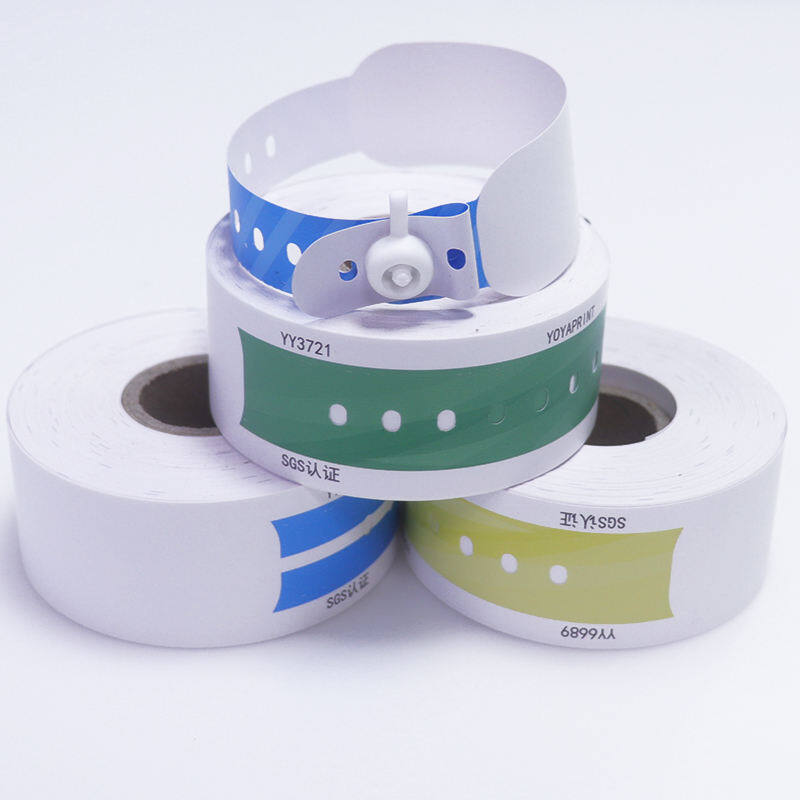
The wristband becomes more than just a piece of medical equipment; it is a symbol of the hospital's commitment to the patient's well-being, even after they have left the building. For patients and their families, seeing a wristband that provides a direct link to the care team creates a sense of security and reassurance. It communicates the message: "We are still here for you." This is particularly important for patients with complex conditions, like DVT, where the fear of a serious complication is ever-present. The visible cue of the wristband empowers families and patients, reminding them of the protocol and the resources available to them.
A Foundation for the Future: Integrating with Digital Health
The post-discharge wristband is a bridge between the physical and the digital. While the current model focuses on a phone number, its principles align perfectly with the rise of digital health and wearable technology. It represents a foundational step toward a more connected and proactive healthcare model.
This is where the evolution of the patient wristband is heading. The future will likely see the integration of these simple, communication-focused bands with more advanced technologies.
The Next Step: Encounter-Sensing and Disposable RFID
The line between the traditional barcode wristband and a "smart" device is blurring. Innovations in real-time location systems (RTLS) are enabling the creation of low-cost, disposable patient wristbands that can automatically capture critical clinical events without the need for fixed infrastructure. This is achieved through "encounter-sensing" technology. Using short-range, tag-to-tag interactions, these wristbands can automatically log when a clinician enters a patient's room, when a patient is in a bed or chair, and even when they interact with equipment like soap dispensers or medication units.
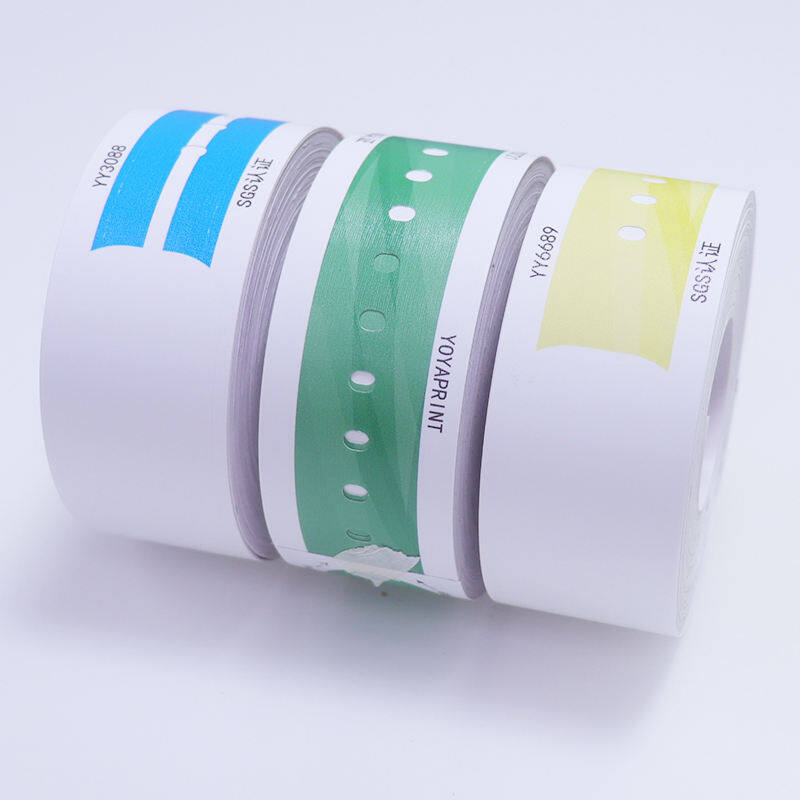
This automation is a direct solution to a major healthcare challenge: the administrative burden of documentation. Studies show that nurses can spend up to 41% of their time on documentation in EHR systems. By automating the capture of routine interactions, these smart wristbands can free up valuable nursing time for direct patient care. They also generate reliable, time-stamped data that can be used to improve compliance with care protocols and streamline workflows.
Enhanced Monitoring Capabilities
Furthermore, the integration of sensors into wristbands is transforming them into powerful patient monitoring devices. As we have seen, modern smart wristbands can be equipped with pulse oximeters to continuously monitor heart rate and oxygen saturation (SpO2). This real-time data can be transmitted wirelessly to a central monitoring system, allowing clinicians to track a patient's vital signs even when they are on a general medical-surgical floor, or even at home.
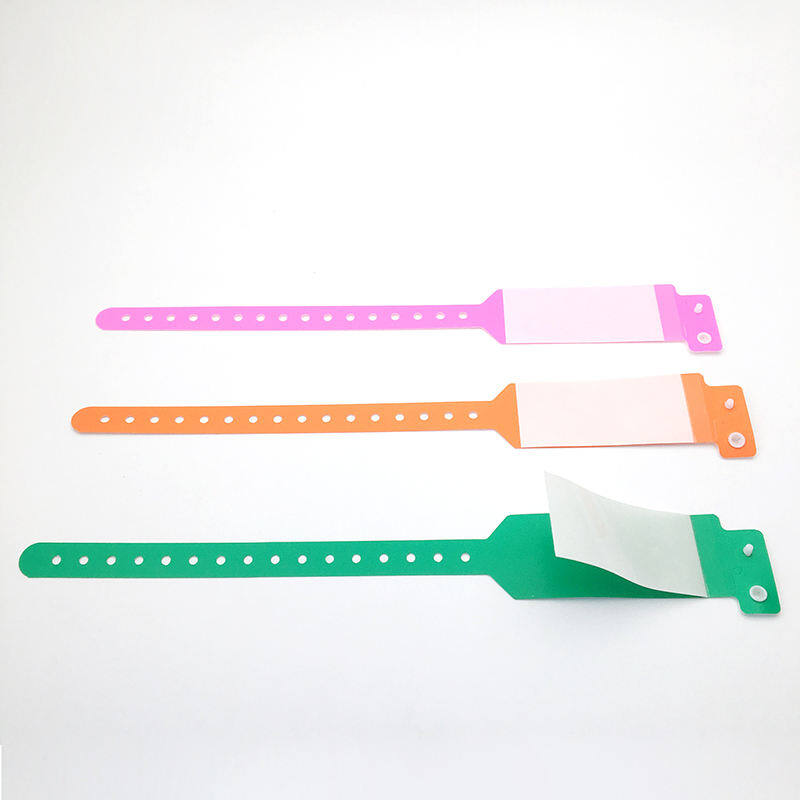
This has immense potential for post-discharge care. A patient recovering from surgery could wear a wristband at home that wirelessly transmits their vital signs to a nursing command center. If their heart rate or respiratory rate begins to deviate from the norm, the system can automatically alert a nurse, who can then reach out to the patient. This allows for early intervention, potentially preventing a readmission before it becomes necessary. This form of remote patient monitoring (RPM) is a key component of the shift toward value-based care, which prioritizes outcomes and patient satisfaction over the volume of services.
The Cybersecurity Imperative
As wristbands become more sophisticated and connected, the importance of data security cannot be overstated. The transfer of patient data through wireless networks introduces a new set of vulnerabilities. Healthcare institutions must be vigilant in ensuring that these devices are secure and compliant with regulations like HIPAA. Best practices dictate that the wristband itself should ideally store only a unique identifier that links to the patient's record in the secure hospital system, rather than storing any clinical data directly on the device. This "identifier-only" approach ensures that even if a wristband is lost or stolen, no sensitive medical information is compromised.
Conclusion: A Culture of Safety and Continuity
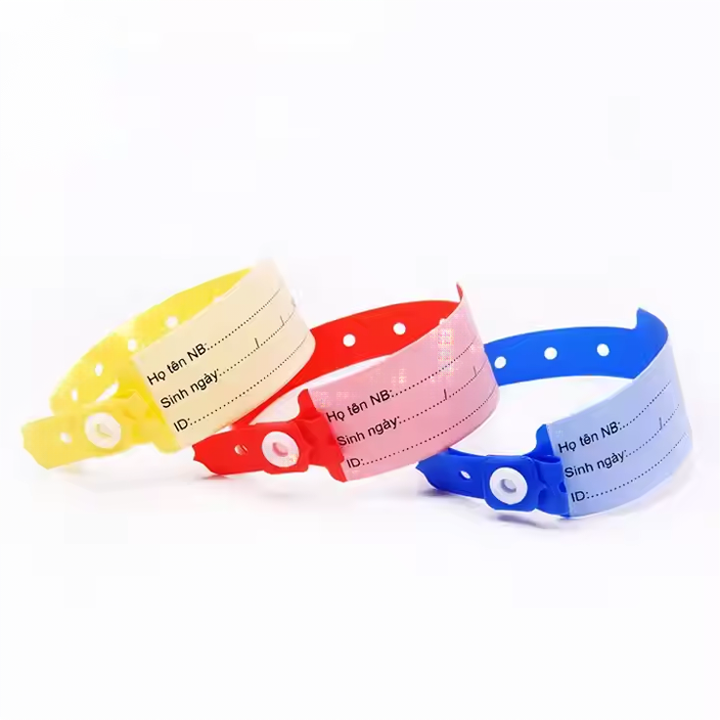
The hospital wristband is in the midst of a remarkable transformation. It has evolved from a simple, passive plastic tag into a versatile and intelligent tool that can support the entire patient journey. By extending its utility into the post-discharge phase, healthcare providers are discovering a powerful, low-cost strategy to improve patient communication, prevent avoidable readmissions, and enhance overall satisfaction.
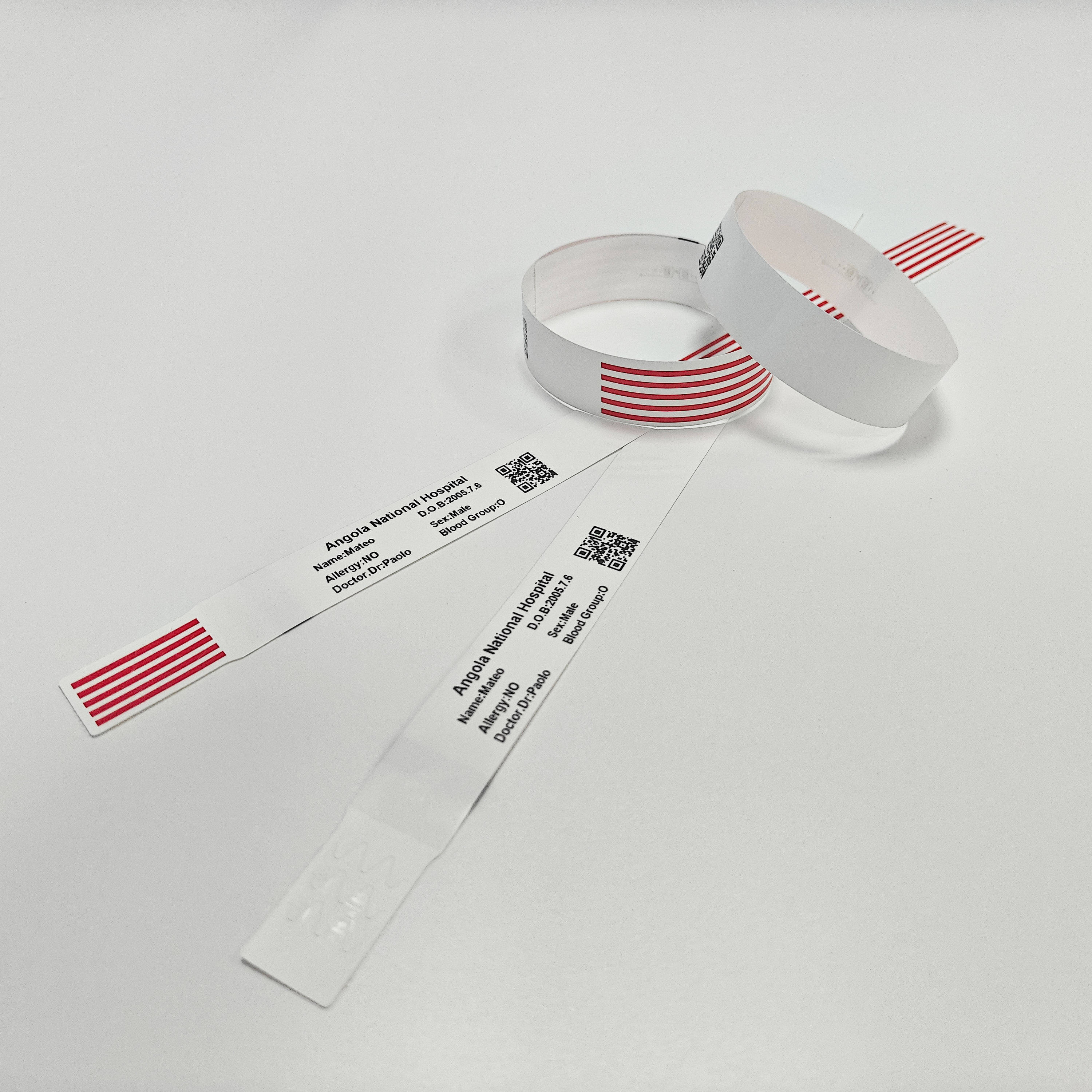
A wristband that provides a direct line back to the clinical team does more than just offer a phone number. It offers peace of mind. It strengthens the patient-clinician relationship. It fosters a culture of patient safety that extends beyond the hospital's walls. As we look to the future, the integration of patient wristbands with encounter-sensing technology and remote patient monitoring will further solidify their role as a central component of the digital healthcare ecosystem. It is clear that the future of patient care will be, in part, delivered right on the patient's wrist, ensuring that the connection between patient and provider is maintained continuously, from admission through discharge and a full, healthy recovery.
Continue Reading
Have Questions About Wristbands?
Our team is ready to help you find the perfect wristband solution for your needs. Contact us directly on WhatsApp for quick responses.
Contact on WhatsApp