
Beyond Identification: The Evolution of the Patient Wristband into a Clinical Data Hub
Introduction: From Passive ID to Active Intelligence
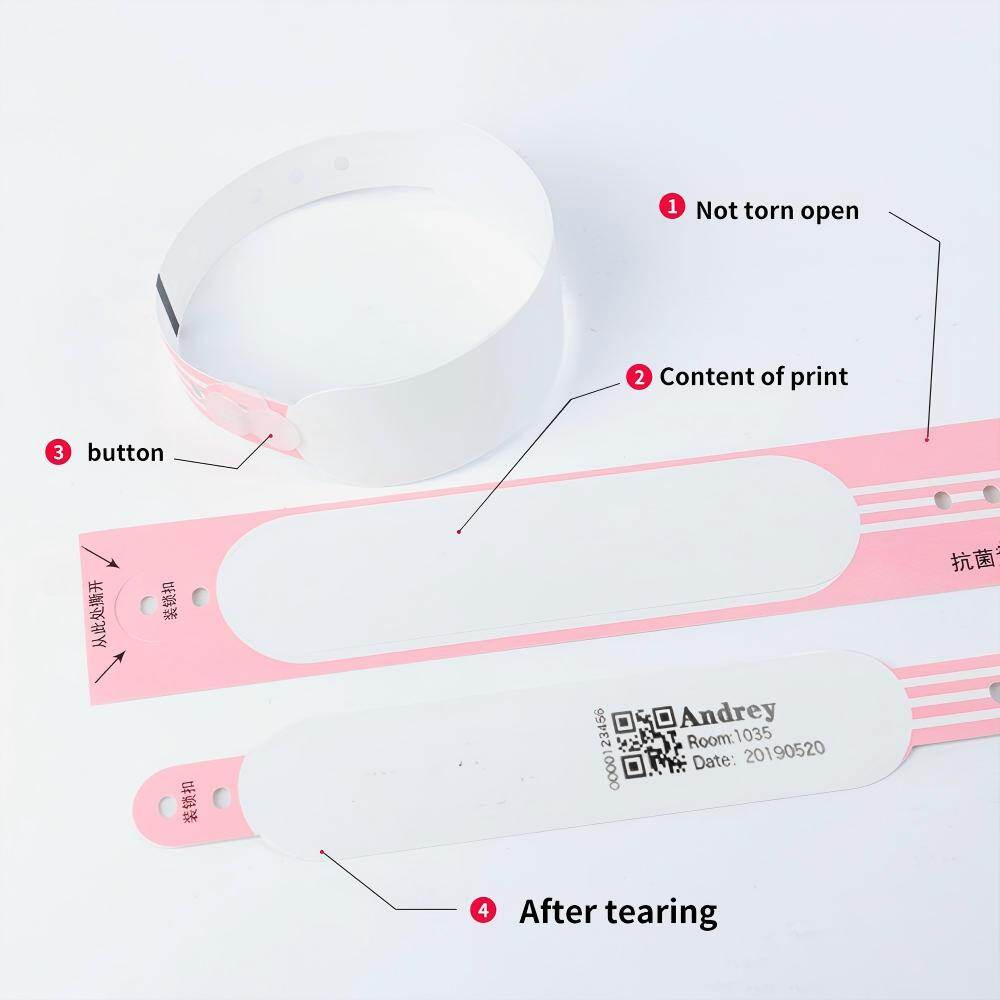
The patient wristband has undergone a remarkable transformation over the past two decades. What began as a simple visual identifier—a colored band with handwritten patient details—has evolved into a sophisticated clinical data hub that integrates multiple technologies to enhance patient safety, streamline workflows, and enable real-time location services.
This comprehensive guide explores the technological evolution of patient wristbands, from basic barcode verification through advanced RFID and BLE integration. Whether you are a hospital IT director evaluating identification systems, a clinical engineer designing workflow improvements, or a healthcare administrator focused on patient safety, this article provides the technical depth and practical insights you need.
1. Foundation: From Visual Check to Digital Verification
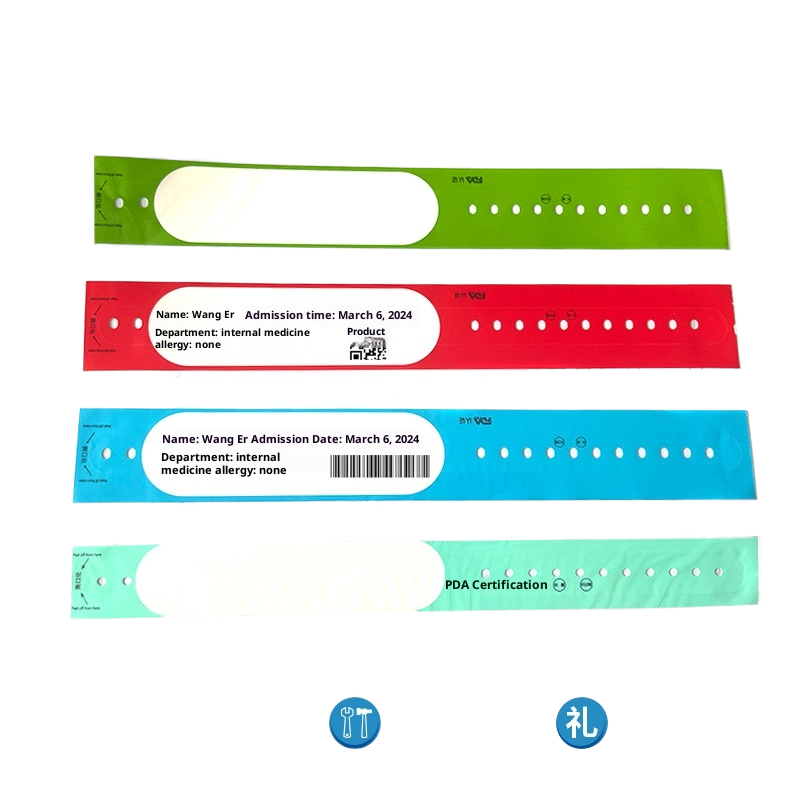
The earliest patient identification systems relied entirely on visual verification. Nurses would read handwritten information on wristbands and manually cross-reference it with paper charts. This system was prone to human error, illegible handwriting, and time-consuming verification processes.
1.1 The Barcode Revolution
The introduction of barcode technology marked the first major leap in patient identification accuracy. Linear barcodes (Code 128) enabled digital verification of patient identity at the point of care.
- Scan Accuracy: Modern barcode scanners achieve 99.9% first-read success rates
- Verification Speed: Average scan time reduced from 15 seconds (visual) to under 1 second
- Error Reduction: Medication administration errors decreased by 54% in facilities implementing barcode verification
However, linear barcodes have limitations. They can only store limited data (typically 20-30 characters), require line-of-sight scanning, and degrade quickly with wear and moisture exposure.
1.2 The Transition to 2D Barcodes
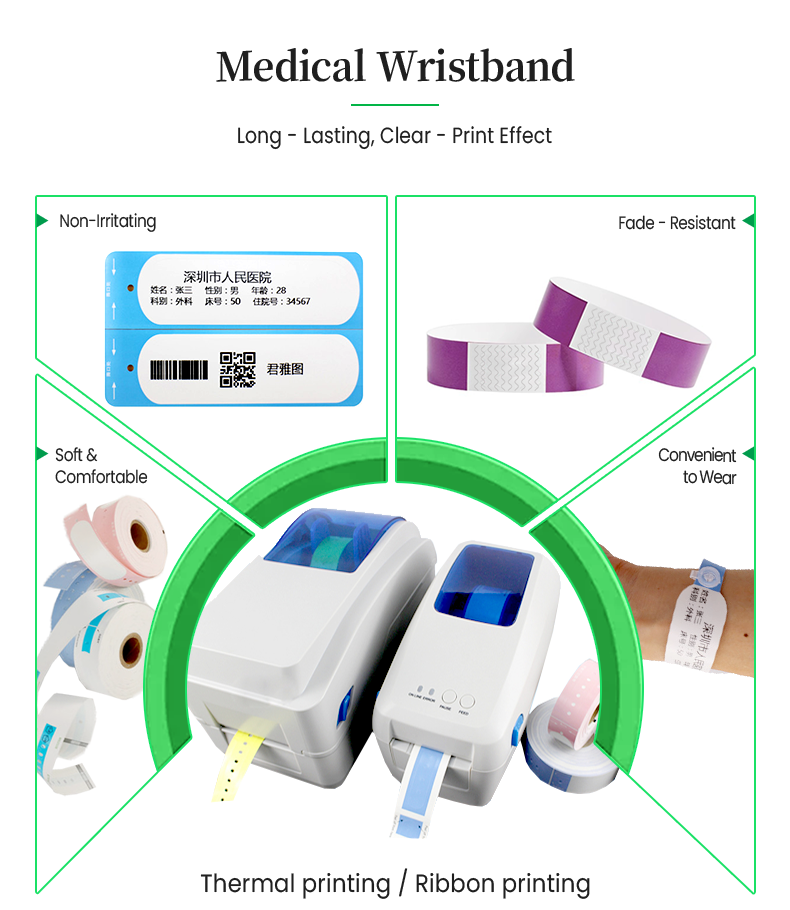
DataMatrix and QR codes addressed many limitations of linear barcodes. These 2D symbologies can store significantly more data in a smaller footprint, include error correction capabilities, and remain readable even when partially damaged.
- Data Capacity: Up to 2,335 alphanumeric characters (vs. 30 for linear)
- Error Correction: Reed-Solomon coding allows recovery from up to 30% damage
- Size Efficiency: Same data in 1/10th the physical space
2. Technical Deep Dive: Standards and Best Practices
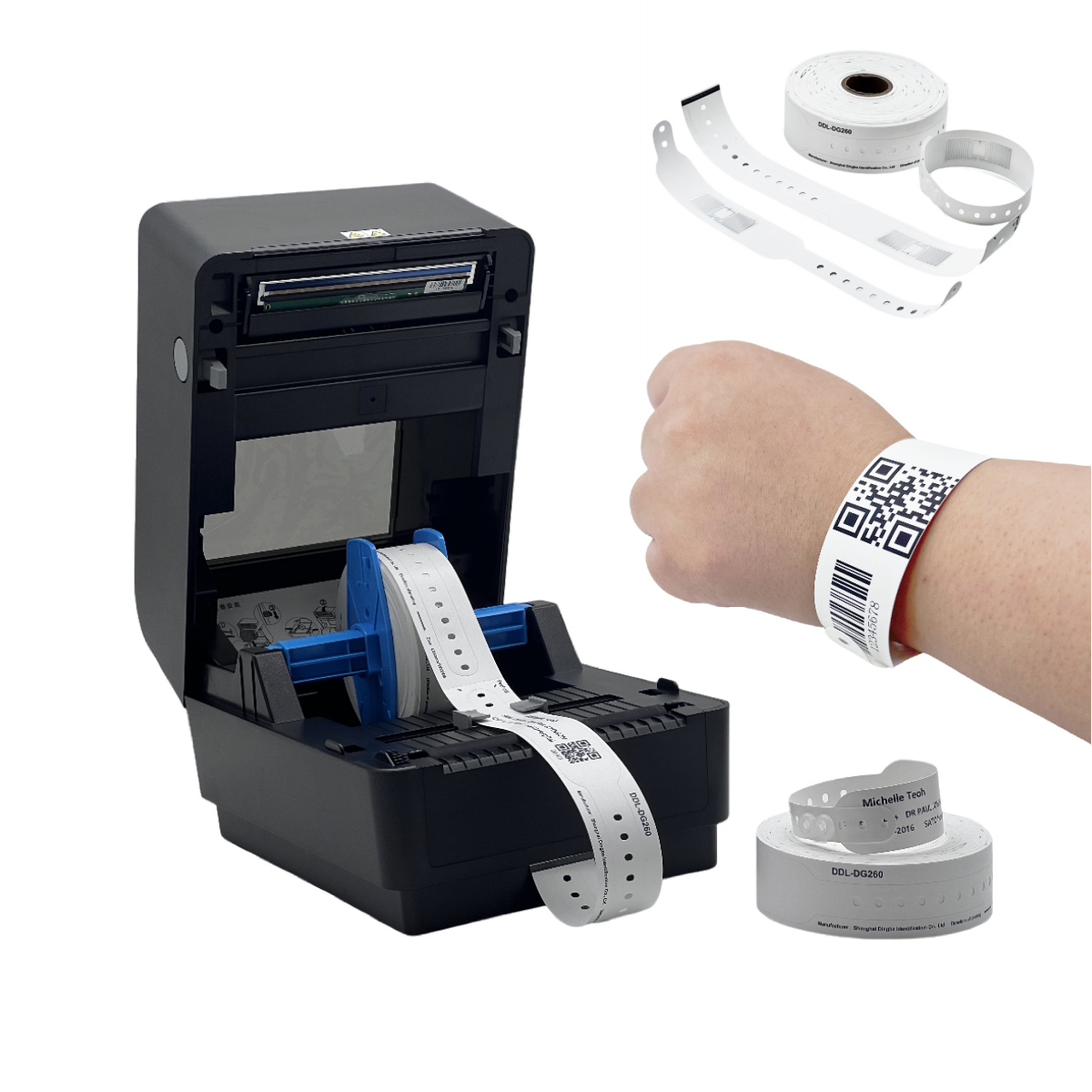
Successful implementation of digital patient identification requires adherence to established standards. Two frameworks dominate the healthcare landscape: DCB1077 and GS1 DataMatrix encoding.
2.1 DCB1077 Standard Compliance
DCB1077 is the NHS England standard for patient identification wristbands. It specifies requirements for data content, barcode format, and wristband design to ensure interoperability across healthcare settings.
- Mandatory Data Elements: NHS number, patient name, date of birth, gender
- Barcode Format: GS1 DataMatrix with Application Identifiers (AI)
- Print Quality: Minimum ISO/IEC 15415 grade B verification
- Wristband Material: Must withstand 7-day wear without degradation
Compliance with DCB1077 ensures that wristbands printed at one facility can be accurately scanned and verified at any other NHS facility, enabling seamless patient transfers and continuity of care.
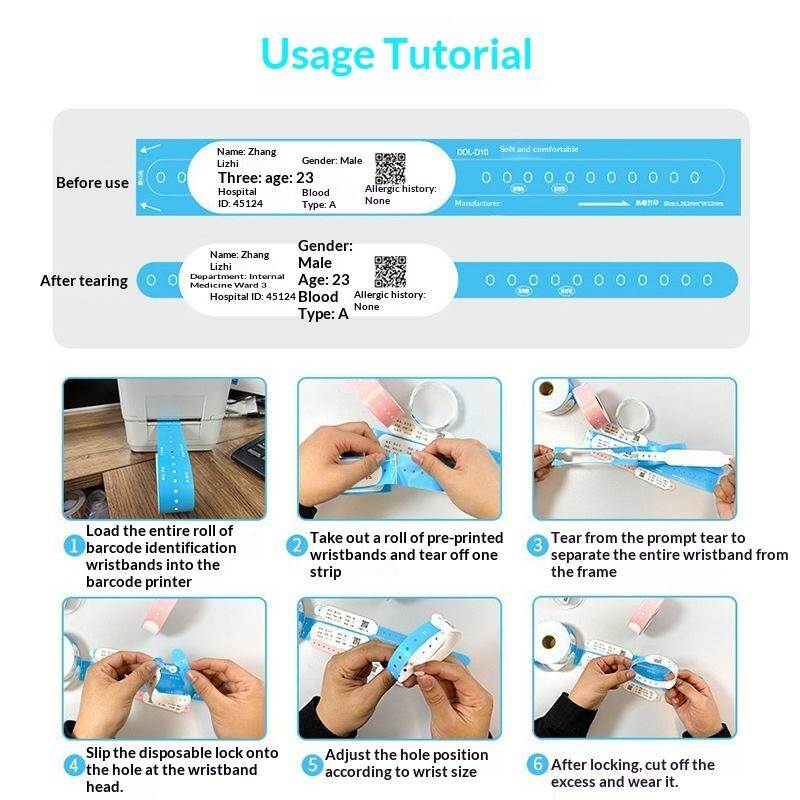
2.2 GS1 DataMatrix Encoding
GS1 DataMatrix is the globally recognized standard for encoding healthcare data in 2D barcodes. It uses Application Identifiers (AIs) to structure data in a standardized format that any compliant scanner can interpret.
Key Application Identifiers for Patient Wristbands:
- (01) Global Trade Item Number (GTIN) – identifies the wristband product
- (11) Production Date – when the wristband was manufactured
- (17) Expiry Date – shelf life of the wristband material
- (10) Batch/Lot Number – manufacturing traceability
- (21) Serial Number – unique wristband identifier
This structured approach enables automatic data parsing, inventory management, and traceability throughout the supply chain.

3. Wristband Formatting and Design Best Practices
The physical design of a patient wristband directly impacts scanning reliability, patient comfort, and clinical workflow efficiency. Several design principles have emerged from years of field experience.
3.1 Repeating 2D Barcodes
Modern wristband designs incorporate multiple identical 2D barcodes along the length of the band. This redundancy addresses several practical challenges:
- Orientation Independence: At least one barcode is always accessible regardless of wrist position
- Damage Tolerance: If one code is scratched or soiled, others remain functional
- Workflow Flexibility: Nurses can scan from either side of the bed without repositioning the patient
Best practice recommends a minimum of three repeating barcodes spaced evenly along the printable area of the wristband.
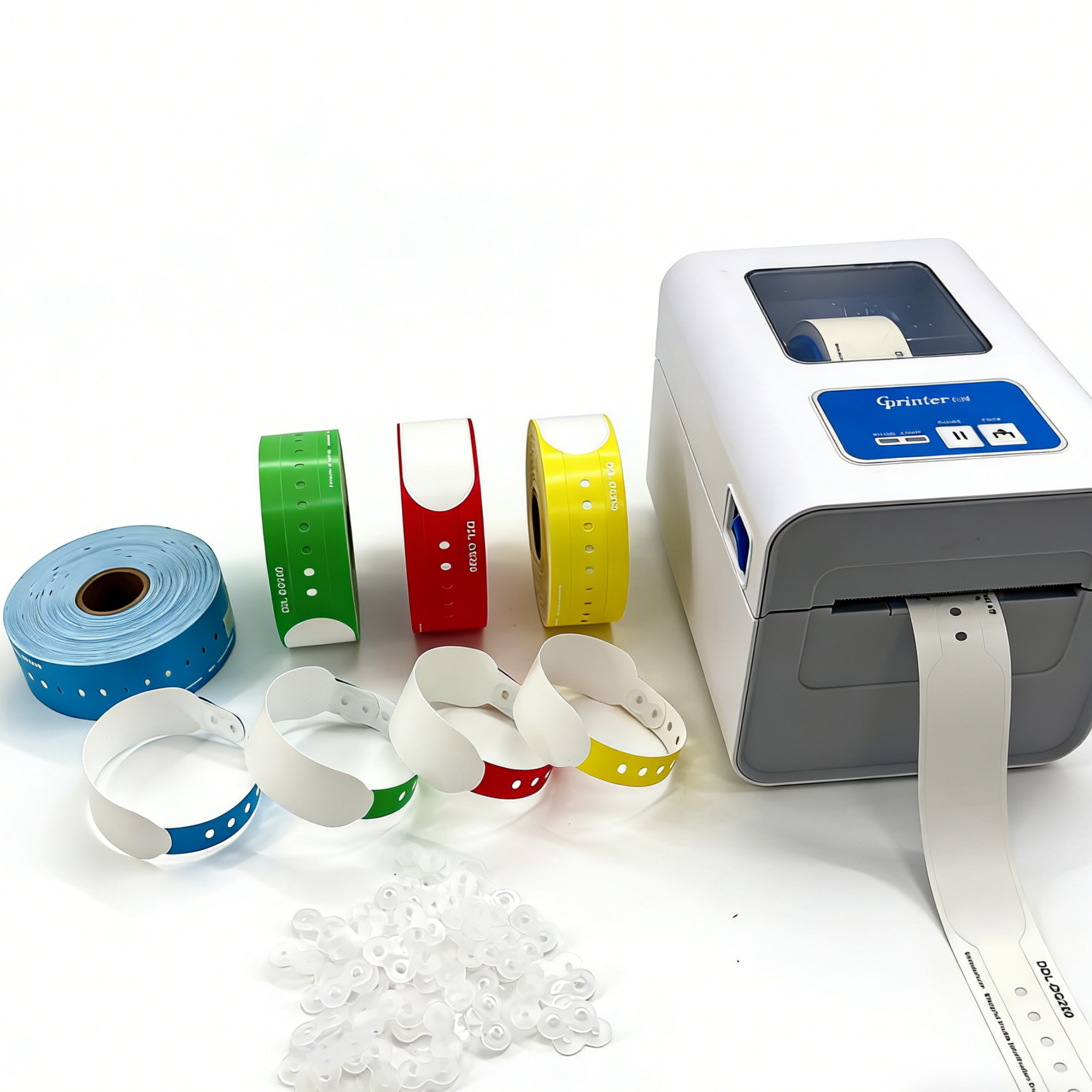
3.2 Dual Symbology Implementation
Many healthcare facilities maintain legacy systems that only support linear barcodes while transitioning to 2D technology. Dual symbology wristbands include both formats to ensure backward compatibility during migration periods.
- Primary Code: GS1 DataMatrix (full data set)
- Secondary Code: Code 128 linear barcode (patient ID only)
- Placement: Linear barcode positioned above or below 2D code to prevent interference
This approach allows facilities to upgrade scanning infrastructure gradually without disrupting existing workflows or requiring simultaneous system-wide changes.
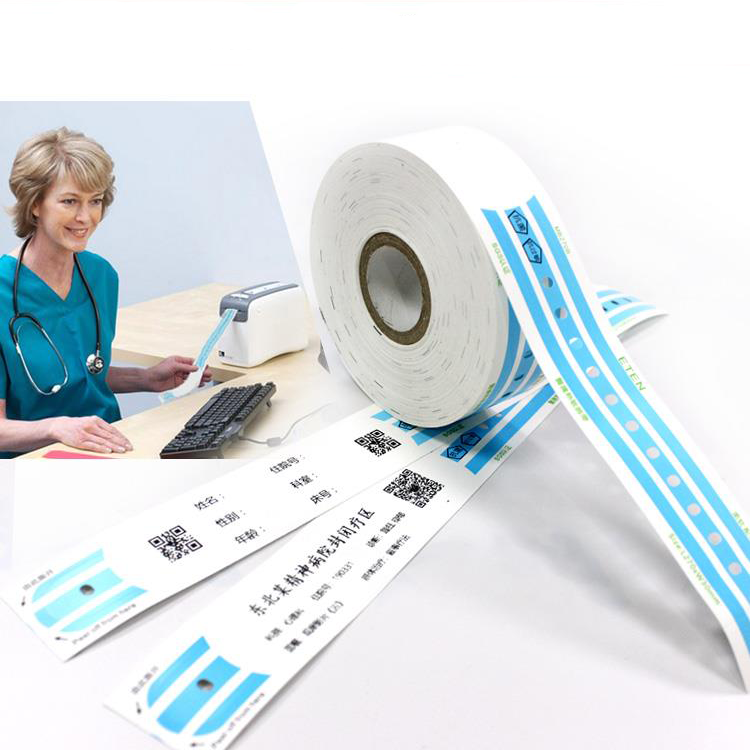
3.3 Print Quality Optimization
Barcode readability depends on precise print quality. Key parameters include:
- Contrast Ratio: Minimum 70% difference between bar and space reflectance
- Edge Determination: Sharp transitions without bleeding or feathering
- Modulation: Consistent bar width across entire symbol
- Quiet Zone: Adequate clear space around barcode perimeter
Regular printer maintenance and ribbon replacement schedules are essential to maintaining print quality over time.
4. Next Frontier: Active Tracking with RFID and BLE
While barcodes provide excellent point-of-care verification, they require active scanning. The next generation of patient wristbands incorporates passive and active wireless technologies to enable continuous tracking and automated workflow triggers.
4.1 Passive UHF RFID Integration
Passive UHF RFID tags embedded in wristbands enable non-line-of-sight identification at ranges up to 10 meters. Unlike barcodes, RFID does not require direct visibility or precise aiming.
- Read Range: 3-10 meters depending on reader antenna configuration
- Simultaneous Reads: Multiple patients identified in single scan cycle
- No Battery Required: Tag powered by reader RF energy
- Data Capacity: 96-512 bits EPC memory plus user memory
RFID-enabled wristbands are particularly valuable for mass casualty incidents, disaster response, and high-throughput environments where rapid patient identification is critical.
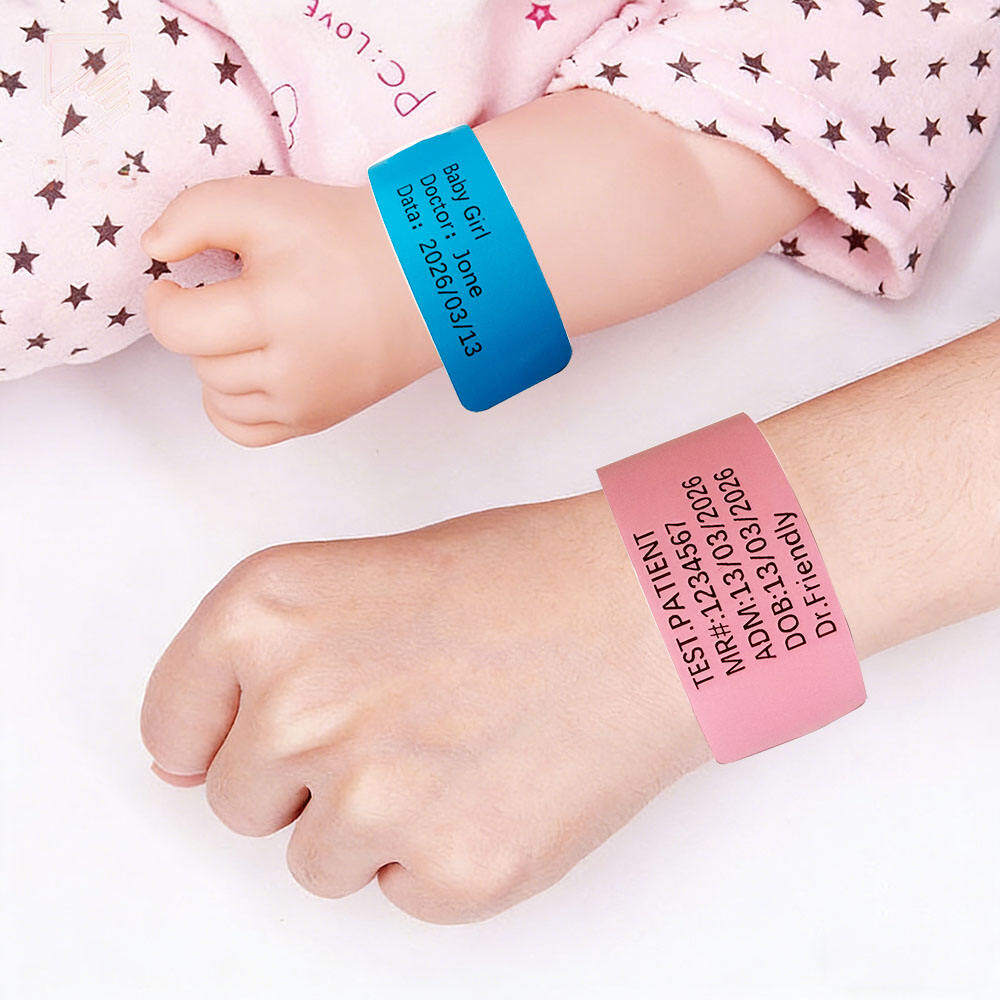
4.2 Bluetooth Low Energy (BLE) Beacons
BLE-enabled wristbands represent the cutting edge of patient tracking technology. These active devices broadcast unique identifiers that can be detected by fixed receivers throughout the facility.
- Battery Life: 6-18 months with coin cell battery
- Accuracy: Room-level to sub-meter precision with appropriate receiver density
- Real-Time Updates: Location updates every 1-10 seconds configurable
- Integration: Compatible with existing RTLS infrastructure
BLE wristbands enable continuous patient monitoring without requiring staff intervention, supporting applications from infant protection to dementia wander management.

5. Real-Time Location Services (RTLS) Applications
The integration of RFID and BLE technologies into patient wristbands unlocks powerful Real-Time Location Services capabilities that transform hospital operations.
5.1 Patient Flow Optimization
RTLS data reveals bottlenecks and inefficiencies in patient movement patterns. Facilities can analyze dwell times, transit routes, and department handoffs to optimize workflow design.
- ED Throughput: Identify delays in triage-to-bed assignment
- Surgical Turnover: Track OR cleaning and preparation cycles
- Discharge Processing: Monitor discharge order-to-departure timelines
5.2 Asset and Equipment Tracking
When combined with equipment tags, patient wristband RTLS enables automatic association of patients with assigned devices, ensuring proper equipment utilization and preventing loss.
5.3 Staff Safety and Duress Response
Integrated staff badges with duress buttons work alongside patient wristbands to provide comprehensive facility-wide safety coverage. When activated, the system instantly identifies both the staff member requesting assistance and nearby patients who may require evacuation or protection.
6. Implementation Considerations and ROI
Deploying advanced patient wristband technology requires careful planning and stakeholder alignment. Key considerations include:
6.1 Infrastructure Requirements
- Barcode Systems: Handheld scanners, bedside terminals, printer integration
- RFID Systems: Fixed readers, portal antennas, middleware software
- BLE Systems: Receiver network, positioning engine, integration APIs
6.2 Change Management
Technology adoption succeeds only when clinical staff embrace new workflows. Comprehensive training programs, super-user networks, and phased rollouts minimize disruption and maximize acceptance.
6.3 Return on Investment
Studies demonstrate significant ROI from advanced patient identification systems:
- Medication Error Reduction: $2.4M annual savings per 300-bed facility
- Workflow Efficiency: 12-18 minutes saved per nurse per shift
- Patient Satisfaction: 15-22% improvement in identification-related scores
- Regulatory Compliance: Reduced survey findings and penalty avoidance
Conclusion: The Connected Patient Identity
The patient wristband has evolved from a simple visual identifier into a sophisticated clinical data hub that serves as the foundation for modern healthcare safety and efficiency. By integrating barcodes, RFID, and BLE technologies within standardized frameworks like DCB1077 and GS1 DataMatrix, healthcare facilities can achieve unprecedented levels of patient identification accuracy, workflow automation, and real-time visibility.
As healthcare continues its digital transformation, the patient wristband will remain central to connecting patients, providers, and systems in the pursuit of safer, more efficient care delivery.
Patient wristband, clinical data hub, barcode verification, RFID patient tracking, BLE wristband, DCB1077 standard, GS1 DataMatrix, patient identification, hospital workflow, medication safety, real-time location services, RTLS, passive UHF RFID, Bluetooth Low Energy, healthcare technology, patient safety, wristband design, dual symbology, repeating barcode, print quality, ISO 15415, Application Identifier, NHS standard, patient flow optimization, asset tracking, staff safety, healthcare ROI, digital transformation, connected health, medical device, clinical engineering, healthcare IT, patient tracking system, wristband evolution, barcode scanning, RFID integration, BLE beacon, hospital infrastructure, patient identification system, healthcare automation.
At WEIDMED, we specialize in manufacturing patient wristbands that meet the highest standards of quality, durability, and technological integration. Our products comply with DCB1077, support GS1 DataMatrix encoding, and are compatible with RFID and BLE tracking systems. Contact our team to learn how we can support your patient identification and tracking initiatives.
Continue Reading
Have Questions About Wristbands?
Our team is ready to help you find the perfect wristband solution for your needs. Contact us directly on WhatsApp for quick responses.
Contact on WhatsApp