
Handwritten vs. Printed Patient Wristbands: Will Handwritten IDs Become Obsolete in Modern Healthcare?
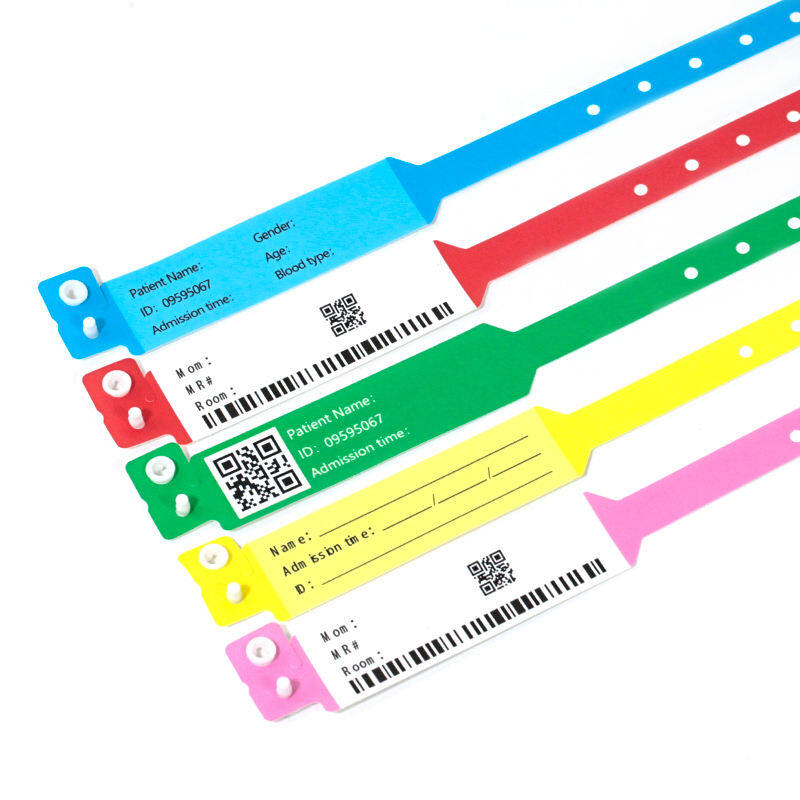
Introduction: The Evolution of Patient Identification
Patient identification is the foundation of healthcare safety. Every year, misidentification errors contribute to medication mistakes, wrong-site surgeries, and diagnostic delays. At the center of this challenge lies a simple but critical tool: the patient wristband. For decades, handwritten wristbands were the universal standard. Today, printed patient wristbands are rapidly gaining ground. But is the transition justified? And will handwritten IDs eventually become obsolete?
In this article, we break down the key differences between handwritten and printed patient wristbands across five dimensions: cost, efficiency, accuracy, information capacity, and durability. Whether you manage a small clinic or a large hospital system, this comparison will help you make an informed decision about your patient identification strategy.
1. Cost Comparison: Upfront Savings vs. Long-Term Value
Cost is often the first factor healthcare administrators consider when choosing between handwritten and printed wristbands.
Handwritten Wristbands
- Low upfront cost: Blank wristbands are inexpensive, typically costing just pennies per unit.
- No equipment investment: No printer, software, or maintenance required.
- Hidden labor costs: Nursing staff spend valuable time writing each band by hand. At scale, this adds up significantly.
- Error-related costs: Illegible handwriting or transcription errors can lead to costly adverse events.
Printed Patient Wristbands
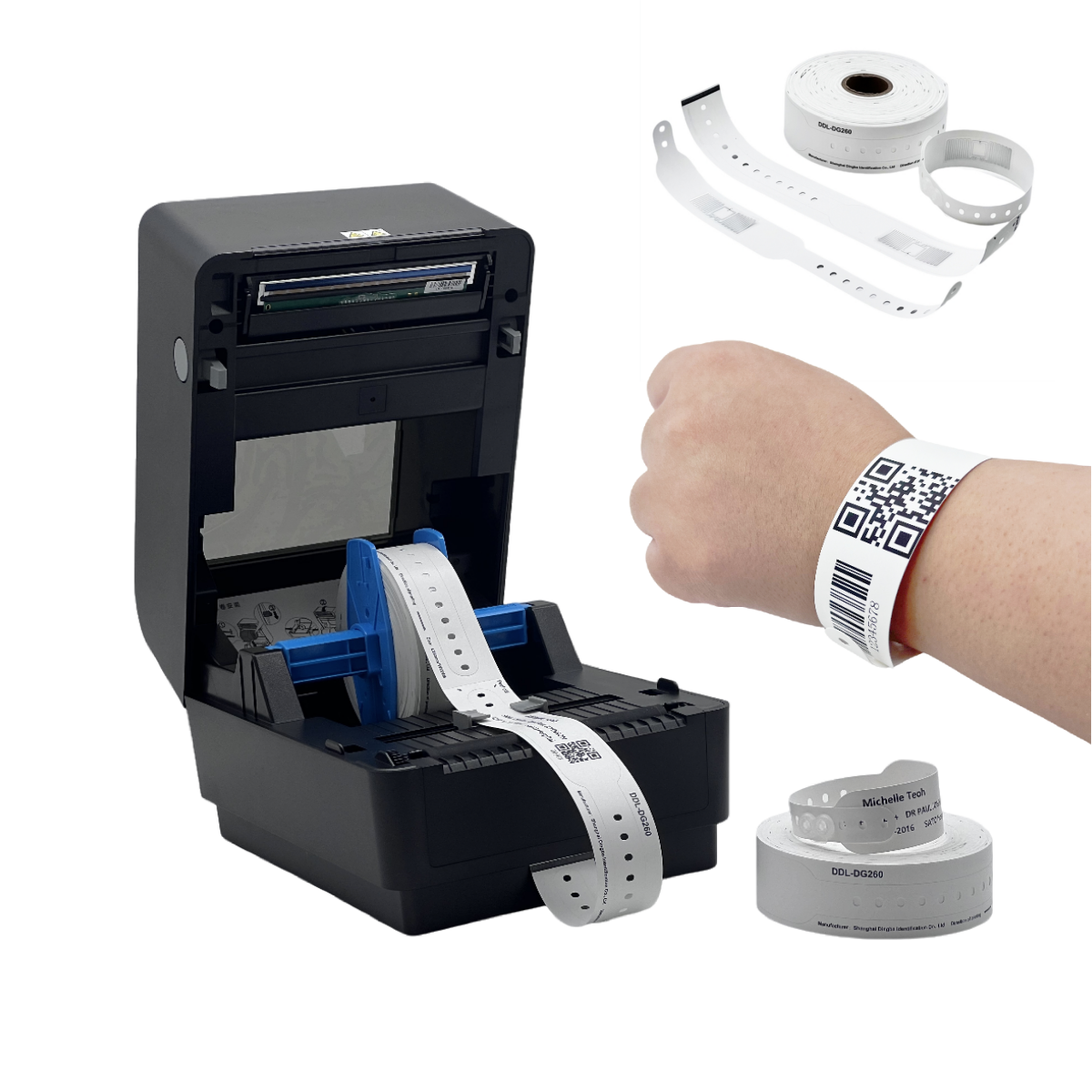
- Higher initial investment: Thermal wristband printers and supplies require capital expenditure.
- Lower per-unit labor cost: Printing takes seconds versus minutes of manual writing.
- Reduced error costs: Automated printing from EHR systems virtually eliminates transcription errors.
- Bulk pricing advantages: High-volume facilities benefit from economies of scale on printed wristband supplies.
Verdict: Handwritten wristbands win on upfront cost, but printed wristbands deliver better long-term value when factoring in labor savings, error reduction, and operational efficiency.
2. Efficiency and Workflow Impact
In fast-paced healthcare environments, every second counts. How do handwritten and printed wristbands compare in real-world workflow scenarios?
Handwritten Wristbands
- Time-consuming: A nurse must manually write patient name, DOB, MRN, allergies, and other identifiers. This can take 2-5 minutes per patient.
- Admission bottlenecks: During mass admissions or emergencies, handwriting creates queues and delays.
- Inconsistent formatting: Different staff members write differently, making it harder for downstream readers to quickly locate information.
- Rewrite requirements: Smudged or incorrect entries require complete replacement, wasting both time and materials.
Printed Patient Wristbands
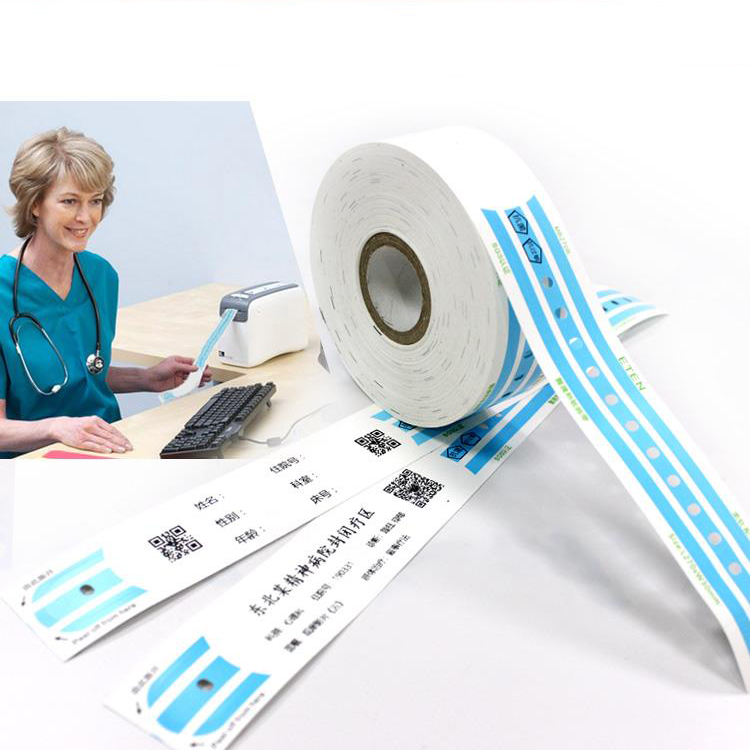
- Seconds per band: Thermal wristband printers produce a fully formatted, scannable wristband in under 10 seconds.
- EHR integration: Data flows directly from electronic health records to the printer, eliminating manual data entry entirely.
- Standardized format: Every wristband follows the same layout, improving readability across departments.
- Batch printing capability: Multiple wristbands can be queued and printed during shift changes or mass casualty events.
Verdict: Printed wristbands dramatically outperform handwritten ones in efficiency, especially in high-throughput environments like emergency departments and surgical centers.
3. Accuracy and Patient Safety
This is arguably the most important dimension. Patient safety depends on accurate identification, and this is where the gap between handwritten and printed wristbands widens significantly.
Handwritten Wristbands
- Illegibility risk: Poor handwriting remains one of the top causes of medical errors globally. Studies show that up to 15% of handwritten medical documents contain illegible elements.
- Transcription errors: Copying information from charts to wristbands introduces human error at every step.
- Missing information: Space constraints and time pressure lead to omitted fields, such as allergy alerts or special precautions.
- No verification mechanism: There is no built-in way to verify that the written information matches the patient record.
Printed Patient Wristbands
- Machine-readable accuracy: Barcode wristbands and QR code wristbands enable instant digital verification against the EHR.
- Zero transcription errors: Data transfers electronically from the patient record to the wristband without human intervention.
- Complete information: Pre-formatted templates ensure all required fields are populated before printing.
- Scan-to-verify workflow: Nurses can scan the wristband at the point of care to confirm patient identity, medication orders, and treatment plans.
Verdict: Printed wristbands provide a fundamentally higher level of accuracy and patient safety. For facilities pursuing JCI accreditation or Magnet recognition, printed medical ID wristbands are essentially mandatory.
4. Information Capacity and Data Richness
Modern healthcare demands more data on the wristband than just a name and date of birth. How much information can each type actually carry?
Handwritten Wristbands
- Limited space: Physical writing area restricts content to basic identifiers (name, DOB, MRN).
- No dynamic data: Cannot include real-time updates such as new allergy alerts or isolation status changes.
- No machine-readable element: Cannot encode barcodes, QR codes, or RFID data.
- Language barriers: Handwritten text in one language cannot be automatically translated for multilingual care teams.
Printed Patient Wristbands
- High-density encoding: Barcode wristbands and QR code wristbands can encode extensive patient data in a compact format.
- Multi-field display: Printed bands can include name, DOB, MRN, allergies, blood type, isolation status, attending physician, and more.
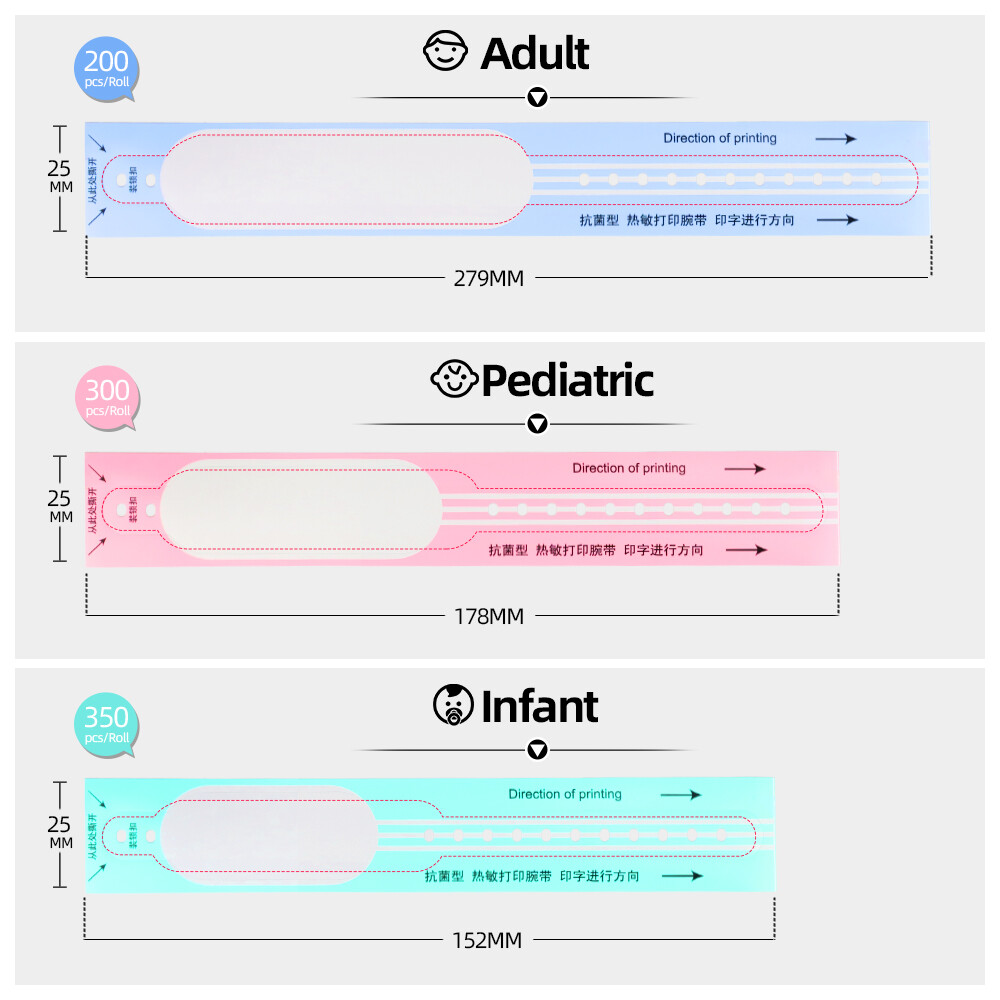
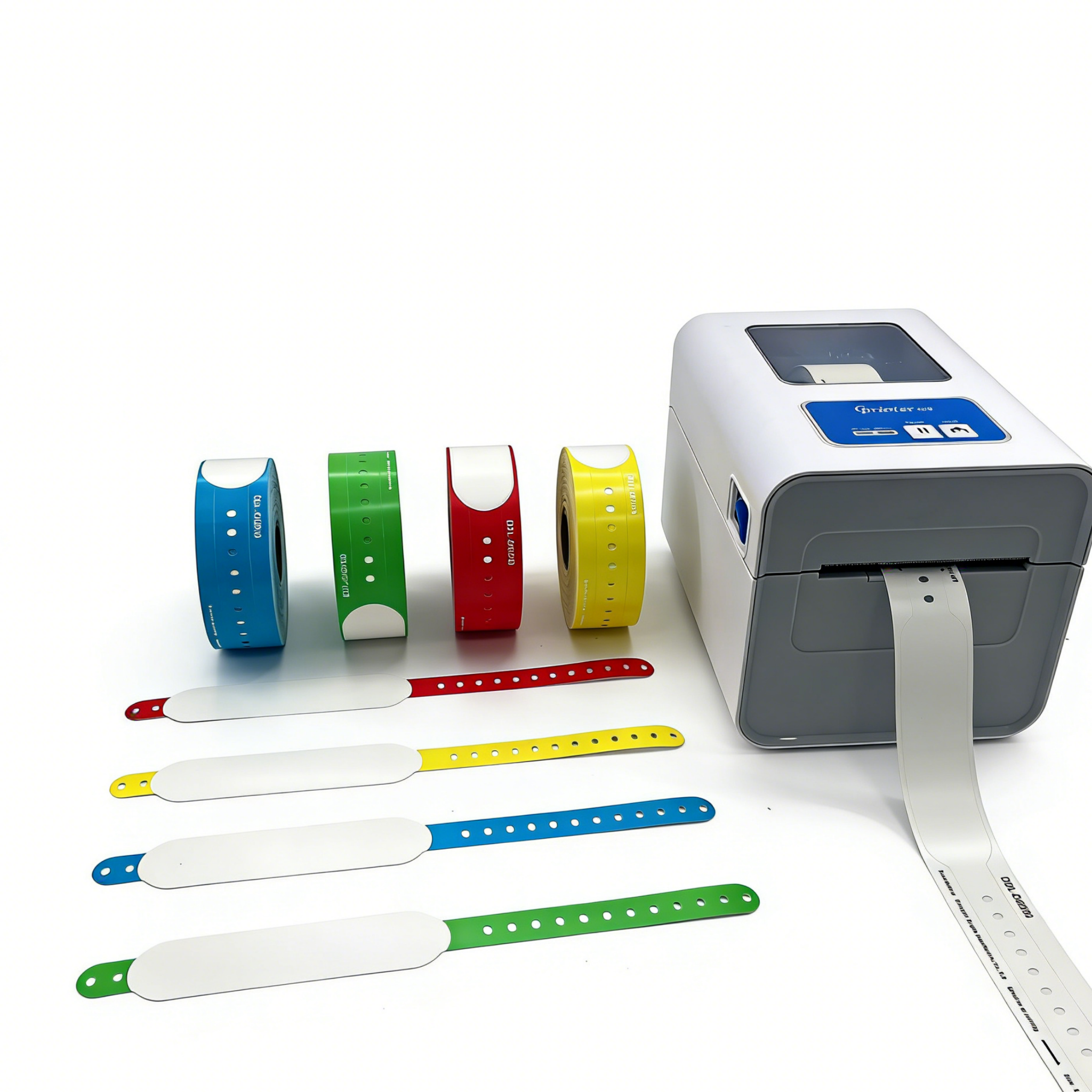
- Color-coded categories: PVC wristbands and nano-silicone wristbands can be color-coded by department, risk level, or patient population (pediatric, geriatric, psychiatric).
- EHR-linked updates: When integrated with hospital information systems, printed wristbands can be reprinted instantly when patient data changes.
Verdict: Printed wristbands offer vastly superior information capacity, supporting the data-rich workflows that modern healthcare demands.

5. Durability and Wear Performance
A wristband that degrades during a patient's stay defeats its purpose. Durability is especially critical for patients with extended admissions, those in ICU, or neonatal units.
Handwritten Wristbands
- Ink smudging: Pen ink can smear when exposed to water, alcohol-based sanitizers, or friction.
- Material degradation: Basic handwritten bands often use lower-grade materials that may crack, stretch, or lose adhesion over days of wear.
- No protective coating: Written text sits on the surface with no lamination or overlay protection.
- Comfort variability: Quality depends entirely on the supplier; some handwritten bands have rough edges that irritate sensitive skin.
Printed Patient Wristbands
- Thermal print durability: Direct thermal and thermal transfer prints are resistant to water, alcohol, and UV exposure when properly specified.
- Premium materials: Nano-silicone wristbands and PVC wristbands offer superior comfort, flexibility, and skin-friendliness for extended wear.
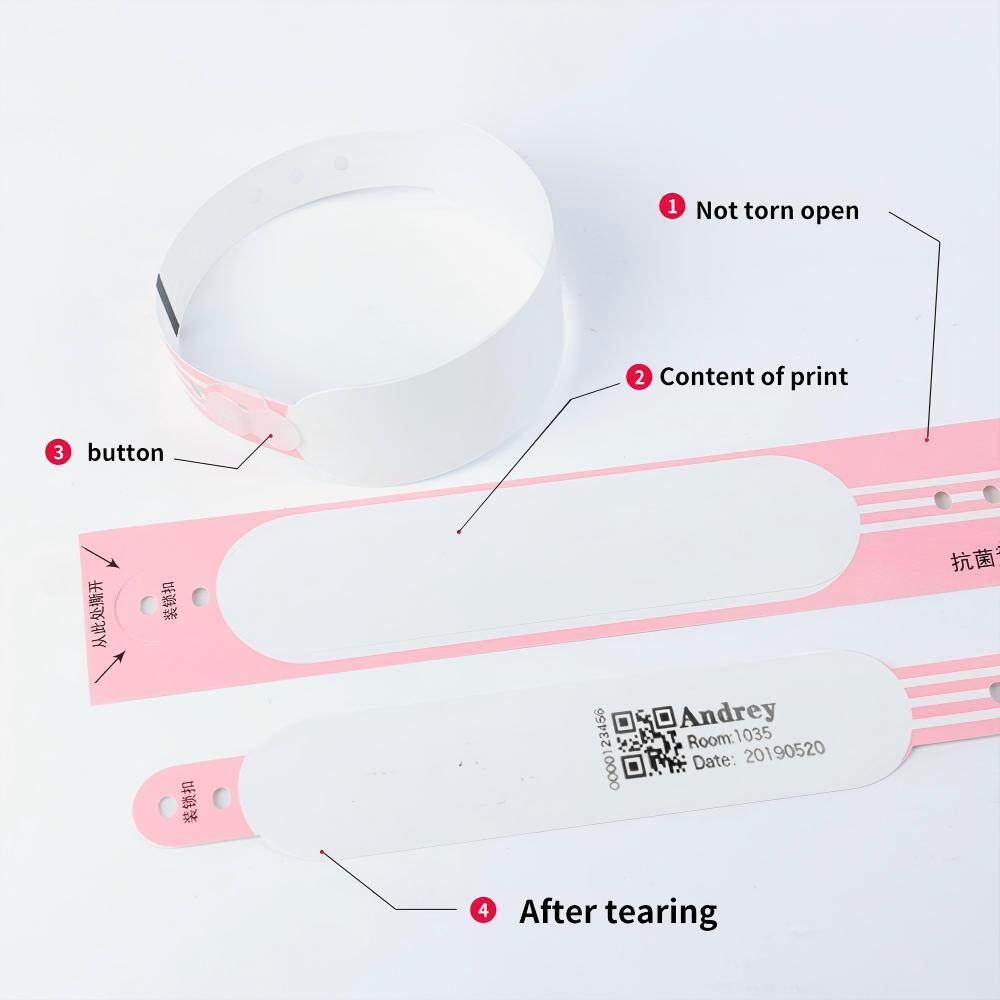
- Tamper-evident design: Many printed wristbands feature one-time-use locking clasps that cannot be reopened, preventing unauthorized removal or transfer.
- Tested performance: Medical-grade printed wristbands undergo rigorous testing for biocompatibility, chemical resistance, and tensile strength.
Verdict: Printed wristbands consistently outperform handwritten ones in durability, particularly when using premium materials like nano-silicone or medical-grade PVC.
6. Technology Integration and Future-Proofing
Healthcare is becoming increasingly digital. Your wristband system should support, not hinder, technology adoption.
Handwritten Wristbands
- No digital integration: Cannot interface with EHR, pharmacy systems, or lab information systems.
- No scanning capability: Requires manual visual verification at every point of care.
- Dead-end technology: No upgrade path to RFID, NFC, or IoT-enabled identification.
Printed Patient Wristbands
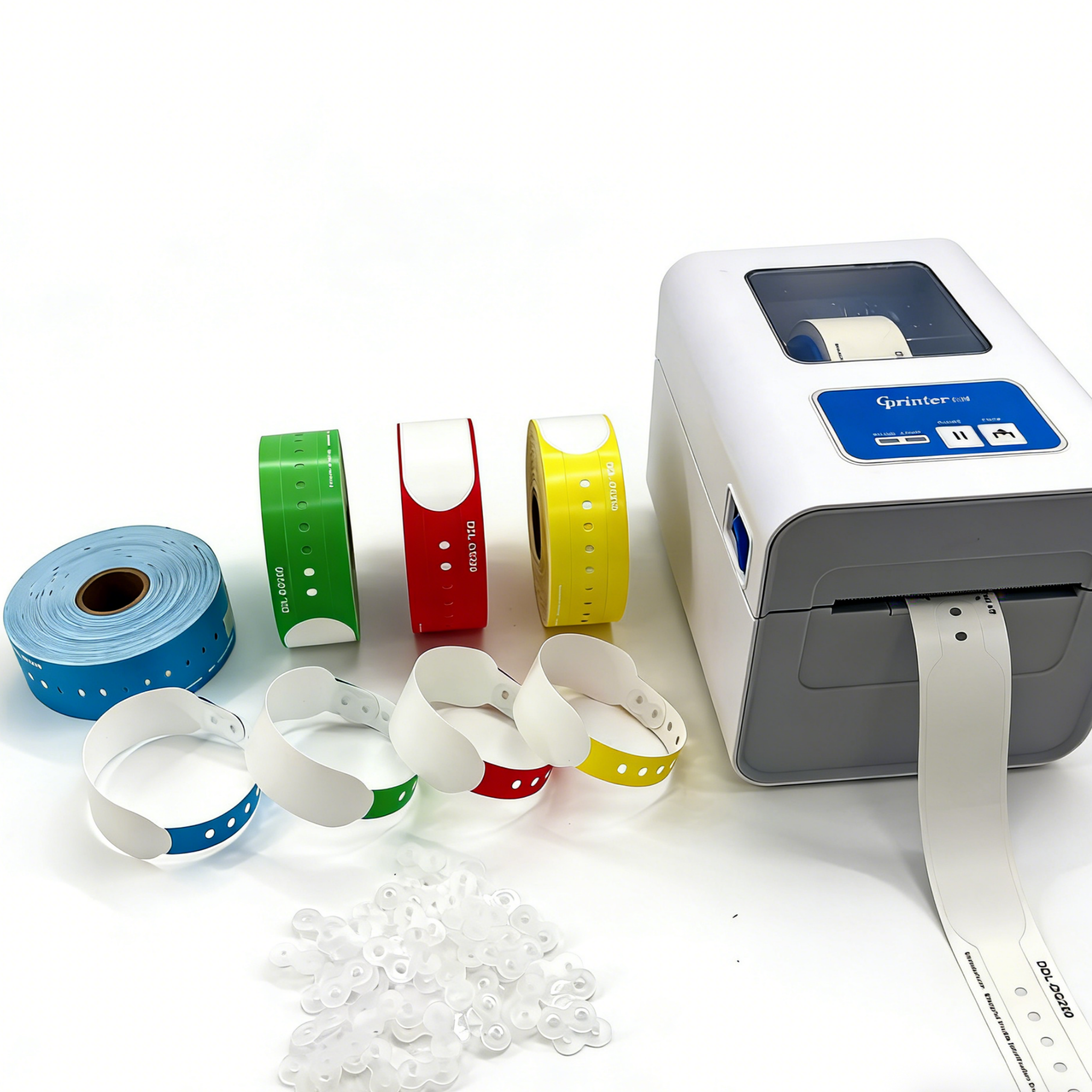
- Full EHR integration: Seamless data flow from admission to discharge.
- Barcode and QR scanning: Enables closed-loop medication administration, specimen collection verification, and surgical site confirmation.
- RFID-ready options: Some printed wristbands can embed RFID chips for automated tracking and access control.
- Data analytics: Scanned wristband events generate audit trails for compliance reporting and quality improvement.
Verdict: Printed wristbands are the only viable option for facilities pursuing digital transformation and interoperability goals.
7. When Handwritten Wristbands Still Make Sense
Despite the clear advantages of printed wristbands, there are scenarios where handwritten IDs remain practical:
- Small clinics and rural facilities: Low patient volume may not justify printer investment.
- Emergency backup: When printers malfunction or power is lost, handwritten bands serve as a reliable fallback.
- Temporary or pop-up events: Health screenings, vaccination drives, and community outreach programs with minimal infrastructure.
- Developing regions: Where budget constraints and limited IT infrastructure make printed systems impractical.
However, even in these cases, facilities should view handwritten wristbands as a transitional solution rather than a permanent strategy.
Summary Comparison Table
| Dimension | Handwritten | Printed |
|---|---|---|
| Upfront Cost | Low | Moderate-High |
| Long-Term Cost | High (labor + errors) | Low |
| Efficiency | Slow (2-5 min/patient) | Fast (<10 sec/patient) |
| Accuracy | Variable (human-dependent) | High (EHR-integrated) |
| Information Capacity | Limited | Extensive |
| Durability | Basic | Medical-grade |
| Technology Integration | None | Full (barcode, QR, RFID) |
Will Handwritten IDs Become Obsolete?
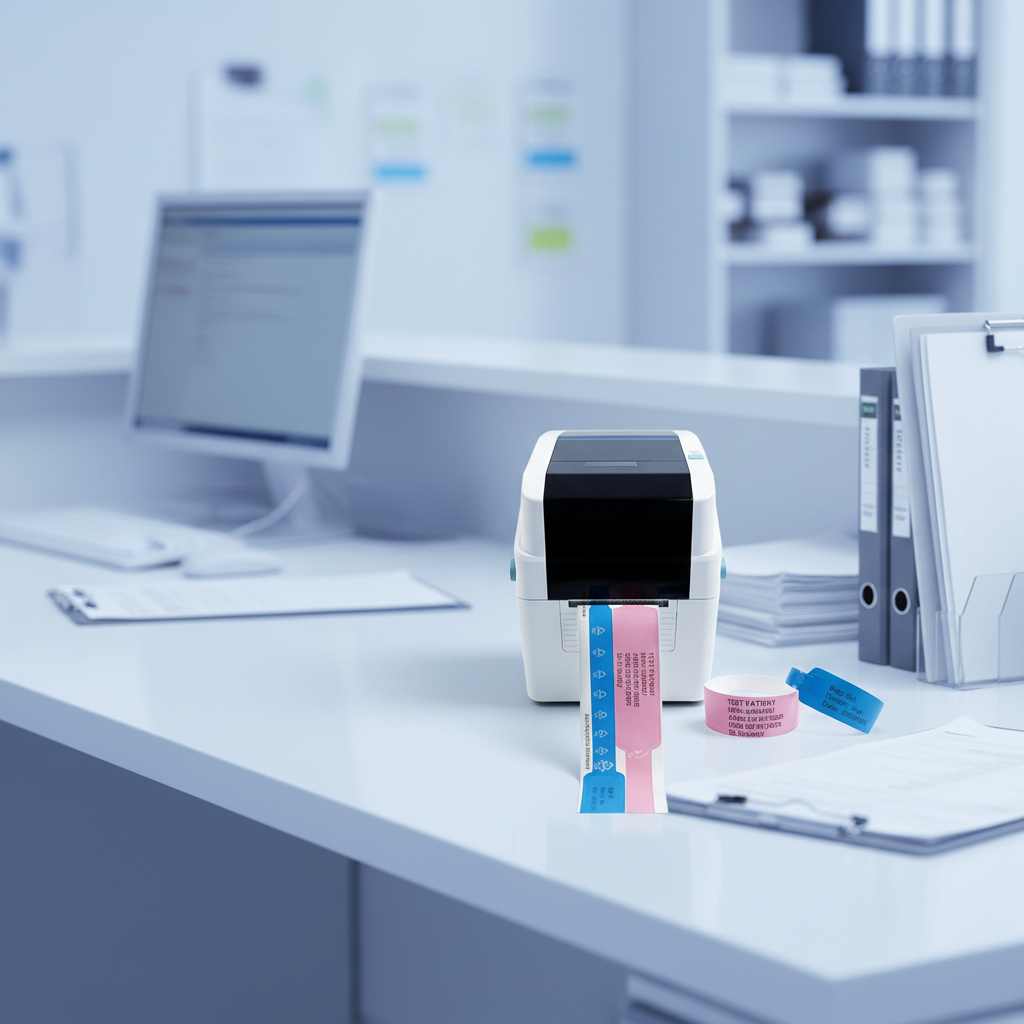
The trend is unmistakable. As healthcare systems worldwide adopt electronic health records, barcode medication administration, and digital patient safety protocols, the role of handwritten wristbands continues to shrink. Regulatory bodies including The Joint Commission and WHO increasingly emphasize standardized, machine-readable patient identification as a core safety practice.
That said, complete obsolescence is unlikely in the near term. Handwritten wristbands will persist as backup tools, in resource-limited settings, and in niche applications. But for any facility committed to modern healthcare safety standards, printed patient wristbands are no longer optional — they are essential.
Making the Transition: Practical Steps
If your facility is considering switching from handwritten to printed wristbands, here are practical steps to ensure a smooth transition:
- Assess current workflow: Map how wristbands are currently used across departments.
- Select the right printer: Choose a thermal wristband printer compatible with your EHR system and patient volume.
- Choose appropriate materials: Consider nano-silicone wristbands for NICU and pediatrics, PVC wristbands for general adult use.
- Train staff thoroughly: Ensure all nursing and clerical staff understand the new workflow.
- Keep handwritten backups: Maintain a supply of blank wristbands for emergency situations.
- Monitor and optimize: Track error rates, printing times, and staff feedback to continuously improve the process.
handwritten wristbands, printed patient wristbands, medical ID wristbands, thermal wristband printers, nano-silicone wristbands, PVC wristbands, barcode wristbands, patient identification, healthcare safety, EHR integration, hospital wristband, patient safety, QR code wristband, RFID wristband, direct thermal printing, thermal transfer printing, wristband durability, tamper-evident wristband, JCI accreditation, patient identification error, closed-loop medication administration, wristband color coding, neonatal wristband, pediatric wristband, adult wristband, wristband clasp, one-time-use wristband, medical grade wristband, biocompatible wristband, waterproof wristband, alcohol resistant wristband
At WEIDMED, we manufacture both handwritten and printed patient wristbands, giving us unique insight into both worlds. Whether you're ready to transition to printed wristbands or need reliable handwritten supplies as backup, we're here to help. Contact our team for samples, pricing, or technical consultation.
Continue Reading
Have Questions About Wristbands?
Our team is ready to help you find the perfect wristband solution for your needs. Contact us directly on WhatsApp for quick responses.
Contact on WhatsApp