
Biodegradable and Sustainable Patient Wristbands: Environmental Impact vs Clinical Requirements
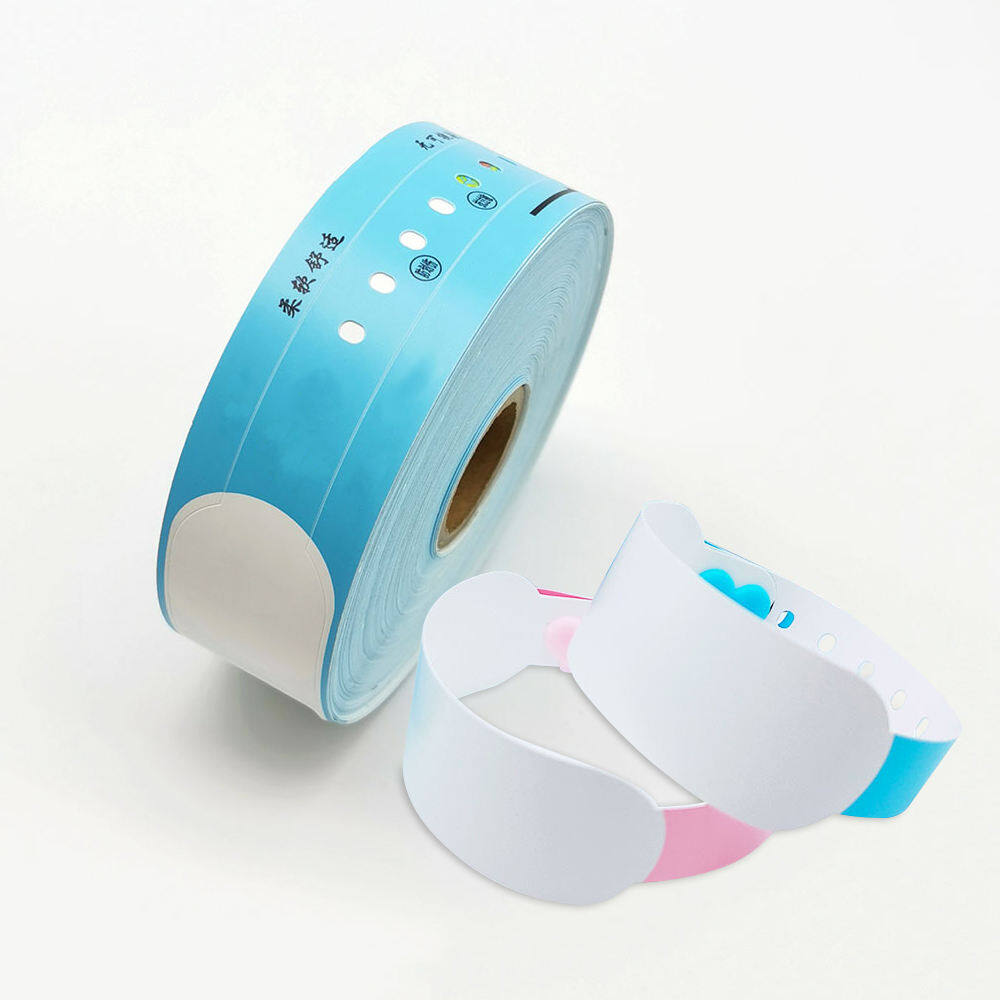
The Quiet Environmental Cost of Patient Identification
Every hospital admission begins with a simple act: placing a wristband on a patient's arm. This patient identification wristband carries critical data—name, date of birth, medical record number—that healthcare providers rely on for safe medication administration, blood transfusions, surgical procedures, and countless other interventions. The hospital wristband is so fundamental to patient safety that international standards mandate its use throughout the entire care continuum.
Yet the environmental footprint of this ubiquitous medical consumable is rarely examined. A single large hospital trust may use approximately one million plastic wristbands annually, the vast majority of which are worn for just 24 to 72 hours before entering the waste stream. These disposable wristbands, typically made from vinyl, polyester, or polypropylene, persist in landfills or release carbon during incineration for decades after their brief clinical life has ended.
This tension—between the medical wristband's indispensable role in patient safety and its contribution to healthcare's environmental burden—has begun to attract serious attention from procurement teams, sustainability officers, and clinical leaders. The emergence of biodegradable wristband and sustainable medical wristband options promises a path toward reducing this footprint. But the transition from durable plastics to biodegradable alternatives raises a fundamental question: can materials designed to break down after disposal simultaneously withstand the demanding physical, chemical, and clinical requirements of the modern healthcare environment?
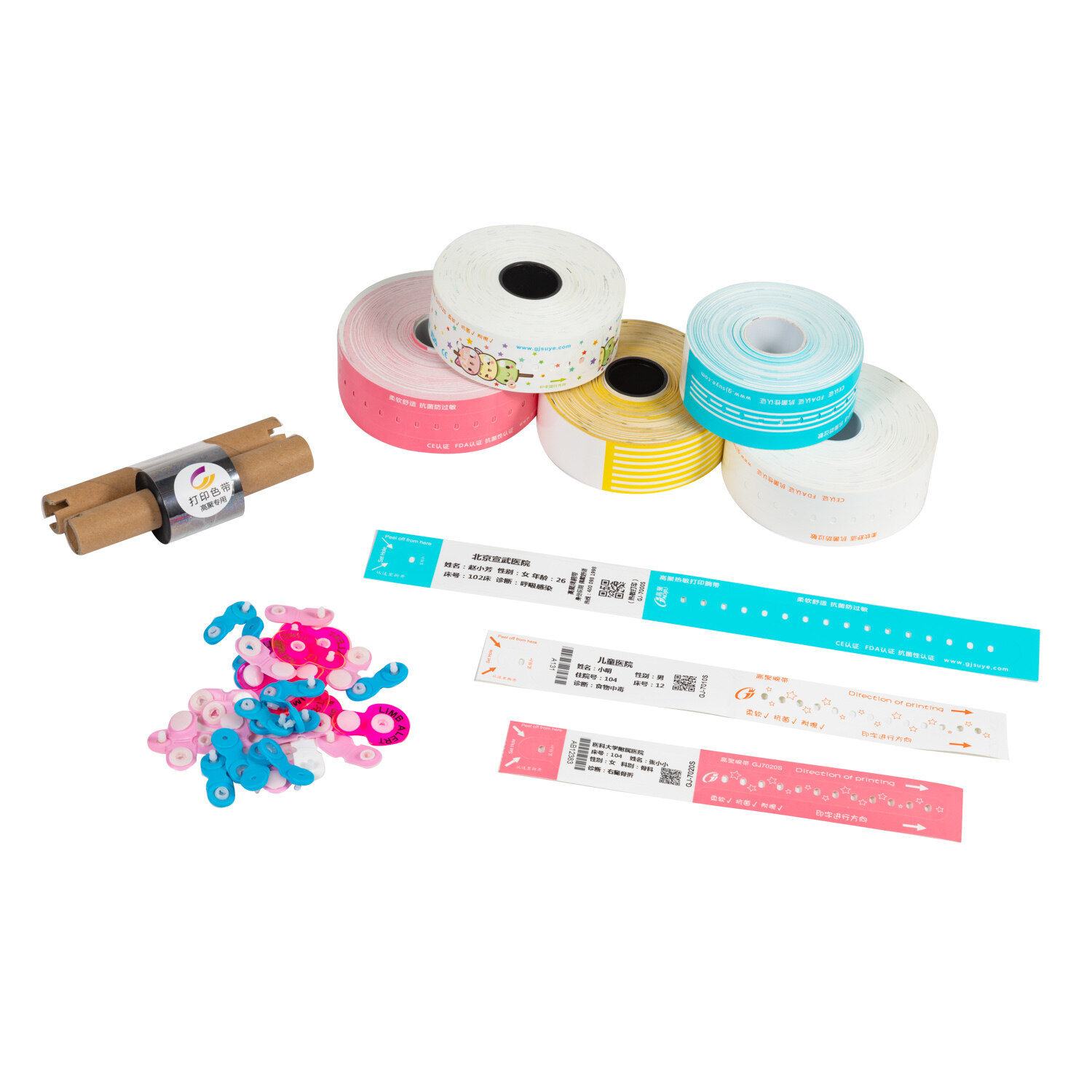
This article examines the application prospects, performance limitations, and ESG considerations shaping procurement decisions around eco-friendly wristbands in clinical settings. We will explore what the evidence shows, where the gaps remain, and how healthcare organizations can make informed choices that balance environmental responsibility with the uncompromising demands of patient safety.
The Clinical Case for Wristbands: Why Materials Matter
The Safety Imperative
Patient ID wristbands are not a convenience—they are a safety technology. The Joint Commission International lists patient identification as the first of its ten life-saving patient safety solutions. Research consistently shows that identification wristbands are the most frequently used method to prevent patient misidentification, with over 90% of nurses reporting their use for all patients.
The clinical requirements for patient identification bands are stringent. The World Health Organization and national standards bodies specify that medical ID bracelets must:
Remain legible throughout the patient's stay, resisting water, soap, alcohol-based sanitizers, blood, and cleaning agents.
Maintain structural integrity under daily wear, including tension from movement and contact with bedding and equipment.
Be compatible with barcode scanning systems used for medication administration and specimen collection.
Pose no risk of skin irritation, allergic reaction, or pressure damage, particularly for vulnerable patients including neonates and those with compromised skin integrity.
Include single-use locking mechanisms that prevent removal and reapplication, ensuring the wristband remains associated with the correct patient.
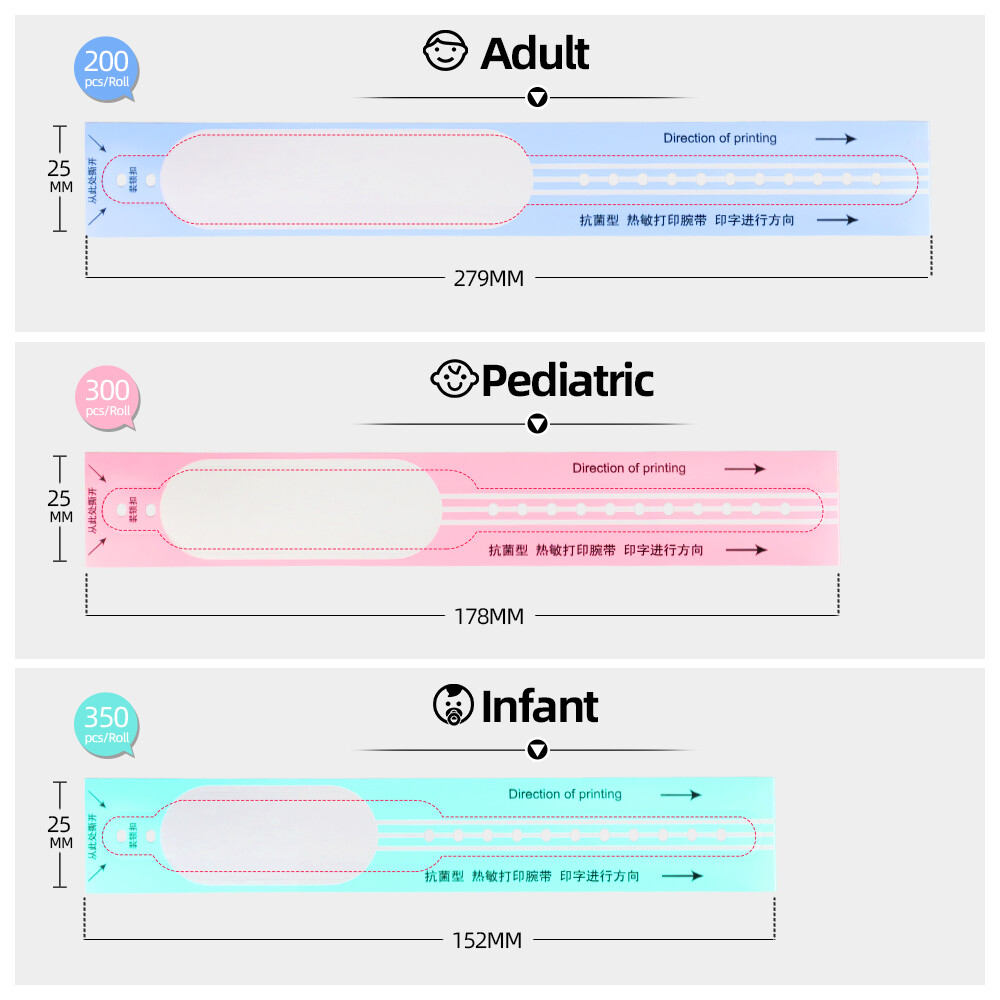
These requirements explain why vinyl wristbands, polyester wristbands, and other durable plastic wristbands have dominated the market for decades. They are engineered to survive the hospital environment—which is precisely the problem when they leave it.
The Standard of Care
Current hospital wristband products typically specify materials that are waterproof, cleanable, breathable, and non-allergenic. The ability to print barcodes, QR codes, and thermal transfer labels that remain scannable for the duration of a patient's stay is non-negotiable for hospitals using barcode medication administration (BCMA) systems.
A recent hospital procurement specification from a Chinese tertiary hospital illustrates the demanding technical criteria: medical wristbands must withstand scanning for at least 90 days at room temperature, resist abrasion and chemical exposure, and use medical-grade materials that do not cause allergic reactions. These are not arbitrary requirements—they reflect the reality that a patient wristband that fails becomes a patient safety risk.
The Environmental Problem with Conventional Wristbands
Lifecycle Assessment Findings
A landmark lifecycle assessment (LCA) conducted at Leeds Teaching Hospitals NHS Trust in the United Kingdom provides the most rigorous comparison to date between conventional plastic wristbands and paper-based alternatives. The study, which examined the full environmental footprint from raw material extraction through end-of-life treatment, yielded several critical findings.
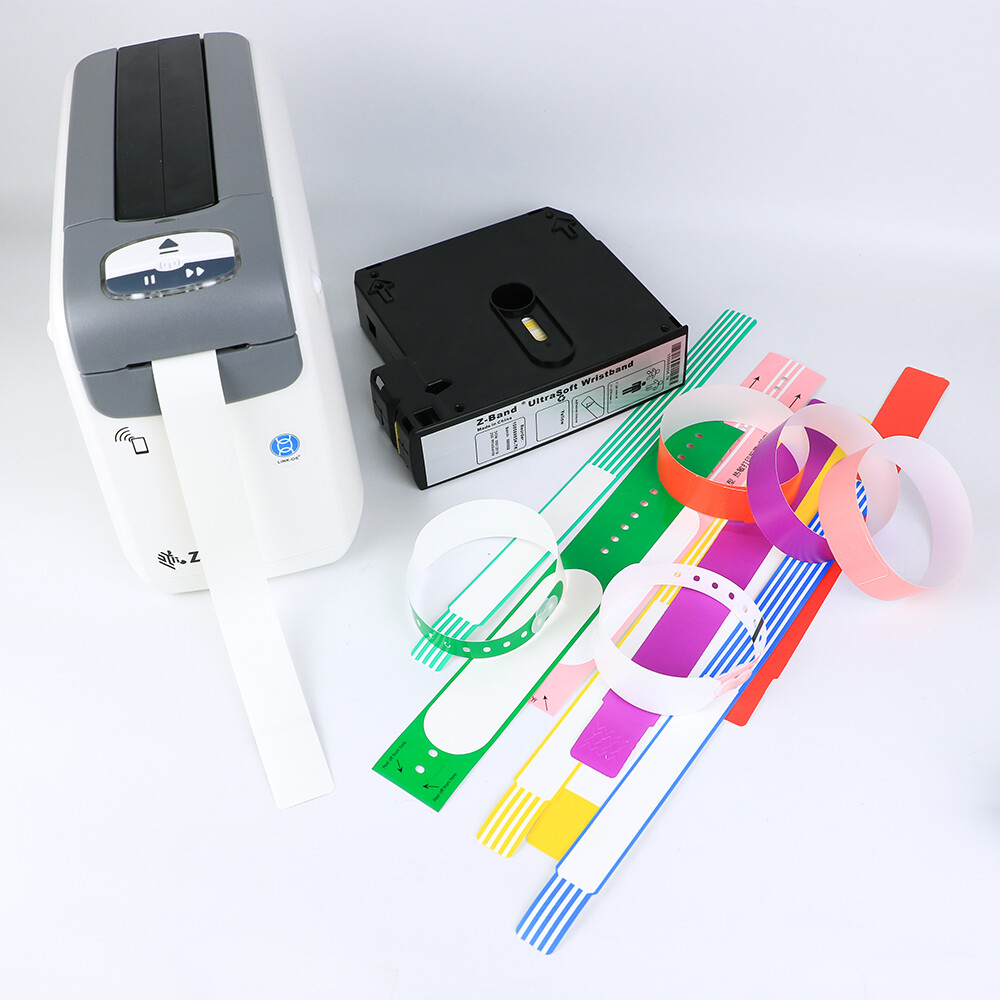
The baseline plastic hospital wristband—typically made from soft vinyl or similar synthetic material—carries a climate change potential of approximately 0.28 kg CO₂-equivalent per wristband under the assumed conditions. For a hospital using one million wristbands annually, this translates to roughly 280 metric tons of CO₂-equivalent emissions per year from wristbands alone—a figure that excludes the additional impacts of packaging, transport, and waste processing.
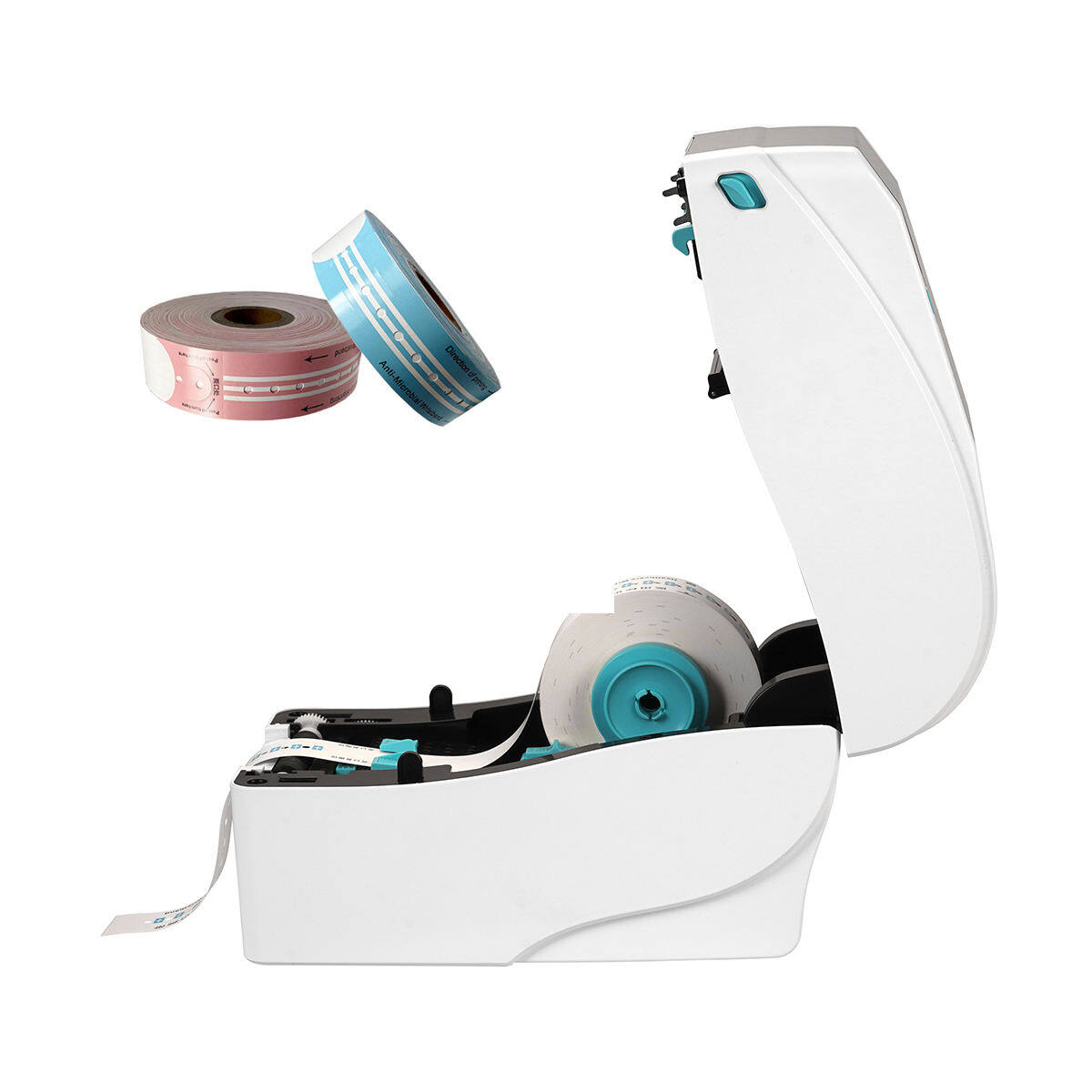
Perhaps more striking was the discovery that the wristband printer cartridge accounts for 45 to 50 percent of the total climate footprint per wristband. This finding complicates the narrative that material substitution alone will solve the environmental problem. Even a perfectly biodegradable patient identification band carries significant embodied carbon from the thermal transfer ribbon required to print patient data.
End-of-Life Realities
The disposal pathway for conventional medical wristbands is equally concerning. The Leeds study found that wristbands are primarily treated as clinical waste and incinerated. While incineration with energy recovery provides some credit, the plastic substrate still contributes to carbon emissions and generates ash that requires landfill disposal.
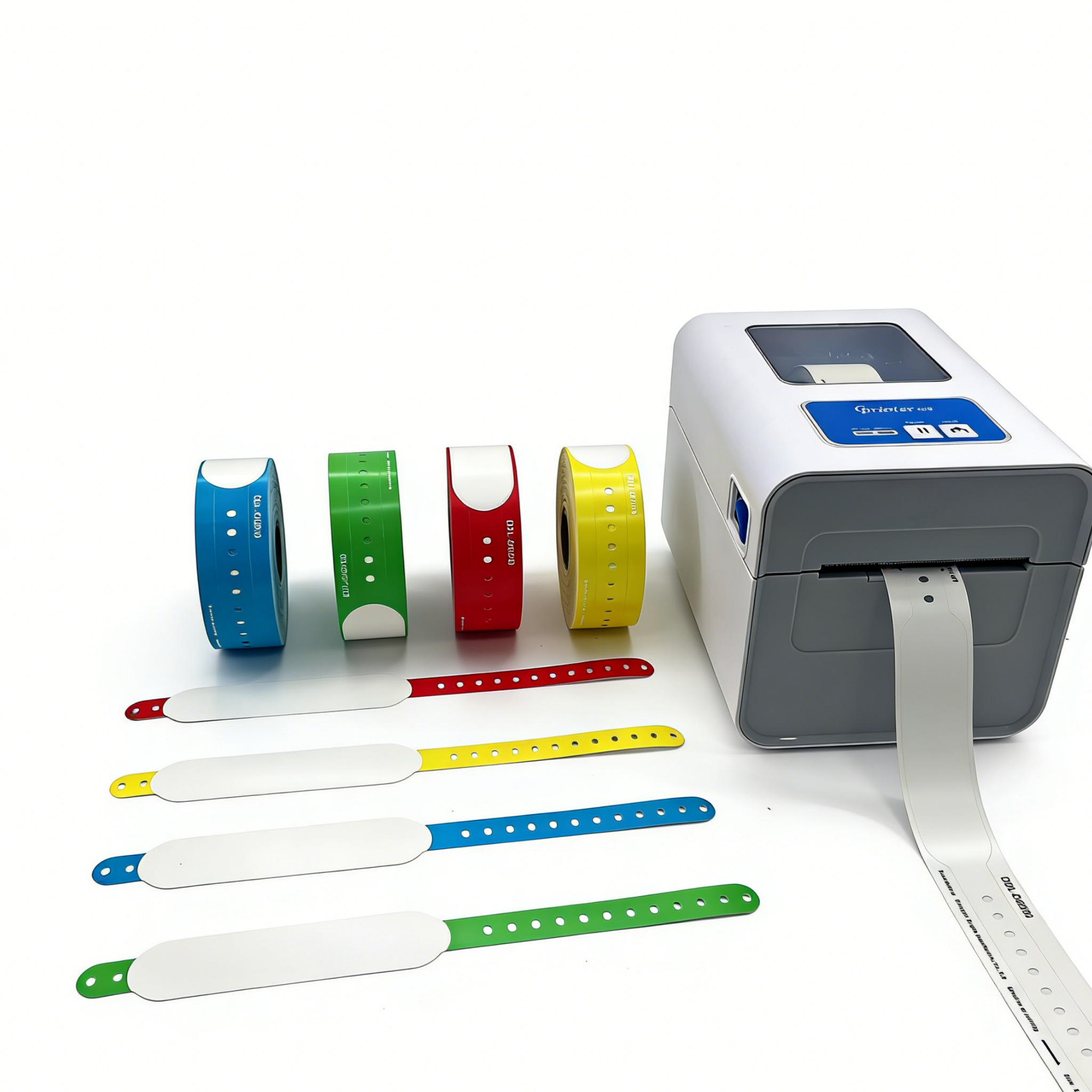
Even when wristbands are not contaminated with bodily fluids—as is often the case for short-stay patients—they frequently enter the clinical waste stream by default. A Dutch hospital observed that patient wristbands were commonly discarded in the wrong waste stream, prompting the introduction of dedicated collection points to ensure safe and sustainable disposal while protecting patient data.
The small size of individual wristbands—typically weighing just a few grams—obscures the aggregate impact. When multiplied across millions of patient admissions globally, the disposable wristband becomes a meaningful contributor to healthcare's waste footprint.
Biodegradable Wristband Materials: Options and Properties
Paper and Synthetic Paper Substrates
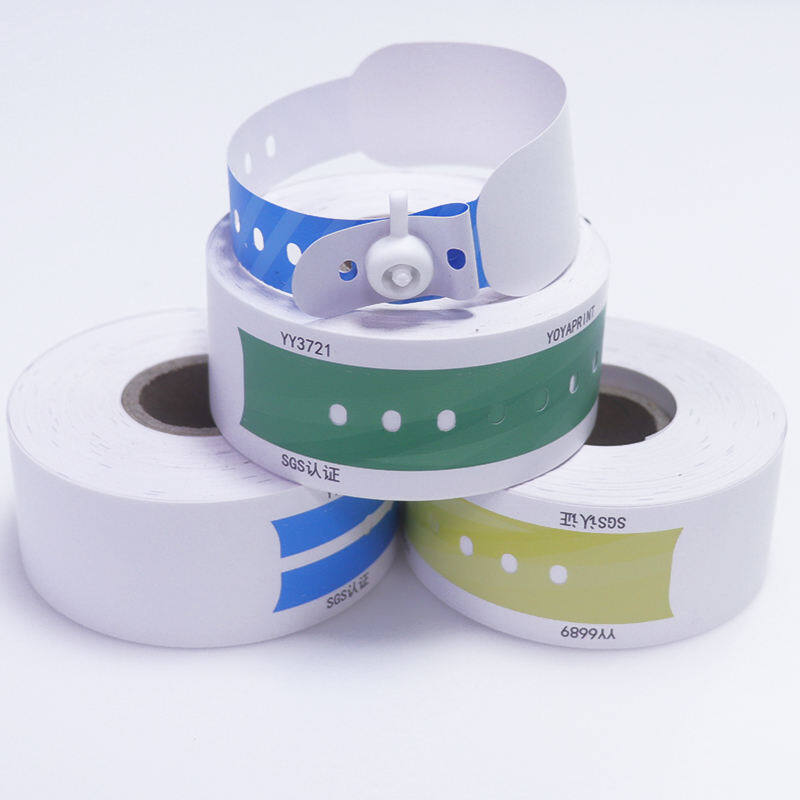
The most widely available biodegradable wristband option is paper-based. These eco-friendly wristbands are typically manufactured from synthetic paper—a material that combines paper-like recyclability with enhanced tear resistance and printability.
Sustainable paper wristbands offer several advantages. They can be disposed of with standard paper and cardboard waste, making them compatible with existing recycling infrastructure. They are 100% plastic-free, addressing concerns about microplastic pollution and fossil fuel dependence. For short-term applications—day surgery, outpatient clinics, temporary medical identification—they provide adequate performance.
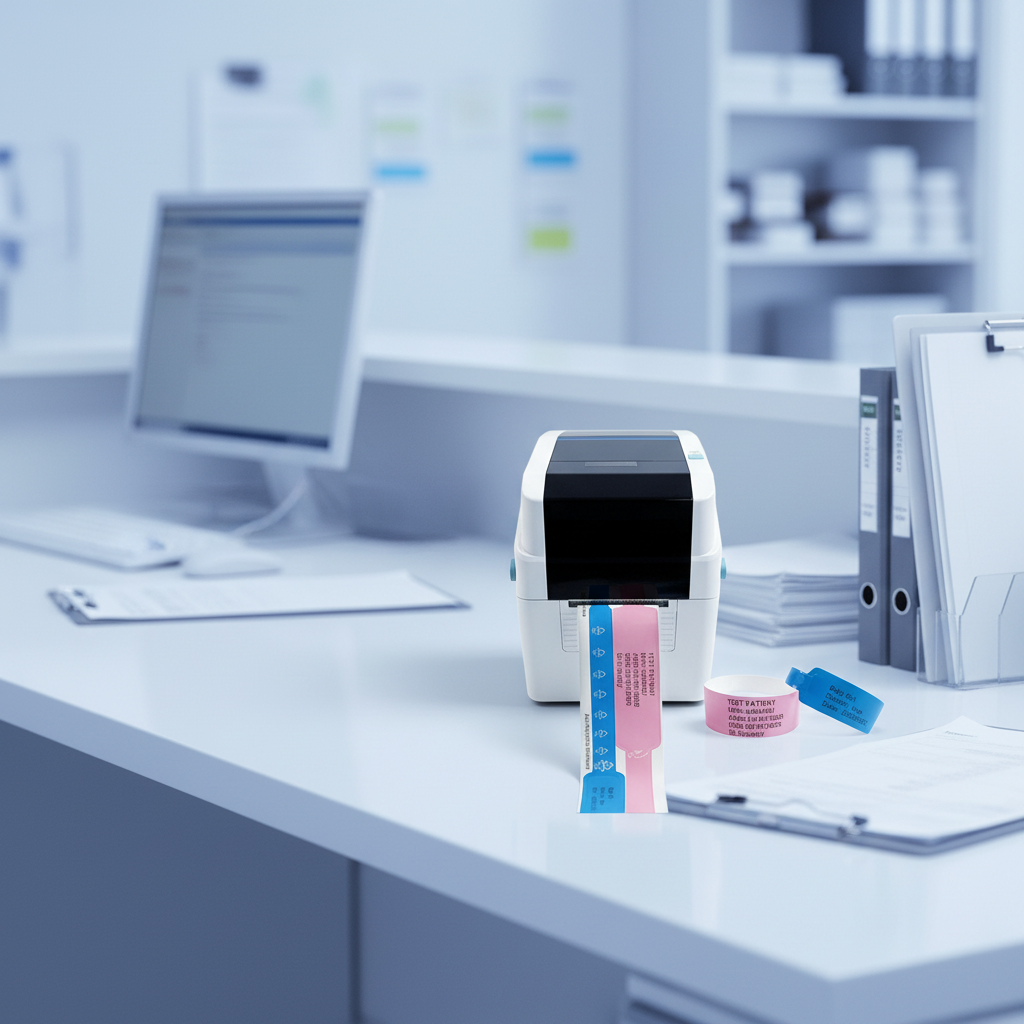
However, the limitations are significant. Paper-based wristbands are not designed for prolonged exposure to water or moisture. In clinical settings, this means they are unsuitable for patients who may be incontinent, diaphoretic, or undergoing frequent washing. The Leeds assessment found that paper wristbands performed reliably in general medicine wards but failed in the emergency department when exposed to moisture, leading to barcode degradation and scanning failures.
Plant-Based and Biopolymer Alternatives
Beyond paper, researchers and manufacturers are exploring biodegradable polymers derived from renewable sources. Polylactic acid (PLA), polyhydroxyalkanoates (PHA), and thermoplastic starch are among the materials under investigation for medical wristband applications.
These biopolymer wristbands offer the theoretical advantage of maintaining plastic-like durability during use while breaking down under industrial composting conditions after disposal. However, several challenges remain:
Moisture sensitivity: Many biopolymers degrade or lose structural integrity when exposed to moisture, making them unsuitable for wristbands that must withstand hand hygiene, patient bathing, and exposure to bodily fluids.
Heat sensitivity: Clinical environments often involve elevated temperatures—from warming blankets to steam sterilization processes. Biopolymers with low melting points may deform or degrade under these conditions.
Cost and scalability: Biopolymer production remains more expensive than conventional plastics, though costs are declining as production scales.
Certification pathways: Medical device regulations require extensive testing to verify biocompatibility, durability, and safety. Biodegradable materials face additional scrutiny regarding their breakdown products and potential for allergic reactions.
Hybrid Approaches
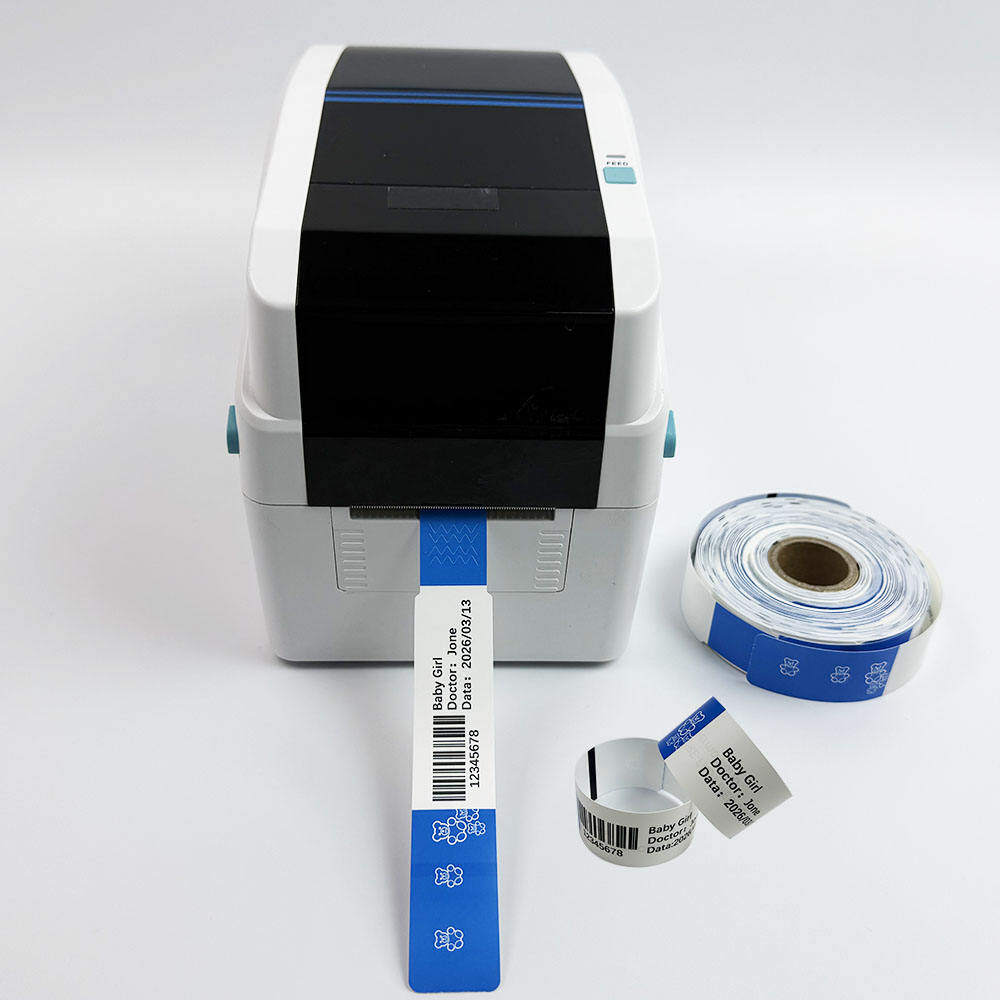
Some manufacturers are developing hybrid solutions that combine biodegradability with enhanced performance. A recent patent describes a disposable wristband with a fibrous material body and air-permeable support structures designed to minimize skin damage for sensitive patients while maintaining structural integrity. While the specific material in this patent is not fully biodegradable, the design philosophy—optimizing for patient comfort and skin health—aligns with sustainability goals.
Another emerging category is wristbands with paper-based batteries for active RFID or NFC functionality. These devices, designed for medical use cases, pair eco-friendly battery technology with skin-friendly soft materials, offering the potential for biodegradable electronic wristbands that support patient identification and data management without the environmental burden of conventional batteries.
Performance Limitations: Where Biodegradable Wristbands Struggle
Moisture and Chemical Resistance
The most significant performance gap between biodegradable wristbands and conventional plastic wristbands is moisture resistance. Hospital environments are wet places. Patients shower. Hands are washed dozens of times daily. Incontinence, wound drainage, and spillage are routine occurrences.
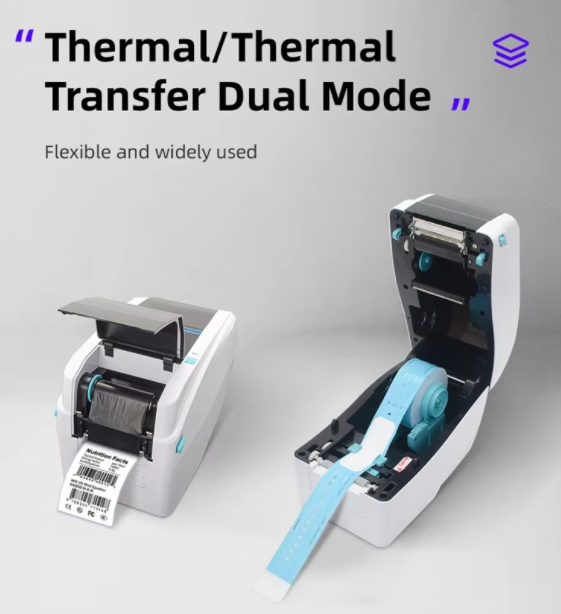
Conventional vinyl wristbands and polyester wristbands are engineered to be waterproof and cleanable. They can be wiped down with disinfectants, exposed to alcohol-based sanitizers, and submerged in water without losing legibility or structural integrity.
Paper-based and many biopolymer wristbands cannot make these claims. The Leeds study explicitly identified moisture exposure as a cause of barcode degradation and scanning failures in the emergency department. For clinical areas where moisture exposure is likely—emergency departments, operating theaters, intensive care units, neonatal units—paper wristbands are contraindicated.
Durability and Legibility Over Time
Patient wristbands must remain legible for the duration of a patient's stay, which may extend to weeks for complex admissions. Information must not fade, smear, or become illegible due to abrasion or chemical exposure.
Thermal transfer printing, the standard method for hospital wristband personalization, produces durable text and barcodes on compatible substrates. However, the quality of the print is highly dependent on the substrate material and the thermal transfer ribbon. Paper-based wristbands may exhibit faster print degradation than plastic alternatives, particularly when exposed to friction or chemicals.
Barcode Scanning Compatibility
For hospitals using barcode medication administration and other scanning workflows, wristband barcode quality is a critical safety variable. The Leeds study found that paper wristbands achieved first-attempt scan success rates above 95% in general medicine but experienced failures in the emergency department due to moisture-related degradation.
The study also revealed that BCMA compliance was already suboptimal across wards, ranging from 15% to 40%, due to factors including equipment issues, workflow barriers, and staff confidence. Introducing wristbands with degraded scanning performance could further erode compliance in environments where it is already fragile. As the researchers concluded, "Patient safety is not a property of materials; it is a property of systems".
Skin Compatibility and Comfort
Patient wristbands must be safe for all skin types, including sensitive, damaged, or compromised skin. The patent literature describes wristband designs with air-permeable support structures specifically intended to minimize skin damage for patients with burns or skin diseases. Biodegradable materials must meet the same biocompatibility standards as conventional materials, including verification that they are latex-free and do not contain allergens or irritants.
Some biodegradable materials may contain natural fibers or plant-based compounds that could trigger allergic reactions in sensitive individuals. Rigorous testing and certification are essential before clinical deployment.
Procurement Considerations: ESG in Wristband Sourcing
The Regulatory Landscape
Healthcare procurement is increasingly shaped by Environmental, Social, and Governance (ESG) requirements. In the United Kingdom, NHS Supply Chain has embedded sustainability criteria into its framework agreements for printable patient identification wristbands. Suppliers are evaluated on their carbon reduction plans, Evergreen Assessments, Modern Slavery statements, and Social Value propositions.
The NHS framework explicitly requires suppliers to demonstrate processes for encouraging recycled materials, reducing raw material use, and minimizing unnecessary packaging. These requirements reflect a broader policy shift: sustainable procurement is no longer optional for healthcare suppliers.
Lifecycle Thinking in Procurement Decisions
Procurement decisions for patient wristbands should be informed by lifecycle assessment rather than material labels alone. A wristband marketed as "biodegradable" may not deliver environmental benefits if:
It is disposed of in clinical waste and incinerated rather than composted or recycled.
Its replacement rate is significantly higher due to performance failures.
The printer cartridges and packaging associated with the product have a large footprint.
Transportation distances offset material savings.
The Leeds analysis identified printer cartridges as the single largest contributor to wristband climate impact, accounting for approximately half the total. This suggests that procurement strategies focused solely on substrate material may miss the most impactful intervention. Negotiating cartridge take-back programs, optimizing print density, and reducing unnecessary wristband printing may deliver greater environmental returns than switching materials alone.
The Social Dimension
ESG considerations extend beyond environmental impact. Sustainable medical wristband procurement must also address:
Modern slavery risk: NHS tenders for patient identification products require completion of the Modern Slavery Assessment Tool, with risk profiling based on factors including country of manufacture and supply chain transparency.
Patient safety: A wristband that fails to remain legible or scannable is not sustainable—it is dangerous. Environmental criteria must not compromise clinical performance.
Staff workflow: Introducing biodegradable wristbands that require more frequent replacement or cause scanning failures increases staff workload and may introduce new error pathways.
Patient experience: Comfort, skin safety, and the ability to explain the wristband's purpose to patients are all part of a responsible procurement approach. Research shows that only 52% of patients could accurately explain their wristband's purpose, and those who understood it reported higher perceived safety.
A Tiered Approach: Matching Materials to Clinical Context
The evidence suggests that a one-size-fits-all approach to sustainable wristbands is neither clinically nor environmentally sound. A more nuanced, tiered strategy is warranted.
General Medicine and Short-Stay Settings
For patients with expected stays of three to seven days in general medicine wards, day surgery units, and non-acute clinics, paper-based biodegradable wristbands may offer a viable alternative to plastic. Performance data show adequate scanning reliability in these contexts, and the environmental benefit—35 to 45% lower climate change potential—is meaningful when recycling infrastructure is in place.
Deployment in these settings should be contingent on:
Established wristband recycling pathways with confirmed end-of-life processing.
Barcode scanning success rates maintained above 95%.
Replacement rates not exceeding baseline plastic wristband levels.
Staff training on proper application and handling.
High-Reliability and High-Moisture Environments
Emergency departments, intensive care units, neonatal intensive care, and operating theaters have fundamentally different requirements. In these environments, wristband failure can have immediate and severe consequences. Moisture exposure, critical care monitoring needs, and the vulnerability of patient populations mean that durable plastic wristbands or other high-performance materials remain the appropriate choice.
For these settings, sustainability efforts should focus on:
Optimizing wristband design to reduce material mass without compromising performance.
Ensuring correct disposal pathways to prevent environmental leakage.
Exploring recyclable or reusable alternatives where clinically appropriate.
Reducing unnecessary wristband replacements (for example, by omitting department information that changes with transfer).
Formulary planning should also cover special populations: bariatric patient wristbands, extended-length wristbands and ankle bands for patients whose wrist sites are inaccessible must meet the same durability bar whichever substrate tier they belong to.
Electronic and Smart Wristbands
The emergence of RFID wristbands, NFC wristbands, and other smart wristbands introduces new sustainability considerations. Electronic wristbands contain batteries, circuitry, and other components that complicate disposal and recycling. However, they may enable longer use periods and reduce the need for repeated wristband printing.
Some manufacturers are developing biodegradable electronic wristbands with paper-based batteries and eco-friendly materials. While still in early stages, these approaches point toward a future where sustainable wristbands can support advanced functionality without disproportionate environmental cost.
The Path Forward: Recommendations for Healthcare Organizations
Start with Data
Before committing to biodegradable wristbands, healthcare organizations should establish baseline data:
Current wristband usage volume and cost.
Disposal pathways and waste stream composition.
Barcode scanning success rates and failure modes.
Wristband replacement rates and reasons.
Patient and staff satisfaction with current products.
This data enables meaningful comparison and identifies where sustainability interventions will have the greatest impact. Benchmarking programs such as CAP Q-Probes give safety committees an external reference point for measuring patient identification accuracy and wristband-related error rates against peer institutions.
Pilot Before Scaling
The Leeds experience demonstrates the value of staged implementation. A pilot in two general medicine wards, with matched controls, can generate real-world performance data on scanning success, failure rates, and staff experience. Success criteria should be defined in advance—for example, maintaining barcode scan success above 95% and wristband failure rates below 5%.
Secure End-of-Life Pathways
The environmental case for biodegradable wristbands collapses if they are incinerated as clinical waste. Organizations must establish dedicated collection and recycling pathways before deployment. This may require:
Separate wristband collection containers in clinical areas.
Staff training on proper segregation.
Contracts with waste management partners that can process biodegradable materials.
Audit and monitoring to ensure compliance.
Consider the Whole System
The wristband is one component of a complex patient identification system. Optimizing that system—improving barcode scanning workflows, enhancing staff training, and ensuring patient wristband protocols are followed—may deliver greater safety and sustainability gains than material substitution alone.
Engage Suppliers Strategically
Procurement teams should engage suppliers on ESG criteria that extend beyond product specifications:
Carbon reduction plans and verified emissions data.
Recycled content and biodegradability certification.
Take-back programs for wristbands and printer cartridges.
Social value commitments including modern slavery risk mitigation.
Transparency in supply chain and end-of-life processing.
Conclusion: Navigating the Trade-Offs
The question of biodegradable and sustainable patient wristbands is not one of whether to pursue environmental improvement, but of how to do so without compromising the safety functions that make wristbands indispensable. The evidence shows that sustainable medical wristbands—particularly paper-based options—can deliver meaningful environmental benefits in appropriate clinical contexts. They are not, however, universal replacements for conventional plastic wristbands.
The most responsible path forward is one of informed, context-specific adoption. For short-stay, low-moisture clinical settings, biodegradable wristbands offer a credible option when paired with proper recycling infrastructure. For high-reliability, high-moisture environments, durable plastic wristbands remain the standard of care, and sustainability efforts should focus on optimization, recycling, and waste reduction rather than material substitution.
As healthcare organizations navigate the dual imperatives of patient safety and environmental responsibility, the patient wristband serves as a microcosm of a larger challenge: how to provide safe, effective care in a manner that respects planetary boundaries. The answer lies not in simple material swaps but in systems thinking—recognizing that patient identification is an ecosystem of technology, workflow, culture, and materials, and that optimizing that ecosystem requires attention to every component.
The wristband on a patient's arm is a small thing. But the decisions we make about its material, its disposal, and its role in the broader system of care speak to the kind of healthcare system we are building. A system that protects patients and the planet is possible—but it requires evidence, nuance, and a willingness to navigate complexity rather than reach for easy answers.
Continue Reading
Have Questions About Wristbands?
Our team is ready to help you find the perfect wristband solution for your needs. Contact us directly on WhatsApp for quick responses.
Contact on WhatsApp