
Can You Autoclave or Sterilize Patient Wristbands? Material Limits Explained
Introduction
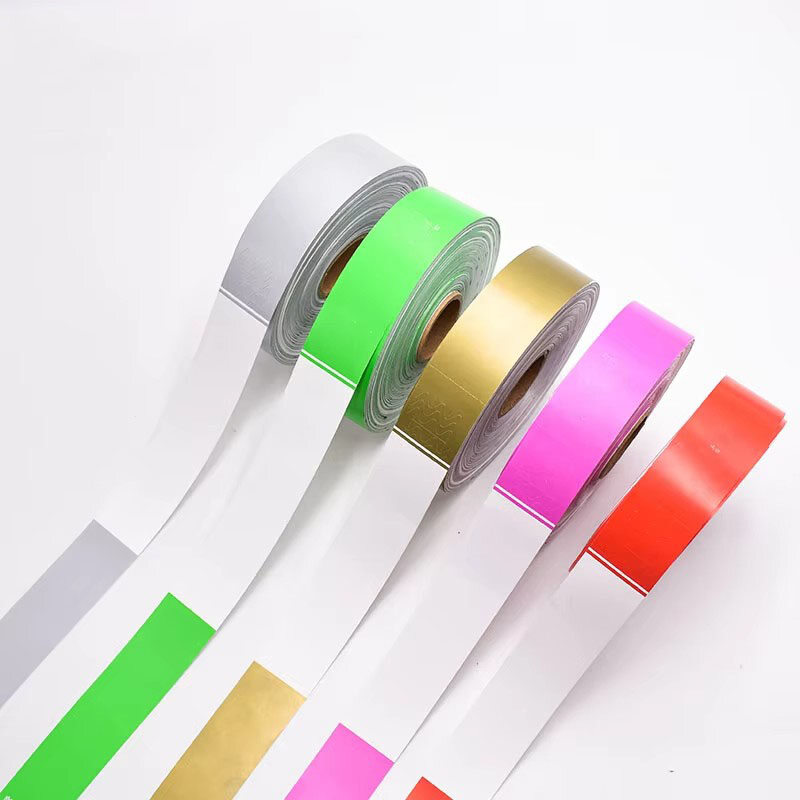
Patient wristbands are essential for accurate patient identification throughout the healthcare continuum. They accompany patients through admission, surgery, intensive care, and discharge, serving as the primary link between the patient and their medical record. Given their proximity to patients and their presence in clinical environments where infection control is paramount, a common question arises among healthcare providers and procurement specialists: can patient wristbands be autoclaved or sterilized for reuse?
The short answer is that most patient wristbands are designed for single use and cannot withstand the temperatures and pressures of autoclaving. However, the complete answer requires a deeper understanding of wristband materials, sterilization methods, and the practical realities of infection control in modern healthcare.
This article examines the material limitations of patient wristbands, explores the sterilization methods that may be appropriate for certain products, and provides guidance for healthcare facilities seeking to balance safety, cost, and operational efficiency.
Understanding Autoclaving and Sterilization
What Is Autoclaving?
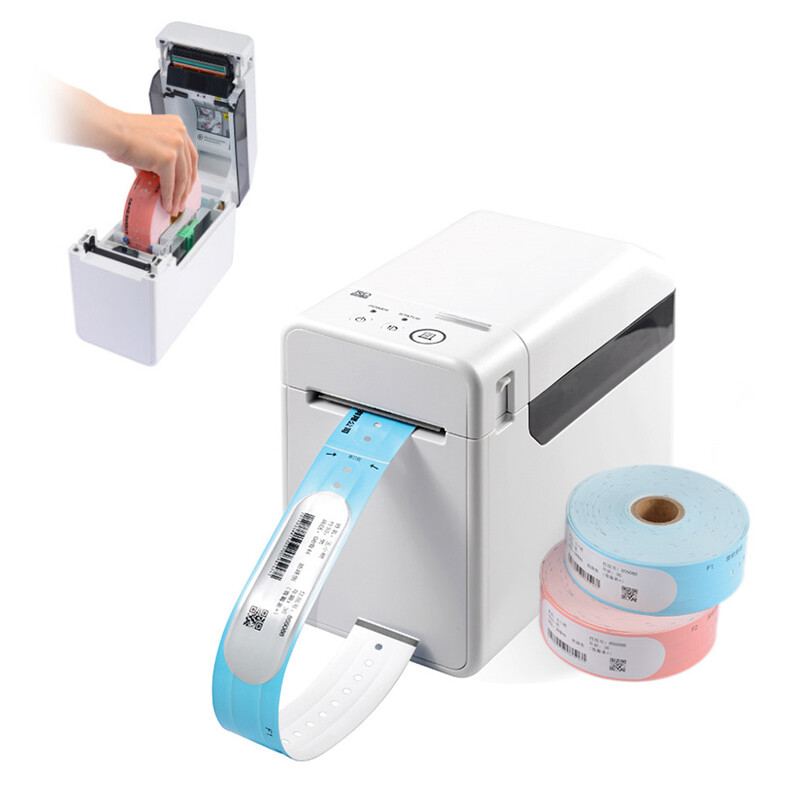
Autoclaving, also known as steam sterilization, is a method of sterilization that uses high-pressure saturated steam at temperatures typically ranging from 121°C to 134°C (250°F to 273°F). The process kills microorganisms by denaturing their proteins and is widely used for surgical instruments, glassware, and other heat-resistant medical equipment.
The autoclave cycle typically involves:
Pre-vacuum phase: Removing air from the chamber
Sterilization phase: Exposing items to steam at high temperature and pressure for a specified time
Exhaust phase: Releasing steam and pressure
Drying phase: Removing residual moisture
For an item to be successfully autoclaved, it must withstand not only the high temperature but also the pressure changes, moisture, and repeated handling involved in the process.
Other Sterilization Methods
Beyond autoclaving, other sterilization methods include:
Ethylene Oxide (EtO) Sterilization: Uses ethylene oxide gas at lower temperatures (typically 37°C to 63°C). Suitable for heat-sensitive materials but requires lengthy aeration to remove toxic residues.
Hydrogen Peroxide Plasma Sterilization: Uses vaporized hydrogen peroxide in a low-temperature plasma environment. Suitable for some heat-sensitive instruments.
Radiation Sterilization: Uses gamma rays or electron beams to sterilize single-use medical devices at the manufacturing stage. Not practical for hospital-based reprocessing.
Chemical Disinfection: Uses liquid chemicals such as glutaraldehyde or ortho-phthalaldehyde. Disinfection rather than sterilization, as it may not kill all bacterial spores.
Materials Used in Patient Wristbands
Common Wristband Materials
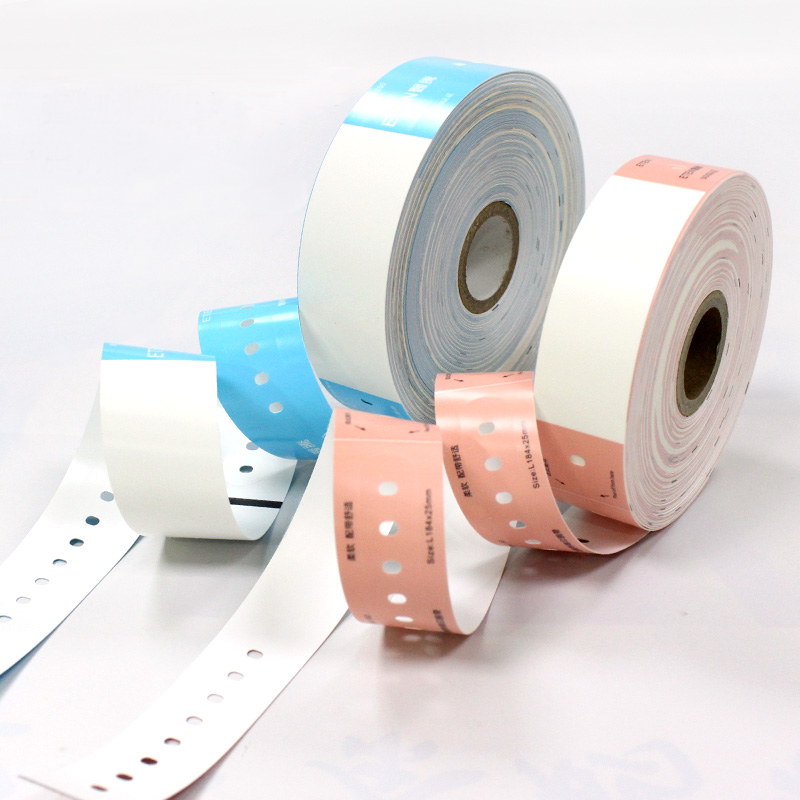
Patient wristbands are manufactured from a variety of materials, each with different properties and limitations:
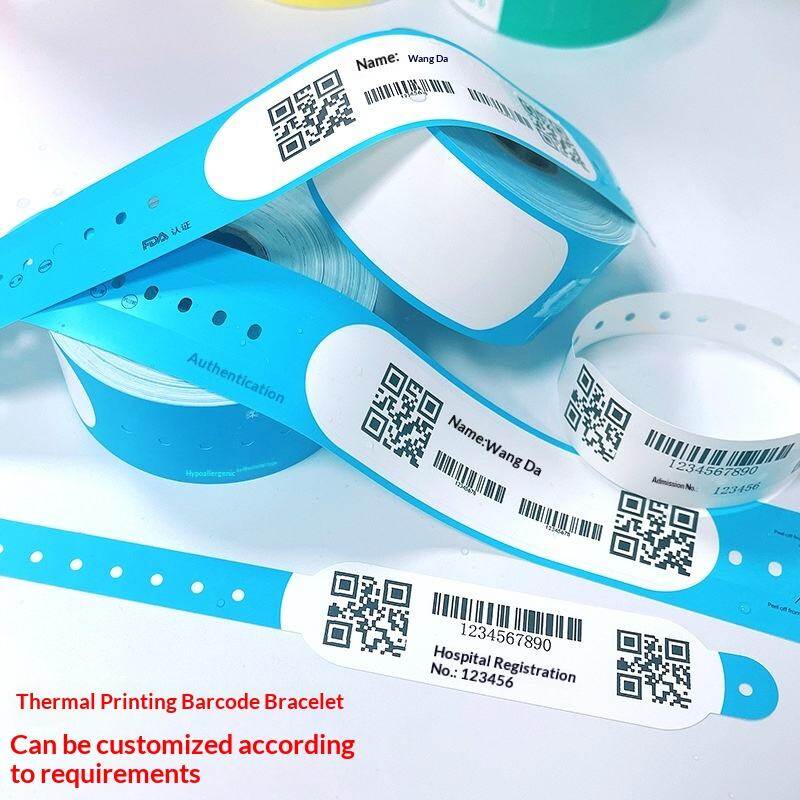
Paper-Based Materials: Traditional wristbands may use coated paper or thermal paper. These materials are inexpensive but vulnerable to moisture, heat, and chemicals. They cannot be autoclaved or subjected to most sterilization methods.
Thermal Composites: Direct thermal wristbands use composites that include heat-sensitive coatings. These materials are designed to respond to heat for printing and are therefore highly sensitive to any additional heat exposure.
Thermal Transfer Materials: These wristbands use synthetic materials that accept ink from a ribbon. They are more durable than direct thermal but still not designed for high-temperature sterilization.
Polypropylene and Polyethylene: Some wristbands use synthetic polymer materials that offer greater durability and moisture resistance. However, even these materials may deform or degrade under autoclave conditions.
TPU (Thermoplastic Polyurethane): TPU is a soft, flexible material used in some premium medical wristbands. It offers excellent comfort and durability, with some products achieving IP67 waterproof ratings. However, TPU has a melting point that makes it unsuitable for autoclaving.
Silicone: Silicone wristbands are soft, hypoallergenic, and durable. Some silicone products can withstand higher temperatures, but medical wristbands are rarely designed for autoclave conditions.
Material Limitations for Sterilization
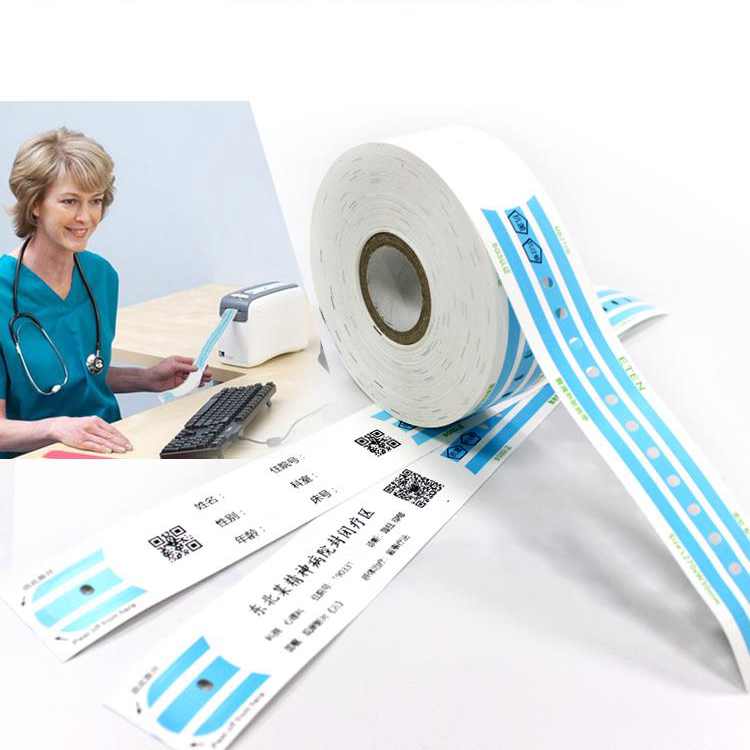
Most patient wristband materials have temperature limits well below autoclave temperatures:
| Material | Typical Max Temperature | Autoclave Compatible? |
|---|---|---|
| Paper/Thermal Paper | 50-60°C | No |
| Thermal Composites | 60-80°C | No |
| Polypropylene | 100-120°C | Limited |
| TPU | 80-100°C | No |
| Silicone | 150-200°C | Potentially |
Even materials that can theoretically withstand autoclave temperatures may not survive the process intact. The combination of heat, moisture, and pressure can cause:
Deformation or warping
Degradation of printed information
Loss of adhesive properties
Compromised closure mechanisms
Embrittlement or cracking
Why Most Patient Wristbands Cannot Be Autoclaved
The Single-Use Design Paradigm
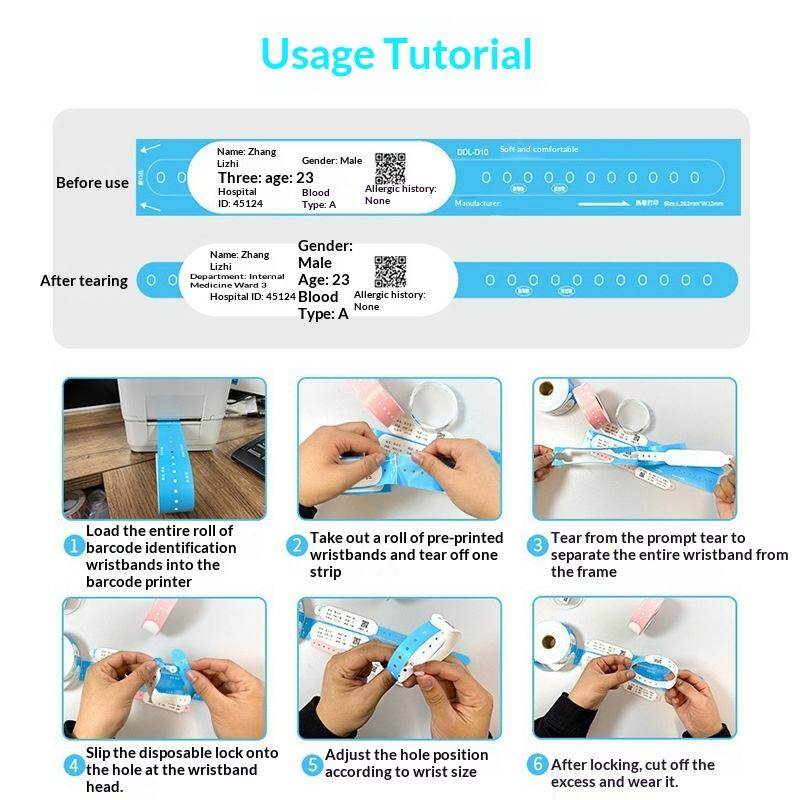
Most patient wristbands are designed and manufactured as single-use devices. This design philosophy reflects several considerations:
Infection Control: Single-use products eliminate the risk of cross-contamination between patients. The wristband is applied to one patient and disposed of when no longer needed.
Material Constraints: The materials used in wristbands are selected for comfort, printability, and cost-effectiveness—not for heat resistance or reprocessing durability.
Cost-Effectiveness: The low unit cost of most wristbands makes reprocessing economically impractical. The labor, equipment, and validation costs of sterilization would far exceed the cost of simply using a new wristband.
Regulatory Classification: Many wristbands are classified as single-use devices by regulatory agencies. Reprocessing single-use devices may violate regulations or require specialized validation.
The Infection Control Concern
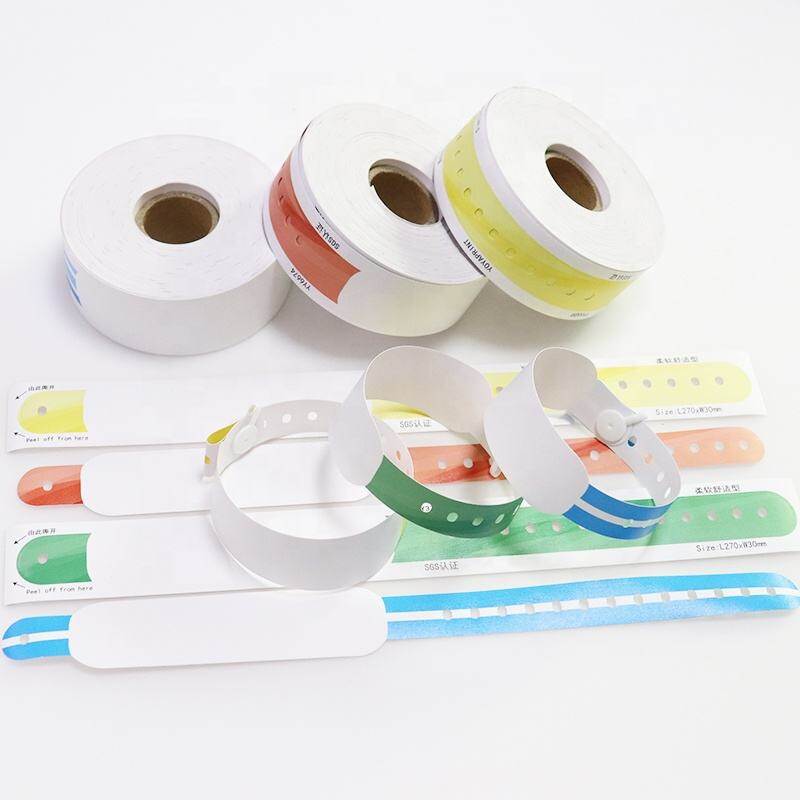
Research has demonstrated that patient wristbands can become contaminated with potentially harmful bacteria during use. One study found that 30 out of 34 wristbands cultured from surgical patients grew at least one potentially significant bacterial colony, including Staphylococcus aureus and Pseudomonas species.
This contamination is not surprising given that wristbands are in constant contact with patient skin and are frequently handled by healthcare workers. While this contamination does not necessarily mean wristbands transmit infection, it does reinforce the importance of proper hygiene and the rationale for single-use design.
Are There Any Patient Wristbands That Can Be Sterilized?
Reusable Wristband Options
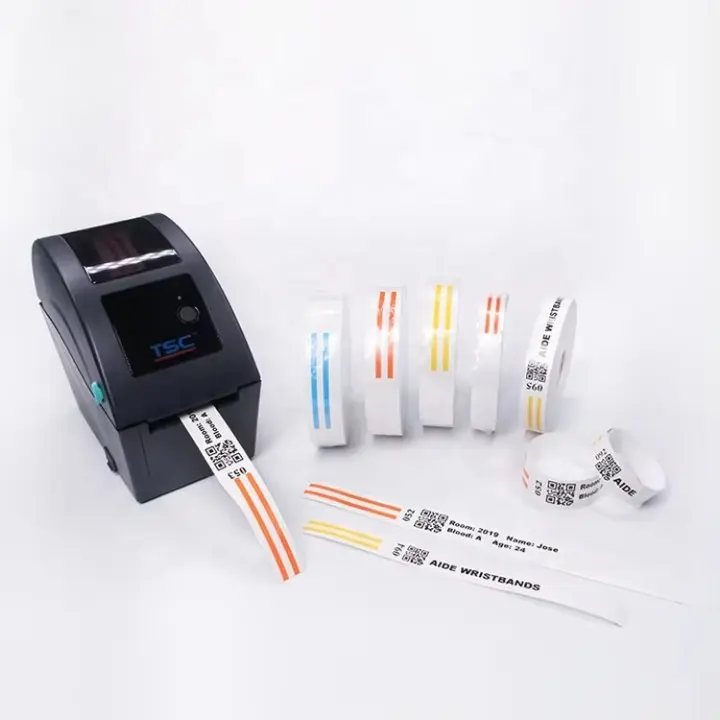
A small number of patient wristbands are designed for reuse and may be compatible with certain sterilization or disinfection methods:
Silicone Wristbands: Some silicone wristbands are marketed as reusable and may tolerate certain disinfection protocols. However, even these products may not withstand repeated autoclaving.
Metal or Hard Plastic Bands: In some specialty applications, wristbands made from metal or hard plastic may be used. These may be compatible with autoclaving but are rarely used for standard patient identification due to comfort and safety considerations.
RFID-Enabled Bands: Some RFID wristbands are designed for multiple uses within a single patient's stay but are not intended for reprocessing between patients.
The RFID Consideration
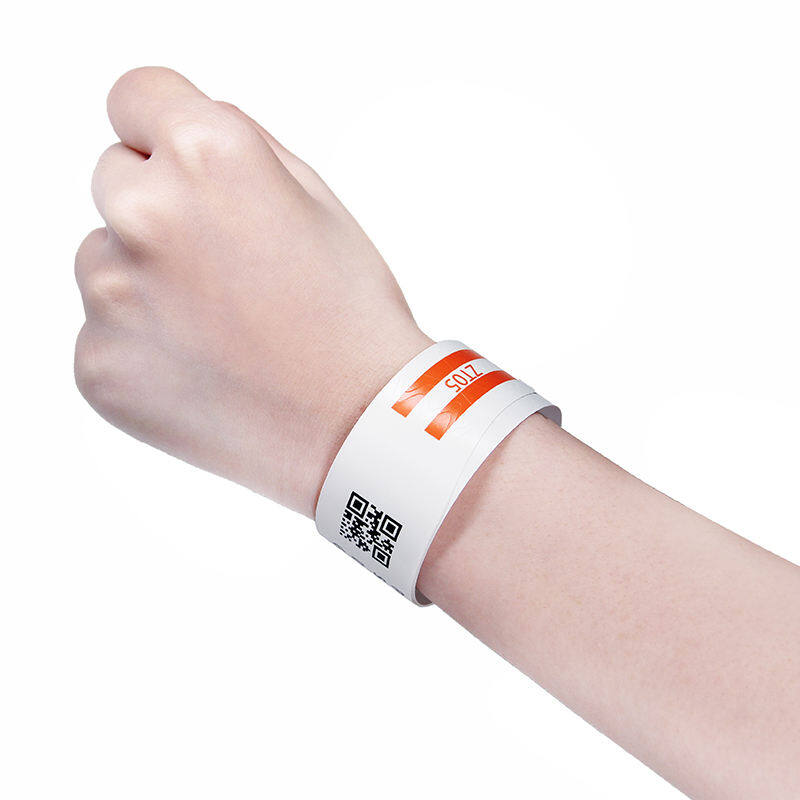
RFID wristbands contain electronic components that are highly vulnerable to heat and moisture. Autoclaving would destroy the chip, antenna, and battery (if present). Even if the outer material survived, the electronic functionality would be lost.
For healthcare facilities using RFID wristbands for patient tracking or security, the single-use nature of these products is a fixed constraint.
What Can Be Done Instead of Autoclaving?
Cleaning and Disinfection
While patient wristbands cannot be autoclaved, they can be cleaned and disinfected during use to reduce bacterial load:
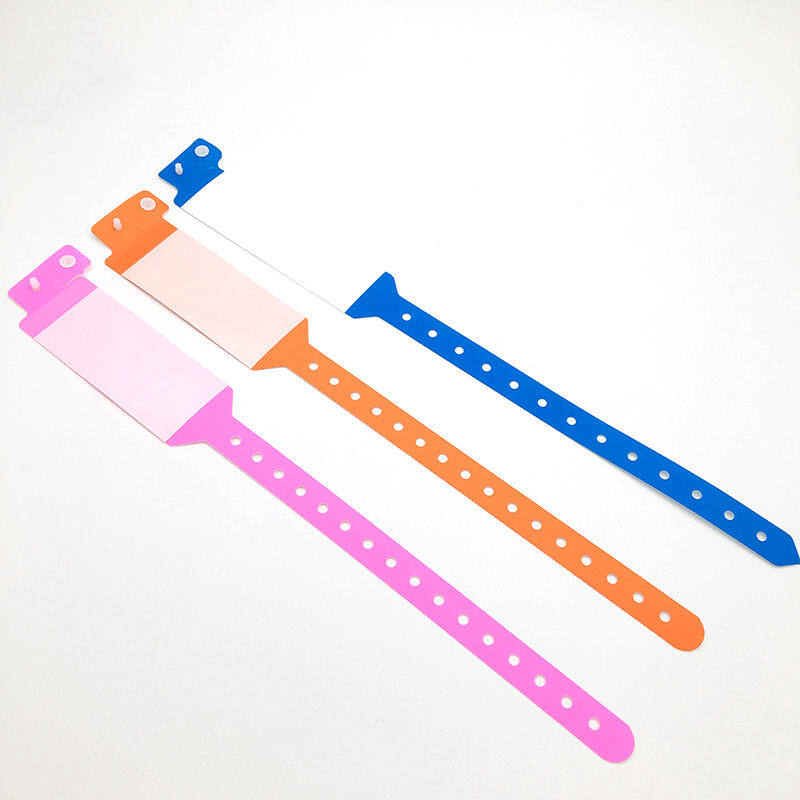
Wipe with Disinfectant: Use facility-approved disinfectant wipes to clean the wristband surface. Choose products compatible with the wristband material.
Avoid Harsh Chemicals: Some disinfectants may damage wristband materials or cause printed information to fade. Test compatibility before widespread use.
Regular Replacement: For long-stay patients, replace wristbands at regular intervals to reduce accumulation of contaminants.
Material Selection for Durability
When selecting patient wristbands, consider materials that offer better resistance to cleaning and disinfection:
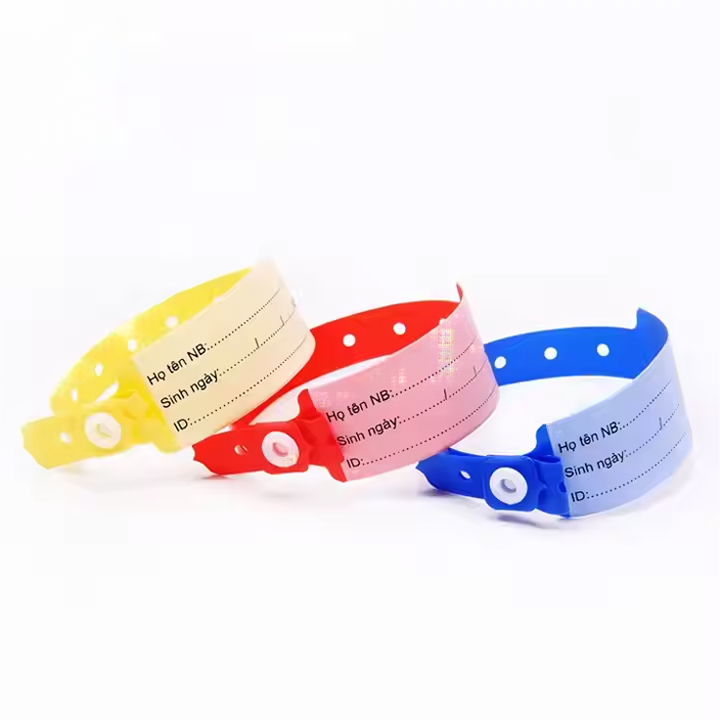
Chemical-Resistant Materials: Some wristbands are designed to resist alcohol, disinfectants, and cleaning agents. These products maintain print quality and material integrity even after repeated exposure.
Waterproof Materials: Waterproof wristbands can be cleaned more easily and may be suitable for patients who require frequent hygiene care.
Antimicrobial Materials: Some wristbands incorporate antimicrobial agents to inhibit bacterial growth on the band surface.
Proper Handling and Hygiene
Healthcare workers should follow proper hand hygiene and handling practices when interacting with patient wristbands:
Perform hand hygiene before and after touching a patient's wristband
Avoid unnecessary contact with wristbands
Replace wristbands that become soiled or damaged
Document wristband changes in the patient record
Regulatory and Standards Considerations
Patient Identification Standards
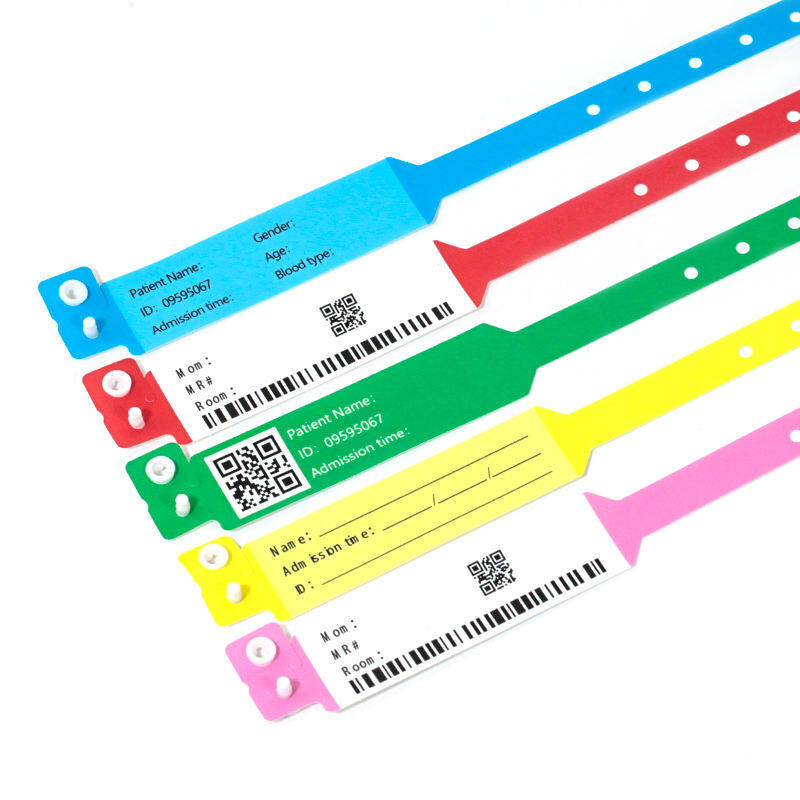
Recent standards emphasize the importance of accurate patient identification and the role of wristbands in this process. The Joint Commission and other accreditation bodies require healthcare organizations to have systems for reliable patient identification.
China's National Health Commission released the "Patient Identification Management Standard" (WS/T 840—2025), effective February 1, 2026, which establishes requirements for patient identification processes, including the use of wristbands with complete information and daily inspection.
These standards reinforce that wristbands must remain legible, intact, and securely attached throughout the patient's stay—requirements that are incompatible with reprocessing methods that could damage the band.
Single-Use Device Regulations
In many jurisdictions, patient wristbands are regulated as single-use medical devices. Reprocessing single-use devices for reuse on another patient may:
Violate medical device regulations
Require validation studies to demonstrate safety and efficacy
Shift liability to the reprocessing facility
Healthcare facilities should verify regulatory requirements in their jurisdiction before considering any form of wristband reprocessing.
Practical Recommendations
For Healthcare Facilities
Treat wristbands as single-use: Do not attempt to autoclave or sterilize patient wristbands for reuse on another patient.
Select appropriate materials: Choose wristbands with chemical resistance and durability suitable for your clinical environment.
Implement proper disposal: Dispose of used wristbands according to facility infection control policies.
Train staff: Educate healthcare workers about the single-use nature of wristbands and the importance of proper handling.
Monitor print durability: Ensure that printed information remains legible throughout the patient's stay. Replace wristbands if information becomes unreadable.
For Procurement Professionals
Verify material specifications: Request detailed material information from suppliers, including temperature limits and chemical resistance.
Understand intended use: Confirm that products are intended for single use and are not marketed as reusable.
Consider total cost of ownership: While reusable wristbands may seem cost-effective, consider the costs of reprocessing, validation, and potential infection risk.
Request test data: Ask suppliers for test data on print durability, chemical resistance, and material performance under clinical conditions.
For Manufacturers
Provide clear usage guidelines: Clearly communicate that wristbands are single-use products and should not be autoclaved or sterilized.
Improve material durability: Continue developing materials that resist chemicals, moisture, and wear to extend functional life during use.
Consider sustainability: Explore recyclable or biodegradable materials that reduce environmental impact without compromising safety.
Conclusion
Patient wristbands cannot be autoclaved or sterilized for reuse in most cases. The materials used in these products—whether paper, thermal composites, or synthetic polymers—are not designed to withstand the high temperatures, moisture, and pressure of sterilization processes. Additionally, the single-use design of most wristbands reflects important infection control principles.
For healthcare facilities, the practical approach is to treat wristbands as single-use devices, select products with appropriate durability for the clinical setting, and implement proper handling and disposal practices. While the cost of single-use wristbands may seem significant, it is far outweighed by the infection control benefits and the assurance of accurate patient identification.
As healthcare continues to evolve, manufacturers will likely develop new materials and designs that offer improved durability and sustainability. However, for the foreseeable future, the autoclave will remain off-limits for patient wristbands—and for good reason.
Continue Reading
Have Questions About Wristbands?
Our team is ready to help you find the perfect wristband solution for your needs. Contact us directly on WhatsApp for quick responses.
Contact on WhatsApp