
Wristband Adhesive vs Clip Closure: Which Survives ICU Conditions Better?
Introduction
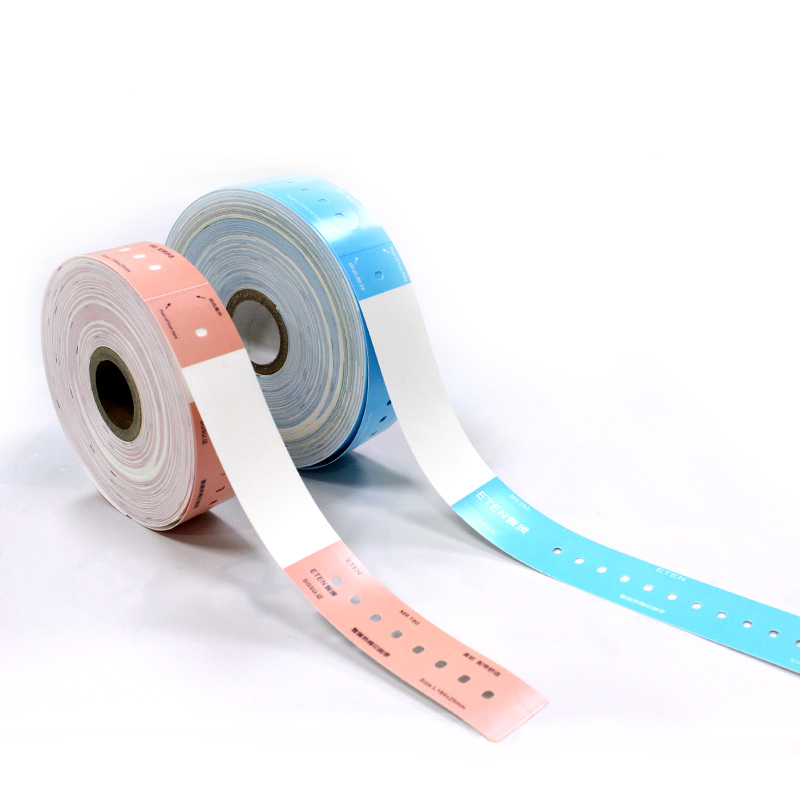
In the intensive care unit, patient identification is not a convenience—it is a lifeline. Critically ill patients often cannot speak for themselves, may be sedated or unconscious, and frequently undergo multiple procedures, medication administrations, and blood transfusions within a single shift. In this environment, the patient wristband serves as the primary and sometimes only reliable link between the patient and their medical record.
But ICU conditions are uniquely harsh. Patients may be diaphoretic, incontinent, edematous, or receiving continuous infusions that soak bedding and clothing. They may be turned frequently, positioned for procedures, and exposed to disinfectants, bodily fluids, and medical adhesives. Under these conditions, the closure mechanism of a wristband—the part that keeps it attached to the patient—becomes a critical point of failure.
Two closure types dominate the market: adhesive closures and clip closures. Each has distinct advantages and limitations. Understanding how these closures perform under ICU conditions is essential for healthcare facilities seeking to maintain accurate patient identification and minimize workflow disruptions.
This article provides a detailed comparison of adhesive and clip closures for patient wristbands in ICU settings. It examines material properties, clinical performance, failure modes, and practical considerations for selection and use.
The Unique Demands of the ICU Environment
Why ICU Conditions Are Different
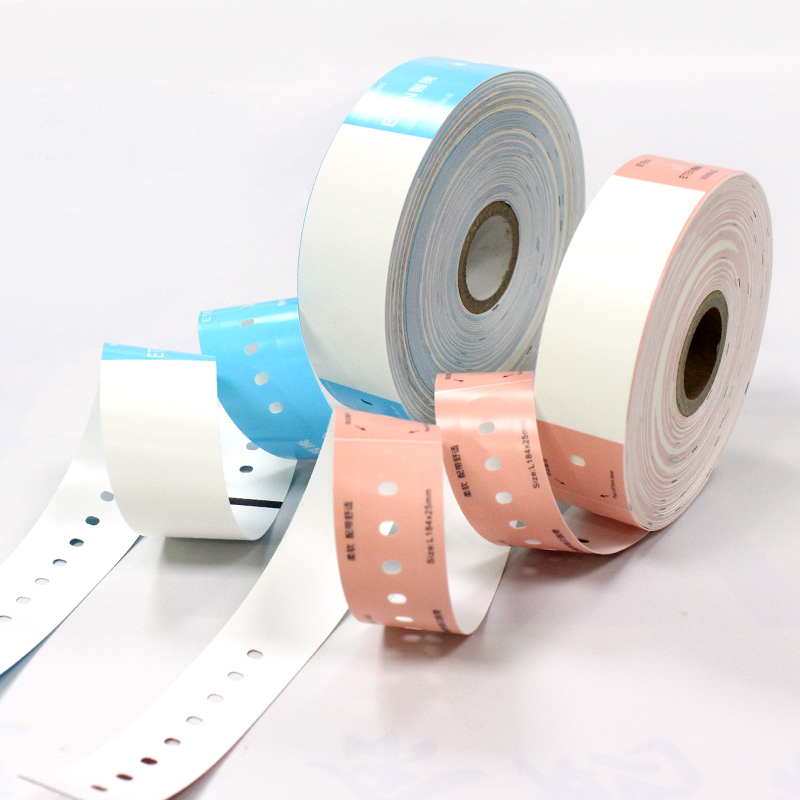
The intensive care unit presents a combination of environmental and patient factors that stress wristband closures in ways that general wards do not:
Moisture and Humidity: ICU patients may experience excessive sweating, wound drainage, incontinence, or frequent bathing. Bedding and clothing may be constantly damp. This moisture attacks adhesive bonds and can cause materials to degrade.
Chemical Exposure: ICU patients are frequently cleaned with chlorhexidine, alcohol-based solutions, and other disinfectants. These chemicals can attack adhesives and degrade printed information.
Physical Stress: ICU patients are turned every two hours, repositioned for procedures, and connected to multiple lines and tubes. Wristbands may be caught on bedding, tubing, or equipment, creating mechanical stress on closures.
Edema and Fluid Shifts: Critically ill patients often experience significant edema, which changes limb circumference and can cause a properly fitted wristband to become too tight—or to slip off if it becomes loose.
Patient Factors: Sedated or confused patients may tug at their wristbands. Diaphoretic patients may have constantly moist skin that prevents adhesives from bonding.
Duration of Use: ICU stays may last days or weeks, far exceeding the duration for which many wristbands are designed.
Why Closure Failure Matters
When a wristband closure fails, the consequences can be significant:
Loss of Identification: If the band falls off, the patient has no identification until a new band is applied. During that window, errors are possible.
Delay in Care: Staff must stop what they are doing to find and apply a new band, delaying medication, procedures, or documentation.
Risk of Misidentification: If a band is found on the floor or in bedding, there is a risk it could be applied to the wrong patient or discarded entirely.
Compliance Issues: Accreditation standards require that patients wear identification bands at all times. Frequent band loss can trigger compliance findings.
Adhesive Closures: Characteristics and Performance
How Adhesive Closures Work
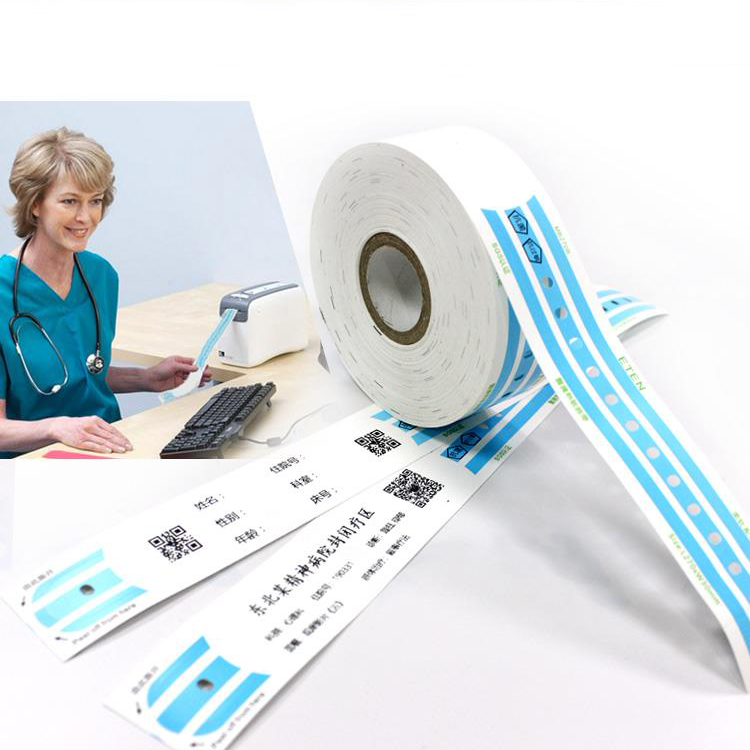
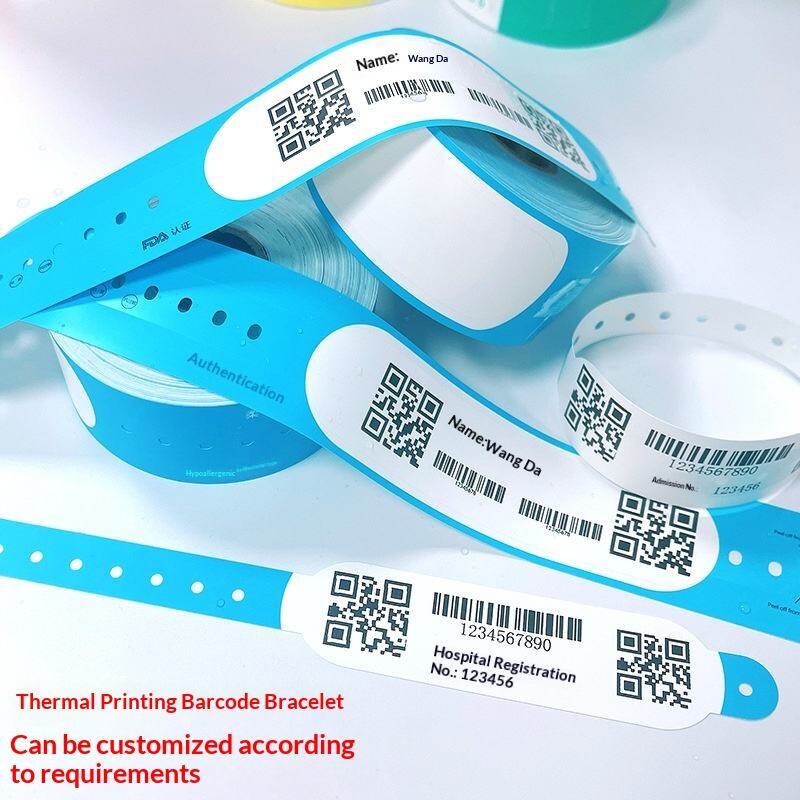
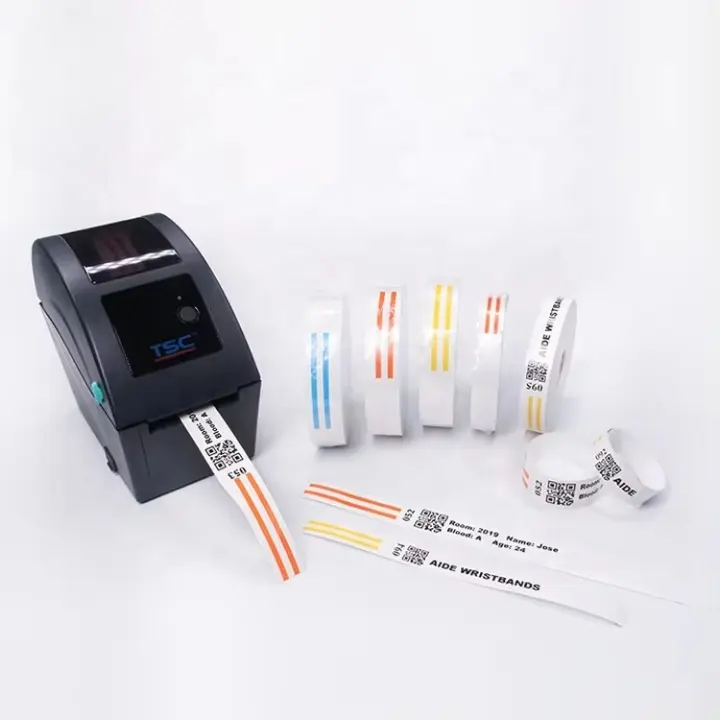
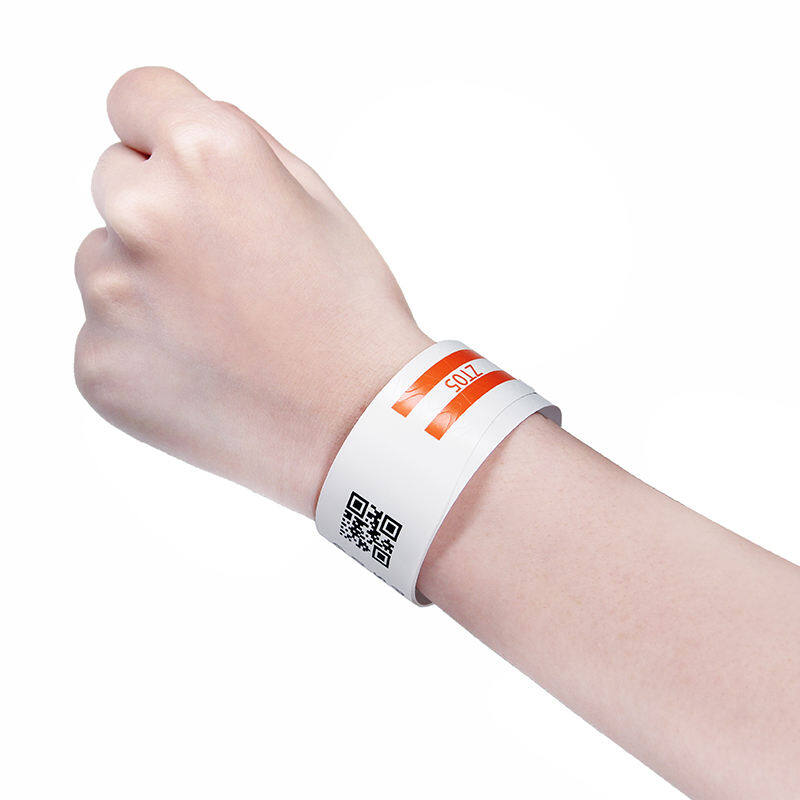
Adhesive wristbands use a pressure-sensitive adhesive applied to one end of the band material. When the band is wrapped around the patient's wrist or ankle, the adhesive end is pressed onto the band surface, creating a bond. Some adhesive bands use a tamper-evident design that shreds or delaminates when removed, providing visual evidence of removal.
Adhesive closures are common in low-cost, single-use wristbands and in thermal-printed bands where simplicity and speed of application are priorities.
Advantages of Adhesive Closures
Low Cost: Adhesive wristbands are generally the least expensive option, making them attractive for high-volume, short-stay applications.
Ease of Application: Adhesive bands can be applied quickly, often with one hand, which is valuable in emergency situations.
Low Profile: Adhesive closures lie flat against the wrist, reducing the risk of snagging on bedding or clothing.
Tamper Evidence: Many adhesive bands are designed to shred or show visible damage when removed, providing a clear indication if someone has attempted to remove the band.
Comfort: For patients with intact skin and normal limb circumference, adhesive bands can be comfortable and conform well to the wrist.
Limitations of Adhesive Closures in ICU
Moisture Sensitivity: Adhesives are vulnerable to moisture. Sweat, wound drainage, bathing, and incontinence can weaken the adhesive bond, causing the band to slip or fall off.
Chemical Sensitivity: Alcohol-based hand sanitizers, chlorhexidine, and other disinfectants can dissolve or degrade adhesives. Frequent exposure can cause the band to detach.
Skin Integrity Concerns: Repeated application and removal of adhesive bands can damage fragile skin, particularly in elderly patients or those with edema or compromised skin.
Edema Challenges: As edema develops, limb circumference increases. An adhesive band applied at admission may become too tight, while a band that was properly fitted may become loose if edema resolves.
Limited Repositioning: Once an adhesive band is applied, it cannot be repositioned without compromising the adhesive. If the band is applied too tightly or too loosely, it must be replaced.
Difficulty with Gloves and Moisture: ICU staff frequently wear gloves and may have moist hands. Applying an adhesive band with gloved or damp hands can compromise the adhesive bond.
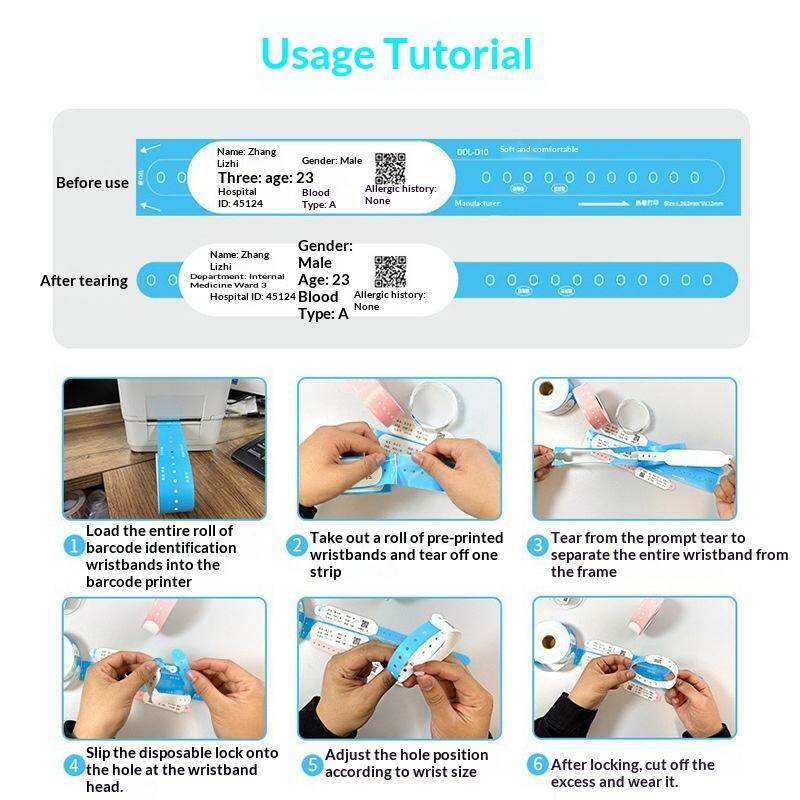
Clip Closures: Characteristics and Performance
How Clip Closures Work
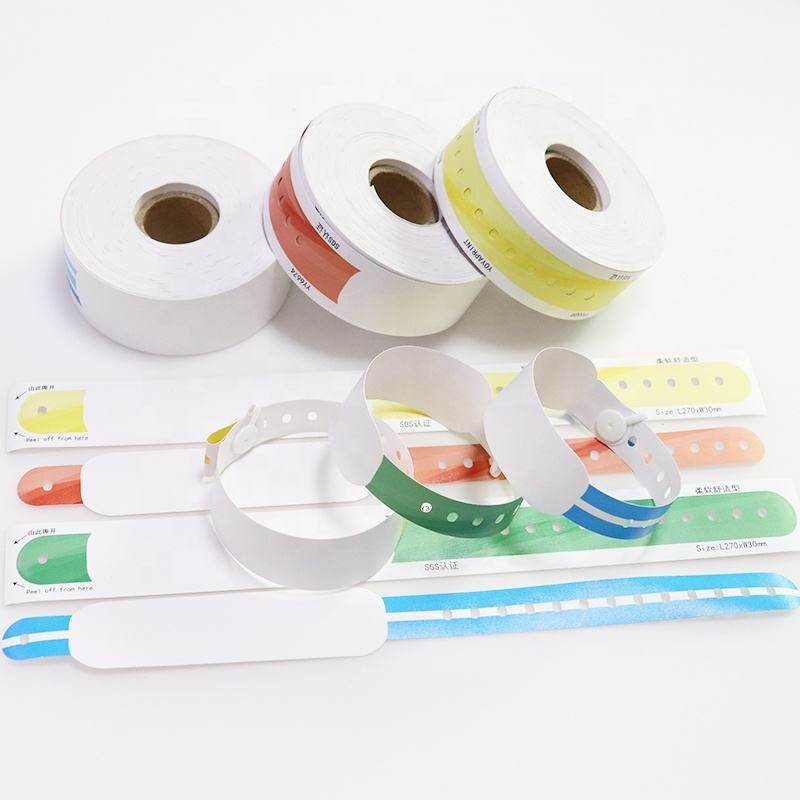
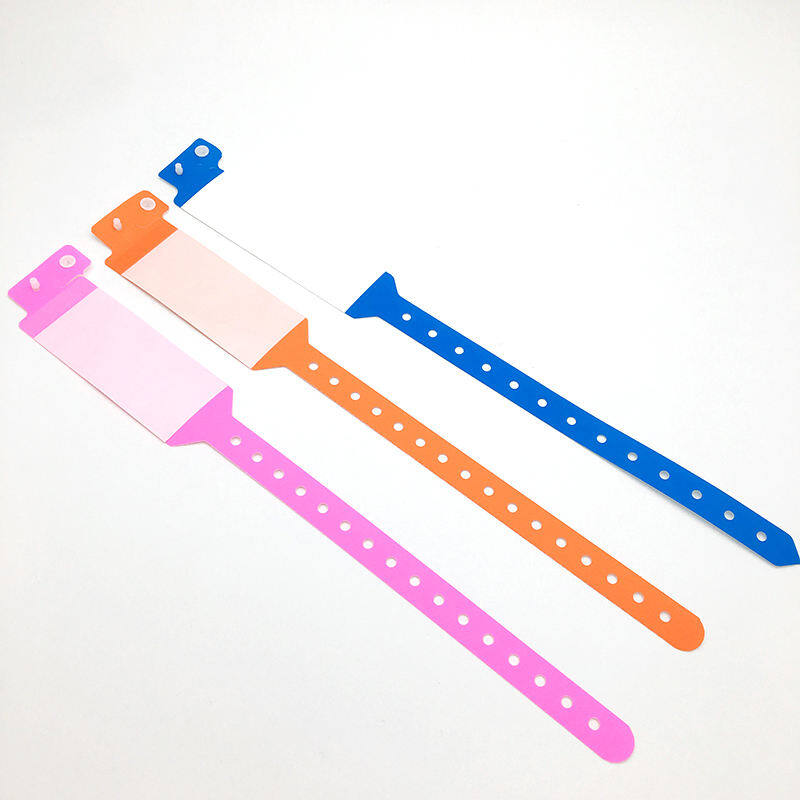
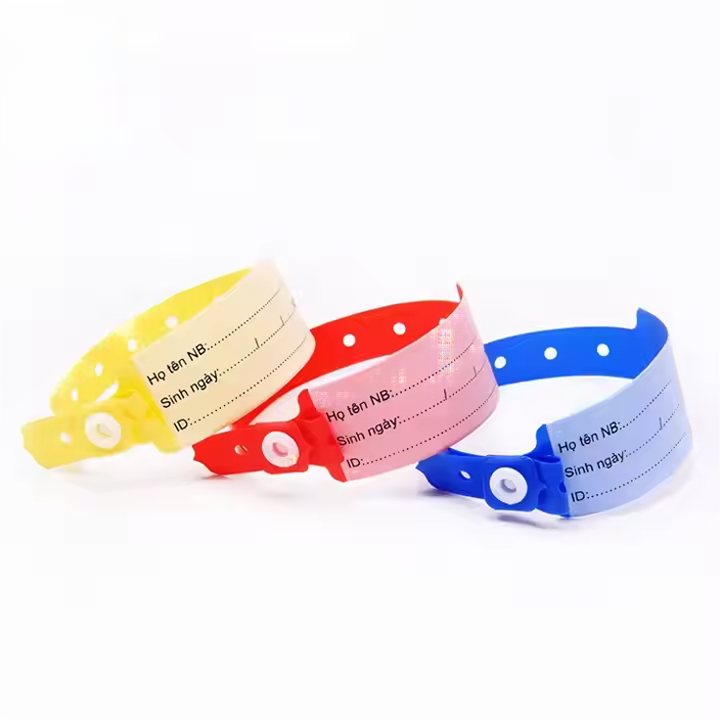
Clip closures use a mechanical fastener—typically a plastic snap, buckle, or clip—to secure the band. The band material passes through the clip and is locked in place. Some clip closures are reusable within the same band, allowing adjustment; others are designed for one-time locking.
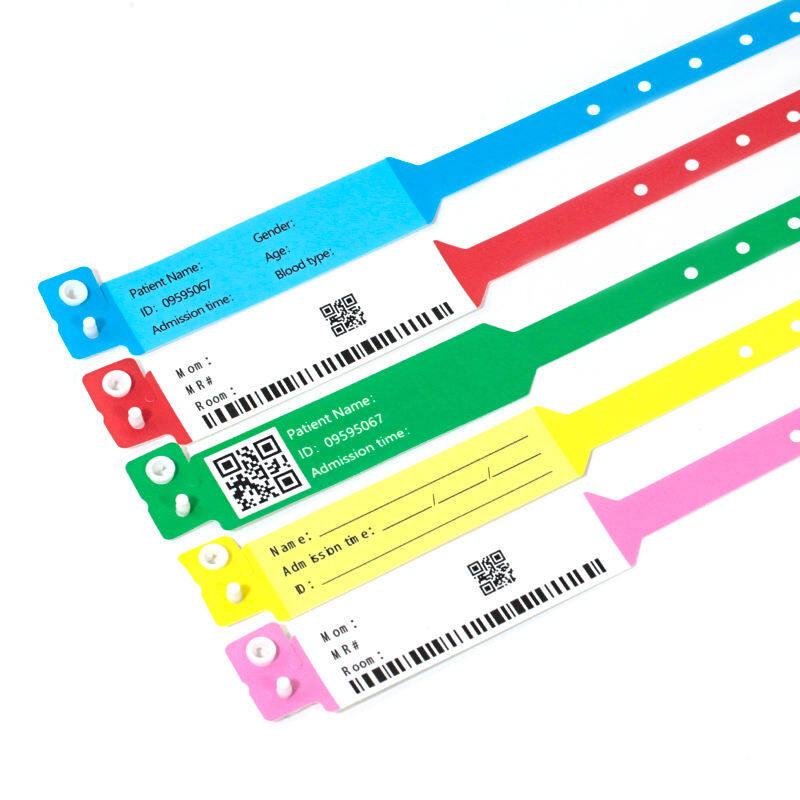
Clip closures are common in higher-end wristbands, including those used for long-stay patients, RFID-enabled bands, and tamper-evident products.
Advantages of Clip Closures
Moisture Resistance: Clip closures do not rely on adhesives, so moisture does not compromise the closure. This is a significant advantage in ICU settings where patients may be diaphoretic or incontinent.
Chemical Resistance: Clip closures are generally unaffected by alcohol, chlorhexidine, and other disinfectants that degrade adhesives.
Adjustability: Many clip closures allow the band to be loosened or tightened as limb circumference changes, which is valuable in patients with edema or fluid shifts.
Reusability Within Patient: Some clip closures can be opened and reclosed, allowing the band to be repositioned without replacement.
Tamper Evidence: Many clip closures are designed to show visible evidence of tampering, providing security.
Durability: Clip closures are generally more durable than adhesive closures, particularly in moist or chemically challenging environments.
Limitations of Clip Closures in ICU
Higher Cost: Clip closures are more expensive than adhesive closures, increasing the per-unit cost of wristbands.
Bulkier Profile: Clip closures protrude from the band, creating a potential snagging hazard. In ICU settings where patients are turned and repositioned frequently, this can lead to accidental dislodgement.
Application Complexity: Clip closures may require two hands to apply, which can be challenging in emergency situations or when staff are wearing gloves.
Skin Pressure: If the clip is positioned over a bony prominence or is applied too tightly, it can cause pressure injury. Careful placement is essential.
Patient Comfort: Some patients find clip closures less comfortable than adhesive bands, particularly if the clip is bulky or if the band is adjusted frequently.
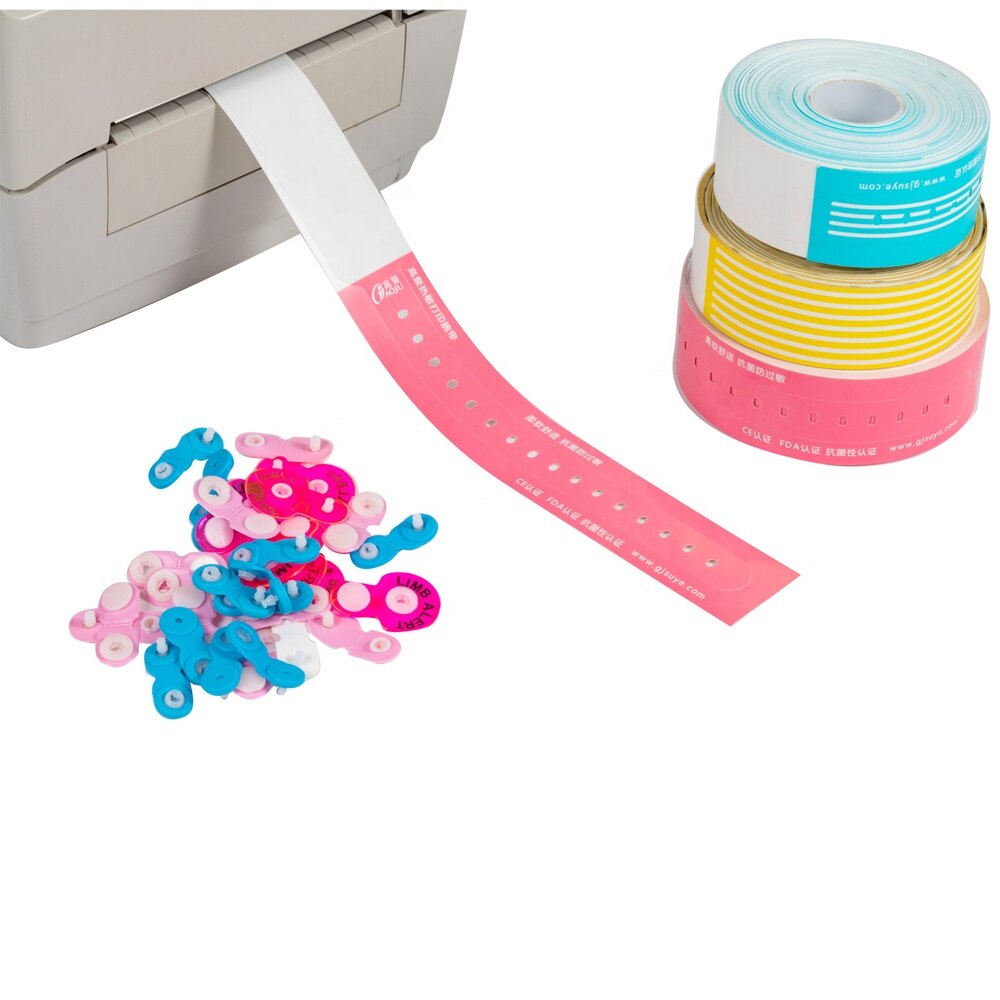
Compatibility with Printers: Not all clip-closure wristbands are compatible with all thermal printers. Facilities must ensure that their printing equipment supports the chosen product.
Direct Comparison: Adhesive vs Clip Closures in ICU Conditions
| ICU Condition | Adhesive Closure | Clip Closure |
|---|---|---|
| Moisture and Humidity | Poor performance. Adhesives lose tack when wet. Sweat, bathing, and incontinence can cause band loss. Not recommended for diaphoretic or incontinent patients. | Excellent performance. Moisture does not affect the closure mechanism. Recommended for ICU patients who are diaphoretic or incontinent. |
| Chemical Exposure | Poor performance. Alcohol, chlorhexidine, and other disinfectants can dissolve or weaken adhesives. | Excellent performance. Chemicals do not affect the mechanical closure. Recommended for ICU patients exposed to frequent disinfection. |
| Edema and Fluid Shifts | Limited. Once applied, adhesive bands cannot be adjusted. Edema may cause the band to become too tight, requiring replacement. | Good. Many clip closures allow adjustment as limb circumference changes. Recommended for patients with or at risk of edema. |
| Physical Stress | Moderate. Adhesive bands have a low profile and are less likely to snag, but the adhesive bond can fail under repeated stress. | Moderate. Clip closures are durable but may snag on bedding or tubing. Careful placement and securement reduce this risk. |
| Skin Integrity | Risk of skin damage on removal. Repeated application and removal can strip fragile skin. | Lower risk of skin damage. The band can be removed without adhesive trauma, though pressure from the clip must be monitored. |
| Cost | Lower cost per unit. | Higher cost per unit, but potentially lower total cost if fewer replacements are needed. |
| Application Speed | Fast, often one-handed. | May require two hands and more time. |
Clinical Evidence and Practical Experience
What the Literature Says
Research on wristband performance in clinical settings supports the general observation that adhesive closures are more vulnerable to failure in challenging environments. One study of wristband contamination in surgical patients found that bacterial growth was common on wristbands, highlighting the importance of materials that can withstand cleaning and disinfection without losing integrity.
Clinical guidance increasingly emphasizes the importance of wristbands that remain legible and securely attached throughout the patient's stay, particularly in critical care settings where patients may be unable to advocate for themselves.
Practical Experience in ICUs
ICU nurses and educators consistently report that adhesive wristbands are more likely to fail in patients who are diaphoretic, incontinent, or receiving frequent wound care. Clip closures are generally preferred for these patients because they maintain security regardless of moisture or chemical exposure.
However, clip closures are not without problems. Snagging on bedding and tubing is a common complaint, and some nurses find clip closures more difficult to apply in emergencies. The choice often depends on the specific patient population and the unit's workflow.
Hybrid and Alternative Solutions
Adhesive Bands with Enhanced Features
Some manufacturers offer adhesive bands with enhanced adhesive formulations designed to resist moisture and chemicals. These products may perform better in ICU settings than standard adhesive bands, but they still have limitations.
Clip Bands with Low-Profile Designs
Some clip closures are designed to be low-profile, reducing snagging risk while maintaining the security and moisture resistance of a mechanical closure. These products may offer the best of both worlds for ICU patients.
Combination Approaches
Some facilities use adhesive bands for short-stay or low-risk patients and clip bands for ICU patients or those with risk factors for band failure. This approach balances cost and performance.
Recommendations for ICU Wristband Selection
For Patients at High Risk of Band Failure
Choose clip closures for patients who are:
Diaphoretic or incontinent
Receiving frequent wound care or bathing
At risk of edema or fluid shifts
Expected to have a prolonged ICU stay
Confused or agitated and likely to tug at the band
For Patients at Lower Risk
Adhesive closures may be appropriate for patients who are:
Hemodynamically stable
Not diaphoretic or incontinent
Expected to have a short ICU stay
Able to cooperate with care
For All ICU Patients
Regardless of closure type, the following practices support safe wristband management:
Assess regularly: Check wristband security and condition at least once per shift.
Replace promptly: Replace bands that are loose, damaged, or illegible.
Document: Record wristband application, replacement, and condition in the patient record.
Educate staff: Train ICU staff on proper application and assessment of both closure types.
Monitor outcomes: Track band failure rates and use this data to inform product selection.
Conclusion
In the intensive care unit, the choice between adhesive and clip closures for patient wristbands has significant implications for patient safety and workflow efficiency. Adhesive closures are cost-effective and easy to apply, but they are vulnerable to moisture, chemicals, and the physical stresses of critical care. Clip closures are more expensive and bulkier, but they offer superior durability and security in challenging environments.
For ICU patients—particularly those who are diaphoretic, incontinent, edematous, or expected to have prolonged stays—clip closures are generally the better choice. For lower-risk patients, adhesive closures may be sufficient.
Ultimately, the best approach is to match the closure type to the patient's condition and the unit's needs. By understanding the strengths and limitations of each option, healthcare facilities can make informed decisions that protect patient identification and support safe, efficient care in the most demanding clinical environments.
Continue Reading
Have Questions About Wristbands?
Our team is ready to help you find the perfect wristband solution for your needs. Contact us directly on WhatsApp for quick responses.
Contact on WhatsApp