
The "Correct Posture" and Patient Safety: An In-Depth Exploration of the Patient Wristband as a Patient's "Identity Card" — Examining Proper Application, Clinical Significance, and Common Pitfalls
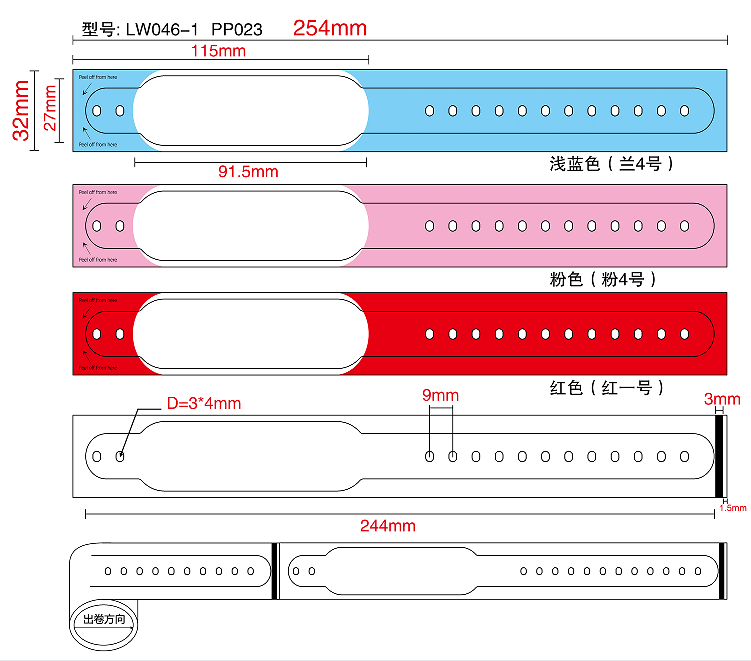
In the high-stakes environment of modern healthcare, the margin between a correct intervention and a catastrophic error can be as narrow as a single misread character. While advanced electronic health records and sophisticated diagnostic tools dominate the conversation around medical technology, one of the most fundamental and critical tools for ensuring patient safety remains the simple patient wristband. This humble identifier serves as the patient's "identity card" throughout their healthcare journey, a constant, visible link between an individual and their medical record. However, its effectiveness is entirely contingent upon the "correct posture" — a term that encompasses meticulous application, consistent usage, and a deep understanding of its role in patient identification. This article delves into the professional intricacies of patient wristbands, exploring their clinical significance, the empirical research surrounding their use, and the common clinical errors that compromise patient safety.
The Imperative of Accurate Patient Identification
The foundation of all healthcare delivery rests upon accurate patient identification. Before any procedure, medication administration, blood transfusion, or diagnostic test, clinicians must answer a single, non-negotiable question: "Is this the right patient?" The consequences of failing to answer this correctly are known as wrong-patient errors, and they represent a significant category of preventable adverse events. These errors can manifest as medication errors, unsafe surgical procedures, incompatible blood transfusions, and diagnostic errors.
The Joint Commission, a global driver of healthcare quality and safety, has consistently recognized patient identification as a National Patient Safety Goal, mandating the use of at least two patient identifiers (never the room number) to ensure the correct patient receives the correct care. In this context, the patient wristband is the most pervasive and practical tool for compliance. It provides a physical, durable, and readily accessible means of linking the patient to their unique medical record number, name, and date of birth. Studies, however, have shown that wristbands are "not being used to their full potential." This gap between policy and practice is where patient safety is most at risk.
The Anatomy of a Safe Wristband System
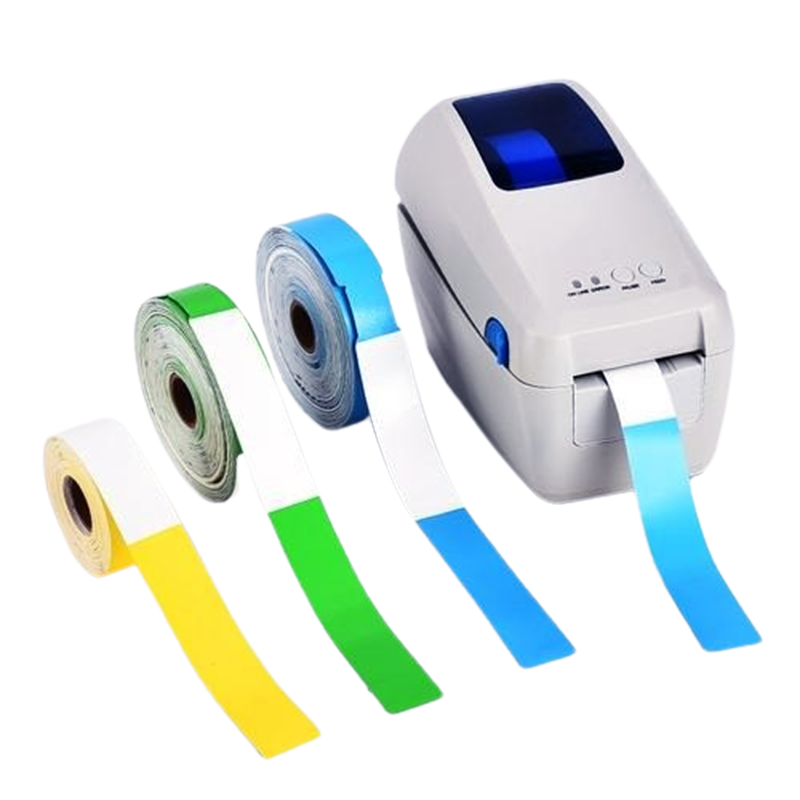
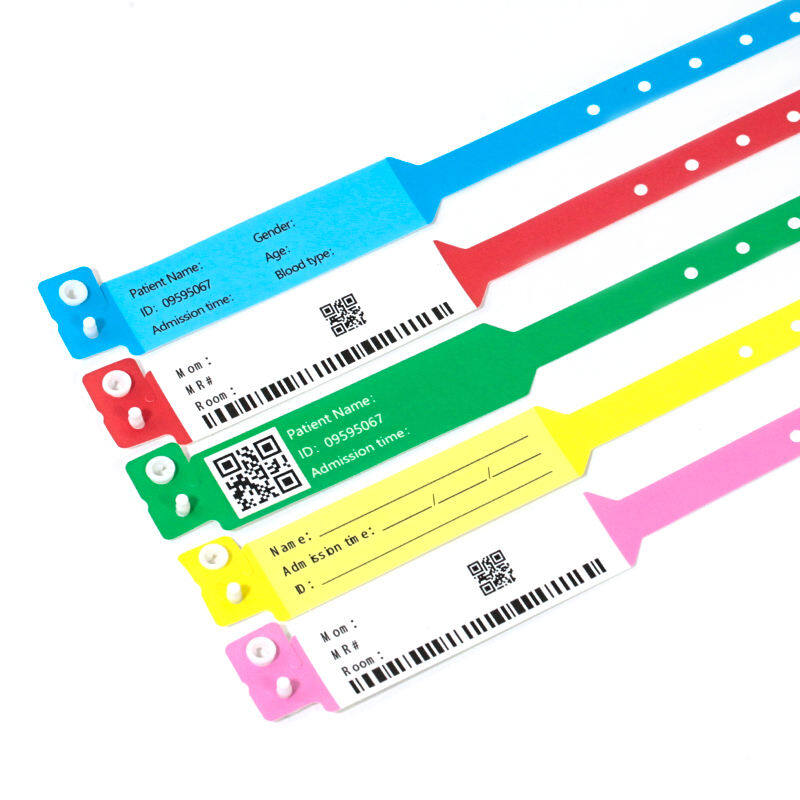
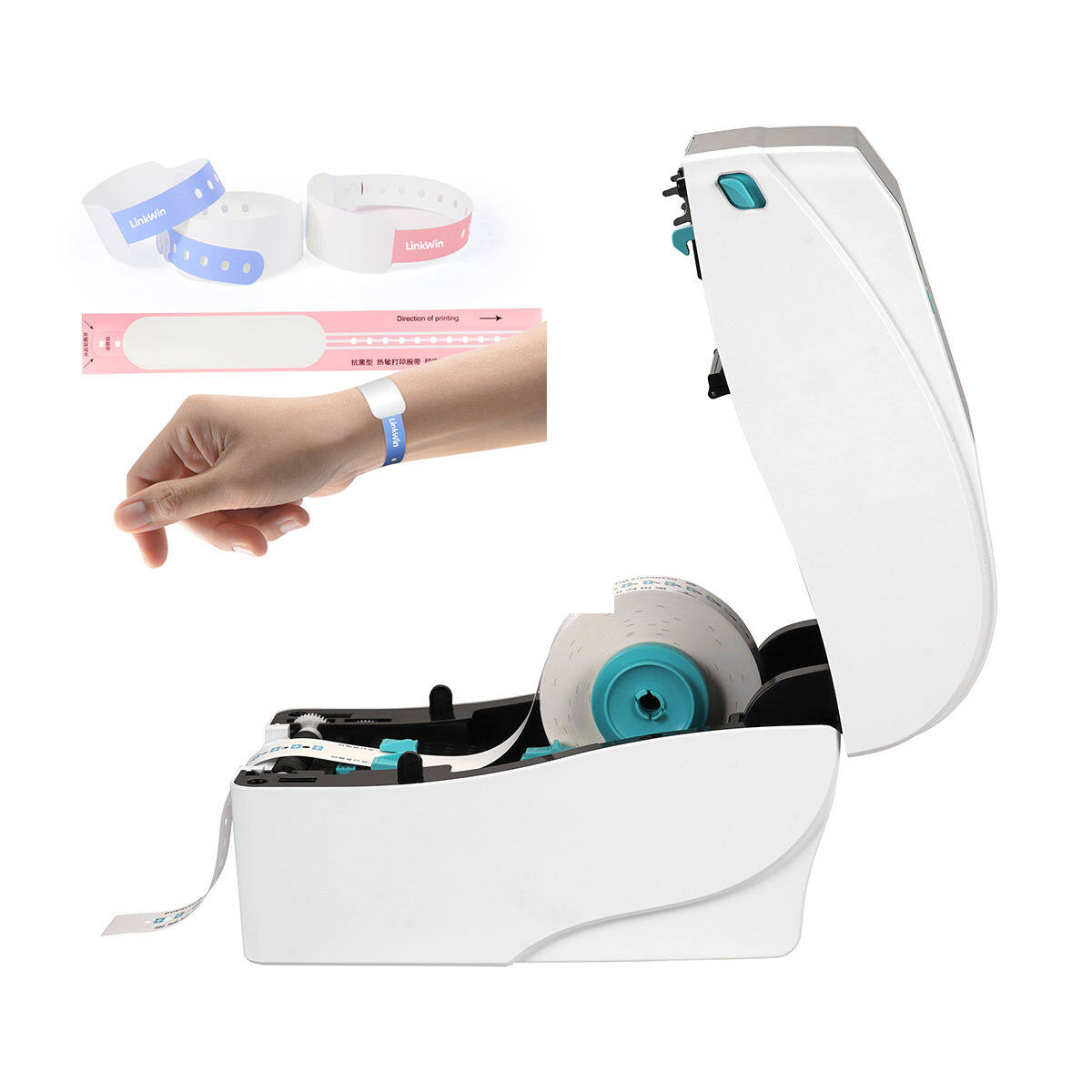
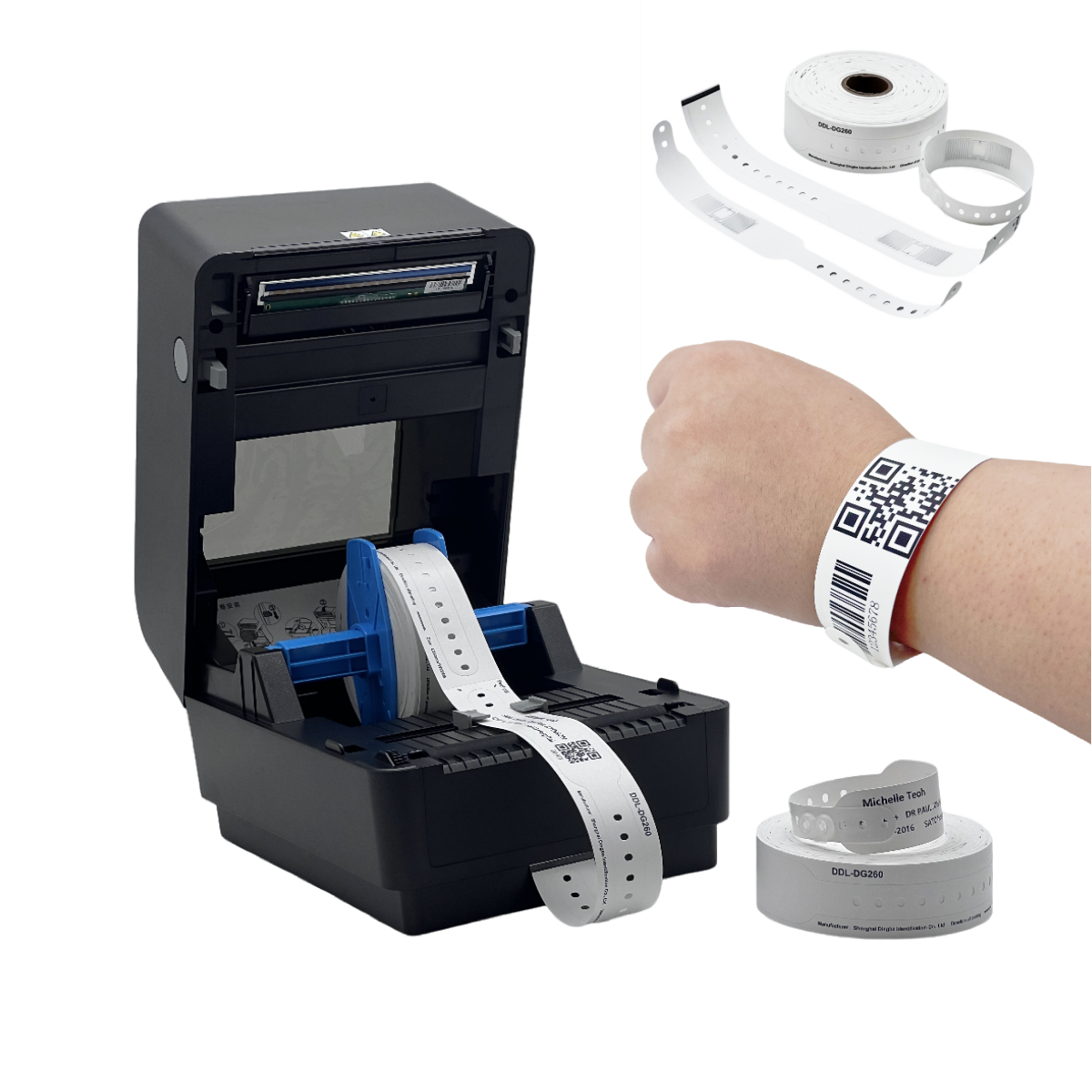
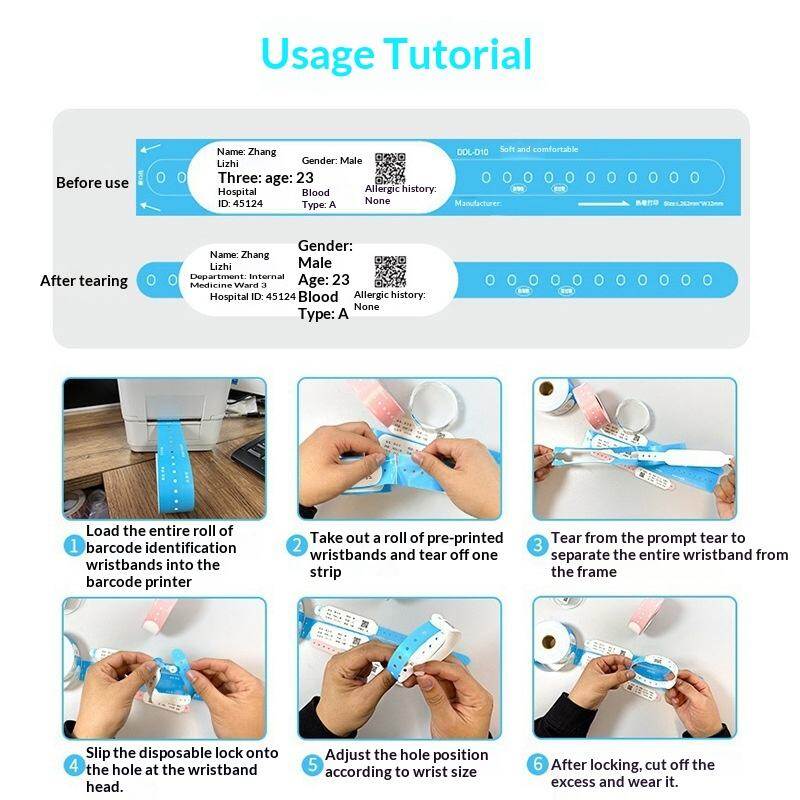
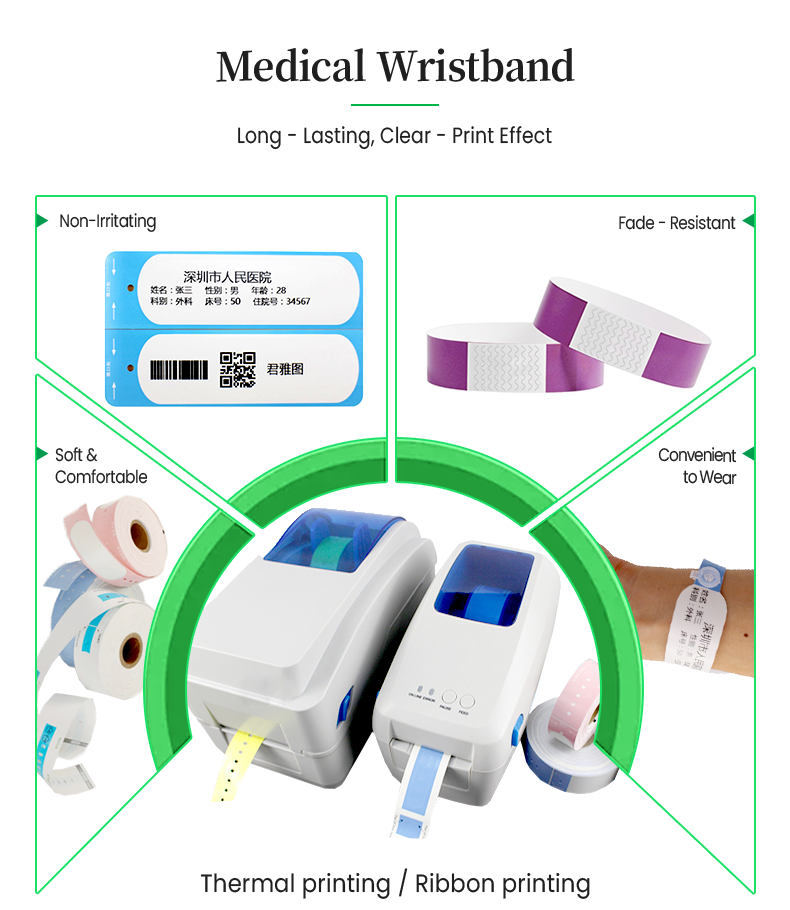
A robust patient wristband system is more than just a strip of plastic or paper. It is an integrated component of the hospital's broader safety ecosystem. The information encoded on the band must be durable and scannable, typically through a barcode or QR code, enabling seamless integration with the electronic health record (EHR). A direct thermal printer, often stationed at the admission or triage point, produces wristbands with high-contrast color schemes and legible fonts, ensuring that the data remains accessible under the variable lighting conditions of a clinical environment. The choice of font size is critical; small, dense text is a common readability issue, while standardized text, such as "ALLERGY" in bold, plain language, provides a robust visual cue.
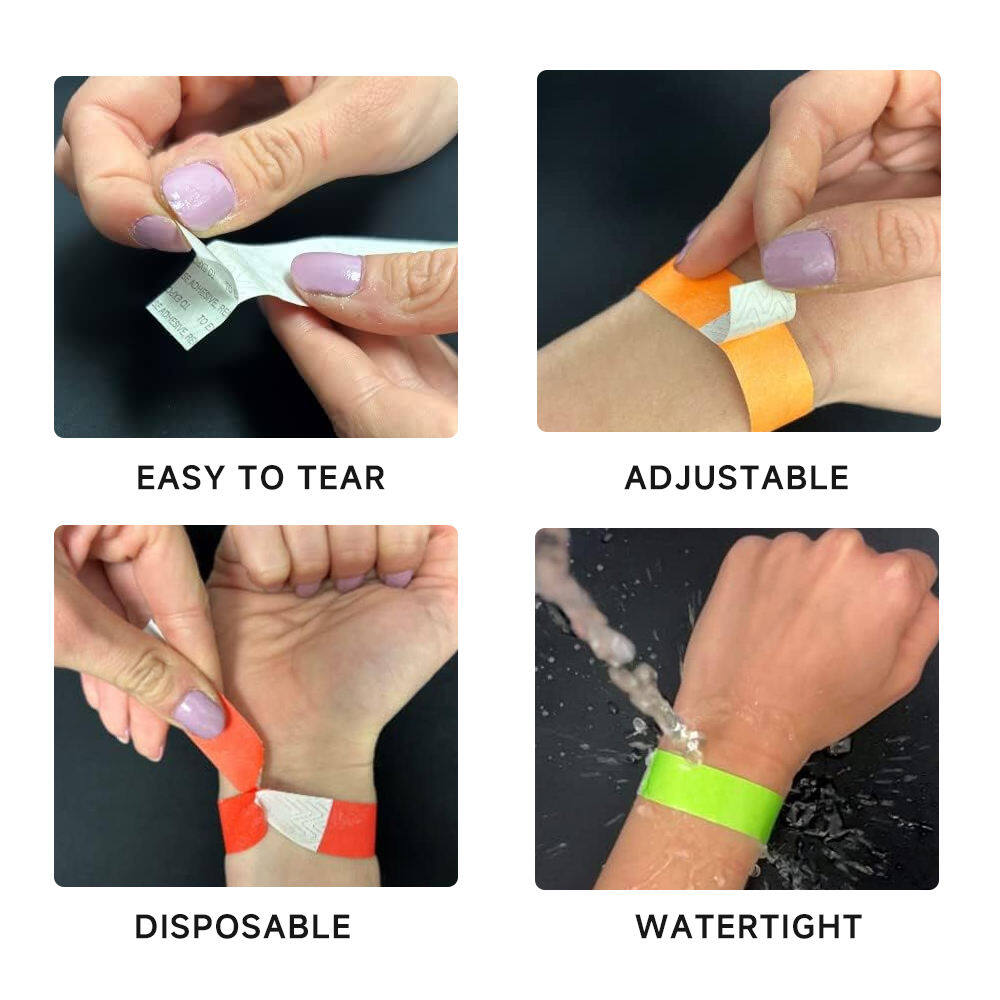
Furthermore, the physical properties of the wristband itself are paramount. They must be waterproof, durable, and resistant to soap, alcohol, and common hospital chemicals to remain intact and legible throughout a patient's stay. They must also be latex-free and hypoallergenic to prevent adverse skin reactions. The constant presence of the wristband ensures that even when a patient is unresponsive — during surgery, following a fall, or in an altered mental state — their identity and critical medical information are immediately accessible.
Decoding the Color-Coded Spectrum: Standardization and its Perils
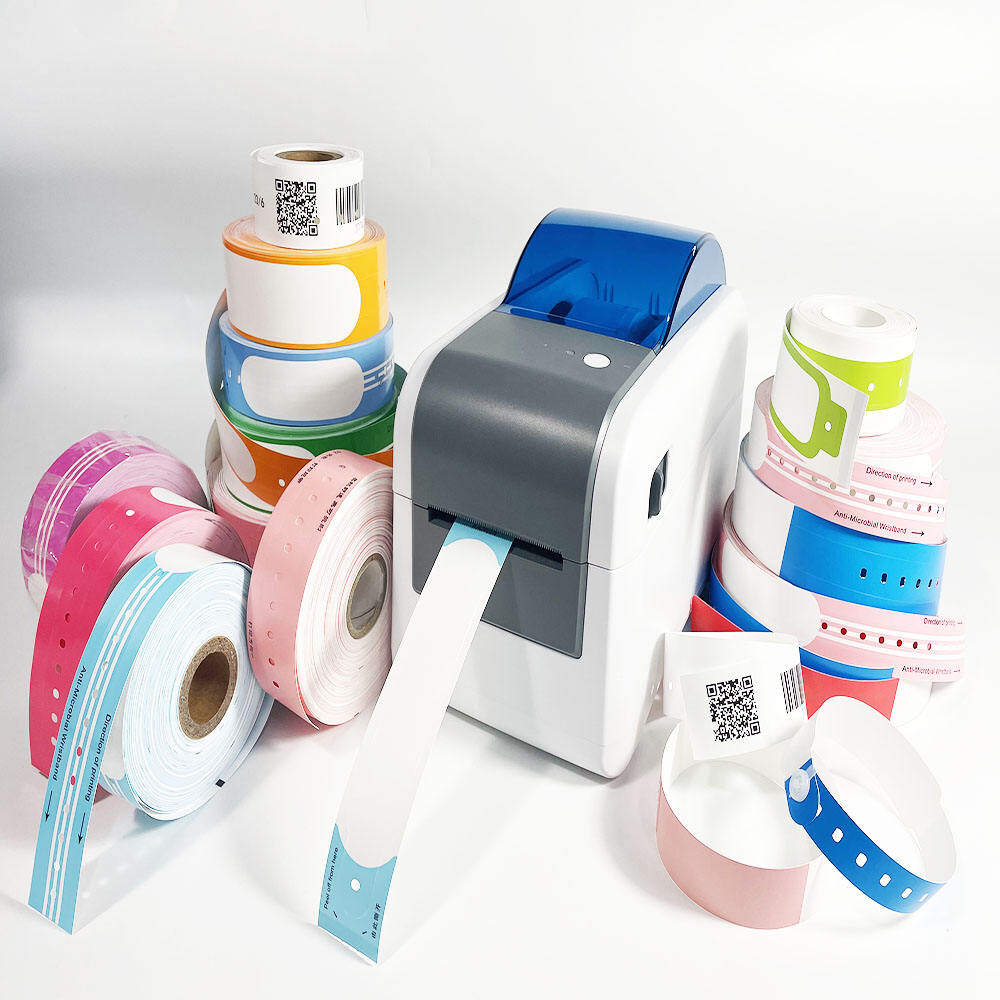
The use of color-coded wristbands is a widely adopted practice to communicate specific patient risks or statuses at a glance. This visual shorthand, however, is fraught with potential for error if not standardized. A seminal case that highlighted this danger involved a patient who almost died after a traveling nurse incorrectly applied a "Do Not Resuscitate" (DNR) wristband due to a misunderstanding of that specific facility's color scheme. This incident sparked a national movement, led by the Pennsylvania Patient Safety Authority (PSA), to standardize the meaning of colors across the United States.
The American Hospital Association (AHA) subsequently proposed a standardized system, recommending:
- Red for allergies (commonly referred to as an allergy alert).
- Yellow for fall risk.
- Purple for do not resuscitate (DNR).
- Pink for restricted extremities (e.g., "no blood draws/IV on this arm").
While over 20 states have adopted these recommendations, the lack of universal implementation remains a significant challenge, especially in a healthcare landscape with frequent inter-facility transfers and traveling clinicians. Relying solely on color is dangerous for two primary reasons: color blindness can affect up to 8% of the male population, and visual cues can be obscured in dim lighting or by patient clothing. The best practice is to use wristbands that are preprinted with text clearly identifying the alert (e.g., "ALLERGY," "FALL RISK"), which also helps to eliminate the chance of confusing wristband colors with overhead alert messages. Removing non-facility or "community" wristbands (e.g., charity bands) upon admission is also a critical safety step to avoid misinterpretation.

Common Clinical Errors and Clinical Missteps: An Analysis of Practice
Despite clear policies, clinical errors related to patient wristbands are distressingly common. Understanding these errors is the first step toward eliminating them.
Failure to Apply or Replace Wristbands
A series of audits in a Dublin university hospital revealed a sobering reality: on average, approximately 10% of patients were found without appropriate identification on a given day. The reasons for this non-compliance were varied, including wristbands falling off, patient confusion, and patient choice (refusal). Most alarmingly, patients with altered mental status were sometimes found with their wristband on the bedside table instead of on their person. This renders the patient essentially anonymous and highly susceptible to wrong-patient interventions. This error is particularly acute in emergency patients, where a delay in applying a wristband can delay urgent, life-saving treatment.

Failure to Use the Wristband to Verify Identity
Having a wristband is useless if clinicians do not use it as a verification tool. Ethnographically guided task analyses have shown that wristbands are more consistently utilized during high-risk procedures like blood transfusions and medication administration than during patient transfers or during handovers of care. This inconsistency is a major safety gap, as handoffs are known to be periods of high vulnerability for medical errors. A staggering example of this is a case where a phlebotomist, pressed for time, bypassed proper point-of-care identification and had a random nurse at the nurses' station sign off on labels for a patient's blood tubes. A lab technician later caught the error when a hemoglobin result did not match the patient's previous value. The root cause was a failure to follow ID verification protocols.
Issues with Legibility and Barcode Scanning
Wristbands that are faded, illegible, or have un-scannable barcodes are just as dangerous as missing ones. In the Dublin audit, a significant percentage of wristbands were deemed unusable because of faded or illegible data. Printing errors, such as printer jams or smudged direct thermal print, can lead to wasted time and frustrated staff, but more critically, they can lead to wrong-patient errors when the data is manually read and incorrectly entered. Any issue with the barcode is a potential risk to patient safety.
Errors of Omission and Commission in Color-Coding
The patient safety event that almost led to a patient not being resuscitated because of an incorrectly placed DNR wristband is a classic example of commission. It underscores the need for robust protocols. A study of the Patient Identification SAFER Guide for EHR resilience stresses the importance of electronic patient identification, including barcoding, to reduce such errors. Errors of omission include failing to document a patient's allergy and applying a "No Allergy" wristband to a patient with a known allergy. Patients wearing a "no allergy band" are sometimes treated as if they have no allergy, which can be catastrophic. Best practice dictates that only clinical staff, such as a nurse, be allowed to apply or remove wristbands.
Enhancing Safety: Practical and Processual Interventions
The shift toward a safer environment requires a multifaceted approach that addresses both the technical and the human factors involved.
Standardized Education and Checklists
A perioperative department's successful project to reduce patient ID events underscores the value of a standardized education and a dedicated patient identification checklist. By developing a laminated checklist, relocating printers for ease of use, and conducting in-person audits, a baseline of five safety events was reduced to zero. This project highlights that "not verifying patient information is a top causal factor" and that adherence to checklists is dependent on employee engagement. This exemplifies how a near miss can be turned into a "Never Event" prevention success.
Proactive Application and Reassessment
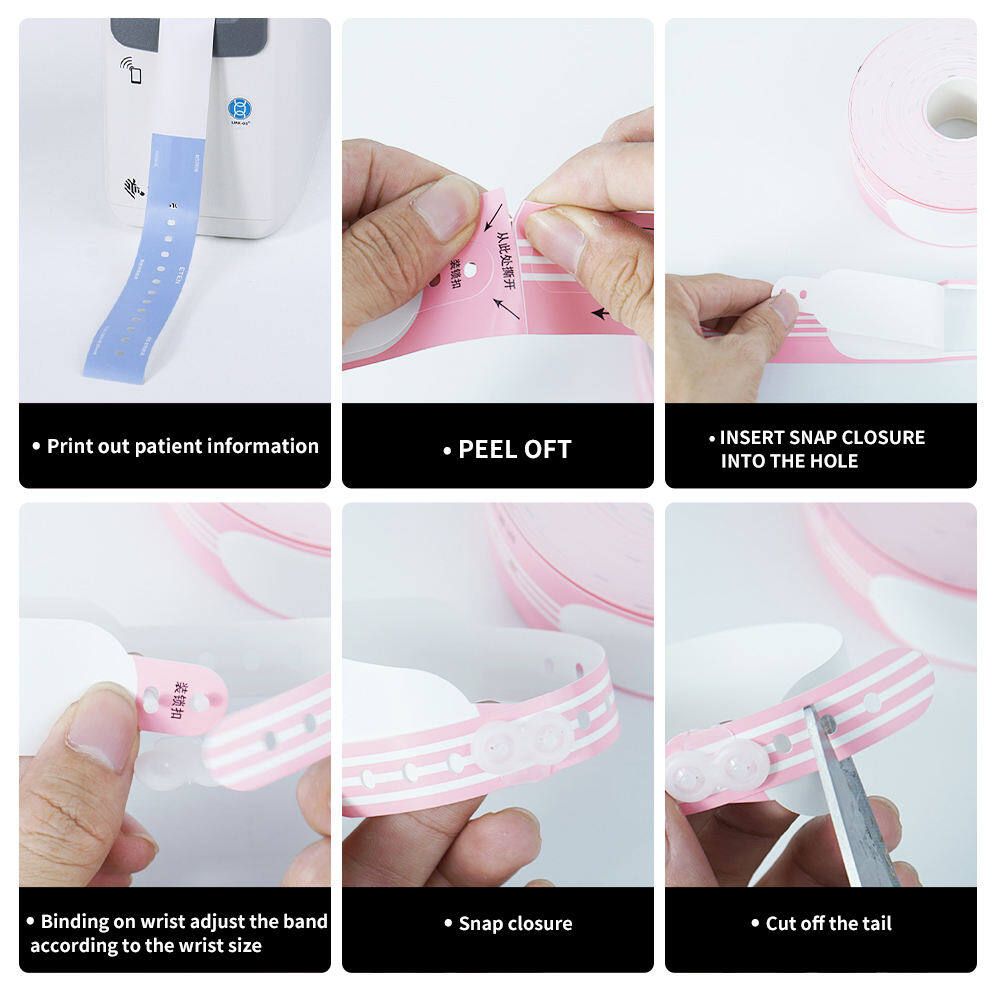
Wristband protocols must be proactive. This includes advance preparation for elective admissions — but with a crucial caveat: preparing a band without the patient present can risk erroneous data or misapplication. The correct posture involves verifying all data with the patient at the point of care. Reassessment is key; the appropriateness of risk-specific wristbands (e.g., fall risk) should be ongoing and scheduled at intervals, including before invasive procedures, at transfer, and during changes in level of care. If a wristband needs to be removed, applying a new one to another extremity before removing the old one is a simple but effective step to ensure continuous identification.
Patient and Family Engagement
Involving the patient and family is a cornerstone of safety. Educating them on the purpose of the wristband, asking them to report if a band falls off, and explaining the meaning of color-coded alerts not only empowers them but also creates a second layer of surveillance. The patient can be a check against their own potential misidentification. The use of two-way communication and asking the patient to state their full name and date of birth, rather than just confirming a statement, is a powerful and recommended method of verification.
The Future of Patient Identification: Innovation and Integration
While this article focuses on the correct posture for traditional wristbands, it is essential to acknowledge the evolution of the technology. The integration of radiofrequency identification (RFID) chips allows for longer-range tracking and additional features, though these are more expensive and require an encrypted communication network. Biometric identification and the use of patient photographs are also being strengthened in new national safety guidance, with the updated SAFER Guide strongly recommending these methods to support accurate identification at registration and the point of care.
However, these technological advancements do not negate the importance of the physical wristband. Instead, they build upon its fundamental purpose. Whether the identifier is a barcode, an RFID chip, or a patient photograph, the human factor remains the most critical variable. The wristband is only as effective as the processes supporting it. As one analysis concluded, "attention to detail in application and use, especially during handover and transfer... may offer further gains in patient safety."
Conclusion
The patient wristband is an indispensable tool in the modern healthcare arsenal, acting as the patient's identity card to protect them from the inherent risks of complex medical systems. Its correct use, or the "correct posture," is a reliable indicator of an organization's commitment to patient safety and quality care. The evidence is clear: the clinical impact of failing to properly apply, maintain, and utilize these devices is severe. From simple durability failures to catastrophic errors like administering a drug to the wrong patient due to a missing band, the stakes are incredibly high.
The path forward lies in relentless attention to detail. It requires standardized education, rigorous adherence to verification protocols, the consistent use of checklists, and a system-level focus that involves clinical and non-clinical staff. While technology like RFID and biometrics offers promise, they are complements to, not replacements for, the foundational practice of physically and accurately identifying a patient at every point of care. By recognizing the wristband not as a mundane piece of administrative supply, but as a critical safety device, healthcare professionals can significantly reduce the risk of misidentification errors, ensuring that every patient receives the treatment that is rightfully theirs. As one report aptly stated, compliance on hospital wards must reach full adherence to truly minimize patient harm. This is not an aspirational goal but a fundamental requirement of safe, effective healthcare delivery.
Continue Reading
Previous Article
The Silent Guardians: How Patient Wristbands Safeguard the Most Vulnerable — A Deep Dive into Surgical, Comatose, Dementia, and Neonatal Care
Next Article
The Critical Role of Maternal-Infant Matching Wristbands in Obstetric Safety: A Comprehensive Analysis of Technology, Protocols, and Best Practices
Have Questions About Wristbands?
Our team is ready to help you find the perfect wristband solution for your needs. Contact us directly on WhatsApp for quick responses.
Contact on WhatsApp