
The Critical Role of Maternal-Infant Matching Wristbands in Obstetric Safety: A Comprehensive Analysis of Technology, Protocols, and Best Practices
Introduction: The Unwavering Priority of Newborn Identification
In the complex ecosystem of modern healthcare, few scenarios evoke as much collective anxiety and systemic vigilance as the prospect of a newborn being separated from its mother or, in the most catastrophic error, being placed with the wrong family. The emotional, legal, and psychological ramifications of such an event are profound, making the implementation of robust, foolproof identification systems in maternity wards an absolute clinical and ethical imperative.
The cornerstone of this protective infrastructure is the maternal-infant matching wristband system. More than a simple plastic strap, this device represents a meticulously designed protocol that integrates human factors, advanced materials science, and increasingly sophisticated electronics to create a bond of verification between mother and child. This blog delves deeply into the multifaceted world of maternal-infant pairing systems, exploring their evolution, the technology that powers them, the clinical protocols that govern their use, the alarming consequences of failure, and the future trajectory of newborn safety.
The Anatomy of a Matching System: More Than Just a Band
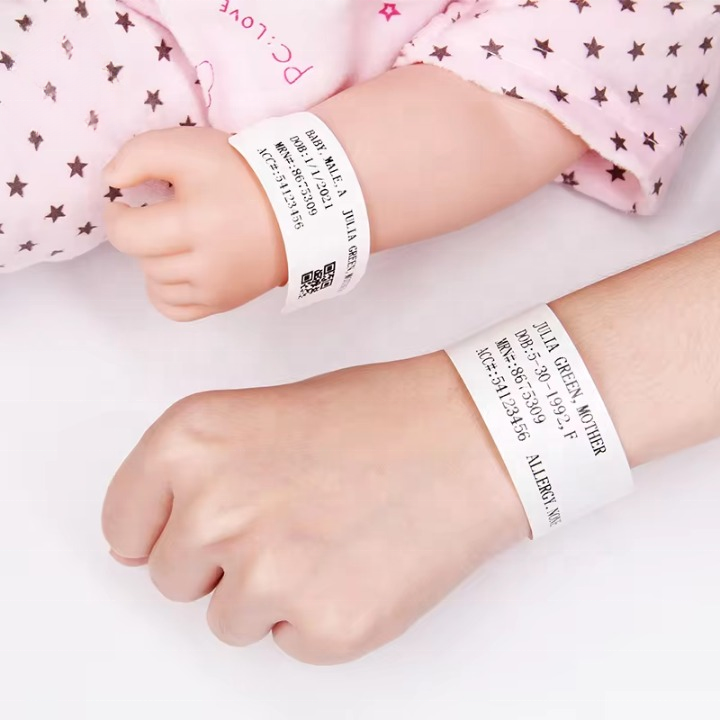
A comprehensive infant and parent identification and security system is not a single item but a network of components working in concert. At its most fundamental level, it consists of an identification tag — often a wristband for the mother and an ankle or wristband for the infant — embedded with or accompanied by unique identifiers.
The Physical Identifier: The Wristband and Ankle Band
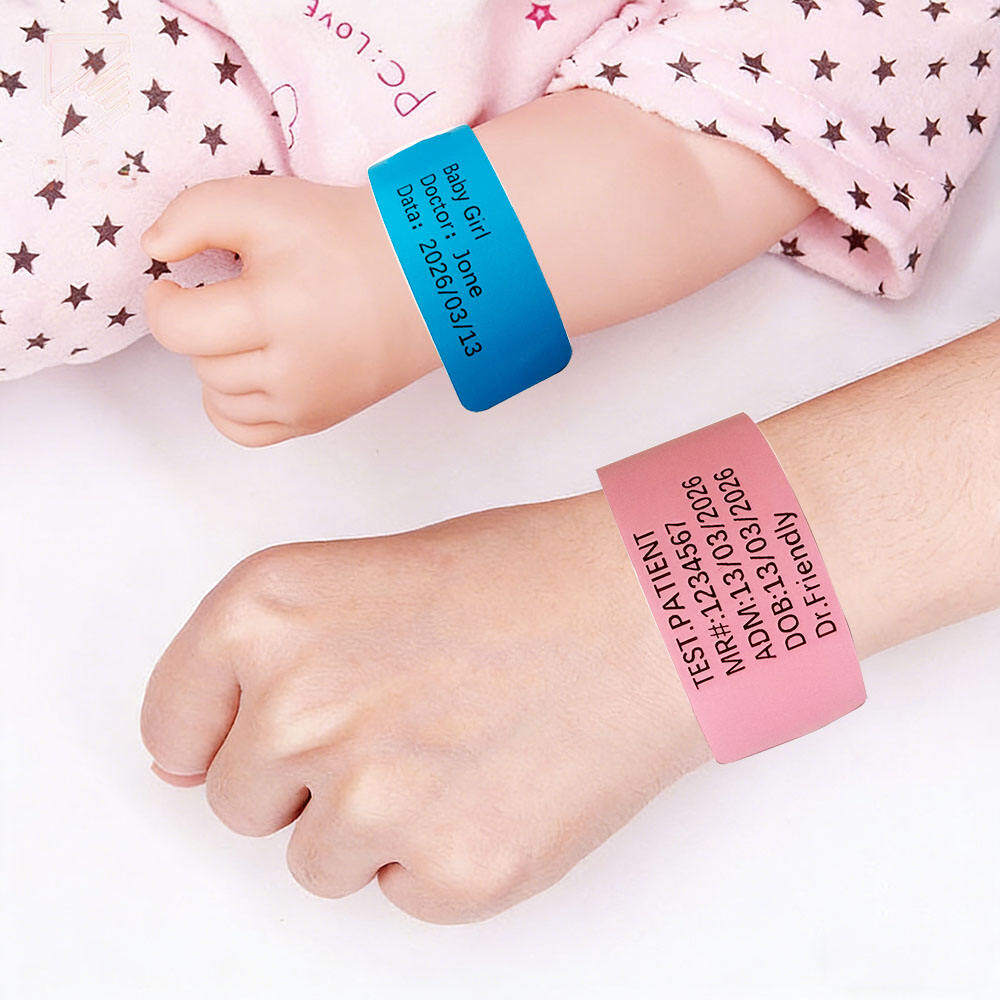
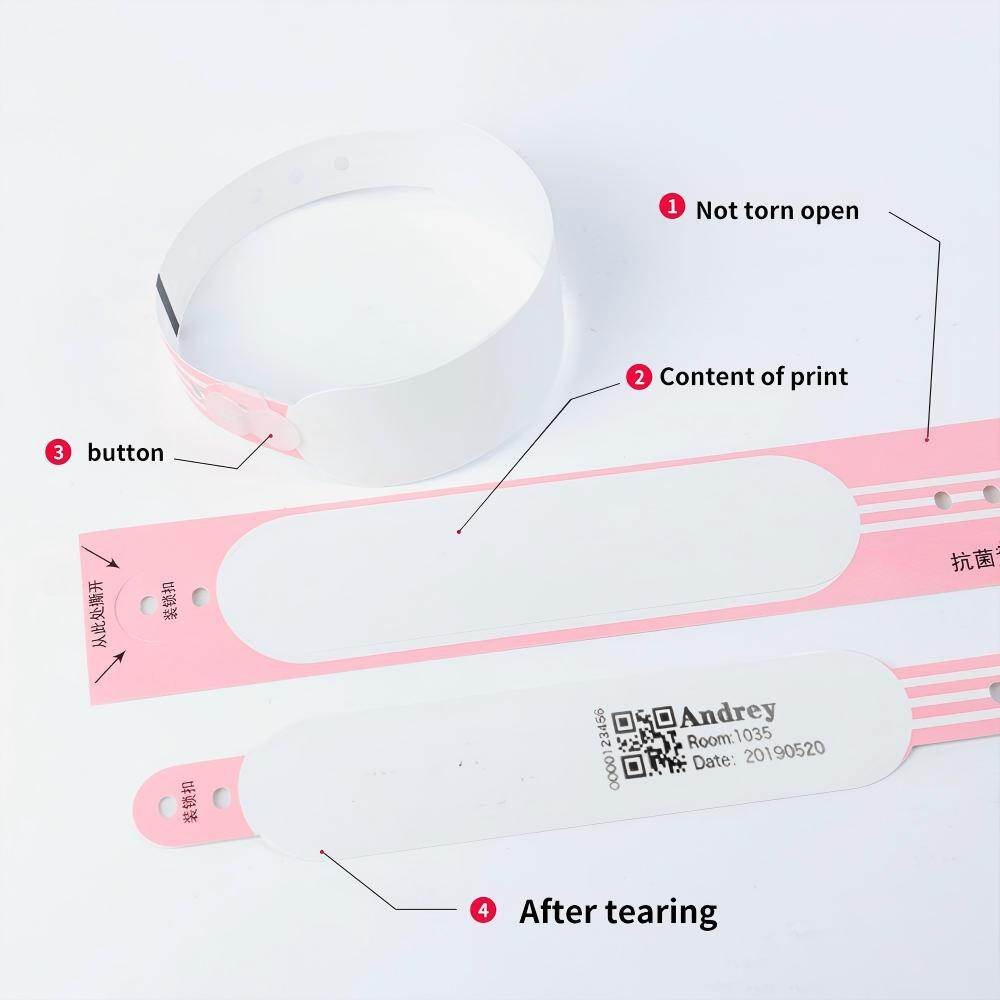
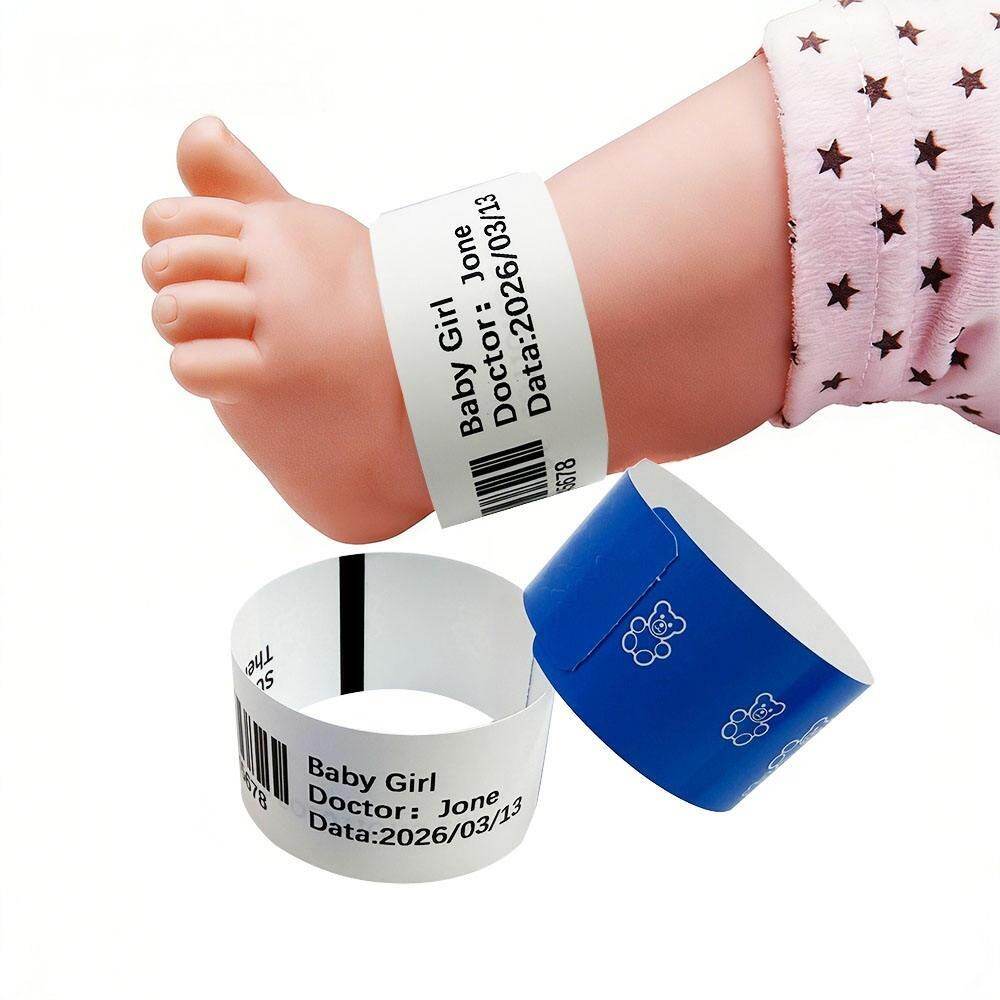
The physical bands are the most visible aspect of the system. In most leading healthcare institutions, such as Massachusetts General Hospital, both parents and the baby receive bracelets featuring identical information. This typically includes the mother's last name, the baby's medical record number, and often, the baby's sex, birth date, and time. The use of both wrist and ankle bands for the infant provides an immediate redundancy, ensuring that if one band is compromised — for instance, if the wristband slips off a newborn's tiny arm — the ankle band remains as a secondary, fail-safe identifier. The requirement that these bands be physically matched and verified repeatedly during a hospital stay creates a simple yet powerful barrier against error.
The Electronic Guardian: RF and IR Security Tags
While the printed band facilitates manual verification, the electronic security tag, often referred to as a HUGS TAG or infant security tag, adds an invisible layer of protection. These tags are active electronic devices attached to the infant's band. They are typically part of a dual-mode system, often utilizing both infrared (IR) and radio frequency (RF) technology.
- Matching Mode (Infrared): In this mode, IR signals from the tags communicate with receivers located in rooms throughout the maternity ward. This allows the system to precisely and automatically determine proximity, ensuring that the mother and infant are correctly united. If the infant's tag does not match the mother's tag through proximity verification, an alert can be triggered.
- Security Mode (Radio Frequency): RF receivers are strategically positioned, often near exits of the maternity ward and throughout the hospital. These receivers constantly monitor for the unique RF signals emitted by the infant's tag. If a tagged infant is moved toward an off-limit area or an exit, the system detects the signal and initiates a response. This can trigger an audible alarm to notify staff, and in some sophisticated systems, it can even activate control mechanisms like automatic magnetic door locks to prevent the infant from being removed. The system is also designed to alert staff if the infant's tag does not match the mother's or, critically, if the tag is removed or cut off, thwarting a deliberate attempt to bypass the tracking alarm.
The Central Nervous System: Software and Alerting Units
The physical and electronic tags are only as effective as the software and alerting systems that manage them. This dedicated software forms the "brain" of the identification and tracking system. It processes signals from the various receivers, manages the data related to each mother-infant pair, and, crucially, controls the alerting unit. This unit is responsible for displaying information regarding the infant's location and notifying staff via visual or audible alerts when a security breach is detected. These systems are designed to prevent newborn and infant abductions and to prevent unauthorized movement of infants within the facility.
The Clinical Protocol: A Three-Step Pillar of Patient Safety
The most advanced technology is rendered useless without a rigorous clinical protocol to guide its application. The identification process in obstetric units is often structured around a standardized, multi-step protocol, which serves as a critical component of patient safety.
Research evaluating these protocols in maternity wards reveals key points of success and failure. A study in a Brazilian public maternity hospital found that while 90.9% of wristbands were easily accessible for checking, in 80.9% of cases, the wristband was not checked before nursing procedures. This highlights a profound gap between the availability of a safety tool and its consistent utilization. The study also found that in 76.8% of cases, the mother or caregiver was not instructed on wearing the wristband, underscoring a failure in patient engagement and education.
Another evaluation identified a three-step protocol as the standard:
- Identification of Components: Verifying that all necessary identification data (name, medical record number, date of birth) are present and match the patient's medical records. This step often has a high rate of compliance, for example, 93.4% in one study.
- Wristband Condition: Checking that the band itself is intact, legible, and securely fastened. This step is prone to lower compliance, with one study showing a compliance rate of 70%.
- Number of Wristbands: Ensuring that the correct number of bands are in place, especially for the infant. This can be the weakest link, with one study reporting a compliance of only 44.5% in the delivery room.
The overall compliance with these protocols can be alarmingly low. In one evaluation, general compliance in the delivery room was only 22.3%, compared to 58.5% in the obstetrics clinic. These findings, while specific to one institution, serve as a powerful reminder of the need for continuous training, auditing, and reinforcement of identification protocols among healthcare professionals. A study in a private hospital achieved a higher conformity index of 82.2%, indicating that effective management and training can significantly improve adherence to these safety protocols.
The Cost of Failure: Consequences of Protocol and Technology Breakdown
The consequences of a failure in the matching system are catastrophic. While infant abduction is a rare but terrifying possibility that these systems are designed to prevent, the more common, insidious error is misidentification.
Maternal-Infant Separation and Mismatching
A mismatch can occur if a baby is taken to the nursery and then returned to the wrong mother's room. The ability to compare the baby's band against the mother's and partner's band is the primary defense against this, which is why electronic verification is so critical. When a mismatch occurs, it creates a cascade of harmful events:
- Emotional and Psychological Trauma: The emotional trauma for the families involved is immense. The discovery that a child was incorrectly identified creates a profound bond of distrust and anxiety, potentially causing long-term psychological damage to the parents and a permanent fracture in the trust between the family and the healthcare institution.
- Legal and Financial Repercussions: These events invariably lead to significant legal action, including medical malpractice lawsuits, which carry massive financial settlements and damage the reputation of the hospital.
- Medical Errors: If a baby is mismatched, it could lead to the administration of the wrong medication, feeding formula that is not appropriate for the infant's condition, or failure to administer critical treatments for the correct infant's specific medical issues.
- Breastfeeding and Bonding Disruption: The critical "golden hour" for bonding and initiating breastfeeding is lost. The mother may have been incorrectly led to believe she was caring for her own child, disrupting the psychological and physiological processes of early attachment.
The "Never Event" of Infant Abduction
While misidentification is a more frequent risk, the "never event" of infant abduction remains a primary driver for the most advanced electronic security systems. These systems are specifically engineered to prevent an infant from being taken from the unit. The integration of an electronic security tag that sounds an alarm if it is cut off and triggers a lockdown at exit doors is a direct response to this horror. The alarm system, as described by UCLA Health, is a hospital-wide system with a clear protocol for immediate staff response.
Design and Materials: Addressing the Human Element
A wristband is only effective if it is worn, and it can only be worn if it is designed with the comfort and safety of the patient in mind.
Neonatal Dermatological Considerations
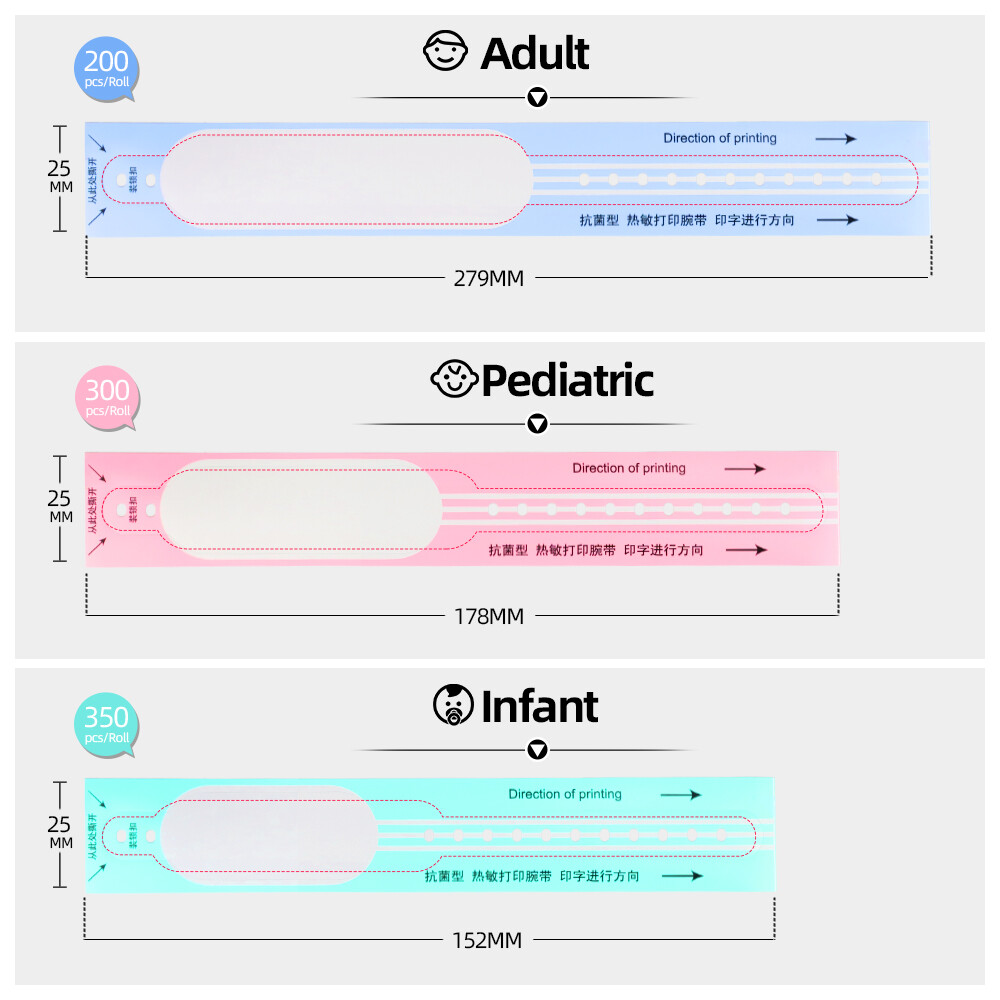
Newborns have incredibly delicate and sensitive skin. The choice of material for an infant's wristband or ankle band is therefore a clinical decision of significant importance. The bands must be made from hypoallergenic, non-irritating materials that are comfortable against the infant's fragile skin. They must be secure enough not to slip off, yet gentle enough not to cause chafing, abrasion, or pressure injuries. Modern materials like soft, medical-grade plastics and flexible silicone are often used to achieve this balance.
Ease of Use for Healthcare Staff
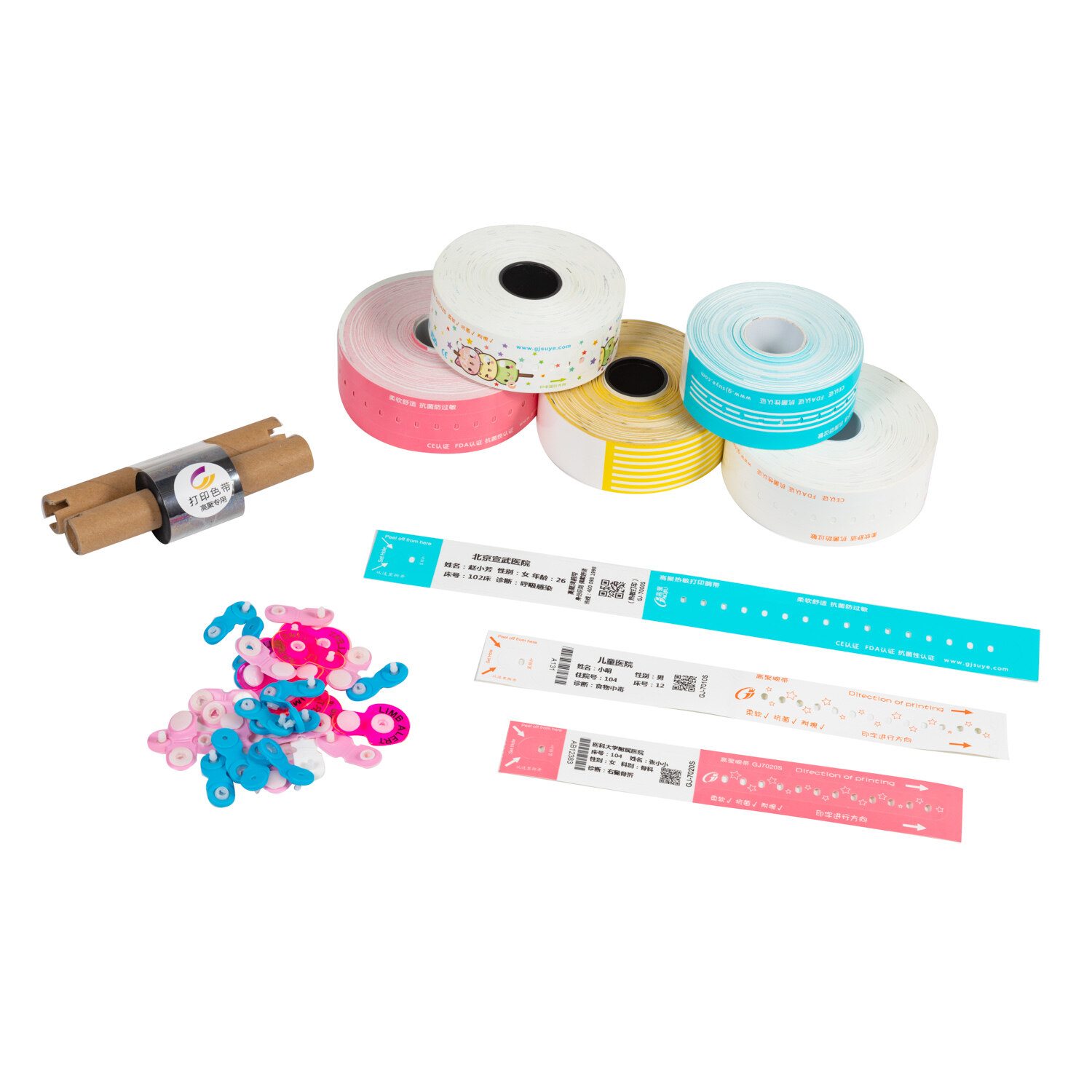
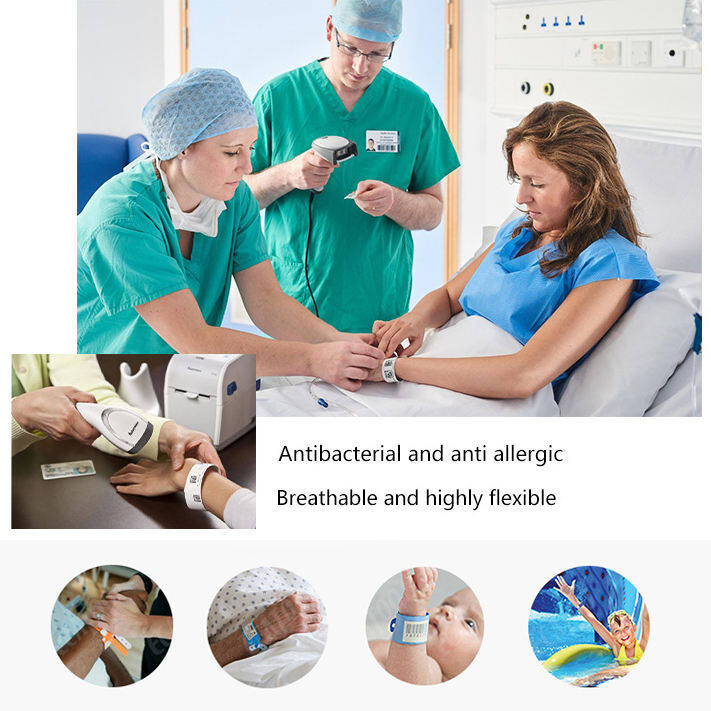
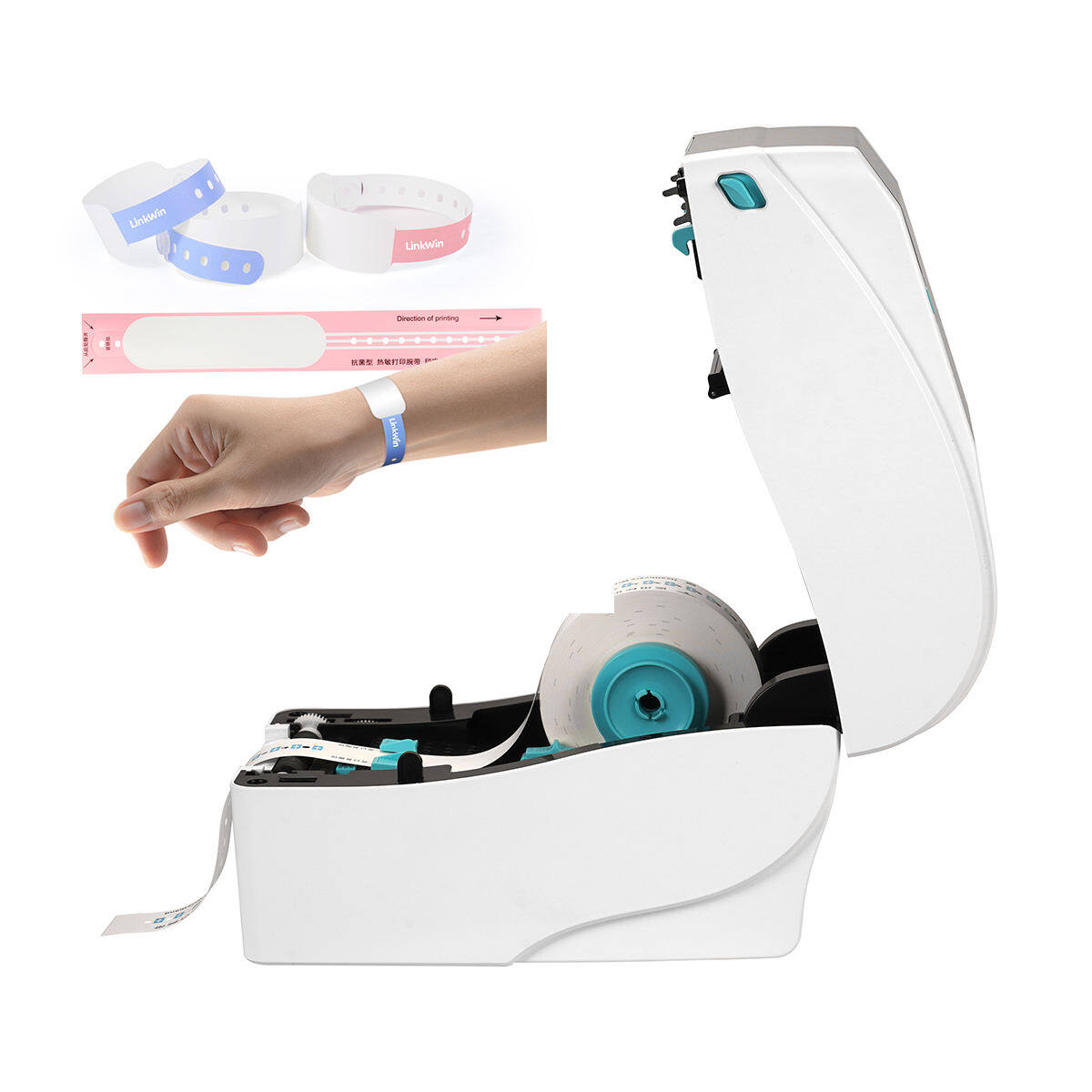
The design must also facilitate the work of busy healthcare professionals. The bands must be easy to apply and remove. They must be durable enough to withstand the rigors of the hospital environment, including exposure to bodily fluids and frequent disinfection. The printing on the band must be clear, smudge-proof, and legible to allow for quick visual verification. This is where the shift from handwritten bands to printed bands with barcodes or QR codes has been a significant leap forward, eliminating errors from illegible handwriting.
Parental and Partner Inclusion
In modern maternity care, the identification system is not limited to the mother. Partners are also given bracelets that match the infant's, allowing them to function as part of the verification process. This inclusion is a powerful tool for patient safety and family-centered care. It engages the family directly in the safety protocol and provides an additional layer of verification. It empowers the partner to be a vocal and active participant in the baby's care, ensuring that they can confirm the baby's identity when interacting with healthcare providers.
Technology Deep Dive: The Mechanics of Matching
The evolution from purely visual identification to electronic systems represents a significant leap in patient safety. Modern systems, as described in foundational patents and practices, use a sophisticated interplay of technologies.
Dual-Mode IR/RF Systems
As mentioned previously, these systems often operate in two primary modes.
- The Matching Mode (IR): This mode relies on line-of-sight infrared communication. The idea is that a mother and infant in the same room will be within close proximity, allowing their IR tags to communicate with a local receiver. This local receiver can then confirm that the correct mother and infant are united. If the system detects that the infant is in a room with the wrong mother, it can issue an alert.
- The Presence/Security Mode (RF): Radio frequency, on the other hand, does not require line of sight. RF receivers are placed at key points, particularly ward boundaries and exits. These receivers can "hear" the RF signal emitted by the infant's tag. When an infant wearing a tag is moved toward an off-limit area, the receiver picks up the signal from the tag and sends the information to the alerting and control unit to notify staff of the infant's movement. This dual-mode approach provides a powerful, multi-layered defense.
Integration with Electronic Health Records (EHR)
The future of these systems lies in seamless integration with the hospital's EHR. In this scenario, the simple act of scanning a wristband's barcode or reading its RFID chip would automatically pull up the patient's record, including the infant's chart and the mother's record, for a direct cross-reference. This integration would not only enhance security but also create a comprehensive digital audit trail, documenting every verification step, scan, and alarm event. This data can be used for quality improvement initiatives, analyzing protocol adherence, and identifying system weaknesses.
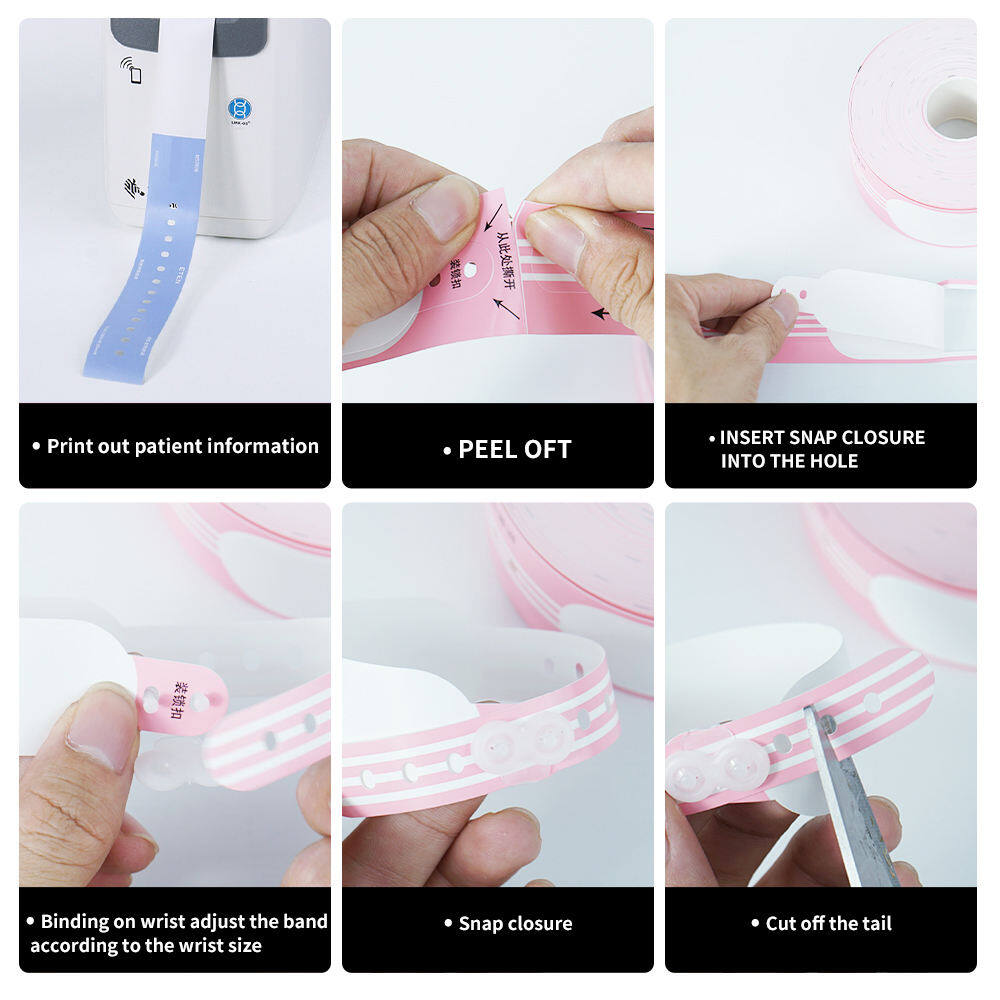
The Patient's Role: Education and Empowerment
A crucial, and often overlooked, component of the wristband system is the patient and family. Hospitals have a responsibility to educate parents on the purpose of the identification bands. Parents should be informed about why the bands are worn, what the numbers and codes on them mean, and the procedure for checking them. They should be encouraged to ask healthcare providers to verify the bands before any procedure or whenever their baby is returned to them.
This active participation transforms the patient from a passive recipient of care into an active partner in their own safety and the safety of their child. When a mother understands the importance of the matching wristband, she becomes an invaluable third-party verifier. If a nurse attempts to bring a baby to her room, she can and should ask to see the wristband and confirm it matches her own. This layer of vigilance is a powerful supplement to the protocols being followed by staff.
Clinical and Ethical Imperatives for a Zero-Tolerance Culture
The research data is clear: even with the technology in place, compliance is not automatic. The fact that a study could find that 15.4% of newborns had no identification wristbands at all, and 18% had data that did not match medical records, is a stark warning. This indicates a significant cultural and operational problem in some institutions. Creating a culture of safety requires:
- Continuous Education and Training: Regular, mandatory training for all healthcare professionals — from delivery room staff to postpartum nurses to security personnel — is essential. This training must cover not only how to use the technology but also the underlying reasons for the protocols and the catastrophic consequences of failure. This training should include regular drills for responding to abduction alarms.
- Regular Audits and Feedback: Hospitals must conduct regular, unannounced audits of wristband compliance. The data from these audits should be shared transparently with staff, and used as a basis for continuous quality improvement, not as a punitive measure. The goal is to identify and address systemic weaknesses.
- Technological Upgrades: Hospitals should continuously evaluate and upgrade their systems to incorporate the latest advancements in security, such as more tamper-proof tags, better battery life, and more sophisticated integration with digital records.
- Standardized Protocols: The use of standardized, evidence-based protocols across the institution is critical. These protocols should be aligned with international recommendations for patient safety.
Conclusion: An Unwavering Commitment to Zero Harm
The maternal-infant matching wristband system is far more than a piece of plastic; it is a comprehensive, multi-layered safety net designed to protect what is most precious during one of life's most vulnerable moments. It represents a convergence of clinical excellence, technological innovation, and rigorous protocol adherence, all united by a single, unwavering goal: to ensure that every mother and baby leave the hospital together, safely and correctly identified.
From the simplicity of the printed band with matching numbers to the sophistication of an RF/IR security network that locks down an exit door, every component plays a vital role. However, the technology is only as strong as the clinical culture that supports it. The research on compliance rates serves as a powerful reminder that training, vigilance, and a deep-seated commitment to patient safety are the essential human elements that ultimately make the system work.
Healthcare institutions must view the investment in these systems not as a cost, but as an ethical imperative — a fundamental duty owed to the families who trust them with their care. By embracing the technology, rigorously enforcing the protocols, and fostering a culture of shared accountability, the goal of zero errors in newborn identification becomes an achievable reality. The peace of mind this provides to new families is invaluable, and the protection it offers is the bedrock of a just and safe healthcare environment.
Continue Reading
Previous Article
The "Correct Posture" and Patient Safety: An In-Depth Exploration of the Patient Wristband as a Patient's "Identity Card" — Examining Proper Application, Clinical Significance, and Common Pitfalls
Next Article
The Unseen Guardian: A Deep Dive into the Patient Wristband as the Bedrock of Healthcare Safety and Operational Efficiency
Have Questions About Wristbands?
Our team is ready to help you find the perfect wristband solution for your needs. Contact us directly on WhatsApp for quick responses.
Contact on WhatsApp