
The Data Deluge Dilemma: Can Smart Wristband Vital Signs Stand as Medical Evidence in a Court of Law?
Introduction: The Digital Witness at the Wrist
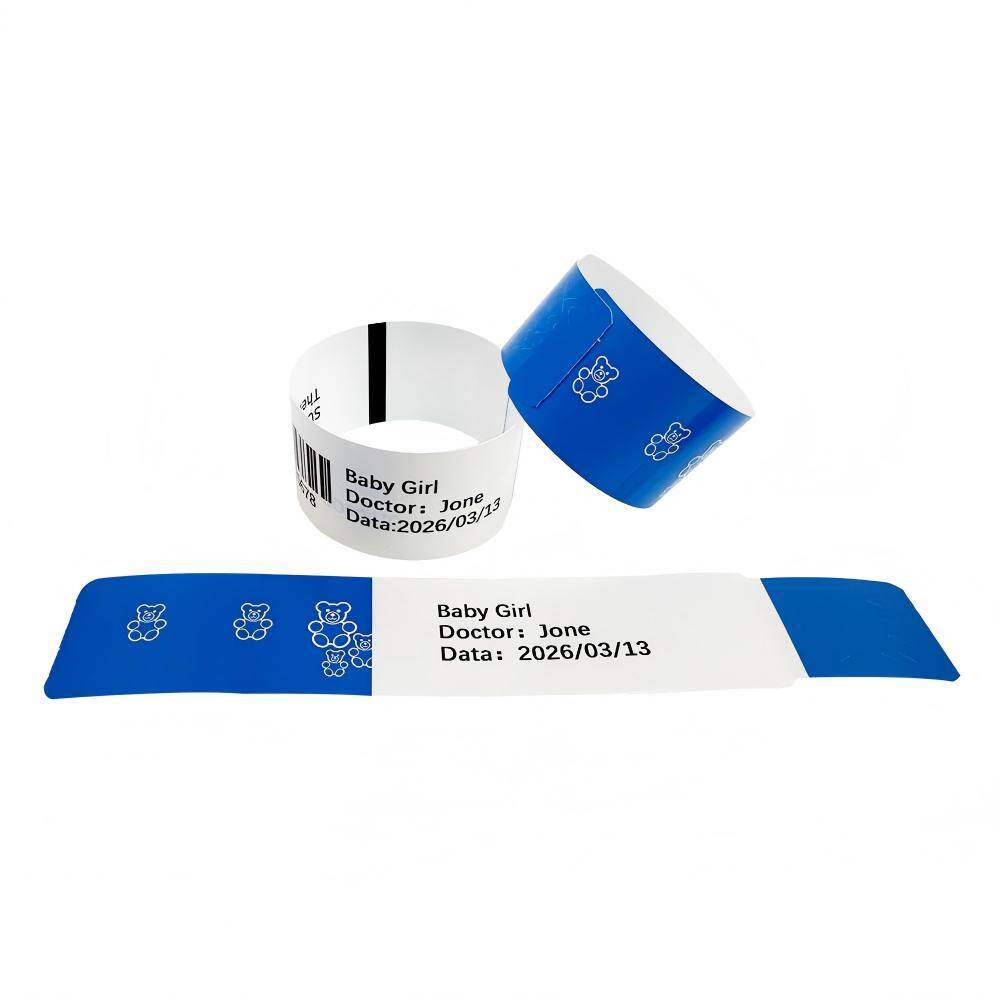
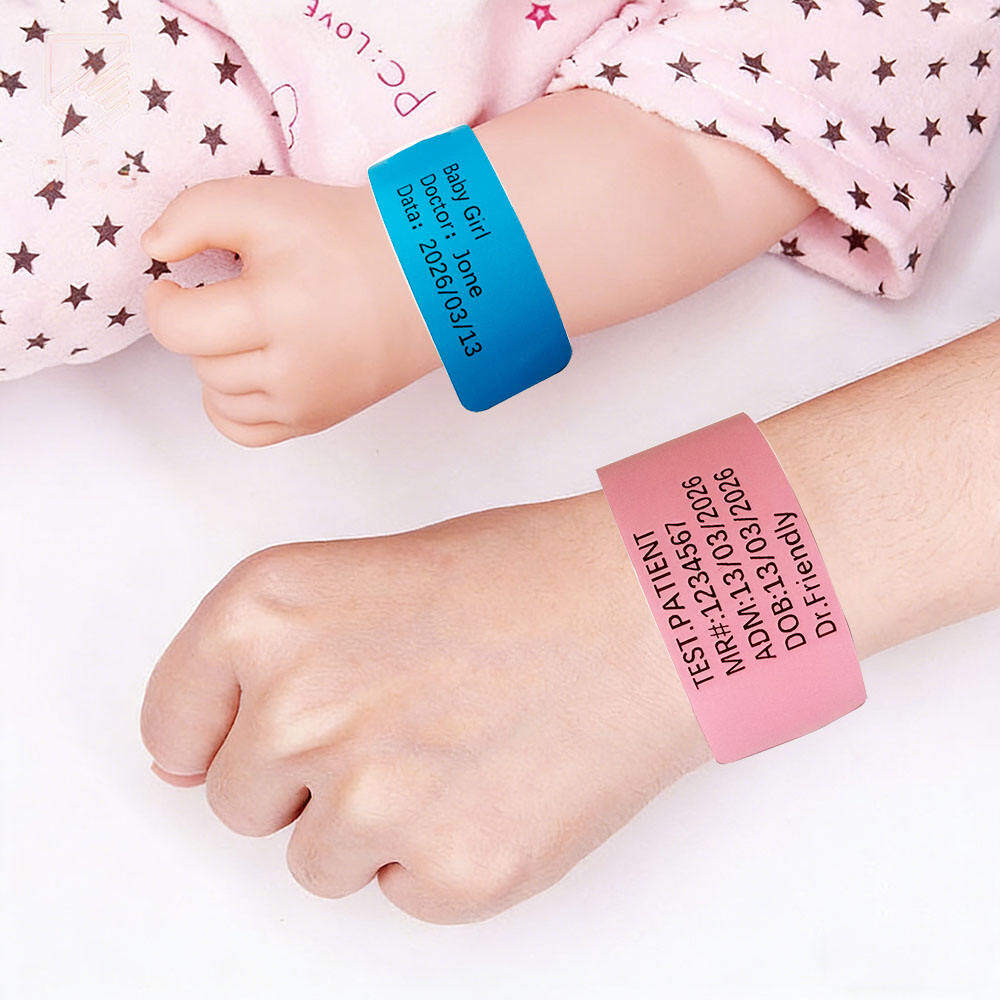
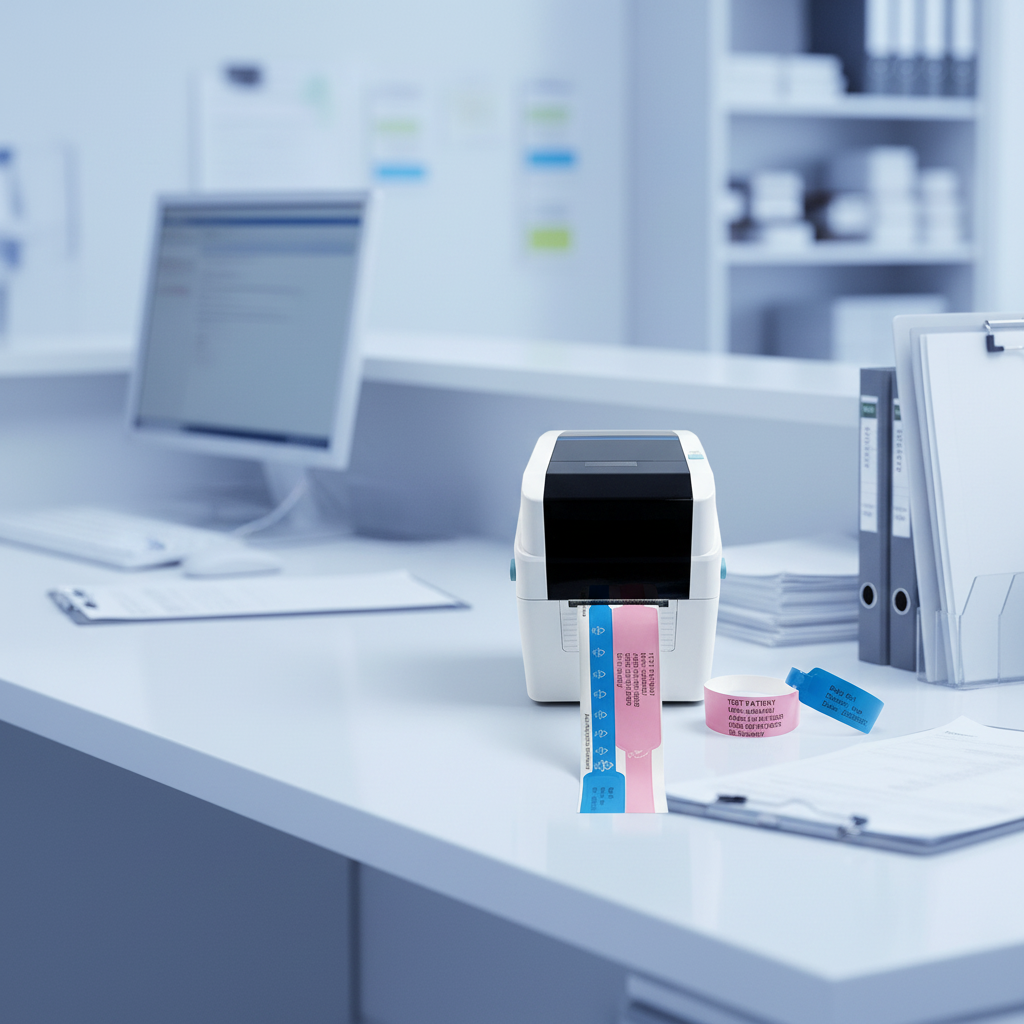
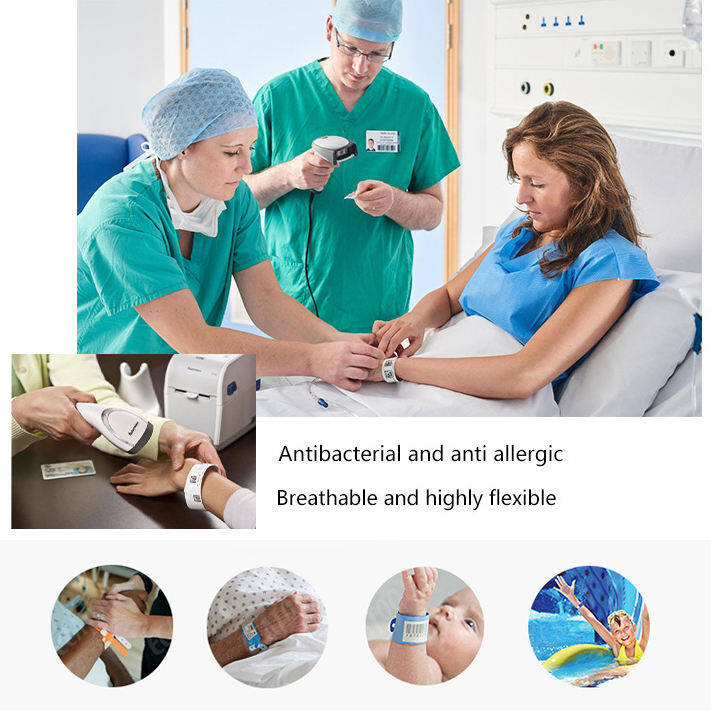
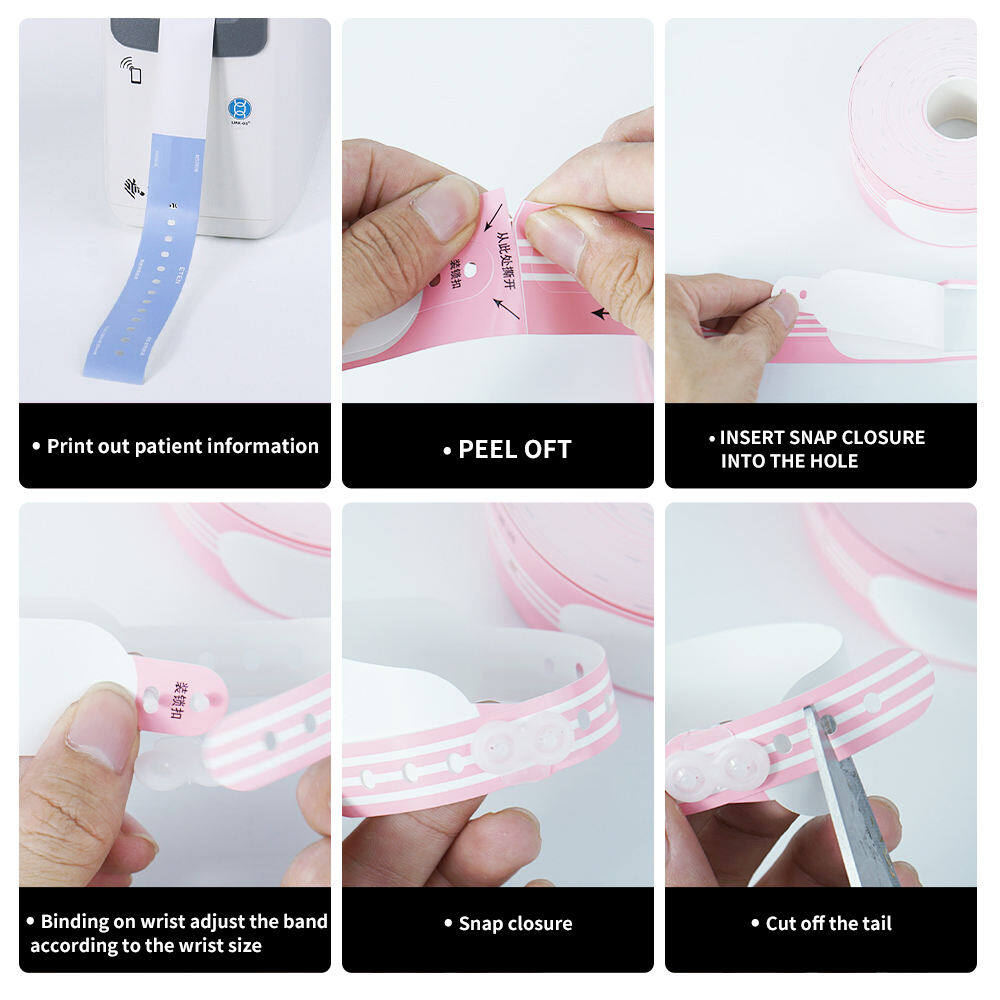
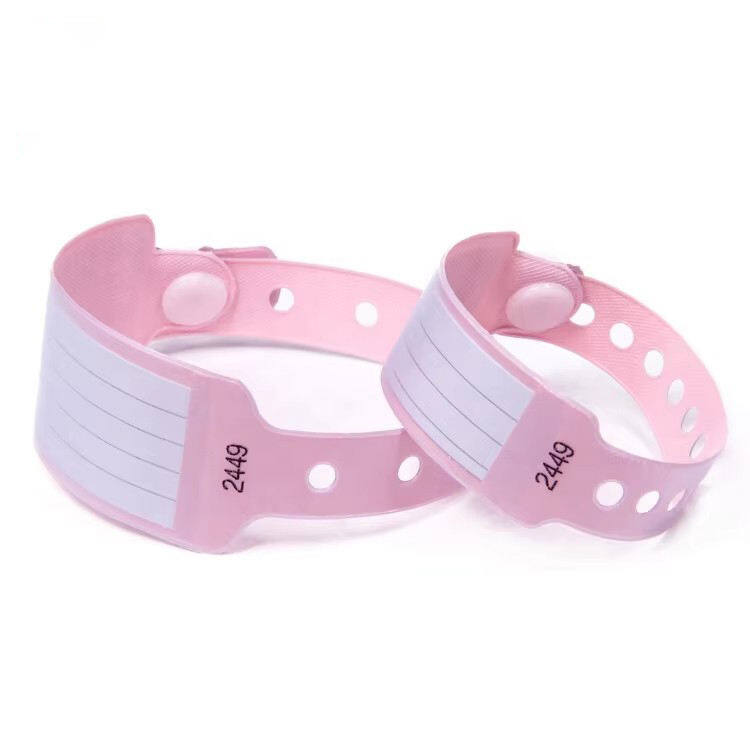
The patient wristband has undergone a remarkable transformation over the past decade. What was once a simple plastic or paper band displaying a patient's name and medical record number has evolved into a sophisticated, sensor-rich device capable of continuously monitoring life-sustaining physiological parameters and tracking patient location in real time. This evolution represents a fundamental shift in healthcare delivery — moving from reactive, episodic care to proactive, continuous surveillance powered by the Internet of Medical Things (IoMT) and wearable technology.
Smart wristbands equipped with biomedical sensors now continuously measure heart rate, respiratory rate, blood oxygen saturation, skin temperature, and even blood pressure. These devices generate vast streams of physiological data that are transmitted wirelessly to central monitoring systems and integrated with electronic health records. The clinical benefits are substantial: earlier detection of patient deterioration, reduced manual workload for nursing staff, improved patient experience through fewer nighttime disruptions, and comprehensive data supporting more informed clinical decision-making.
Yet this data deluge raises a profound legal question that has received far less attention than the technological achievements: when a patient suffers harm and the smart wristband recorded vital sign abnormalities that went unaddressed, what is the evidentiary status of that data in a court of law? Can continuous biometric readings from a wearable device serve as reliable medical evidence in malpractice litigation, criminal proceedings, or insurance disputes? Does the existence of such data create new duties for healthcare providers, or does it expose them to unprecedented liability?
This article examines the intersection of wearable biometric technology and legal frameworks, exploring certification requirements, liability implications, evidentiary admissibility standards, and privacy obligations that will shape how smart wristband data functions as medical evidence in the years ahead.
The Regulatory Foundation: When Is a Wristband a Medical Device?
The Certification Distinction
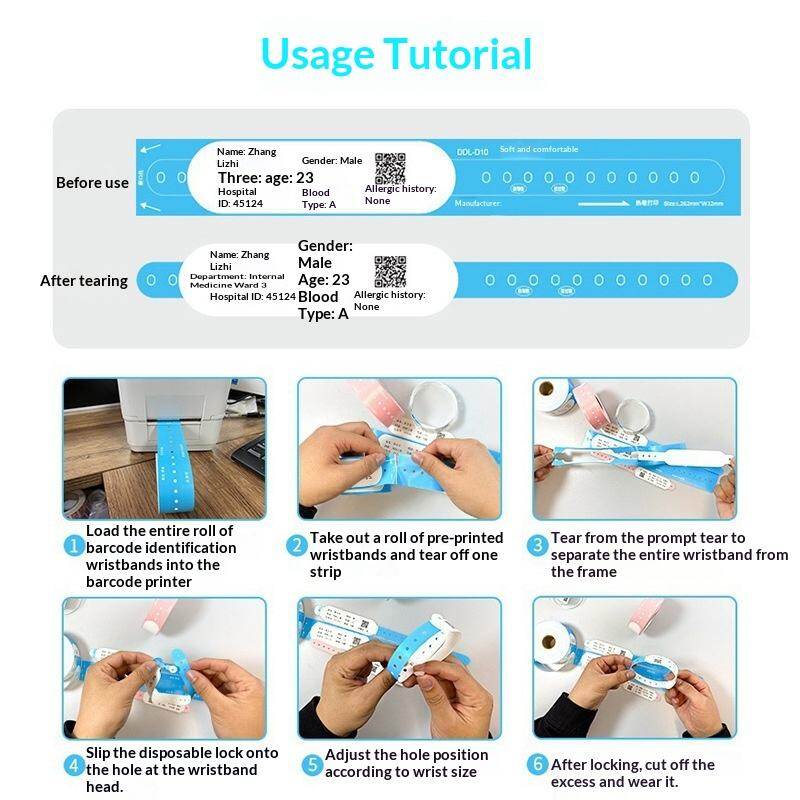
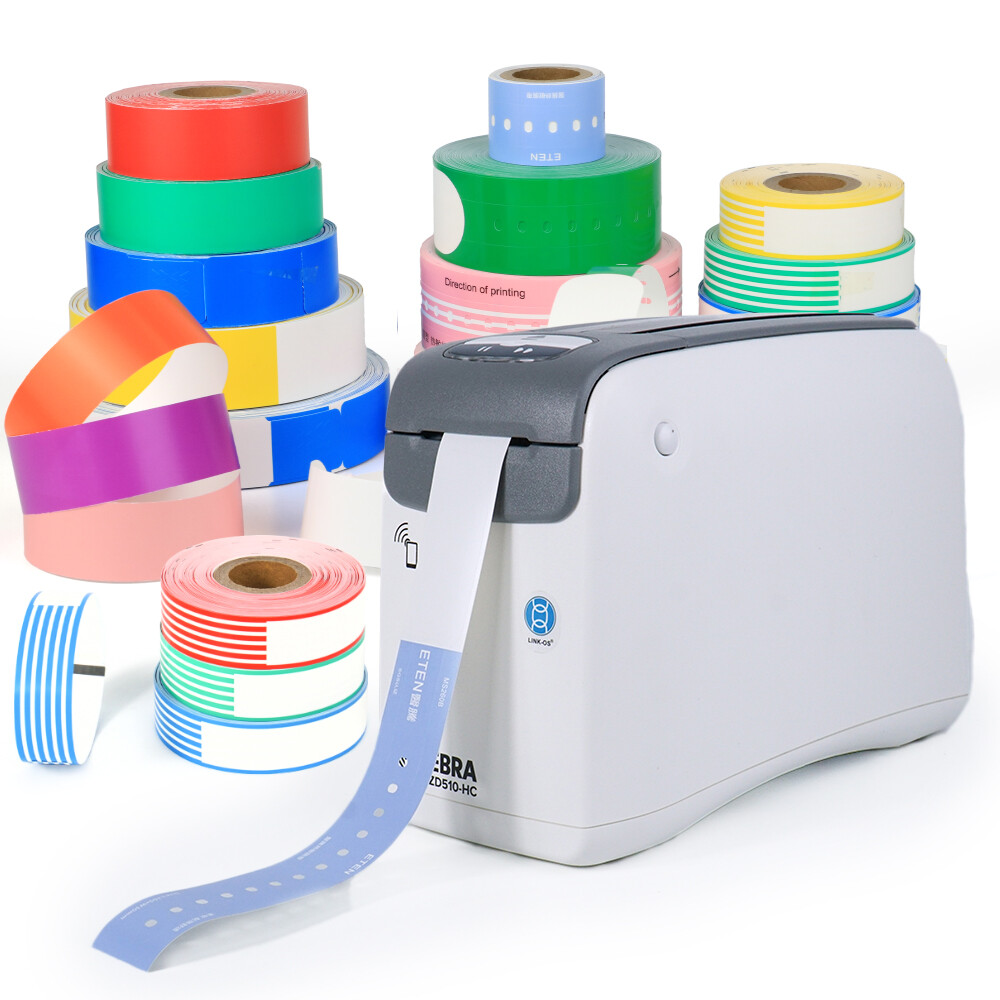
The legal standing of smart wristband data begins with regulatory classification. In the United States, the FDA classifies medical devices based on their intended use and risk profile. A wristband used solely for patient identification is typically a Class I device subject to general controls. However, when that same wristband incorporates sensors for continuous vital signs monitoring and claims clinical-grade accuracy, it may be reclassified as a Class II device requiring 510(k) clearance or even premarket approval.
This distinction matters enormously in litigation. A device that has received FDA clearance for clinical monitoring carries a presumption of reliability that strengthens its evidentiary weight. Conversely, a consumer-grade fitness tracker repurposed for clinical use without proper regulatory clearance faces significant challenges to admissibility. Courts applying the Daubert standard will scrutinize whether the device has been tested, peer-reviewed, and accepted within the relevant scientific community before admitting its data as evidence.
In the European Union, the Medical Device Regulation (MDR) imposes even stricter requirements. Smart wristbands making diagnostic or therapeutic claims must undergo conformity assessment by a notified body, maintain comprehensive technical documentation, and demonstrate clinical performance through validated studies. The MDR's emphasis on post-market surveillance means that manufacturers must continuously monitor device performance and report adverse events, creating an ongoing evidentiary record that may be discoverable in litigation.
Clinical Validation and Evidentiary Weight
Regulatory clearance alone does not guarantee evidentiary admissibility. Courts require evidence that the specific device used in the case was functioning correctly, properly calibrated, and operated according to manufacturer specifications at the relevant time. This requires robust chain-of-custody documentation, maintenance logs, calibration records, and validation testing protocols.

Clinical validation studies play a critical role in establishing reliability. Peer-reviewed research demonstrating that a specific smart wristband model accurately measures vital signs compared to gold-standard clinical instruments provides the scientific foundation for evidentiary acceptance. Studies showing high correlation coefficients between wristband measurements and traditional monitoring equipment, low rates of false positives and false negatives, and consistent performance across diverse patient populations all strengthen the case for admissibility.
The Liability Paradox: Data as Shield or Sword
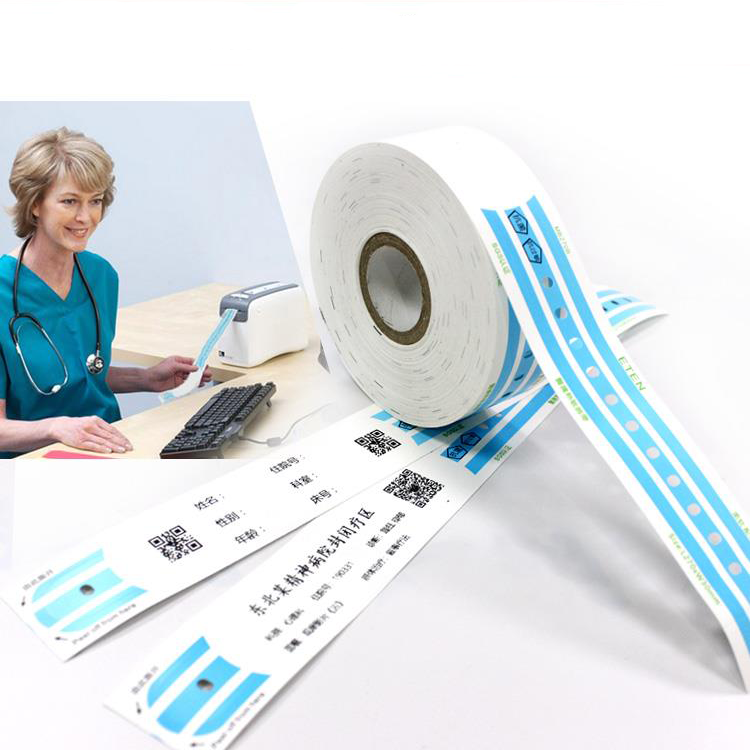
Smart wristband data occupies an ambiguous position in malpractice litigation. For healthcare providers, continuous monitoring data can serve as a powerful defensive tool, documenting that appropriate surveillance was maintained and that no actionable abnormalities occurred during the period in question. A complete, timestamped record of normal vital signs can rebut allegations of negligent monitoring and demonstrate adherence to the standard of care.
However, the same data can become devastating evidence against providers when it reveals abnormalities that were recorded but not acted upon. If a smart wristband detected sustained tachycardia, desaturation, or fever and transmitted alerts that went unacknowledged or unaddressed, the data becomes prima facie evidence of a breach in the duty of care. The existence of continuous monitoring creates an expectation of continuous review, and failure to meet that expectation may constitute negligence per se in jurisdictions that recognize statutory violations as automatic breaches of duty.
The "Failure to Monitor" Claim
Traditional failure-to-monitor claims required plaintiffs to prove that a reasonable provider would have detected deterioration through intermittent vital signs checks. Smart wristband data fundamentally alters this calculus. When continuous monitoring was available and recorded abnormal values, the question shifts from whether deterioration was detectable to whether detected deterioration was appropriately addressed.
This creates a paradox: deploying advanced monitoring technology intended to improve patient safety may simultaneously increase legal exposure by creating detailed records of missed opportunities for intervention. Healthcare organizations must carefully consider alert management protocols, escalation procedures, and documentation practices to ensure that the data generated by smart wristbands supports rather than undermines their legal position.
The Standard of Care Question
As smart wristband adoption increases, courts may begin to recognize continuous vital signs monitoring as part of the standard of care for certain patient populations. Once a technology becomes sufficiently widespread and accepted within the medical community, failure to use it may itself constitute a breach of duty, regardless of whether its use would have prevented the specific harm alleged.
This evolution mirrors the trajectory of other monitoring technologies. Pulse oximetry was once considered optional; today, failure to monitor oxygen saturation in perioperative and critical care settings is universally recognized as below the standard of care. Smart wristband vital signs monitoring may follow a similar path, particularly for high-risk patients in step-down units, post-operative recovery, and telemetry wards where continuous monitoring bridges the gap between ICU-level surveillance and routine floor checks.
The Documented Duty: Electronic Health Records Integration
When smart wristband data flows directly into the electronic health record, it becomes part of the official medical record subject to discovery in litigation. This integration creates both opportunities and risks. On one hand, automated documentation eliminates gaps and inconsistencies inherent in manual charting. On the other hand, it creates an immutable record that cannot be amended or clarified after the fact, making contemporaneous accuracy essential.
Healthcare organizations must establish clear policies governing which wristband data elements are incorporated into the permanent medical record, how alerts and responses are documented, and what retention periods apply to raw sensor data versus summarized clinical notes. These policies should be developed in consultation with legal counsel and risk management professionals to balance clinical utility with legal defensibility.
Evidentiary Admissibility: From Wearable to Witness Stand
Establishing Reliability and Authenticity
For smart wristband data to be admitted as evidence, proponents must satisfy foundational requirements for authenticity and reliability. Under Federal Rule of Evidence 901, the proponent must produce evidence sufficient to support a finding that the item is what the proponent claims it is. For digital health data, this requires demonstrating that the device was properly identified, functioning correctly, and that the data has not been altered or corrupted.
Authentication typically requires testimony from a qualified witness who can explain the device's operation, the data collection process, and the safeguards ensuring data integrity. Expert witnesses may be needed to address technical questions about sensor accuracy, signal processing algorithms, and potential sources of artifact or error. The opposing party will likely challenge admissibility through Daubert hearings questioning the methodology's testability, error rate, peer review status, and general acceptance within the relevant scientific community.
The Algorithmic Black Box
Many smart wristbands employ proprietary algorithms to process raw sensor data into clinically meaningful vital sign values. These algorithms may incorporate noise filtering, motion artifact rejection, calibration adjustments, and trend analysis that are not transparent to end users or courts. When the algorithmic processing is opaque, opposing counsel may argue that the output cannot be verified and should be excluded as unreliable.
Manufacturers face increasing pressure to provide transparency about algorithmic processing without compromising intellectual property. Some have responded by publishing validation methodologies, obtaining third-party verification of algorithm performance, and providing detailed technical documentation to support forensic analysis. Regulatory bodies are also developing guidance on algorithm transparency for medical devices, which may establish standards that courts can reference when evaluating admissibility.
Posthumous Data and Litigation
Smart wristband data takes on particular significance in wrongful death litigation. Continuous vital signs recordings from the hours preceding a patient's death can provide objective evidence of the clinical trajectory, potentially revealing deterioration patterns that were not apparent through intermittent monitoring or that were documented inaccurately in retrospective chart entries.
In these cases, the wristband data serves as a silent witness whose testimony cannot be influenced by memory, bias, or self-interest. Courts have increasingly recognized the value of objective digital evidence in reconstructing events, and smart wristband data joins security camera footage, GPS records, and electronic communications as sources of contemporaneous factual information that can corroborate or contradict testimonial evidence.
The Privacy Dimension: Data Protection as Legal Obligation
Sensitive Personal Information
Continuous biometric data collected by smart wristbands constitutes protected health information under HIPAA in the United States and special category personal data under GDPR in Europe. This classification triggers heightened protection obligations including encryption requirements, access controls, audit logging, breach notification mandates, and restrictions on secondary use.
The legal implications extend beyond regulatory compliance. Unauthorized disclosure of wristband data could support claims for invasion of privacy, breach of confidentiality, or violation of statutory data protection rights. In litigation, parties seeking discovery of wristband data must navigate privilege objections, relevance challenges, and proportionality arguments. Protective orders limiting the scope of disclosure and requiring secure handling of sensitive data are common in cases involving continuous biometric monitoring records.
Consumer Protections and Misrepresentation
When smart wristbands are marketed directly to consumers with health-related claims, additional legal frameworks apply. The Federal Trade Commission Act prohibits unfair or deceptive acts or practices, and state consumer protection statutes provide private rights of action for misleading health claims. Manufacturers must ensure that marketing materials accurately represent device capabilities, limitations, and regulatory status.
Misrepresentation claims may arise when consumers rely on wristband data for health decisions and suffer harm as a result. A patient who discontinued prescribed medication based on reassuring wristband readings that were later shown to be inaccurate could potentially pursue product liability or misrepresentation claims against the manufacturer. Clear disclaimers about intended use, accuracy limitations, and the need for professional medical consultation are essential risk mitigation measures.
Framework for the Future: Legal and Institutional Responses
Developing Evidentiary Standards
The legal system is beginning to develop specialized frameworks for evaluating wearable health data as evidence. Key elements emerging from early case law and scholarly commentary include:
- Chain-of-custody requirements ensuring data integrity from collection through presentation in court
- Device reliability verification through independent testing and validation against clinical gold standards
- Analysis transparency mandating disclosure of algorithmic processing methods sufficient to permit meaningful cross-examination
Institutional Policies
Healthcare organizations deploying smart wristband technology should establish comprehensive policies addressing:
- Device selection criteria emphasizing regulatory clearance, clinical validation, and forensic readiness
- Data integration protocols defining which data elements enter the medical record and how alerts are documented
- Response protocols specifying mandatory actions when abnormal values are detected and timelines for acknowledgment
- Data preservation policies establishing retention periods, archival procedures, and legal hold processes
- Patient education requirements ensuring informed consent regarding continuous monitoring and data use
The Digital Forensics Frontier
Digital forensics specialists are developing expertise in extracting, authenticating, and analyzing smart wristband data for legal proceedings. This emerging discipline combines traditional computer forensics with biomedical engineering knowledge to address unique challenges posed by wearable sensor data, including signal artifact identification, battery depletion effects on data quality, wireless transmission errors, and synchronization issues between device clocks and hospital time servers.
As this field matures, standardized protocols for wristband data forensics will likely emerge, providing courts with established methodologies for evaluating evidence reliability and reducing the need for case-by-case Daubert hearings that consume judicial resources and delay proceedings.
Conclusion: Navigating the Data Deluge
Smart wristband vital signs monitoring represents one of the most significant advances in patient safety technology of the past decade. The ability to continuously capture physiological data with clinical-grade accuracy enables earlier intervention, reduces adverse events, and transforms our understanding of patient trajectories. Yet this technological achievement carries profound legal implications that demand careful consideration.
The question of whether smart wristband data can stand as medical evidence in court does not have a simple yes or no answer. Admissibility depends on regulatory status, clinical validation, authentication procedures, algorithmic transparency, and compliance with evidentiary rules that vary by jurisdiction. What is clear is that the data exists, it is increasingly being sought in litigation, and healthcare organizations must be prepared to defend both the technology and their response to the information it provides.
The path forward requires collaboration among technologists, clinicians, legal professionals, regulators, and ethicists to develop frameworks that harness the life-saving potential of continuous biometric monitoring while protecting patient privacy, ensuring fair legal processes, and maintaining public trust in both healthcare and the justice system. The wristband on a patient's wrist may be small, but the legal and ethical questions it raises are enormous. Addressing them thoughtfully is essential to realizing the full promise of this transformative technology.
Disclaimer: This article is intended for educational and informational purposes only and does not constitute legal advice. Healthcare organizations should consult qualified legal counsel and risk management professionals for guidance on smart wristband deployment, data governance, evidentiary considerations, and regulatory compliance specific to their jurisdiction and circumstances.
Continue Reading
Have Questions About Wristbands?
Our team is ready to help you find the perfect wristband solution for your needs. Contact us directly on WhatsApp for quick responses.
Contact on WhatsApp