
From Scan to Swipe: How the Wristband Is Becoming Healthcare's "Universal Health Card" for Payments and Beyond
Introduction: The Wristband's Untapped Potential
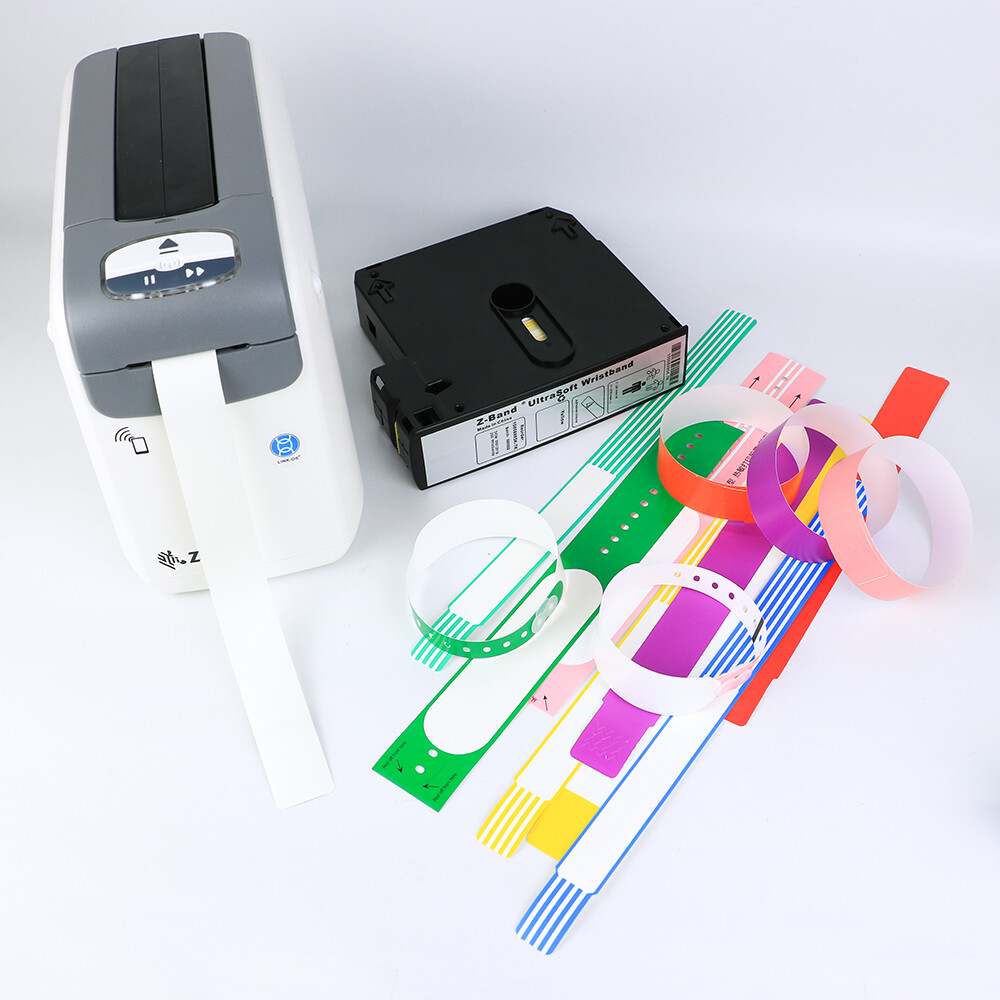
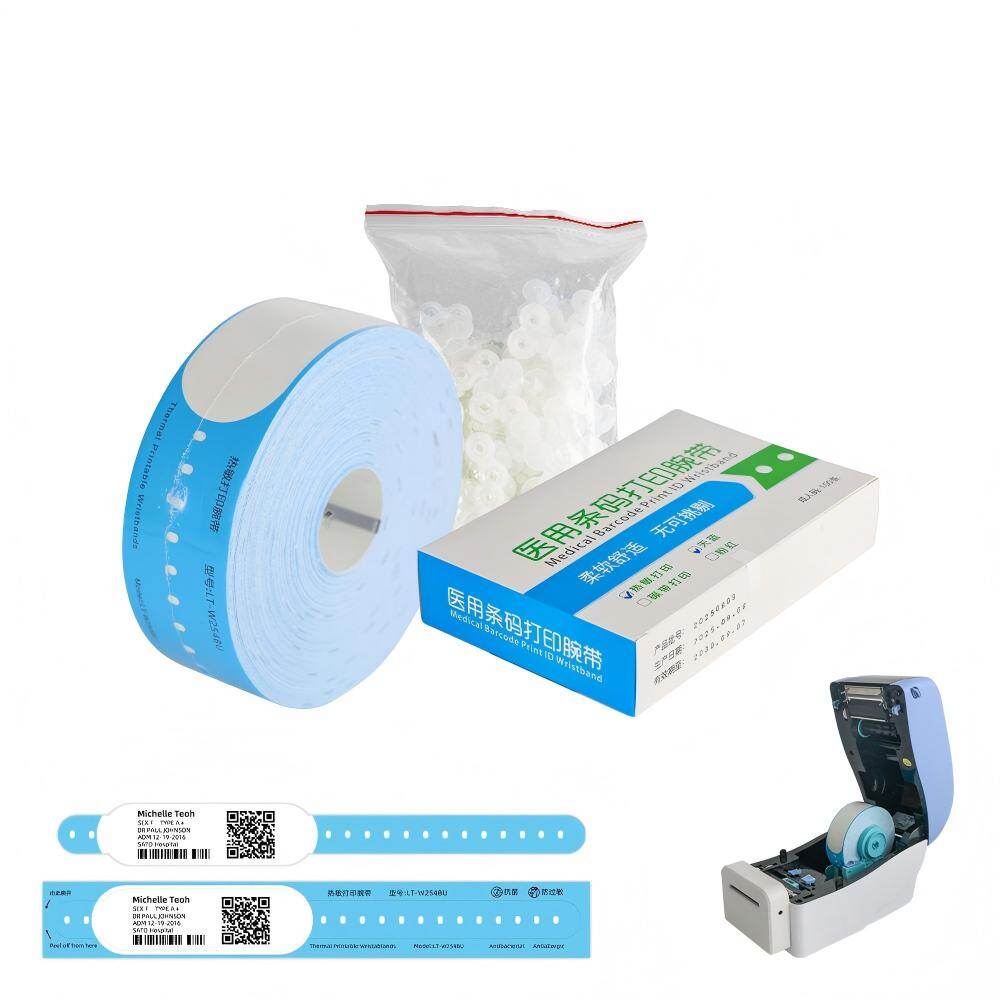
The patient identification wristband has long been regarded as a simple, single-purpose tool: verify identity at the point of care. Yet this narrow view overlooks a transformative opportunity. As smart hospital initiatives accelerate worldwide, the NFC wristband and RFID wristband are emerging as multifunctional platforms that extend far beyond identification.
Today's healthcare payment systems, meal ordering workflows, and service scheduling processes remain fragmented across separate devices, credentials, and interfaces. Patients juggle room keys, meal tickets, appointment cards, and billing statements—each representing friction, confusion, and potential error. The patient identification wristband, already worn by virtually every admitted patient, offers a natural consolidation point.
This article explores how the wristband is evolving into healthcare's "universal health card"—a single wearable credential that enables bedside meal ordering, service appointment scheduling, medical expense pre-authorization, and contactless payment. We examine the technical foundations, implementation considerations, patient compliance benefits, and future directions of this emerging paradigm, drawing on real-world deployments and peer-reviewed research.
The Technical Foundation: From Barcode to NFC
The Evolution of Wristband Technology
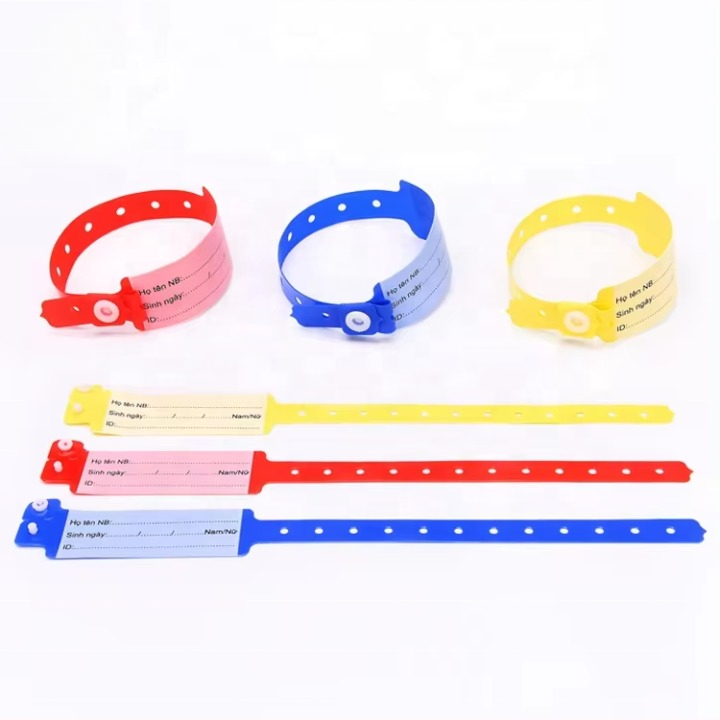
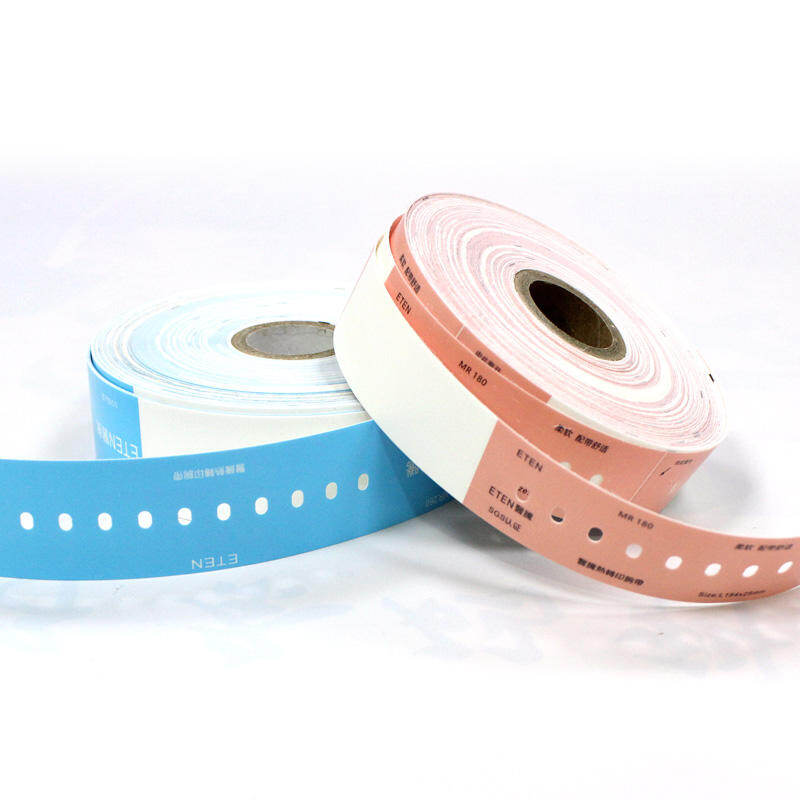
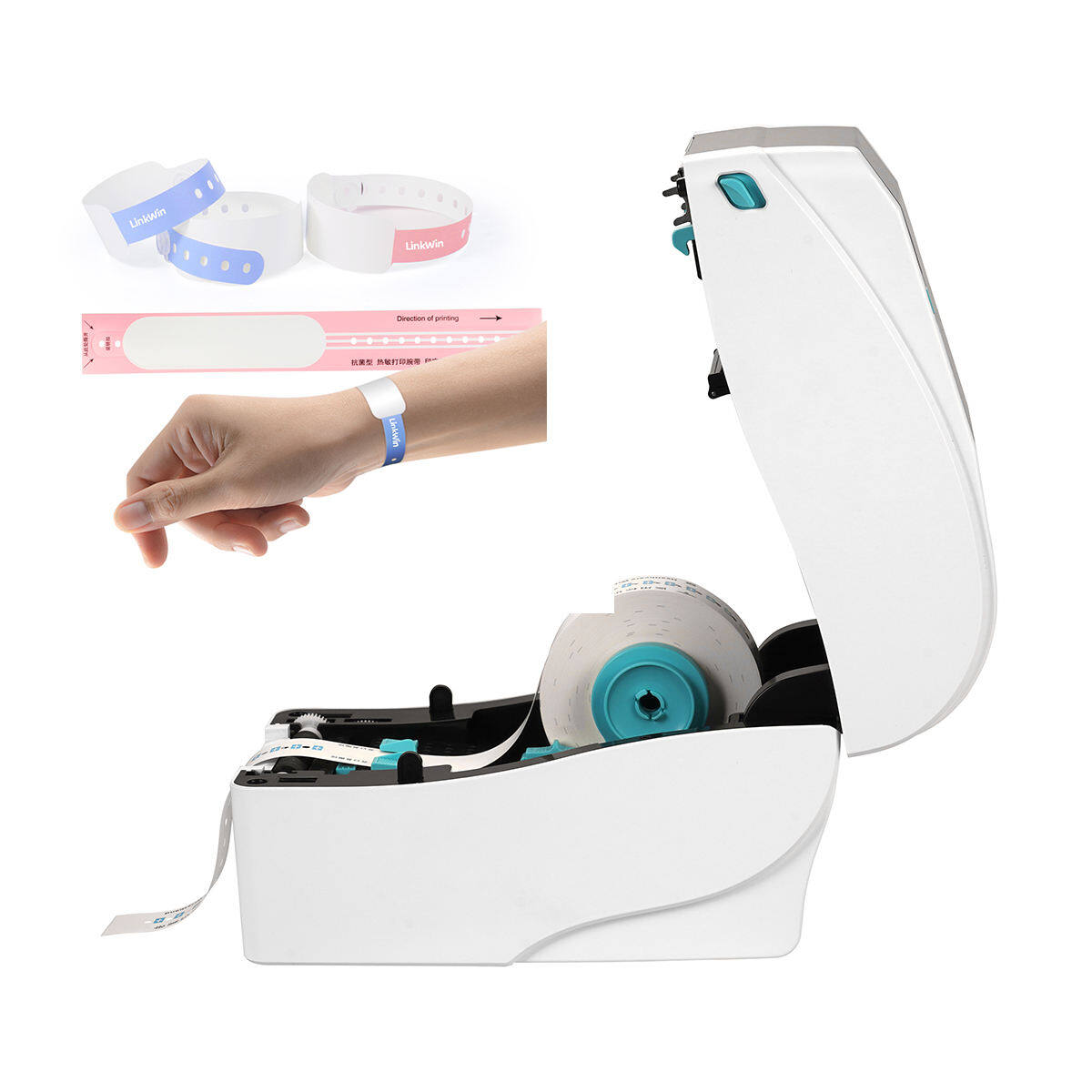
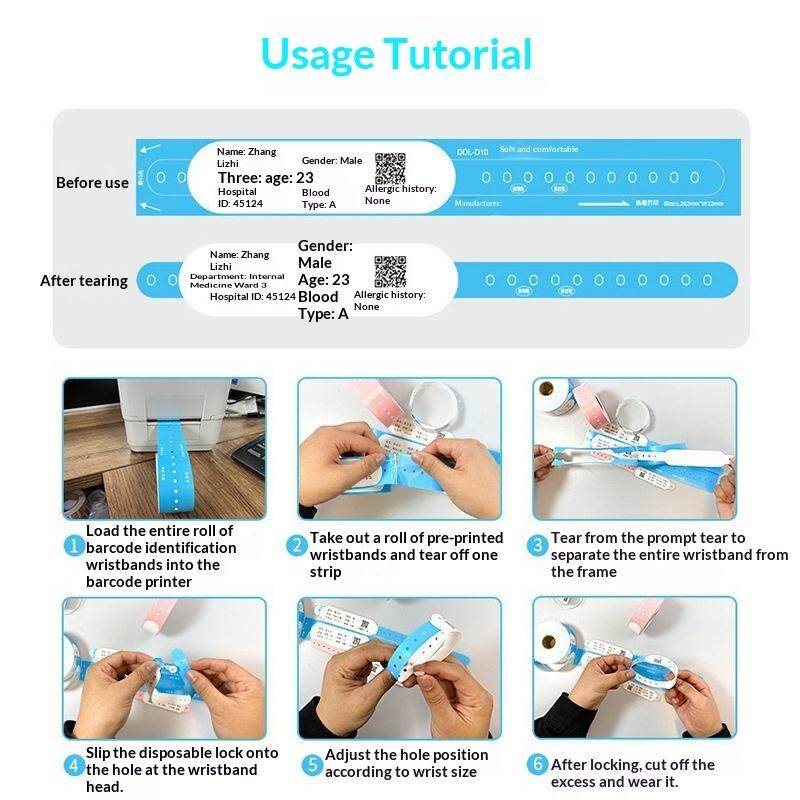
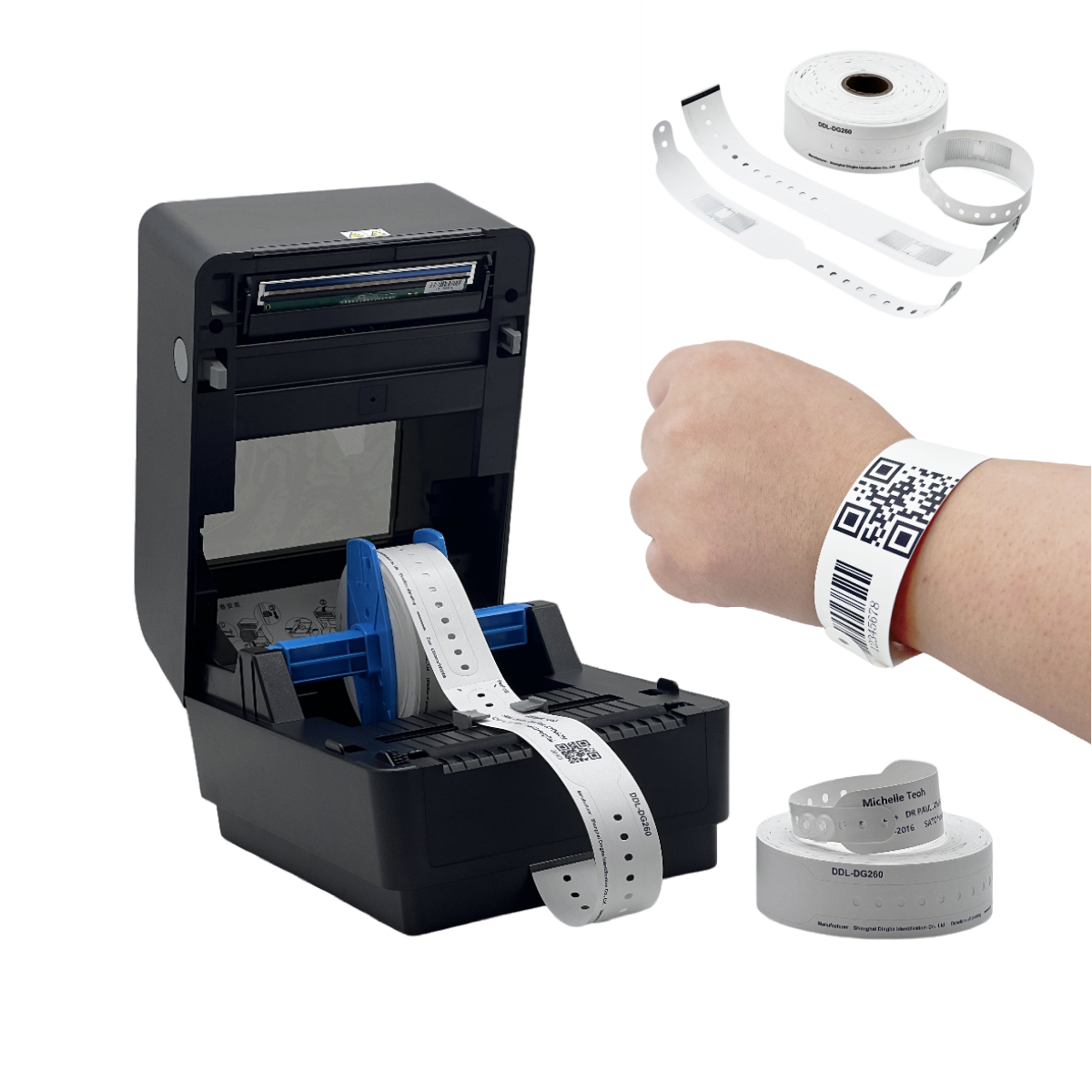
The journey from passive identification to active service delivery begins with understanding three generations of wristband technology. First-generation barcode wristbands rely on optical scanning, requiring line-of-sight alignment and manual positioning. While inexpensive and widely deployed, barcodes cannot store dynamic data or support bidirectional communication.
Second-generation RFID wristbands introduced non-line-of-sight reading and batch scanning capabilities. RFID wristbands operate across multiple frequency bands: low-frequency (125–134 kHz) for proximity access control, high-frequency (13.56 MHz) for secure data exchange and NFC compatibility, and ultra-high-frequency (860–960 MHz) for long-range bulk reading. UHF RFID readers can capture over 50 tags per second, enabling rapid inventory-style patient checks during rounds and shift changes. However, standard UHF RFID remains primarily a read-only identification technology without native support for secure transactions or user-initiated actions.
Third-generation NFC wristbands represent the critical inflection point. NFC operates at 13.56 MHz with a short read range of approximately 4 cm, providing inherent security through proximity. Unlike UHF RFID, NFC supports bidirectional communication, encrypted authentication, and integration with consumer smartphones and payment terminals. This combination makes the NFC wristband suitable not only for patient identification but also for healthcare payment authorization, service requests, and access control.

NFC in the Medical Context
NFC technology brings unique advantages to the healthcare environment that distinguish it from other wireless protocols. The short communication range provides inherent physical security—data exchange requires deliberate proximity, reducing the risk of unauthorized interception. NFC chips can be embedded within thin, flexible wristband materials without adding bulk or compromising comfort, making them suitable for continuous wear throughout the patient stay.
Emerging implementations are exploring blockchain-based patient records linked to NFC wristband credentials. By anchoring patient identity verification to an immutable distributed ledger, healthcare organizations can create tamper-proof audit trails for medication administration, consent documentation, and care transitions. The NFC wristband serves as the physical access token to this decentralized record system, combining the convenience of tap-to-authenticate with the integrity guarantees of blockchain technology. This convergence addresses longstanding concerns about record integrity and unauthorized access while maintaining the simplicity that drives patient compliance.
The Dual-Technology Approach
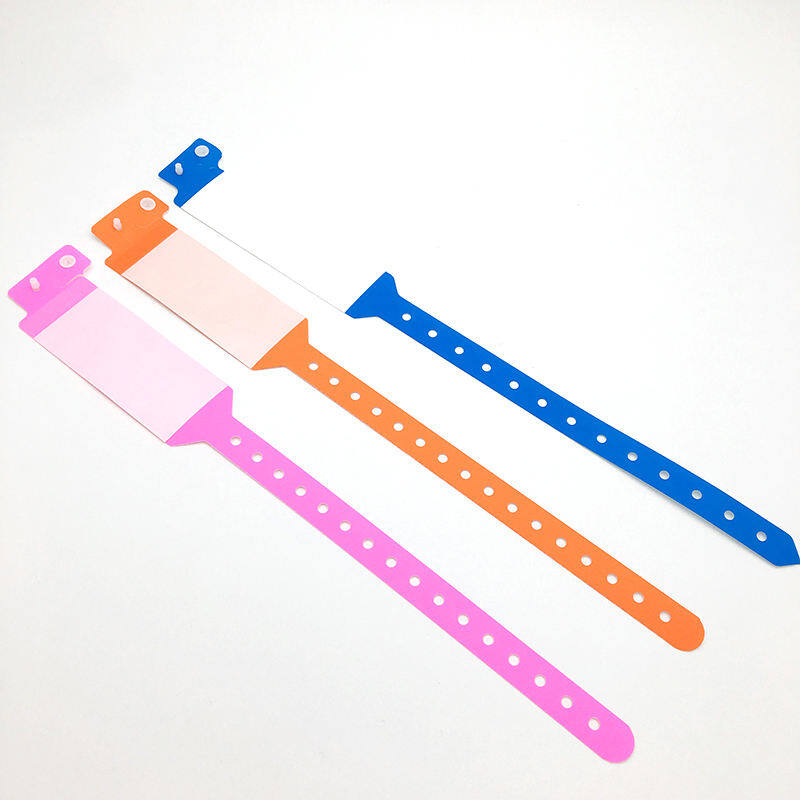
Leading smart hospital deployments adopt a dual-technology architecture that preserves backward compatibility while enabling advanced services:
- Barcode Layer: Maintains compatibility with legacy medication administration and laboratory specimen collection systems. The printed barcode serves as a universal fallback readable by any optical scanner, ensuring continuity during technology transitions.
- RFID-NFC Layer: An embedded UHF RFID inlay supports bulk patient location tracking and attendance verification, while an NFC chip enables secure, user-initiated transactions including meal ordering, service scheduling, and healthcare payment authorization.
This layered approach allows hospitals to deploy advanced wristband functionality incrementally, activating new services as infrastructure matures without disrupting existing clinical workflows dependent on barcode-based patient identification.
Beyond Identification: Wristbands as Service Delivery Platforms
Bedside Meal Ordering
Dietary management remains one of the most frequent sources of patient dissatisfaction and clinical risk in hospital settings. Traditional paper-based meal selection introduces transcription errors, delayed delivery, and difficulty accommodating last-minute dietary changes. The NFC wristband transforms this workflow into a seamless, patient-directed experience.
When a patient taps their wristband against a bedside NFC reader or compatible tablet, the system retrieves their current dietary orders, allergy flags, and preference profile from the nutrition management system. The patient selects meals from a personalized menu that automatically excludes contraindicated items. Orders transmit directly to the kitchen production system, eliminating intermediary transcription and reducing fulfillment errors by up to 85% in pilot deployments.
Service Appointment Scheduling and Management
Hospital patients frequently require multiple ancillary services during their stay: physical therapy sessions, diagnostic imaging, specialist consultations, and rehabilitation appointments. Coordinating these services traditionally involves phone calls, paper requisitions, and verbal reminders—each introducing scheduling conflicts, missed appointments, and staff time diverted from direct care.
The NFC wristband enables patient self-service scheduling at bedside kiosks or through integrated mobile applications. Patients view available appointment slots filtered by their clinical orders and mobility status, select preferred times, and receive automatic confirmation. Real-time schedule updates propagate instantly to all stakeholders, reducing missed appointments by 40–60% and freeing nursing staff from routine scheduling tasks, redirecting capacity toward direct patient care and improving overall patient compliance with prescribed treatment plans.
Medical Expense Pre-Authorization and Payment
Financial transparency and payment convenience represent significant pain points in the patient experience. Unexpected charges, opaque pricing, and cumbersome payment processes erode trust and generate post-discharge billing disputes. The NFC wristband integrates financial services directly into the care journey, transforming the wristband into a healthcare payment credential.
A four-stage workflow enables seamless financial interactions throughout the patient stay:
- Admission: During registration, patients link a payment method to their wristband profile. Insurance eligibility verification occurs in real time, and estimated out-of-pocket responsibility is communicated before service delivery begins.
- Service Authorization: Before each billable service, the system confirms coverage and calculates patient cost-sharing. Patients approve charges via wristband tap, creating an explicit consent record that prevents surprise billing and satisfies regulatory informed-consent requirements.
- Real-time Cost Transparency: A running tally of accumulated charges is accessible via bedside terminal or mobile app linked to the wristband. Patients monitor spending in real time, request itemized explanations, and flag discrepancies before discharge rather than weeks later.
- Payment Processing: At discharge, final reconciliation occurs automatically. Remaining balances are charged to the pre-authorized payment method, and digital receipts are delivered electronically. Cash-paying patients can preload funds onto their wristband account, functioning similarly to a stored-value healthcare payment card.
The PAYCELET wristband payment system, recognized with the Red Dot Design Award, exemplifies the state of the art in healthcare-integrated contactless payment. Constructed from recycled PET bottles with a ceramic closure mechanism, the PAYCELET combines sustainability with durability. Its tokenization architecture ensures that no financial account numbers reside on the wristband itself; instead, encrypted tokens are exchanged during each transaction, protecting patient financial data even if the device is lost or compromised. This design philosophy aligns with healthcare's dual mandate of patient safety and environmental responsibility.
Real-World Implementation: The "Wristband Pay" System
China's smart hospital movement has produced some of the most advanced wristband payment deployments globally. The "Wristband Pay" system integrates QR code payment capabilities with NFC authentication, allowing patients to complete transactions at pharmacy counters, cafeteria registers, and bedside service points using a single wristband credential. Patients or family members can top up the wristband account via WeChat Pay, creating a closed-loop payment ecosystem that reduces cash handling and accelerates transaction throughput.
The system architecture comprises four integrated modules:
- Wristband Payment Module: Embedded NFC chip with tokenized payment credentials, supporting both tap-to-pay and QR code generation for merchant-side scanning.
- Mobile Platform Integration: WeChat mini-program interface for balance top-up, transaction history review, and spending limit configuration by patients or authorized family members.
- HIS System Integration: Real-time synchronization with the Hospital Information System ensures that payment eligibility reflects current admission status, insurance coverage, and clinical orders.
- Historical Data Compatibility: Transaction records integrate with existing revenue cycle management systems, preserving audit trails and financial reporting continuity without requiring parallel accounting processes.
The Compliance Dividend: How Service Integration Drives Patient Acceptance
The Compliance Challenge
Patient compliance—the degree to which patients adhere to prescribed treatments, monitoring protocols, and safety measures—remains one of healthcare's most persistent challenges. Non-compliance contributes to adverse events, prolonged hospital stays, and readmissions, costing the U.S. healthcare system an estimated $100–300 billion annually. Traditional compliance interventions rely on education, reminders, and monitoring, yet these approaches often fail because they address knowledge deficits without addressing motivational barriers.
Research conducted in Taiwanese psychiatric units documented skin discomfort as a primary driver of wristband removal among patients with sensory sensitivities. The study found that patients who experienced irritation from rigid or poorly fitted wristbands were significantly more likely to remove or damage them, compromising patient identification safety. This finding underscores that compliance is not merely a behavioral issue but a design challenge—wristbands must be comfortable enough for continuous wear across diverse patient populations, including those with heightened sensory awareness.
The Value Proposition Model
The wristband-as-service-platform model introduces a fundamentally different compliance mechanism. By embedding tangible, immediate benefits into the wristband itself, hospitals transform compliance from an abstract obligation into a concrete value exchange. Patients who keep their wristband intact and accessible gain convenient access to meal ordering, appointment scheduling, and payment services. Removal or damage results in loss of these conveniences, creating a natural incentive structure aligned with clinical objectives.
Research conducted at Cincinnati Children's Hospital Medical Center provides empirical validation of this approach. In a 72-hour observational study spanning 17 clinical units and documenting over 150 patient-wristband interactions, researchers found that wristbands integrated with service delivery functions exhibited significantly lower removal rates and higher continuous wear compliance compared to identification-only wristbands.
Innovations in Wristband Design
Modern wristband manufacturers have responded to compliance research with significant design innovations that address the root causes of patient resistance:
- Comfort: Soft-touch silicone and fabric-lined materials reduce skin irritation and pressure points, enabling comfortable 24/7 wear even for patients with sensory sensitivities.
- Reusability: IP67 waterproof construction allows repeated sanitization between patients, reducing waste and per-patient cost while maintaining hygiene standards.
- Ease of Use: Adjustable closures and intuitive tap-to-interact designs accommodate patients with limited dexterity, cognitive impairments, or language barriers.
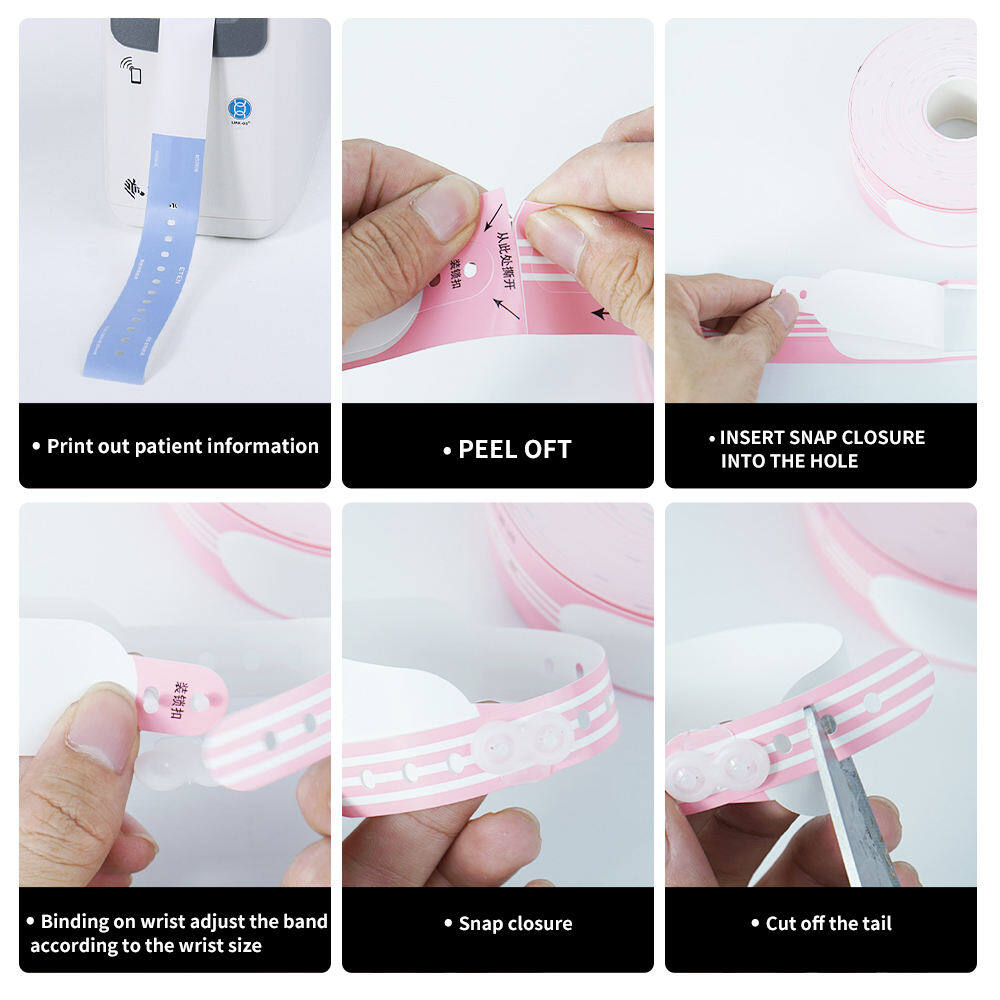
- Reduced Workload: Automated encoding during printing eliminates manual data entry, and durable materials reduce replacement frequency, freeing nursing time for direct care.
- Increased Acceptance: Attractive, non-clinical aesthetics and personalization options reframe the wristband as a convenience tool rather than an institutional restraint, improving voluntary compliance across all patient demographics.
Addressing the Psychosocial Dimension
Compliance is not merely a behavioral problem; it is deeply psychosocial. Patients who feel empowered, respected, and actively involved in their care demonstrate higher adherence across all measured dimensions. When patients control meal selection, schedule their own appointments within clinically appropriate parameters, and authorize payments transparently, they experience agency that traditional hospital routines systematically deny. The wristband becomes a symbol of partnership rather than surveillance, reframing the patient-provider relationship in ways that extend well beyond the device itself.
Implementation Considerations and Challenges
Infrastructure Requirements
Deploying wristband-enabled service platforms requires coordinated investment across four domains:
- Wristband Hardware: Dual-technology wristbands incorporating both UHF RFID inlays and NFC chips carry higher per-unit costs than barcode-only alternatives. IP67 waterproof ratings ensure durability through showering, handwashing, and repeated sanitization cycles. Volume procurement and standardized form factors mitigate cost impacts, while reusable silicone NFC wristband options reduce waste for long-stay and recurring-admission populations.
- Reader Infrastructure: Bedside NFC readers, corridor-mounted UHF antennas, and self-service kiosks must be deployed strategically to ensure ubiquitous access without creating bottlenecks. Reader placement should follow patient flow analysis to maximize convenience and minimize wait times.
- Software Integration: Middleware connecting wristband events to EHR, nutrition management, scheduling, and revenue cycle systems represents the most complex implementation component. API standardization and HL7 FHIR compatibility reduce integration burden and enable vendor-neutral interoperability.
- Security Architecture: Authentication protocols must satisfy HIPAA requirements while maintaining usability. Tokenization ensures that no sensitive financial or health data resides on the wristband itself; encrypted tokens are exchanged during each transaction, limiting exposure if a wristband is lost, stolen, or cloned.
Privacy Concerns
Integrating financial and service data into a wearable device raises legitimate privacy concerns that must be addressed proactively:
- Opt-in or Opt-out Models: Patients should have meaningful choice regarding participation in enhanced wristband services. Opt-in models respect autonomy but may reduce adoption; opt-out models maximize participation while preserving withdrawal rights. Institutional policy should reflect community values and regulatory expectations.
- Data Minimization: Wristband chips should store only authentication tokens, never personal health information or financial account numbers. All sensitive data resides server-side, accessed only after successful cryptographic authentication. This architecture limits exposure if a wristband is lost, stolen, or cloned.
- Transparency: Clear, accessible explanations of what data is collected, how it is used, and who can access it build trust and support informed consent. Privacy notices should be available in multiple languages and formats appropriate for diverse patient populations.
Standardization and Interoperability
The absence of universal standards for wristband-enabled healthcare services creates fragmentation risk. Proprietary implementations lock institutions into single vendors and impede cross-facility continuity. Emerging efforts to align wristband protocols with NHS Smartcard standards in the UK and major EHR vendor APIs—including Epic, Cerner, and TPP SystmOne—signal movement toward interoperability, but widespread adoption remains incomplete.
Healthcare organizations evaluating wristband platforms should prioritize vendors committed to open standards across four dimensions:
- Physical Durability: IP67 waterproof and chemical-resistant materials validated for repeated sanitization cycles and extended patient wear.
- Material Compatibility: Hypoallergenic, latex-free materials suitable for diverse patient populations including neonatal, geriatric, and dermatologically sensitive patients.
- Security Features: Mutual authentication, tokenization, and encrypted communication protocols compliant with HIPAA, GDPR, and regional data protection regulations.
- Technical Capability: Published APIs, HL7 FHIR compatibility, and third-party interoperability testing ensuring vendor-neutral integration with existing hospital systems.
Future Directions: The Connected Hospital Ecosystem
The wristband's evolution from identifier to universal health card represents an early stage in a broader transformation toward connected hospital ecosystems. As sensor technology, edge computing, and artificial intelligence mature, additional capabilities will emerge:
- Real-time Location Services: UHF RFID infrastructure already deployed for batch census verification can enable continuous patient location tracking, supporting elopement prevention, contact tracing, and resource allocation optimization without additional hardware investment.
- Personalized Wayfinding: NFC waypoints throughout the facility can guide ambulatory patients to appointments, cafeterias, and discharge areas using wristband-triggered directional prompts, reducing missed appointments and staff escort demands.
- Continuity of Care: Post-discharge wristband retention programs could extend service access to follow-up appointments, medication refill authorizations, and telehealth check-ins, bridging the transition gap that drives preventable readmissions.
- Comprehensive Patient Management: Integrated wristband platforms combining identification, service delivery, payment, and location tracking create a unified patient management layer that replaces fragmented point solutions with a single, coherent digital infrastructure.
Conclusion: The Wristband as Empowerment Tool
The patient identification wristband has served healthcare reliably for decades as a simple safeguard against misidentification. Its evolution into a universal health card represents not a replacement of this foundational function, but an expansion that honors the original purpose while unlocking transformative new value. The same device that ensures the right patient receives the right medication can now ensure that patient orders the right meal, schedules the right appointment, and authorizes the right payment—all through a single, familiar tap.
This convergence of identification and service delivery carries profound implications for patient compliance, satisfaction, and operational efficiency. When the wristband becomes valuable to the patient—not just to the clinician—continuous wear compliance improves naturally, without coercion or surveillance. When service access simplifies, patient anxiety decreases and trust increases. When financial transactions become transparent and convenient, billing disputes decline and revenue cycle performance strengthens.
The path forward requires thoughtful implementation, rigorous attention to privacy and security, and commitment to open standards that prevent vendor lock-in. But the destination is clear: a healthcare experience where the wristband empowers patients as active participants in their own care, where technology serves human needs rather than institutional convenience, and where the humble strip of material on a patient's wrist becomes a symbol of partnership, dignity, and modern healthcare at its best. The universal health card is no longer a future aspiration—it is an achievable present reality for organizations willing to reimagine what the wristband can be.
Disclaimer: This article is intended for educational and informational purposes only. Healthcare organizations should consult qualified professionals and conduct thorough feasibility assessments before implementing wristband-enabled service platforms, payment systems, or patient identification technology upgrades specific to their circumstances.
Continue Reading
Have Questions About Wristbands?
Our team is ready to help you find the perfect wristband solution for your needs. Contact us directly on WhatsApp for quick responses.
Contact on WhatsApp