
Direct Thermal Wristband Shelf Life: How Long Can You Store Them?
Introduction
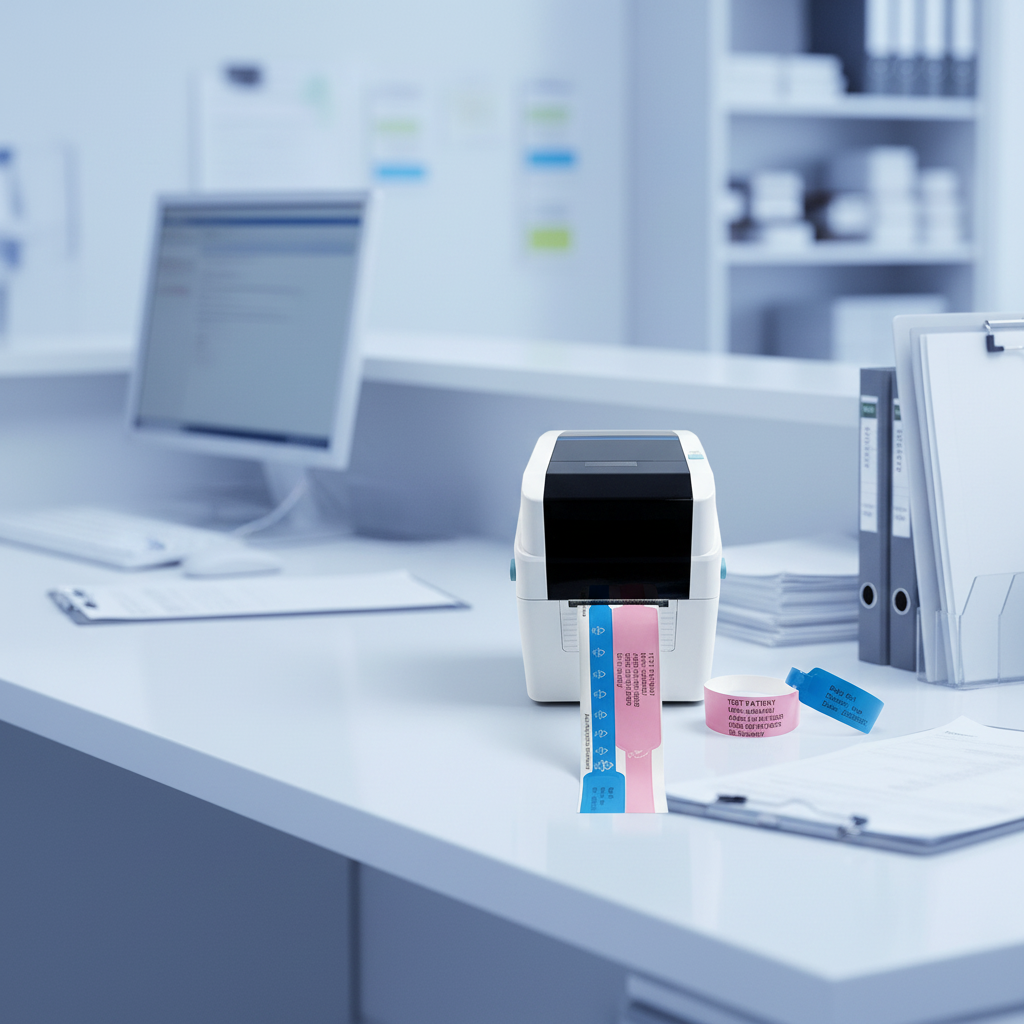
Direct thermal wristbands are a staple in many healthcare facilities, offering a fast, efficient way to print patient identification bands at the point of care. These wristbands eliminate the need for ribbons, toner, or ink, making them a cost-effective and convenient solution for busy admissions departments, emergency rooms, and outpatient clinics. However, one question that frequently arises among procurement officers, materials managers, and healthcare administrators is: how long can direct thermal wristbands be stored before they become unusable?
The answer is not a simple number. Shelf life for direct thermal wristbands depends on a combination of material chemistry, storage conditions, environmental exposure, and the specific product design. Understanding these factors is essential for effective inventory management, reducing waste, and ensuring that every wristband performs as expected when it is needed most.
This article provides a comprehensive examination of direct thermal wristband shelf life. It covers the science behind direct thermal printing, the factors that affect longevity, industry standards for storage, and practical strategies for maximizing shelf life in hospital and warehouse environments.
Understanding Direct Thermal Printing Technology
How Direct Thermal Wristbands Work
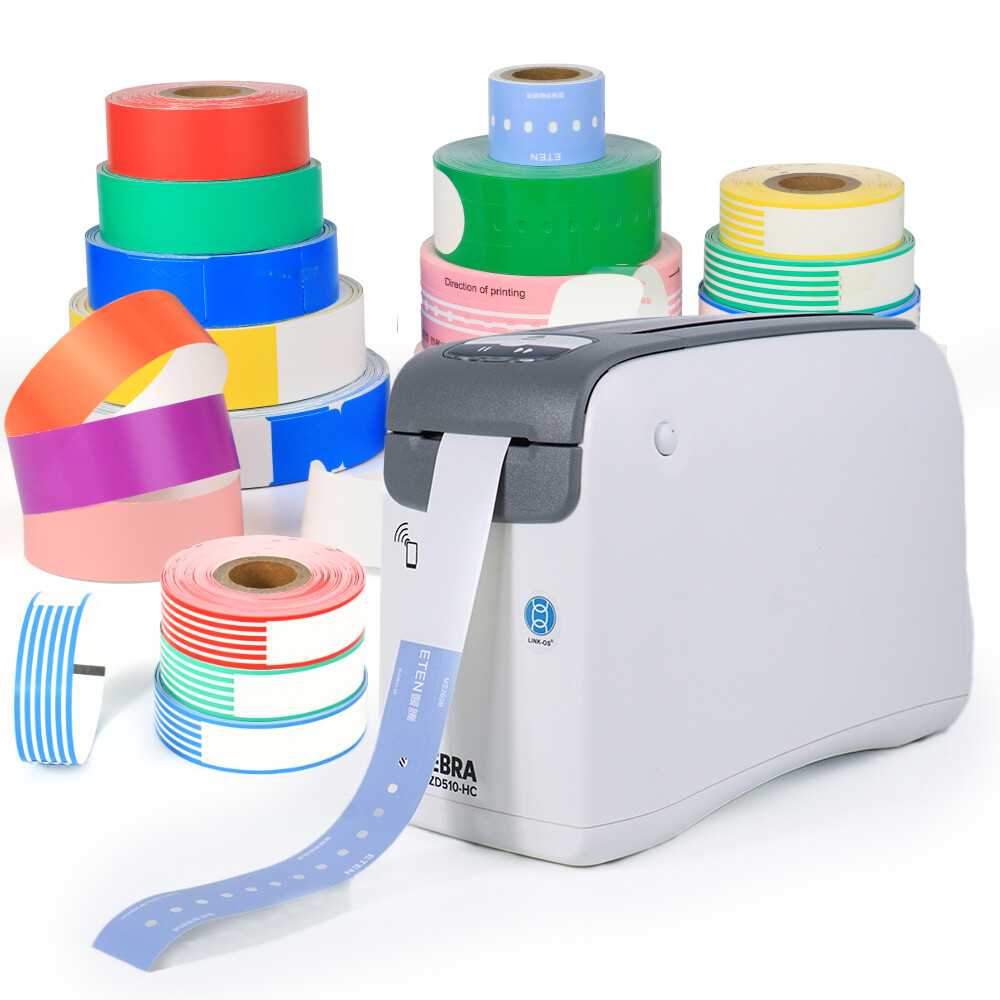
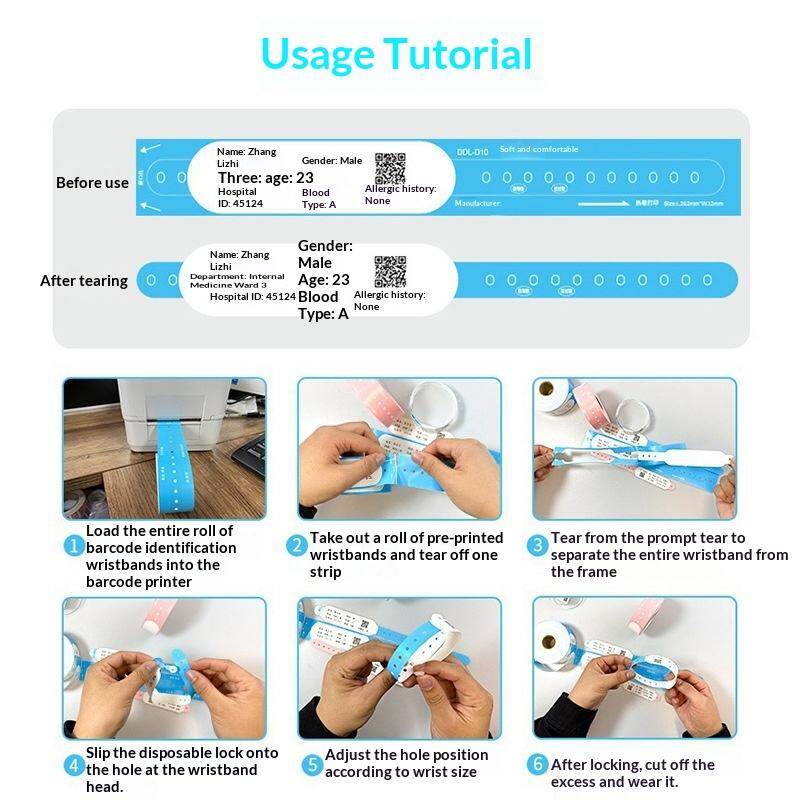
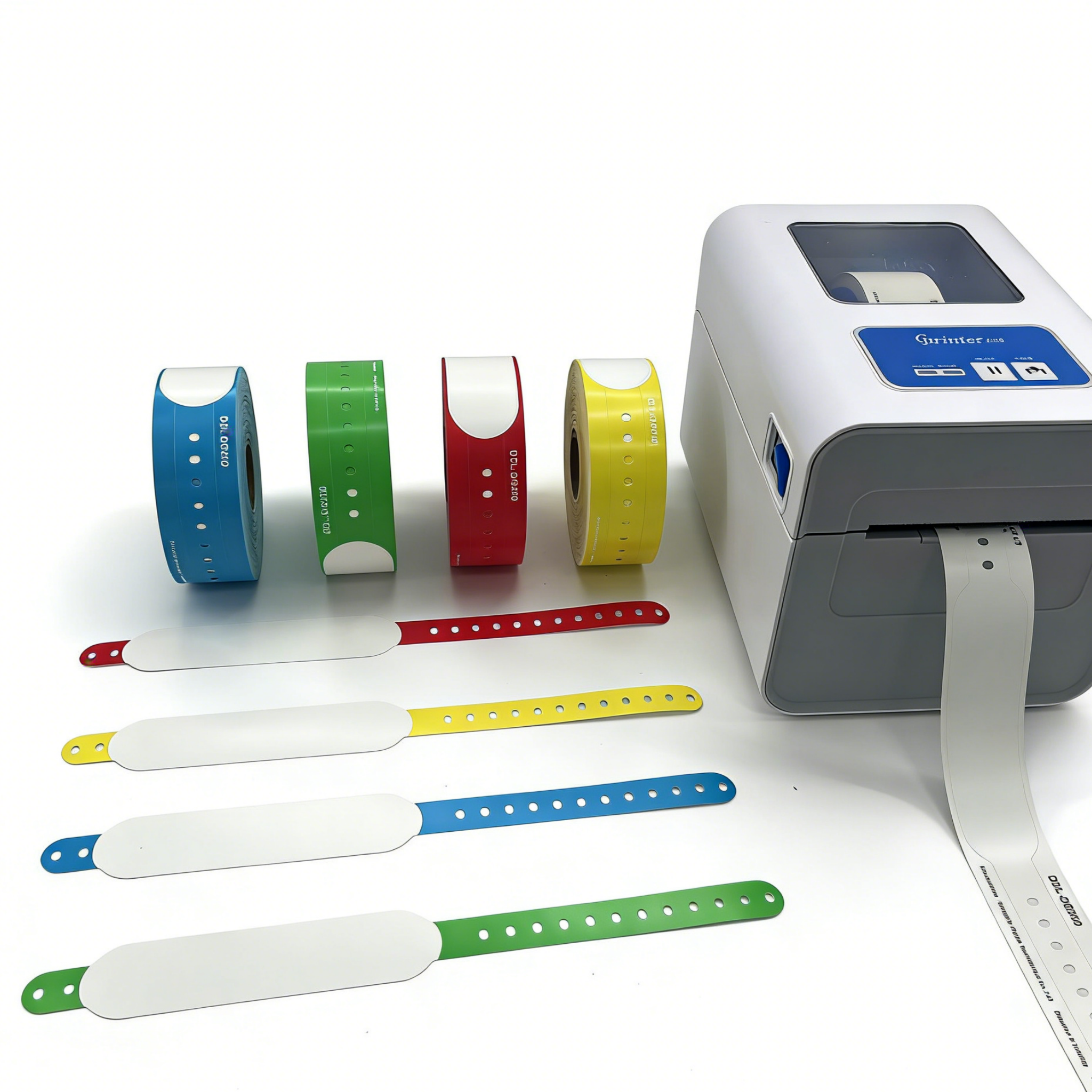
Direct thermal printing is a technique that creates images by applying heat to specially treated paper or synthetic materials. The wristband material is coated with a heat-sensitive layer that contains leuco dye and a developer. When the thermal printhead applies heat, the dye and developer react chemically to produce a dark image—typically black text and barcodes.
Unlike thermal transfer printing, which uses a ribbon to transfer ink onto the material, direct thermal printing requires no consumables beyond the wristband itself. This simplicity is one of its primary advantages. Direct thermal printers have fewer moving parts, require less maintenance, and are generally less expensive to operate than thermal transfer printers.
Why Shelf Life Matters
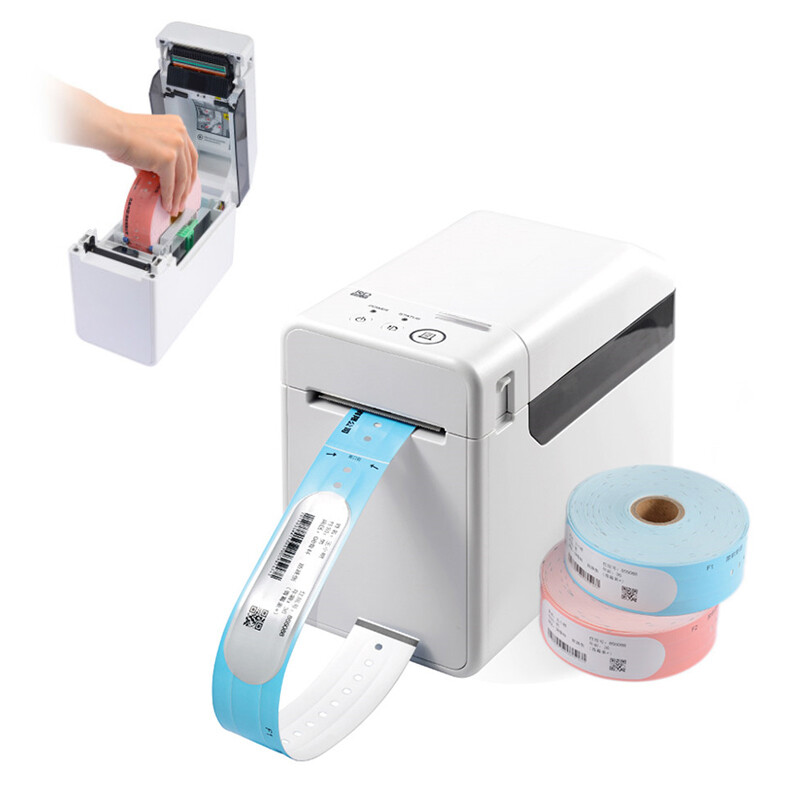
Because direct thermal wristbands rely on a chemical reaction to produce images, they remain chemically active even before printing. This means that improper storage can cause the material to darken prematurely, rendering it unusable. Once printed, the image can continue to fade or degrade if the wristband is exposed to heat, light, chemicals, or abrasion.
The shelf life of direct thermal wristbands therefore has two dimensions: the storage life before printing and the functional life after printing. Both are important for different reasons. Storage life affects inventory management and waste. Functional life affects patient safety and clinical workflow.
Factors That Determine Direct Thermal Wristband Shelf Life
Material Composition
The base material of a direct thermal wristband plays a significant role in determining its shelf life. Common materials include:
Paper-Based Materials: Traditional direct thermal paper is the most economical option but also the most sensitive to environmental factors. Paper-based wristbands may have a shelf life of one to two years under optimal conditions.
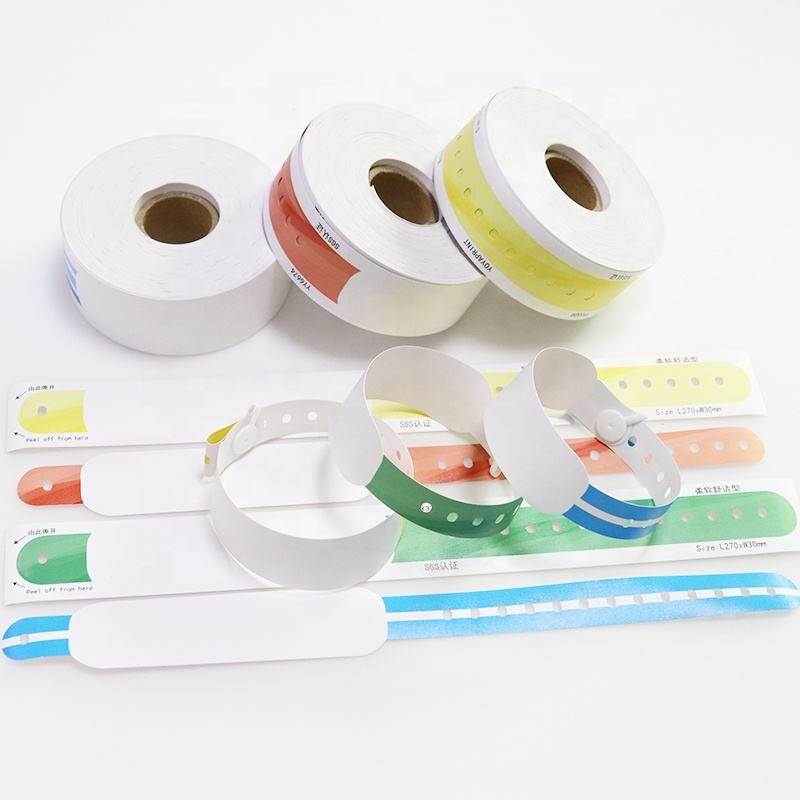
Synthetic Materials: Polypropylene and other synthetic materials offer greater durability and resistance to moisture, chemicals, and abrasion. These materials may have a shelf life of two to three years or longer.
Composite Materials: Some manufacturers use composite materials that combine the printability of paper with the durability of synthetics. These materials often offer the best balance of performance and longevity.
Protective Coatings
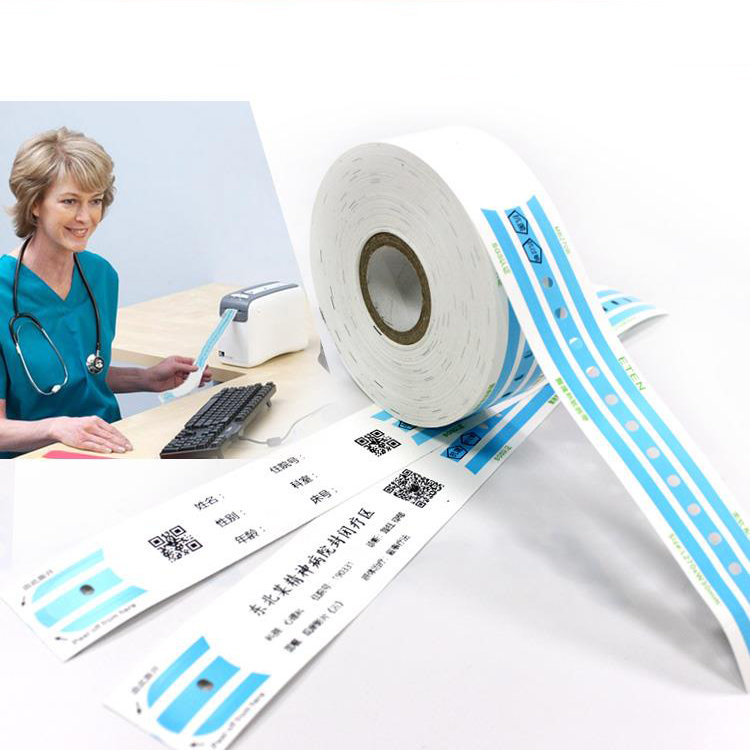
Many direct thermal wristbands feature a protective topcoat that enhances resistance to environmental factors. These coatings can protect against:
UV light exposure
Moisture and humidity
Chemicals such as alcohol-based hand sanitizers
Abrasion from handling and wearing
The presence and quality of a protective coating significantly affects both storage life and post-printing durability.
Storage Conditions
Temperature, humidity, and light exposure are the three most critical environmental factors affecting direct thermal wristband shelf life.
Temperature: Direct thermal materials are sensitive to heat. Storage temperatures above 95°F (35°C) can accelerate the chemical reactions that cause premature darkening. The optimal storage temperature is around 72°F (22°C). High temperatures can reduce shelf life dramatically, sometimes to a matter of months.
Humidity: Excessive humidity can cause paper-based materials to warp, promote mold growth, and degrade adhesives. The recommended relative humidity for storage is 50% or lower. Some manufacturers specify acceptable humidity ranges up to 80% RH, but lower is generally better.
Light Exposure: Direct thermal materials should be stored in the dark. Both direct sunlight and strong fluorescent light can cause background coloration, reducing contrast and making printed information harder to read. Even ambient light can slowly degrade unprinted material over extended periods.
Packaging and Handling
The way wristbands are packaged and handled also affects shelf life. Wristbands stored in their original packaging are protected from light, moisture, and physical damage. Once the packaging is opened, exposure begins. Materials should be kept in sealed containers or cabinets when not in use.
Handling practices matter as well. Scratches, rubbing, or contact with solvents can cause unwanted thermal revelation, creating marks that reduce legibility.
Industry Standards for Direct Thermal Wristband Shelf Life
Manufacturer Specifications
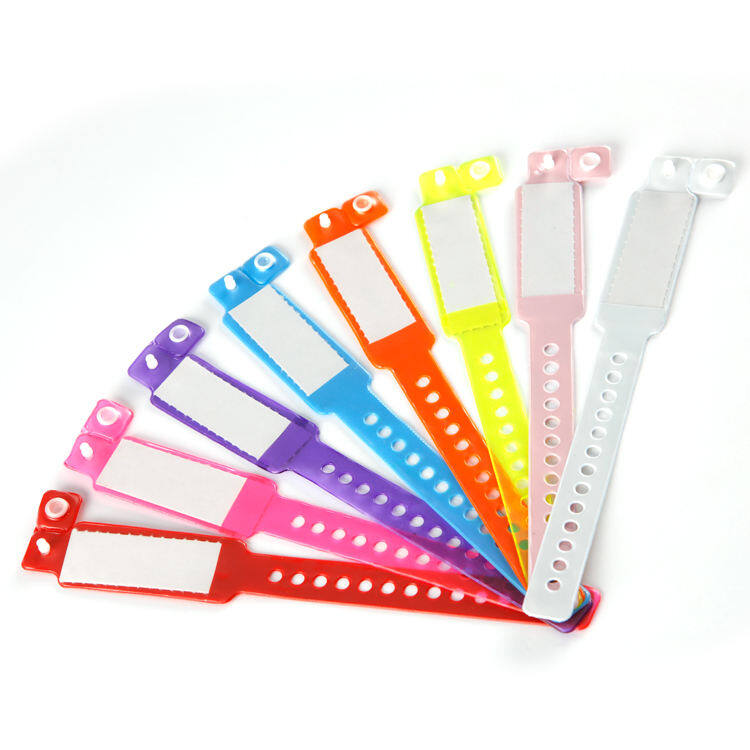
Most direct thermal wristband manufacturers provide shelf life specifications, though these vary widely based on material and intended use. Typical specifications include:
| Product Type | Typical Shelf Life | Source |
|---|---|---|
| Standard direct thermal paper wristbands | 1-2 years | Manufacturer data |
| Synthetic direct thermal wristbands | 2-3 years | Manufacturer data |
| Premium direct thermal wristbands with extended coating | 3+ years | Manufacturer data |
Some manufacturers specify a shelf life of two years for medical identification products, with a prohibition on using expired items. Others specify three years for their direct thermal wristband products.
Post-Printing Durability
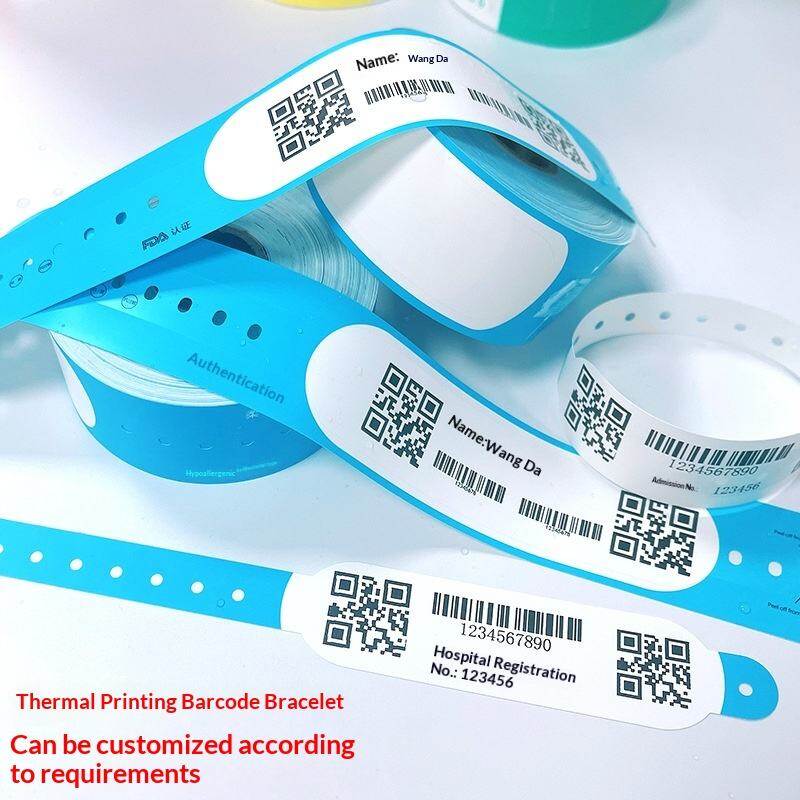
The functional life of a direct thermal wristband after printing is typically shorter than its storage life. Industry specifications for scannability after printing include:
Standard Direct Thermal: Scannable for up to 14 days under normal use conditions. This is suitable for short-stay patients, day surgery, and outpatient settings.
Extended-Durability Direct Thermal: Scannable for up to 60 days, designed for rehabilitation hospitals, psychiatric wards, and long-term care facilities where patients may have extended stays.
These specifications assume normal wear conditions. Exposure to heat, chemicals, or excessive moisture can reduce post-printing durability significantly.
Storage Best Practices for Maximum Shelf Life
Before Unpacking
Unopened packages of direct thermal wristbands should be stored under the following conditions to maximize shelf life:
Temperature: Store at or below 77°F (25°C). Avoid areas near heaters, hot water pipes, or other heat sources. The ideal storage temperature is around 72°F (22°C).
Humidity: Maintain relative humidity below 85%, with 50% RH being optimal. Avoid damp basements or areas prone to condensation.
Light: Store in the dark or in opaque packaging. Avoid direct sunlight and strong fluorescent lighting.
Position: Store packages flat, away from heavy objects that could cause compression damage.
After Unpacking
Once packaging is opened, additional precautions are necessary:
Limit Exposure: Keep wristbands in sealed containers or closed cabinets when not in use.
Use FIFO: Implement first-in, first-out inventory practices to ensure older stock is used first.
Avoid Contamination: Keep wristbands away from solvents, plasticizers, and other chemicals that could react with the thermal coating.
Handle with Care: Minimize scratching, rubbing, and unnecessary handling of unprinted wristbands.
In Clinical Settings
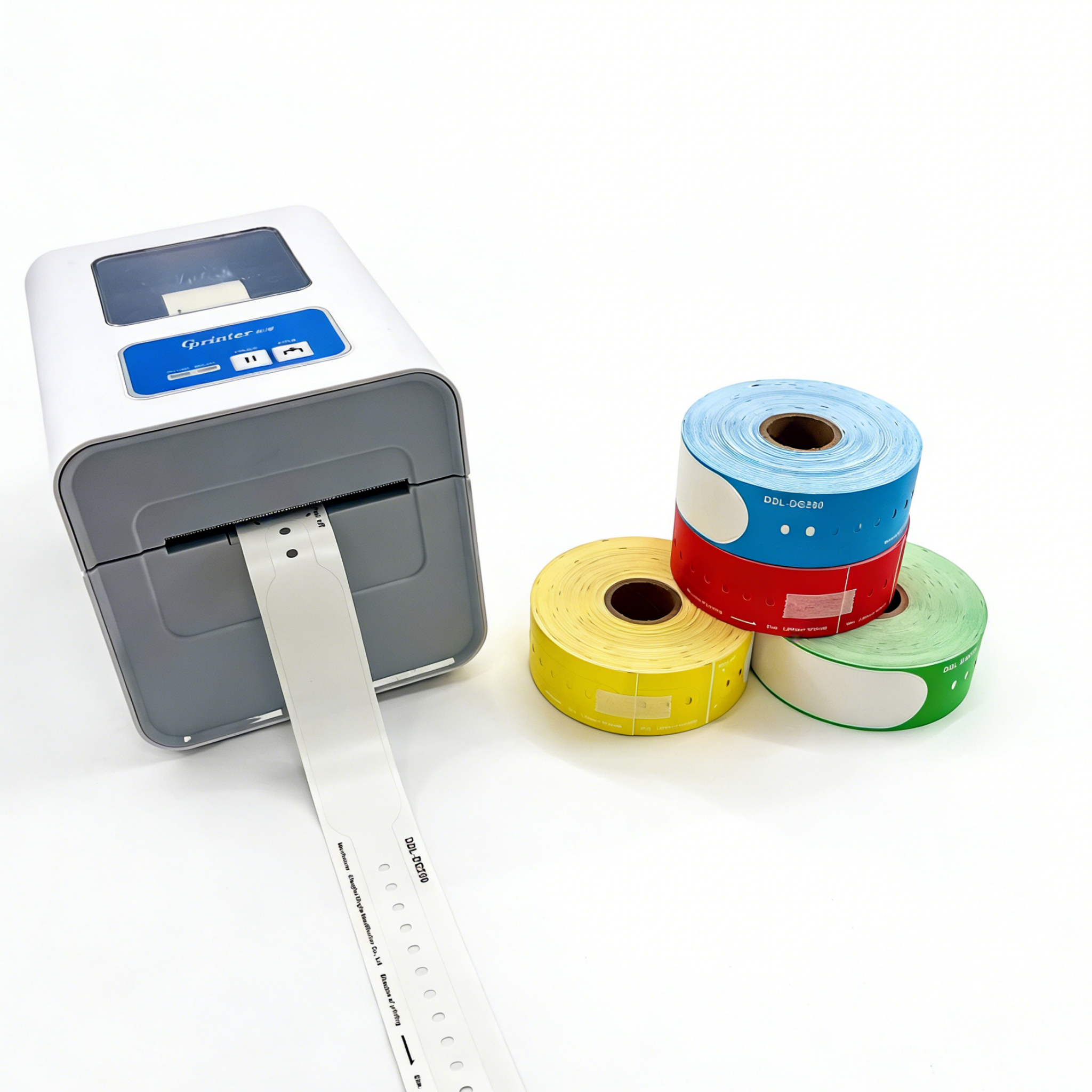
In hospital departments where wristbands are stored for on-demand printing, additional considerations apply:
Environmental Control: Choose storage locations away from windows, heat sources, and areas with high humidity.
Limited Quantities: Store only the quantity needed for a reasonable period (e.g., one to two weeks) in clinical areas. Keep the bulk of inventory in a controlled central storage location.
Regular Inspection: Periodically inspect stored wristbands for signs of premature darkening, discoloration, or damage. Remove any compromised stock from inventory.
Signs That Direct Thermal Wristbands Have Expired
Pre-Printing Indicators
Before printing, expired or degraded wristbands may show:
Yellowing or browning of the material
Uneven coloration or background darkening
Warping or curling of paper-based materials
Visible damage to the surface coating
Post-Printing Indicators
After printing, wristbands that are approaching the end of their functional life may exhibit:
Fading of printed text or barcodes
Darkening of the background, reducing contrast
Smudging or smearing of printed information
Barcodes that fail to scan reliably
Any of these signs indicate that the wristbands should be replaced.
Maximizing Wristband Longevity in Use
Selecting the Right Product
Not all direct thermal wristbands are created equal. For patients with expected long stays, choosing a wristband with extended durability specifications is essential. Products designed for long-term care may offer scannability for 60 days or more.
Protecting Printed Information
Once a wristband is applied, several factors affect how long the printed information remains legible:
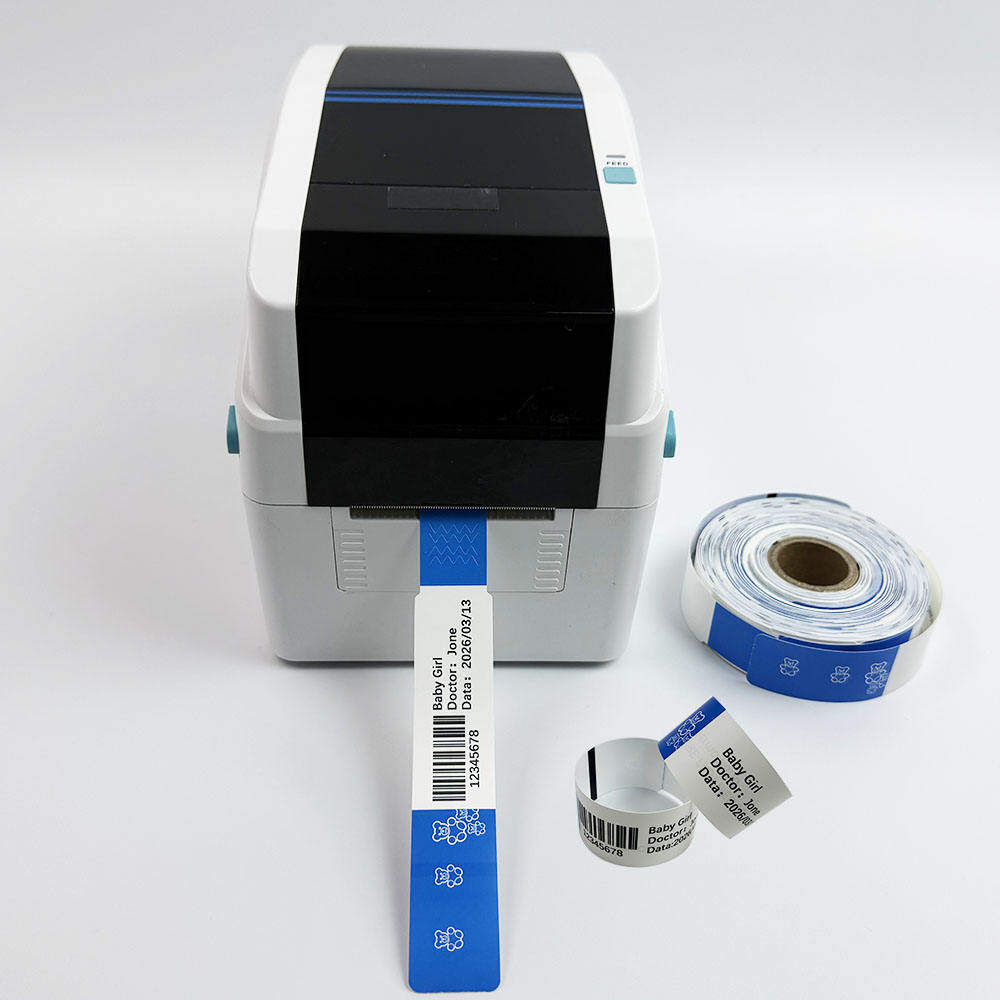
Chemical Exposure: Alcohol-based hand sanitizers, soaps, and surface wipes can attack the printed image or protective coating. Choosing wristbands with chemical-resistant coatings helps mitigate this risk.
Moisture and Abrasion: Sweat, handwashing, and friction against bedding or clothing can degrade the printed image. Water-resistant and abrasion-resistant materials offer better protection.
Heat and Light: Direct thermal print darkens with heat, which is how it works, but prolonged exposure to heat can cause the entire surface to darken, reducing contrast. Avoiding direct sunlight and heat sources helps preserve legibility.
Replacement Protocols
For extended-stay patients, establishing clear protocols for wristband replacement ensures that identification remains accurate and scannable:
Scheduled Replacement: Replace wristbands at predetermined intervals (e.g., every 14 days) regardless of appearance.
Condition-Based Replacement: Replace wristbands whenever signs of fading, damage, or illegibility are observed.
Documentation: Record wristband replacements in the patient record to maintain continuity of identification.
Comparing Direct Thermal and Thermal Transfer Shelf Life
Direct Thermal Limitations
Direct thermal wristbands offer convenience and low operating costs but have inherent limitations:
Shorter post-printing durability than thermal transfer
Greater sensitivity to heat, light, and chemicals
Potential for premature darkening during storage
These limitations make direct thermal most suitable for short-stay applications, high-throughput environments, and situations where rapid, low-cost printing is prioritized over long-term durability.
Thermal Transfer Advantages
Thermal transfer wristbands use a ribbon to transfer ink onto the material, creating a more durable print that is less susceptible to fading and chemical degradation. These wristbands typically offer:
Longer post-printing durability (scannable for 2 weeks or more under normal use)
Greater resistance to soap, alcohol, and hand sanitizers
Better performance in challenging environments
The trade-off is higher operating costs due to ribbon consumption and more complex printer maintenance.
Conclusion
Direct thermal wristband shelf life is not a single number but a range that depends on material composition, protective coatings, storage conditions, and intended use. Under optimal storage conditions—cool, dark, and dry—direct thermal wristbands can maintain usability for two to three years. After printing, scannability typically lasts from 14 to 60 days depending on the product and wear conditions.
For healthcare facilities, the keys to maximizing shelf life are straightforward: store wristbands in controlled environments, implement FIFO inventory practices, inspect stock regularly, and choose products appropriate for the expected length of patient stay. For procurement professionals, understanding shelf life helps inform ordering decisions, reduce waste, and ensure that wristbands are available and functional when needed.
By paying attention to these factors, hospitals can avoid the twin problems of expired inventory and premature wristband failure, ensuring that every patient receives a durable, legible, and scannable identification band throughout their stay.
Continue Reading
Have Questions About Wristbands?
Our team is ready to help you find the perfect wristband solution for your needs. Contact us directly on WhatsApp for quick responses.
Contact on WhatsApp