
Wristband Inventory Management: How Hospitals Avoid Stockouts and Waste
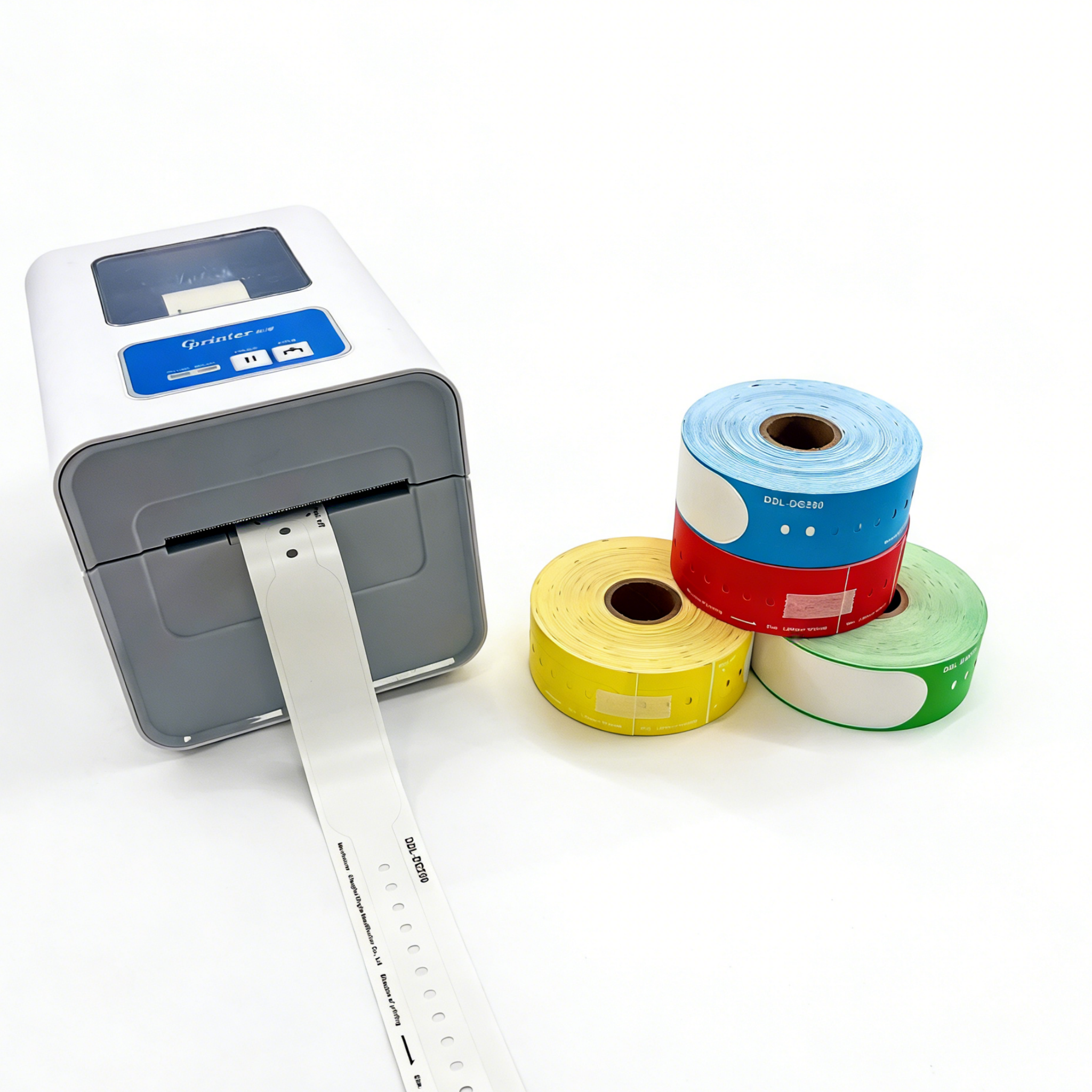
Patient wristbands are small, inexpensive items that play an outsized role in hospital safety. Yet despite their low unit cost, managing wristband inventory is a surprisingly complex operational challenge. A stockout of the right wristband type at the wrong moment can delay admissions, disrupt surgical schedules, and force staff to improvise with inappropriate substitutes. Conversely, overstocking leads to expired materials, wasted storage space, and unnecessary expenditure.
For hospital supply chain managers, materials management teams, and procurement officers, wristband inventory represents a classic balance problem. Too little inventory creates risk; too much creates waste. The solution lies in understanding consumption patterns, implementing appropriate inventory controls, and building flexibility into the supply chain.
This article examines wristband inventory management from a practical, operational perspective. It covers demand forecasting, reorder point calculation, storage practices, waste reduction strategies, and the role of technology in maintaining optimal stock levels. It is intended for healthcare administrators, materials managers, and medical wristband suppliers who serve hospital customers.
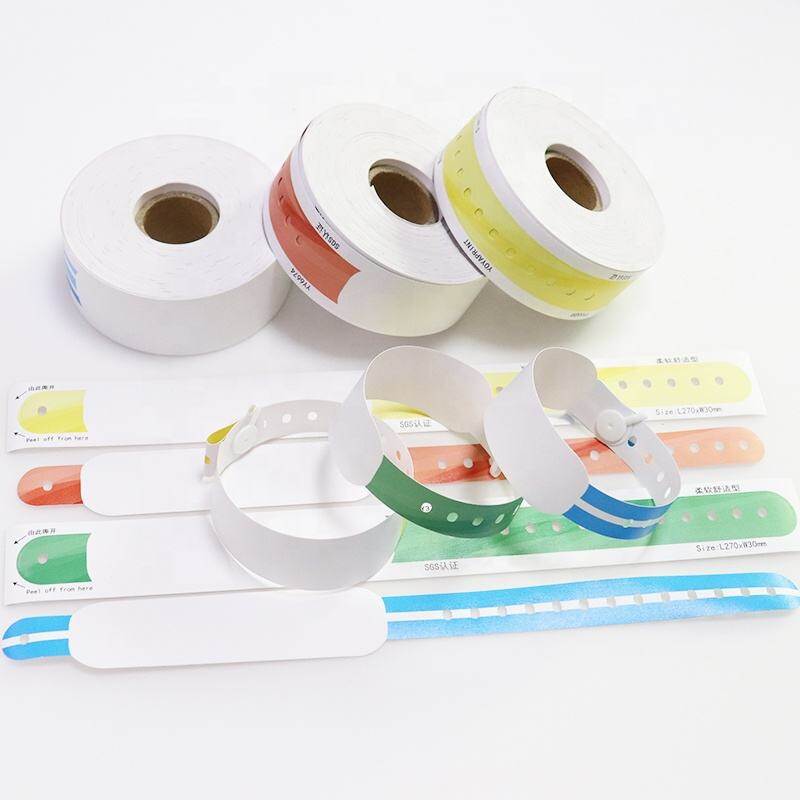
Why Wristband Inventory Management Matters
The Hidden Cost of Stockouts
When a hospital runs out of a specific wristband type, the consequences ripple through the organization. Nurses may be forced to use a different size or material that does not fit properly. In some cases, staff may resort to handwritten temporary bands that lack barcodes and cannot be integrated into electronic medication administration workflows. These workarounds increase the risk of identification errors and compromise patient safety.
Stockouts also create operational inefficiency. Staff spend time searching for alternatives, calling other departments, or waiting for emergency deliveries. In surgical settings, a missing wristband can delay a procedure. In emergency departments, it can slow patient throughput during peak hours.
The financial cost of a stockout extends beyond the immediate inconvenience. Emergency orders typically carry premium pricing and expedited shipping charges. If the stockout leads to a patient safety event, the cost—both human and financial—can be substantial.
The Cost of Overstocking
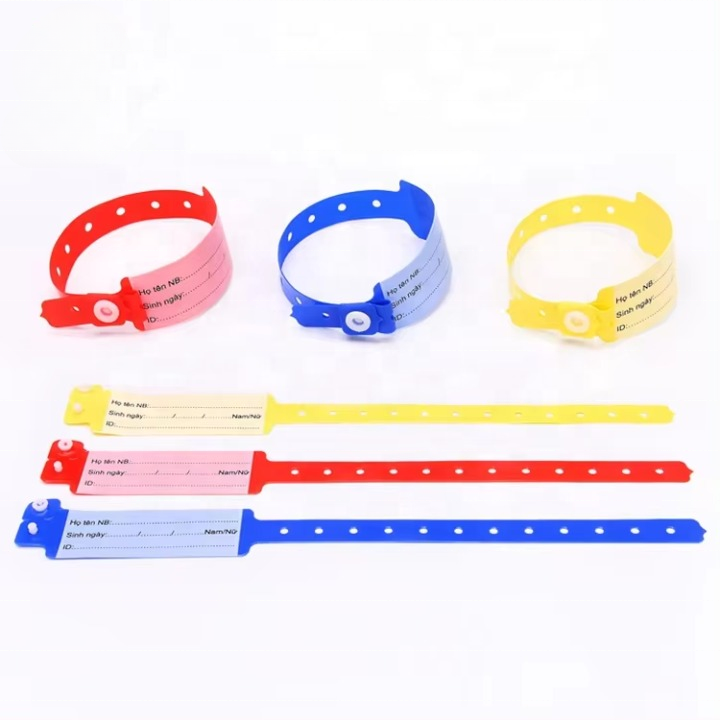
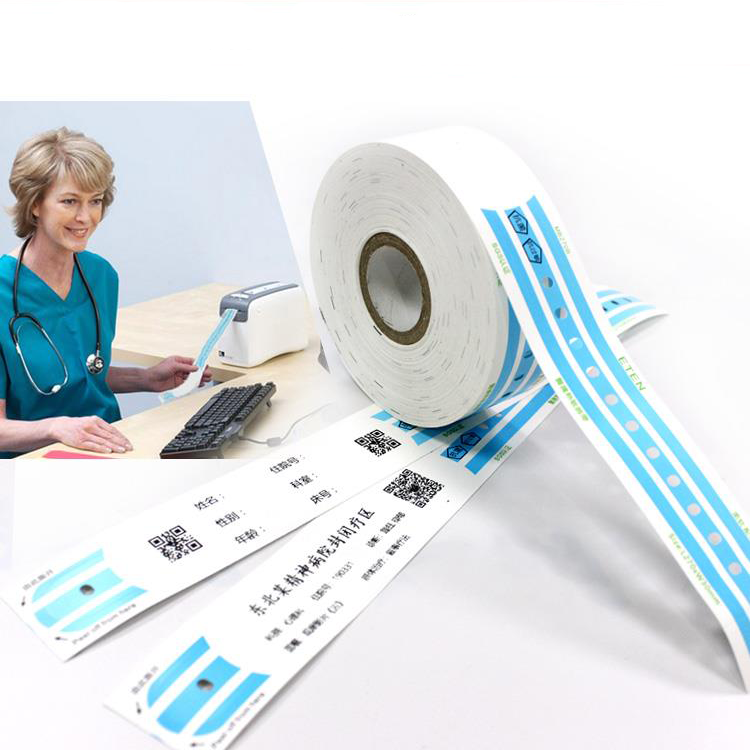
Overstocking may seem like a safer alternative to stockouts, but it carries its own penalties. Wristbands have a finite shelf life. Thermal-printed bands may lose print quality over time. Adhesive bands may lose their tack. Materials may degrade or become discolored.
Storage space is another consideration. Hospitals have limited storage capacity, and every shelf occupied by excess wristbands is a shelf unavailable for other supplies. In clinical areas where space is at a premium, excess inventory creates clutter and inefficiency.
Overstocking also ties up working capital. While the unit cost of wristbands is low, the cumulative value of excess inventory across a large health system can be significant. This capital could be deployed more productively elsewhere.
Understanding Wristband Consumption Patterns
Factors That Drive Demand
Wristband consumption varies widely across hospital departments and patient populations. Understanding these variations is essential for accurate forecasting.
Patient Volume: The most obvious driver of wristband demand is patient volume. More admissions, more emergency visits, and more outpatient procedures all translate to higher wristband consumption.
Length of Stay: Longer stays may require multiple wristbands per patient as bands become worn, soiled, or damaged. Patients with extended stays may need replacement bands every few days.
Departmental Differences: Different departments use wristbands at different rates. Emergency departments may apply and remove bands quickly as patients are triaged and discharged. Surgical units may use multiple bands per patient for different purposes. Neonatal units use smaller, specialized bands that may need frequent replacement as infants grow.
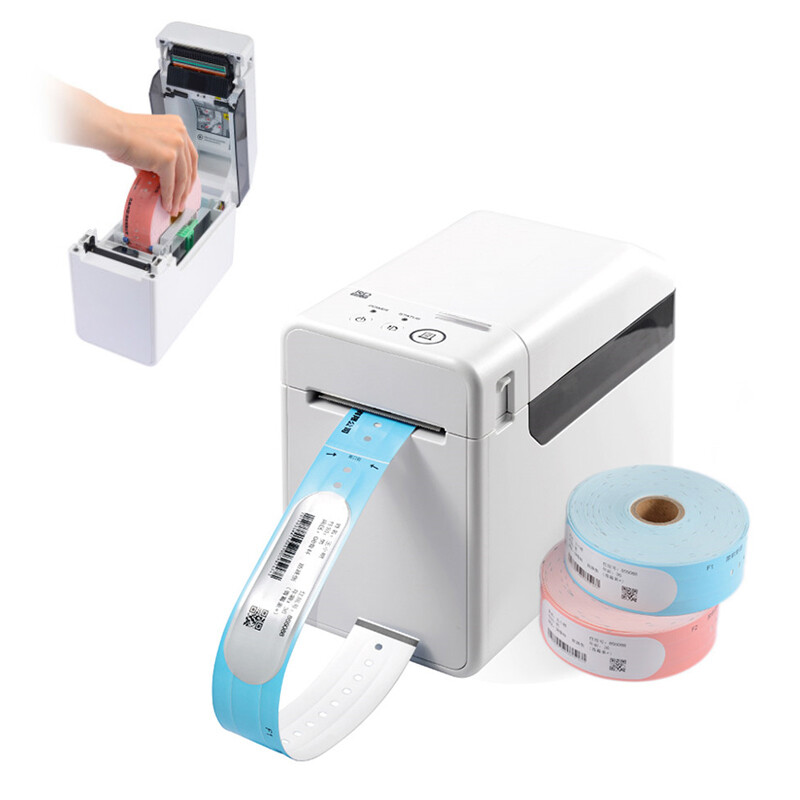
Seasonality: Some hospitals experience seasonal fluctuations in patient volume. Flu season, holiday periods, and summer trauma season can all affect wristband consumption.
Special Events: Mass casualty incidents, outbreaks, and other emergencies can cause sudden spikes in demand that are difficult to predict.
Product Loss and Waste: Not every wristband that is stocked is ultimately used. Bands may be lost, damaged during printing, or discarded because of printing errors. Understanding the rate of loss and waste helps calibrate ordering quantities.
Data Sources for Forecasting
Accurate forecasting requires good data. Hospitals can draw on several sources:
Historical Consumption Data: Records of past wristband usage by department, by type, and by month provide a baseline for forecasting.
Admission and Census Data: Patient census data, including admissions, discharges, and transfers, correlates with wristband consumption.
Procurement Records: Purchase history shows what was ordered, when, and in what quantities. Comparing purchases to actual consumption reveals the rate of waste or shrinkage.
Clinical Input: Nurses and unit managers can provide valuable insight into usage patterns and any changes in practice that might affect demand.
Supplier Data: Manufacturers and distributors can share information about lead times, minimum order quantities, and any supply chain issues that might affect availability.
Setting Reorder Points and Safety Stock
The Reorder Point Formula
The reorder point is the inventory level at which a new order should be placed. It is calculated as:
Reorder Point = (Average Daily Usage × Lead Time) + Safety Stock
For example, if a hospital uses an average of 50 wristbands per day, the lead time from the supplier is 10 days, and the hospital wants a safety stock of 200 units, the reorder point would be:
(50 × 10) + 200 = 700 units
When inventory falls to 700 units, a new order should be placed.
Determining Safety Stock
Safety stock is the buffer that protects against unexpected increases in demand or delays in delivery. Several factors influence the appropriate level of safety stock:
Demand Variability: The more variable the demand, the higher the safety stock needed.
Lead Time Variability: If suppliers are unreliable or shipping times vary, safety stock should be increased.
Criticality: Wristbands are essential for patient safety. A stockout is not an option, so safety stock should be generous.
Storage Constraints: Safety stock requires storage space. Hospitals with limited space may need to balance the desire for a buffer against physical limitations.
Cost: Holding safety stock ties up capital and risks obsolescence. The cost of holding inventory should be weighed against the cost of a stockout.
Adjusting for Different Wristband Types
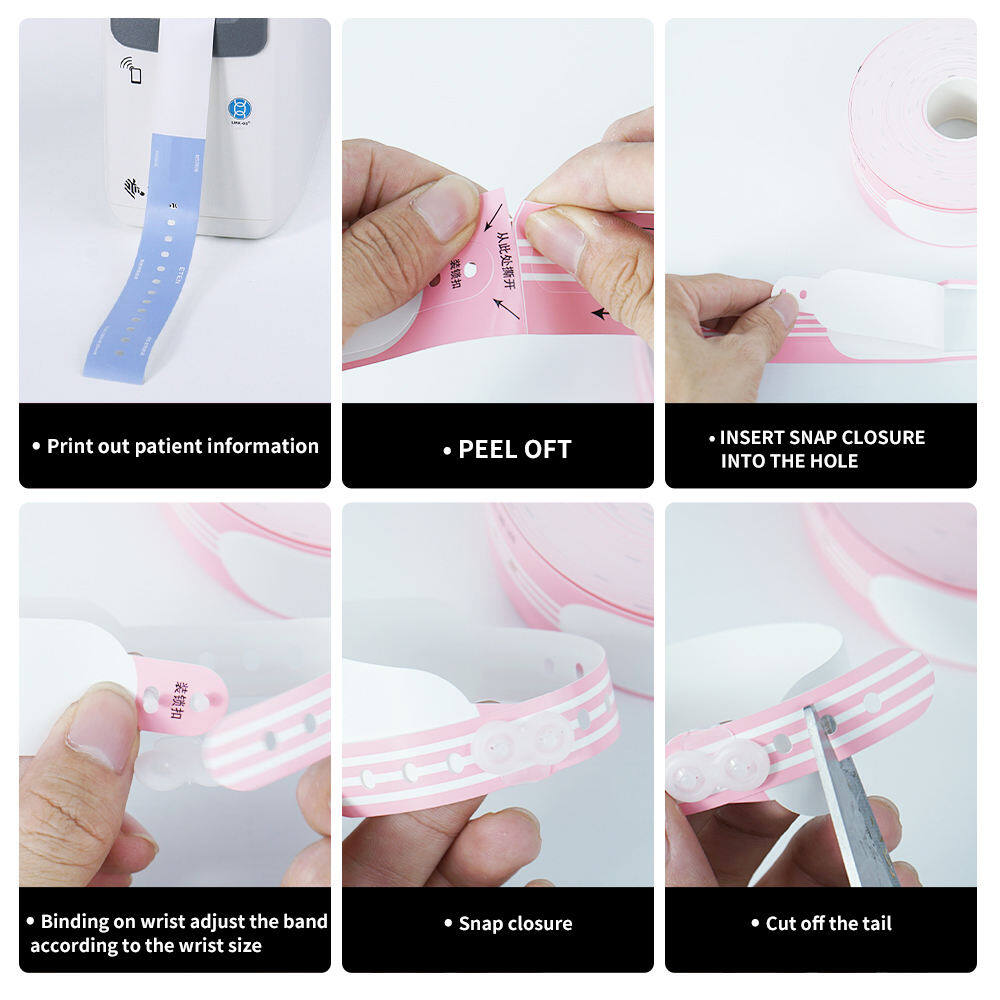
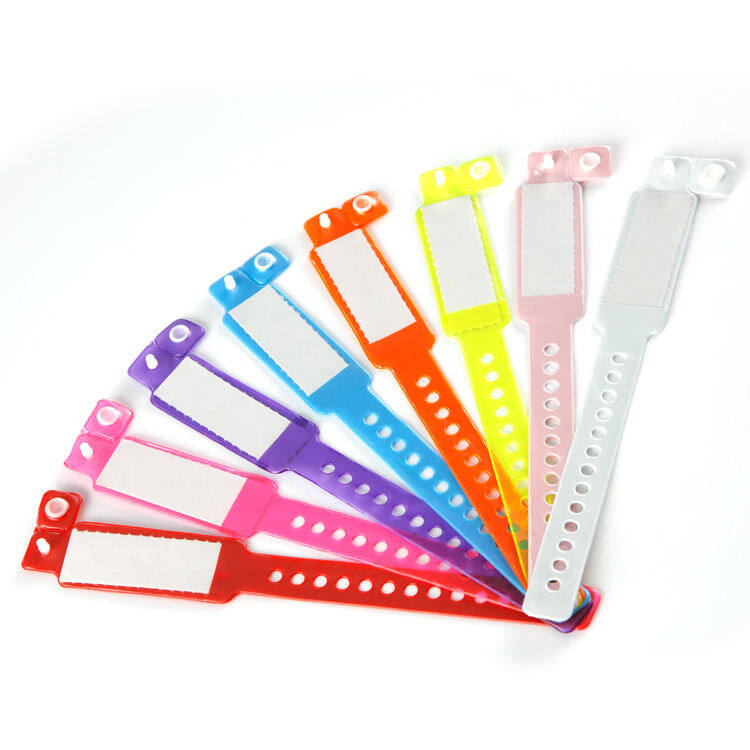
Different wristband types may require different reorder points and safety stock levels. High-volume standard adult bands can be managed with tighter controls, while low-volume specialty bands may require larger safety stocks relative to their usage because lead times may be longer and minimum order quantities may be higher.
Storage and Handling Best Practices
Environmental Conditions
Wristbands should be stored in a controlled environment that protects them from:
Heat and Sunlight: Direct thermal materials are sensitive to heat and UV light. Storage areas should be cool and away from windows.
Moisture and Humidity: Excessive moisture can degrade adhesives and cause paper-based bands to warp or become moldy. Humidity-controlled storage is ideal.
Chemicals and Fumes: Solvents, cleaning agents, and other chemicals can damage wristband materials. Store wristbands away from chemical storage areas.
Physical Damage: Bands should be stored flat or in their original packaging to prevent bending, creasing, or stretching.
Organization and Accessibility
Good storage organization makes it easy for staff to find the right band quickly:
Label Clearly: Use clear labels that identify the product type, size, and quantity.
Organize by Usage: Place high-volume items in easily accessible locations and low-volume items in less accessible areas.
Use First-In, First-Out (FIFO): Rotate stock so that older bands are used before newer ones. This reduces the risk of expired or degraded materials.
Separate by Type: Keep different wristband types separate to avoid confusion and misselection.
Secure Controlled Items: Some wristbands, such as tamper-evident or security bands, may require controlled access to prevent loss or misuse.
Distribution to Clinical Areas
How wristbands are distributed to clinical areas affects both availability and waste:
Centralized Distribution: A central supply department fills requisitions from clinical units. This provides control but may delay access.
Par-Level Systems: Clinical units maintain a predetermined level of stock, which is replenished by central supply. This balances availability with control.
Automated Dispensing Cabinets: Some hospitals use automated cabinets that track usage and trigger replenishment. These systems provide real-time data but require capital investment.
Direct Access: In some settings, clinical staff can access central supply directly. This is convenient but may lead to overstocking or hoarding.
Strategies to Reduce Waste
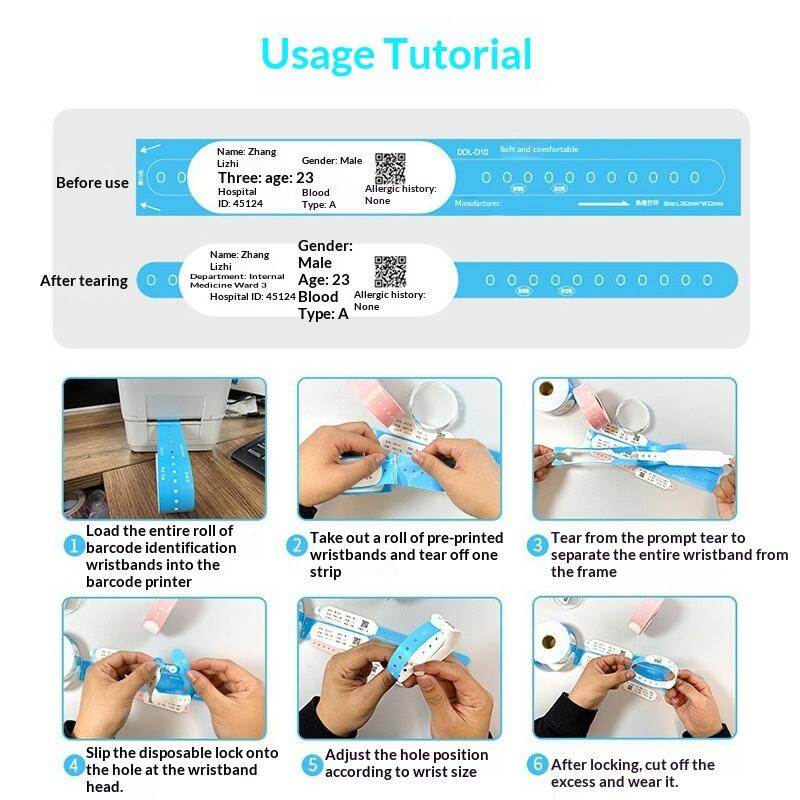
Preventing Printing Errors
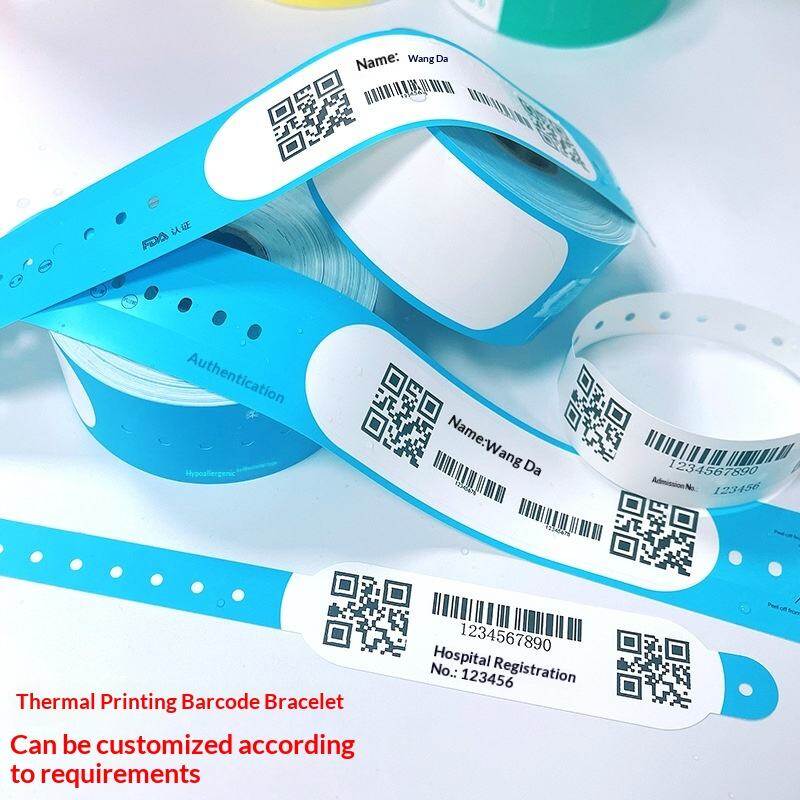
Printing errors are a significant source of wristband waste. Common errors include misaligned printing, incorrect information, and illegible barcodes. To reduce waste:
Calibrate Printers Regularly: Follow manufacturer guidelines for printer maintenance and calibration.
Train Staff: Ensure that staff who print wristbands know how to load materials, adjust settings, and troubleshoot common issues.
Use Quality Materials: Low-quality wristband materials may not print cleanly, leading to higher error rates.
Implement Error Logging: Track printing errors to identify patterns and address root causes.
Consider Pre-Printed Bands: For high-volume, standardized applications, pre-printed bands may reduce errors and waste.
Managing Expiration and Shelf Life
Wristbands have a shelf life, and using expired bands can compromise patient safety. To manage expiration:
Track Expiration Dates: Record expiration dates when receiving stock and monitor them during storage.
Rotate Stock: Use FIFO principles to ensure that older stock is used first.
Dispose Properly: Remove expired bands from inventory and dispose of them according to facility policies.
Avoid Over-Ordering: Order only what can reasonably be used within the shelf life period.
Reducing Loss and Shrinkage
Loss and shrinkage occur when wristbands disappear from inventory without being used for patient care. Causes include theft, misplacement, and damage. To reduce loss:
Secure Storage: Keep wristbands in locked or controlled areas.
Monitor Usage: Track usage patterns and investigate unexplained discrepancies.
Educate Staff: Remind staff that wristbands are medical supplies, not personal items, and should not be taken home.
Limit Access: Restrict access to wristband storage to authorized personnel.
The Role of Technology in Inventory Management
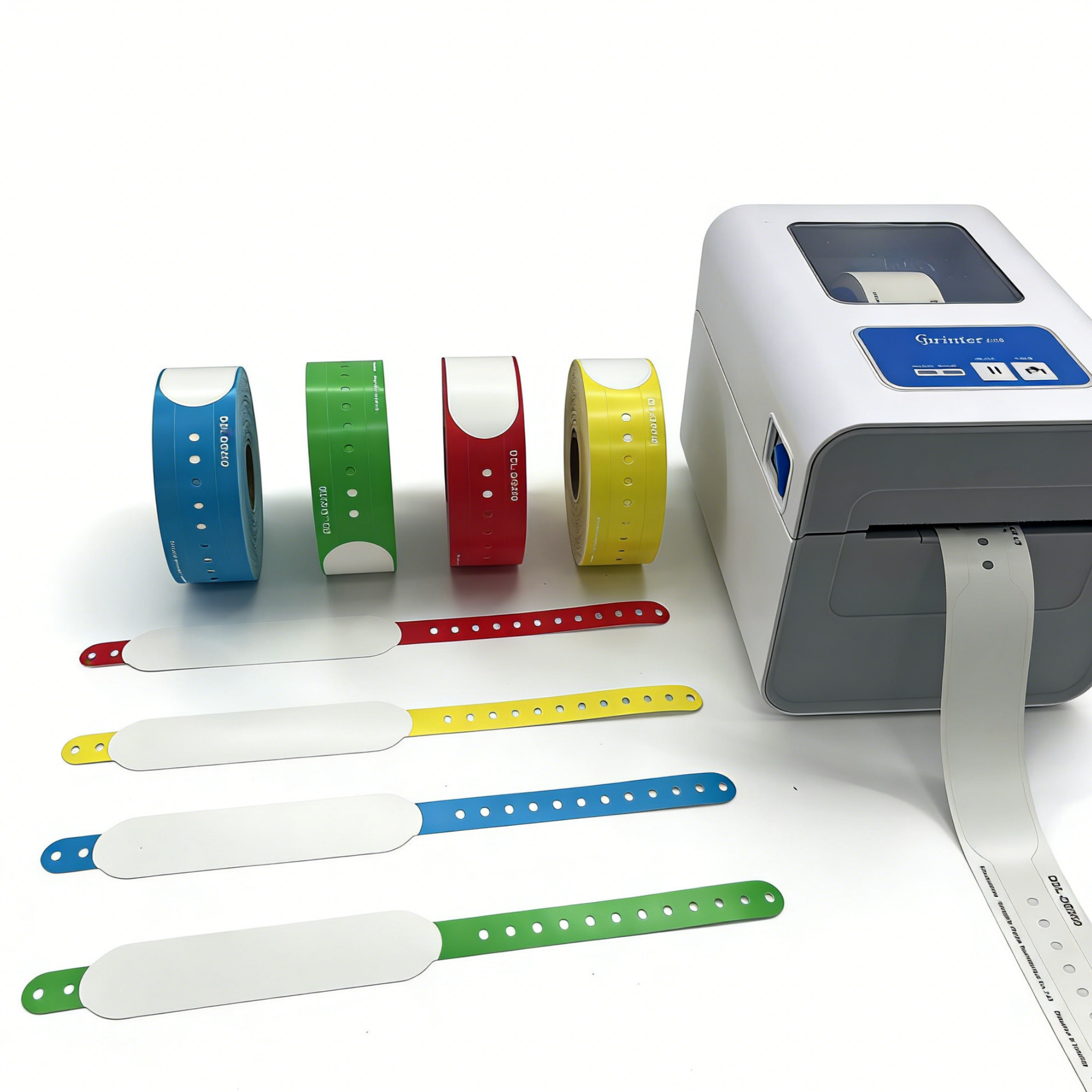
Barcode and RFID Tracking
Barcode and RFID technologies can improve inventory accuracy and visibility:
Barcode Scanning: Scanning wristbands at receiving, storage, and point of use provides real-time visibility into inventory levels.
RFID Tags: RFID tags on wristband packaging enable bulk scanning and automated inventory counts.
Integration with ERP Systems: Linking inventory data to enterprise resource planning systems allows for automated replenishment and better forecasting.
Automated Replenishment Systems
Automated systems can reduce the administrative burden of inventory management:
Kanban Systems: Visual signals trigger replenishment when stock reaches a predetermined level.
Two-Bin Systems: A secondary bin of stock is used when the primary bin is empty, triggering a reorder.
Vendor-Managed Inventory: The supplier monitors inventory levels and replenishes as needed, often at a lower cost to the hospital.
Consignment Stock: The supplier retains ownership of stock until it is used, reducing the hospital's inventory carrying costs.
Data Analytics
Analytics can transform inventory management from reactive to proactive:
Demand Forecasting: Use historical data and predictive models to anticipate demand.
Usage Pattern Analysis: Identify trends and anomalies in wristband consumption.
Supplier Performance Monitoring: Track lead times, fill rates, and quality issues to identify reliable suppliers.
Cost Analysis: Compare the total cost of ownership across different products and suppliers.
Building Resilience in the Supply Chain
Diversifying Suppliers
Relying on a single supplier creates vulnerability. Diversifying suppliers reduces the risk of stockouts due to production issues, shipping delays, or geopolitical disruptions.
Maintaining Buffer Stock
While excess inventory is wasteful, a reasonable buffer stock protects against supply chain disruptions. The optimal buffer depends on the criticality of the item, the reliability of the supply chain, and the cost of holding inventory.
Planning for Emergencies
Hospitals should have contingency plans for emergencies that could disrupt wristband supply:
Emergency Stockpiles: Maintain a reserve of critical wristband types for use during emergencies.
Alternative Suppliers: Identify backup suppliers who can provide products on short notice.
Substitute Products: Identify acceptable substitutes that can be used if primary products are unavailable.
Communication Plans: Establish protocols for communicating with suppliers and internal stakeholders during supply disruptions.
Conclusion
Wristband inventory management is a balancing act between ensuring availability and minimizing waste. Stockouts compromise patient safety and operational efficiency, while overstocking ties up capital and creates waste. The key to success lies in understanding consumption patterns, setting appropriate reorder points, storing materials correctly, and using technology to improve visibility and control.
For hospitals, investing in inventory management is an investment in patient safety. The wristband may be a small item, but its availability at the right place and the right time is essential for accurate patient identification and safe care delivery. By applying sound inventory principles and leveraging available technologies, hospitals can ensure that they always have the right wristbands in the right quantities—without the waste that comes from over-ordering or the risk that comes from under-ordering.
For medical wristband suppliers, understanding the inventory challenges their customers face creates opportunities to add value through reliable delivery, flexible order quantities, and vendor-managed inventory programs. Suppliers who help hospitals solve their inventory problems become trusted partners rather than mere vendors.
Continue Reading
Have Questions About Wristbands?
Our team is ready to help you find the perfect wristband solution for your needs. Contact us directly on WhatsApp for quick responses.
Contact on WhatsApp