
Why Thermal Wristbands Turn Black or Fade: Heat, Sunlight, and Chemical Exposure
Introduction
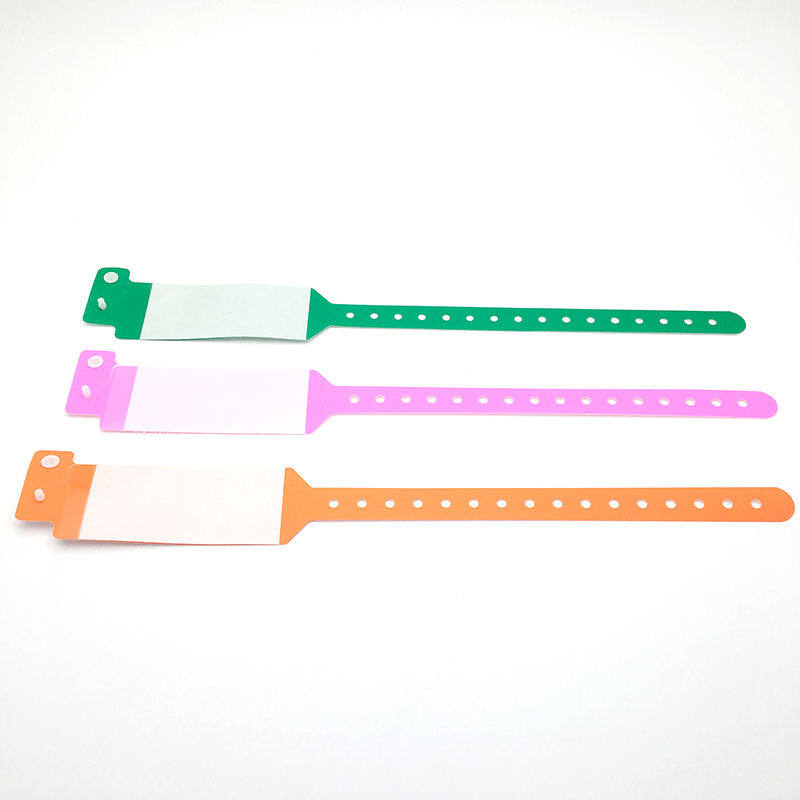
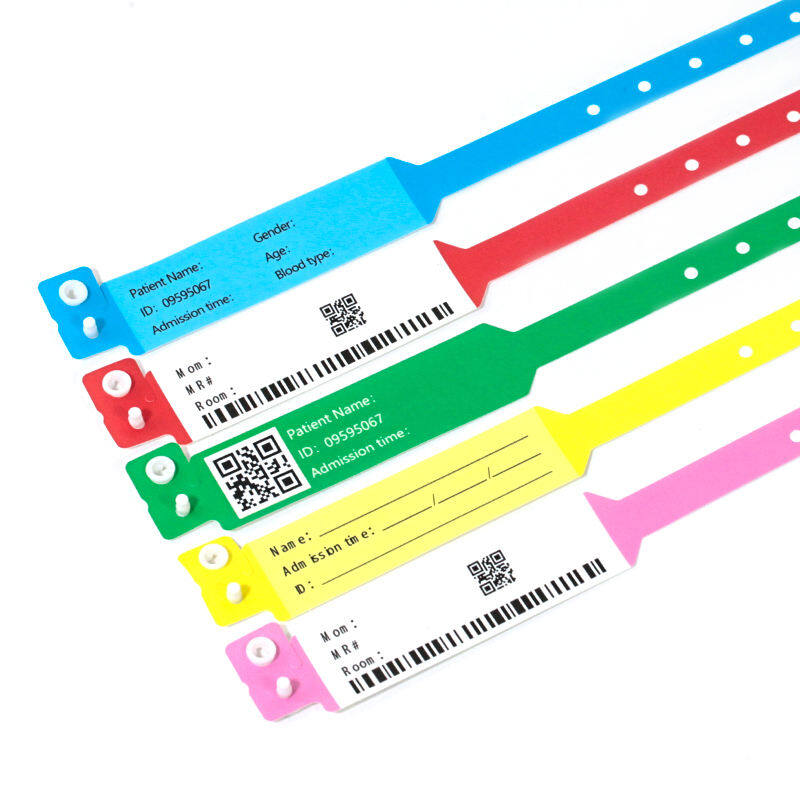
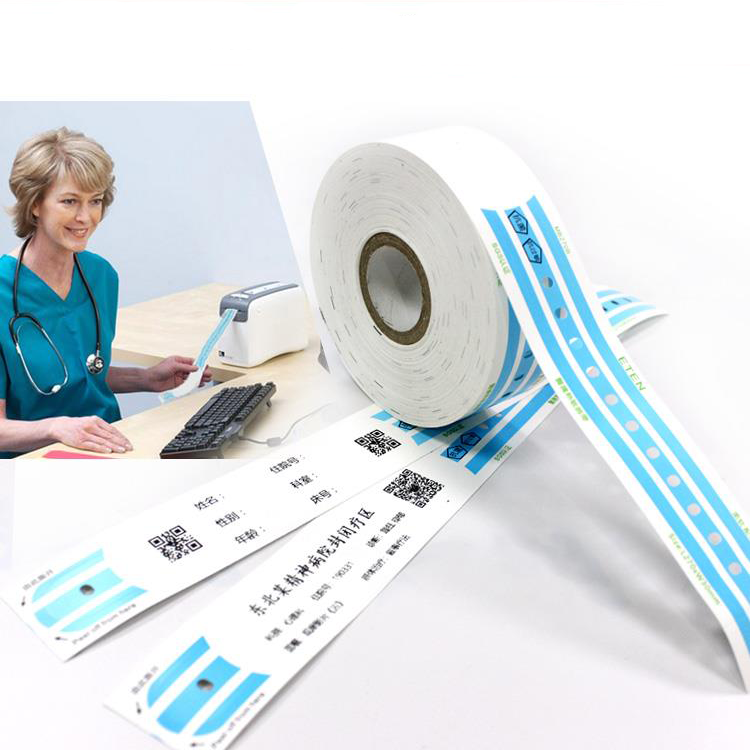
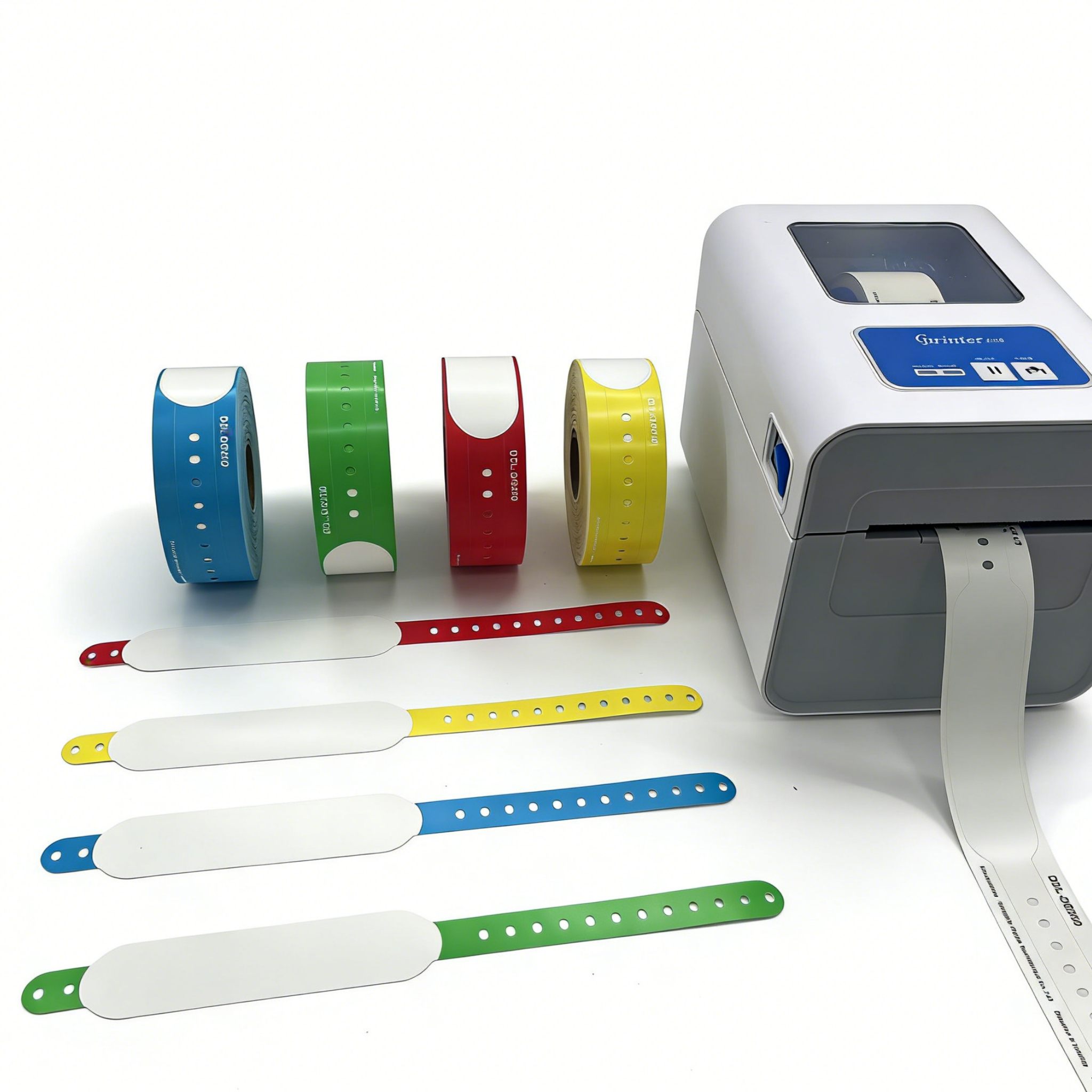
Thermal wristbands are one of the most practical and widely used tools for patient identification in modern healthcare. They allow hospitals to print patient names, medical record numbers, barcodes, and other critical information on demand, right at the bedside or admission desk. However, healthcare providers occasionally encounter a frustrating problem: thermal wristbands that turn black before they are even used, or printed information that fades away when it is needed most.
These issues are not random defects. They are the result of specific chemical and physical processes that affect direct thermal materials. Understanding why thermal wristbands turn black or fade is essential for hospitals that want to maintain accurate patient identification, reduce waste, and ensure that barcodes remain scannable throughout a patient's stay.
This article explains the science behind thermal wristband discoloration and fading. It covers the three primary culprits—heat, sunlight, and chemical exposure—and provides practical guidance for preventing these problems in clinical and storage environments.
The Science Behind Direct Thermal Printing
How Thermal Wristbands Create Images
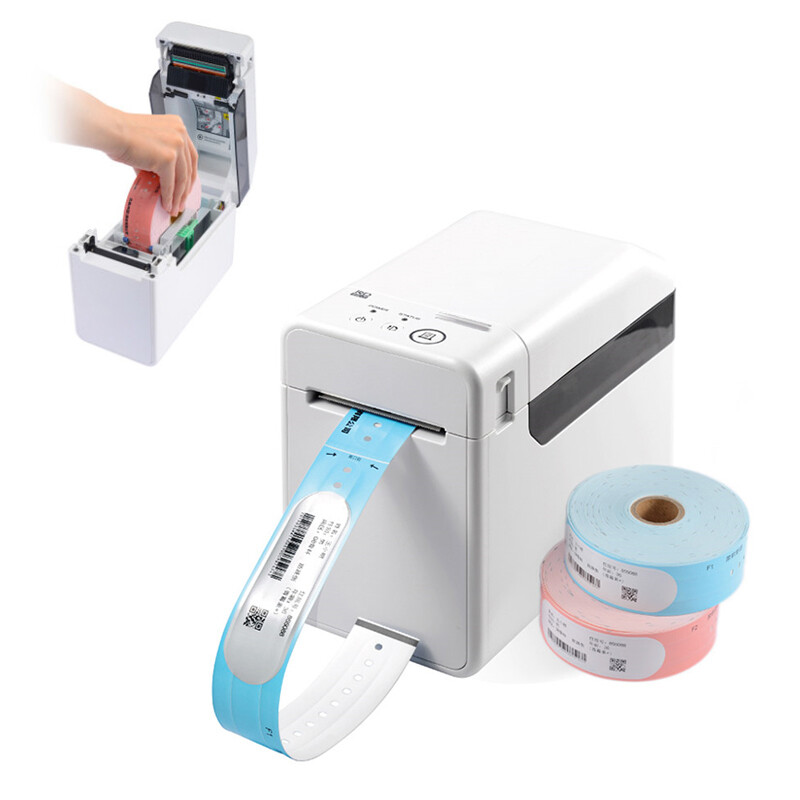
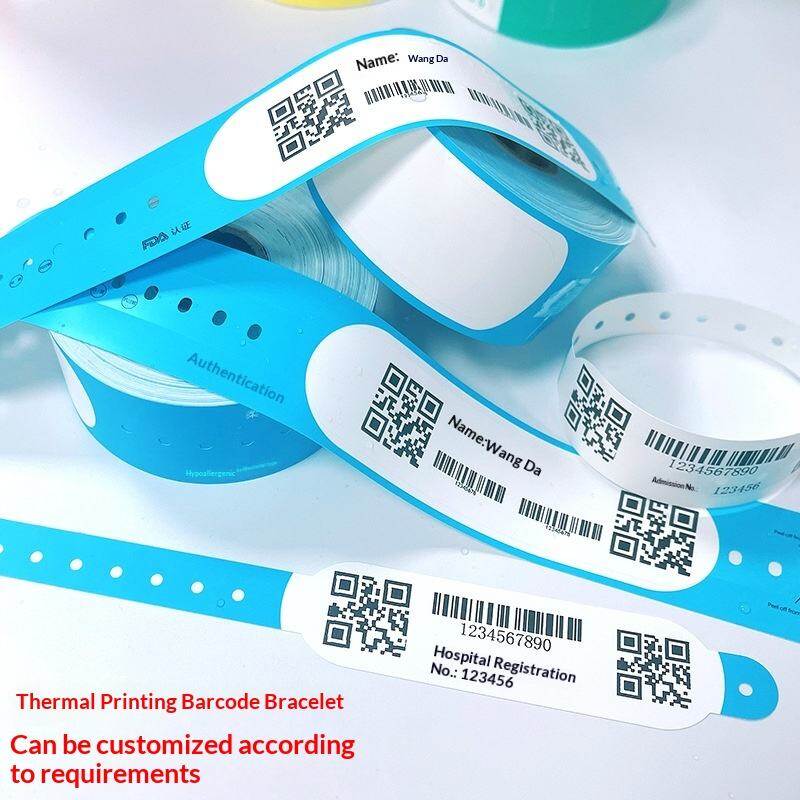
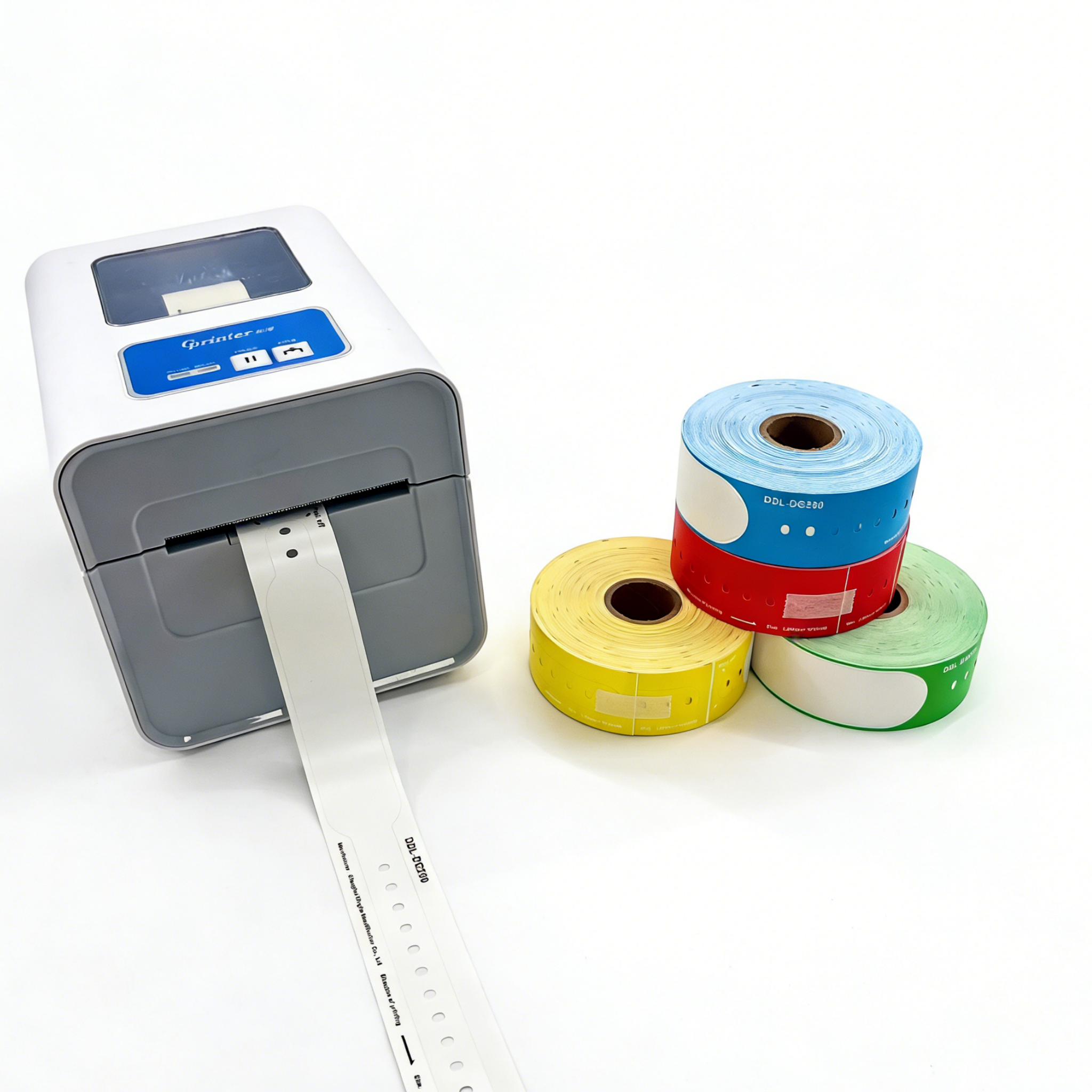
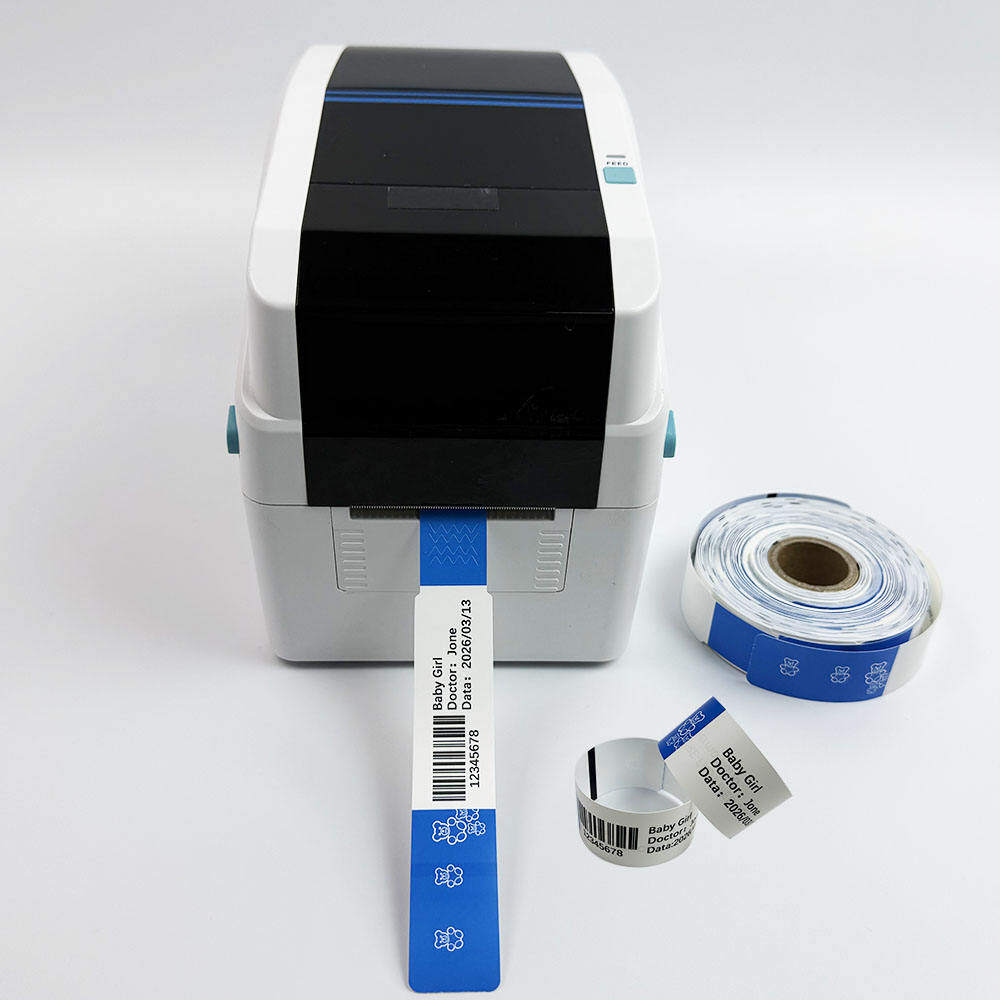
Direct thermal wristbands are coated with a special layer that contains three key components: a leuco dye, a developer, and a sensitizer. In their unprinted state, these components are mixed together but remain colorless. When a thermal printhead applies heat to specific areas of the wristband, the heat causes the dye and developer to melt and react, forming a dark image.
This chemical reaction is irreversible under normal conditions. Once the dye and developer have reacted, the image is permanent—unless external factors cause the entire surface to darken or the printed image to fade.
The same chemical reactivity that makes direct thermal printing possible also makes these materials vulnerable to environmental influences. Heat, light, and chemicals can all trigger premature reactions or degrade the printed image.
Why Barcodes Are Especially Vulnerable
Barcodes require high contrast between the printed bars and the background. When a thermal wristband turns black or gray in the background, the contrast decreases, and scanners may fail to read the barcode. Similarly, when the printed bars fade, the barcode becomes unreadable. Both scenarios can disrupt medication administration, specimen collection, and other critical workflows that depend on accurate scanning.
Heat: The Primary Cause of Premature Darkening
How Heat Affects Unprinted Wristbands
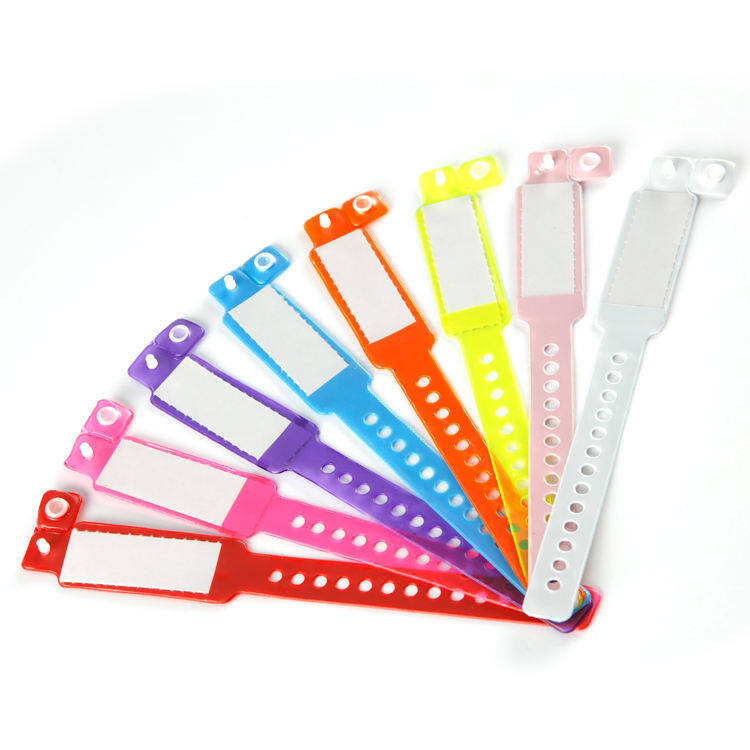
Heat is the most common cause of thermal wristbands turning black before use. Because direct thermal materials are designed to darken when exposed to heat, any heat source can trigger this reaction. The problem occurs when heat exposure is unintended or excessive.
Common heat sources in healthcare settings include:
Direct sunlight through windows
Proximity to heaters, radiators, or hot water pipes
Storage in vehicles or uninsulated warehouses
Heat generated by printers or other equipment
High ambient temperatures in tropical or desert climates
When unprinted wristbands are exposed to temperatures above the recommended storage range, the chemical reaction that normally occurs only in the printhead begins to occur throughout the material. The result is a gradual darkening of the entire wristband surface, often appearing as a gray or black tint that reduces contrast and makes the wristband unusable.
Temperature Thresholds
Manufacturers typically specify a maximum storage temperature for direct thermal products. Common recommendations include:
| Storage Condition | Recommended Range |
|---|---|
| Optimal temperature | 72°F (22°C) |
| Acceptable range | 50-77°F (10-25°C) |
| Maximum short-term exposure | 95°F (35°C) |
| Temperature to avoid | Above 95°F (35°C) |
Prolonged exposure to temperatures above 95°F (35°C) can cause noticeable darkening within days or weeks. Brief exposure to higher temperatures—such as leaving wristbands in a hot car—can cause immediate and irreversible damage.
Heat After Printing
Heat also affects wristbands after they have been printed. While the printed image is relatively stable, excessive heat can cause the background to darken, reducing contrast and making text and barcodes harder to read. In extreme cases, the entire wristband may turn black, rendering all printed information illegible.
Sunlight and UV Radiation: The Silent Degrader
How Light Affects Thermal Materials
Sunlight contains ultraviolet (UV) radiation that can trigger chemical reactions in direct thermal coatings. Even indirect sunlight or strong fluorescent lighting can cause gradual darkening over time. The effect is cumulative, meaning that repeated exposure to low levels of light can cause as much damage as a single intense exposure.
UV radiation breaks down the chemical bonds in the thermal coating, causing the leuco dye to react prematurely. This results in background darkening that reduces the contrast between printed information and the wristband surface. Barcodes are particularly vulnerable because they depend on high contrast to be scannable.
Light Exposure in Clinical Settings
Hospitals are often bright environments, with large windows, overhead fluorescent lighting, and task lighting in patient rooms. Wristbands stored in these areas—even in open boxes on a shelf—can be exposed to light that gradually degrades their printability.
The problem is compounded in departments with direct sunlight exposure, such as admission areas near windows or emergency departments with glass walls. Wristbands left in these areas may turn black within weeks or even days, depending on the intensity of the light.
Preventing Light Damage
To protect unprinted wristbands from light damage:
Store wristbands in their original opaque packaging until ready for use
Keep bulk inventory in dark cabinets or drawers
Avoid storing wristbands on open shelves near windows
Use amber or opaque containers for wristbands that have been removed from their original packaging
Consider UV-filtering window films in areas where wristbands are stored
Chemical Exposure: The Often-Overlooked Threat
Common Chemicals That Damage Thermal Wristbands
Chemical exposure is a less obvious but equally damaging cause of thermal wristband failure. Many everyday substances in healthcare environments can react with the thermal coating, causing darkening or fading.
Common culprits include:
Alcohol-based hand sanitizers
Soaps and detergents
Cleaning agents and disinfectants
Solvents and adhesives
Plasticizers found in vinyl gloves, IV tubing, and plastic packaging
Lotions, creams, and ointments
Blood and bodily fluids (in some cases)
How Chemicals Cause Damage
Chemicals can affect thermal wristbands in two ways. First, they can penetrate the protective topcoat and react with the leuco dye, causing premature darkening. Second, they can dissolve or degrade the printed image, causing fading.
The effect depends on the chemical, the concentration, the duration of exposure, and the quality of the wristband's protective coating. Some wristbands are designed with chemical-resistant coatings that provide better protection, but no wristband is completely immune to all chemicals.
Plasticizers: A Hidden Danger
Plasticizers are a particularly insidious threat to thermal wristbands. These chemicals are used to make plastics flexible and are found in many healthcare products, including vinyl gloves, IV bags, tubing, and plastic storage containers. When thermal wristbands come into contact with these materials, plasticizers can migrate into the wristband and cause darkening.
This is why wristbands should never be stored in direct contact with vinyl or plastic materials. Even stacking wristbands on a plastic shelf or storing them in a plastic bin can cause problems over time if the plastic contains plasticizers.
The Combined Effect of Multiple Factors
In real-world settings, thermal wristbands are rarely exposed to only one damaging factor. Heat, light, and chemicals often act together, accelerating degradation. For example:
A wristband stored near a window is exposed to both heat and light
A wristband worn by a patient is exposed to hand sanitizer, sweat, and body heat
A wristband stored in a warehouse in a hot climate is exposed to heat and humidity
The combined effect is often greater than the sum of individual effects. This is why storage and handling guidelines must address all potential threats.
Post-Printing Fading: Why Printed Information Disappears
Mechanisms of Fading
Fading of printed information occurs when the dark image created by the thermal reaction is degraded. This can happen through:
Abrasion: Friction from clothing, bedding, or repeated handling can wear away the printed surface.
Chemical Attack: Solvents, alcohols, and other chemicals can dissolve or bleach the printed image.
Heat: While heat causes unprinted areas to darken, it can also cause printed areas to fade if the temperature is high enough to reverse or degrade the chemical reaction.
Light: Prolonged UV exposure can break down the printed image, causing it to fade.
Moisture: Water and humidity can weaken the bond between the printed image and the wristband material.
Factors That Accelerate Fading
Certain conditions accelerate fading:
Frequent handwashing or use of hand sanitizer
High humidity or exposure to water
Contact with chemicals or cleaning agents
Prolonged wear (weeks rather than days)
Poor-quality wristband materials
Preventing Fading
To minimize fading:
Choose wristbands with protective coatings designed to resist chemicals and abrasion
Use wristbands appropriate for the expected length of stay
Replace wristbands at regular intervals for long-stay patients
Educate staff about the importance of avoiding direct chemical contact with wristbands
Consider thermal transfer printing for patients with extended stays
Storage Best Practices to Prevent Darkening and Fading
Temperature and Humidity Control
Proper storage conditions are the first line of defense against thermal wristband degradation:
Temperature: Store wristbands at 72°F (22°C) or lower. Avoid areas near heat sources, windows, or equipment that generates heat.
Humidity: Maintain relative humidity below 85%, with 50% RH being optimal. Use dehumidifiers in damp environments.
Air Circulation: Ensure adequate air circulation to prevent hot spots and moisture buildup.
Light Protection
Keep wristbands in the dark:
Store in opaque packaging or closed cabinets
Avoid direct sunlight and strong fluorescent light
Use amber or black containers for opened packages
Consider UV-filtering films on windows in storage areas
Chemical Isolation
Keep wristbands away from chemicals:
Store separately from cleaning supplies, solvents, and disinfectants
Avoid contact with vinyl or plastic materials containing plasticizers
Do not store wristbands in areas where aerosols or sprays are used
Use chemically compatible storage containers
Inventory Rotation
Implement FIFO (first-in, first-out) inventory practices:
Use older stock before newer stock
Track expiration dates and remove expired products
Limit quantities stored in clinical areas to reduce exposure time
Inspect stock regularly for signs of darkening or damage
Choosing the Right Wristband for Your Environment
Material Selection
Not all thermal wristbands are equally resistant to environmental factors. When selecting wristbands, consider:
Protective Coatings: Look for wristbands with topcoats designed to resist chemicals, moisture, and abrasion.
Material Type: Synthetic materials generally offer better durability than paper-based materials.
Durability Ratings: Choose wristbands with durability specifications that match the expected length of patient stay.
Chemical Resistance: For environments with high chemical exposure, select wristbands tested for resistance to alcohol and other common chemicals.
Matching Wristbands to Clinical Needs
Different clinical settings have different demands:
Emergency Departments: Short stays, high turnover, and frequent chemical exposure require wristbands with good chemical resistance and fast printing.
Long-Term Care: Extended stays require wristbands with maximum durability and fade resistance.
Surgical Units: Exposure to prep solutions and disinfectants requires chemical-resistant wristbands.
Neonatal Units: Small sizes and delicate skin require soft, hypoallergenic materials with gentle adhesives.
Troubleshooting Common Thermal Wristband Problems
Problem: Wristbands Turn Black Before Printing
Causes: Heat exposure, light exposure, chemical exposure, expired stock
Solutions: Check storage conditions, move to a cooler and darker location, inspect for chemical contact, rotate stock
Problem: Printed Information Fades Quickly
Causes: Abrasion, chemical exposure, moisture, poor-quality materials
Solutions: Use higher-durability wristbands, protect from chemicals, replace more frequently
Problem: Barcodes Won't Scan
Causes: Low contrast from background darkening, faded bars, damaged surface
Solutions: Replace the wristband, check printer settings, use higher-quality materials, protect from environmental factors
Conclusion
Thermal wristbands turn black or fade because of the same chemical reactivity that makes them useful. Heat, sunlight, and chemical exposure can all trigger premature darkening or degrade printed information. Understanding these mechanisms is the first step toward preventing them.
For healthcare facilities, the solutions are practical and achievable: store wristbands in cool, dark, dry conditions; protect them from chemicals and plasticizers; rotate stock using FIFO principles; and choose wristbands with durability appropriate for the clinical setting. For procurement professionals, understanding these factors helps in selecting products that will perform reliably in the specific environment where they will be used.
By paying attention to storage, handling, and product selection, hospitals can ensure that their thermal wristbands remain legible, scannable, and effective throughout the patient's stay—supporting accurate identification and safe care delivery.
Continue Reading
Have Questions About Wristbands?
Our team is ready to help you find the perfect wristband solution for your needs. Contact us directly on WhatsApp for quick responses.
Contact on WhatsApp