
The 'Red, Yellow, Green' of the ER: Life-Priority Management Behind Color-Coded Medical Wristbands
Walking Into an Emergency Room: Chaos or Order?
If you have ever walked into a busy emergency room, you might think it is pure chaos. Patients are wheeled in, nurses shout across stations, and doctors sprint between bays. But beneath that apparent disorder lies one of the most disciplined systems in modern medicine: triage. And at the heart of triage is a deceptively simple tool — the color-coded medical wristband.
These small bands of red, yellow, and green are not fashion statements. They are life-priority signals that tell every clinician in the room, at a glance, who needs help right now and who can safely wait. In this article, we will unpack the full story behind these wristbands — where they came from, how they work, why the colors matter, and what happens when the system is put to its ultimate test during a mass casualty incident.
What Is Triage, Really?
The word triage comes from the French verb trier, meaning "to sort." It was first used on Napoleonic battlefields, where surgeons had to decide which wounded soldiers to treat first when resources were overwhelmed. The concept has since migrated into civilian emergency medicine, disaster response, and even pandemic management.
In a hospital ER, triage is the process of rapidly assessing every incoming patient and assigning them a priority level based on the severity of their condition. This is not about who arrived first. It is about who will die or suffer permanent harm without immediate intervention. The goal is to do the greatest good for the greatest number with the resources available.
The Color Code: Red, Yellow, Green (and Beyond)
Most triage systems around the world use a color-coded scheme. While specific protocols vary by country and institution, the core palette is remarkably consistent:
- RED — Immediate / Priority 1: Life-threatening conditions requiring treatment within minutes. Examples include cardiac arrest, severe hemorrhage, airway obstruction, and tension pneumothorax. These patients cannot wait.
- YELLOW — Urgent / Priority 2: Serious but not immediately life-threatening. These patients need care within 30–60 minutes. Examples include stable fractures, moderate burns, severe pain, and high fever in vulnerable populations.
- GREEN — Non-Urgent / Priority 3: Minor injuries or illnesses that can safely wait several hours. Sprains, minor lacerations, colds, and rashes fall here. These patients are often called the "walking wounded."
- BLACK — Expectant / Deceased: Used in mass casualty situations for patients who are either already deceased or whose injuries are so catastrophic that survival is unlikely even with maximum intervention. This is the hardest color to assign, and it exists only when resources are truly overwhelmed.
Some systems add BLUE for pediatric patients or WHITE for discharged / non-emergency cases, but the red-yellow-green triad is universal.
Why Wristbands Instead of Tags or Cards?
You might wonder: why not just use paper tags, stickers, or digital screens? The answer is persistence and visibility.
A triage tag pinned to clothing can fall off during transfer. A sticker can be obscured by blankets or gowns. A screen requires power and network connectivity. But a wristband:
- Stays attached to the patient through movement, transfer, and treatment
- Is visible from any angle, even when the patient is unconscious or intubated
- Cannot be accidentally swapped between patients (when properly applied with tamper-evident closures)
- Works without electricity, Wi-Fi, or batteries
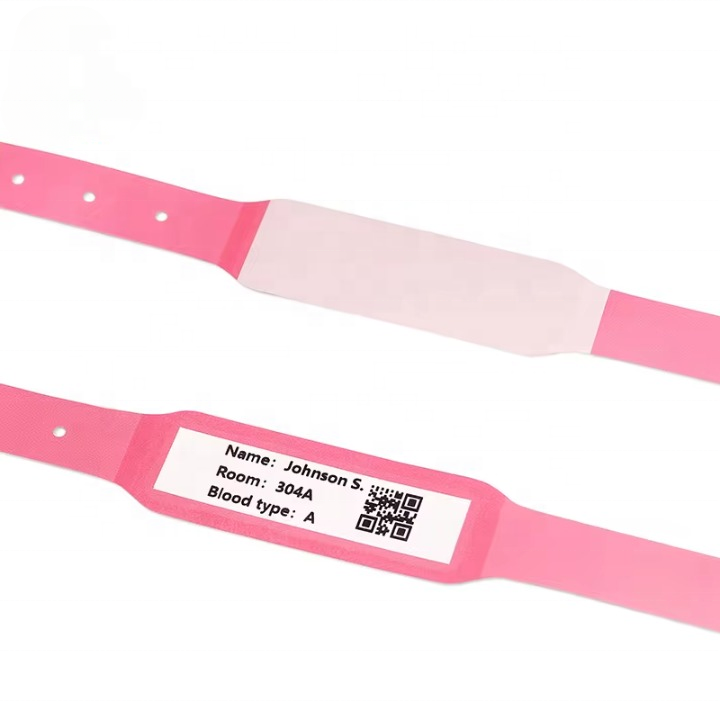
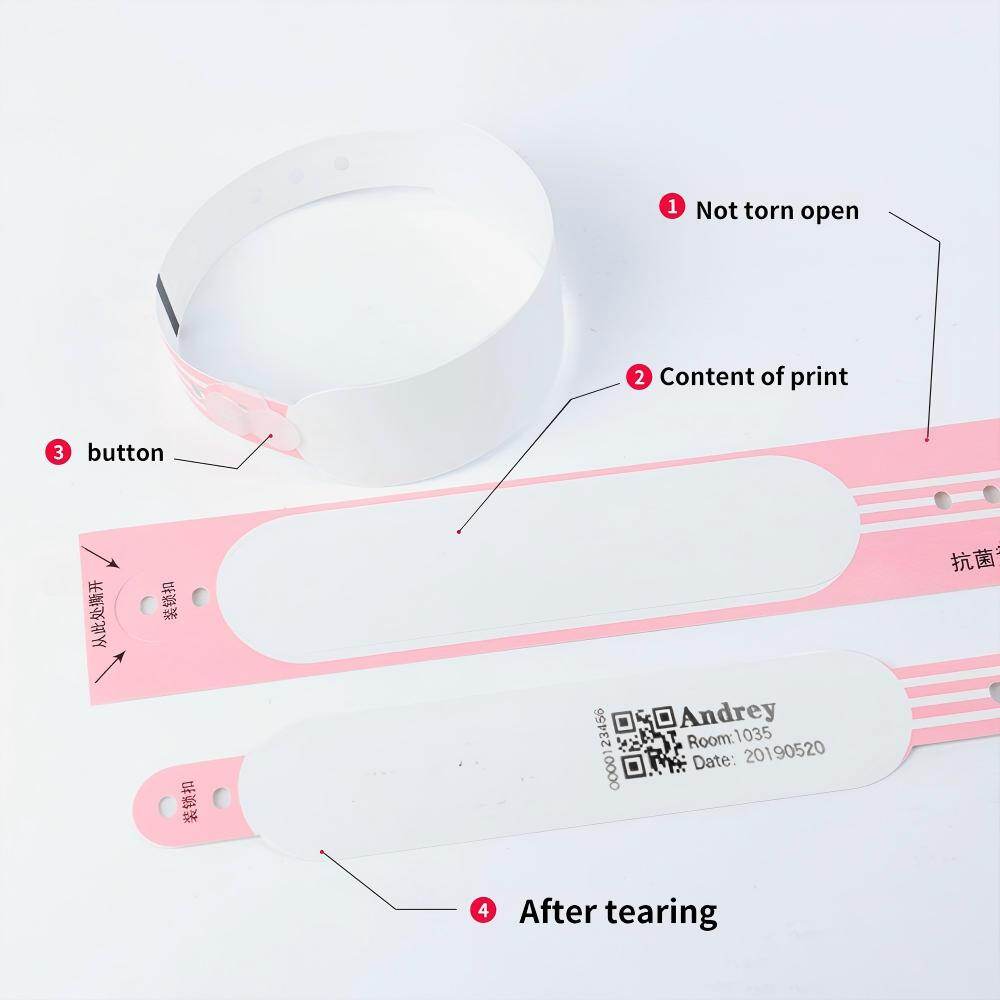
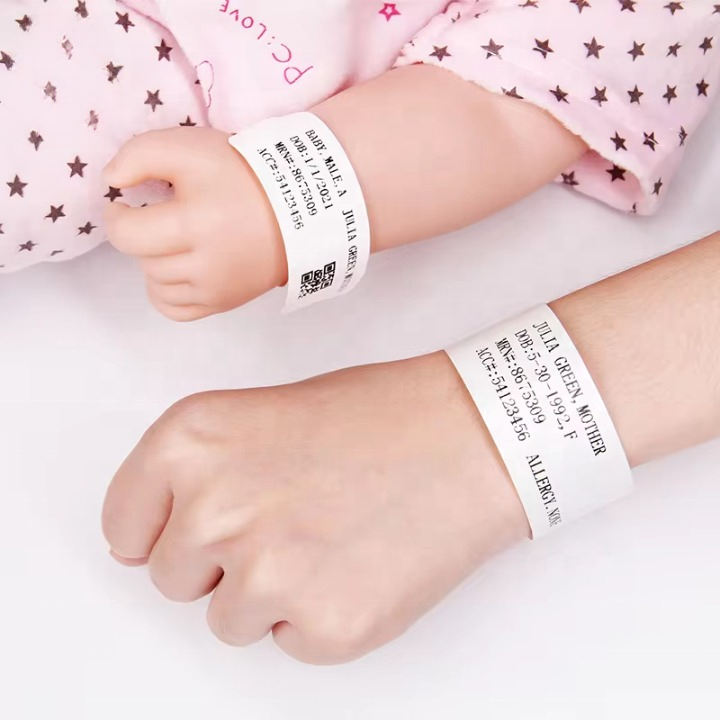
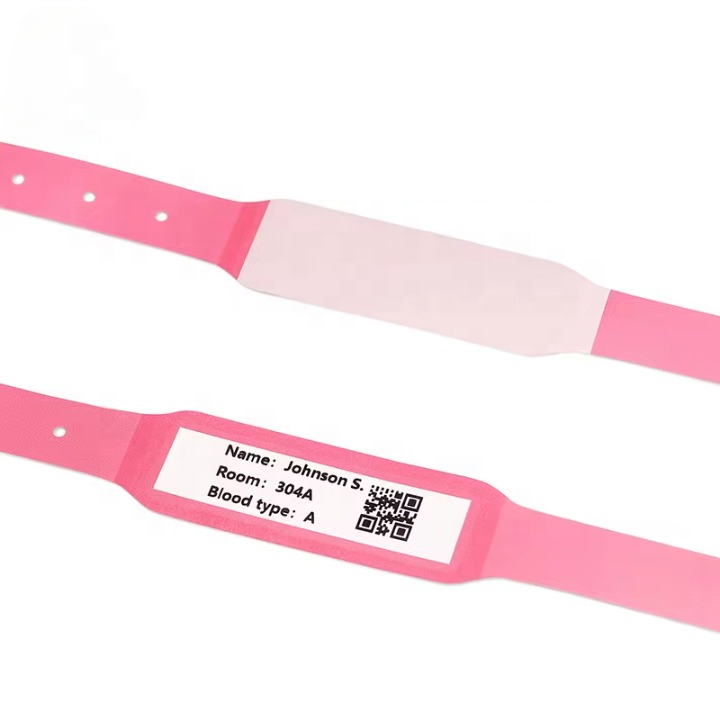
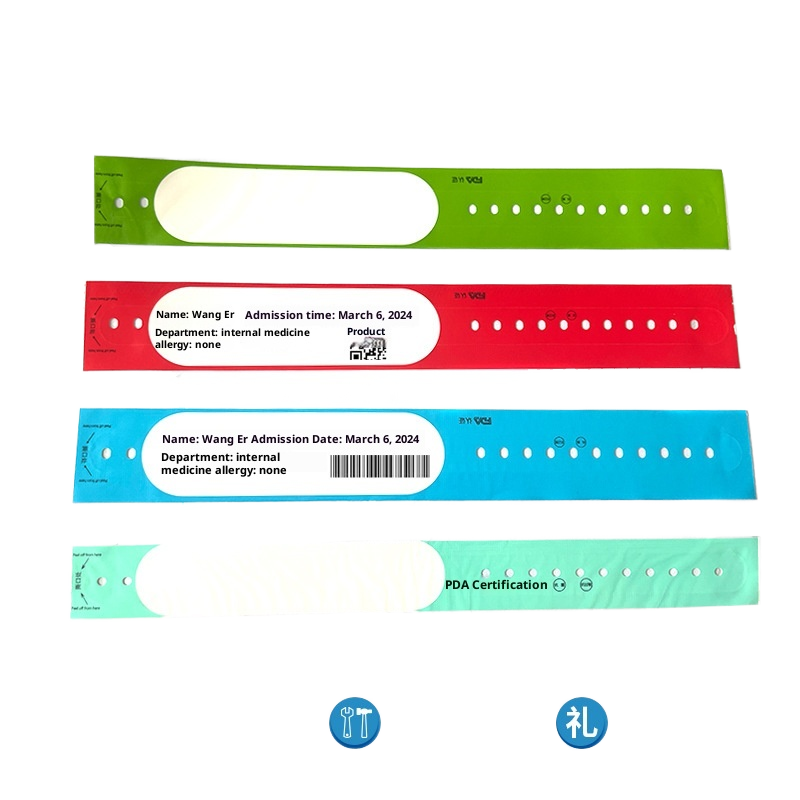
- Can carry printed information — name, DOB, MRN, barcode, QR code — directly on the band
In short, the wristband is the most reliable, low-tech, high-visibility patient identifier available in an emergency setting.
Anatomy of a Triage Wristband
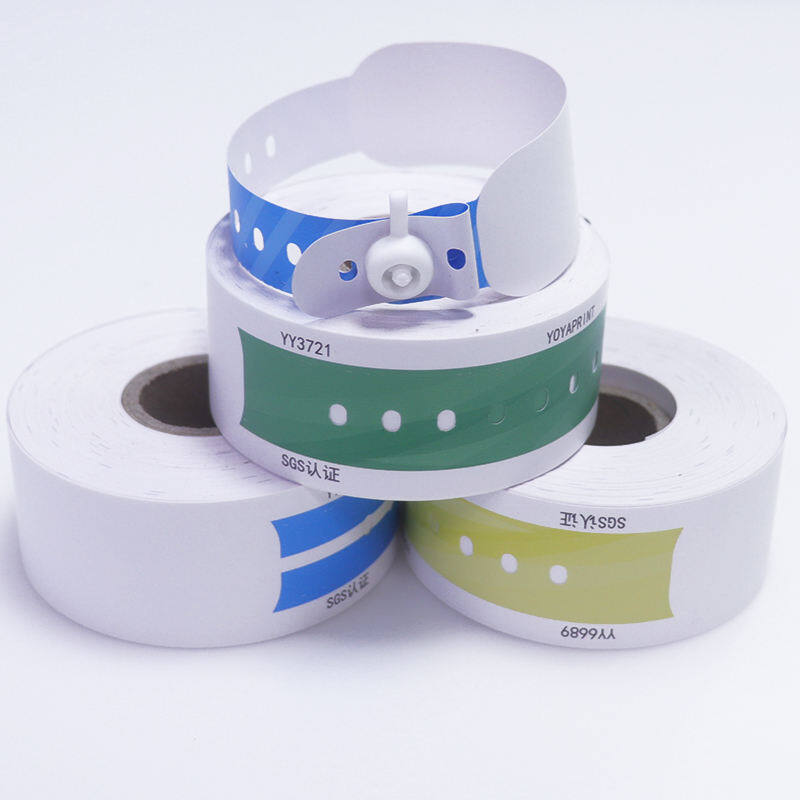
Not all wristbands are created equal. A proper triage wristband must meet several design requirements:
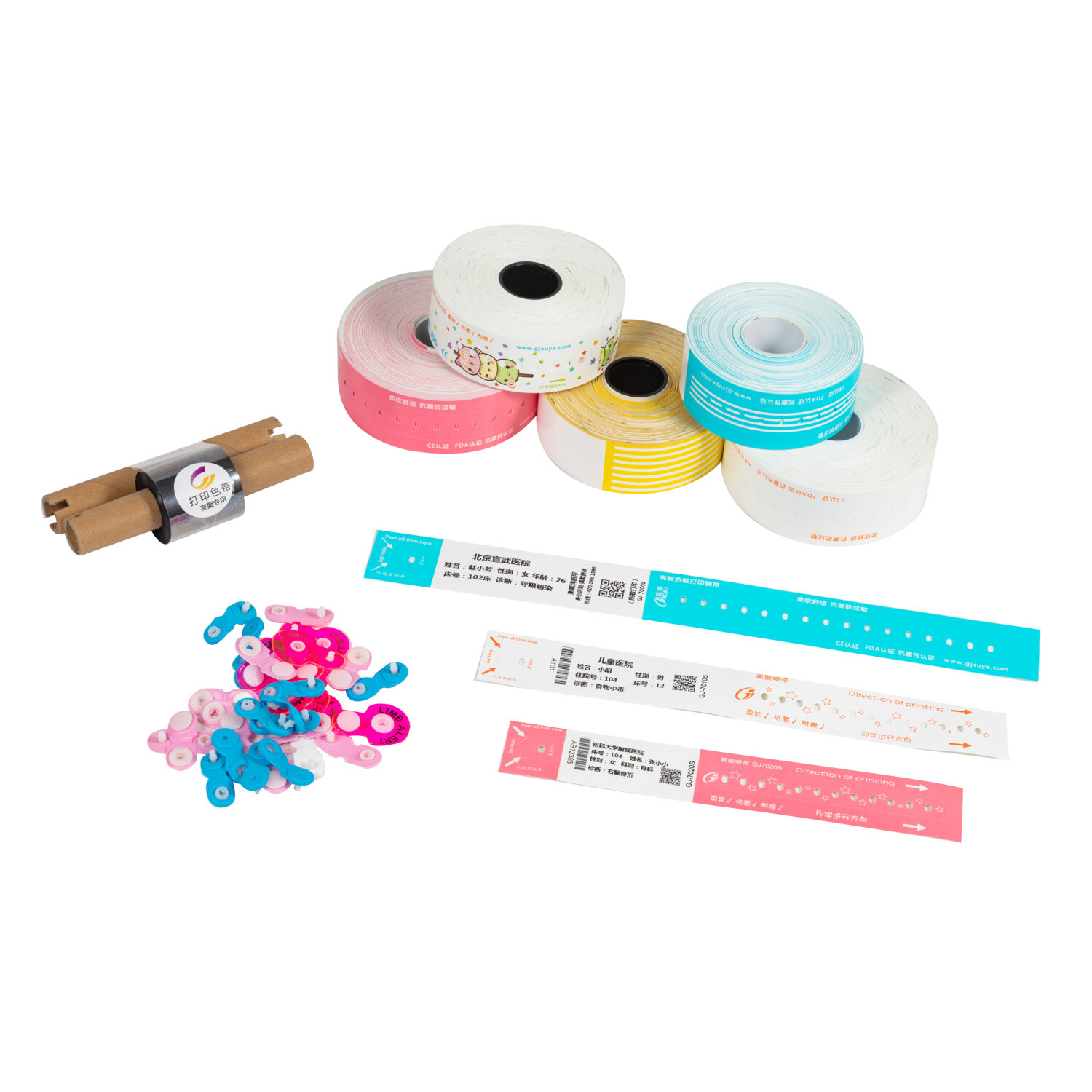
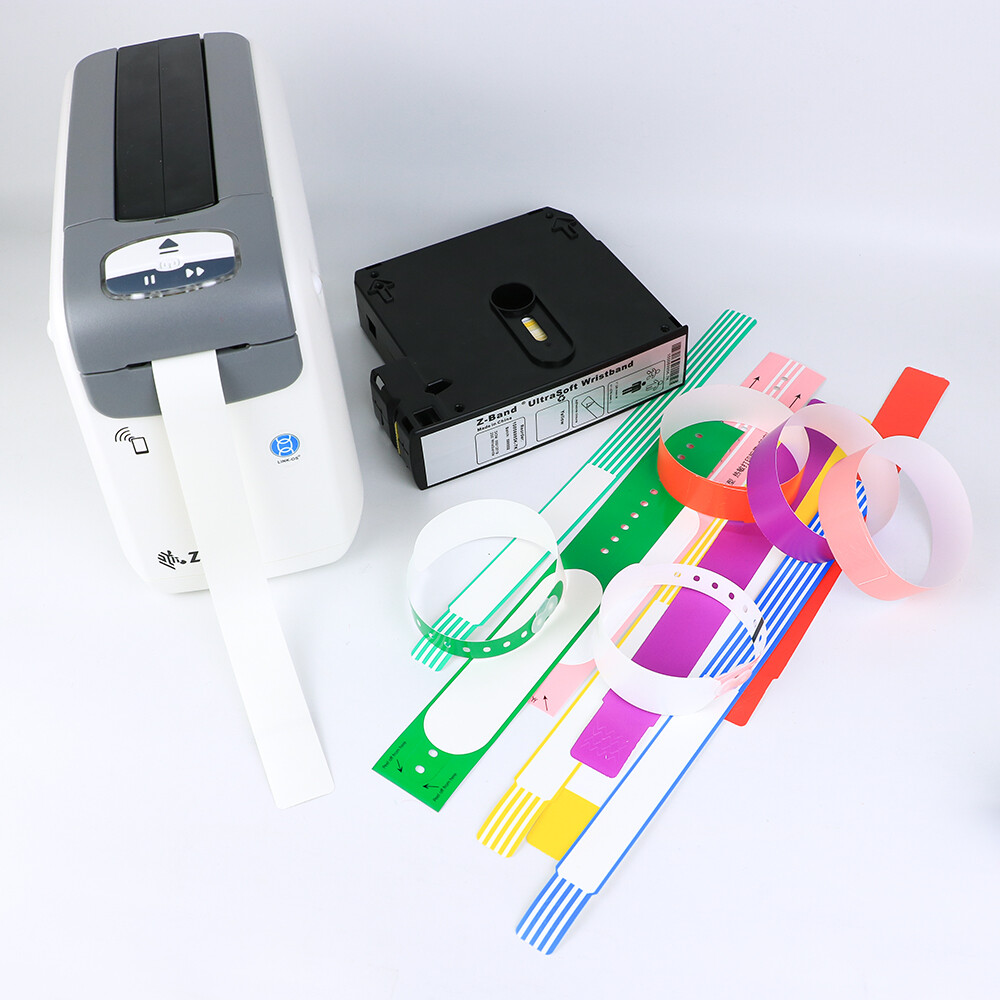
- Color Accuracy: The red must be unmistakably red, not pink or orange. Color consistency across batches is critical — a faded yellow band mistaken for green could delay urgent care.
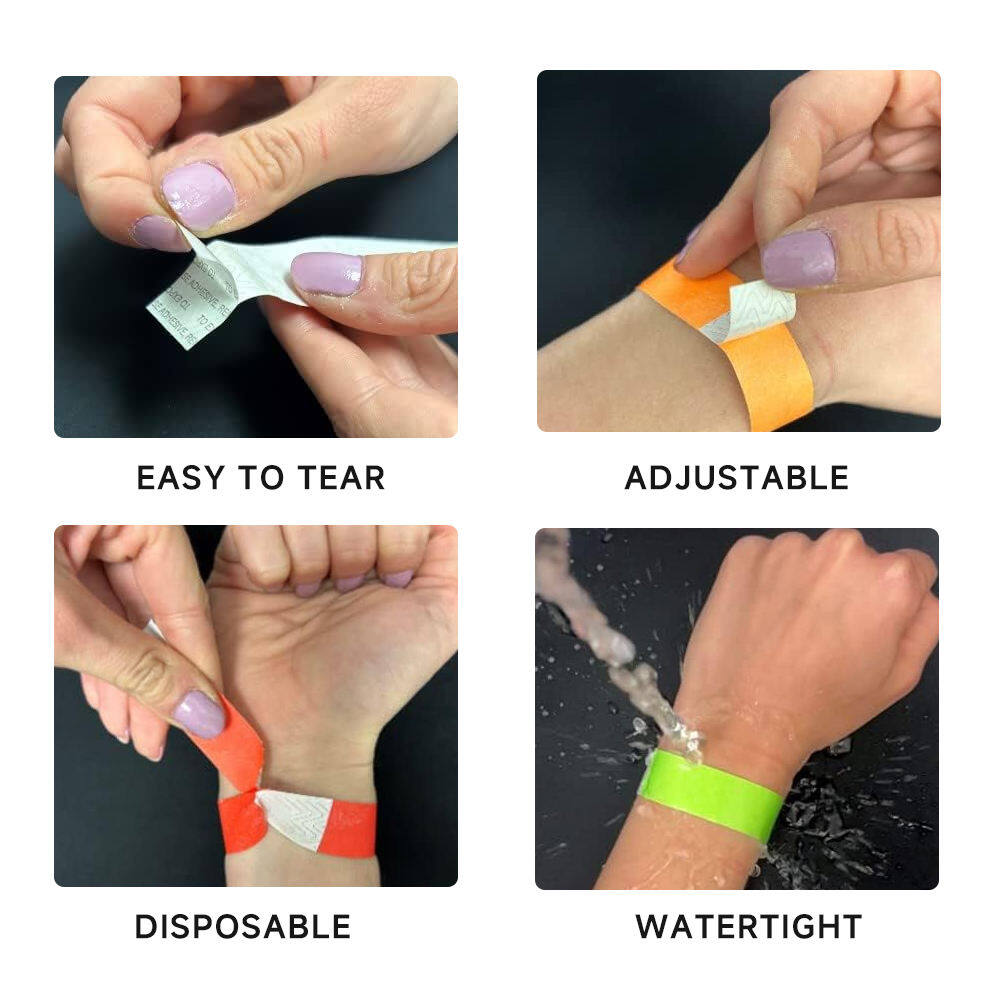
- Durability: Must withstand sweat, blood, saline, alcohol wipes, and friction without fading, peeling, or breaking.
- Comfort: Patients may wear the band for hours or days. Rough edges or stiff materials cause skin irritation, especially in neonates and elderly patients with fragile skin.
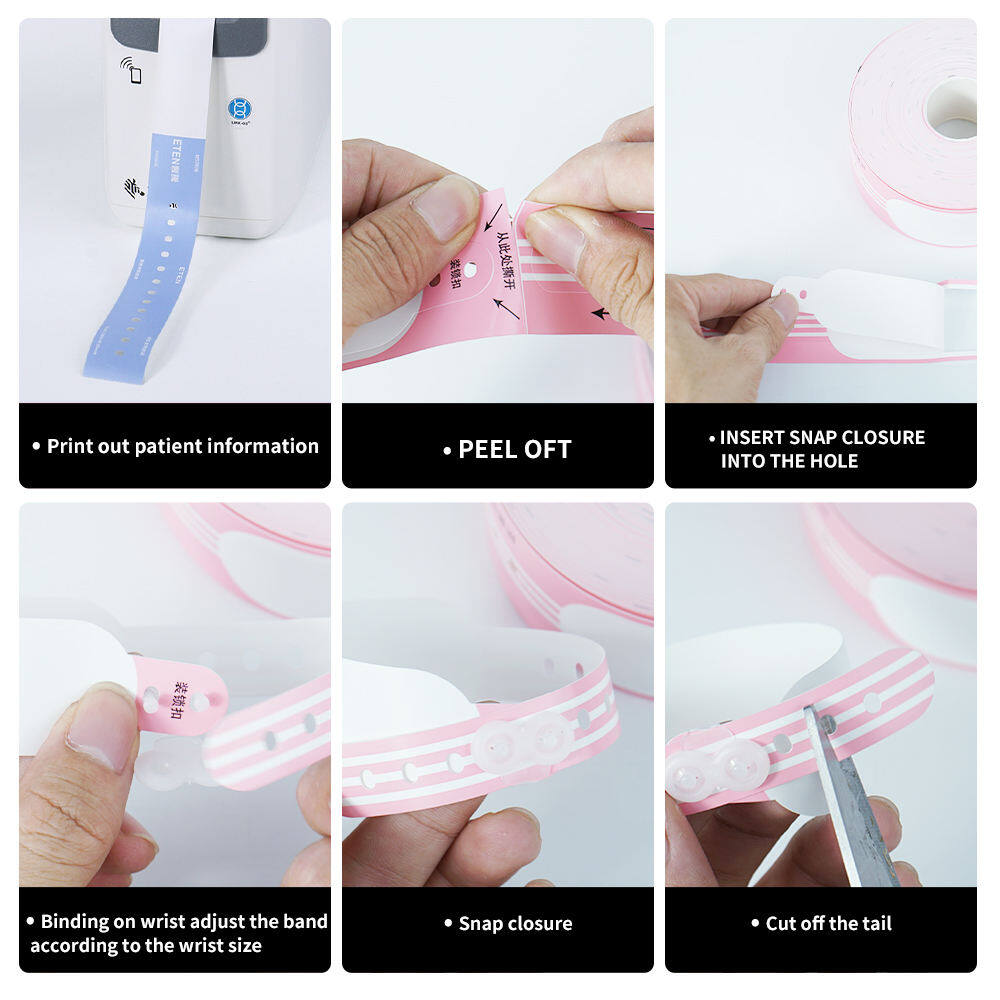
- Printability: Must accept thermal or laser printing for patient-specific data, barcodes, and QR codes without smudging.
- Tamper Evidence: Many bands feature a locking clasp or adhesive closure that shows visible damage if removed or transferred.
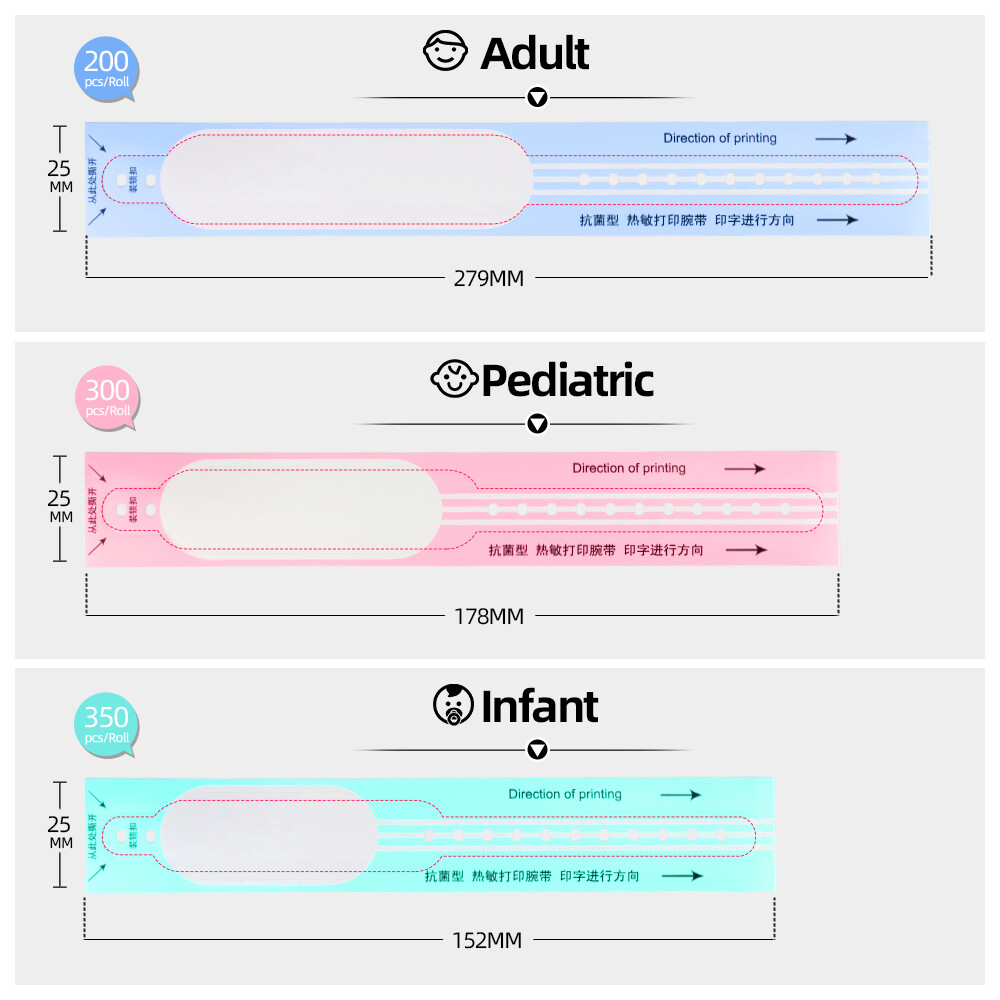
- Size Variants: Adult, pediatric, and infant sizes ensure proper fit without restricting circulation.
The START Triage System: Colors in Action During Mass Casualty
In everyday ER operations, triage is performed by experienced nurses using clinical judgment and standardized scales like the Emergency Severity Index (ESI) or the Manchester Triage Scale. But during a mass casualty incident (MCI) — a multi-vehicle pileup, a building collapse, a terrorist attack — there is no time for detailed assessment. Enter the START triage system.
START stands for Simple Triage and Rapid Treatment. It was developed in California in the 1980s and is now taught worldwide. The algorithm is designed so that a single responder can triage each patient in under 60 seconds using only three assessments:
- Can the patient walk? If yes → GREEN (minor).
- Is the patient breathing? If no, open the airway. Still not breathing → BLACK. Breathing after airway opening → RED.
- Respiratory rate > 30 or capillary refill > 2 seconds? If yes → RED. If no → check mental status.
- Can the patient follow simple commands? If no → RED. If yes → YELLOW.
Each patient receives a colored wristband or tag immediately upon assessment. This allows subsequent responders to instantly understand priority without re-evaluating from scratch.
From Battlefield to Hospital: A Brief History
The evolution of triage wristbands mirrors the evolution of emergency medicine itself:
- Napoleonic Wars (early 1800s): Baron Dominique Jean Larrey, Napoleon's chief surgeon, created the first systematic triage protocol. Soldiers were sorted by wound severity, not rank. No wristbands yet — just verbal orders and chalk marks.
- World War I & II: Triage tags (paper or cardboard) became standard military issue. Color coding emerged informally — red for urgent, other colors for lesser priorities.
- 1960s–1970s: Civilian emergency departments adopted military triage concepts. Paper tags gave way to more durable materials as hospitals recognized the need for persistent identification.
- 1980s: The START system formalized color-coded triage for mass casualty. Plastic and synthetic wristbands replaced paper, offering waterproofing and durability.
- 2000s–Present: Thermal-printable wristbands with barcodes and QR codes integrate triage identification with electronic health records. RFID-enabled bands add real-time location tracking in large-scale incidents.
Real-World Impact: When Colors Save Lives
The color-coded wristband system is not theoretical. It has been deployed in some of the most challenging emergencies of the past century:
- Oklahoma City Bombing (1995): START triage with colored wristbands helped sort over 500 casualties in under two hours.
- Hurricane Katrina (2005): Field hospitals used color-coded bands to manage thousands of evacuees with limited staff and supplies.
- Boston Marathon Bombing (2013): On-scene triage with colored wristbands ensured that the most critically injured reached trauma centers within minutes.
- COVID-19 Pandemic: Overwhelmed ICUs in Italy, New York, and elsewhere adapted triage color systems to allocate ventilators and ICU beds when demand exceeded capacity.
In each case, the wristband served as a universal language — understood by paramedics, nurses, doctors, and volunteers regardless of their prior familiarity with each other's protocols.
Beyond the ER: Where Else Do Color-Coded Wristbands Appear?
The utility of color-coded wristbands extends far beyond emergency rooms:
- Pediatric Wards: Color bands distinguish age groups or allergy statuses. Some hospitals use pink for infants, blue for toddlers, and standard colors for older children.
- Mental Health Units: Color coding can indicate observation levels (e.g., red for constant watch, green for routine checks) while maintaining patient dignity.
- Surgical Prep Areas: Bands confirm correct patient, procedure, and site before anesthesia.
- Disaster Shelters: Non-medical shelters use colored bands to identify vulnerable populations (unaccompanied minors, elderly, disabled) for prioritized services.
- Clinical Trials: Color-coded bands help research staff quickly identify participant groups without accessing records.
Common Misconceptions About Triage Colors
Despite their widespread use, triage wristbands are frequently misunderstood by the public:
- "Green means you are fine." Not exactly. Green means your condition is currently stable enough to wait. Conditions can deteriorate, and good triage systems include re-assessment protocols.
- "Red always means the worst injury." Red means the most time-sensitive condition. A patient with a severed limb may be yellow if bleeding is controlled, while a patient with an invisible internal hemorrhage may be red.
- "Black means they gave up." Black is assigned only when resources are insufficient to save everyone. In normal ER operations, black is almost never used. It is a disaster-only designation, and it is reassessed continuously as resources become available.
- "The wristband determines your treatment." The wristband communicates priority. Treatment decisions are always made by clinicians based on full assessment. The band is a signal, not a verdict.
The Technology Behind Modern Triage Wristbands
Today's triage wristbands are far more sophisticated than colored strips of plastic:
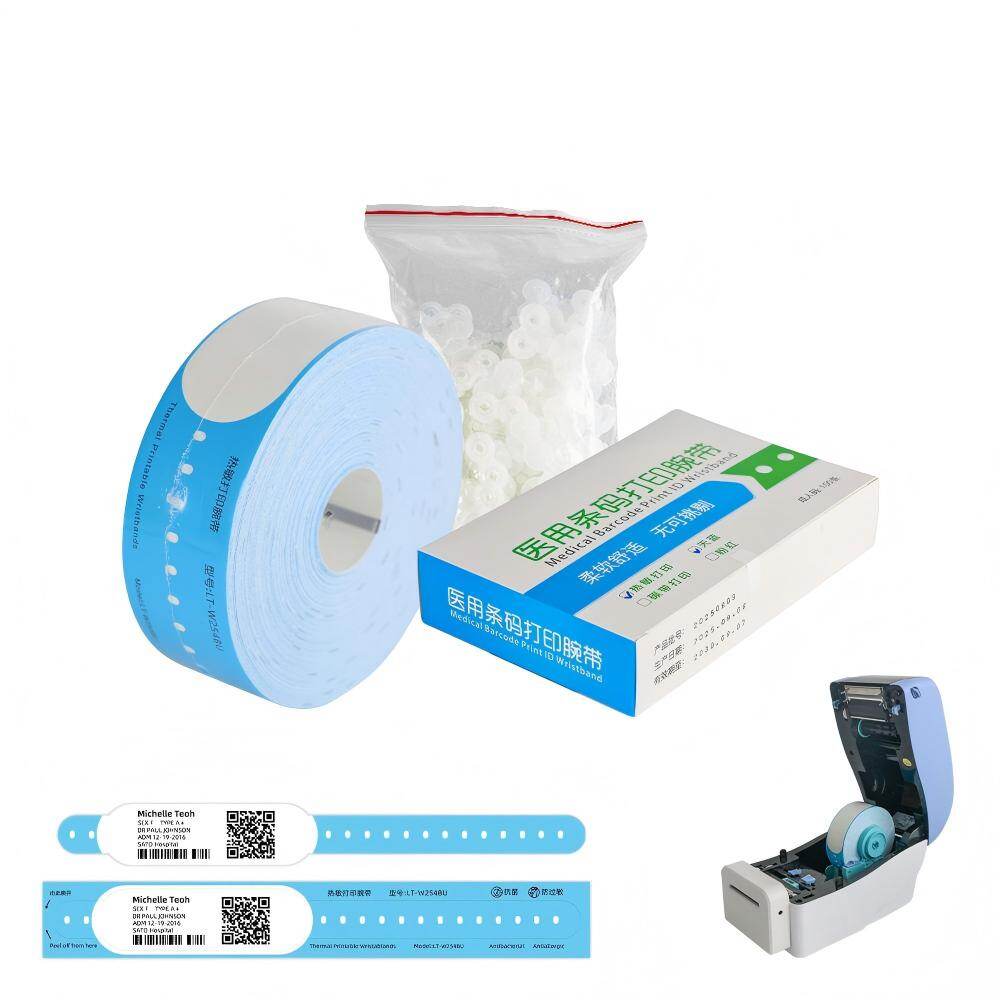
- Thermal Printing: Patient-specific data (name, MRN, barcode) is printed directly onto the colored band at the point of triage, eliminating handwriting errors.
- Barcode & QR Integration: Scanning the band pulls up the patient's electronic record, medication history, and allergy alerts instantly.
- RFID & NFC: Embedded chips enable real-time location tracking in large facilities or disaster sites, helping coordinators locate red-priority patients who may have been moved.
- Antimicrobial Materials: Some bands incorporate silver-ion or zinc-oxide treatments to reduce bacterial colonization on the band surface.
- Tear-Away Tabs: Multi-panel designs allow portions of the band to be torn off and attached to lab samples, medication bags, or transfer paperwork, maintaining chain-of-identity.
Choosing the Right Wristband for Your Facility
If you are a hospital administrator, procurement officer, or emergency preparedness coordinator evaluating triage wristbands, consider these factors:
- Color Consistency: Request batch testing reports. Even slight shade variation can cause mis-triage.
- Material Compatibility: Ensure the band works with your existing thermal printers and does not jam or smudge.
- Skin Safety: Verify hypoallergenic certification, especially for neonatal and geriatric use.
- Closure Security: Test the locking mechanism against accidental opening and intentional tampering.
- Regulatory Compliance: Confirm FDA, CE, or local regulatory clearance for medical device classification.
- Supply Chain Reliability: In a mass casualty event, you may consume months of inventory in hours. Ensure your supplier can surge.
The Human Side of Triage
Behind every colored wristband is a person in crisis. The nurse who assigns a red band knows that the patient wearing it may not survive the hour. The volunteer who places a green band on a frightened teenager understands that "non-urgent" does not mean "unimportant." The incident commander who reluctantly assigns a black band carries that weight forever.
The color-coded wristband system is, ultimately, a human system. It encodes compassion into color, urgency into plastic, and order into chaos. It is imperfect — no human system is — but it is the best tool we have for making impossible decisions a little less impossible.
Medical wristband colors, ER triage system, hospital emergency prioritization, red yellow green wristbands, patient triage tags, mass casualty incident, START triage system, emergency severity index, Manchester triage scale, color-coded patient identification, triage wristband, emergency department workflow, disaster response wristband, thermal printable wristband, RFID triage band, barcode patient ID, hospital wristband supplier, medical ID bracelet, pediatric triage, neonatal wristband, antimicrobial wristband, tamper-evident closure, patient safety band, JCI patient identification standard.
At WEIDMED, we manufacture color-coded medical wristbands that meet the exacting standards of emergency departments worldwide. From color accuracy to print compatibility to skin safety, every band is built for the moment when seconds count. If your facility needs reliable triage wristbands, we would be glad to help.
Continue Reading
Have Questions About Wristbands?
Our team is ready to help you find the perfect wristband solution for your needs. Contact us directly on WhatsApp for quick responses.
Contact on WhatsApp