
From Newborns to Geriatrics: Why Different Hospital Departments Need Customized Medical Patient Wristbands
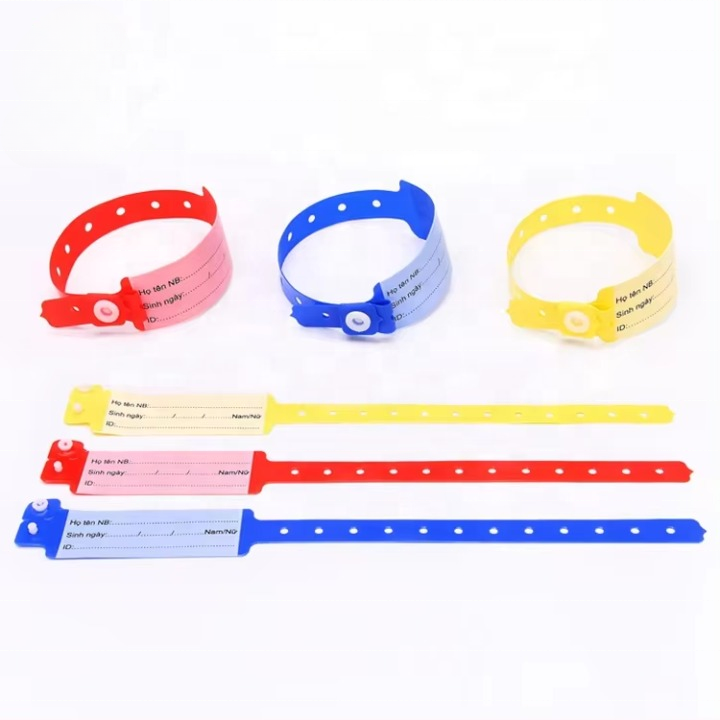
Why One Size Does Not Fit All in Patient Identification
In modern healthcare, patient identification wristbands are far more than simple labels. They are critical safety tools that must accommodate the unique physical, clinical, and operational needs of every patient population. A wristband designed for an adult ICU patient simply cannot serve a premature infant in the NICU or an elderly dementia patient in geriatric care.
Hospitals that adopt customized medical wristbands tailored to each department see measurable improvements in patient safety, staff efficiency, and regulatory compliance. This guide breaks down exactly why different hospital departments require specialized wristband solutions and what features matter most for each age group.
The Role of Customized Medical Wristbands in Patient Safety
Patient misidentification remains one of the leading causes of medical errors worldwide. According to the Joint Commission, incorrect patient identification contributes to medication errors, wrong-site surgeries, and diagnostic mistakes. A well-designed patient identification wristband serves as the first line of defense against these preventable incidents.
However, effectiveness depends on proper fit, readability, durability, and comfort. A wristband that is too loose can slip off; one that is too tight can cause skin damage. Materials that irritate fragile neonatal skin are unacceptable, while flimsy bands that tear easily compromise adult patients during extended stays. This is why customized medical wristbands are not a luxury but a necessity.
Neonatal Wristbands: Protecting the Most Vulnerable Patients
Newborns, especially premature infants in the Neonatal Intensive Care Unit (NICU), present unique challenges for patient identification. Their skin is extremely delicate, their wrists are tiny, and they often require frequent handling for procedures and monitoring.
Key Requirements for Neonatal Wristbands
- Ultra-soft, hypoallergenic materials that will not irritate or damage fragile skin
- Adjustable sizing to accommodate rapid growth during the first weeks of life
- Tamper-evident closures to prevent accidental removal or unauthorized swapping
- Waterproof and alcohol-resistant surfaces to withstand frequent sanitization
- Clear printing area for essential information: name, date of birth, mother's name, medical record number
- Lightweight construction that does not impede circulation or movement
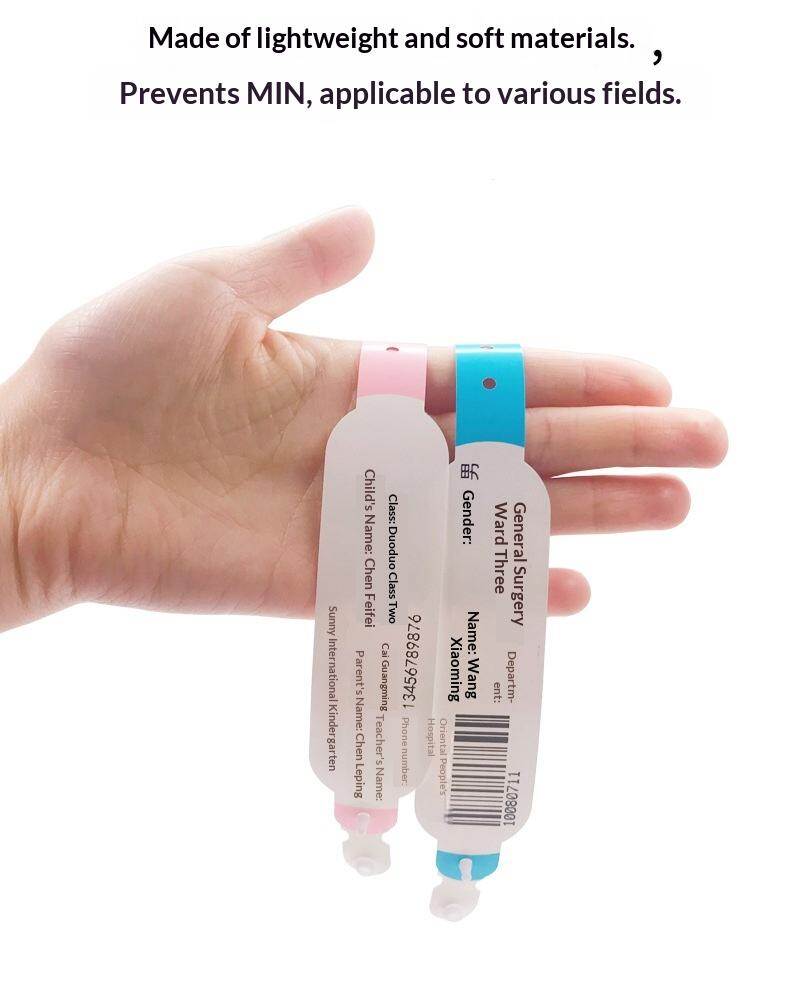
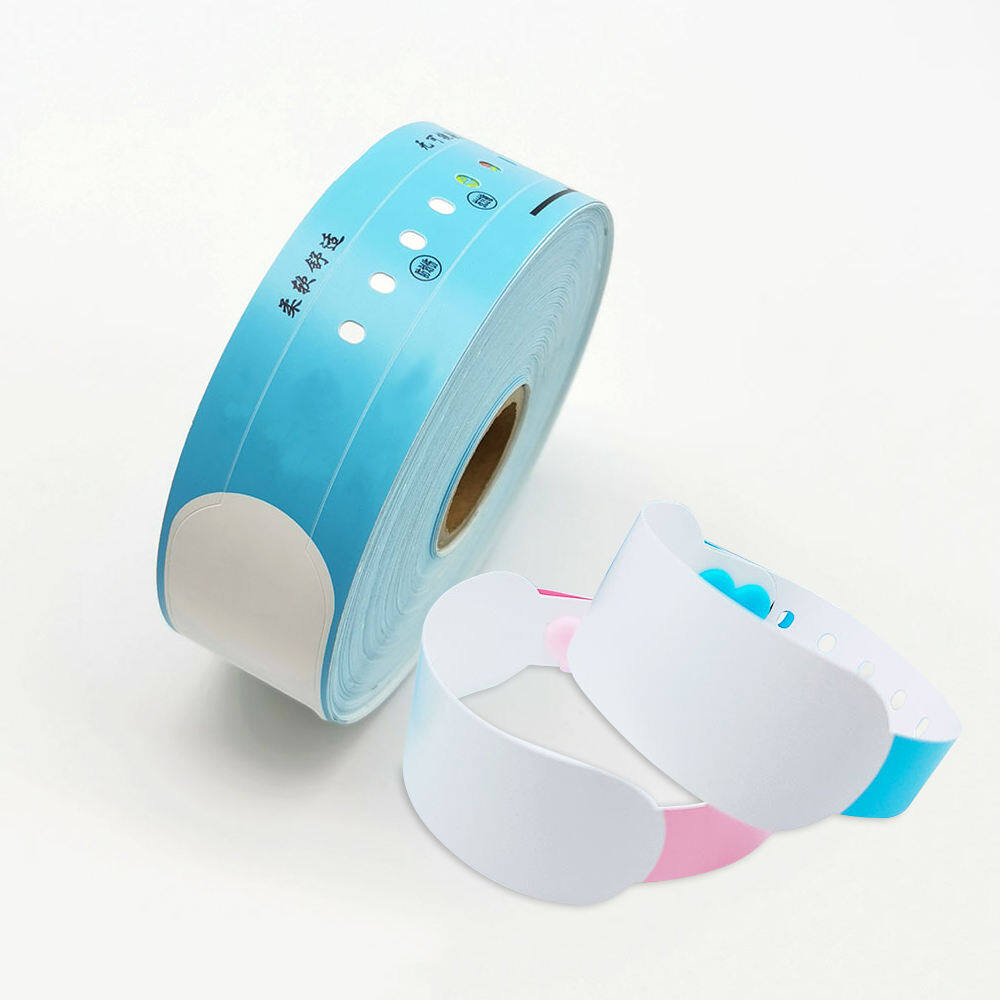
Neonatal wristbands typically come in smaller dimensions, often around 150mm x 18mm, compared to standard adult sizes. Many hospitals use color-coded neonatal wristbands to distinguish between babies in different risk categories or to match mother-baby pairs, reducing the risk of infant abduction or mix-ups.
Pediatric Wristbands: Balancing Safety and Comfort for Children
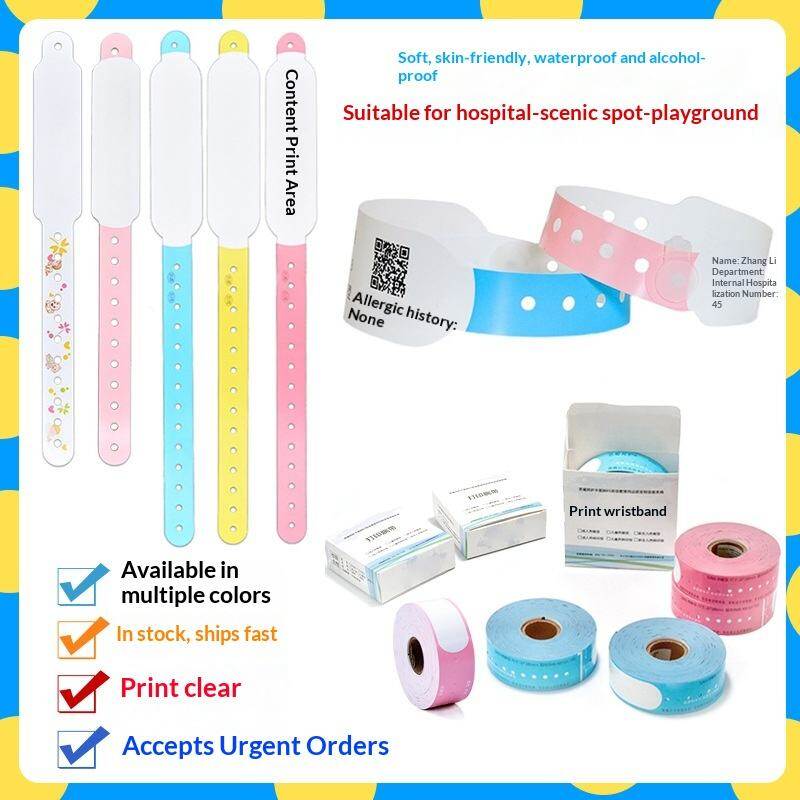
Children aged 1 to 12 years represent a diverse patient population with rapidly changing physical dimensions. Pediatric wristbands must bridge the gap between neonatal delicacy and adult durability, while also addressing the behavioral tendencies of young patients who may tug, chew, or attempt to remove their bands.
Design Considerations for Pediatric Wristbands
- Durable yet comfortable materials that resist pulling and chewing
- Bright, child-friendly colors and optional cartoon designs to reduce anxiety
- Secure locking mechanisms that children cannot open independently
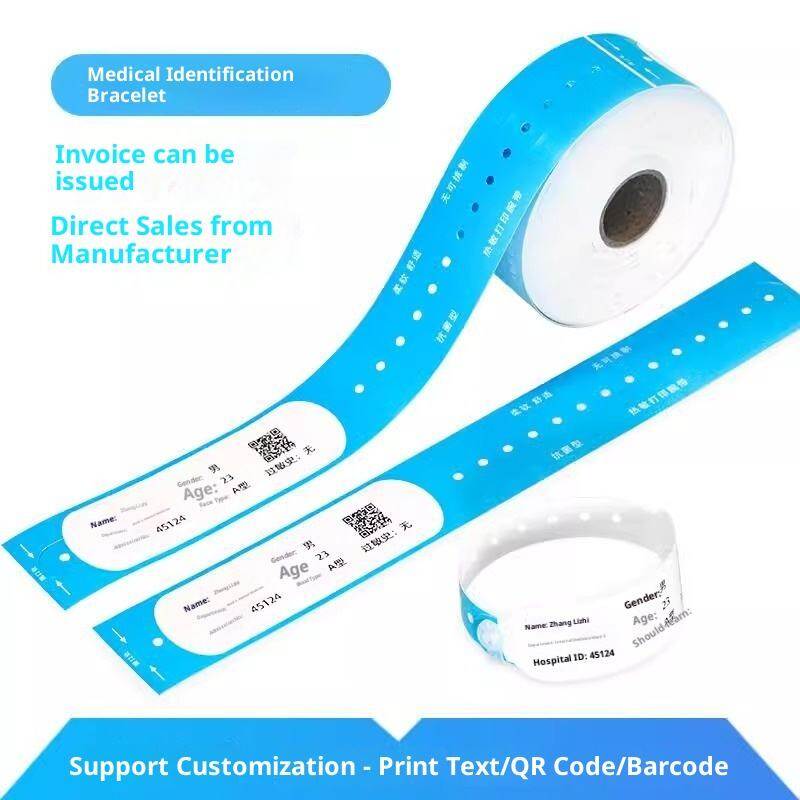
- Adequate print area for barcode medical wristbands and QR code wristbands
- Skin-safe adhesives and smooth edges to prevent irritation during active movement
- Multiple size options to cover toddlers through pre-teens
Pediatric wristbands often feature playful designs that help ease a child's fear of hospitalization. Beyond aesthetics, these colorful wristbands serve a practical purpose: they make it easier for staff to quickly identify which ward a child belongs to and verify identity at every point of care.
Adult Hospital Wristbands: The Standard for General and Critical Care
Adult hospital wristbands are the most widely used type of patient identification wristband across all departments, from general medicine to surgical units, emergency rooms, and intensive care. They must balance universal compatibility with department-specific requirements.
Essential Features of Adult Hospital Wristbands
- Standard sizing (typically 250mm x 25mm) with adjustable closure for various wrist circumferences
- High-quality thermal printing compatible with barcode medical wristbands and QR code wristbands for electronic health record integration
- Durable materials that withstand showering, hand sanitizer exposure, and friction over multi-day stays
- Tamper-evident or permanent locking clasps to prevent unauthorized removal
- Color-coding options for allergy alerts, fall-risk designation, DNR status, or department identification
- Latex-free and hypoallergenic construction to minimize adverse skin reactions
In critical care settings, adult hospital wristbands may incorporate additional technologies such as RFID chips or NFC tags for automated patient tracking and medication verification. These smart wristbands integrate seamlessly with hospital information systems, reducing manual data entry errors and speeding up clinical workflows.
Geriatric Patient Wristbands: Addressing Age-Specific Challenges
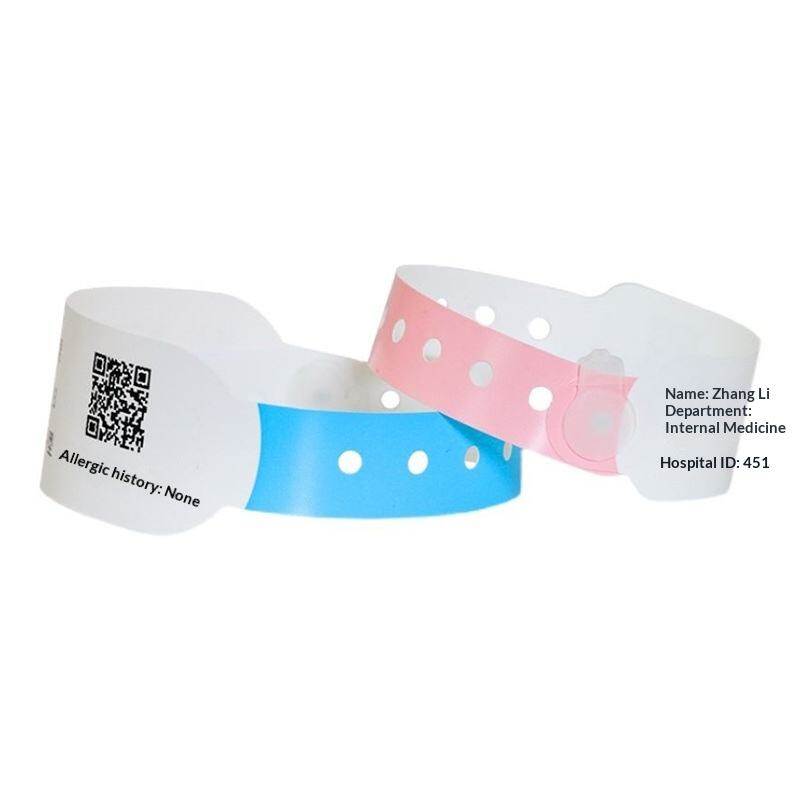
Elderly patients present a distinct set of challenges that generic wristbands cannot adequately address. Thinning skin, reduced circulation, cognitive impairment, and longer average lengths of stay all demand specialized geriatric patient wristbands.
Critical Design Elements for Geriatric Wristbands
- Extra-soft, breathable materials to protect fragile aging skin from pressure injuries and dermatitis
- Larger print fonts and high-contrast text for easy visual verification by staff and family members
- Gentle adhesive or soft-touch clasps that do not pull on thin skin during application or removal
- Extended durability for long-term wear, as geriatric patients often have longer hospital stays
- Integration with fall-risk and wandering-alert protocols through color coding or embedded technology
- Comfort-focused design to reduce agitation in patients with dementia or Alzheimer's disease
For patients with cognitive impairments, geriatric patient wristbands may include GPS-enabled tracking or RFID technology to prevent wandering, a significant safety concern in geriatric and memory care units. The wristband becomes both an identification tool and a protective device.
Technology Integration Across All Departments
Modern customized medical wristbands increasingly incorporate digital technologies that enhance patient safety beyond basic visual identification. These technologies work across all age groups and departments:
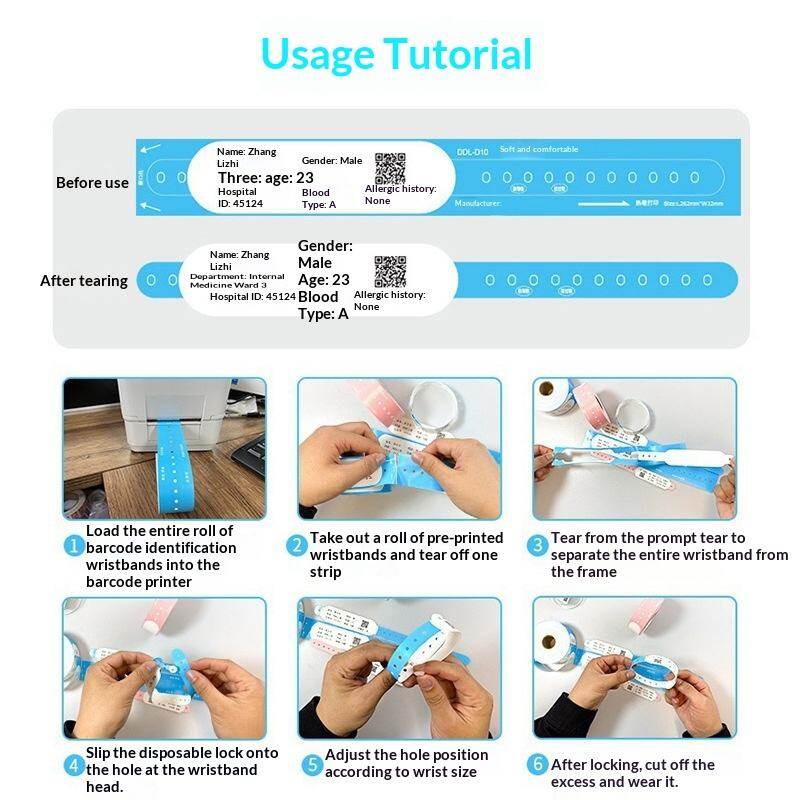
- Barcode medical wristbands enable instant scanning at medication administration points, lab collection stations, and bedside verification checkpoints
- QR code wristbands provide quick access to electronic health records, allergy information, and treatment plans via smartphone or tablet scanning
- RFID and NFC-enabled wristbands support real-time patient location tracking, automated attendance logging, and contactless identification
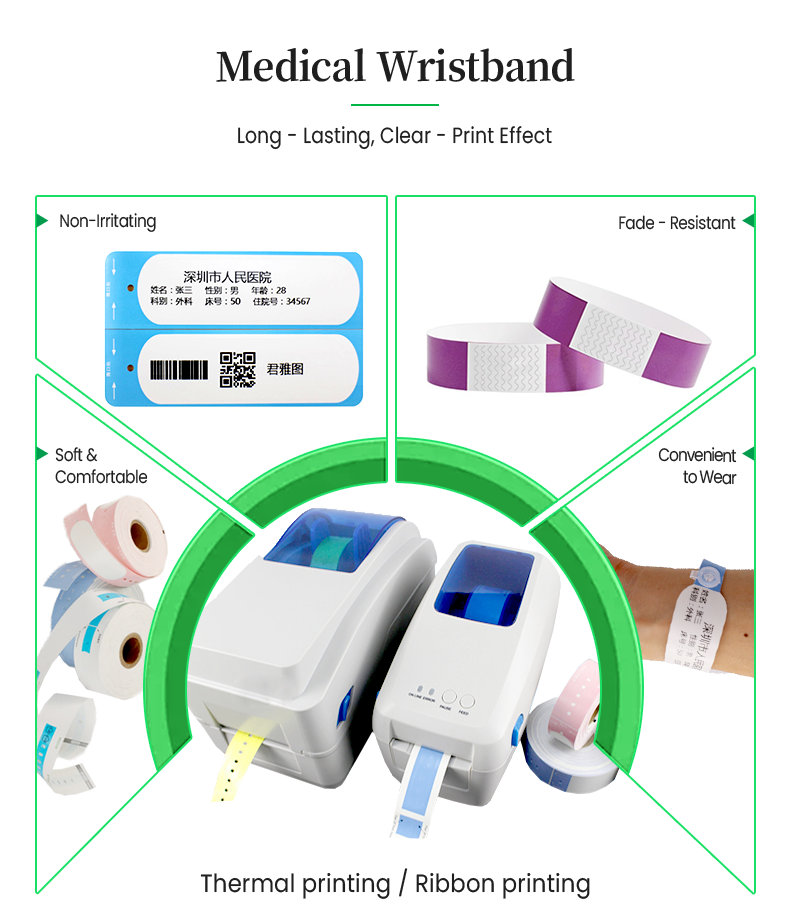
- Thermal printing technology ensures crisp, smudge-proof text and codes that remain readable throughout the patient's entire stay
The choice of technology often depends on the hospital's existing infrastructure, budget, and specific clinical workflows. However, regardless of the technology chosen, the fundamental requirement remains the same: the wristband must be physically appropriate for the patient it identifies.
Choosing the Right Wristband Printer for Your Hospital
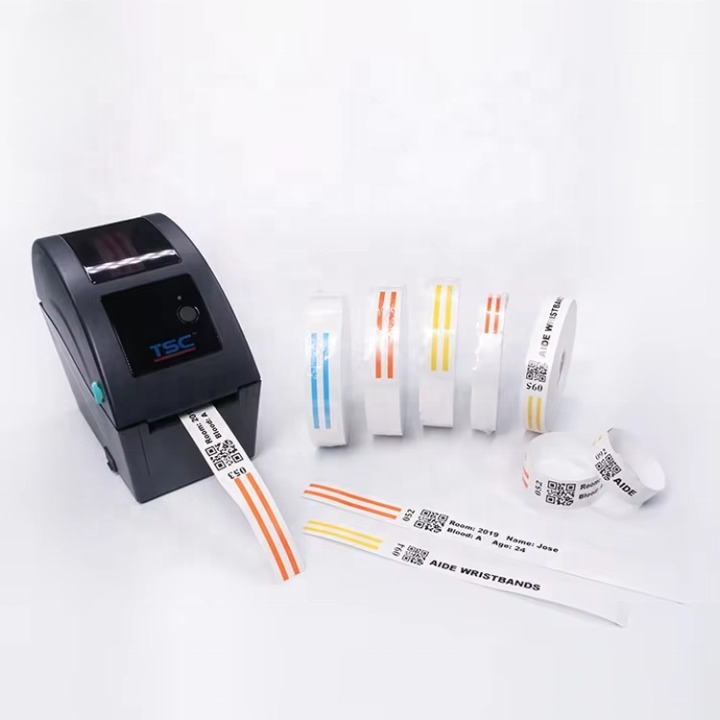
The quality of printed information on a patient identification wristband directly impacts its effectiveness. Hospitals need reliable thermal printers capable of producing clear barcodes, legible text, and durable prints across multiple wristband sizes and materials.
When selecting a wristband printer, consider the following factors:
- Compatibility with multiple wristband sizes, from neonatal to adult
- Print resolution sufficient for high-density barcodes and small-font text
- Speed and throughput to handle peak admission periods without delays
- Integration with hospital information systems and electronic health record platforms
- Low maintenance requirements and reliable consumable supply chains
Implementing a Department-Specific Wristband Program
Transitioning to customized medical wristbands requires careful planning and stakeholder engagement. Here is a practical framework for implementation:
- Conduct a departmental needs assessment to identify specific requirements for each patient population
- Select wristband materials and sizes appropriate for each department, ensuring compliance with relevant healthcare standards
- Standardize color-coding schemes across the facility to maintain consistency and avoid confusion
- Train staff on proper application, verification, and removal procedures for each wristband type
- Establish quality control protocols to regularly inspect wristband integrity, print clarity, and clasp functionality
- Monitor key performance indicators such as misidentification rates, wristband-related skin incidents, and staff compliance
Regulatory Compliance and Industry Standards
Hospitals must ensure their patient identification wristband programs comply with applicable regulations and accreditation standards. Key frameworks include:
- The Joint Commission National Patient Safety Goals, which mandate accurate patient identification using at least two identifiers
- HIPAA requirements for protecting patient information displayed on wristbands
- FDA guidelines for medical device labeling when wristbands incorporate electronic components
- ISO standards for biocompatibility testing of materials that contact patient skin
Compliance is not merely a legal obligation; it reflects a hospital's commitment to patient safety and quality care. Customized medical wristbands that meet or exceed these standards demonstrate institutional accountability and build trust with patients and families.
Conclusion: Investing in Patient Safety Through Customization
The evidence is clear: customized medical wristbands tailored to specific hospital departments and patient populations deliver superior outcomes compared to one-size-fits-all approaches. From neonatal wristbands that protect the tiniest patients to geriatric patient wristbands that accommodate the complexities of aging, each specialized solution addresses real clinical needs.
Hospitals that invest in department-specific patient identification wristband programs are not just purchasing supplies; they are making a strategic investment in patient safety, operational efficiency, and regulatory compliance. The result is fewer identification errors, greater staff confidence, and better patient experiences across every stage of care.
Customized medical wristbands, patient identification wristband, neonatal wristbands, pediatric wristbands, adult hospital wristbands, geriatric patient wristbands, QR code wristbands, barcode medical wristbands, hospital wristband printer, thermal wristband printing, RFID patient wristband, NFC wristband, tamper-evident wristband, hypoallergenic wristband, color-coded wristband, fall-risk wristband, NICU wristband, dementia patient wristband, infant abduction prevention, JCI patient safety, HIPAA compliant wristband, medical grade wristband material, wristband clasp, adjustable wristband, waterproof wristband, alcohol resistant wristband.
At WEIDMED, we specialize in customized medical wristbands for every hospital department. Whether you need neonatal wristbands for your NICU, pediatric wristbands with child-friendly designs, or geriatric patient wristbands with enhanced comfort features, our team can help you find the right solution. Contact us today to discuss your hospital's specific requirements.
Continue Reading
Have Questions About Wristbands?
Our team is ready to help you find the perfect wristband solution for your needs. Contact us directly on WhatsApp for quick responses.
Contact on WhatsApp