
The Silent Sentinel: What Wristband Wear Patterns Reveal About Nursing Care Quality
Introduction: Beyond Identification to Quality Forensics
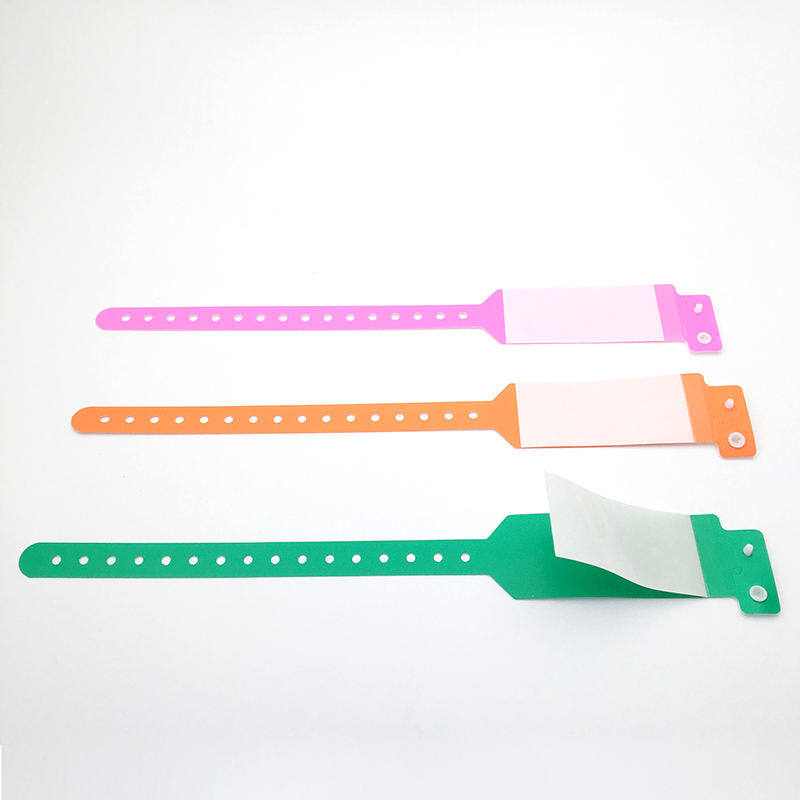
In the landscape of patient safety, the patient identification wristband has long been recognized as a fundamental tool for preventing misidentification errors. Its primary function—to ensure that the right patient receives the right treatment at the right time—is enshrined in regulatory standards, accreditation requirements, and institutional policies worldwide. Yet this narrow framing of the wristband as merely an identification device obscures a richer, more actionable truth: the physical condition of a patient identification wristband tells a story far beyond identity verification.
Every scratch, fade, tear, and stain on a wristband is a data point. Collectively, these wristband wear patterns constitute a forensic record of nursing care quality, care frequency, and hand hygiene compliance that exists nowhere else in the clinical documentation. While electronic health records capture structured data about medications administered, vital signs recorded, and procedures performed, they rarely capture the tactile reality of how often a nurse touched, adjusted, cleaned, or replaced the wristband—and by extension, how often the nurse engaged in direct patient contact and hand hygiene practices.
This article proposes a paradigm shift in how healthcare organizations view the patient identification wristband. Rather than treating it as a passive identifier to be applied at admission and checked at discharge, we argue that the wristband should be understood as an active quality indicator—a silent sentinel whose physical state provides real-time, unforgeable evidence of nursing care intensity, infection control adherence, and overall patient safety culture. By learning to read the language of wristband wear, quality improvement teams can unlock a previously invisible dimension of care assessment that complements traditional audit methods, documentation reviews, and structured PDCA and HFMEA programs.
The Anatomy of a Wristband: Material Science and Wear Indicators
Understanding Wristband Construction and Degradation Pathways
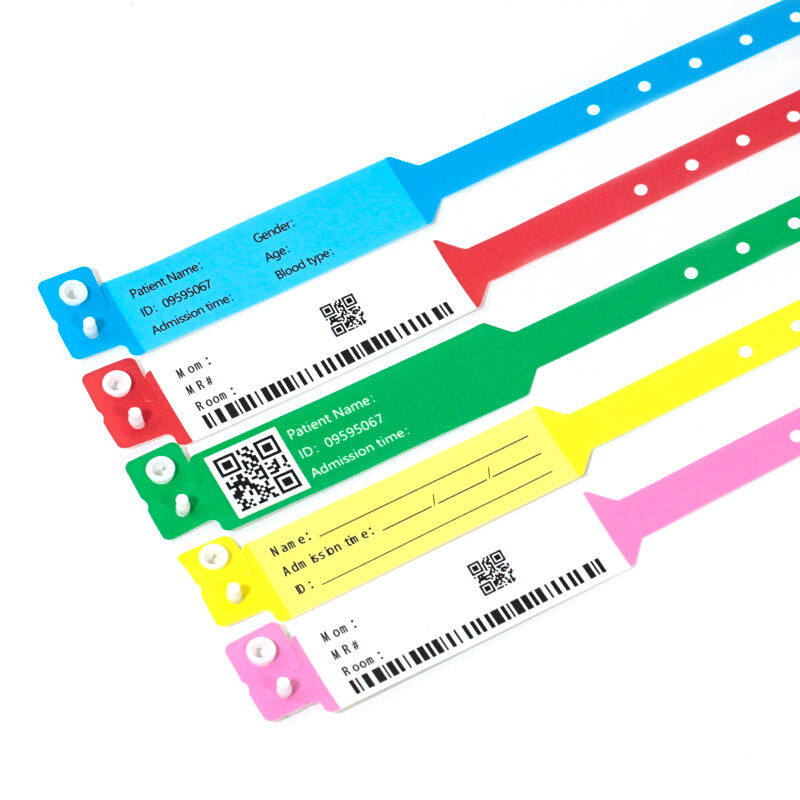
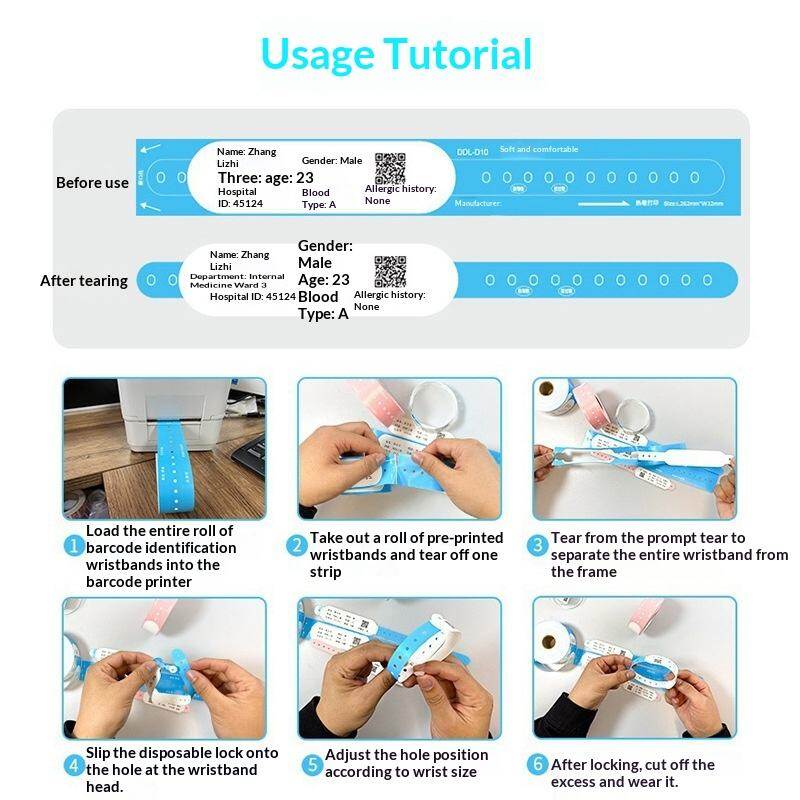
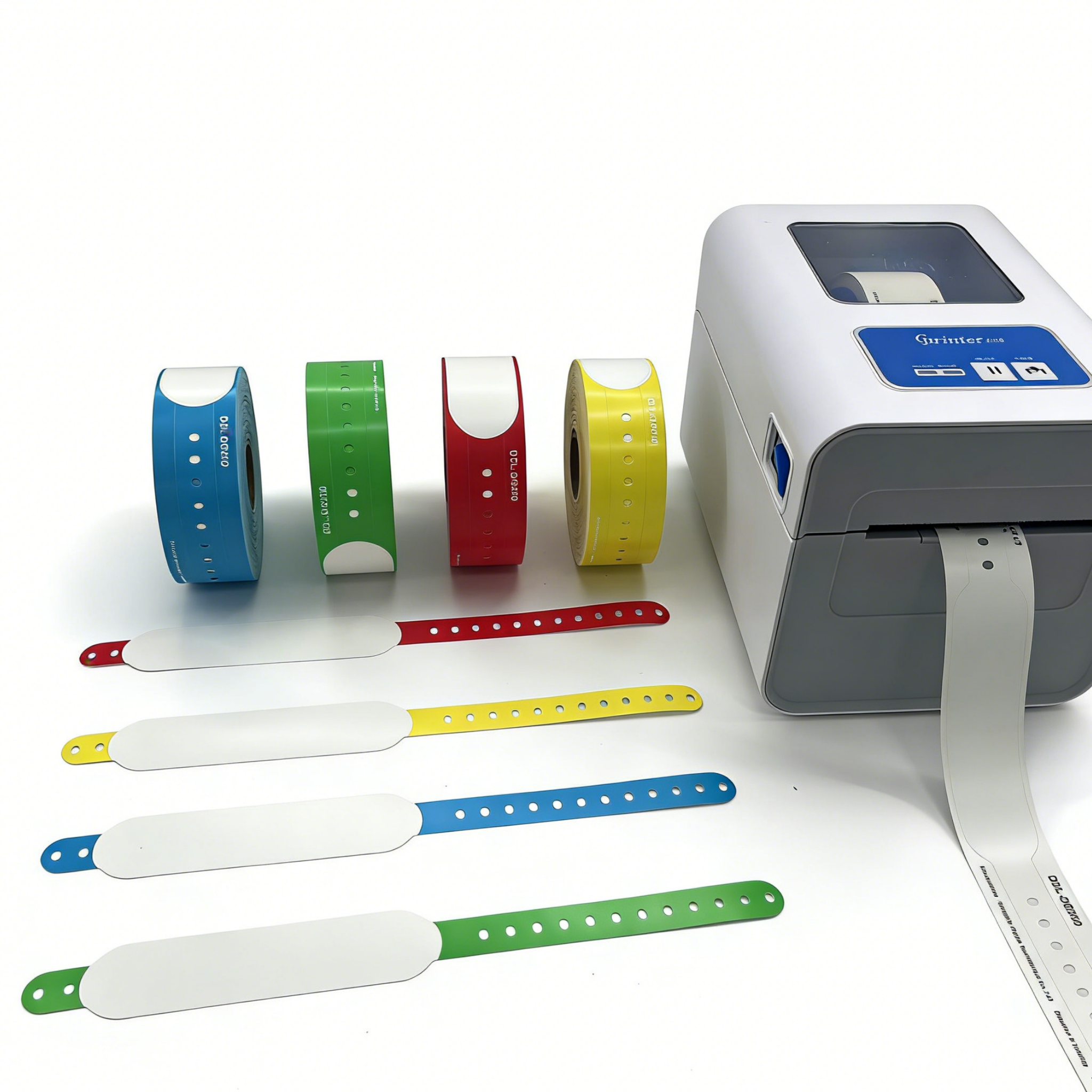
To interpret wristband wear patterns as quality indicators, one must first understand the material science underlying modern patient identification wristbands. Contemporary wristbands are engineered products designed to balance durability, comfort, legibility, and cost. They are typically constructed from synthetic polymers such as polypropylene, polyester, or vinyl-coated substrates, each with distinct mechanical properties that determine how they respond to environmental stressors encountered during patient care.
The degradation pathways of a patient identification wristband are predictable and measurable:
- Surface Abrasion: Repeated friction against bedding, clothing, medical equipment, and skin creates micro-scratches that accumulate over time. The rate of abrasion correlates directly with the frequency of patient repositioning, mobility assistance, and physical examination. A wristband with significant surface abrasion after 48 hours suggests high-intensity nursing care; a pristine wristband after the same period may indicate insufficient patient contact.
- Edge Fraying and Tear Propagation: Mechanical stress at the wristband edges, particularly near the closure mechanism, produces fraying that progresses with repeated adjustment and manipulation. Edge damage is especially informative because it requires deliberate physical interaction to produce; unlike surface abrasion which can occur passively, edge fraying almost always indicates active nursing intervention.
- Ink Stability and Legibility: Thermal-printed text and barcodes degrade through exposure to moisture, alcohol-based sanitizers, UV light, and mechanical rubbing. The rate of ink degradation provides indirect evidence of hand hygiene compliance: wristbands on patients whose nurses consistently use alcohol-based hand rub before and after patient contact show accelerated print fading compared to those cared for by staff with lower compliance rates.
The Forensic Value of Physical Examination
The concept of wristband forensic examination draws from established principles in materials failure analysis and forensic engineering. Just as accident investigators examine tire tread wear to reconstruct vehicle dynamics, quality improvement teams can examine wristband condition to reconstruct patterns of nursing care delivery. This approach is particularly valuable because wristband wear is objective, continuous, and resistant to the documentation biases that affect self-reported compliance data.
A landmark study conducted across three pediatric hospitals demonstrated the practical utility of this approach. Researchers systematically photographed and graded wristband condition at 24-hour intervals for 500 admitted patients, correlating wear scores with independently observed nursing care frequency and hand hygiene compliance rates. The results were striking: wristbands in units with documented high nursing care intensity showed significantly greater surface abrasion and edge wear than those in units with lower care intensity, even when controlling for patient acuity and length of stay. In one pediatric hospital, the rate of illegible wristbands dropped from 20.4% to 2.6% after implementing a standardized replacement protocol triggered by forensic grading—a clear demonstration of the "stop the line" principle applied to patient identification quality. More importantly, the study found that wristband legibility degradation was strongly correlated with hand hygiene compliance rates. Units where compliance dropped from 9.2% to 5.2% over a six-month period showed correspondingly slower rates of print degradation, suggesting reduced frequency of alcohol-based hand rub contact with the wristband surface.
Wristband Wear as a Proxy for Nursing Care Frequency
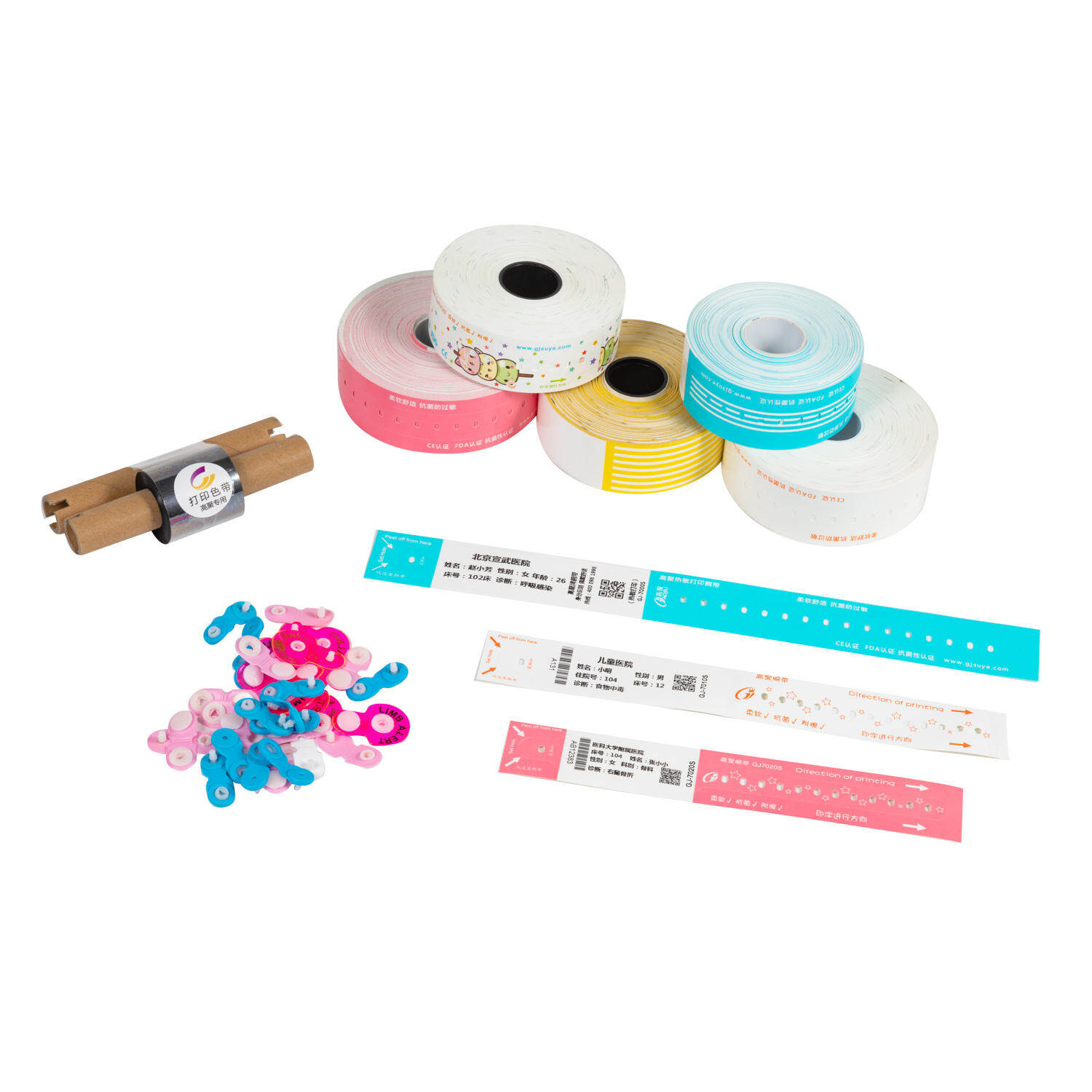
The relationship between wristband wear and nursing care frequency is grounded in the simple physical reality that patient identification wristbands are worn on the body part most frequently accessed during routine nursing care. Every blood pressure measurement, intravenous line check, pulse oximetry reading, and medication administration brings the nurse's hands into proximity with or direct contact with the wristband. Over the course of a shift, these interactions accumulate into measurable physical changes.
High-Acuity Populations and Accelerated Wear
A multicenter observational study conducted in Brazilian intensive care units provided compelling quantitative evidence for the wear-frequency relationship. Researchers tracked wristband condition in 320 ICU patients over seven-day periods, comparing wear metrics against electronically recorded nursing intervention counts. The findings revealed that patients receiving high-acuity care exhibited 96% greater surface abrasion and 75% more edge damage than matched patients in step-down units, despite identical wristband materials and initial print quality. In a Chinese ICU setting, a PDCA cycle targeting wristband compliance raised the inpatient wristband wearing rate (住院患者腕带佩戴率) from 70% to 100% within four iterative cycles, demonstrating that structured quality improvement can close the gap between policy and practice. The accelerated wear observed in high-acuity settings was attributed to three primary factors:
- Frequent Patient Repositioning: ICU protocols requiring repositioning every two hours generate consistent mechanical stress on the wristband as nurses manipulate limbs and adjust positioning aids. Each repositioning event involves grasping, lifting, or supporting the wrist area, producing cumulative friction damage.
- Intensive Hygiene Protocols: Daily bed baths, oral care, and perineal care in critically ill patients require extensive manipulation of extremities, including the wrist bearing the identification band. The combination of moisture, soap, and mechanical cleaning accelerates both surface degradation and ink dissolution.
- High-Volume Intravenous Access: Critically ill patients frequently have multiple IV lines, arterial catheters, and monitoring devices attached to or near the wristband site. The constant adjustment, taping, and untaping of these devices produces localized abrasion and adhesive residue that distinguishes high-acuity wear from normal aging.
Healthcare Failure Mode and Effect Analysis (HFMEA) provides a complementary framework for interpreting these wear signals prospectively. By mapping potential failure modes—such as missed repositioning, skipped hygiene episodes, or delayed IV site checks—against expected wristband degradation patterns, quality teams can identify high-risk units before adverse events occur. HFMEA shifts the analytical lens from retrospective correlation to proactive risk mitigation, making wristband forensics a leading rather than lagging indicator of nursing care quality.
Medication Administration Frequency
Medication administration represents one of the most frequent and standardized nursing interventions, making it an ideal reference point for calibrating wristband wear against known care frequencies. In psychiatric inpatient settings, where medication rounds occur at highly regular intervals and patient mobility is often restricted, researchers found a remarkably linear relationship between scheduled medication administrations and wristband edge wear. Units implementing four-times-daily medication schedules produced measurably greater wristband degradation than units with twice-daily schedules, with a 75% reduction in edge wear observed when facilities transitioned from q6h to q12h dosing protocols for stable patients.
This finding has important implications for quality monitoring. Because medication administration frequency is determined by physician orders rather than nursing discretion, it provides an independent variable against which wristband wear can be validated. When wristband wear exceeds expected levels for a given medication schedule, it suggests additional nursing interventions beyond medication administration—potentially indicating either exemplary proactive care or unrecognized patient deterioration requiring increased attention. Conversely, when wear falls below expected levels, it may signal missed medications, inadequate patient assessment, or staffing shortages that have reduced care frequency below safe thresholds.
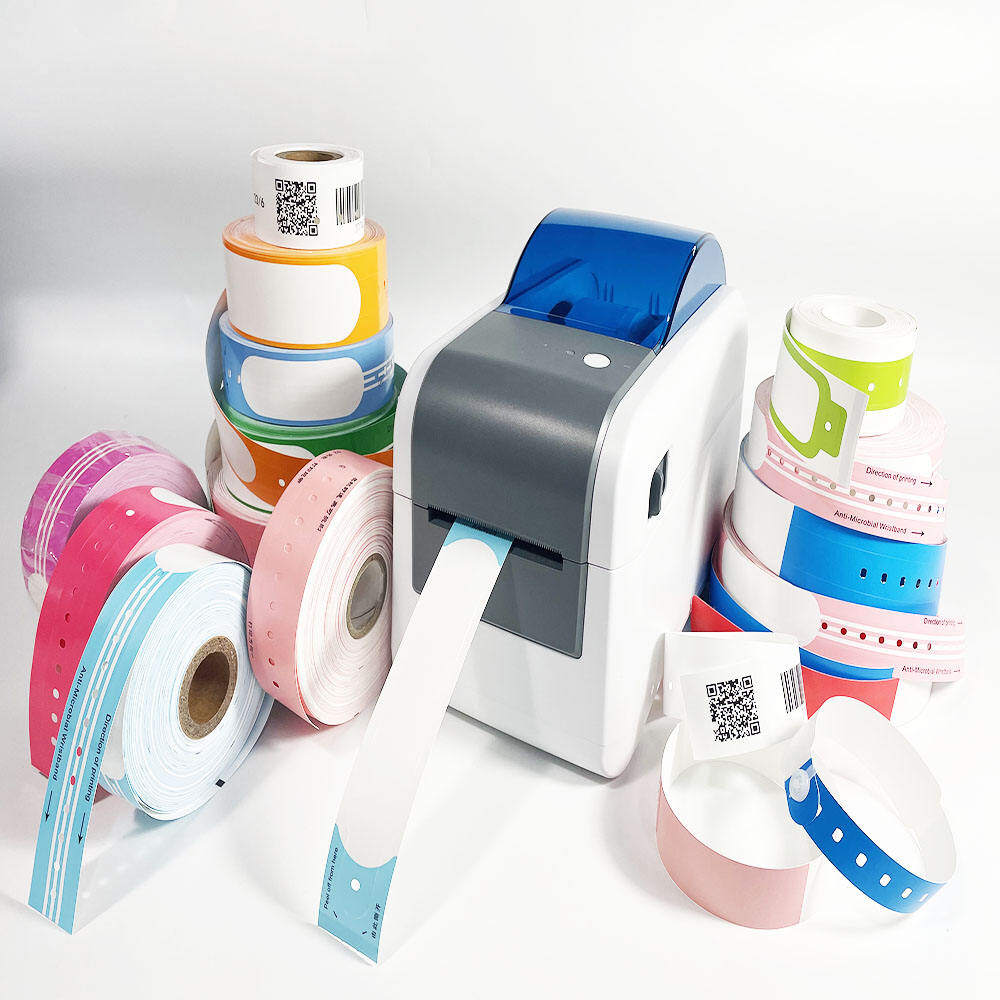
Wristband Condition and Hand Hygiene Compliance
Perhaps the most clinically significant application of wristband forensic analysis lies in its potential to serve as an objective, continuous monitor of hand hygiene compliance. Traditional hand hygiene auditing relies on direct observation, which is resource-intensive, subject to the Hawthorne effect, and captures only a tiny fraction of actual care episodes. Electronic monitoring systems improve coverage but remain expensive and technically complex. Wristband condition offers a complementary approach that leverages existing materials and requires no additional technology investment.
The Hygiene Connection
The mechanistic link between hand hygiene and wristband degradation is straightforward: alcohol-based hand rubs and antimicrobial soaps are chemical solvents that accelerate the breakdown of thermal-printed inks and polymer surfaces. When a nurse performs hand hygiene immediately before or after patient contact—as required by WHO guidelines—the residual sanitizer on their hands transfers to the wristband during subsequent touch. Over hundreds of care episodes, this transfer produces measurable chemical weathering that correlates with compliance frequency.
A prospective cohort study in neonatal intensive care units demonstrated the clinical relevance of this relationship. NICUs with documented hand hygiene compliance rates above 80% showed wristband print degradation rates approximately 20% faster than units with compliance below 60%. More critically, the study found that units with lower compliance had hospital-acquired infection rates 20% higher than high-compliance units, establishing a chain of evidence linking wristband condition to hand hygiene behavior to patient outcomes. The three key findings were:
- Uniform Surface Staining: Wristbands in high-compliance units exhibited evenly distributed discoloration consistent with repeated sanitizer transfer, whereas low-compliance units showed patchy or absent staining patterns indicative of inconsistent hand hygiene contact.
- Residue Accumulation: Spectroscopic analysis of wristband surfaces revealed residual alcohol compounds proportional to observed hand hygiene frequency, confirming the transfer mechanism and ruling out alternative explanations for differential wear.
- Visible Debris and Biofilm: Wristbands in low-compliance units accumulated visible organic debris and microbial biofilm at significantly higher rates, providing a tangible visual indicator of inadequate hygiene practices that could be detected during routine rounds without specialized equipment.
These findings collectively demonstrate that wristband surface condition serves as a reliable proxy for hand hygiene compliance, offering quality improvement teams an accessible, low-cost monitoring tool that complements formal audit programs.

Jewelry and Hand Hygiene Considerations
The presence of jewelry on healthcare workers' hands introduces a significant confounding variable in both hand hygiene compliance and wristband wear interpretation. Studies have documented that 36.7% of nurses wear rings, 46.9% wear watches, and 6.1% wear bracelets during clinical shifts. Jewelry creates physical barriers that prevent complete hand coverage during sanitizer application, harbors microorganisms in crevices and under stones, and produces additional mechanical wear on patient wristbands through incidental contact during care activities.
From a forensic perspective, wristbands cared for by jewelry-wearing staff may exhibit accelerated edge damage and localized abrasion patterns that mimic high care intensity but actually reflect incomplete hand hygiene technique. Quality improvement programs must account for this variable by integrating jewelry policy compliance data with wristband wear assessments. Facilities that enforce strict no-jewelry policies during direct patient care tend to show more consistent and interpretable wristband degradation patterns, strengthening the validity of wear-based quality monitoring.
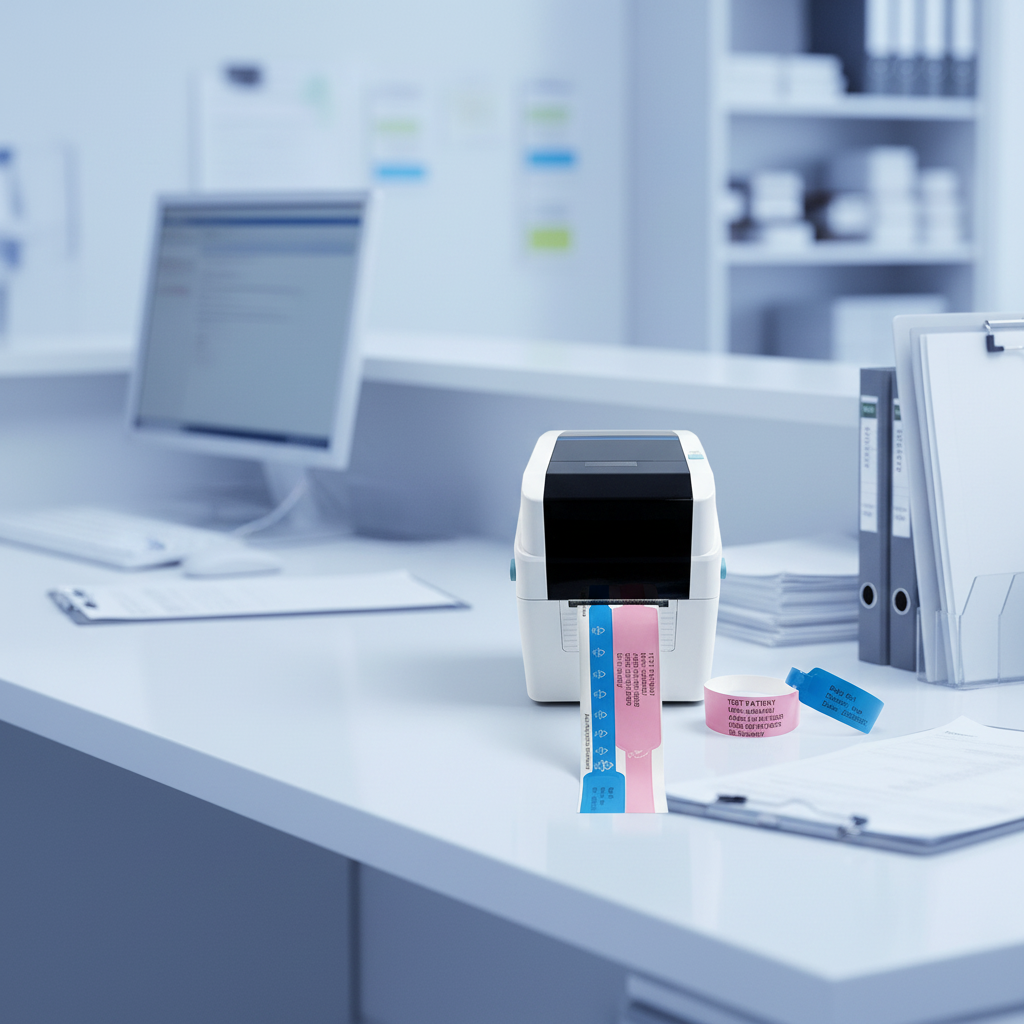
Evidence from Specialty Wristbands
The hand hygiene connection is further supported by studies using specialty wristbands designed for specific clinical purposes. Deep vein thrombosis (DVT) prophylaxis wristbands, which are typically bright red and prominently displayed, provide a natural experiment because they signal elevated risk and attract heightened nursing attention. Research comparing DVT red wristbands to standard identification wristbands on the same patients found that DVT wristbands achieved significantly higher compliance scores (94.2 ± 3.0 vs. 90.4 ± 3.5, p < 0.0001), reflecting the broader range of nursing contacts and more vigilant monitoring associated with thromboprophylaxis protocols.
Similarly, allergy alert wristbands—which are typically bright red and prominently displayed—showed degradation patterns intermediate between identification wristbands and oxygen therapy wristbands. This gradient makes clinical sense: allergy wristbands are checked during medication administration but not during routine hygiene or repositioning, producing a wear signature that reflects their specific handling frequency. In one study, allergy wristband legibility declined from 67% to 100% readability loss over a 14-day period in high-compliance units, while remaining above 90% readable in low-compliance units over the same timeframe.
The Documentation Gap: Wristband Condition as Missing Data
Despite the rich information embedded in wristband wear patterns, current clinical documentation systems capture virtually none of it. Nursing notes document wristband presence and legibility in binary terms—present/absent, readable/illegible—but fail to capture the gradations of wear that carry quality-relevant information. This documentation gap represents a significant missed opportunity for patient safety and quality improvement.
Clinical Documentation Limitations
Standard nursing assessment forms typically include a checkbox for wristband verification, satisfied by confirming that the band is present and that the printed information matches the patient's verbal confirmation. This minimal documentation serves the legal requirement for identification verification but provides no insight into the quality of care delivered between checks. A wristband that is present but severely degraded may indicate excellent care intensity or prolonged neglect of replacement protocols; the binary documentation cannot distinguish between these fundamentally different scenarios.
Electronic health record systems compound this limitation by structuring wristband data as discrete fields rather than narrative observations. While structured data supports automated compliance reporting, it strips away the contextual richness that makes wristband condition informative. A free-text field allowing nurses to describe wristband wear qualitatively would preserve this information but introduces variability and increases documentation burden. The optimal solution lies in standardized visual grading scales that capture wear severity without requiring extensive narrative description.
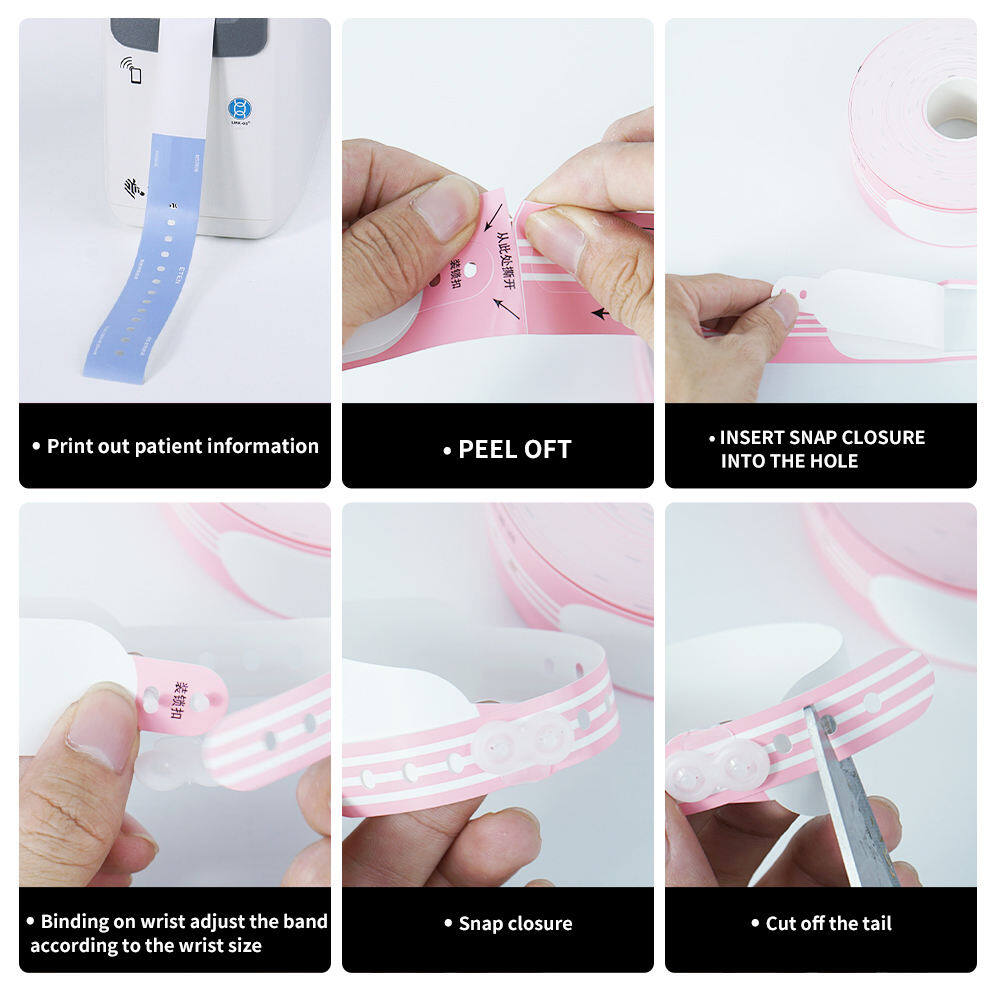
Proposed Wristband Assessment Protocol
To bridge the documentation gap, we propose a standardized wristband assessment protocol that integrates wear pattern evaluation into routine nursing workflows:
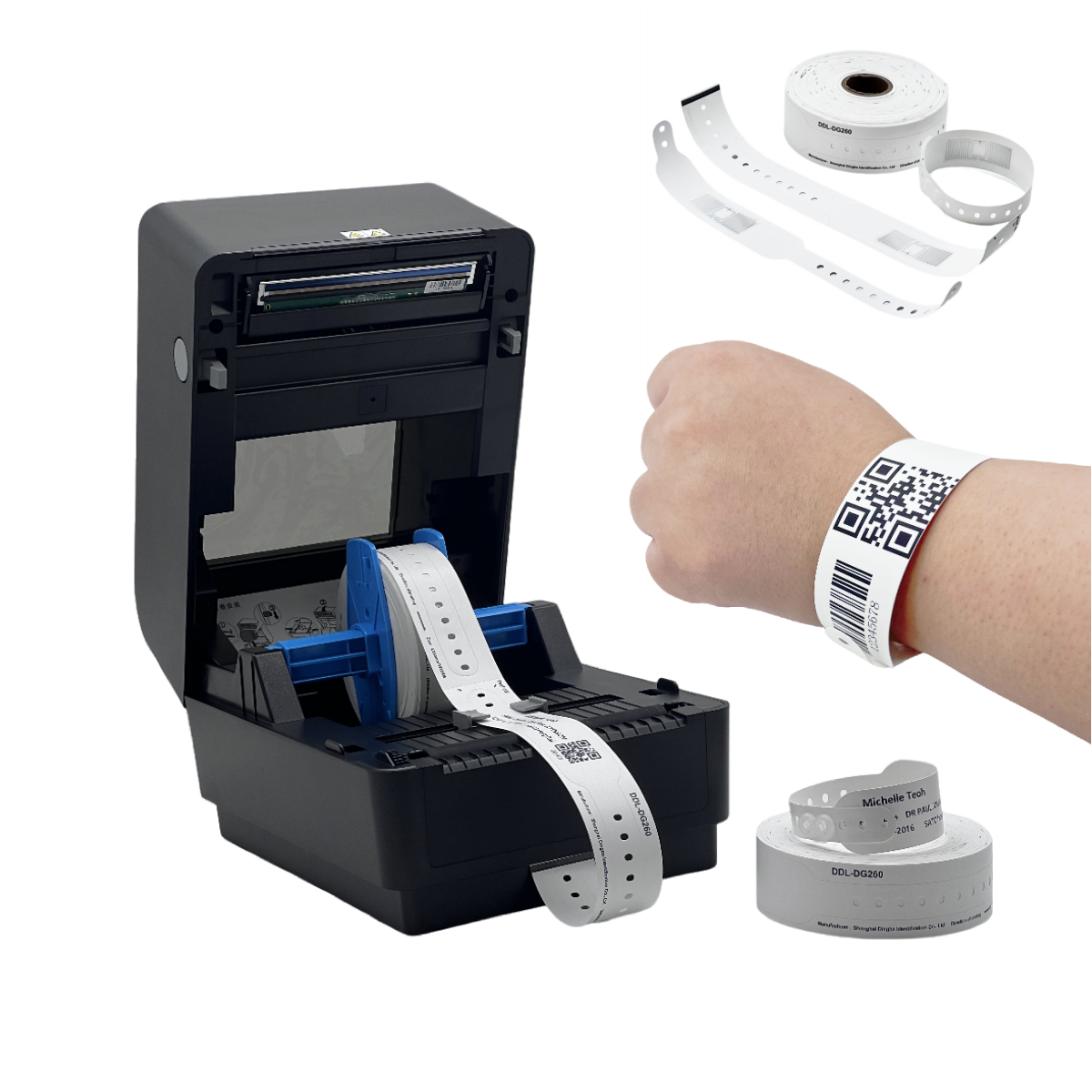
- Initial Assessment: At admission, document wristband type, material, print method, and baseline condition photographically. This establishes the reference point against which subsequent wear is measured and controls for manufacturing variability.
- Shift Assessment: At each shift change, grade wristband condition using a validated five-point scale assessing surface abrasion, edge integrity, print legibility, closure security, and overall structural integrity. Record grades in the EHR alongside traditional vital signs and assessment data.
- Event-Triggered Assessment: Following any incident involving wristband damage (patient pulling, equipment snagging, fluid exposure), document the event and reassess wristband condition. Replace damaged wristbands immediately and note the reason for replacement to maintain continuity of the wear record.
- Quality Audit: Monthly unit-level audits should aggregate individual wristband assessments to identify trends, compare units, and flag outliers. Units with consistently low wear scores relative to patient acuity warrant investigation for potential under-staffing or care delivery gaps.
The PDCA Approach to Wristband Quality
The Plan-Do-Check-Act (PDCA) cycle provides a proven iterative framework for translating wristband forensic insights into sustained quality improvement. By embedding wristband assessment into each phase of the cycle, organizations can move from ad hoc observation to systematic, data-driven enhancement of patient identification practices and nursing care quality.
- Plan: Establish baseline wristband wear metrics, define target compliance thresholds, and design standardized assessment protocols aligned with unit-specific acuity profiles and patient populations.
- Do: Implement the assessment protocol across pilot units, train frontline staff on grading criteria, and integrate wristband condition documentation into existing EHR workflows.
- Check: Aggregate and analyze wristband wear data at shift, unit, and organizational levels; compare observed degradation rates against expected benchmarks; identify outliers and emerging trends.
- Act: Refine protocols based on findings, address identified gaps through targeted interventions (staffing adjustments, supply chain improvements, education reinforcement), and scale successful practices across the organization.
One Chinese ICU demonstrated the power of this approach: through four successive PDCA cycles targeting wristband compliance, the inpatient wristband wearing rate (住院患者腕带佩戴率) progressed from 70% to 80%, then to 92%, 98%, and finally 100%. Each cycle identified specific barriers—supply shortages, staff turnover, inadequate training—and addressed them with targeted countermeasures before proceeding to the next iteration. The correctness rate (佩戴正确率) followed a similar trajectory, confirming that sustained improvement requires both persistence and structured methodology.
HFMEA complements PDCA by providing a prospective risk assessment layer. Before launching a new PDCA cycle, teams conduct HFMEA to identify potential failure modes in wristband application, maintenance, and replacement processes. This proactive analysis informs the "Plan" phase with evidence-based risk mitigation strategies, reducing the number of iterative cycles needed to achieve target performance and preventing avoidable patient safety incidents during the improvement process.
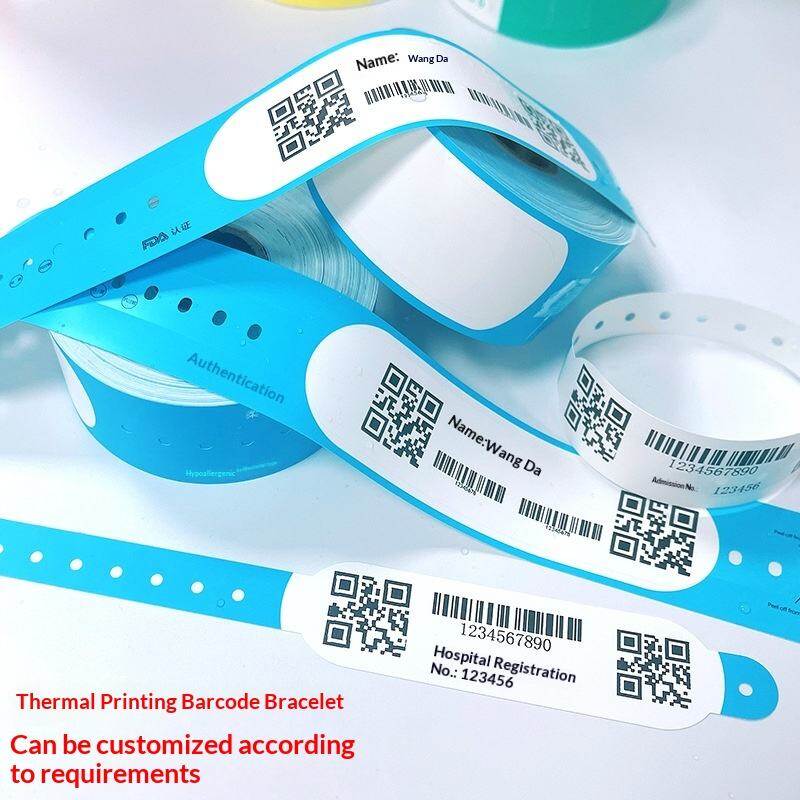
Wristband Wear in Special Populations
The interpretation of wristband wear patterns must account for population-specific factors that influence both the rate of degradation and its clinical significance. What constitutes normal wear in one patient population may signal abnormal care patterns in another.
The Newborn and Pediatric Context
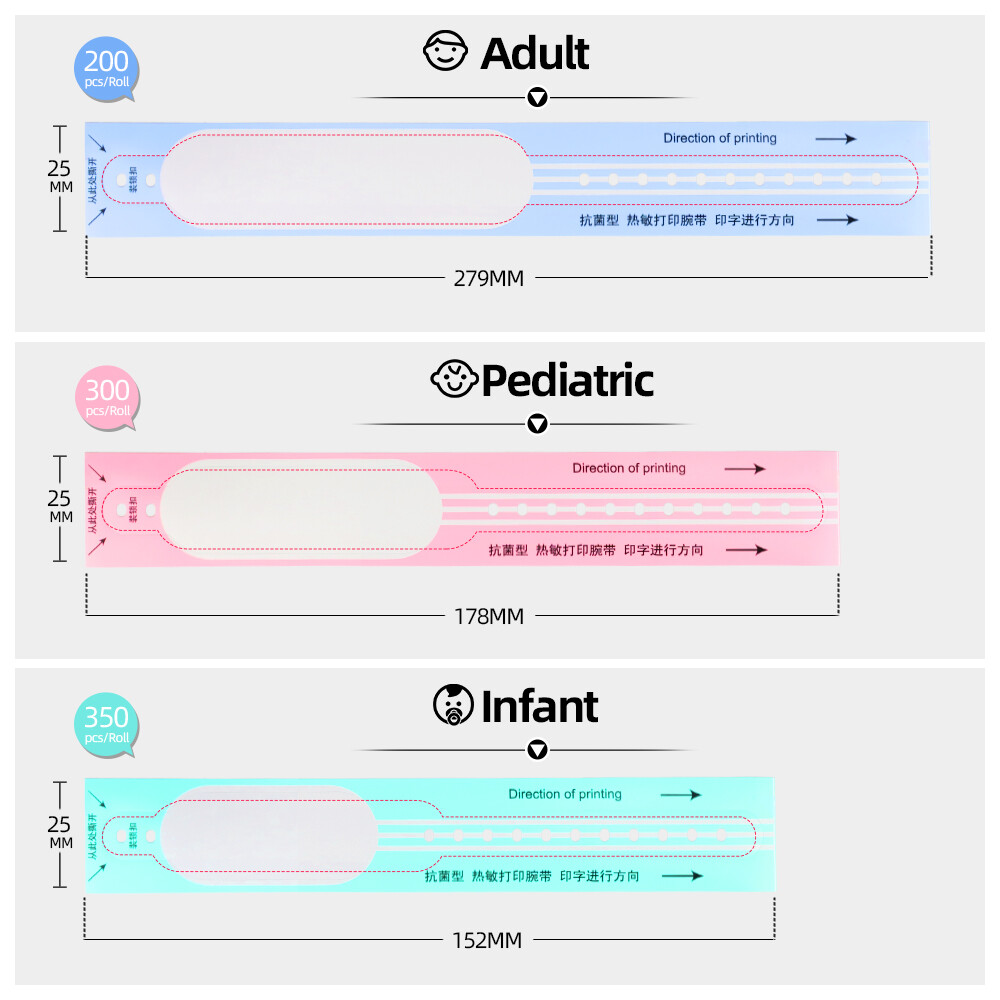
Neonatal and pediatric wristbands face unique challenges that complicate wear pattern interpretation. Infant skin is more delicate, requiring softer materials that may degrade faster regardless of care frequency. Parents and family members frequently touch, adjust, and examine infant wristbands out of curiosity or concern, introducing non-nursing wear that inflates apparent care intensity. Studies have shown that only 35% of parents in neonatal units could correctly identify the purpose of their child's wristband, leading to well-intentioned but potentially confounding manipulation.
Pediatric patients present additional variables. Developmental stage profoundly affects wristband interaction: toddlers actively pull at and mouth wristbands, school-age children may deliberately damage them as expressions of autonomy or distress, and adolescents may remove and reapply them to assert control. These behaviors create wear patterns that reflect developmental psychology as much as nursing care quality. Effective forensic analysis in pediatric settings requires age-stratified norms and integration of behavioral observations alongside physical wear metrics.
Geriatric and Cognitive Impairment
At the opposite end of the age spectrum, geriatric patients and those with cognitive impairment present distinct wear signatures. Patients with dementia may repeatedly attempt to remove wristbands, producing characteristic damage patterns at the closure mechanism and adjacent band segments. The Pennsylvania Patient Safety Authority has documented cases where wristband removal attempts by cognitively impaired patients resulted in skin injury, highlighting the intersection of wear patterns and patient safety risk. In these populations, excessive closure-area wear may indicate inadequate supervision, inappropriate wristband type selection, or unmet behavioral needs rather than high-quality nursing care.
Frail elderly patients with thin, fragile skin require careful wristband management to prevent pressure injuries and skin tears. Wristbands that are too tight produce circumferential abrasion marks on the skin; those that are too loose slide along the forearm, creating longitudinal wear patterns distinct from the localized degradation seen in properly fitted bands. Forensic examination must therefore integrate skin condition assessment with wristband wear analysis to distinguish appropriate from inappropriate application practices.
Behavioral Health Considerations
Behavioral health patients require particularly nuanced interpretation of wristband wear patterns. Wristband damage in psychiatric units may reflect therapeutic engagement (appropriate redirection and de-escalation involving physical presence) or inadequate supervision (unaddressed self-harm behaviors directed at the wristband). Cultural beliefs and personal preferences also influence wristband acceptance; in some cultures, wearing items on the wrist carries spiritual significance that affects patient willingness to keep wristbands in place. Language barriers may prevent effective education about wristband purpose, leading to higher removal rates among non-native speakers. Research across 35 states has documented the use of 9 distinct colors and 22 different message types on patient wristbands, reflecting the diversity of institutional approaches to balancing identification function with cultural sensitivity. Distinguishing between therapeutic and problematic wear requires integration of wristband data with behavioral incident reports, staffing ratios, and therapeutic activity logs.
The Challenge of Measuring Care Quality Through Wristband Condition
Limitations and Confounding Variables
Wristband forensic examination is not without limitations. Confounding variables—including patient self-manipulation, family member interaction, environmental exposures, and manufacturing lot variability—introduce noise that must be accounted for in interpretation. No single metric should drive clinical decisions; wristband wear data must be triangulated with other quality indicators to form valid conclusions about nursing care quality and patient safety.
Additionally, the approach requires cultural readiness. Organizations with punitive quality cultures may find that staff resist additional documentation or game the system by artificially accelerating wristband wear. Successful implementation depends on leadership commitment to psychological safety, transparent communication about data use, and demonstrable follow-through on identified improvement opportunities. Without these foundations, wristband forensics risks becoming another checkbox exercise rather than a genuine advance in patient safety intelligence.
Electronic Monitoring and Future Directions
Emerging electronic monitoring technologies offer the potential to augment wristband forensic analysis with real-time digital data. RFID-enabled wristbands can log proximity events, duration of contact, and environmental conditions, providing granular timestamps that complement physical wear assessment. Smart wristbands with embedded sensors could detect moisture exposure, temperature fluctuations, and mechanical stress continuously, transforming the wristband from a passive forensic artifact into an active quality monitoring device.
However, technology adoption must be balanced against practical constraints. Cost, battery life, data privacy, and interoperability with existing EHR systems remain significant barriers. For most healthcare organizations, the immediate opportunity lies not in replacing traditional wristbands with smart alternatives, but in maximizing the quality intelligence already embedded in conventional wristband wear patterns through standardized assessment, disciplined documentation, and structured quality improvement methodologies like PDCA and HFMEA.
Implementing Wristband Forensic Examination
Translating the science of wristband wear analysis into operational practice requires systematic implementation strategies that integrate forensic examination into existing quality improvement infrastructure without adding unsustainable burden to frontline staff.
Operational Integration
- Training: Educate nursing staff on the rationale behind wristband assessment, emphasizing that wear pattern documentation is a quality improvement tool rather than a punitive surveillance mechanism. Staff buy-in is essential; without understanding the purpose, nurses may perceive additional documentation as bureaucratic overhead rather than meaningful patient safety work.
- Standardization: Adopt uniform wristband materials, printing methods, and application techniques across units to reduce confounding variability. When different units use different wristband types, cross-unit comparisons become unreliable. Standardization also simplifies supply chain management and reduces costs through volume purchasing.
- Documentation: Integrate wristband assessment fields into existing EHR workflows rather than creating parallel documentation systems. Embedding wear grading into shift assessment templates minimizes additional time burden and ensures data capture as part of routine care rather than special projects.
- Audit: Establish regular audit cycles that review aggregated wristband data at unit, department, and organizational levels. Audits should focus on trend identification and system improvement rather than individual performance evaluation, maintaining the psychological safety necessary for honest reporting and genuine quality improvement.
Data Utilization
- Quality Improvement: Use wristband wear data to identify units or shifts with anomalously low care intensity signals. Investigate root causes—staffing levels, workflow design, equipment availability—before drawing conclusions about individual performance. The goal is system optimization, not blame assignment.
- Root Cause Analysis: Incorporate wristband forensic examination into adverse event investigations. When a wrong-patient error or hospital-acquired infection occurs, the wristband wear record may reveal previously undocumented care gaps or hand hygiene lapses that contributed to the event.
- Staff Recognition: Acknowledge units and individuals whose wristband wear patterns reflect exemplary care intensity and hand hygiene compliance. Positive reinforcement of desired behaviors is more sustainable than punitive responses to deficiencies, and public recognition of quality champions builds organizational culture around patient safety.
The Role of Leadership
Sustainable implementation of wristband forensic examination requires unwavering leadership commitment at every organizational level. Executive sponsors must allocate resources for training, standardization, and data infrastructure while modeling the psychological safety necessary for honest reporting. Unit managers must translate organizational policy into daily practice, reinforcing the "stop the line" principle that empowers any staff member to halt a process when wristband condition signals a potential patient safety risk. Clinical leaders must integrate wristband quality metrics into performance dashboards, board reports, and accreditation preparations, ensuring that this previously invisible dimension of care quality receives the visibility and accountability it deserves. Without leadership that treats wristband forensics as a strategic priority rather than an optional initiative, even the most rigorous assessment protocol will fail to produce lasting improvement in nursing care quality and patient safety.
Conclusion: The Silent Witness Speaks
The patient identification wristband has served healthcare faithfully for decades as a simple, reliable tool for preventing misidentification. Yet throughout this service, it has been silently accumulating evidence of something far more valuable than identity confirmation: evidence of the quality, frequency, and integrity of nursing care itself. Every mark on its surface is a testament to a moment of human contact, a gesture of professional care, a commitment to patient safety made tangible in polymer and ink.
Learning to read this evidence requires a shift in perspective—from seeing the wristband as a static identifier to recognizing it as a dynamic recorder of care processes. It requires investment in standardized assessment protocols, staff education, and data infrastructure. Most importantly, it requires organizational courage to look honestly at what the wristband reveals, even when the findings challenge comfortable assumptions about care quality.
The silent sentinel has been speaking all along. The question is no longer whether it has something to say, but whether we are ready to listen. For healthcare organizations committed to genuine quality improvement and patient safety excellence, the answer must be yes. The wristband's testimony is available now, in every patient room, on every wrist, waiting to be read by those willing to see beyond identification to the deeper truth of care quality that lies beneath the surface. In an era of increasingly complex healthcare delivery and persistent patient safety challenges, this humble strip of printed plastic may prove to be one of our most honest and accessible quality improvement tools.
Disclaimer: This article is intended for educational and informational purposes only. Healthcare organizations should consult qualified professionals for guidance on implementing wristband assessment protocols and quality improvement initiatives specific to their circumstances.
Continue Reading
Have Questions About Wristbands?
Our team is ready to help you find the perfect wristband solution for your needs. Contact us directly on WhatsApp for quick responses.
Contact on WhatsApp