
The Hidden Procurement Gap: Why Adult Wristbands Should Never Be Cut for Pediatric and Neonatal Patients
Introduction: The Wristband That Wasn't Designed for the Patient Wearing It
In hospitals across the world, a quiet and dangerous practice persists every single day: a nurse picks up a standard adult patient wristband, wraps it around the tiny wrist of a neonate or toddler, and cuts off the excess. It seems pragmatic. The barcode is there. The patient name is printed. The identification loop appears closed. But it is not.
This practice, born from procurement convenience rather than clinical judgment, undermines the very foundation of positive patient identification. When an adult wristband is cut to fit a pediatric or neonatal patient, the barcode is truncated or destroyed, the printed text is compromised, the adhesive seal is weakened, and the band's structural integrity is lost. What arrives at the bedside is no longer a reliable identification device. It is a compromised artifact that invites misidentification at the most vulnerable point of care.
This article examines why cutting adult wristbands for smaller patients is a systemic failure rooted in procurement assumptions, what it does to the identification chain, and how purpose-built pediatric wristbands, neonatal wristbands, and infant ID bands close the gap that adult bands were never designed to address.
The Clinical Reality: Pediatric and Neonatal Patients Are Not Small Adults
The assumption that a smaller patient simply needs a smaller version of the same wristband ignores the physiological, anatomical, and clinical realities of pediatric and neonatal care. These patients are not scaled-down adults. Their identification requirements are fundamentally different.
The Vulnerability of the Neonatal Patient
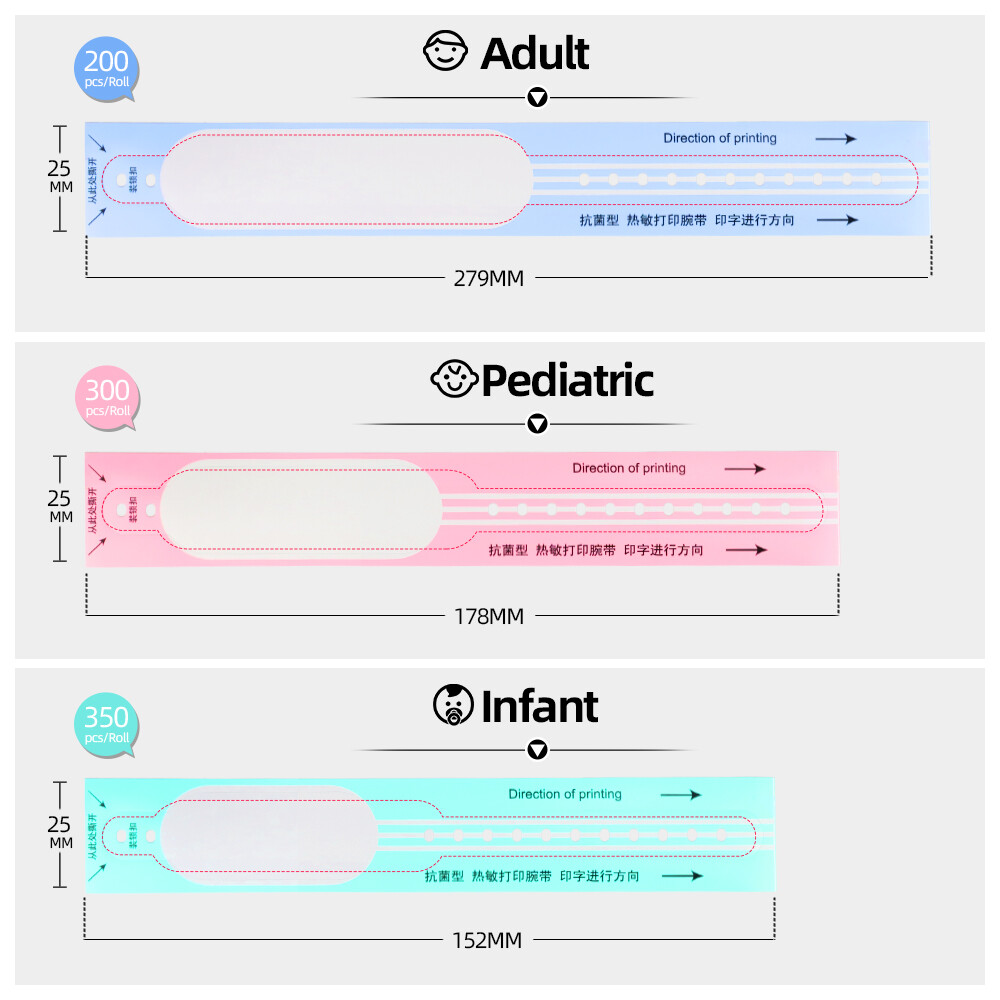
A neonate's wrist circumference can be as small as 4 to 5 centimeters. The skin is fragile, often translucent, and susceptible to adhesive injury. An adult wristband, designed for a wrist circumference of 15 to 25 centimeters, must be cut by more than two-thirds to fit. This means the barcode, which is typically printed across the full length of the band, is severed. The portion that remains may not contain enough data modules for a scanner to resolve, and the portion that is cut away may have carried the human-readable verification text.
In neonatal intensive care units, where infants may be moved between incubators, taken for imaging, or transferred between facilities, the wristband is the last reliable link between the patient and their medical record. A cut band is a broken link.
The Multi-Band Requirement
Many neonatal and pediatric protocols require identification on both wrists, or on one wrist and one ankle, particularly when IV lines, monitoring leads, or surgical site markings occupy the primary identification limb. This multi-band approach, using wrist and ankle bands, ensures that identification remains accessible regardless of the clinical setup. Adult wristbands are not designed for ankle application. Their length, curvature, and adhesive pattern assume a wrist geometry. When applied to an ankle, they fail to conform, peel at the edges, and present the barcode at an angle that defeats scanning.
The Physiological Reality
Pediatric patients grow rapidly. A band that fits on admission may become constrictive within days. Purpose-built pediatric wristbands account for this with adjustable designs and materials that accommodate growth without compromising adhesion or barcode readability. An adult band, once cut and applied, has no adjustment margin. It is either too tight or too loose, and neither condition supports safe identification.
What Cutting an Adult Wristband Actually Does to the Identification System
The act of cutting a wristband is not a neutral physical adjustment. It introduces multiple failure modes into the identification chain, each of which can independently cause a misidentification event.
Barcode Destruction
Most patient wristbands use linear barcodes or 2D data matrix codes printed along the length of the band. These codes require a minimum number of modules, quiet zones, and contrast ratios to be read reliably by bedside scanners. Cutting the band removes modules, eliminates quiet zones, and creates jagged edges that scatter light and confuse optical readers. A scanner that fails to read a wristband barcode forces the nurse into manual verification, which is slower, more error-prone, and defeats the purpose of automated identification at the point of care.
Studies of patient identification errors consistently show that barcode unreadability is a leading contributor to wrong-patient events. When the barcode cannot be scanned, the safety net fails silently.
Edge Integrity and Skin Safety
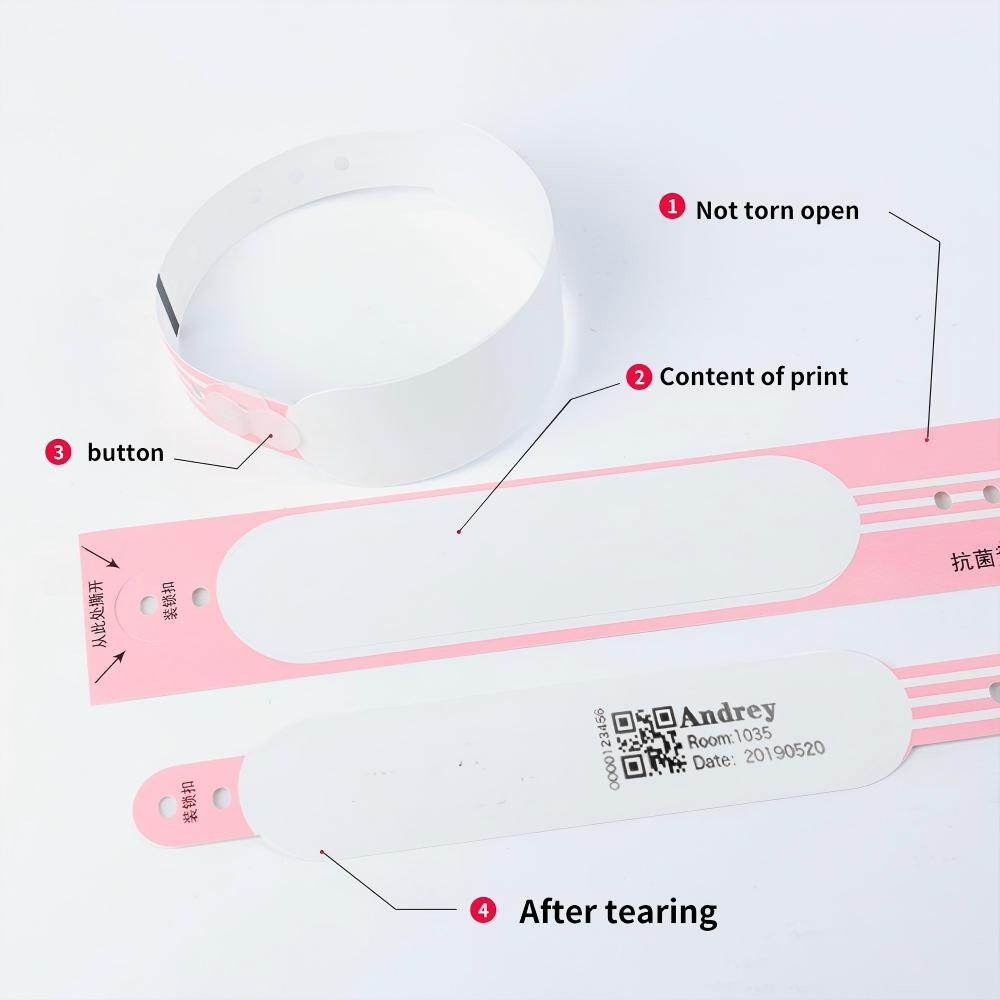
A factory-finished wristband has sealed edges that are smooth and non-irritating. A cut wristband has raw, exposed edges that can abrade delicate pediatric and neonatal skin. In neonates, whose skin barrier is immature, even minor abrasion can lead to irritation, infection risk, and discomfort. The cut edge also creates a starting point for delamination, where the layers of the wristband separate, further degrading print quality and structural strength.
Lost Print Area and Legibility
Human-readable text on a wristband serves as the visual verification layer when scanning is not possible. Patient name, medical record number, date of birth, and attending physician are all printed in a specific layout designed for the full band length. Cutting the band removes or truncates this text, forcing clinical staff to rely on partial information or to cross-reference with chart documentation, which introduces its own error potential.
The Procurement Root Cause
The practice of cutting adult wristbands for pediatric patients is not a clinical decision. It is a procurement outcome. Understanding the root causes is essential to closing the gap.
The "One Size Fits All" Assumption
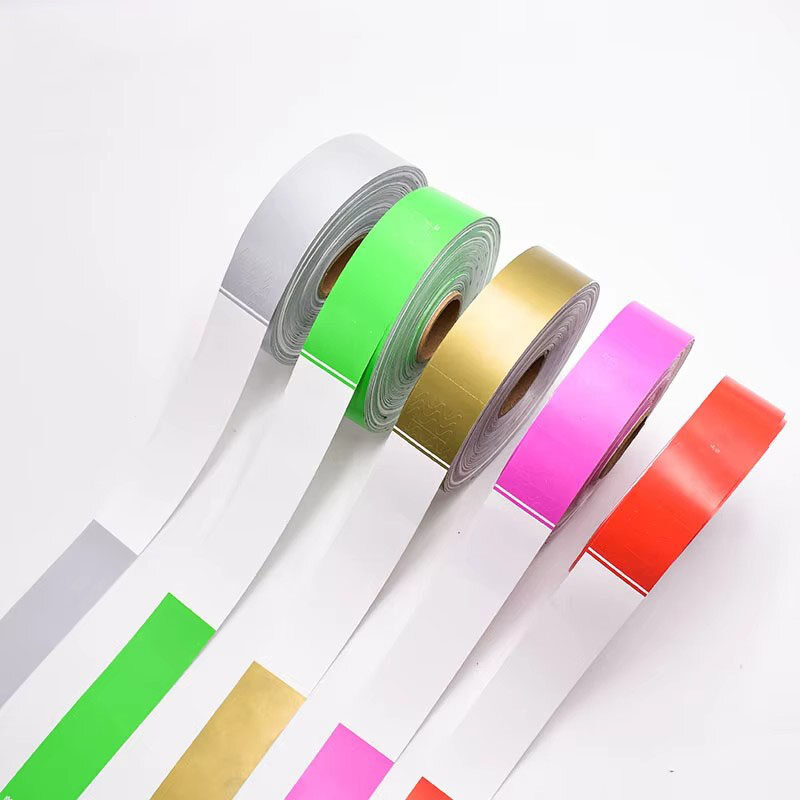
Many procurement departments consolidate wristband purchasing into a single SKU to simplify inventory management and reduce per-unit costs. The logic is straightforward: if one band can serve all patients, the hospital saves money and the supply chain is simpler. But this logic fails at the bedside. A single adult wristband cannot serve a 70-kilogram adult, a 15-kilogram child, and a 2-kilogram neonate with equal effectiveness. The procurement savings are illusory when measured against the cost of a misidentification event, which can include wrong-medication administration, wrong-procedure surgery, and the legal and reputational consequences that follow.
The SKU Proliferation Avoidance
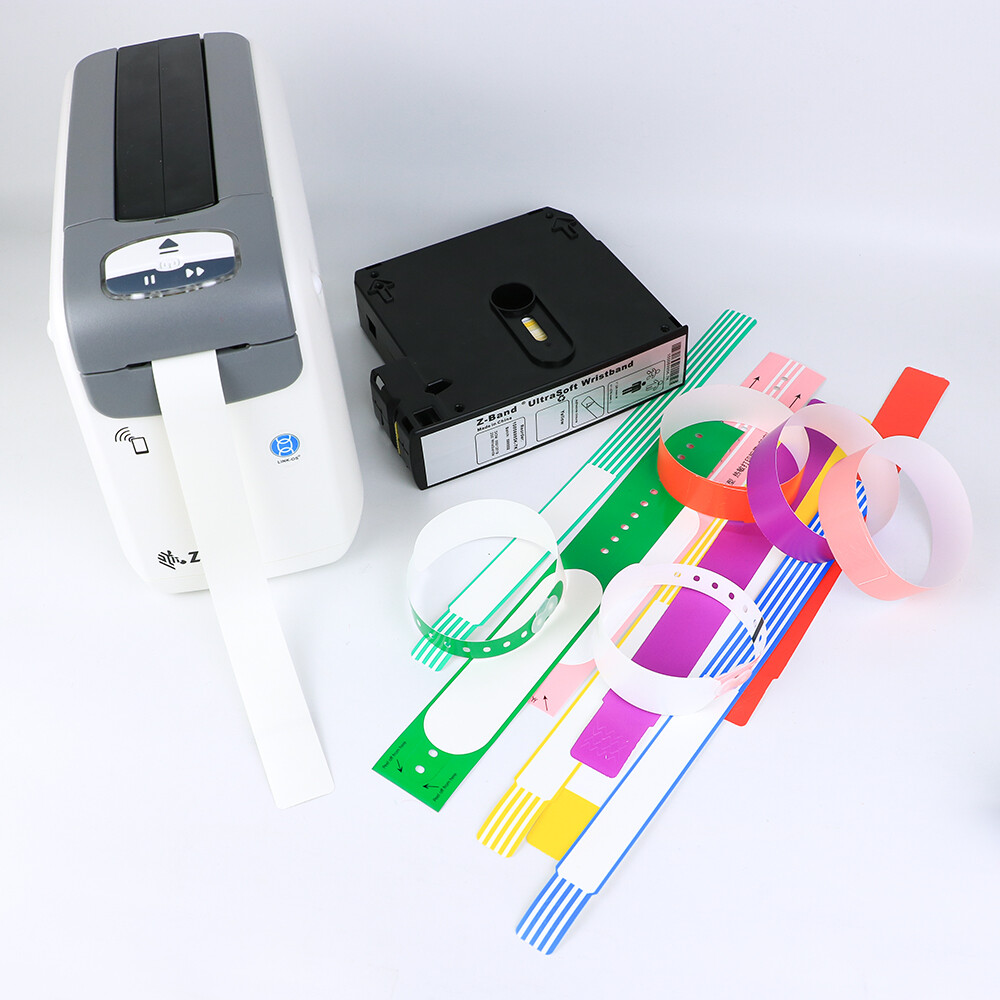
Procurement teams often resist adding SKUs because each new line item requires vendor qualification, inventory space, reorder point management, and budget line approval. Adding pediatric wristbands, neonatal wristbands, and infant ID bands as separate SKUs is perceived as administrative burden. But this burden is a fraction of the clinical risk carried by the status quo. The correct framing is not "how many SKUs do we need" but "does every patient receive an identification device designed for their body."
The Missing Clinical Voice
Wristband procurement decisions are frequently made by supply chain managers without direct input from neonatal nurses, pediatric specialists, or patient safety officers. The clinical stakeholders who understand the identification risks of cut wristbands are often not at the table when purchasing contracts are negotiated. Closing this gap requires a formal mechanism for clinical input into identification device procurement, whether through a product evaluation committee, a patient safety review, or a mandatory clinical sign-off on identification supply specifications.
The Solution: Purpose-Built Pediatric and Infant Identification Systems
The alternative to cutting adult wristbands is not a minor adjustment. It is a fundamentally different approach to patient identification that starts with the patient's body and works backward to the product specification.
Design Features of Correctly Sized Bands
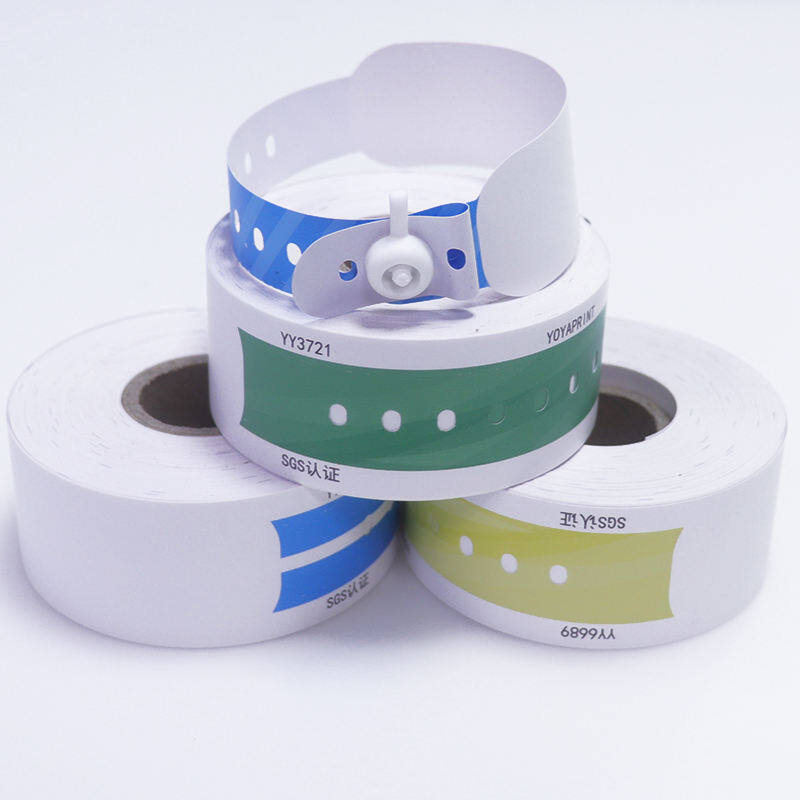
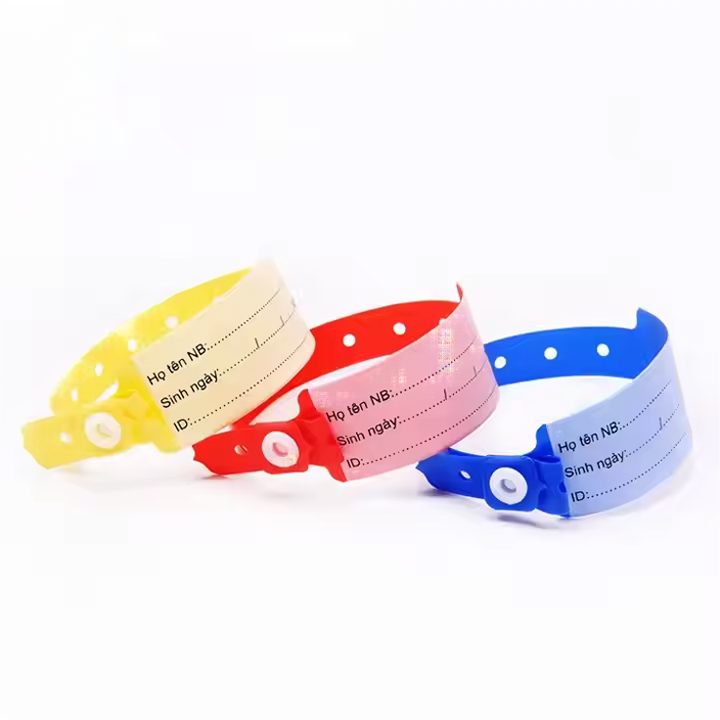
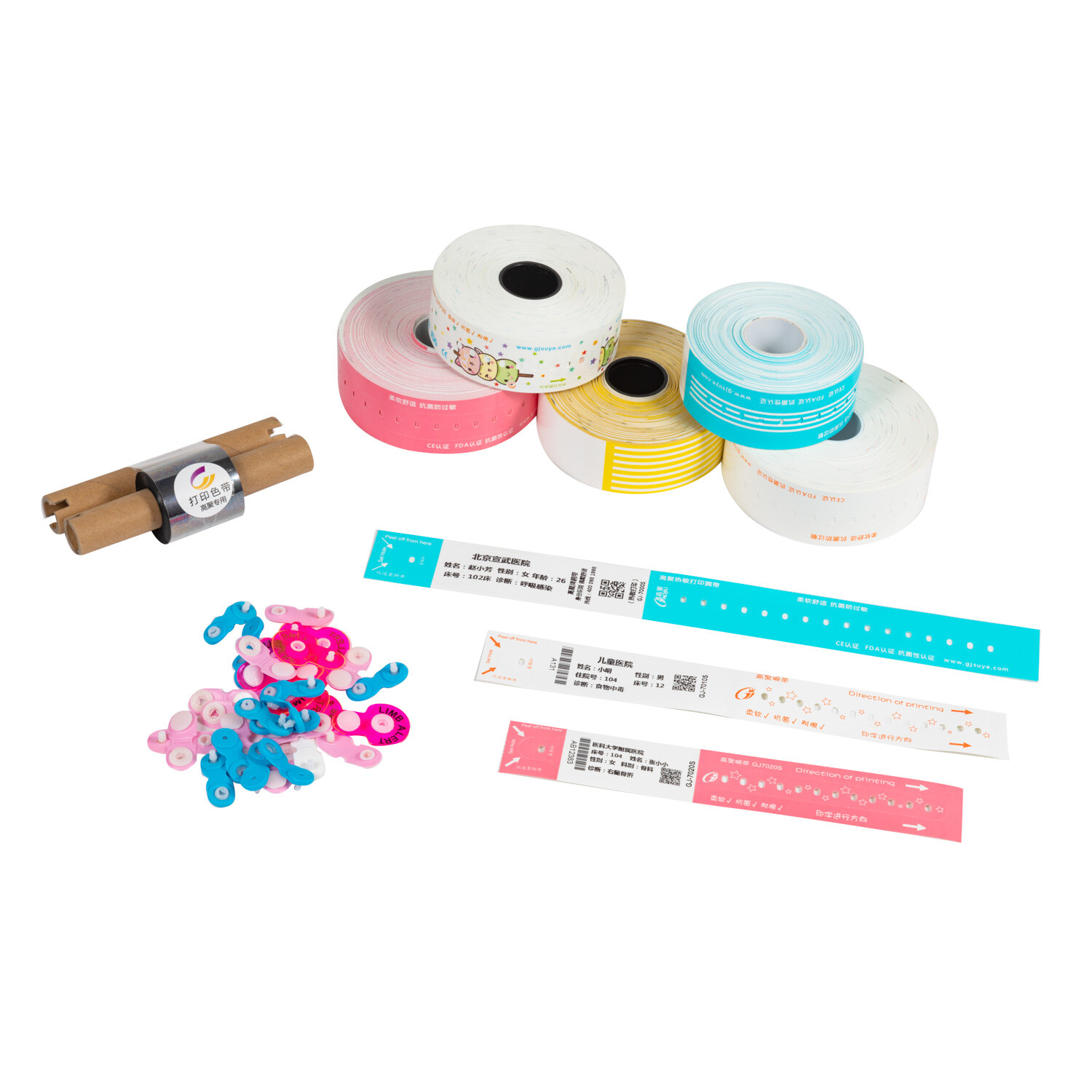
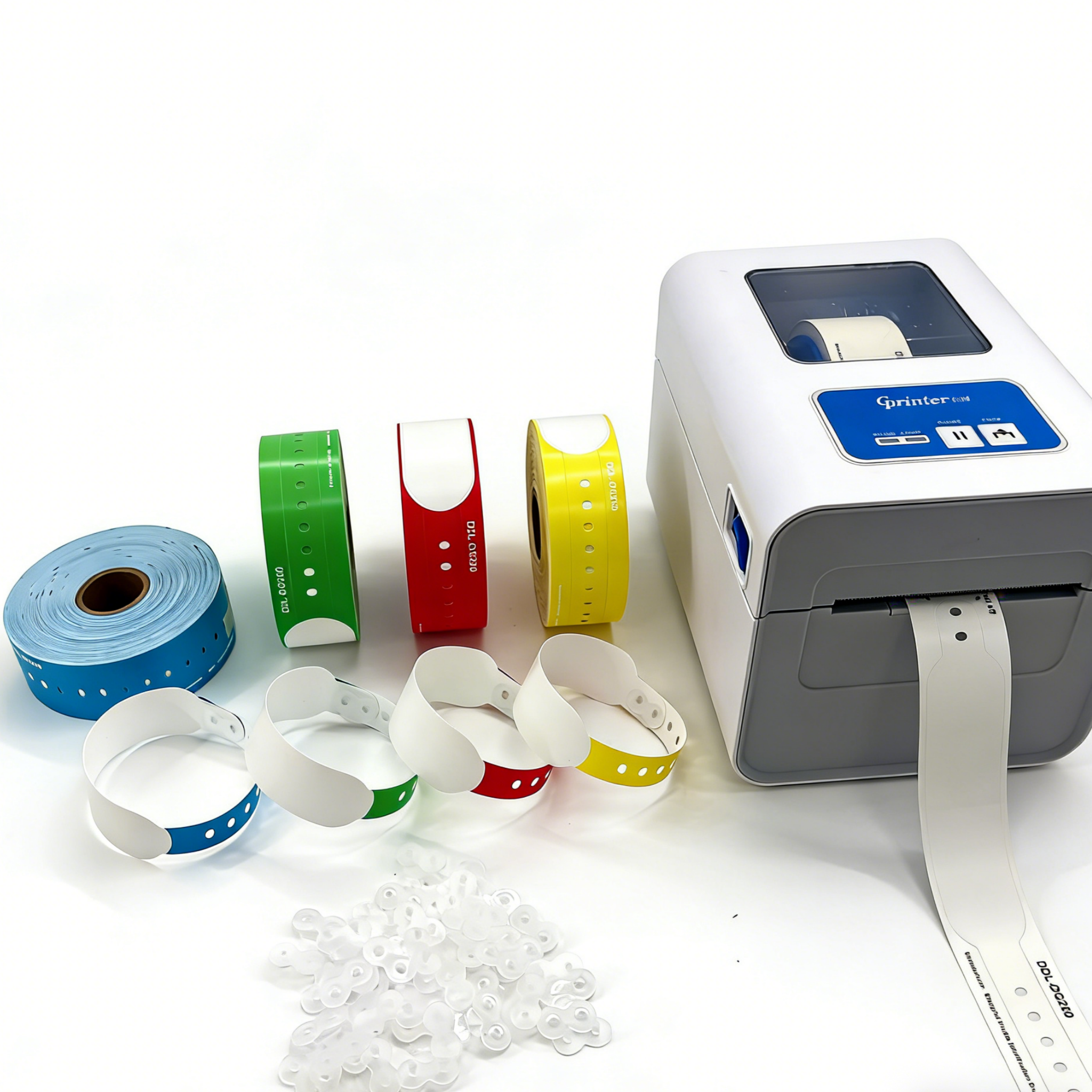
Purpose-built pediatric wristbands and neonatal wristbands are engineered for the patients who wear them. They feature shorter band lengths with appropriately sized barcodes that maintain full module count and quiet zones within a smaller footprint. They use softer, hypoallergenic adhesives designed for immature skin. They have sealed, smooth edges that prevent abrasion. And they are sized in increments that match the actual wrist and ankle circumferences of pediatric and neonatal populations, from premature infants through adolescents.
Infant ID bands designed for ankle application have a curvature and adhesive pattern that conforms to the ankle geometry, ensuring that the barcode presents flat to the scanner and that the band remains secure during movement and handling.
Multi-Band and Family-Linked Systems
In neonatal care, identification often extends beyond the individual infant to the mother-infant pair. Family-linked identification systems use matching or cross-referenced wristbands on the mother and the newborn to prevent infant abduction and ensure that the right baby is matched to the right mother at every handoff. These systems require bands designed for both adult and neonatal anatomy, working as a coordinated set. An adult wristband cut to fit a newborn cannot participate in a family-linked system because the barcode relationship between the mother band and the infant band is broken by the cut.
Multi-band protocols that use wrist and ankle bands simultaneously provide redundancy that protects against single-point failure. If one band is obscured by an IV line or monitoring lead, the other remains accessible for scanning. This redundancy is only possible when each band is designed for its specific application site.
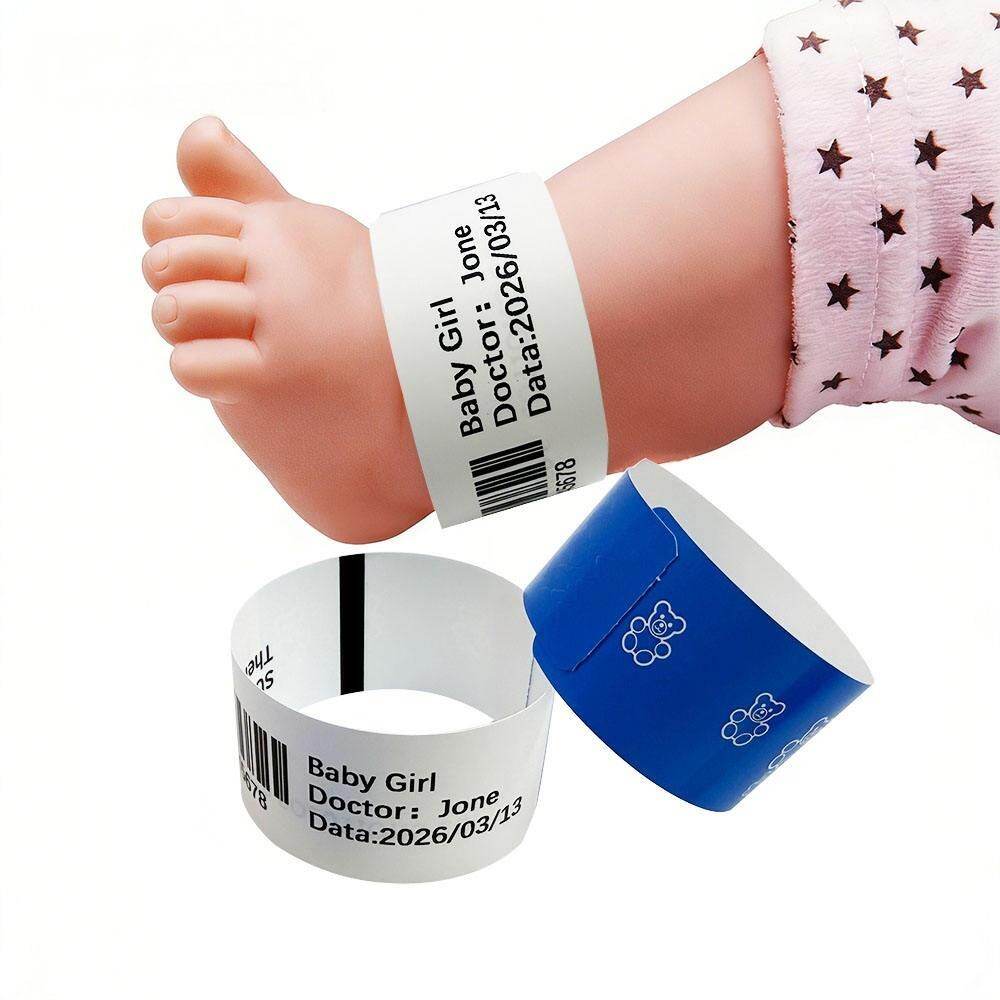
The Procurement Checklist: What to Specify
Closing the procurement gap requires explicit specifications that prevent the default assumption that adult wristbands can serve all patients. The following checklist should be incorporated into every identification device procurement specification:
- Size-specific bands for each patient population: Specify separate wristband SKUs for neonatal (premature and full-term), pediatric (infant through adolescent), adult, and bariatric patients. The full size spectrum, from infant ID bands through pediatric wristbands to adult, bariatric patient wristbands, and extended-length wristbands, must be covered as distinct line items.
- Barcode integrity at every size: Require that every wristband size maintains full barcode module count, quiet zones, and contrast ratio as specified by the applicable barcode standard (GS1, HIBCC, or facility-specific). No wristband size should require cutting or trimming to fit the intended patient.
- Ankle band specifications for multi-band protocols: Where multi-band identification is required, specify ankle bands with geometry, curvature, and adhesive patterns designed for ankle application. Ankle bands must be separate SKUs from wrist bands.
- Skin-safe materials for pediatric and neonatal use: Require hypoallergenic adhesives and smooth sealed edges for all bands intended for patients under 18 years of age, with additional requirements for neonatal skin immaturity.
- Family-linked identification compatibility: Where mother-infant matching is required, specify coordinated band sets that maintain barcode cross-reference integrity across adult and neonatal sizes.
- Clinical sign-off requirement: Mandate that identification device procurement specifications are reviewed and approved by a clinical stakeholder with direct responsibility for patient identification safety, including neonatal and pediatric nursing leadership.
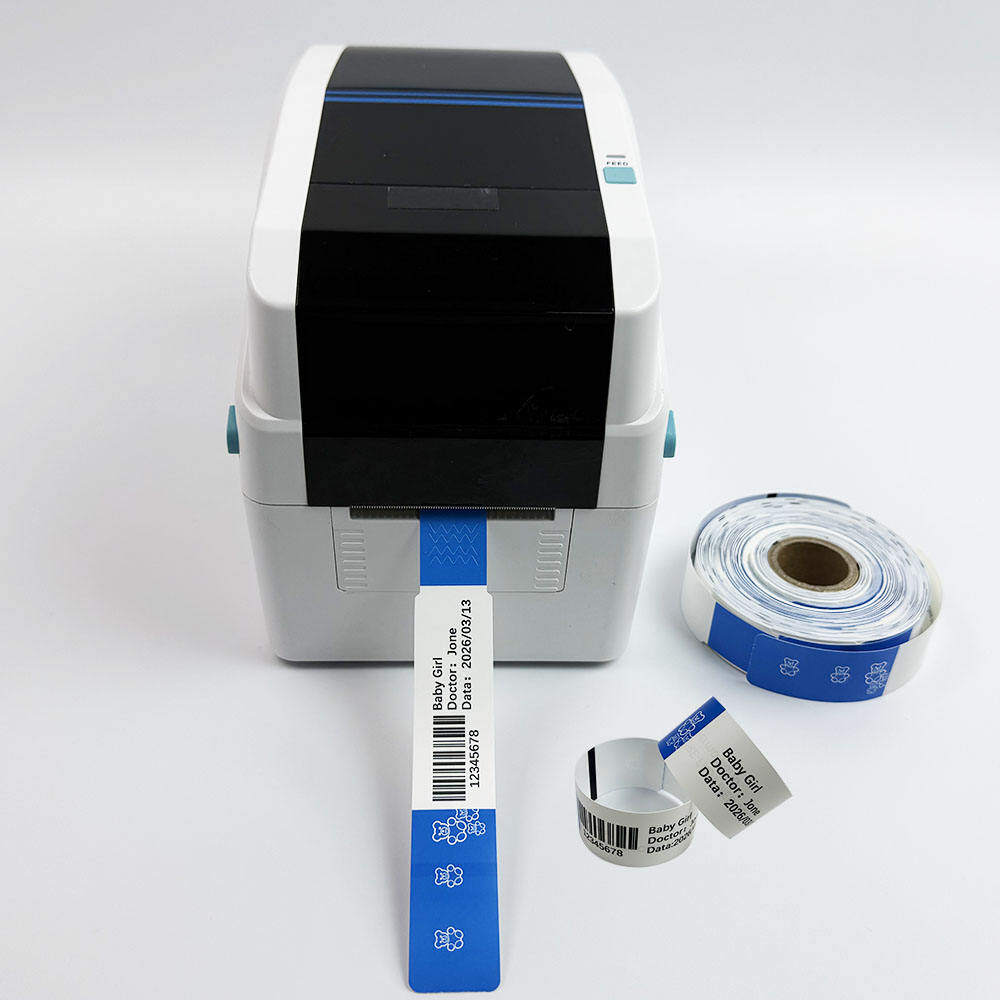
The Broader Case: Standardization as a Safety Strategy
The argument for purpose-built pediatric and neonatal wristbands is part of a larger case for standardization in patient identification. Misidentification events are not rare anomalies. They are systemic failures that occur when identification devices, processes, and human behaviors are not aligned. Industry data from CAP Q-Probes and other quality assurance programs consistently demonstrate that patient misidentification contributes to a significant percentage of laboratory errors, transfusion reactions, and wrong-site procedures. The cost of a single serious misidentification event, in patient harm, legal liability, and institutional reputation, dwarfs the incremental cost of stocking size-appropriate wristbands.
Standardization does not mean using one product for everyone. It means using the right product for every patient, consistently, as a matter of system design rather than individual improvisation. When procurement specifies, stocks, and delivers wristbands that are designed for the patients who wear them, the clinical team can focus on care rather than on compensating for equipment that was never intended for the person in front of them.
Conclusion
Cutting an adult wristband to fit a child or a newborn is not a workaround. It is a failure of the identification system that begins in procurement and ends at the bedside. The practice destroys barcode integrity, compromises patient identification accuracy, exposes fragile skin to injury, and creates the conditions for misidentification events that harm the most vulnerable patients in the hospital.
The solution is not complex. It requires procurement specifications that recognize pediatric wristbands, neonatal wristbands, infant ID bands, and ankle bands as distinct clinical necessities rather than optional variants of a single adult product. It requires clinical voices at the procurement table. And it requires the institutional commitment to ensure that every patient, regardless of size, receives an identification device that was designed for them.
The wristband on a patient's wrist is the last checkpoint before medication is administered, before a procedure begins, and before a baby is handed to a parent. That checkpoint must be built to work. Cutting it to fit is not an option.
Continue Reading
Have Questions About Wristbands?
Our team is ready to help you find the perfect wristband solution for your needs. Contact us directly on WhatsApp for quick responses.
Contact on WhatsApp