
HIPAA and Patient Wristbands: What Information Can Be Printed on Them?

Patient wristbands are among the most fundamental tools in healthcare. They serve as the primary means of identifying patients throughout their journey in a medical facility, from admission through discharge. Yet, the information printed on these seemingly simple bands is governed by complex regulations, particularly the Health Insurance Portability and Accountability Act (HIPAA). Understanding what can and cannot be printed on patient identification bands is essential for healthcare providers, medical administrators, and anyone involved in patient care.
This comprehensive guide explores the intersection of HIPAA regulations and patient wristband information, providing healthcare professionals with the knowledge needed to ensure compliance while maintaining effective patient identification practices.
Understanding HIPAA and Its Relevance to Patient Wristbands
The Health Insurance Portability and Accountability Act of 1996 established national standards for protecting sensitive patient health information. HIPAA's Privacy Rule and Security Rule create strict guidelines for how protected health information (PHI) must be handled, stored, and transmitted. Patient wristbands, which contain identifiable health information, fall squarely within HIPAA's purview.
Protected health information encompasses any data that can be used to identify an individual and relates to their physical or mental health condition, healthcare provision, or payment for healthcare services. When this information appears on a patient identification band, it becomes subject to HIPAA's requirements for privacy and security.
The challenge for healthcare facilities lies in balancing the need for quick, accurate patient identification with the obligation to protect patient privacy. A wristband that contains too little information may compromise patient safety, while one that contains too much information may violate privacy regulations. Finding this balance requires understanding both clinical needs and regulatory requirements.
The Core Purpose of Patient Identification Bands
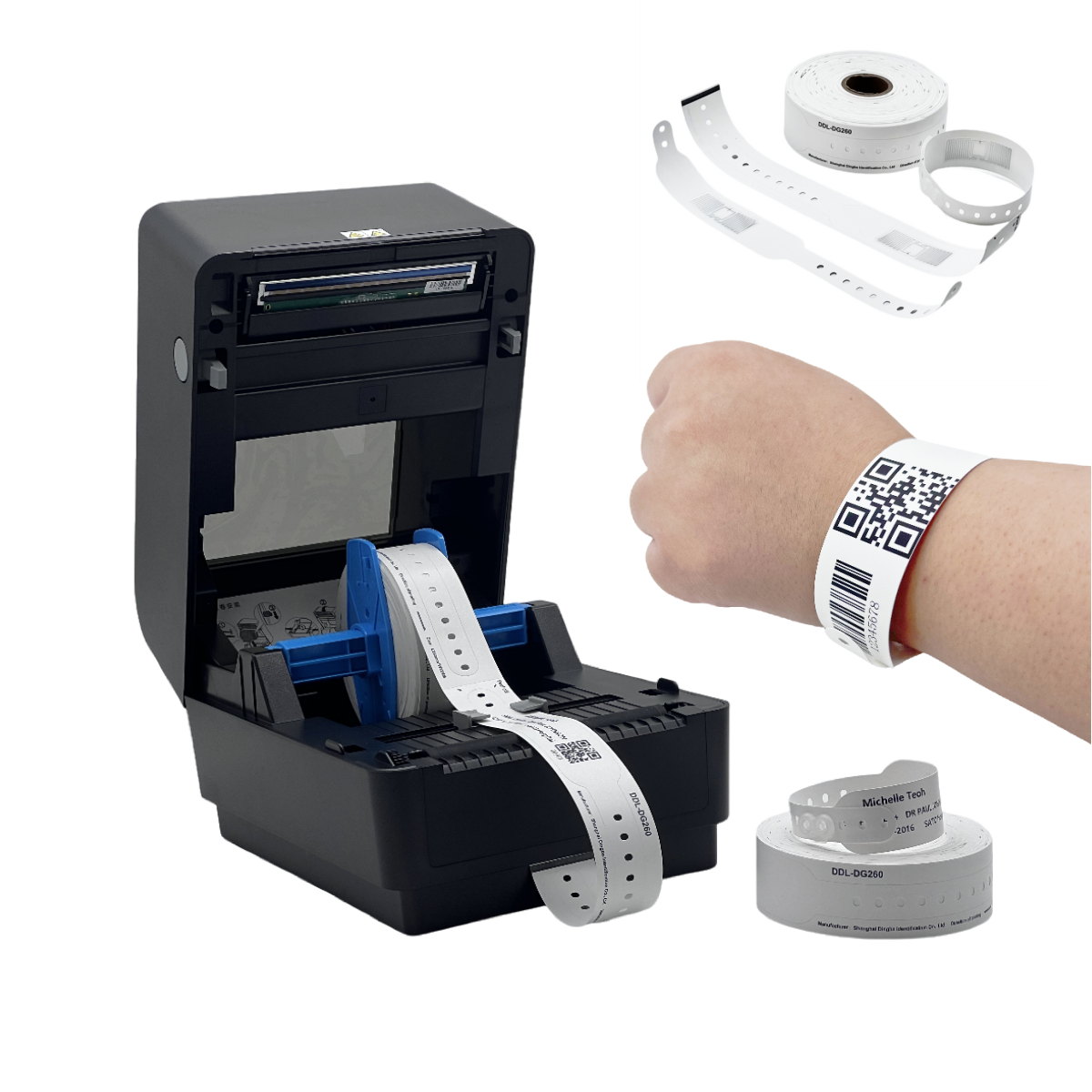
Patient identification bands, also known as hospital wristbands, patient ID bracelets, or identification tags, serve a critical safety function in healthcare settings. Their primary purpose is to identify the patient wearing the band, ensuring that the right patient receives the right treatment, medication, and procedures.
Medical errors related to patient misidentification can have devastating consequences. Wrong patient errors, incorrect medication administration, and misidentified blood transfusions are all preventable through proper patient identification practices. The wristband serves as a reliable, always-present identifier that accompanies the patient throughout their healthcare journey.
Healthcare workers rely on wristbands during virtually every patient interaction. Nurses administering medications, phlebotomists drawing blood samples, radiologists performing imaging studies, and surgeons preparing for operations all verify patient identity through the wristband. This verification process typically involves checking at least two patient identifiers, which are usually found on the identification band.
Standard Information Elements on Patient Wristbands
The information typically printed on patient wristbands can be categorized into several key elements. Understanding each element helps healthcare facilities determine what information is appropriate and necessary for their patient identification bands.
Patient Name
The patient's full name is the most fundamental identifier on any medical wristband. Best practices recommend printing the surname first to facilitate quick identification. This format helps healthcare workers locate the patient's name quickly, especially in emergency situations where rapid identification is critical.
Date of Birth
Date of birth serves as a secondary identifier and is particularly valuable for distinguishing between patients with similar names. It is considered one of the core patient identifiers that should appear on every identification band. The date of birth also provides immediate age information, which can be relevant for medication dosing and treatment decisions.
Medical Record Number
The medical record number (MRN) or patient identification number serves as a unique identifier within the healthcare facility's system. This number links the wristband to the patient's complete medical record in the hospital information system. Unlike the patient's name, which may not be unique, the medical record number provides absolute identification certainty.
Additional Standard Elements
Depending on the healthcare facility's policies and the patient's specific circumstances, additional information may appear on wristbands. This might include the patient's gender, admission date, attending physician's name, or the department where the patient is receiving care.
Machine-Readable Information and Technology Integration
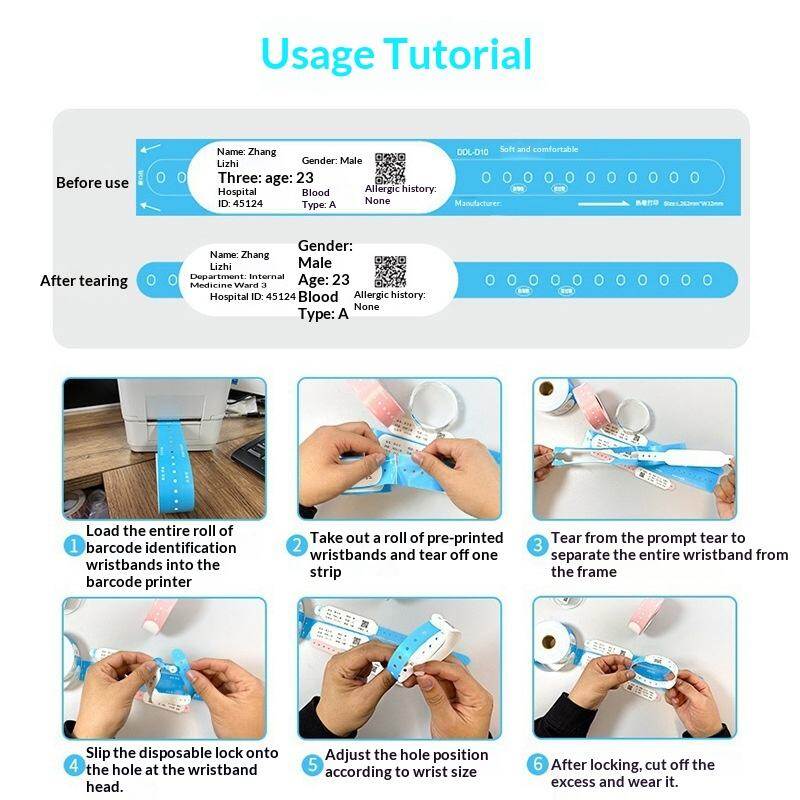
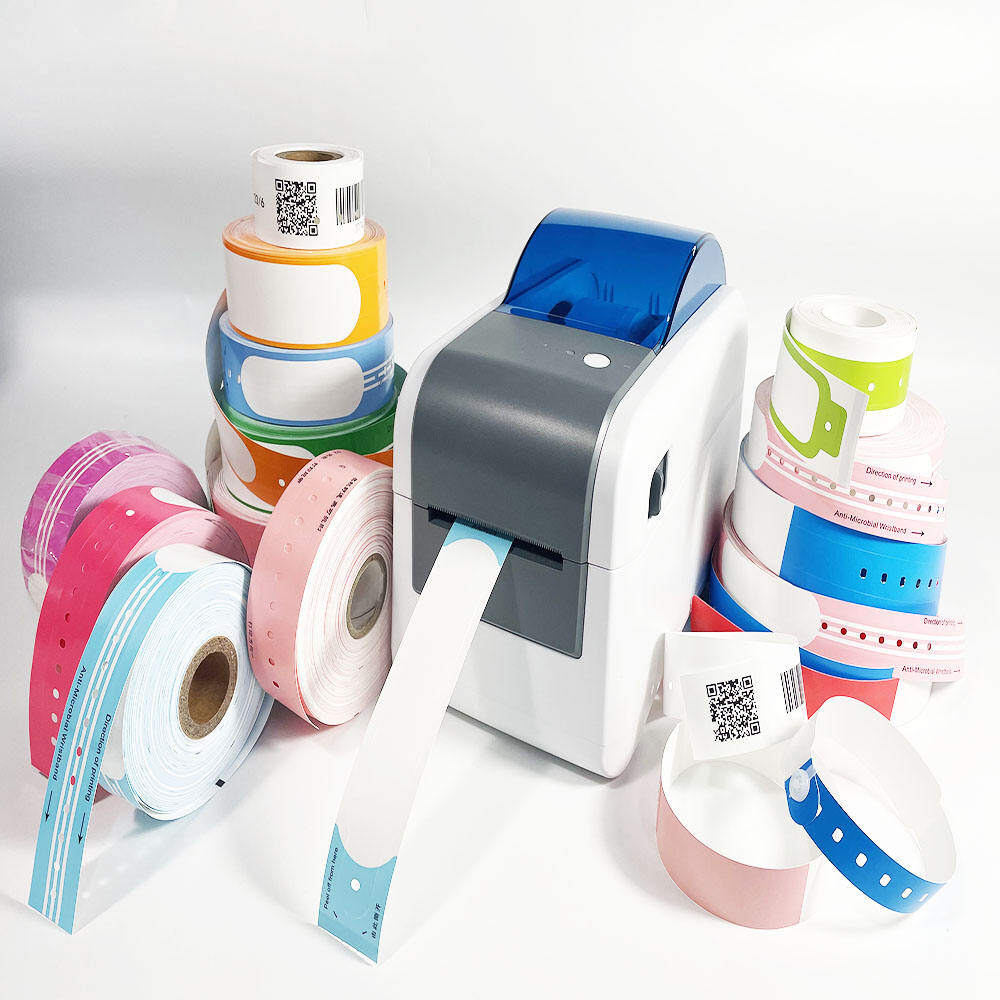
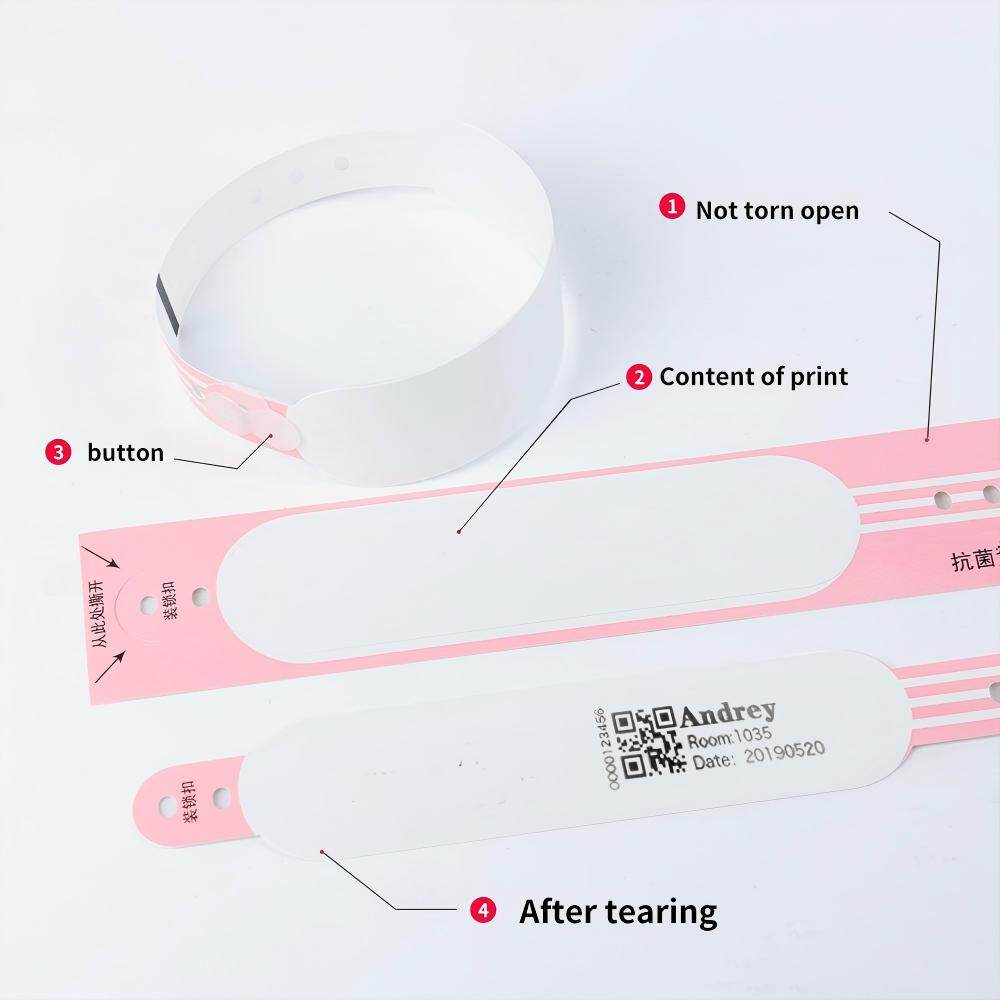
Modern patient identification bands increasingly incorporate machine-readable elements such as barcodes, QR codes, or RFID tags. These technologies enhance patient safety by reducing transcription errors and enabling rapid, accurate information retrieval.
Barcode technology on wristbands allows healthcare workers to scan patient information directly into electronic systems. This scanning capability is particularly valuable during medication administration, specimen collection, and other procedures where accuracy is paramount. The barcode typically encodes the same information that appears in human-readable form on the band, providing redundancy and verification capability.
RFID (Radio Frequency Identification) technology represents a more advanced approach to patient identification. RFID wristbands can store and transmit patient information wirelessly, enabling real-time patient tracking throughout the healthcare facility. These systems can automatically update patient location information as the patient moves through different departments, improving workflow and patient safety.
When implementing machine-readable technologies on patient wristbands, healthcare facilities must ensure that the encoded information complies with HIPAA requirements. The same privacy and security protections that apply to human-readable information apply to machine-readable data as well.
HIPAA Considerations for Wristband Information
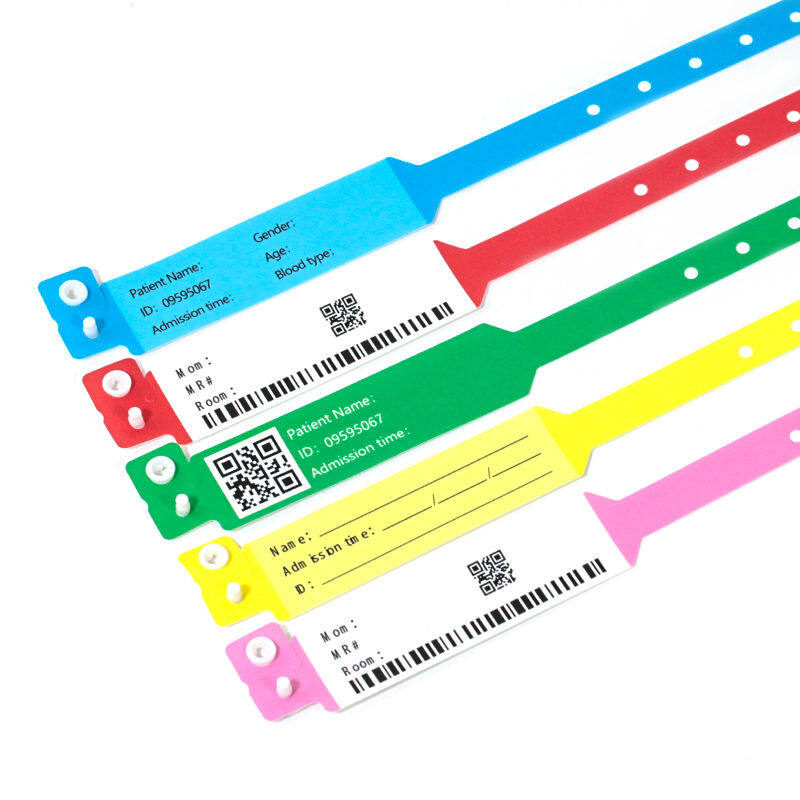
HIPAA does not explicitly prohibit any specific information from appearing on patient wristbands. However, the regulation establishes principles that guide what information is appropriate for this purpose. The key consideration is whether the information is the minimum necessary to accomplish the intended purpose.
The Minimum Necessary Standard
HIPAA's minimum necessary standard requires that covered entities limit the use, disclosure, and requests for protected health information to the minimum amount necessary to accomplish the intended purpose. Applied to patient wristbands, this principle suggests that bands should contain only the information needed for accurate patient identification and essential care delivery.
Including the patient's diagnosis, medication list, or detailed medical history on a wristband would likely violate the minimum necessary standard. Such information is not required for identification purposes and could unnecessarily expose sensitive health information to anyone who sees the wristband.
Privacy in Public Spaces
Patients wearing wristbands may be in waiting rooms, hallways, and other areas where the general public is present. The information visible on the wristband could potentially be seen by other patients, visitors, or anyone passing by. This reality reinforces the importance of limiting wristband information to essential identifiers.
Healthcare facilities should consider how wristband information might be exposed in various settings and design their identification systems accordingly. Using coded identifiers rather than full names in certain contexts can help protect patient privacy while maintaining identification accuracy.
Security of Electronic Health Information
When wristbands contain machine-readable elements that link to electronic health records, the security of that electronic protected health information (ePHI) becomes a concern. Healthcare facilities must implement appropriate technical safeguards to protect ePHI accessed through wristband scanning.
Access controls, encryption, and audit trails are among the security measures that should accompany any system where wristband scanning provides access to patient health information. These safeguards ensure that only authorized personnel can access patient data and that all access is documented.
Special Considerations for Different Patient Populations
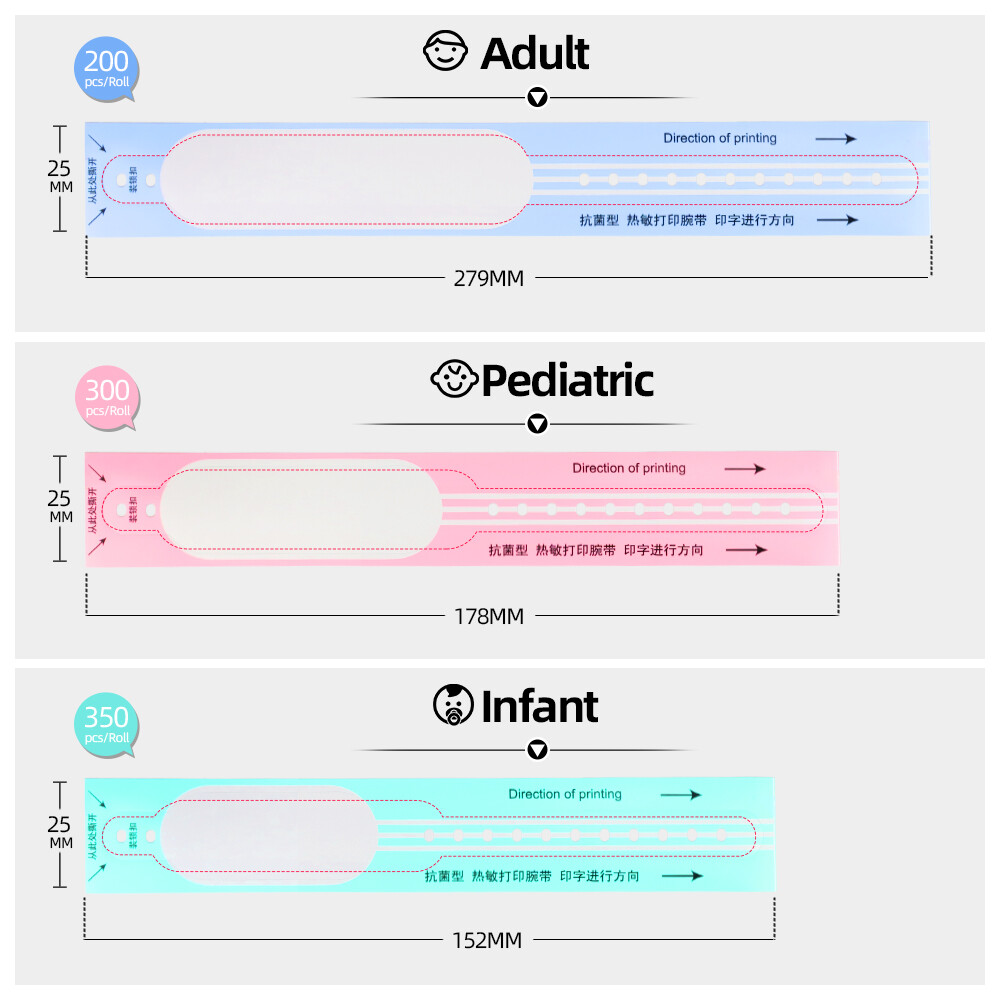
Different patient populations may require different approaches to wristband information. Understanding these special considerations helps healthcare facilities develop appropriate policies for all patients.
Neonatal and Pediatric Patients
Neonates and pediatric patients present unique identification challenges. Newborns may not have been named yet, and young children may not be able to verbalize their identity. Neonatal identification bands often include additional information such as the mother's name and identification number.
Healthcare facilities typically use special protocols for neonatal identification, which may involve matching wristbands between mother and baby. These protocols help prevent infant abduction and ensure that babies receive the correct care and are returned to the right parents.
Patients with Communication Barriers
Patients who are unconscious, confused, or unable to communicate their identity rely entirely on their wristbands for identification. For these patients, the wristband serves as the primary means of verifying identity before any procedure or treatment.
The information on wristbands for these patients must be accurate and complete, as there is no way to verify identity through patient response. Healthcare facilities should have protocols in place to ensure that wristbands are applied correctly and remain in place throughout the patient's stay.
Patients with Allergies and Special Conditions
Some healthcare facilities use color-coded wristbands or additional bands to indicate patient allergies, fall risk, or other special conditions. While these bands serve important safety functions, they must be implemented in ways that protect patient privacy.
Rather than printing specific allergy information on the band, facilities may use a color code that alerts staff to check the patient's chart for details. This approach balances safety needs with privacy protection.
Best Practices for Patient Wristband Information
Healthcare facilities should develop and implement best practices for patient wristband information that address both clinical needs and regulatory requirements.
Standardization
Standardizing wristband information across a healthcare facility or health system improves patient safety by ensuring that all staff know what information to expect and where to find it. Standardization also facilitates compliance with HIPAA by establishing consistent practices for what information appears on bands.
The standardization process should involve input from clinical staff, privacy officers, information technology professionals, and regulatory compliance experts. The resulting standards should be documented in facility policies and communicated to all relevant staff.
Legibility and Durability
Information on patient wristbands must remain legible throughout the patient's stay. Fading, smearing, or wearing of printed information can compromise patient safety by making identification difficult or impossible.
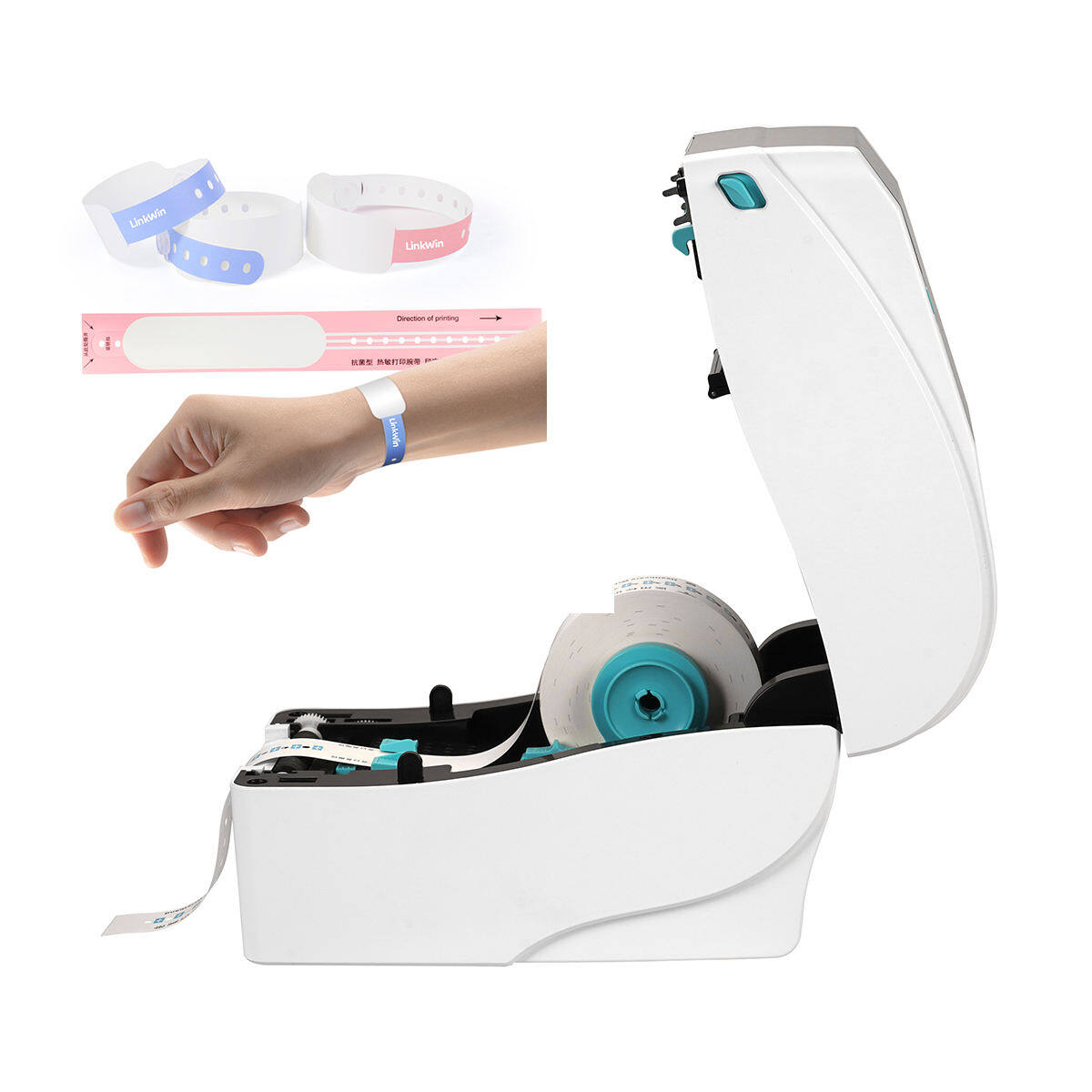
Healthcare facilities should use high-quality printing methods and materials that resist fading and wear. Thermal printing technology, which produces clear, durable text without requiring ink or toner, is commonly used for patient wristbands. The contrast between text and background should be maximized, with black text on white background providing the best legibility.
Verification Protocols
Even with clear, accurate wristbands, healthcare facilities should maintain protocols for verifying patient identity that go beyond simply reading the band. Best practices call for using at least two identifiers and, when possible, confirming identity directly with the patient.
Staff should be trained to check wristbands before every patient interaction, including medication administration, specimen collection, and procedures. Any discrepancies or missing wristbands should be addressed immediately according to facility protocols.
Common Questions About HIPAA and Wristband Information
Healthcare professionals often have questions about what information can appropriately appear on patient wristbands. Addressing these common questions helps clarify the intersection of HIPAA requirements and patient identification needs.
Can Social Security Numbers Appear on Wristbands?
While Social Security numbers can serve as patient identifiers, their use on wristbands is generally discouraged due to privacy concerns. Social Security numbers are highly sensitive information that could be used for identity theft if exposed. Healthcare facilities should use facility-assigned medical record numbers instead.
If a facility uses Social Security numbers as primary identifiers, those numbers should be stored in the electronic health record rather than displayed on wristbands. Alternative identifiers can be used on the band itself while maintaining the link to the Social Security number in the computer system.
Should Diagnosis Information Be Included?
Diagnosis information should not appear on patient wristbands. Such information is not necessary for identification purposes and could expose sensitive health information to anyone who sees the band. HIPAA's minimum necessary standard supports keeping diagnosis information in the medical record rather than on the wristband.
If diagnosis information is needed for immediate clinical decision-making, it can be accessed through the electronic health record using the identifiers on the wristband. This approach maintains both patient safety and privacy.
How Should Allergy Information Be Handled?
Allergy information presents a particular challenge because it may be needed quickly in emergency situations. Some facilities use color-coded bands or symbols to indicate that a patient has allergies, with specific details available in the medical record.
When allergy information is included on wristbands, it should be limited to the minimum necessary to alert staff to the need for verification. For example, a red band might indicate an allergy alert without specifying the particular allergen. Staff then check the medical record for details before administering medications.
The Future of Patient Identification Technology
Patient identification technology continues to evolve, creating new opportunities and challenges for HIPAA compliance. Emerging technologies may change how healthcare facilities approach patient wristband information.
Advanced RFID systems can track patient location and movement throughout the facility, automatically updating the electronic health record as patients move between departments. These systems improve workflow and patient safety but require robust security measures to protect the location data they generate.
Biometric identification systems that use fingerprints, retinal scans, or facial recognition may eventually supplement or replace traditional wristbands. These technologies could provide even more accurate patient identification while reducing the need for visible identifiers that raise privacy concerns.
As technology advances, healthcare facilities must ensure that their patient identification practices continue to comply with HIPAA requirements. Regular review of policies and procedures helps facilities adapt to new technologies while maintaining privacy and security protections.
Conclusion
Patient wristbands are essential tools for ensuring accurate patient identification and preventing medical errors. The information they contain must balance clinical needs with HIPAA privacy requirements, including the minimum necessary standard and the need to protect patient information from unauthorized disclosure.
Standard identifiers such as patient name, date of birth, and medical record number provide the foundation for safe patient identification. Additional information should be included only when necessary for patient care and should be limited to what is required for identification purposes.
Healthcare facilities should develop clear policies about wristband information, train staff on proper identification procedures, and regularly review their practices to ensure ongoing compliance with HIPAA and other applicable regulations. By taking these steps, facilities can protect patient privacy while maintaining the accurate identification that is essential for safe, high-quality healthcare.
The intersection of HIPAA and patient wristbands exemplifies the broader challenge of balancing safety and privacy in healthcare. Thoughtful policies, appropriate technology, and well-trained staff can achieve both goals, ensuring that patients receive the right care while their personal health information remains protected.
Continue Reading
Have Questions About Wristbands?
Our team is ready to help you find the perfect wristband solution for your needs. Contact us directly on WhatsApp for quick responses.
Contact on WhatsApp