
Patient Identification Requirements in JCI and WHO Guidelines: Wristband Checklist
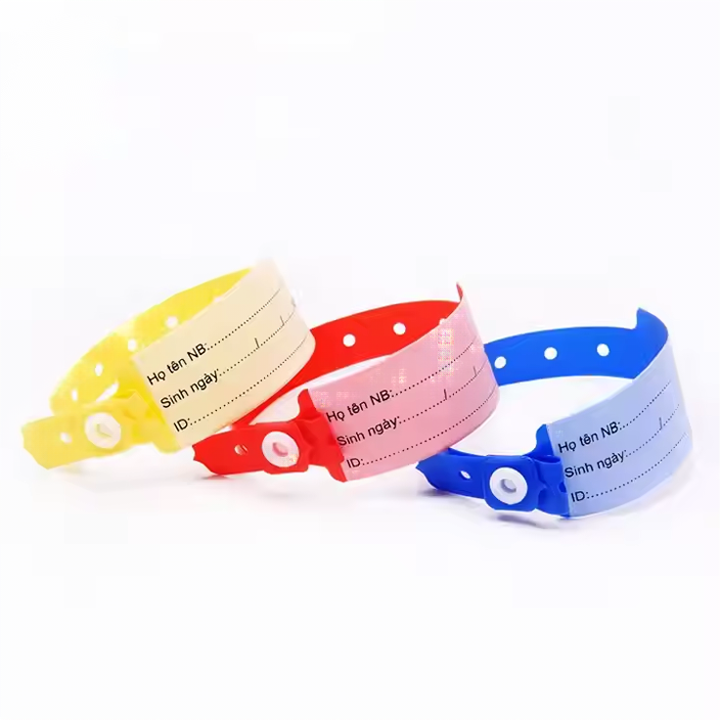
Patient identification is one of the most fundamental safety practices in healthcare, and it sits at the top of the Joint Commission International's International Patient Safety Goals. Errors in patient identification can lead to medication mistakes, wrong-site procedures, transfusion reactions, and delayed or incorrect treatment. Among the tools used to prevent these errors, the patient identification wristband stands out as one of the most visible and widely adopted.
However, the wristband itself is not the requirement. The requirement is accurate, reliable patient identification, and the wristband is one of the most practical ways to achieve it. This distinction matters because it shapes how hospitals should design their identification systems and how accreditation surveyors evaluate them.
This article examines the patient identification requirements set out by the Joint Commission International and the World Health Organization, with a particular focus on what these requirements mean for patient wristband practices. It provides a practical checklist that healthcare organizations can use to assess and strengthen their identification systems.
The Foundation: Why Patient Identification Is a Global Priority
The Joint Commission's National Patient Safety Goal has required the use of at least two patient identifiers since 2003, and this goal remains the foundation for other safety goals. The rationale is straightforward: if you cannot reliably identify the patient in front of you, every subsequent decision—what medication to give, what procedure to perform, what specimen to collect—rests on a shaky foundation.
The World Health Organization has similarly identified patient identification as a critical patient safety solution, noting that between November 2003 and July 2005, the United Kingdom's National Patient Safety Agency reported 236 incidents and near misses related to missing wristbands or wristbands with incorrect information. This data underscores that wristband failures are not trivial administrative issues; they are patient safety events.
A study conducted in a teaching hospital in Malawi provides a striking example of the problem. The initial assessment found that 34% of hospital staff recalled a misidentification event in the preceding year, less than 10% of staff described the use of unique patient identifiers other than name when taking blood samples, and 98% of laboratory requests included no identifiers other than name. After implementing identification guidelines based on WHO recommendations, the hospital achieved significant improvements, with 65% of in-patients wearing wristbands compliant with WHO guidelines at five months.
Understanding the JCI Requirements
The Wristband Is a Source, Not the Identifier
One of the most important clarifications from the Joint Commission is that an armband in and of itself is not a patient identifier. Rather, it is an example of a source where patient identification information may be located. It is the person-specific information that is the "identifier," not the medium on which that information resides.
This distinction has practical implications. The Joint Commission does not mandate the use of wristbands. However, when wristbands are used as a means of conveying patient identification information, the band must be attached to the patient at all times. Simply placing it on the bedside table or taping it to the bed is not acceptable.
The Two-Identifier Requirement
The core requirement is the use of at least two patient identifiers whenever care, treatment, or services are provided. Acceptable identifiers may include the individual's name, an assigned identification number, telephone number, or other person-specific identifier. The patient's room number is explicitly excluded because it is not a person-specific identifier—patients change rooms, and room numbers can be reused.
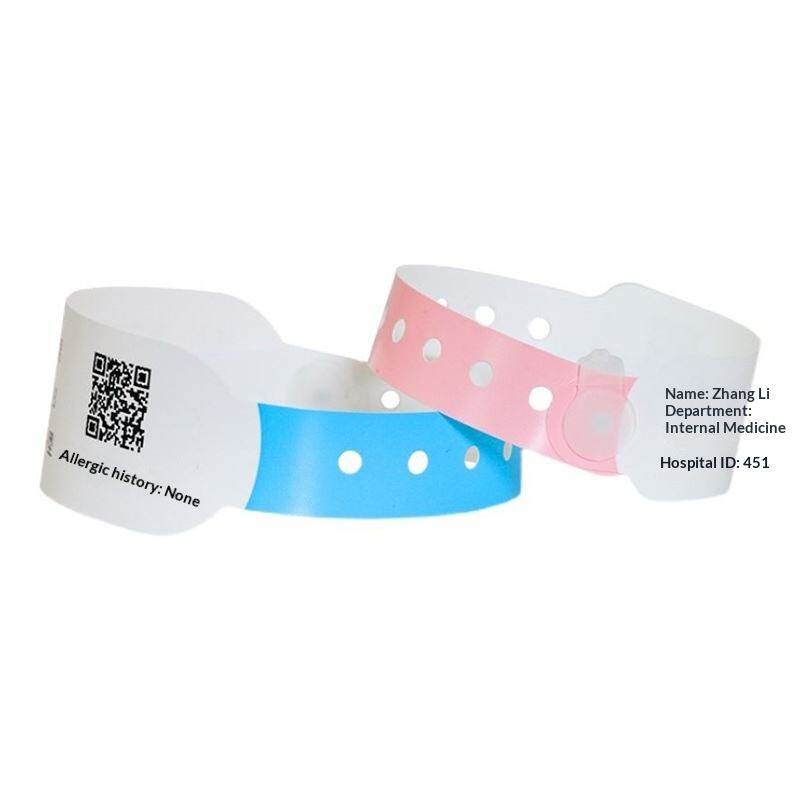
When a wristband is used to carry both identifiers, it can satisfy the two-identifier requirement in a single location. Bar coding that includes two or more person-specific identifiers complies with this requirement.
The Newborn Exception
The Joint Commission has specific requirements for newborn identification. The intent is to have a reliable process in place to ensure accurate identification of the newborn for whom the service or treatment is intended. The naming convention selected is only to be utilized during the initial admission following delivery and does not apply if the newborn has been re-admitted following discharge.
While applying identification bands to two limbs is a common practice, organizations may elect to use other devices and technologies designed to support accurate patient identification. Whatever device is selected, organizations should consider the risks of it separating from the infant.
Understanding the WHO Requirements
Core Principles
The World Health Organization's patient safety solutions emphasize that wristbands for hospital inpatients improve safety. The WHO recommends that member states consider the following strategies:
- Implement the use of wristbands for all hospital inpatients to improve safety.
- Consider implementation of automated systems (e.g., electronic order entry, bar coding, radiofrequency identification, biometrics) to decrease the potential for identification errors where feasible.
- Address process variation where there may be facilities staffed by the same practitioners with different wristband practices.
The Color-Coding Warning
The WHO explicitly warns that color-coded patient wristbands create unnecessary risk. The concern is that different organizations may use the same colors to mean different things, leading to confusion when patients are transferred between facilities or when staff work in multiple locations. This does not prohibit color coding entirely, but it does require that any color coding system be standardized within a region and clearly understood by all staff.
Implementation Lessons from the Field
The Malawi study provides valuable lessons for organizations implementing WHO-based guidelines. The study found that tangible tools such as wristbands appeared easier to implement than changing practice through education alone. The implementation included provision of wristbands, educational materials, workshops, and regular monitoring.
However, the study also found that the use of recommended bedside identification procedures was rarely observed. Staff cited lack of time, staffing shortages, and a perception that procedures were unimportant as reasons for not following guidelines. This finding highlights that providing wristbands is necessary but not sufficient; organizations must also address workflow barriers and build a culture that values identification as a critical safety practice.
The Wristband Checklist
Based on the JCI and WHO requirements, the following checklist can help healthcare organizations assess their wristband practices.
1. Identification Policy and Procedure
- A written policy exists that specifies the use of at least two patient identifiers.
- The policy explicitly excludes room numbers as identifiers.
- The policy specifies which identifiers are acceptable (name, medical record number, date of birth, etc.).
- The policy describes when identification verification must occur (before medication administration, blood transfusion, specimen collection, procedures, etc.).
- The policy addresses how identification is verified for patients who cannot verbalize their identity.
- The policy is reviewed and updated regularly.
2. Wristband Application and Use
- Wristbands are applied to all inpatients upon admission.
- Wristbands are attached to the patient at all times (not placed on bedside tables or taped to beds).
- Wristbands are applied using a standardized process.
- Wristband placement is appropriate (not over bony prominences or areas of compromised skin).
- Wristband sizing is correct (snug enough to stay on, loose enough to avoid constriction).
- Wristband condition is checked regularly (at least once per shift).
- Wristbands are replaced when they become illegible, damaged, or loose.
3. Wristband Content
- Wristbands include at least two patient identifiers.
- Wristbands include the patient's name.
- Wristbands include an assigned identification number (medical record number or visit number).
- Wristbands are legible under normal conditions.
- Wristbands are printed using a durable method that resists fading and smudging.
4. Verification Practices
- Staff verify patient identity using two identifiers before providing care.
- Staff verify the patient's identity against the wristband, not just the patient's statement.
- Staff use both ask and tell methods (asking the patient to state their name and comparing to the wristband).
- Verification is documented when required.
- Verification practices are consistent across all departments.
5. Special Populations
- Newborns have a distinct naming system during the initial admission following delivery.
- Newborn identification methods address the risk of bands separating from the infant.
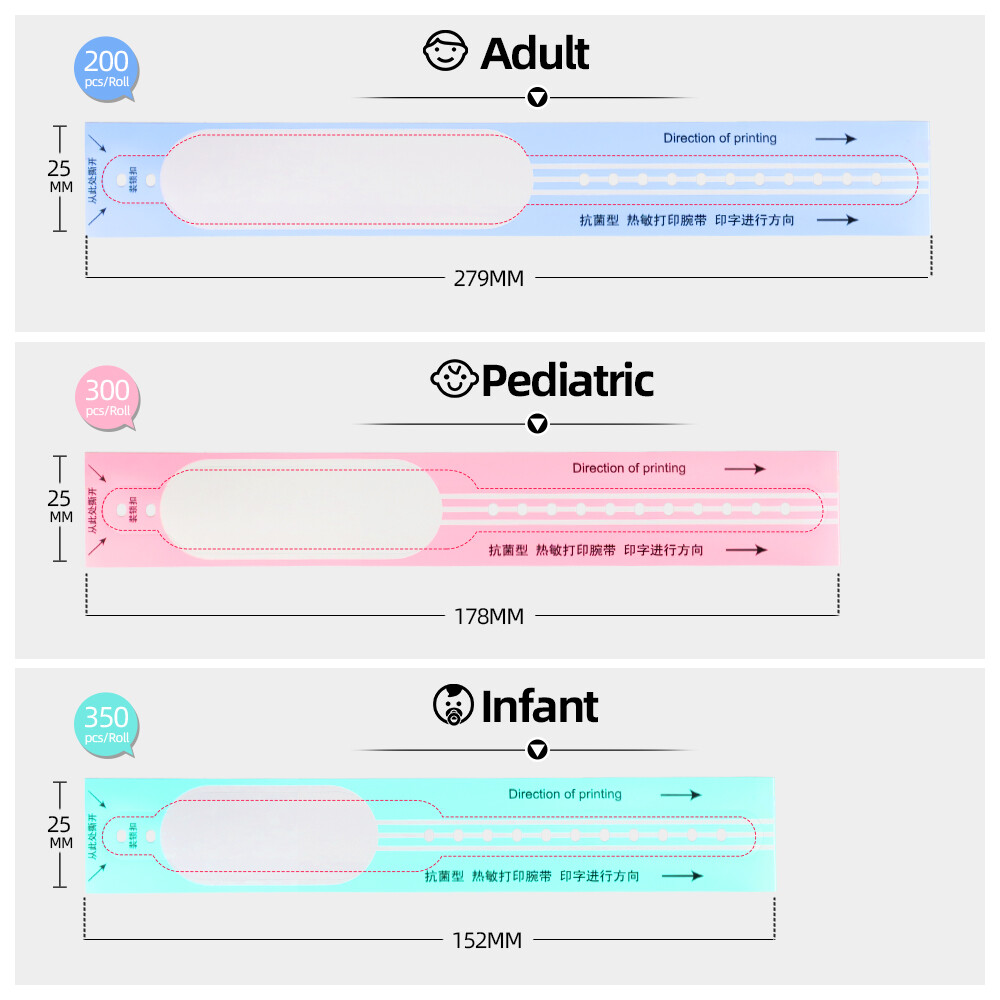
- Pediatric wristbands are appropriately sized for smaller anatomy.
- Patients with cognitive impairments have alternative identification methods if needed.
- Patients with limb differences have alternative placement sites or methods.
6. Training and Competency
- All staff receive initial training on patient identification policies.
- Competency is assessed and documented.
- Training is updated when policies or products change.
- Training addresses common errors and near misses.
- Training includes the rationale for identification requirements.
7. Monitoring and Quality Improvement
- Compliance with identification policies is audited regularly.
- Audit results are shared with staff and leadership.
- Identification errors and near misses are reported and investigated.
- Trends in identification errors are analyzed to identify improvement opportunities.
- Corrective actions are implemented and their effectiveness is evaluated.
8. Patient and Family Engagement
- Patients are educated about the purpose of their wristband.
- Patients and families are encouraged to speak up if they notice identification discrepancies.
- Patients are asked to confirm their identity when staff verify.
- Educational materials are available in multiple languages if needed.
Implementing the Checklist: Practical Considerations
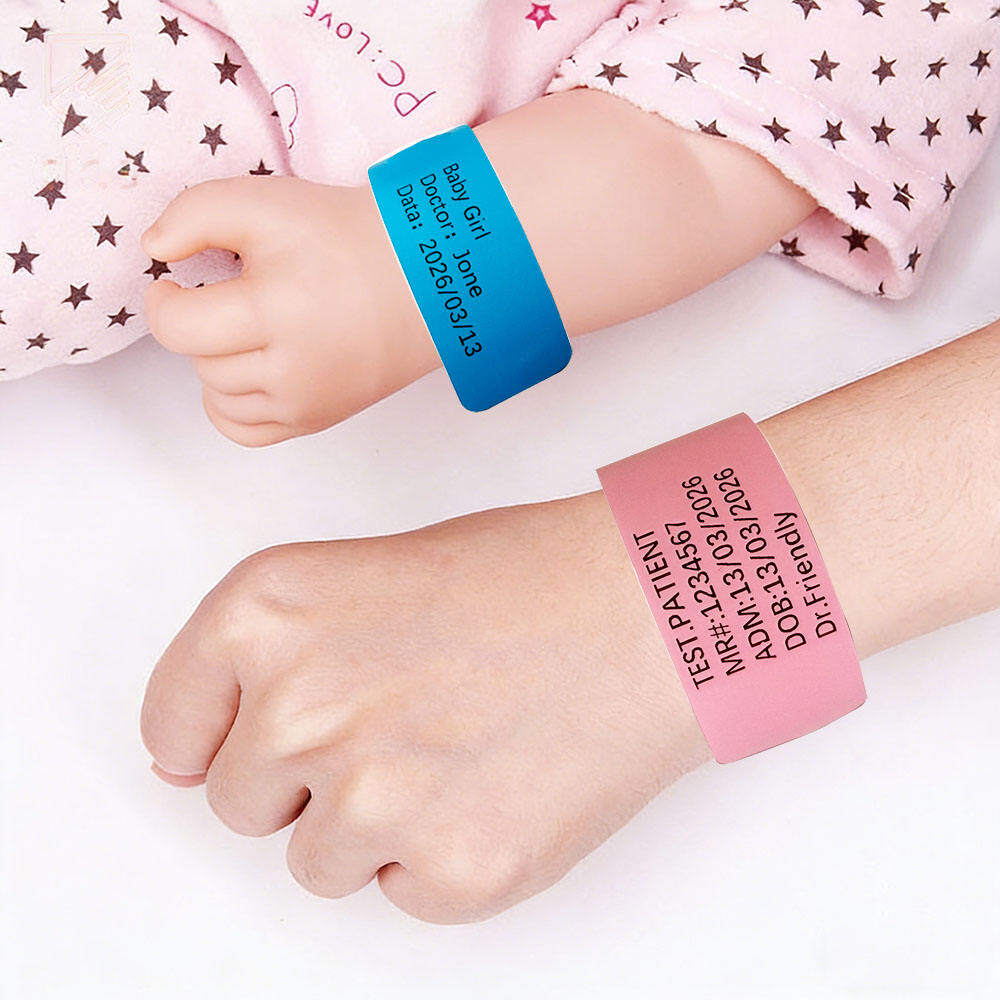
Choosing the Right Wristband
Not all wristbands are created equal. Organizations should select wristbands that are appropriate for their patient population and clinical environment. Key considerations include:
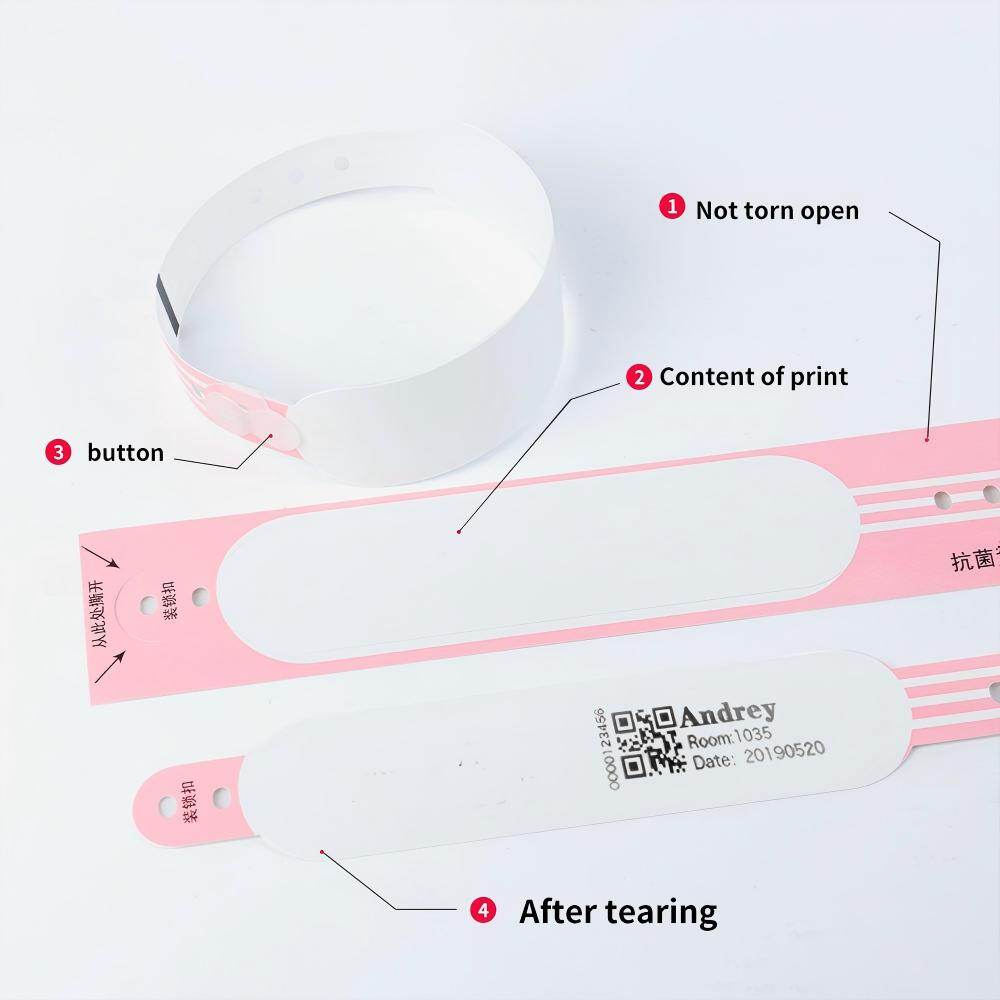
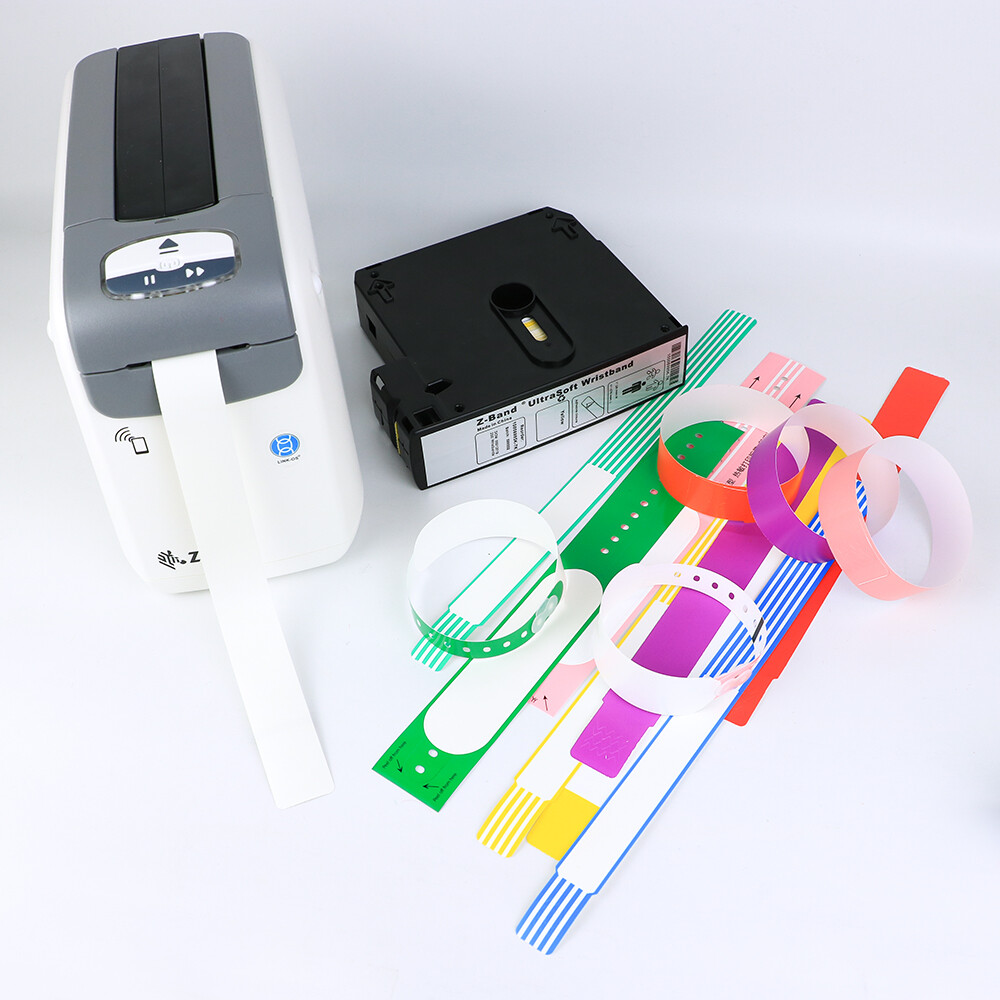
Material: Wristbands should be soft, hypoallergenic, and comfortable for prolonged wear. Materials should resist moisture, soaps, and cleaning agents.
Printing Method: Bar-coded wristbands can reliably and confidentially meet positive patient identification requirements. The Joint Commission formally acknowledges that bar coding that includes two or more person-specific identifiers will comply with the two-identifier requirement.
Durability: Studies have shown that between 2% and 6% of patients are not properly identified by their wristbands. Wristbands must be durable, stay on the patient's wrist, and remain readable throughout the hospital stay.
Security: Tamper-evident features can help ensure that wristbands are not removed or exchanged.
The Role of Technology
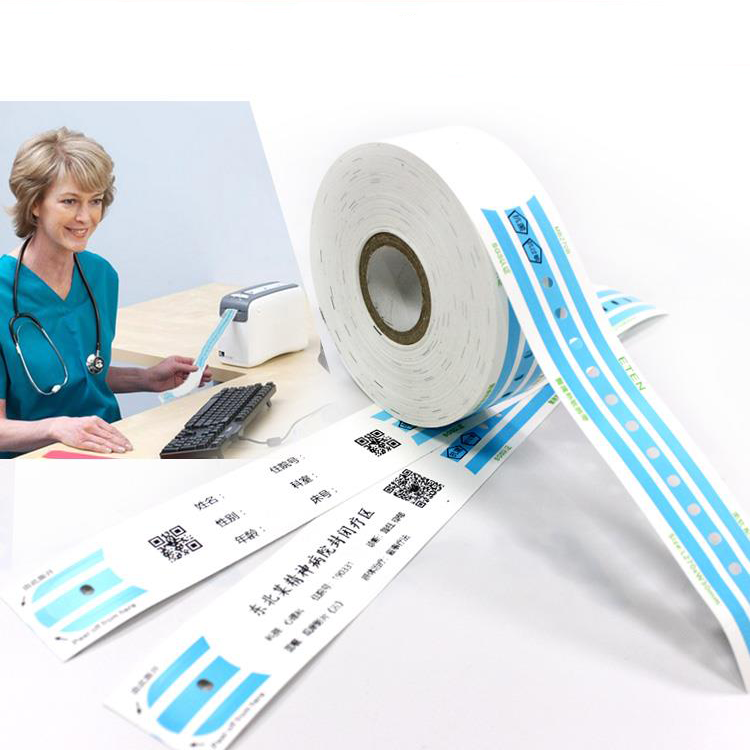
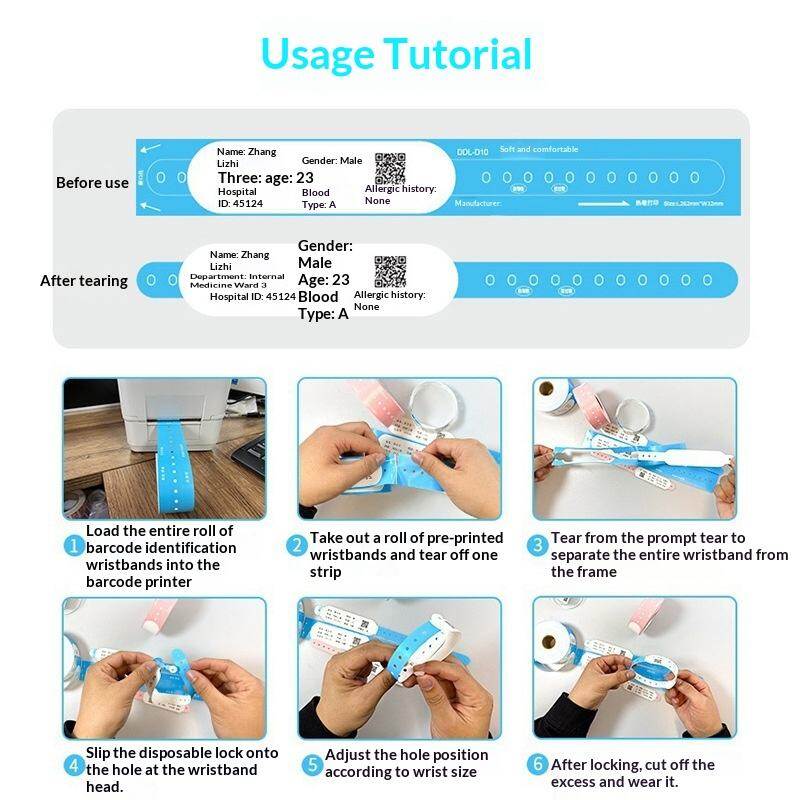
The WHO recommends considering automated systems such as bar coding and radiofrequency identification to decrease the potential for identification errors. Bar-coded wristbands can encode the patient name and identification number, serving as a key to a database that can be read and updated by scanners.
Technology can support, but does not replace, human verification. The most effective systems combine technological safeguards with staff training and a culture that values identification as a critical safety practice.
Addressing Barriers to Compliance
The Malawi study identified lack of time, staffing shortages, and a perception that procedures were unimportant as barriers to compliance. Organizations should address these barriers directly:
Time: Streamline identification workflows to minimize the burden on staff.
Staffing: Ensure adequate staffing levels to support safe identification practices.
Culture: Communicate clearly that identification is not optional; it is a core safety requirement.
Feedback: Share audit results and success stories to reinforce the importance of identification.
The Consequence of Non-Compliance
The consequences of failing to meet patient identification requirements extend beyond accreditation findings. Between November 2003 and July 2005, the UK National Patient Safety Agency reported 236 incidents and near misses related to missing wristbands or wristbands with incorrect information. These are real events that caused or could have caused harm to real patients.
For healthcare organizations, compliance with JCI and WHO patient identification requirements is not just about passing a survey. It is about protecting patients from preventable harm and building a culture of safety that extends to every aspect of care.

Conclusion
Patient identification is a cornerstone of safe healthcare, and wristbands remain one of the most practical and effective tools for ensuring accurate identification. The JCI and WHO requirements provide a clear framework for organizations seeking to strengthen their identification practices.
The key messages are straightforward:
- Use at least two patient identifiers.
- Do not use room numbers as identifiers.
- Ensure wristbands are attached at all times.
- Verify identity consistently and correctly.
- Address the needs of special populations.
- Train staff and monitor compliance.
- Engage patients and families as partners.
For medical wristband suppliers and healthcare organizations alike, understanding these requirements is essential for designing products and systems that support safe, reliable patient identification. The wristband is a small item, but it carries significant responsibility. When used correctly, it helps ensure that every patient receives the right care at the right time.
Continue Reading
Have Questions About Wristbands?
Our team is ready to help you find the perfect wristband solution for your needs. Contact us directly on WhatsApp for quick responses.
Contact on WhatsApp