
How Much Do Patient Wristbands Cost? A 2026 Price Breakdown by Type
Introduction
Patient wristbands are among the most widely used consumables in healthcare, yet their pricing remains surprisingly opaque to many buyers. Procurement officers, hospital administrators, and clinic managers often find themselves comparing quotes that range from a few cents to several dollars per unit, wondering why the same basic product carries such dramatically different price tags.
The answer lies in a combination of factors: material composition, printing technology, embedded intelligence, order volume, and the specific safety features required for different clinical environments. A handwritten paper band for a short-stay outpatient clinic serves a very different purpose than an RFID-enabled wristband used for surgical patient tracking. Understanding these distinctions is essential for making informed purchasing decisions that balance cost against clinical value.
This article provides a comprehensive price breakdown of patient wristbands by type, drawing on current market data and real procurement examples from 2026. It is intended for healthcare procurement professionals, medical supply distributors, and anyone seeking to understand the cost structure behind these essential identification tools.
Why Patient Wristband Prices Vary So Widely
The Cost Drivers Behind the Price Tag
Before examining specific price points, it is helpful to understand what drives the cost of a patient identification band. The following factors have the greatest influence on unit pricing:
Material Quality and Safety: The base material determines not only the comfort and durability of the band but also its safety profile. Low-cost wristbands may use basic plastic or paper materials that are stiff, prone to irritation, and degrade quickly when exposed to moisture or disinfectants. Premium bands use hypoallergenic, latex-free materials such as soft polyester, silicone, or advanced thermal composites that are gentle on skin and resistant to environmental stress.
Printing Method and Information Durability: The way information is applied to the band affects both its cost and its clinical reliability. Handwritten bands are the least expensive but offer the poorest legibility and durability. Thermal-printed bands with barcodes require compatible materials and coatings that ensure the printed information remains scannable after exposure to hand sanitizers, bodily fluids, and repeated handling.
Embedded Technology: The presence of an RFID or NFC chip represents the single largest cost-adder in wristband pricing. Adding a chip transforms the band from a simple identification label into a data-carrying device capable of supporting access control, real-time location tracking, and automated documentation.
Order Volume: Like most manufactured goods, patient wristbands benefit from economies of scale. A hospital ordering 50,000 units annually will pay significantly less per unit than a small clinic ordering 500 units. Volume discounts of 20-40% are common when moving from small orders to bulk procurement.
Closure Mechanism and Security Features: The type of closure affects both cost and security. Standard adhesive closures are inexpensive but may not provide tamper evidence. Snap or clip closures offer better security at moderate cost. Specialized tamper-evident closures with one-time-use locks represent the highest tier of security and cost.
Price Breakdown by Wristband Type
Category 1: Basic Handwritten Wristbands
Price Range: $0.02 – $0.10 per unit
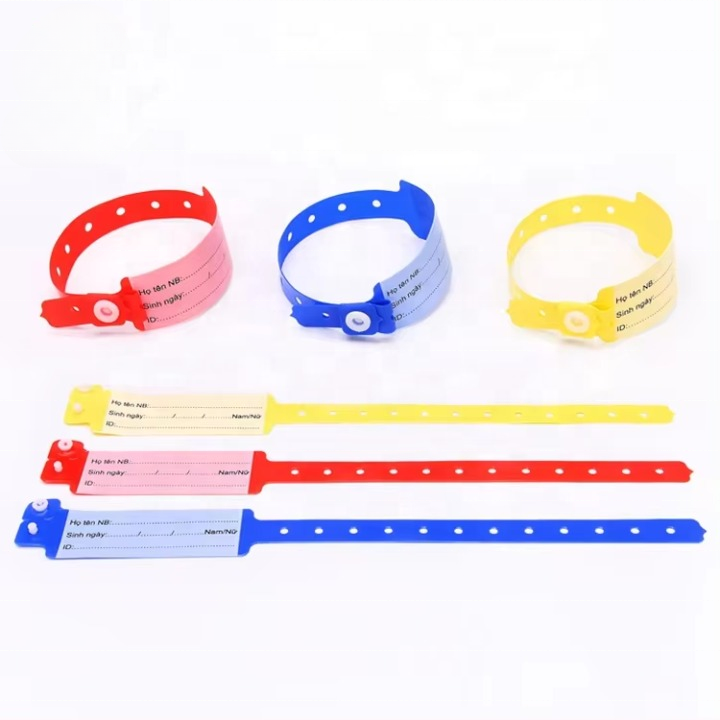
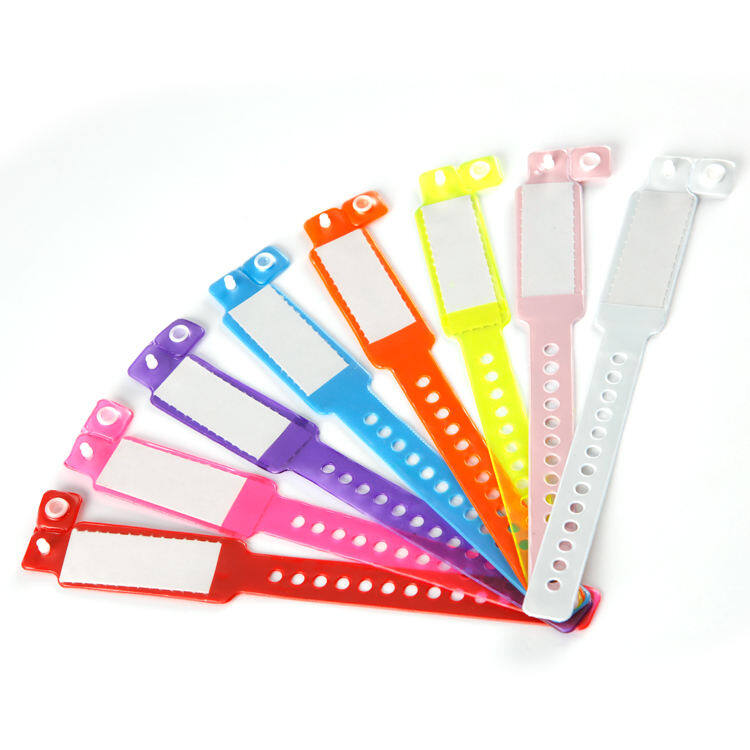
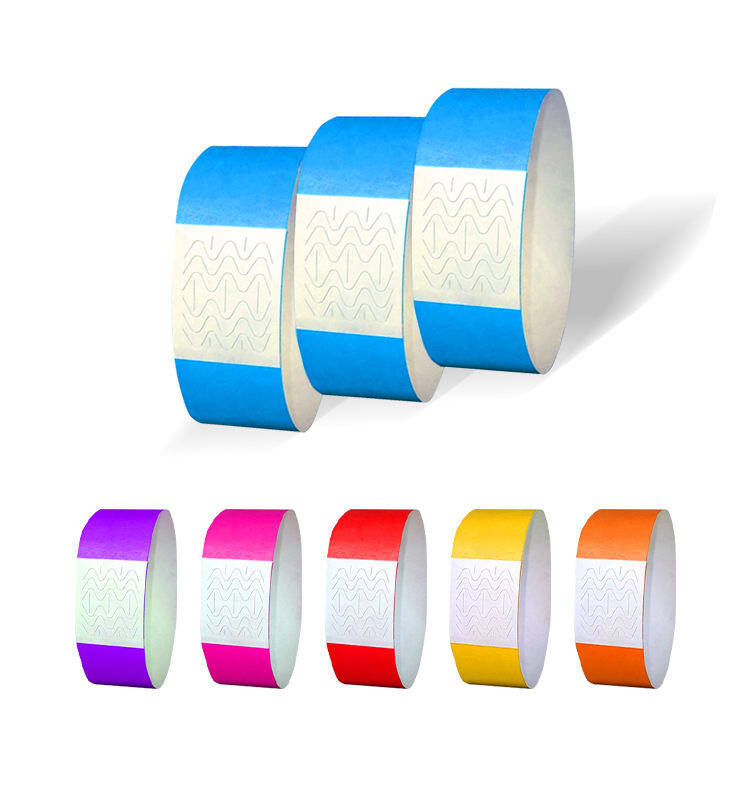
Handwritten wristbands represent the most economical option in the patient identification market. These bands are typically made from PVC or coated paper and are designed to be filled out with a pen by nursing staff.
Typical Applications: Outpatient clinics, short-stay procedures, temporary identification during emergencies, and settings where electronic printing infrastructure is unavailable.
Cost Considerations: While the unit price is extremely low, handwritten bands carry hidden costs. Illegible handwriting can lead to identification errors. The lack of barcode capability means they cannot be integrated into electronic medication administration or specimen tracking workflows. The material quality is often basic, which may lead to premature wear or skin irritation.
Market Data: Wholesale listings for disposable PVC handwritten wristbands show prices as low as $0.04 per piece when ordered in quantities of 1,000 or more. These bands are available in multiple colors for visual differentiation and can be customized with pre-printed logos or hospital branding.
Category 2: Thermal-Printed Barcode Wristbands
Price Range: $0.30 – $0.80 per unit
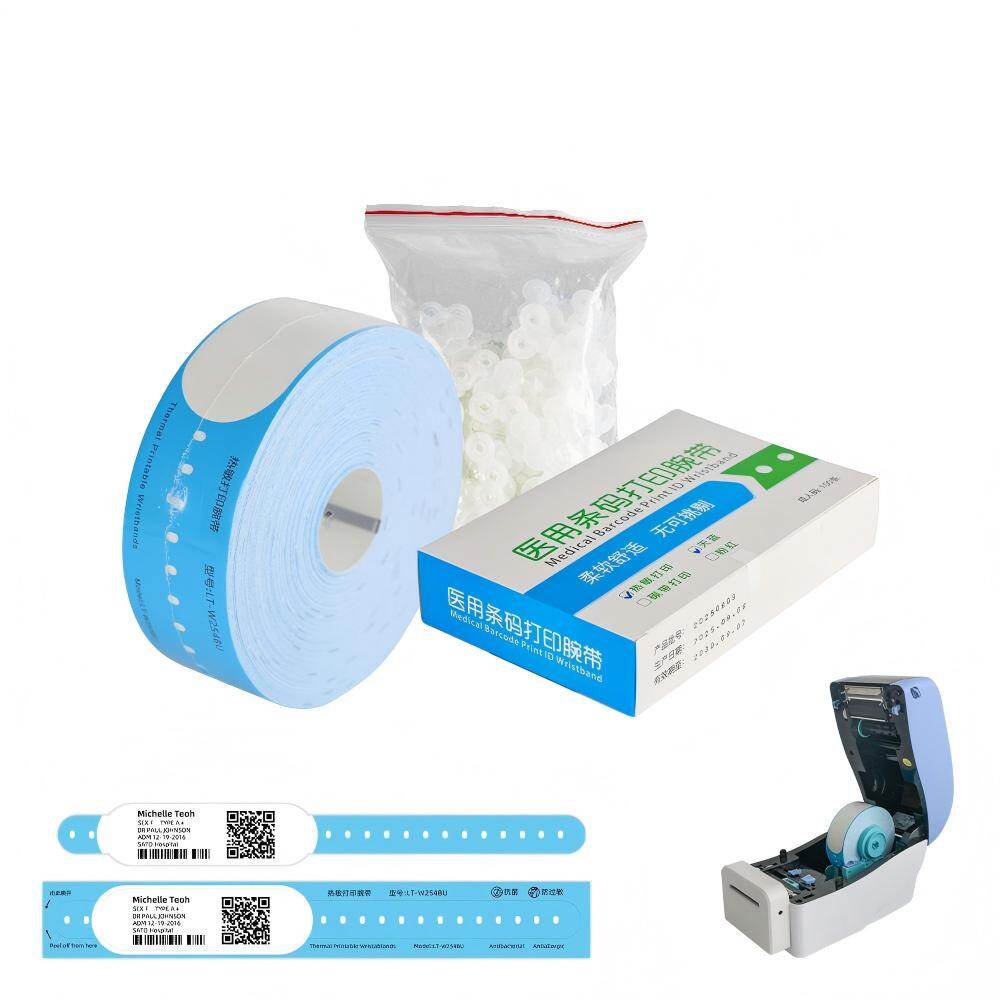
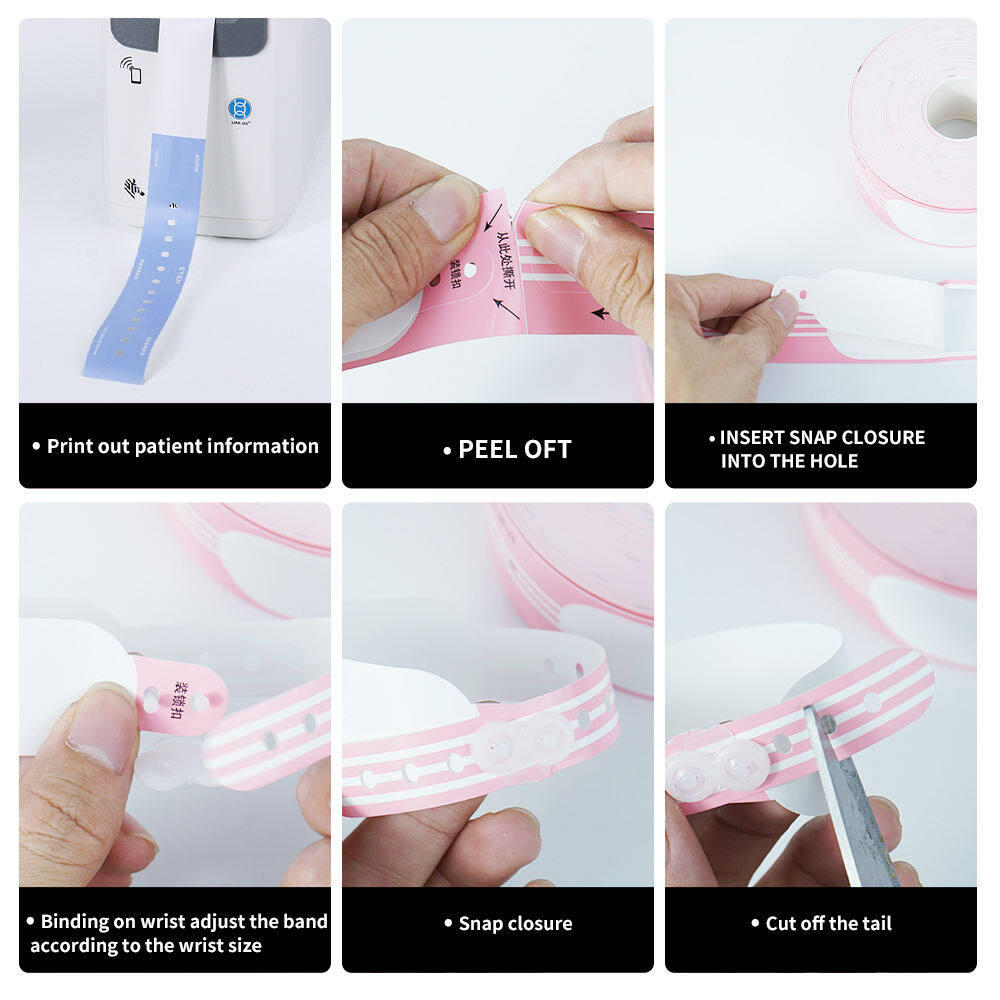
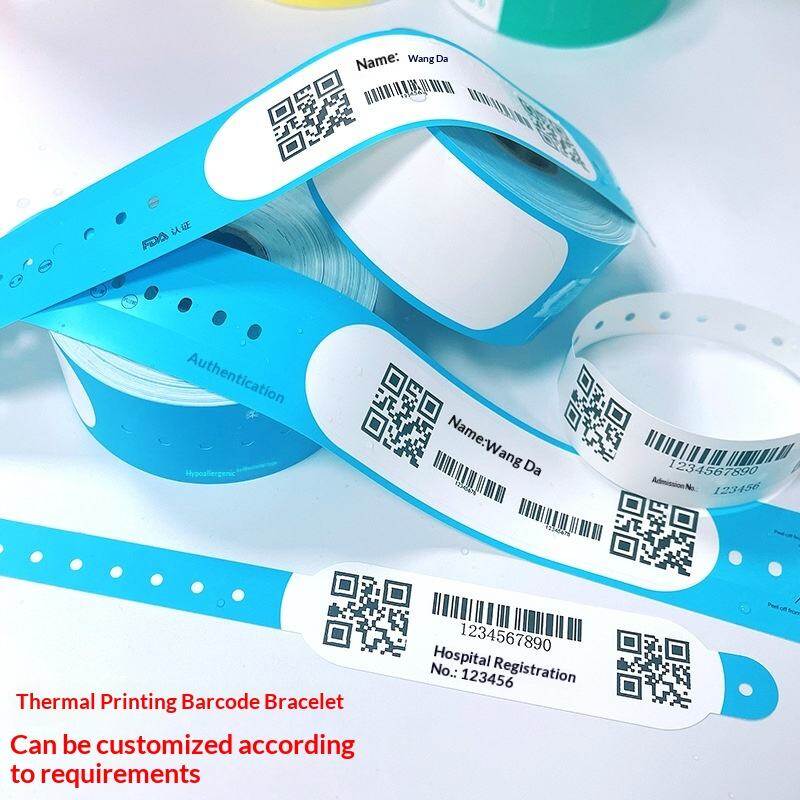
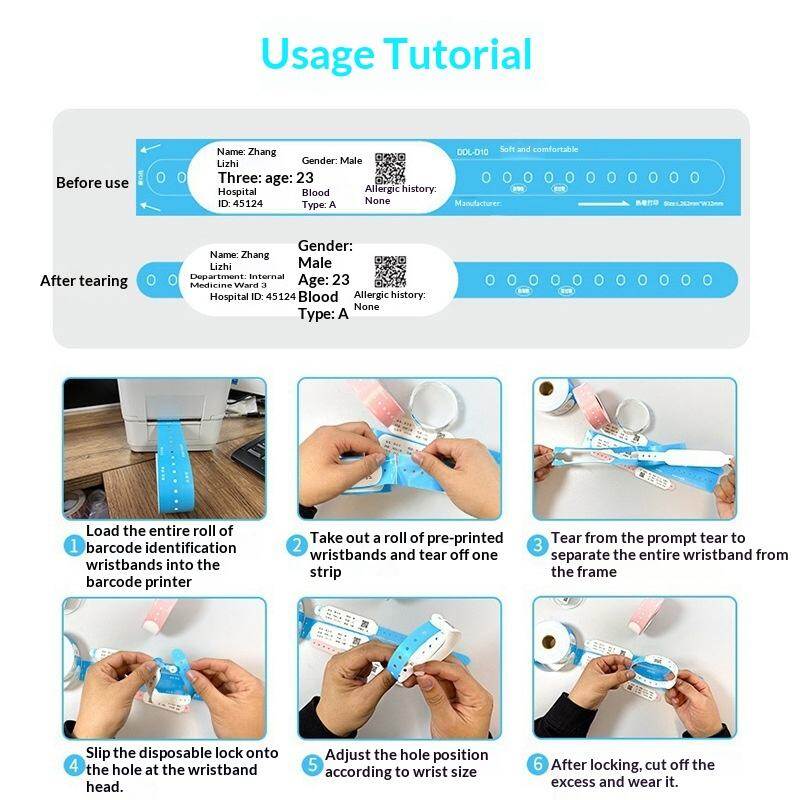
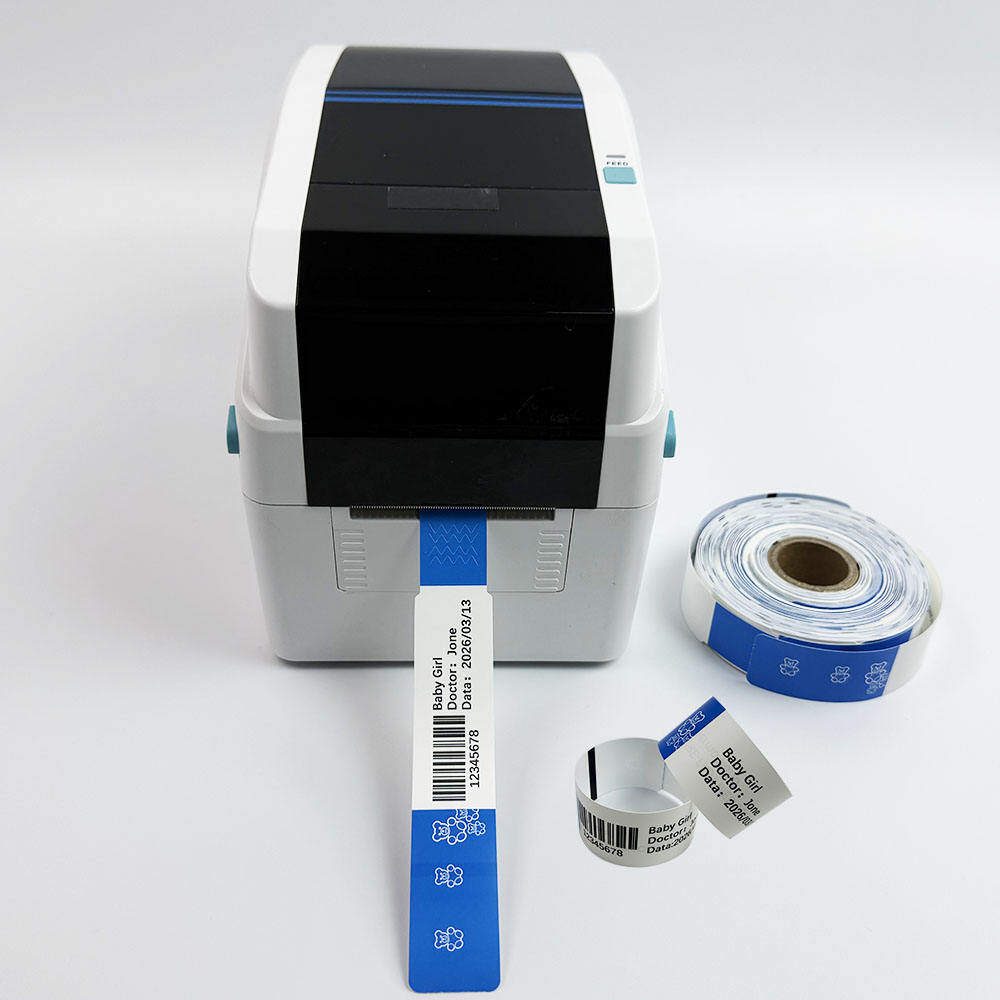
Thermal-printed barcode wristbands represent the mainstream choice for most hospitals and healthcare facilities. These bands are printed on-demand using direct thermal or thermal transfer printers and include barcodes that can be scanned for patient verification at the point of care.
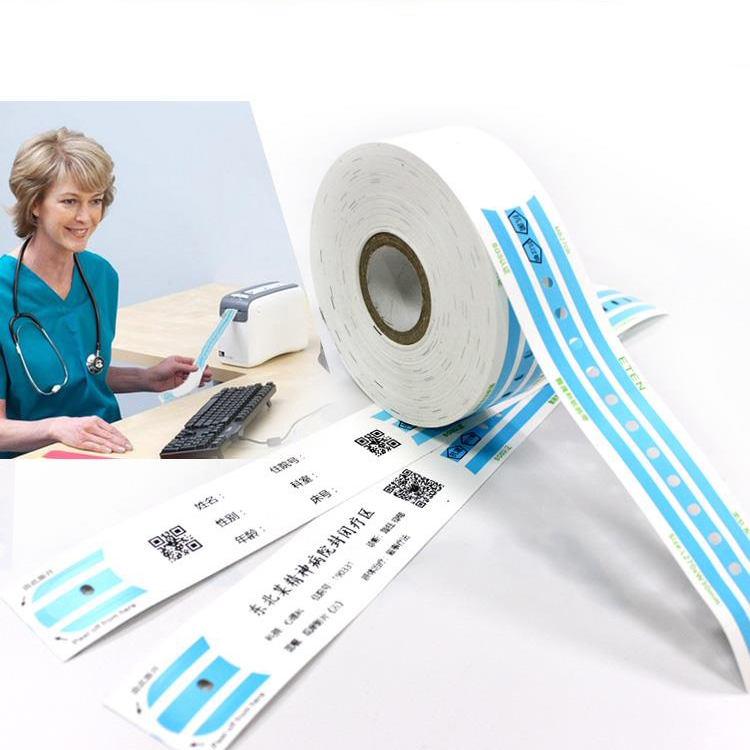
Typical Applications: General inpatient units, surgical departments, emergency departments, and any setting where barcode scanning is part of the medication administration or specimen collection workflow.
Cost Considerations: The material for thermal-printed bands must be specifically engineered to accept and retain thermal printing. This requires coatings and composites that are more expensive than basic PVC. The bands must also resist smearing when exposed to alcohol-based hand sanitizers, which are ubiquitous in clinical settings.
Market Data: Recent hospital procurement records from China provide useful reference points. A hospital in Xichang awarded a contract for barcode-printed wristbands at approximately $0.043 per unit (0.31 RMB) for adult, child, and newborn sizes. Another hospital in Suqian reported a unit price of approximately $0.051 (0.37 RMB) per band. These prices reflect large-volume public hospital procurement in the Chinese market. In Western markets, prices for comparable products typically range from $0.30 to $0.80 per unit depending on material quality, size, and volume.
Material Variations: Within this category, material choice significantly affects both price and performance. Standard thermal wristbands may use basic thermal paper or synthetic composites. Premium options use soft, latex-free materials with antimicrobial coatings that resist bacterial colonization and reduce skin irritation. These premium materials can add 20-50% to the unit cost but may be justified for neonatal units, burn units, or long-stay patients.
Category 3: RFID and Smart Wristbands
Price Range: $2.00 – $5.00+ per unit
RFID wristbands represent the highest tier of patient identification technology, embedding radio frequency identification chips that enable contactless reading, real-time location tracking, and integration with hospital information systems.
Typical Applications: Surgical patient tracking, emergency department triage, patient flow management, access control for restricted areas, and any environment where automated identification adds value beyond manual scanning.
Cost Considerations: The RFID chip, antenna, and encapsulation process account for the majority of the cost. Different frequency options (LF, HF, UHF) carry different price points and offer different performance characteristics. HF wristbands, operating at 13.56 MHz, are suited for close-range verification such as medication administration. UHF wristbands, operating at 860-960 MHz, enable longer read ranges suitable for bulk inventory or location tracking.
Market Data: In the Indian market, hospital ID wristbands with RFID capability are priced at ₹20-50 (approximately $0.24-$0.60) per unit for standard volumes, with prices varying based on chip type, frequency, and customization requirements. In Western markets, RFID wristbands for healthcare typically range from $2.00 to $5.00 per unit depending on chip sophistication and order volume.
Customization Costs: RFID wristbands often require custom encoding with patient identifiers, which adds a marginal cost at high volumes but may be significant for small orders. Full-color printing and custom branding also increase unit cost.
Category 4: Specialty Wristbands
Price Range: $0.50 – $3.00 per unit
Specialty wristbands address specific clinical needs that standard products cannot meet. These include:
Neonatal and Infant Bands: Smaller sizes with soft materials and specialized closures designed for delicate skin. These bands often carry premium pricing due to lower production volumes and specialized materials.
Tamper-Evident Bands: Bands with one-time-use closures that show visible evidence of removal. These are essential for security-sensitive applications and typically cost more than standard adhesive closures.
Antimicrobial Bands: Bands treated with antimicrobial agents to reduce bacterial colonization. These are particularly valuable in intensive care units and for immunocompromised patients.
Waterproof and Chemical-Resistant Bands: Bands designed to withstand exposure to water, disinfectants, and bodily fluids without degradation of printed information or material integrity.
The Total Cost of Ownership
Beyond the Unit Price
When evaluating patient wristband costs, focusing solely on the unit price can be misleading. The total cost of ownership includes several additional factors:
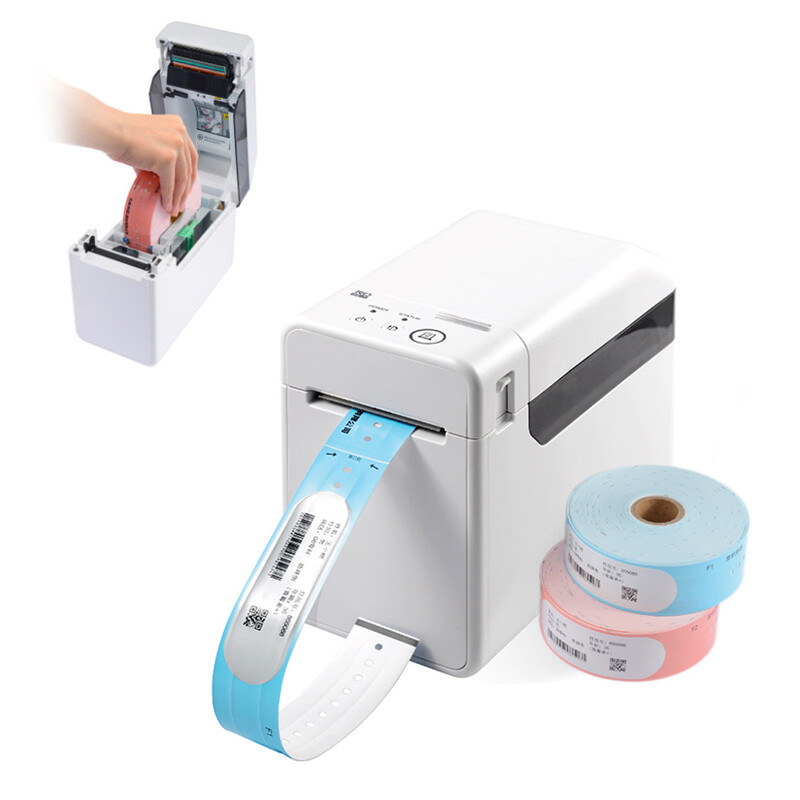
Printer and Infrastructure Costs: Thermal-printed and RFID wristbands require compatible printers and software. A desktop direct thermal wristband printer typically costs between $250 and $400 for basic models. Industrial-grade printers for high-volume operations can cost significantly more.
Consumables and Maintenance: Thermal printers require periodic cleaning and may need replacement print heads over time. RFID systems require readers, antennas, and integration with hospital information systems.
Training and Workflow Integration: Staff must be trained on proper wristband application, scanning procedures, and troubleshooting. Workflow changes may be required to integrate wristband scanning into existing clinical processes.
Error Prevention Value: The value of accurate patient identification extends beyond the cost of the wristband itself. Preventable adverse events related to misidentification carry significant financial and human costs. The cost of a wristband program is often justified by the errors it prevents.
Factors That Affect Final Pricing
Volume Discounts and Contract Pricing
Patient wristband pricing is highly volume-sensitive. The following discount structures are typical in the market. Wristbands are produced and packed in rolls, with 150-300 units per roll depending on size:
| Order Quantity | Typical Discount |
|---|---|
| 100 – 499 Rolls | List price |
| 500 – 1,999 Rolls | 5% off |
| 2,000 – 9,999 Rolls | 10% off |
| 10,000+ Rolls | Custom OEM pricing |
These discounts reflect the manufacturing economics of wristband production. Setup costs for printing, cutting, and packaging are distributed across a larger number of units as order size increases.
Customization Costs
Standard blank wristbands are the most economical option. Adding customization increases unit cost:
Pre-printed logos or hospital branding: Adds $0.02-$0.05 per unit
Barcode or QR code printing: Adds $0.05-$0.10 per unit
Sequential numbering: Adds $0.03-$0.08 per unit
Full-color custom printing: Adds $0.10-$0.20 per unit
Regional Price Variations
Prices vary significantly by region due to differences in manufacturing costs, import duties, distribution margins, and market competition. Chinese-manufactured wristbands are among the most competitively priced globally, with unit costs for basic thermal-printed bands often below $0.10 in large volumes. European and North American products typically carry higher prices due to stricter regulatory requirements, higher labor costs, and distribution margins.
How to Evaluate Wristband Pricing
Questions to Ask Suppliers
When comparing quotes from different suppliers, the following questions help ensure an accurate comparison:
Is the quoted price inclusive of printing? Some suppliers quote blank bands separately from printing services.
What material is used, and what is its safety profile? Request material specifications, including latex content, antimicrobial properties, and skin sensitivity testing.
What is the minimum order quantity? MOQ varies significantly by supplier and product type.
What is the lead time? Standard production may take 7-10 days, while rush orders may incur premium charges.
Are there setup or artwork fees? Some suppliers charge one-time fees for custom designs.
What certifications does the product carry? CE marking, FDA registration, and ISO certifications indicate compliance with quality and safety standards.
Balancing Cost and Clinical Value
The lowest-priced wristband is not always the most economical choice. Cheap wristbands that fade, tear, or cause skin irritation create hidden costs through replacement, patient discomfort, and potential identification errors. For critical applications such as surgical patient identification or neonatal care, investing in higher-quality bands is often the more prudent decision.
Conclusion
Patient wristband pricing in 2026 reflects a market that offers options for every budget and clinical requirement. Basic handwritten bands are available for pennies, while RFID-enabled smart bands command prices in the dollar range. Thermal-printed barcode bands occupy the middle ground, offering the best balance of cost, functionality, and clinical value for most healthcare settings.
For procurement professionals, the key to effective purchasing lies in understanding the total cost of ownership rather than focusing solely on unit price. Material quality, printing durability, security features, and integration capabilities all contribute to the true value of a wristband program.
As healthcare organizations continue to prioritize patient safety and operational efficiency, the wristband remains a small but essential component of the identification infrastructure. Choosing the right product at the right price requires careful consideration of clinical needs, workflow requirements, and long-term value—not just the number on the purchase order.
Continue Reading
Have Questions About Wristbands?
Our team is ready to help you find the perfect wristband solution for your needs. Contact us directly on WhatsApp for quick responses.
Contact on WhatsApp