
Newborn ID Wristbands: Matching Mother and Baby Without Errors
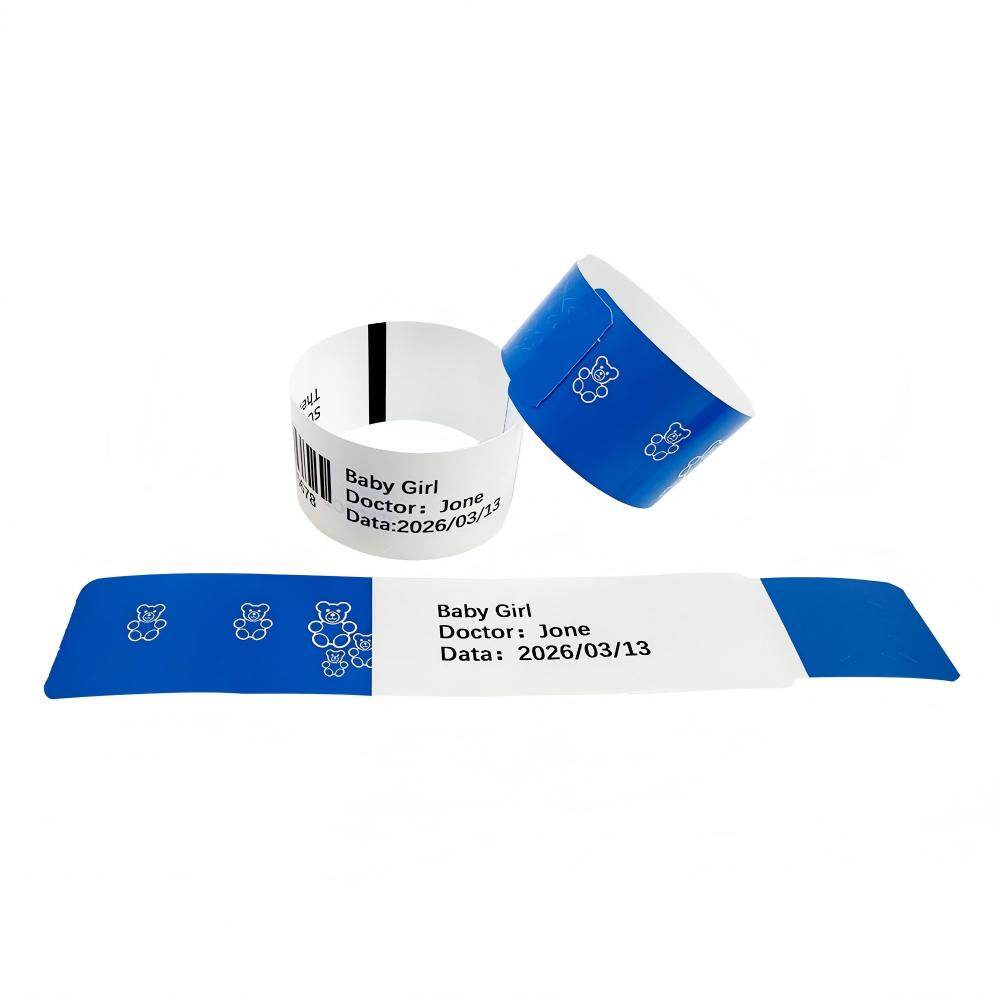
The moment a baby is born, a new set of safety responsibilities begins. Among the most important is ensuring that every newborn is correctly identified and matched to the right mother, family, and medical record. Newborn identification errors are rare, but when they occur, the consequences are severe — emotionally devastating for families, legally consequential for healthcare organizations, and potentially life-threatening when they lead to wrong treatments, wrong feeding, or delayed interventions.
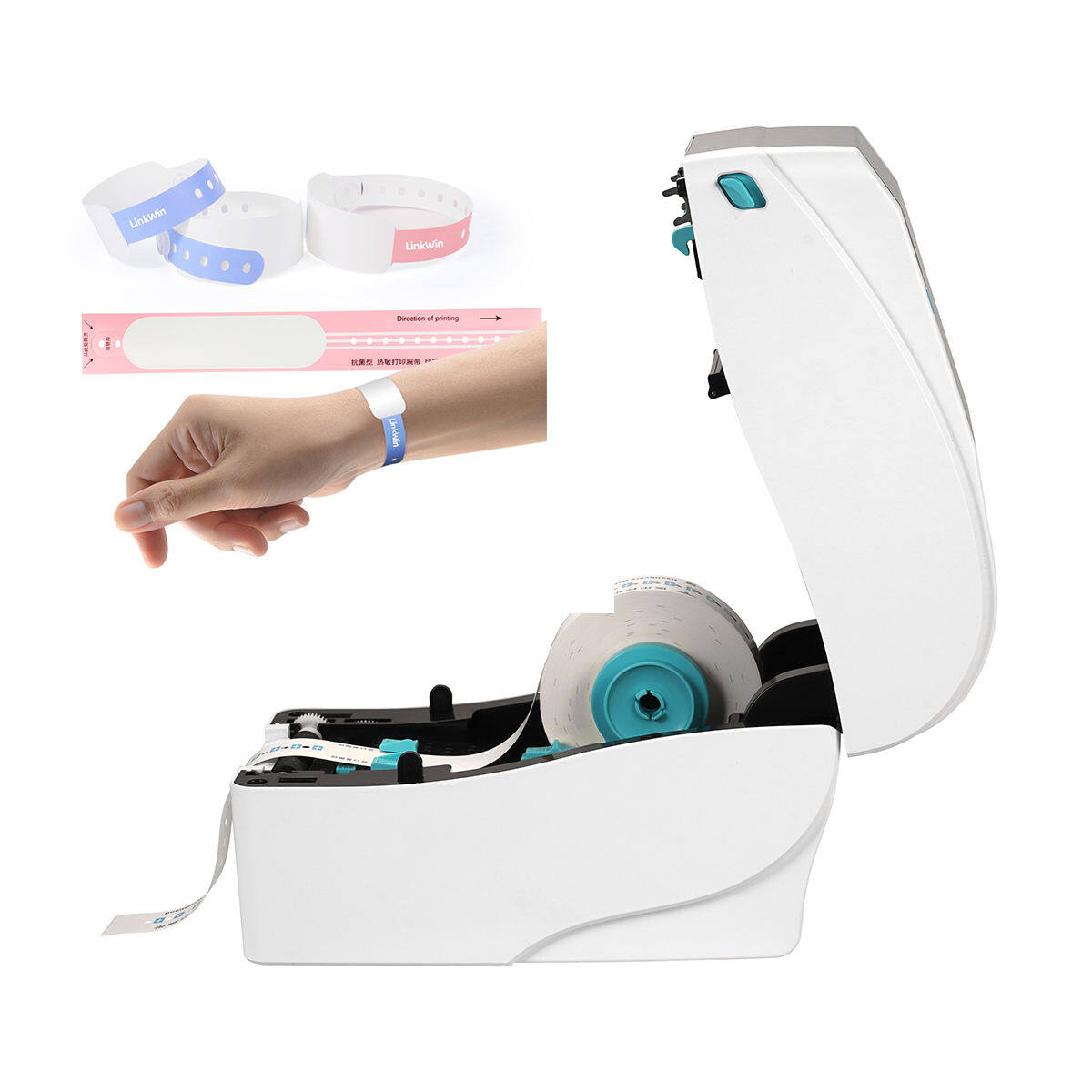
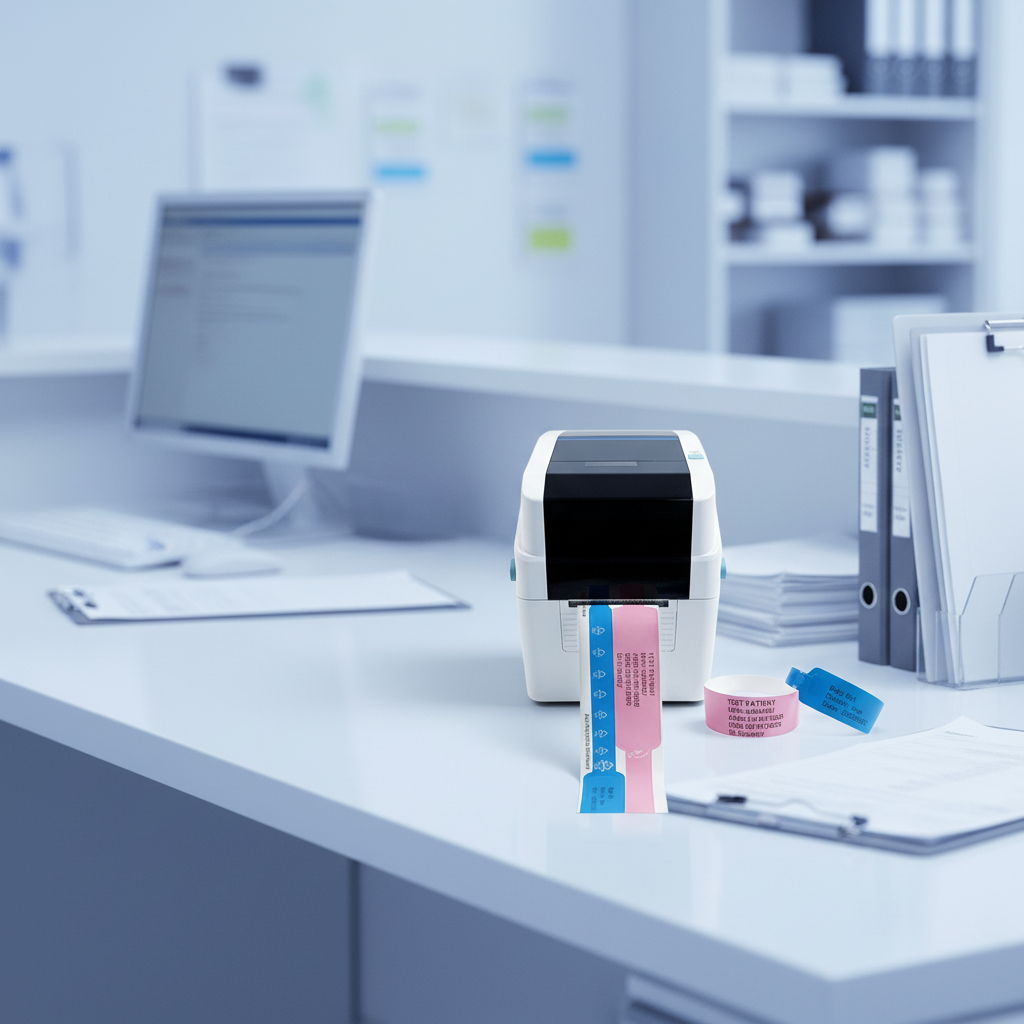
Newborn ID wristbands are the foundation of infant identification in hospitals. They are simple devices, usually soft bands applied to a newborn's ankle or wrist, but they carry enormous responsibility. They must be comfortable against delicate newborn skin, secure enough to stay in place during handling and feeding, legible under all conditions, and part of a verification system that includes matching the baby to the mother at every step.
This article explores the design, application, and systemic practices that make accurate mother-baby matching possible. It is intended for nurses, midwives, hospital administrators, and medical wristband suppliers who serve maternity and neonatal units. The goal is to provide practical, evidence-based guidance that supports safe newborn identification and strengthens family trust.
Why Newborn Identification Is a High-Stakes Process
The Vulnerability of Newborns
Newborns cannot speak, cannot state their name, and cannot confirm their identity. They depend entirely on the adults around them for protection. In a busy maternity unit, where multiple babies may be cared for in the same nursery, the risk of mixing up infants is real if identification systems are not rigorous.
Newborns are also physically vulnerable. Their skin is thin and sensitive, their limbs are small, and their immune systems are immature. Wristbands must be designed and applied with these realities in mind. A band that is too tight can compromise circulation; a band that is too loose can slip off and be lost; a band made from harsh materials can cause skin irritation or breakdown.
The Legal and Ethical Dimensions
A newborn identification error is not merely a clinical problem. It is a profound violation of trust. Families entrust hospitals with the most precious part of their lives, and they expect that the baby they leave with is the baby they came with. When that trust is broken, the consequences can include emotional trauma, legal liability, reputational damage, and long-term psychological harm.
For these reasons, newborn identification is governed by strict policies and is subject to accreditation standards. Hospitals are expected to have written procedures for newborn identification, staff training programs, and verification processes that are followed consistently.
The Newborn ID Wristband: Design and Function
Core Requirements
A newborn identification band must meet several core requirements:
- Safety: the band must be soft, flexible, and hypoallergenic. It must not cause skin irritation, pressure injury, or allergic reactions.
- Security: the band must remain in place during normal handling, feeding, changing, and medical care. It should be tamper-evident so that any removal or attempted removal is visible.
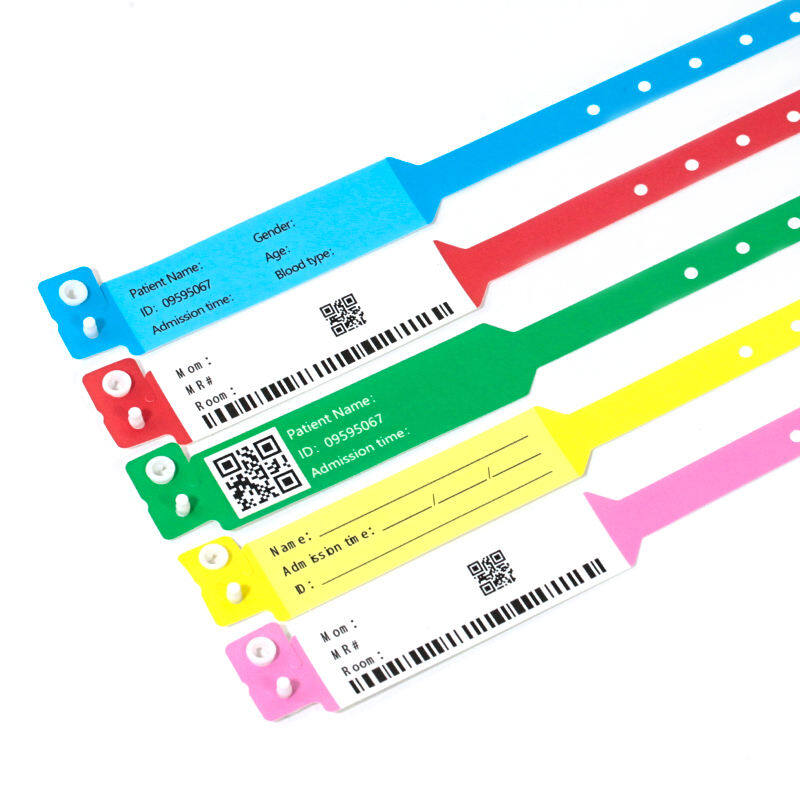
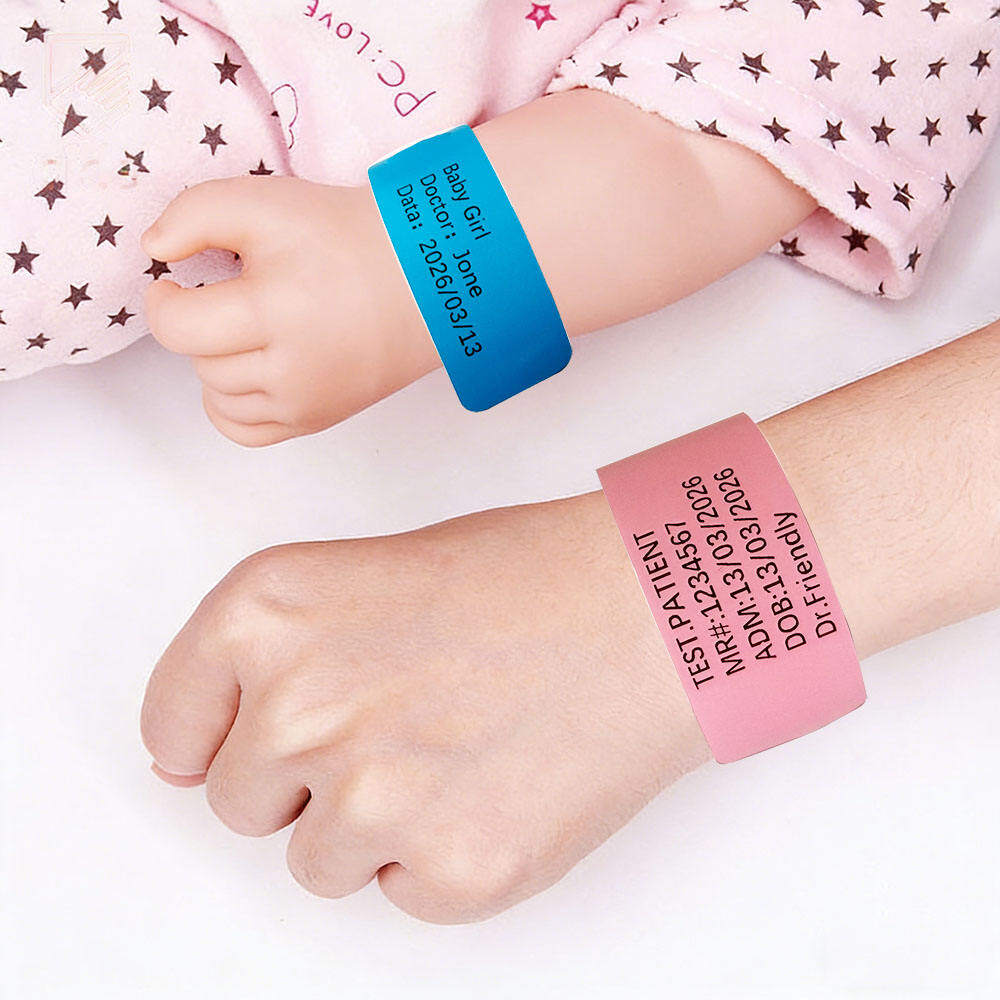
- Legibility: the information on the band must be clear, accurate, and readable. This includes the baby's name, medical record number, date and time of birth, sex, and the mother's name and medical record number.
- Durability: the band must withstand moisture, movement, and the normal wear and tear of hospital care.
- Comfort: the band should be comfortable for the newborn and should not interfere with feeding, sleeping, or bonding.
Materials and Construction
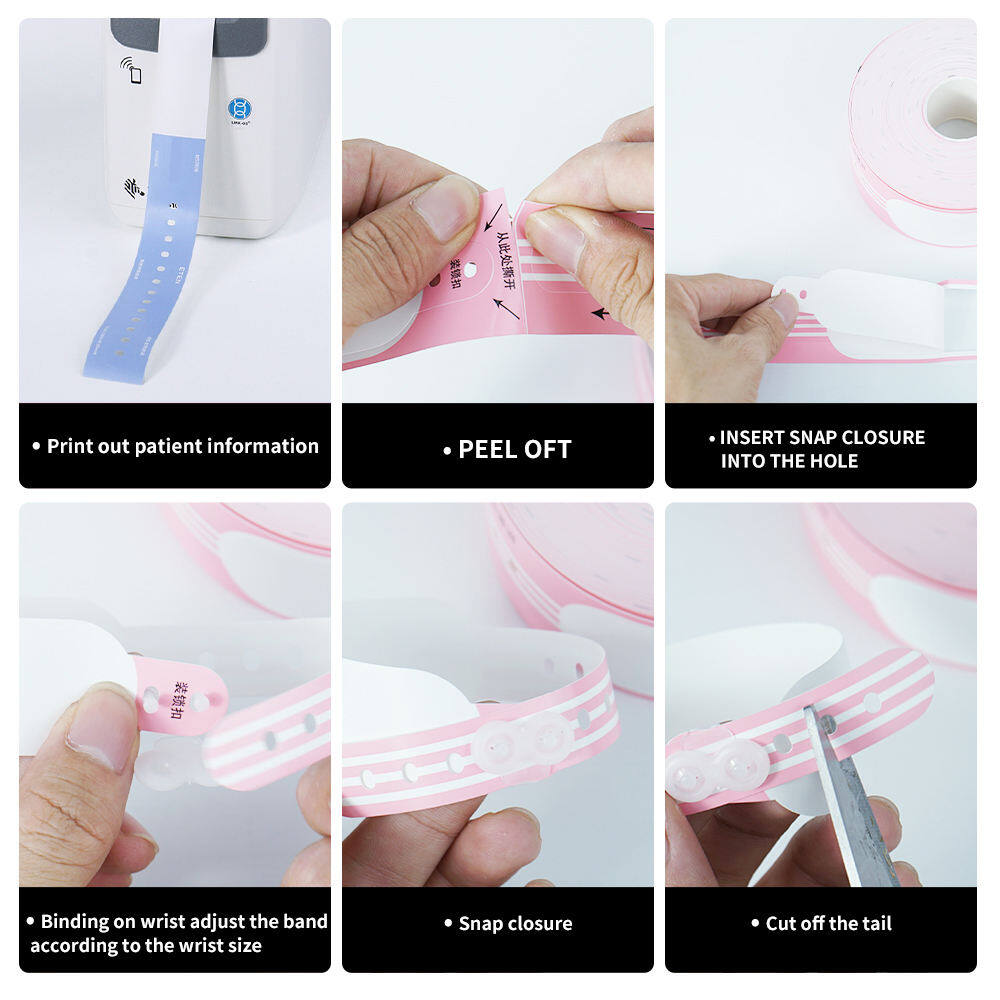
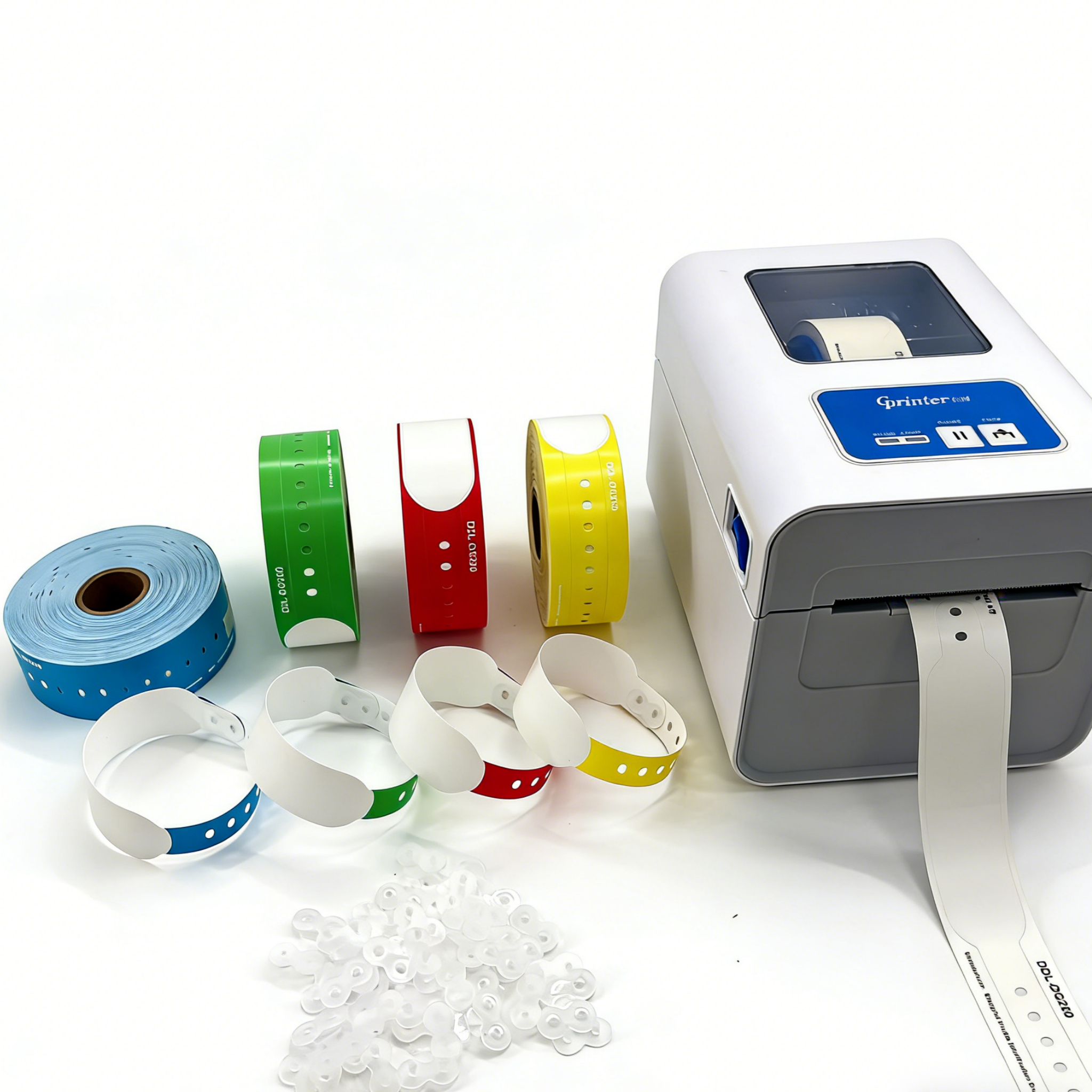
Most newborn ID wristbands are made from soft plastic, silicone, or coated paper materials. The choice of material depends on the intended use, the printing method, and the hospital's preferences. Key considerations include:
- Softness: the material should be soft enough to conform to the newborn's small limb without creating pressure points.
- Breathability: materials that allow air circulation reduce the risk of skin maceration and irritation.
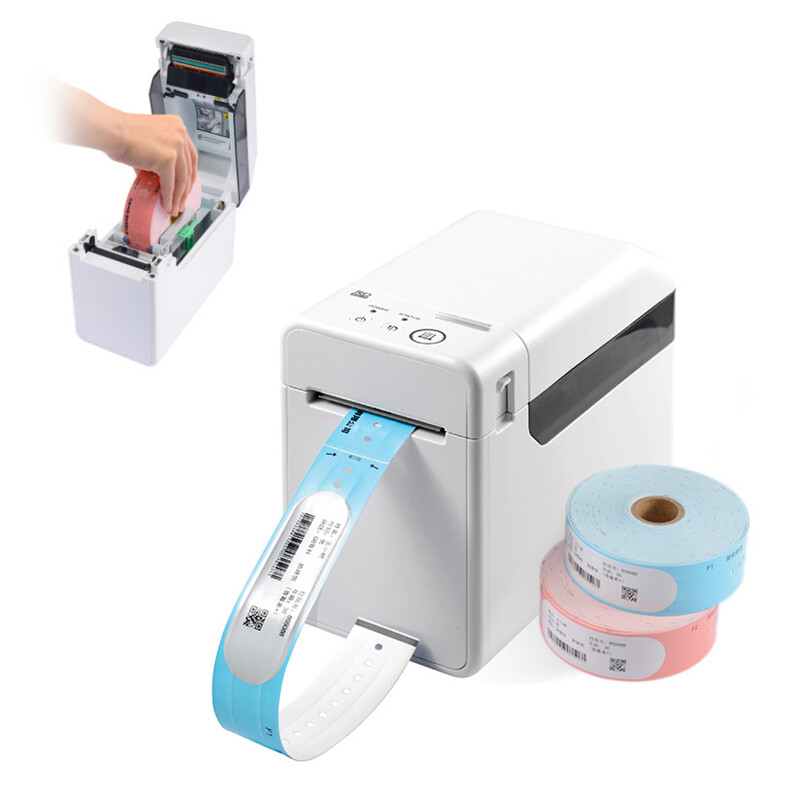
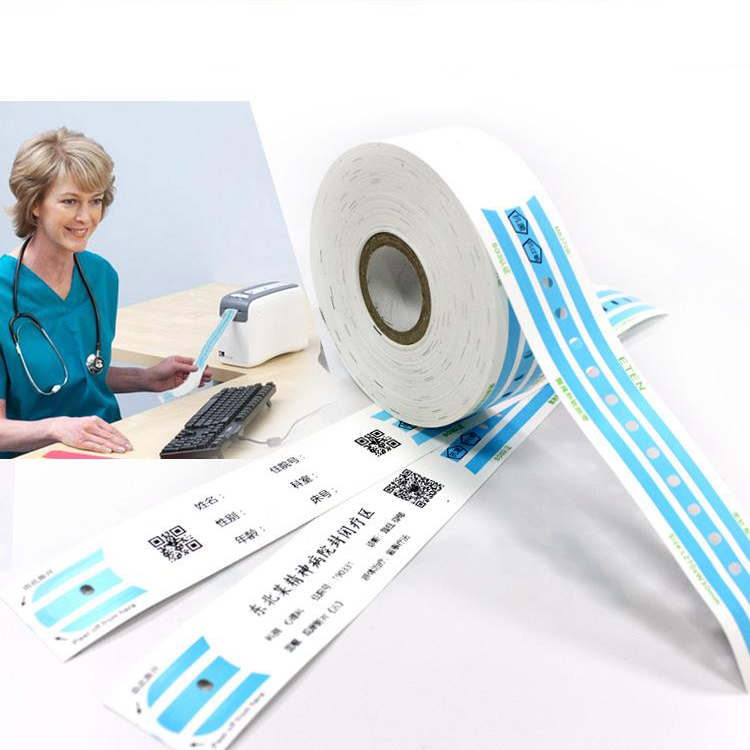
- Printability: the material must accept printed information clearly and durably. Thermal printing, laser printing, and pre-printed bands are all used in maternity settings.
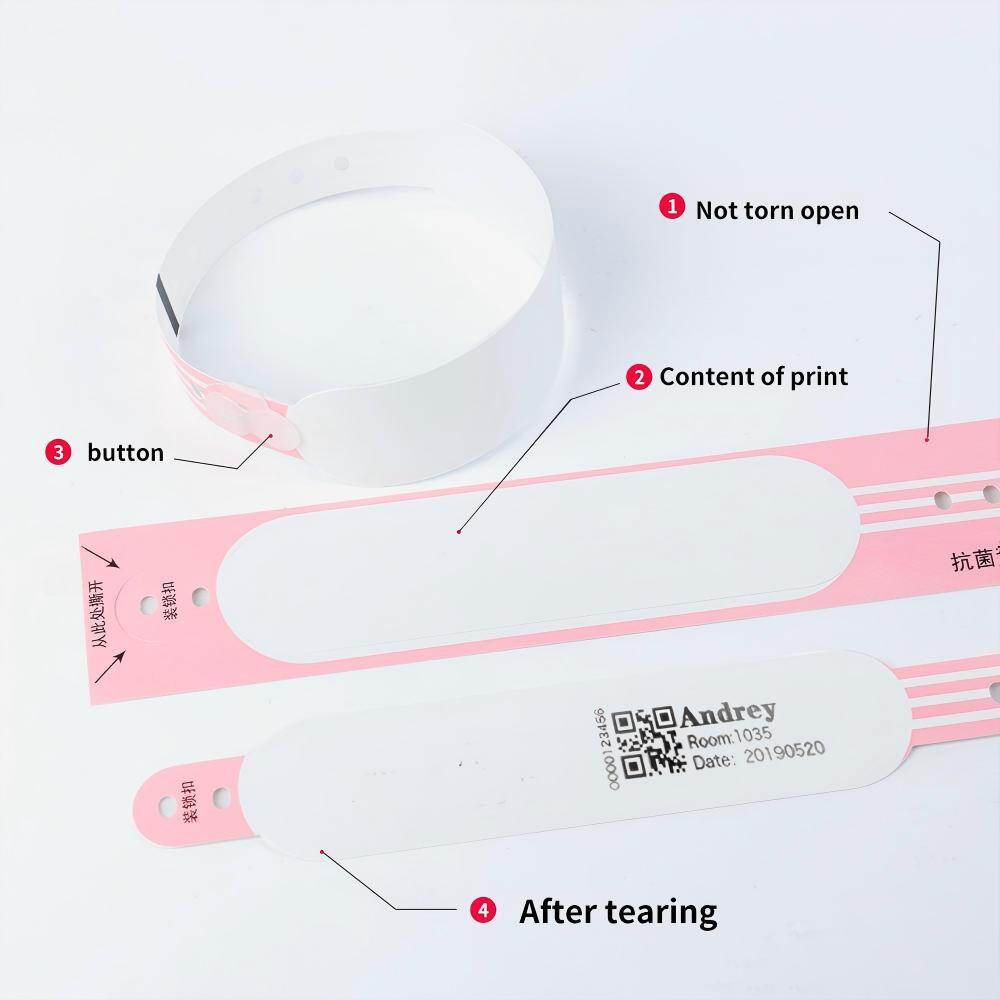
- Closure mechanism: newborn bands typically use snap, clip, or adhesive closures. Each has advantages and disadvantages. Snap closures are easy to apply and remove but may be less secure. Adhesive closures are secure but can cause skin trauma when removed. Clip closures offer a balance of security and ease of use.
Sizing for Newborns
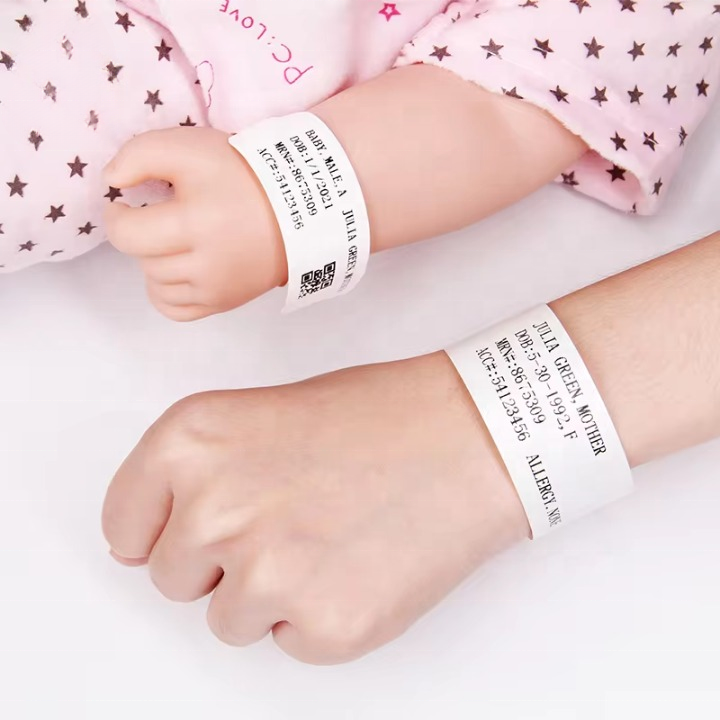
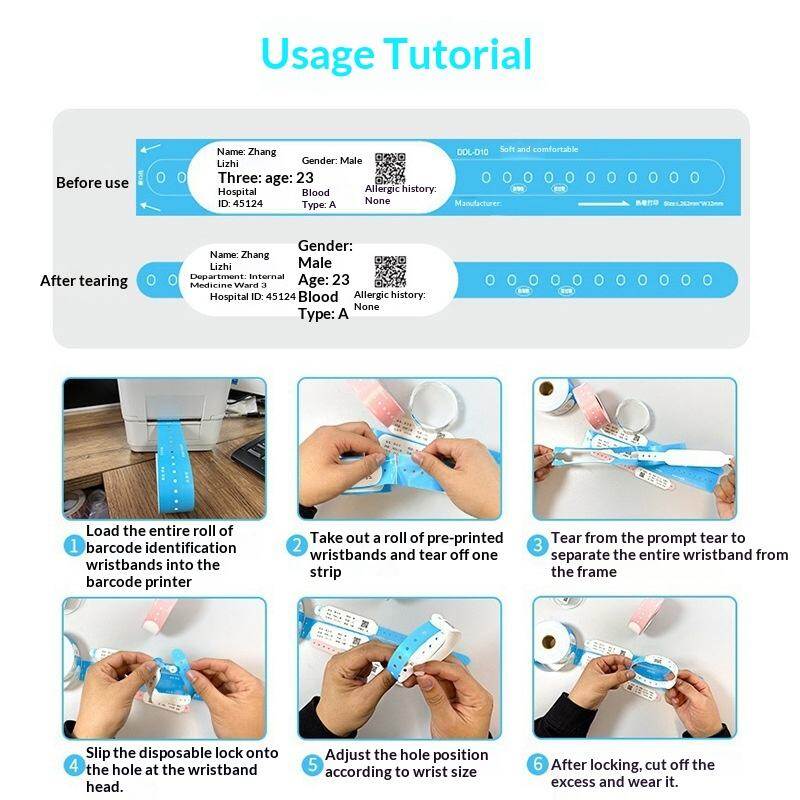
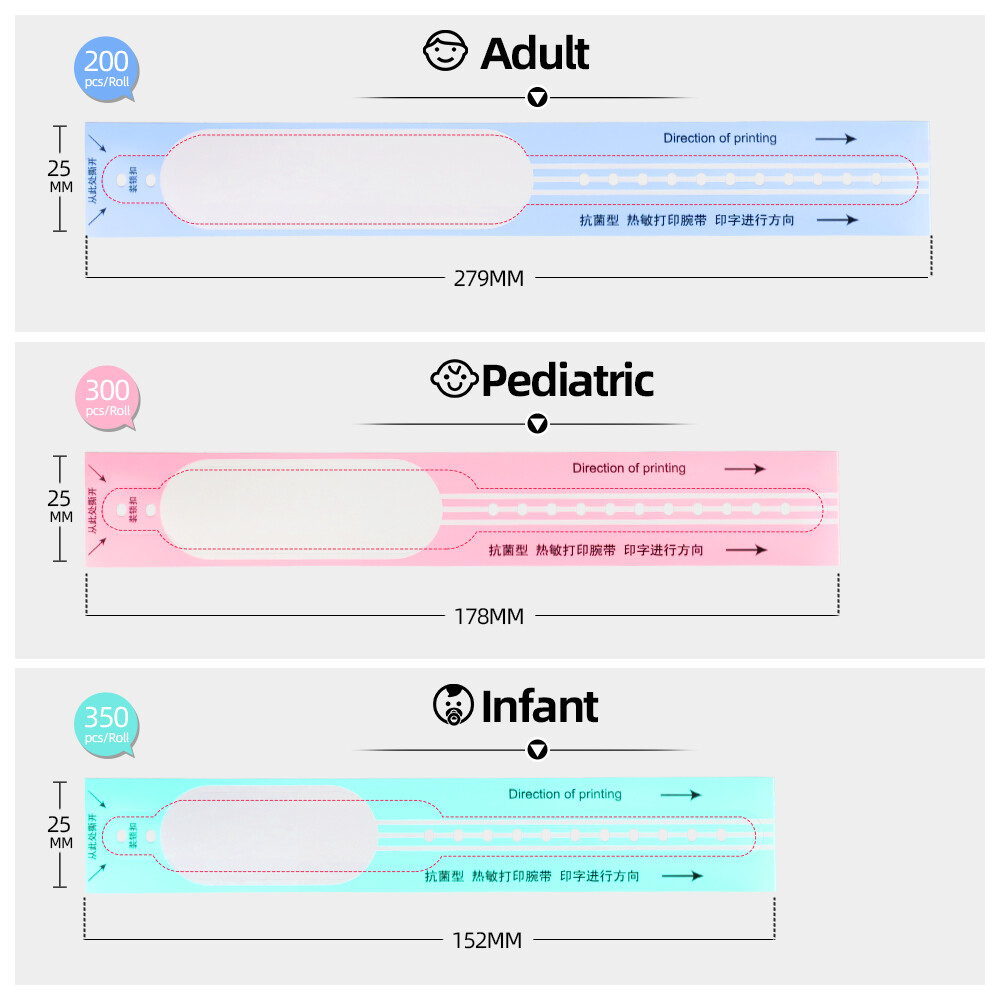
Newborn sizing is a critical consideration. Newborn limbs are extremely small, and standard pediatric bands may be too large. Dedicated newborn bands are shorter and narrower, designed to fit the ankle or wrist of a newborn safely.
The two-finger rule applies, with adaptation for the size of newborn fingers. A band should be snug enough to stay in place but loose enough to allow a finger to slide underneath. Because newborns can change rapidly in the first days of life — gaining or losing fluid, experiencing edema, or undergoing medical interventions — bands should be reassessed at least once per shift and replaced when they no longer fit properly.
The Mother-Baby Matching System
Beyond the Wristband
Newborn identification does not rely on the wristband alone. It is a system that includes multiple elements working together:
- Maternal wristband: the mother wears her own identification band with her name, medical record number, and other identifiers. This band is essential for matching the mother to the baby.
- Newborn wristband: the baby wears a band with matching identifiers, typically including the mother's name and medical record number along with the baby's own information.
- Matching numbers: many hospitals use matching numbers or codes on the mother's and baby's bands. These codes provide an additional layer of verification that is independent of names, which can be similar or confusing.
- Verification protocols: before any procedure, feeding, or transfer, staff verify that the baby's band matches the mother's band. This verification is repeated at every handoff and at every significant care event.
- Physical proximity: rooming-in, where the baby stays in the mother's room, reduces the risk of mix-ups by keeping the mother and baby together. When separation is necessary, strict identification and transfer protocols apply.
The Role of Technology
Many hospitals have adopted technology to strengthen newborn identification:
- Barcode scanning: scanning the baby's wristband and the mother's wristband before feeding, medication, or procedures provides an electronic verification that reduces human error.
- Radio frequency identification: RFID systems can track the location of babies and provide alerts if a baby is moved without authorization. These systems are particularly valuable in units with high traffic or security concerns.
- Electronic medical records: integrating wristband information with the electronic medical record ensures that the right information is associated with the right patient and that any discrepancies are flagged.
- Photography: some hospitals take photographs of the newborn at birth and attach them to the medical record. These photographs can be used for visual verification, especially in cases where the wristband is damaged or lost.
Preventing Newborn Identification Errors
Common Sources of Error
Understanding how identification errors occur is the first step toward preventing them. Common sources include:
- Similar names: mothers with similar names, or babies with similar names, can be confused if verification relies on names alone.
- Multiple births: twins, triplets, and higher-order multiples require special attention to ensure that each baby is correctly identified and matched to the right maternal record.
- Busy periods: high patient volumes, staff shortages, and emergencies can lead to rushed verification and shortcuts.
- Band loss or damage: a band that falls off and is not replaced, or a band that becomes illegible, creates a gap in the identification system.
- Language barriers: parents who do not speak the dominant language may not understand instructions or may not be able to participate fully in verification.
- Transfers and handoffs: every transfer between units, staff, or shifts creates an opportunity for error if verification is not performed consistently.
Best Practices for Error Prevention
- Standardize verification: establish a standard verification process that is followed consistently. This should include checking the baby's band against the mother's band at every feeding, before every procedure, and at every handoff.
- Use two identifiers: always use at least two patient identifiers. For newborns, this typically includes the wristband and the mother's confirmation of the baby's identity.
- Involve parents: parents should be taught to check their baby's band and to speak up if anything seems wrong. They should be encouraged to ask staff to verify identification before any procedure.
- Limit separation: keep mothers and babies together as much as possible. When separation is necessary, follow strict transfer protocols and document every movement.
- Audit and feedback: conduct regular audits of newborn identification practices. Provide feedback to staff and use audit findings to improve processes.
- Train continuously: provide initial and ongoing training for all staff involved in newborn care. Training should include case studies, hands-on practice, and updates on new products and technologies.
Parent Education and Engagement
What Parents Need to Know
Parents are essential partners in newborn identification. They should be taught:
- The purpose of the band: explain that the band is used to keep their baby safe and to ensure that their baby receives the right care.
- How to check the band: show parents how to check that the band is secure and not too tight. Teach them the signs of a band that is too tight or too loose.
- When to speak up: encourage parents to report any concerns about the band or about their baby's identification. They should never adjust or remove the band themselves.
- Verification participation: explain that staff will verify the band before feedings, medications, and procedures. Parents can support this process by confirming their baby's identity when asked.
- What to do if the band falls off: instruct parents to notify a nurse immediately if the band falls off or becomes damaged. Do not attempt to reapply it themselves.
Communication Strategies
- Use plain language: avoid medical jargon. Explain concepts in simple terms.
- Provide written materials: offer pamphlets or posters in the family's preferred language.
- Use teach-back: ask parents to explain in their own words what they have learned.
- Address cultural needs: respect cultural beliefs and practices. Provide interpreters when needed.
- Reinforce frequently: repeat key messages during the hospital stay and at discharge.
The Role of Hospital Policies and Accreditation
Policy Development
Hospitals should have written policies that cover:
- Selection and application of newborn ID wristbands
- Matching procedures for mothers and babies
- Verification protocols for feedings, procedures, and transfers
- Procedures for lost, damaged, or illegible bands
- Documentation requirements
- Staff training and competency assessment
Accreditation Standards
Accreditation bodies such as The Joint Commission require hospitals to have processes for accurate patient identification. For newborn units, this includes specific expectations for mother-baby matching, staff training, and quality monitoring. Compliance with these standards is not optional; it is a requirement for maintaining accreditation and for demonstrating a commitment to patient safety.
Conclusion
Newborn ID wristbands are small, but they carry enormous responsibility. They are the physical link between a baby and their identity, their medical record, and their family. When they are designed well, applied correctly, and supported by robust verification systems, they help ensure that every newborn is matched to the right mother and receives the right care.
For healthcare providers, the key messages are clear: use dedicated newborn bands, verify at every opportunity, involve parents as partners, and never rely on a single identifier. For medical wristband manufacturers, the newborn market demands products that are safe, comfortable, secure, and compatible with modern verification technologies. For hospitals, investing in policies, training, and quality monitoring is essential to protecting the most vulnerable patients and preserving the trust that families place in maternity care.
Every newborn deserves to go home with the right family. Every mother deserves the confidence that the baby in her arms is her own. And every healthcare organization has the responsibility to make that confidence a reality through careful identification practices that begin with the humble wristband.
Continue Reading
Have Questions About Wristbands?
Our team is ready to help you find the perfect wristband solution for your needs. Contact us directly on WhatsApp for quick responses.
Contact on WhatsApp