
Behind the Small Wristband: Strategies to Improve Patient Wearing Compliance
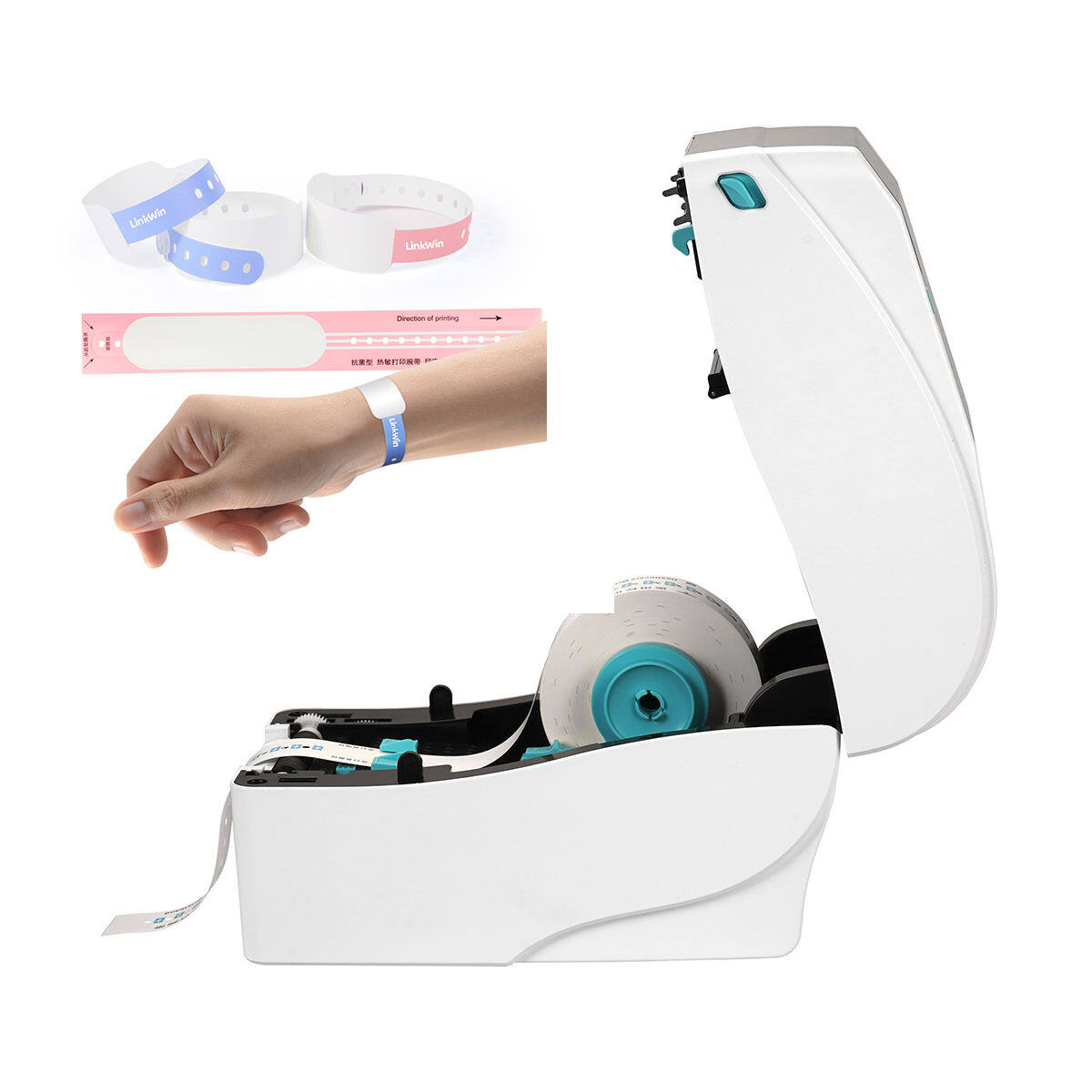
In the complex ecosystem of modern healthcare, few devices are as deceptively simple as the patient identification wristband. A thin strip of plastic or synthetic material, printed with a name, a medical record number, and perhaps a barcode or QR code, it serves as the foundational anchor of patient safety. Every medication administered, every blood sample drawn, every surgical procedure performed, and every dietary tray delivered depends on the accurate matching of patient to treatment. The wristband is the physical manifestation of that match, the tangible link between the person in the bed and the digital record that guides their care.
Despite its critical role, the patient wristband faces a persistent and underappreciated challenge: patients remove them. Studies across multiple countries and care settings have documented significant rates of wristband non-compliance, with patients taking off their identification bands due to discomfort, perceived stigma, lack of understanding, or simple forgetfulness after bathing. When a patient lacks a usable wristband, the entire chain of positive patient identification is compromised. Nurses may rely on verbal confirmation, which is vulnerable to error when patients are confused, sedated, or unable to communicate. Medication administration records may not be properly verified. Laboratory specimens may be mislabeled. The consequences range from minor delays to catastrophic wrong-patient errors.
Understanding why patients resist wearing identification wristbands is not merely an academic exercise. It is a prerequisite for designing better systems, selecting better products, training staff more effectively, and ultimately protecting patients from preventable harm. This article examines the psychological, practical, and systemic barriers to wristband compliance, reviews evidence-based strategies for overcoming these barriers, and presents real-world case studies demonstrating measurable improvement in patient wearing compliance through structured intervention programs.
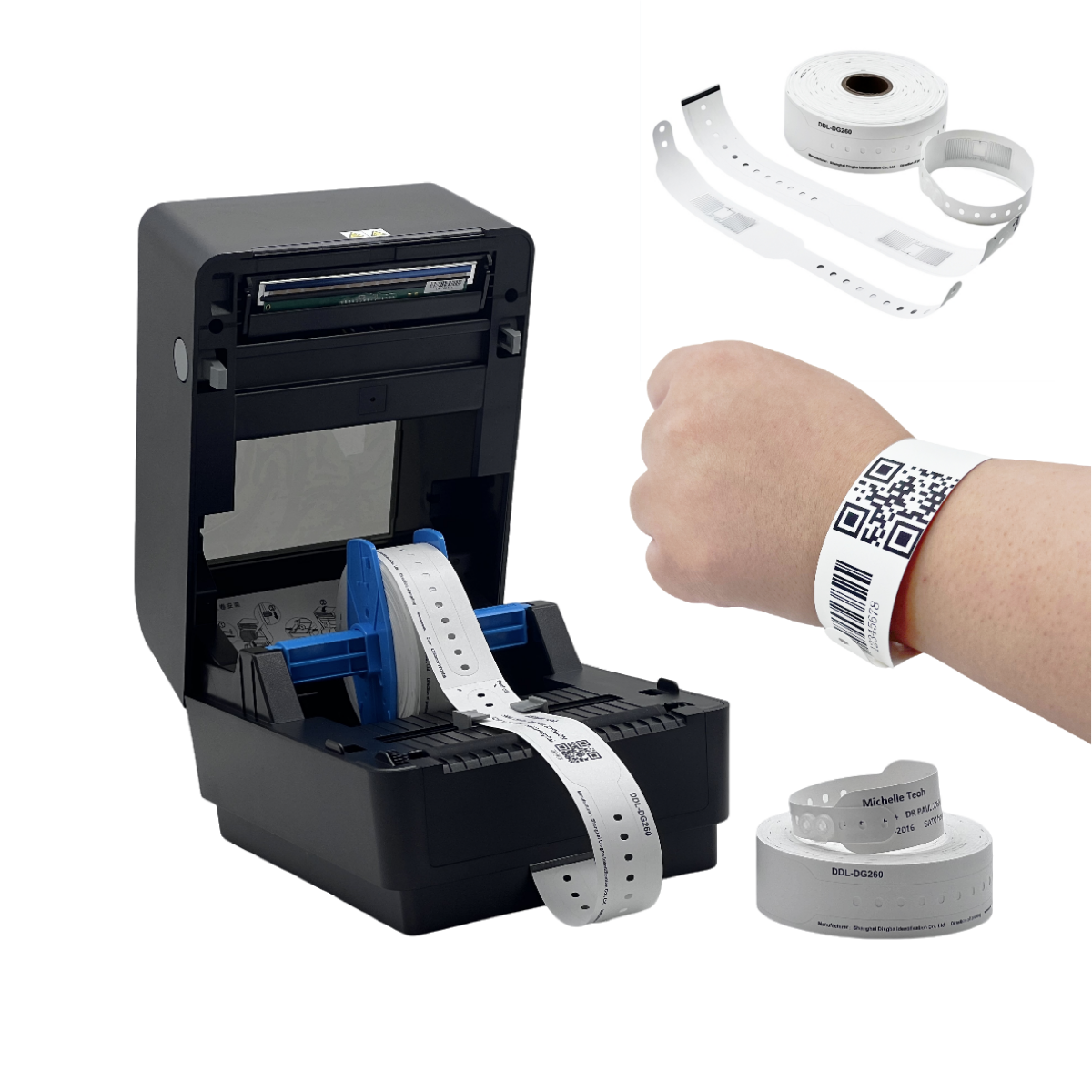
Chapter 1: The Psychology of Resistance—Why Patients Remove Their Wristbands
The Survey Evidence
Research into patient wristband non-compliance has consistently identified a cluster of recurring reasons. A comprehensive survey of hospitalized patients revealed the following distribution of self-reported reasons for removing or failing to wear identification wristbands:
| Reason for Non-Compliance | Percentage |
|---|---|
| Did not understand wristband purpose | 28.2% |
| Uncomfortable or inconvenient | 27.3% |
| Removed for bathing and forgot to reapply | 7.3% |
| Believed wristband served no real purpose | 23.6% |
| Feeling stigmatized ("ugly" or "patient-like") | 4.5% |
These findings align with a 2026 qualitative study that explored patient perceptions of identification wristbands through semi-structured interviews. The researchers found that patients who understood the specific safety function of the wristband were significantly more likely to tolerate minor discomfort and keep the band in place. Conversely, patients who viewed the wristband as an arbitrary administrative requirement were far more likely to remove it at the first opportunity.
The Stigma Factor: "I Don't Want to Look Like a Patient"
The psychological dimension of wristband resistance extends beyond mere discomfort. For many patients, particularly those who are newly hospitalized or managing chronic conditions in outpatient settings, the wristband serves as an unwelcome symbol of illness and dependency. In a culture that valorizes health, independence, and normalcy, being visibly marked as a patient can feel like a loss of identity. This is especially pronounced among younger patients, those with mental health conditions, and individuals in long-term care facilities where the wristband becomes a permanent fixture rather than a temporary safety measure.
The stigma associated with medical wristbands is compounded by their aesthetic qualities. Traditional hospital wristbands are often plain white or pale blue, made of stiff plastic that catches on clothing and bedding, and printed with institutional fonts that reinforce their bureaucratic origin. They look and feel like what they are: mass-produced medical supplies designed for function over form. For patients already struggling with the emotional impact of illness, the wristband can become a focal point of resentment, a constant reminder of everything they wish were different about their current circumstances.
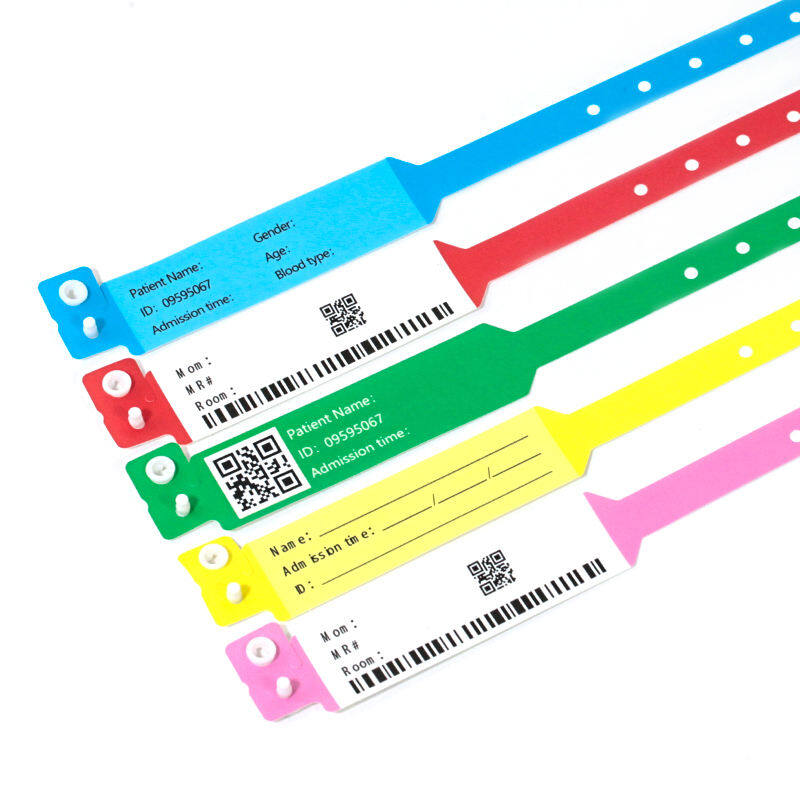
Addressing this stigma requires acknowledging it openly rather than dismissing it as irrational. Patients who feel heard and respected are more likely to cooperate with safety protocols. Some facilities have found success by offering wristbands in softer colors, more flexible materials, and designs that resemble fitness trackers or fashion accessories rather than medical devices. While the primary function of the wristband must never be compromised, small improvements in aesthetics and comfort can significantly reduce the psychological barrier to compliance.
The "It Doesn't Matter" Perception
Perhaps the most insidious barrier to wristband compliance is the perception that wristbands do not actually matter. This perception arises from a feedback loop between patient behavior and staff behavior:
- Staff fail to consistently check wristbands before administering medications or performing procedures
- Patients observe this inconsistency and conclude that the wristband is not important
- Patients remove wristbands because they believe no one will notice or care
- This reinforces staff perception that wristbands are unreliable identifiers
- Staff check them even less frequently, completing the cycle
- The result is a degraded safety culture where both parties have abandoned the practice that was designed to protect the patient
Breaking this cycle requires visible, consistent staff behavior. When nurses and physicians deliberately scan or visually verify wristbands in front of patients, they send a powerful message: this matters. When they explain why they are checking, they transform a routine action into an educational moment. The wristband ceases to be an arbitrary piece of plastic and becomes a recognized component of the patient's safety team.
Physical Discomfort and Design Limitations
Even patients who understand and accept the importance of wristbands may remove them due to genuine physical discomfort. Common complaints include:
- Wristbands that are too tight or too loose, causing pressure points or sliding around the wrist
- Skin irritation from materials, adhesives, or trapped moisture beneath the band
- Bands that become damaged or illegible after exposure to water, sweat, or friction
- Interference with daily activities such as bathing, sleeping, or using electronic devices
A randomized controlled trial comparing standard vinyl wristbands with modified soft-material wristbands found that patients wearing the modified bands reported significantly lower rates of skin irritation and higher overall satisfaction. The modified bands used a softer, more flexible substrate with rounded edges and a breathable closure mechanism that reduced moisture accumulation. Importantly, the study also found that improved comfort correlated with higher retention rates: patients who were comfortable were less likely to remove their wristbands.
The same study identified proper sizing as a critical factor in both comfort and security. Wristbands that are too loose can slide off during sleep or bathing, while bands that are too tight cause pressure marks and skin breakdown. Training staff to select the correct size and apply the wristband with appropriate tension is a simple intervention that yields measurable improvements in both patient comfort and compliance.
Chapter 2: Beyond Psychology—Practical and Systemic Barriers
The Fragility Problem
Patient wristbands must survive a hostile environment. They are exposed to soap, alcohol-based hand sanitizers, bodily fluids, friction against bedding and clothing, and repeated washing. Many wristbands degrade within days of application: printed text fades, barcodes become unreadable, and the band itself may crack, stretch, or delaminate. When a wristband becomes illegible, it ceases to serve its identification function, yet it may remain physically attached to the patient, creating a false sense of security for staff who assume that the presence of a band equals the presence of valid identification.
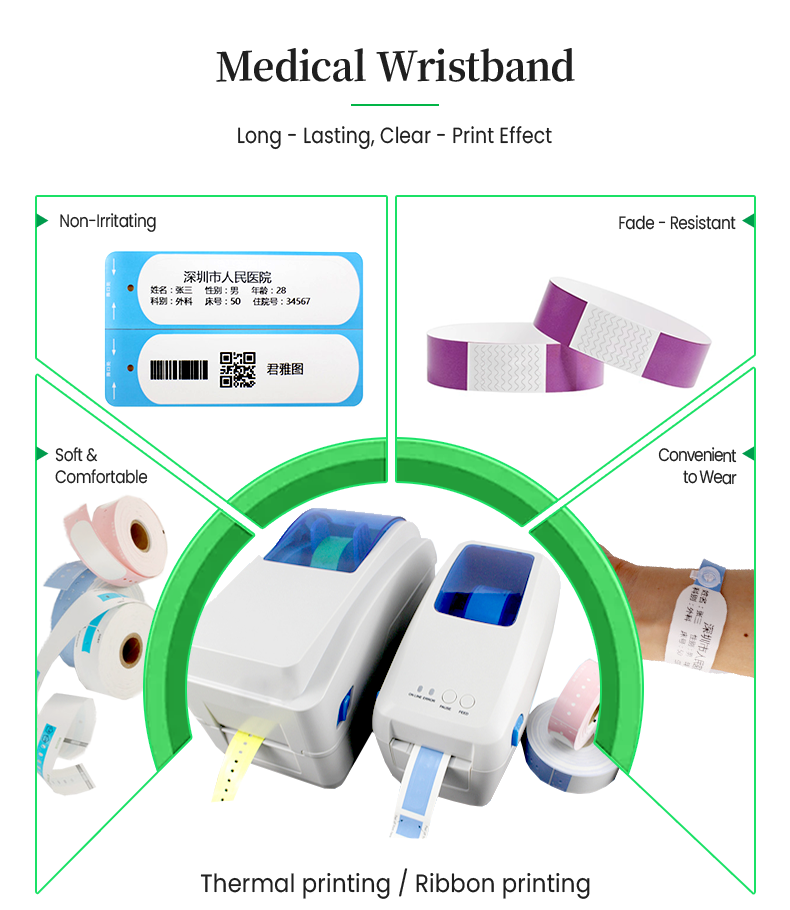
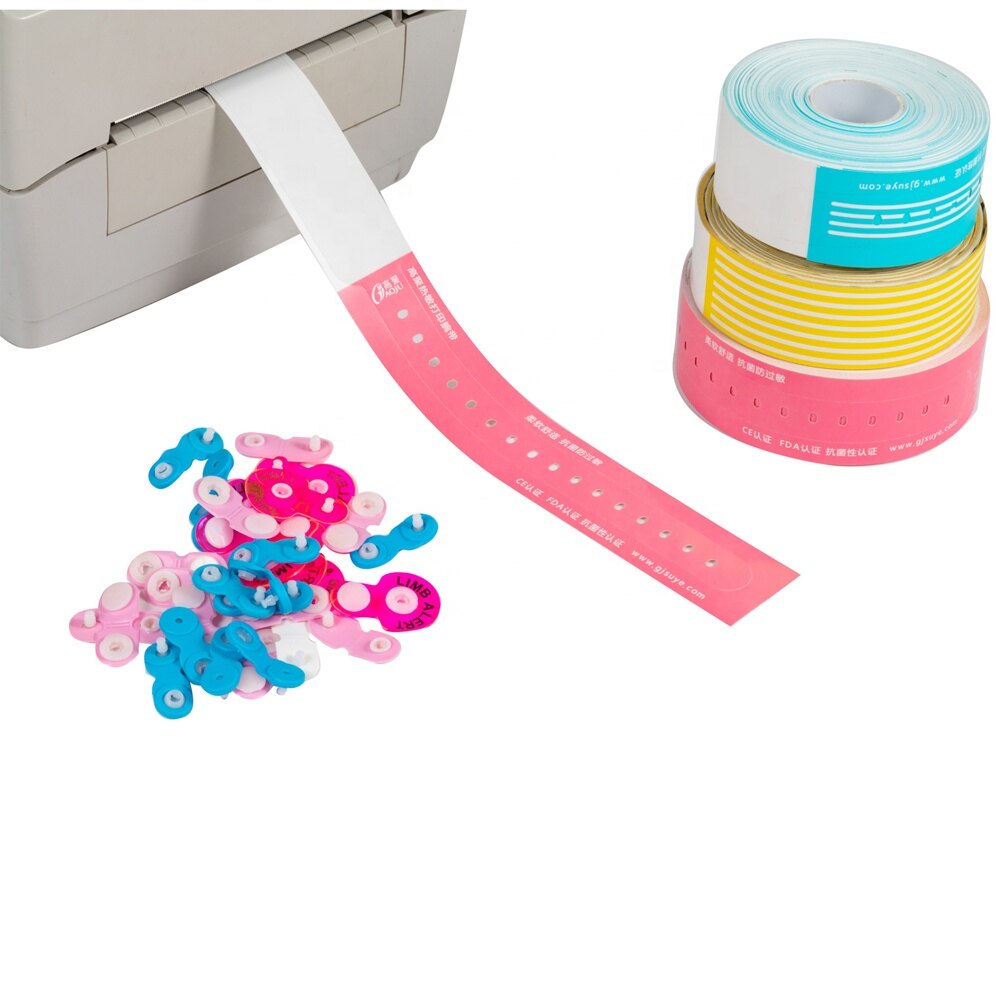
Durable printing technology is essential to maintaining wristband integrity throughout the patient's stay. Direct thermal printing on high-quality synthetic substrates produces text and barcodes that resist fading, smudging, and chemical degradation. Thermal transfer printing with resin ribbons offers even greater durability for patients expected to have extended stays or frequent exposure to harsh cleaning agents. Selecting the right combination of wristband material and printing technology is not a procurement detail; it is a patient safety decision that directly affects identification reliability.
The "Lost and Forgotten" Problem
Bathing represents one of the most common points of wristband loss. Patients remove their wristbands to shower or bathe, set them aside on a counter or towel, and then forget to reapply them afterward. In busy hospital environments, staff may not immediately notice the absence, particularly during night shifts or when patient-to-nurse ratios are high. The patient may go hours or even days without identification, during which time medications may be administered, labs drawn, or procedures performed without proper verification.
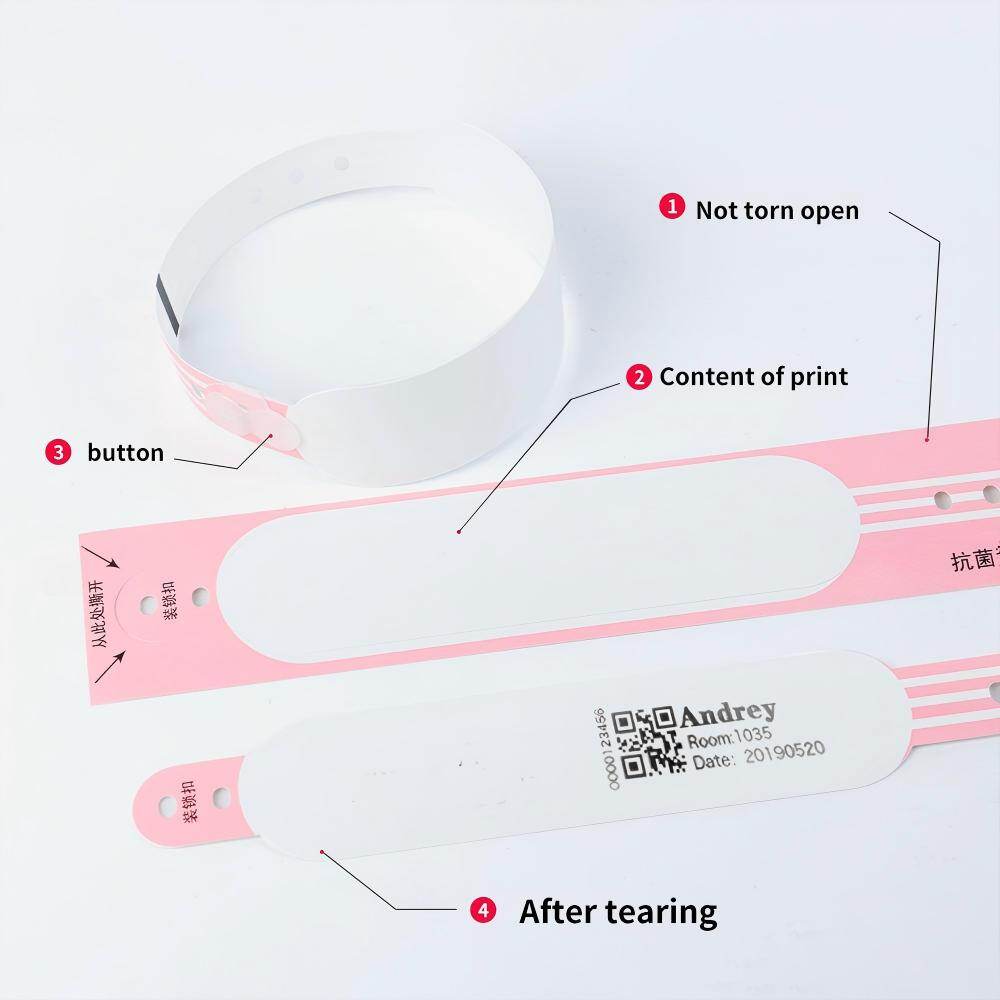
Waterproof wristband materials and secure closure mechanisms can mitigate this problem. Wristbands designed to withstand immersion in water eliminate the need for removal during bathing. Tamper-evident snap closures that cannot be opened and re-closed without visible damage provide an additional safeguard: if a patient does remove the band, the closure mechanism makes it obvious that the band has been tampered with, prompting staff to replace it rather than allowing a potentially compromised identifier to remain in use.
Staff-Related Barriers
While patient behavior is the most visible aspect of wristband non-compliance, staff practices play an equally important role. Key staff-related barriers include:
- Inconsistent Checking: When staff members do not consistently verify wristbands before procedures, patients receive the implicit message that wristbands are optional or unimportant.
- Inadequate Patient Education: Failing to explain the purpose and importance of the wristband during admission leaves patients without the motivation to comply.
- Poor Application Technique: Incorrectly sized or applied wristbands cause discomfort and increase the likelihood of patient removal.
- Insufficient Follow-Up: Not checking wristband condition during routine assessments allows degraded or missing bands to go unnoticed.
The Accessibility Gap
For certain patient populations, standard wristband placement on the wrist is impractical or impossible. Patients with upper extremity injuries, amputations, severe edema, or intravenous lines in both arms may not have a suitable site for wristband application. Neonatal patients present unique challenges due to their small size and fragile skin. Patients with dementia or developmental disabilities may repeatedly remove wristbands due to confusion or sensory sensitivity. Addressing these accessibility gaps requires alternative placement options (ankle bands, thigh bands), specialized pediatric and neonatal products, and individualized protocols that balance identification needs with patient-specific constraints.
Chapter 3: Solutions Framework—A Multi-Pronged Approach
Improving patient wristband wearing compliance requires addressing the problem from multiple angles simultaneously. No single intervention is sufficient; sustainable improvement demands coordinated efforts across patient education, product design, staff training, and technology integration.
3.1 Patient Education and Communication
Explain the "Why." The single most effective educational intervention is clearly explaining the specific safety function of the wristband. Rather than saying "you need to wear this," staff should explain: "This wristband ensures that every medication you receive is matched to your specific medical record. If you take it off, there is a risk that someone could give you the wrong medication or perform the wrong test." Concrete, personalized explanations are far more effective than generic statements about hospital policy.
Use Practical Demonstrations. Showing patients how staff will use the wristband during their care makes the abstract concept of "identification" tangible. Demonstrate scanning the barcode, explain what information appears on the screen, and walk through the verification process. Cover the following points:
- What information is encoded in the barcode or QR code
- How staff will use the wristband during medication administration, lab draws, and procedures
- What patients should do if the wristband becomes damaged or falls off
- The specific features of the wristband, including tamper-evident closures and waterproof materials
Provide Written Materials. Supplement verbal education with printed cards or brochures that patients and families can reference throughout their stay. Written materials reinforce key messages and provide a resource for family members who may not have been present during the admission conversation.
Tailor Communication to Patient Populations. Pediatric patients require age-appropriate explanations and engagement strategies. Elderly patients may benefit from larger print materials and slower, more deliberate communication. Patients with cognitive impairments may need repeated reinforcement and involvement of family caregivers in the education process.
3.2 Product Design and Material Selection
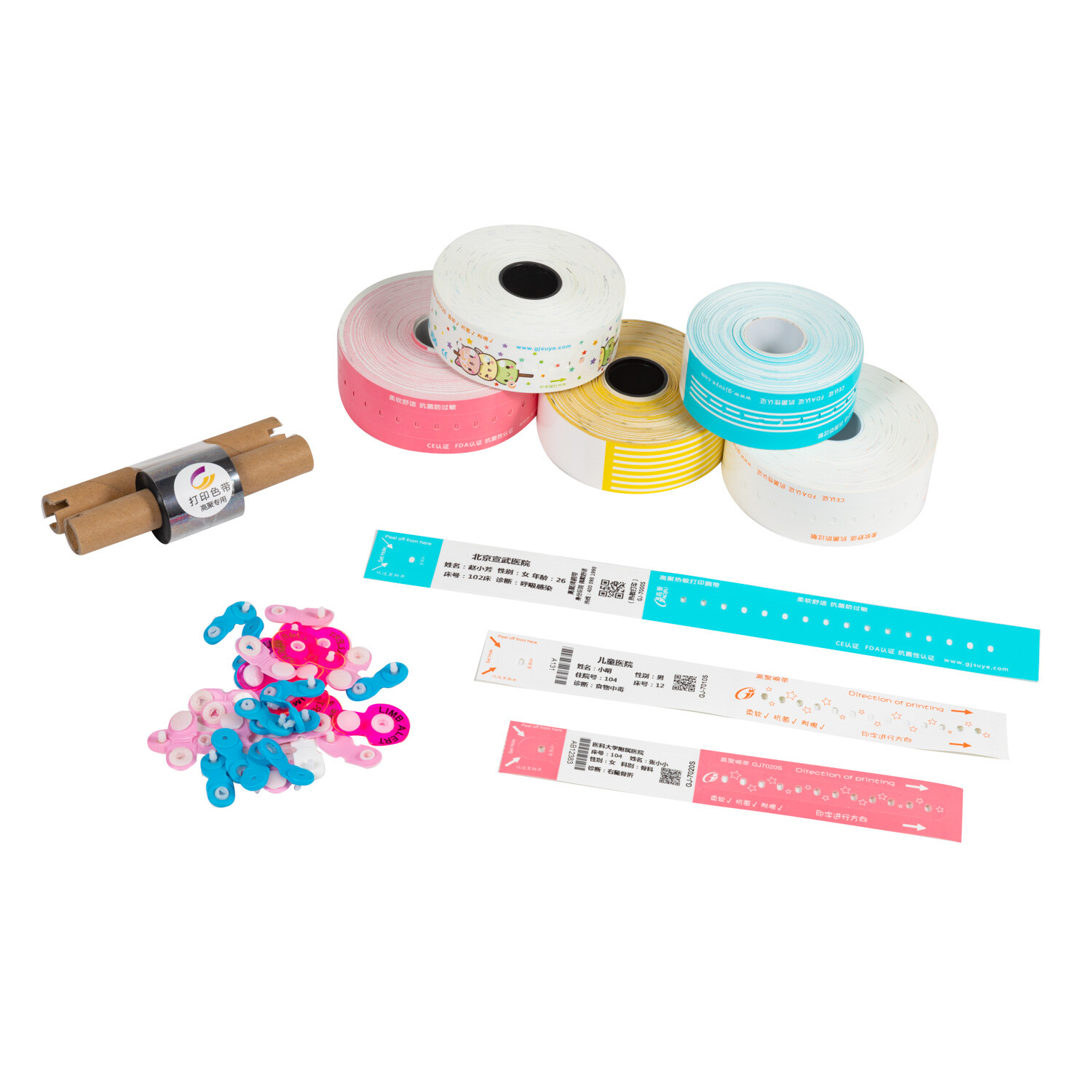
Prioritize Comfort. Select wristband materials that are soft, flexible, and skin-friendly. Modern synthetic materials such as polyethylene, vinyl, and thermoplastic elastomers offer excellent durability while maintaining comfort. Rounded edges, smooth surfaces, and breathable closure mechanisms reduce irritation and improve tolerance for extended wear.
Consider Placement Alternatives. For patients who cannot wear wristbands on their wrists, offer ankle bands or other alternative placements. Ensure that alternative placement options use the same durable materials and printing technology as standard wristbands to maintain identification reliability.
Ensure Proper Sizing. Stock multiple sizes (adult, pediatric, neonatal, bariatric) and train staff to select the appropriate size for each patient. A properly fitted wristband should be snug enough to prevent sliding but loose enough to allow comfortable movement and prevent skin pressure.
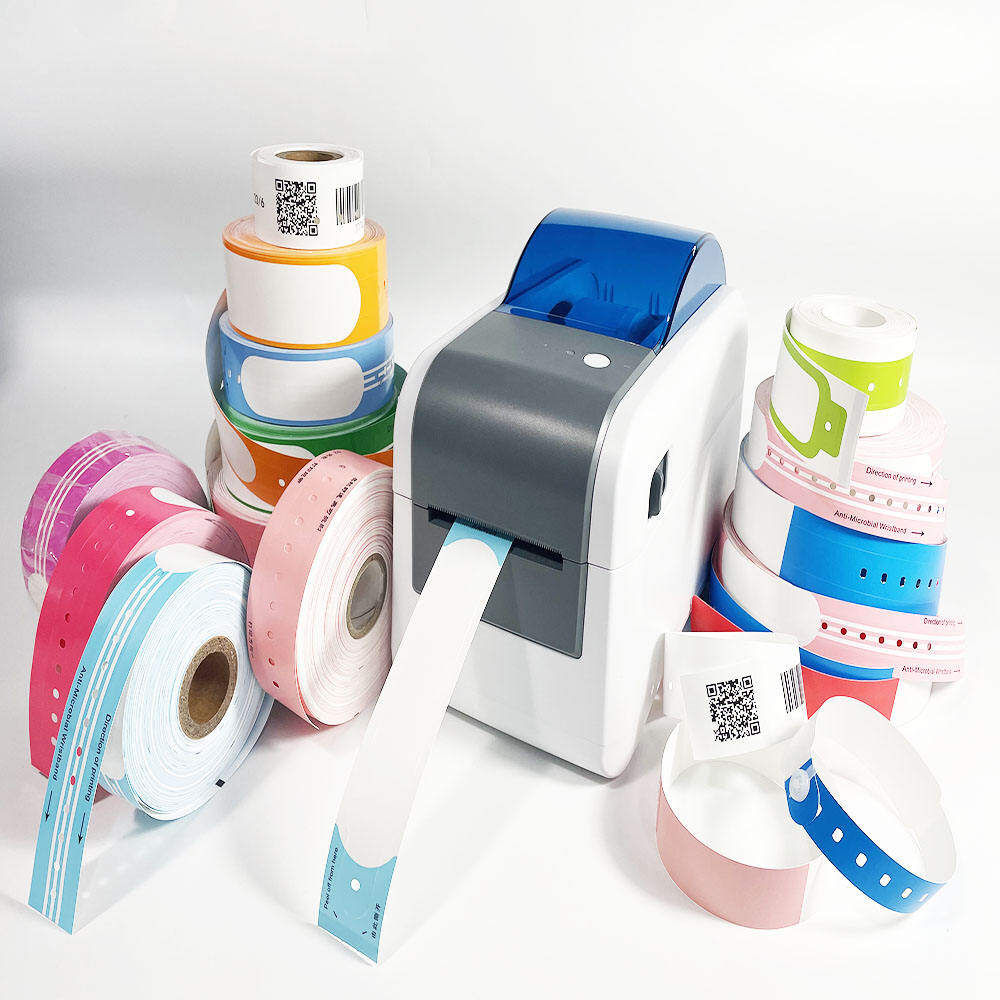
Address Print Durability. Use direct thermal or thermal transfer printing on high-quality synthetic substrates to ensure that text and barcodes remain legible throughout the patient's stay. Test wristband-printer combinations under simulated clinical conditions (exposure to water, alcohol, friction) before deployment to verify durability claims.
3.3 Staff Training and Protocol Implementation
Make Checking Visible. Train staff to deliberately and visibly check wristbands in front of patients. Narrate the action: "I'm checking your wristband to make sure I have the right patient before giving you this medication." This transforms a routine verification into a trust-building interaction and reinforces the wristband's importance through consistent behavioral modeling.
The cardiovascular survey referenced earlier demonstrated that units where staff consistently narrated their wristband checks had significantly higher patient compliance rates than units where checks were performed silently or inconsistently. Patients who observed staff taking wristband verification seriously were more likely to keep their bands in place and to report damaged or missing bands proactively.
Create Clear Protocols. Establish written protocols specifying when wristbands must be checked (every medication administration, every procedure, every lab draw, every meal delivery), how to handle missing or damaged wristbands (immediate replacement before proceeding), and documentation requirements for wristband replacement events.
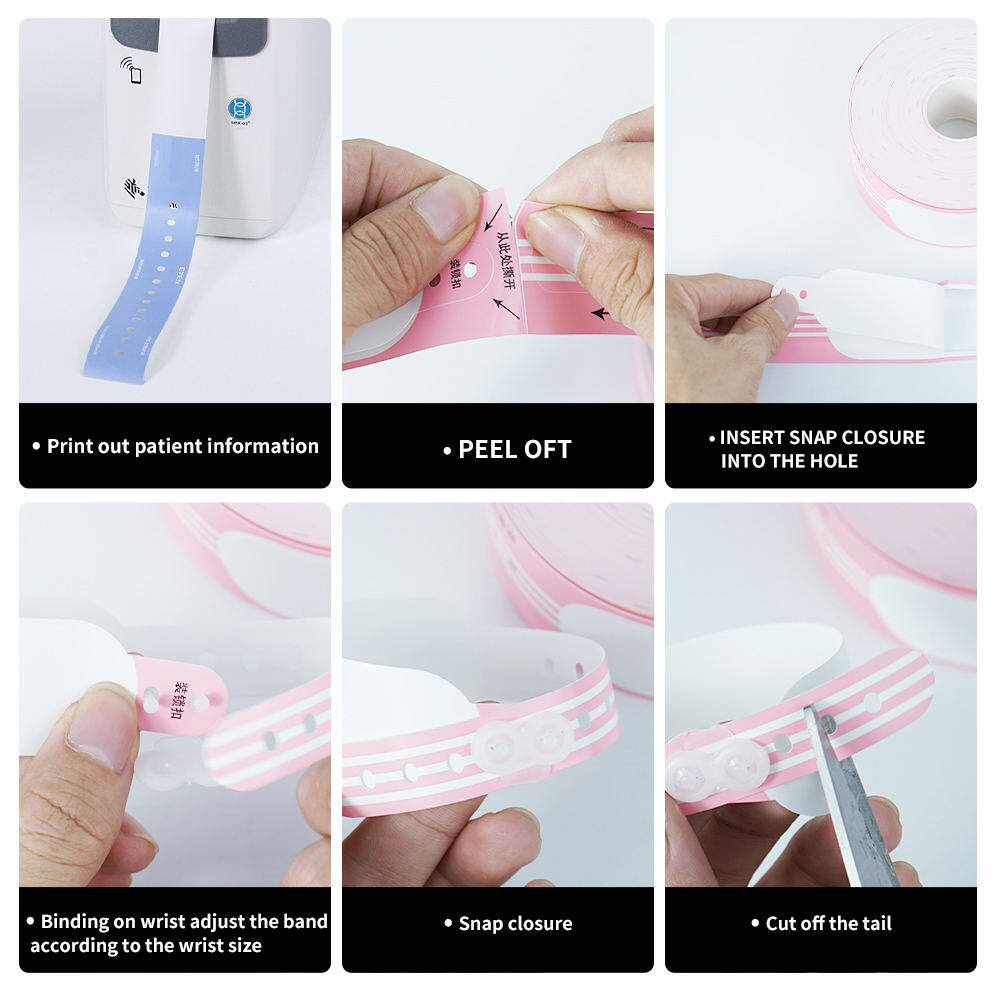
Provide "How-to" Guidance. Develop standardized application techniques that ensure proper fit and minimize discomfort. Include guidance on selecting the correct size, positioning the band on the wrist, securing the closure, and trimming excess material. Visual aids such as posters or short videos can reinforce training and serve as quick references for new staff.
Audit and Feedback. Implement regular audits of wristband compliance, measuring both the presence of usable wristbands and staff adherence to checking protocols. Share audit results with frontline staff and leadership, celebrate improvements, and address persistent gaps through targeted retraining or process adjustments.
3.4 Technology Integration and Workflow Optimization
Barcode and 2D DataMatrix Integration. Equip clinical areas with barcode scanners integrated into medication administration and laboratory workflows. When scanning is built into the workflow rather than an optional add-on, wristband verification becomes automatic and unavoidable. 2D DataMatrix codes offer higher data density and better readability on curved surfaces compared to traditional linear barcodes.
Integration with Electronic Health Records. Ensure that wristband scanning events are logged in the electronic health record, creating an auditable trail of identification verification. This data can be used to monitor compliance rates, identify patterns of non-compliance, and trigger alerts when expected scans are missing.
Consider Wearable Technology. Emerging technologies such as RFID-enabled wristbands and smart wristbands with embedded sensors offer expanded functionality beyond basic identification. While these technologies are not yet widely adopted, they represent potential future directions for enhancing both compliance and patient monitoring capabilities.
Automated Monitoring. Some facilities have implemented automated systems that alert staff when a patient's wristband has not been scanned within a specified time interval. These systems create an additional safety net, catching gaps in manual verification processes before they result in adverse events.
Chapter 4: Case Study—A Dublin University Hospital
A university hospital in Dublin, Ireland, conducted a structured audit and intervention program to address persistently low wristband compliance rates on several medical and surgical wards. The program combined systematic data collection, staff education, patient communication, and process redesign to achieve measurable improvement over a three-month period.
Methodology
The audit team conducted daily rounds on participating wards, documenting the following for each patient:
- Who removed the wristband (patient, staff, unknown)
- When it was removed (time of day, relation to care activities)
- The reason for removal (discomfort, bathing, confusion, other)
- Whether the patient had received medications or procedures since removal
The clinical nurse managers were notified immediately when a patient was found without a usable wristband, enabling prompt replacement and documentation. Audit data was aggregated weekly and shared with ward leadership and frontline staff to drive continuous improvement discussions.
Findings
| Metric | Month 1 | Month 2 | Month 3 |
|---|---|---|---|
| Usable wristband in place | 88.2% | 91.8% | 93.1% |
| Unusable wristband in place | 5.6% | 2.4% | 1.4% |
| No wristband in place | 6.7% | 5.8% | 5.5% |
Key Insights
Patients Are the Primary Removers. The audit confirmed that patients themselves were responsible for the majority of wristband removals. The most common reasons cited were:
- The band had fallen off during sleep or bathing without the patient noticing
- Unknown reasons or patient confusion, particularly among elderly and cognitively impaired patients
- Patient choice, driven by discomfort or perceived lack of necessity
Confusion Is a Major Factor. A significant proportion of wristband losses occurred among patients with cognitive impairment, dementia, or acute confusion. These patients often removed their wristbands without understanding why they were wearing them or remembering to request replacement. Targeted interventions for this population included more frequent checks, family caregiver engagement, and consideration of alternative placement sites that are less accessible to the patient.
Extended Time Without Identification. The audit revealed that some patients went several hours without a usable wristband before staff noticed and replaced it. This gap represented a period of elevated risk during which medications, meals, and procedures could be delivered without proper identification verification. Reducing this detection-to-replacement interval became a priority for the intervention program.
The Audit Process Itself Drove Improvement: The act of conducting daily audits created heightened awareness among staff about wristband compliance. Simply knowing that compliance was being measured motivated more consistent checking and faster replacement of missing or damaged bands. This Hawthorne effect, while not a substitute for sustainable cultural change, provided valuable momentum during the early phases of the intervention.
Recommendations Applied
Based on the audit findings, the hospital implemented the following recommendations:
- Essential education on wristband compliance for all staff and patients, emphasizing the direct link between wristband use and medication safety
- Patient communication on admission explaining wristband importance and replacement procedures, provided both verbally and in written format
- Regular staff education emphasizing identification importance, incorporated into orientation programs and annual competency assessments
- Elimination of administrative obstacles that might prevent staff from consistently checking identification, including ensuring adequate wristband supplies at point of care and streamlining replacement workflows
Chapter 5: Case Study—Modified Pediatric Wristbands
Pediatric patients present unique challenges for wristband compliance. Children have smaller wrists, more sensitive skin, greater mobility, and less capacity to understand the purpose of identification devices. A study conducted at a pediatric hospital evaluated the impact of modified wristband design and standardized application protocols on compliance outcomes.
Study Design
The study compared a control group using standard pediatric wristbands with a study group using modified wristbands featuring softer materials, improved closure mechanisms, and standardized six-step application protocols. Outcomes measured included:
- Wristband presence at scheduled assessment intervals
- Staff recognition speed during identification verification
- Handwriting clarity and barcode readability
- Skin depression incidence at the wristband site
- Local skin reaction (redness, irritation, rash)
- Adverse event incidence related to identification failures
- Identity compliance rate across the study period
- Family satisfaction with wristband comfort and appearance
Results
| Outcome | Control Group | Study Group |
|---|---|---|
| Parental satisfaction | 79.23% | 89.23% |
| Skin condition | Inferior | Superior |
| Adverse events | Higher incidence | Significantly reduced |
| Wristband retention | Standard | Improved |
Key Insights
The study demonstrated that relatively modest changes in wristband design and application protocol can yield significant improvements in pediatric compliance outcomes. The softer material reduced skin irritation and pressure marks, which in turn reduced parental concern and patient distress. The standardized six-step application technique ensured consistent fit and minimized the variability that previously led to bands being too tight or too loose.
Importantly, the improvement in parental satisfaction suggests that family engagement is a critical component of pediatric wristband compliance. Parents who are confident that the wristband is comfortable and safe are more likely to encourage their child to keep it in place and to alert staff promptly if it becomes damaged or dislodged. Engaging parents as partners in the identification process extends the safety net beyond the clinical team and creates a shared commitment to maintaining accurate patient identification throughout the hospital stay.
Chapter 6: Implementation Roadmap
Translating evidence-based strategies into sustained practice change requires a structured implementation plan. The following roadmap provides a phased approach to improving wristband compliance in any healthcare setting.
Phase 1: Assessment (Weeks 1-4)
- Conduct baseline compliance audit across all target units
- Survey patients and staff to identify local barriers to compliance
- Review current wristband products, printers, and supplies for adequacy
- Analyze existing incident reports related to identification failures
- Establish compliance metrics and targets for improvement
Phase 2: Intervention (Weeks 5-8)
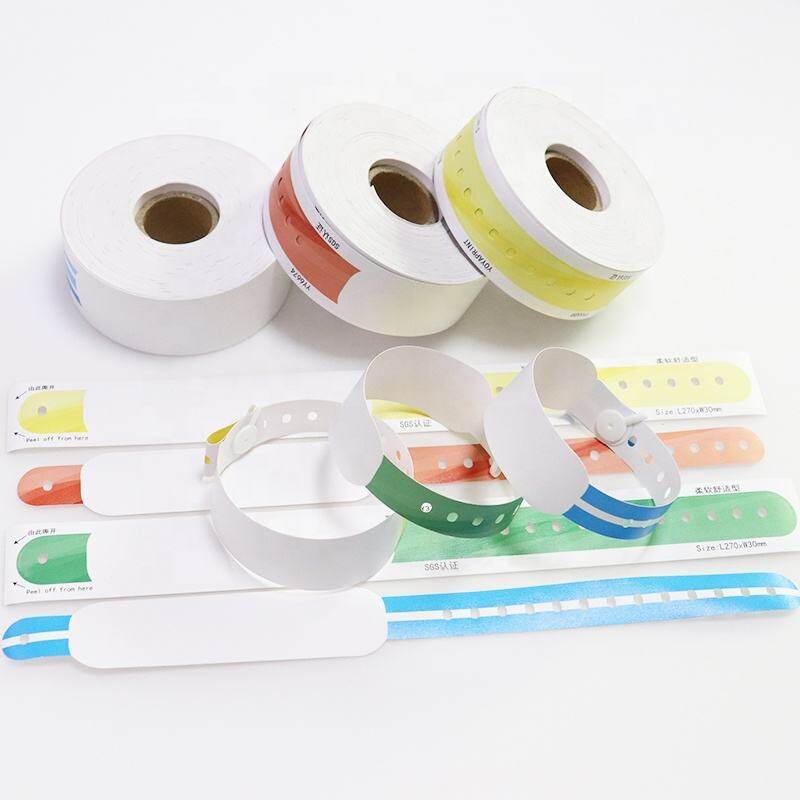
- Select improved wristband products based on assessment findings
- Develop standardized application protocols and training materials
- Create patient education materials in multiple languages and formats
- Train all frontline staff on new protocols and communication techniques
- Deploy updated wristband supplies and printing equipment
- Launch patient education campaign on participating units
Phase 3: Implementation (Weeks 9-16)
- Begin daily compliance audits on all participating units
- Provide real-time feedback to staff on compliance performance
- Address emerging issues through rapid-cycle problem solving
- Celebrate early wins and share success stories across units
- Adjust protocols and materials based on frontline feedback
Phase 4: Sustainability (Ongoing)
- Transition from daily to weekly compliance audits
- Integrate wristband compliance into existing quality dashboards
- Incorporate wristband education into new employee orientation
- Conduct annual refresher training for all clinical staff
- Review and update products and protocols annually based on new evidence
Chapter 7: Conclusion
Patient wristband wearing compliance is not a trivial operational detail. It is a fundamental component of the patient safety infrastructure upon which every other identification-dependent process relies. When wristbands are absent, damaged, or ignored, the entire chain of positive patient identification weakens, exposing patients to preventable harm from medication errors, mislabeled specimens, wrong-site procedures, and dietary mismatches.
The evidence reviewed in this article demonstrates that compliance is improvable. Success requires addressing the problem comprehensively through:
- Enhanced patient education that explains the life-saving function of wristbands in concrete, personalized terms
- Improved product design that prioritizes comfort and durability without sacrificing identification reliability
- Visible staff checking that demonstrates the wristband's importance through consistent behavioral modeling
- Systematic audit and feedback that drives continuous improvement and sustains gains over time
The Dublin university hospital case study showed that compliance rates can improve measurably within weeks when structured audit and education programs are implemented with commitment and consistency. The pediatric wristband study demonstrated that thoughtful product design and standardized application protocols can reduce skin irritation, improve family satisfaction, and decrease adverse events. These are not theoretical possibilities; they are documented outcomes achieved in real clinical settings with real patients and real constraints.
For healthcare organizations seeking to strengthen their patient identification systems, the path forward is clear. Invest in better products. Train staff to check visibly and educate effectively. Engage patients and families as partners in safety. Measure compliance systematically and act on the data. The wristband may be small, but its role in protecting patients is enormous. Treating it with the seriousness it deserves is not just good practice; it is an ethical obligation to every person who entrusts their care to our hands.
The journey toward universal wristband compliance will not be completed overnight. It requires sustained attention, ongoing investment, and a willingness to confront uncomfortable truths about where our current systems fall short. But the destination is worth the effort: a healthcare environment where every patient is correctly identified, every time, without exception. That is the promise of the small wristband, and it is a promise we must keep.
Continue Reading
Have Questions About Wristbands?
Our team is ready to help you find the perfect wristband solution for your needs. Contact us directly on WhatsApp for quick responses.
Contact on WhatsApp