
The "Wristband Phobia" Paradox: Legal Peril and the Red Line of Defense When Patients Refuse Identification
Introduction: The Silent Rebellion at the Bedside
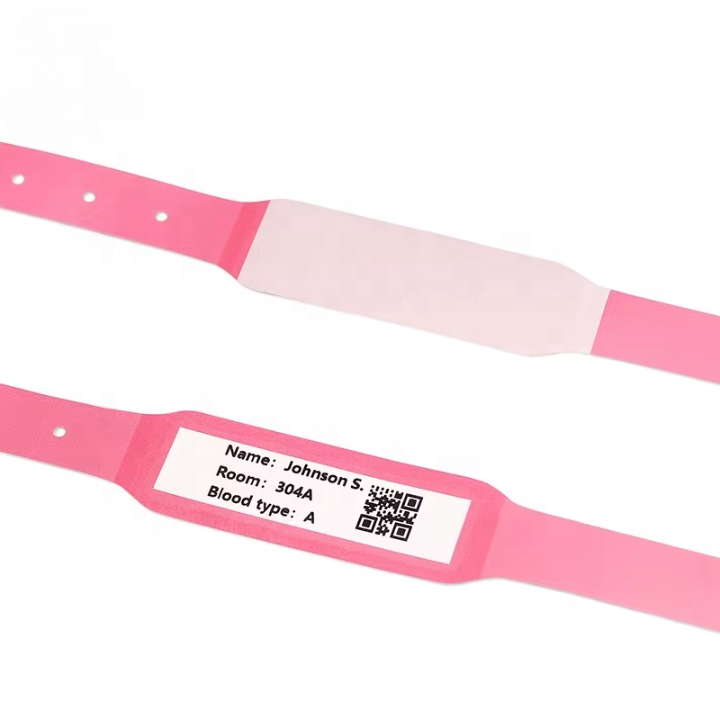
In the controlled environment of modern healthcare, few protocols are as universally mandated yet as frequently resisted as patient identification wristband wearing. Every accreditation body, every regulatory agency, and every hospital policy manual treats the patient identification wristband as non-negotiable. It is the physical anchor of positive patient identification, the first link in a chain that extends from admission through discharge and encompasses every medication administered, every specimen collected, every procedure performed, and every meal delivered. Without it, the entire edifice of patient safety rests on verbal confirmation alone—a fragile foundation vulnerable to confusion, cognitive impairment, language barriers, and honest human error.
Yet across wards and units worldwide, nurses encounter a recurring scenario: the patient who refuses to wear the wristband. The refusal may be polite or hostile, reasoned or irrational, temporary or persistent. It may stem from discomfort, stigma, misunderstanding, cultural beliefs, or psychological distress. Whatever its origin, the refusal creates an immediate tension between two fundamental principles of healthcare: respect for patient autonomy and the institutional duty to maintain safe identification practices. How that tension is resolved—or left unresolved—carries profound implications not only for patient safety but for the legal exposure of every clinician and organization involved in the patient's care.
This article examines the intersection of patient wristband refusal and medical malpractice liability. It explores the regulatory frameworks that make wristband use mandatory, the legal doctrines that transform a missing wristband into evidence of negligence, the documentation protocols that protect clinicians when refusal cannot be overcome, and the communication strategies that convert a potential adversarial encounter into a collaborative safety partnership. For healthcare providers, administrators, and risk managers, understanding this intersection is not optional. It is the difference between a defensible standard of care and an indefensible gap in the medical record.
The Regulatory Imperative: When Wearing a Wristband Becomes Law
Statutory Requirements
The obligation to identify patients accurately is not merely a best practice recommendation; it is codified in law and regulation across multiple jurisdictions. Understanding the statutory basis of patient identification requirements is essential for appreciating why wristband refusal carries legal weight beyond clinical preference.
In Australia, the Health Services Regulations 2024 explicitly require health service establishments to implement and maintain patient identification systems that include the use of identification bands for all admitted patients. The regulations specify that identification must be verified before the administration of any medication, the collection of any specimen, and the performance of any procedure. Failure to comply constitutes a breach of statutory duty that can form the basis of regulatory action and civil liability.
In the United States, the Centers for Medicare & Medicaid Services (CMS) Conditions of Participation require hospitals to implement policies and procedures for accurate patient identification. The Joint Commission's National Patient Safety Goals designate correct patient identification as Goal Number One, requiring the use of at least two patient identifiers whenever medications are administered, blood products are transfused, specimens are collected, or treatments and procedures are provided. While the Joint Commission does not prescribe specific technologies, the patient identification wristband has become the de facto standard for meeting this requirement in acute care settings.
In the European Union, the Medical Device Regulation (MDR) classifies patient identification devices as Class I medical devices, subjecting them to conformity assessment and post-market surveillance requirements. Case law from EU member states has established that failure to use available identification devices when they are indicated constitutes a breach of the standard of care, regardless of whether the device itself is classified as low-risk.
Wristband as Legal Artifact
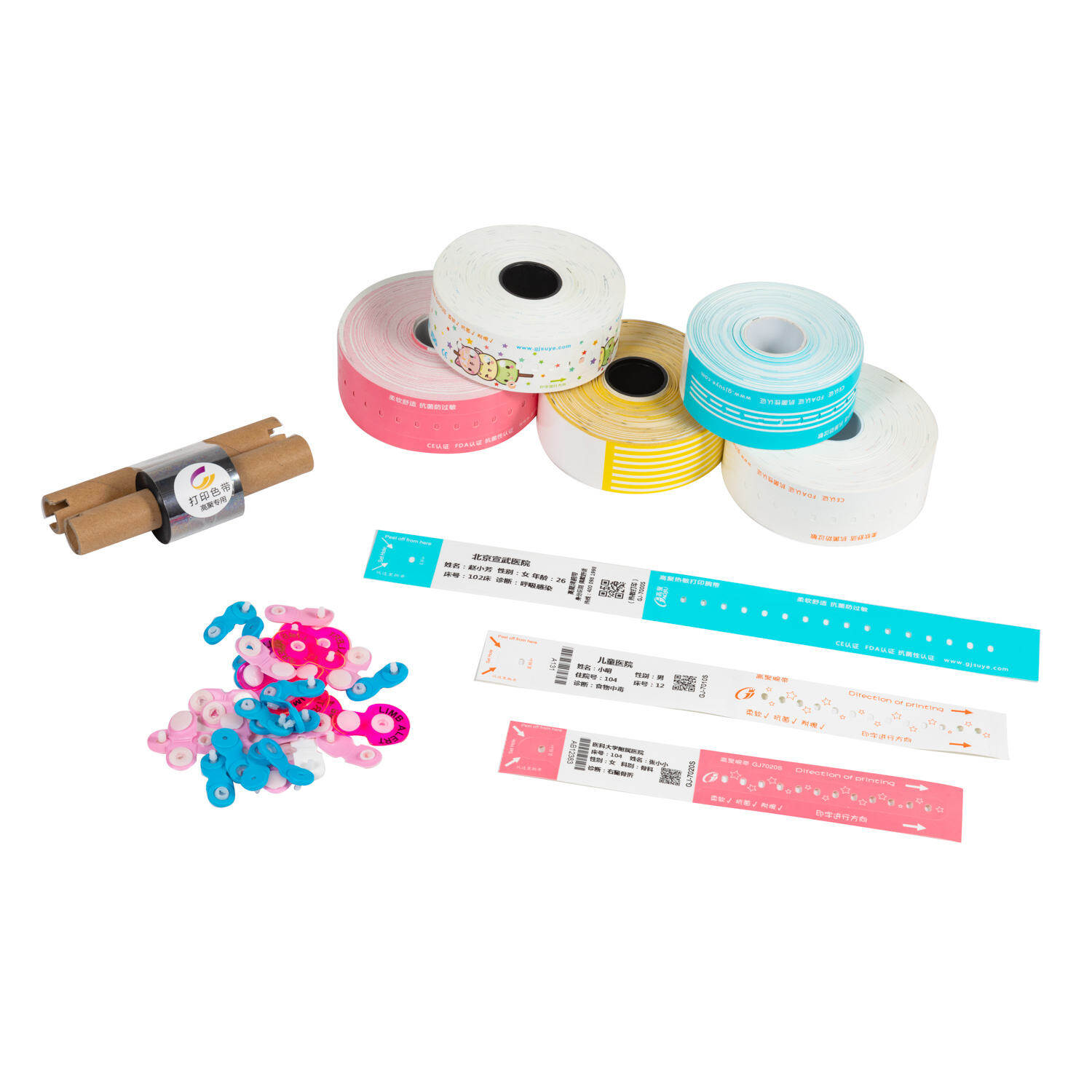
The patient identification wristband occupies a unique position in medical jurisprudence. It is simultaneously a clinical tool, a regulatory compliance artifact, and a piece of documentary evidence. When properly applied and maintained, it serves as contemporaneous proof that the healthcare organization fulfilled its duty to identify the patient correctly. When absent, damaged, or ignored, it becomes evidence of a breached duty.
The Pennsylvania Patient Safety Authority has documented numerous cases in which the absence of a patient identification wristband was cited as a contributing factor in adverse events. In one notable case, a patient without a wristband received a transfusion intended for another patient with a similar name. The root cause analysis identified the missing wristband as the primary system failure that enabled the wrong-patient error to propagate through multiple verification checkpoints. The subsequent litigation named both the individual nurses involved and the hospital system, alleging that the failure to maintain wristband compliance constituted systemic negligence rather than isolated human error.
This characterization of the wristband as a legal artifact has important implications for how healthcare organizations approach wristband refusal. A patient's refusal does not eliminate the organization's legal obligation to maintain accurate identification. It transforms the obligation from a simple act of applying a band to a more complex process of documenting the refusal, implementing alternative identification measures, communicating risk, and creating an auditable record that demonstrates the organization met its duty of care despite the patient's non-compliance.
The Anatomy of Refusal
Understanding why patients refuse wristbands is the prerequisite for developing effective response protocols. Refusal is not a monolithic behavior; it arises from distinct psychological, cognitive, and social factors that require differentiated approaches.
Cognitive Impairment
A significant proportion of wristband refusals occur among patients with cognitive impairment, including dementia, delirium, traumatic brain injury, and substance intoxication. These patients may lack the capacity to understand the purpose of the wristband, to retain the explanation long enough to make an informed decision, or to weigh the risks and benefits of wearing versus refusing. The THIS Institute's seven principles for managing patients with cognitive impairment in acute care settings emphasize that capacity is decision-specific and time-specific: a patient who lacks capacity to consent to wristband wearing at 3 AM during an episode of delirium may regain capacity by morning and provide valid consent or refusal.
For patients who lack capacity, the legal framework shifts from informed consent to best-interest determination. Clinicians must document the assessment of capacity, the clinical justification for proceeding despite apparent resistance, and the involvement of surrogate decision-makers where available. The wristband in this context is not an elective intervention requiring consent but a safety measure applied under the doctrine of necessity to protect a vulnerable patient from foreseeable harm.
Stigma Factor
For cognitively intact patients, refusal often stems from the symbolic meaning of the wristband rather than its physical properties. The patient identification wristband is a visible marker of illness, dependency, and institutional control. For patients who are newly diagnosed, chronically ill, or managing conditions that carry social stigma (mental health disorders, HIV/AIDS, substance use disorders), the wristband can feel like a public declaration of vulnerability. This is particularly pronounced in semi-private rooms, shared waiting areas, and outpatient settings where the wristband is visible to other patients, visitors, and community members.
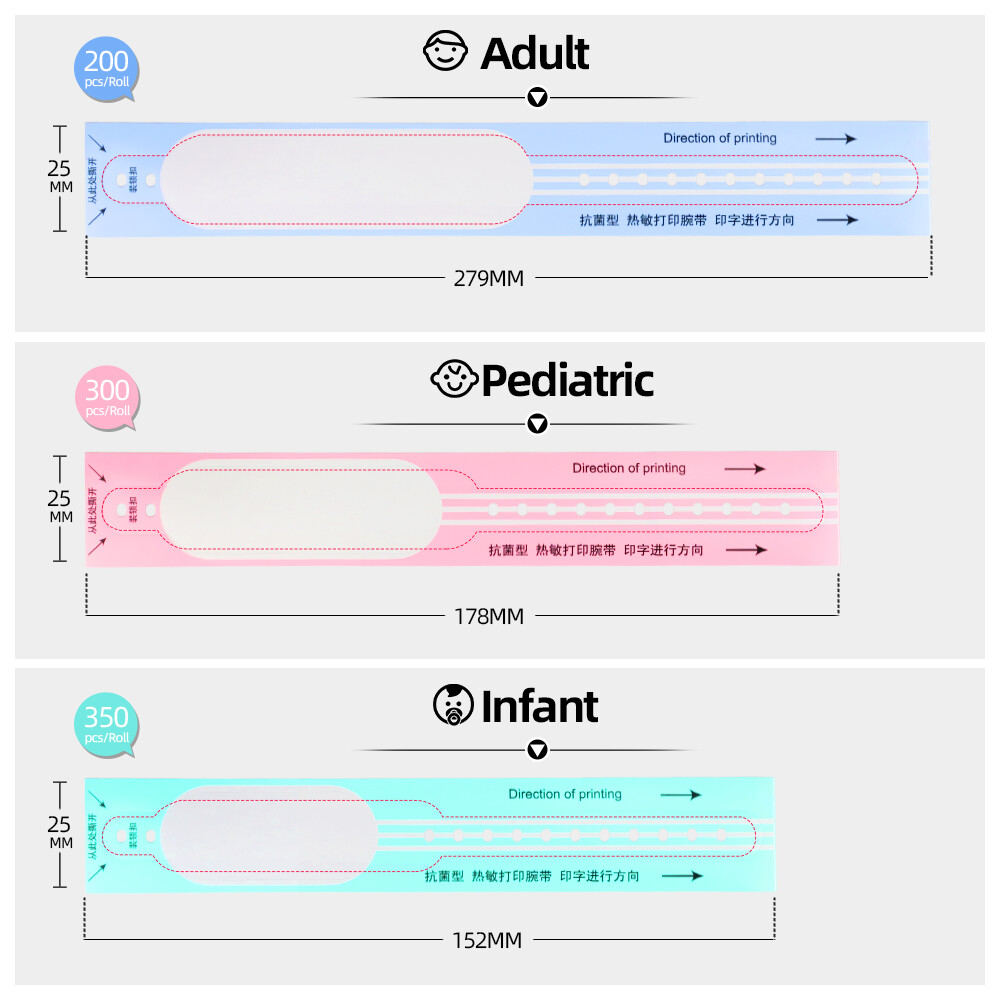
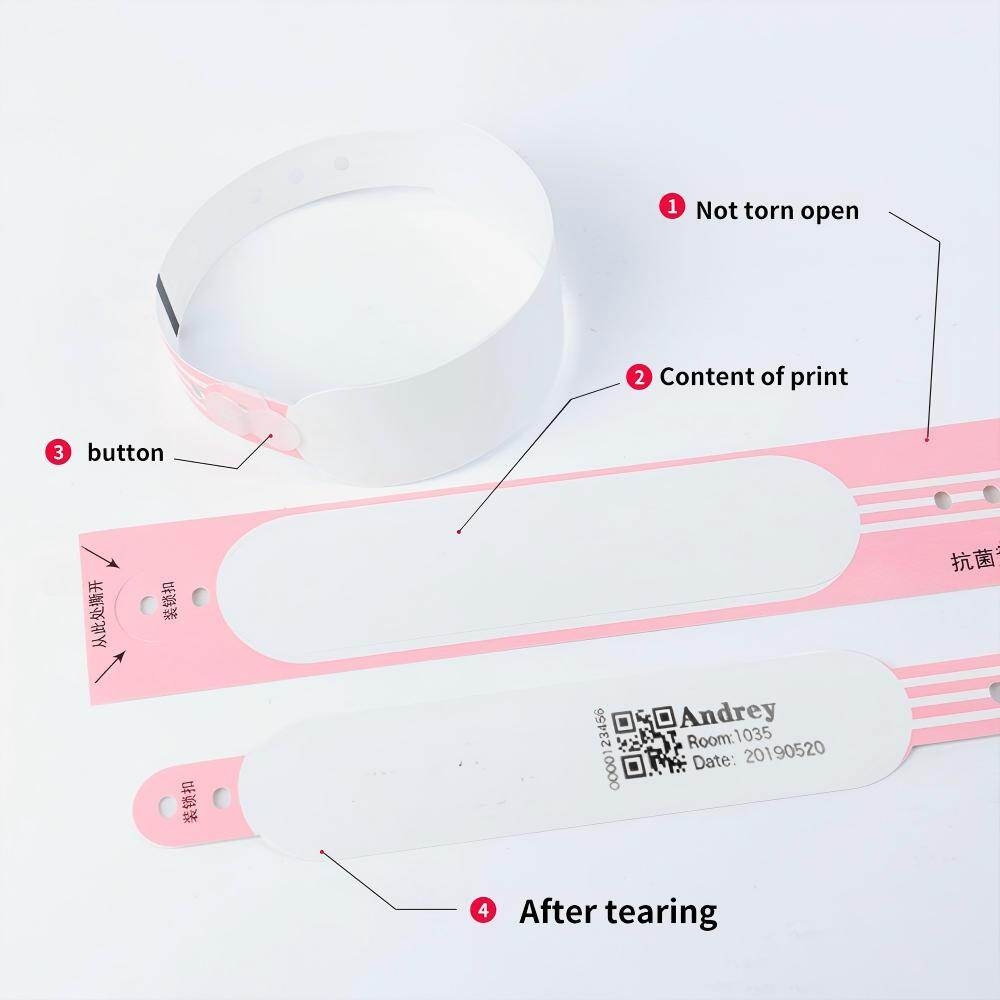
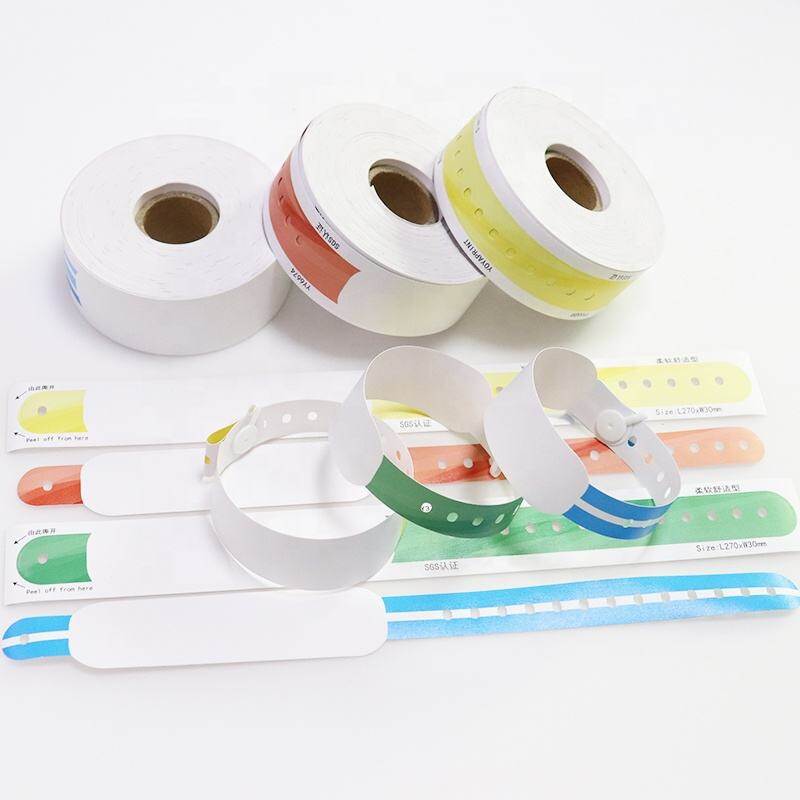
Addressing stigma-driven refusal requires acknowledging the patient's feelings as valid rather than dismissing them as irrational. Communication strategies should focus on reframing the wristband from a symbol of illness to a tool of empowerment: "This wristband ensures that you receive exactly the right treatment, every time. It protects you." Offering wristbands in less conspicuous colors, softer materials, or designs that resemble consumer wearable technology can reduce the aesthetic barrier without compromising identification function.
Behavioral Health Considerations
Patients in behavioral health units present unique challenges for wristband compliance. Sensory processing disorders, trauma histories, and psychiatric symptoms can make wristband wearing genuinely distressing rather than merely inconvenient. Some patients associate wrist restraints or identification devices with past traumatic experiences. Others experience tactile hypersensitivity that makes any wrist contact uncomfortable. In these settings, blanket enforcement of wristband policies without individualized assessment can escalate distress, trigger behavioral crises, and create additional safety risks that outweigh the identification benefit.
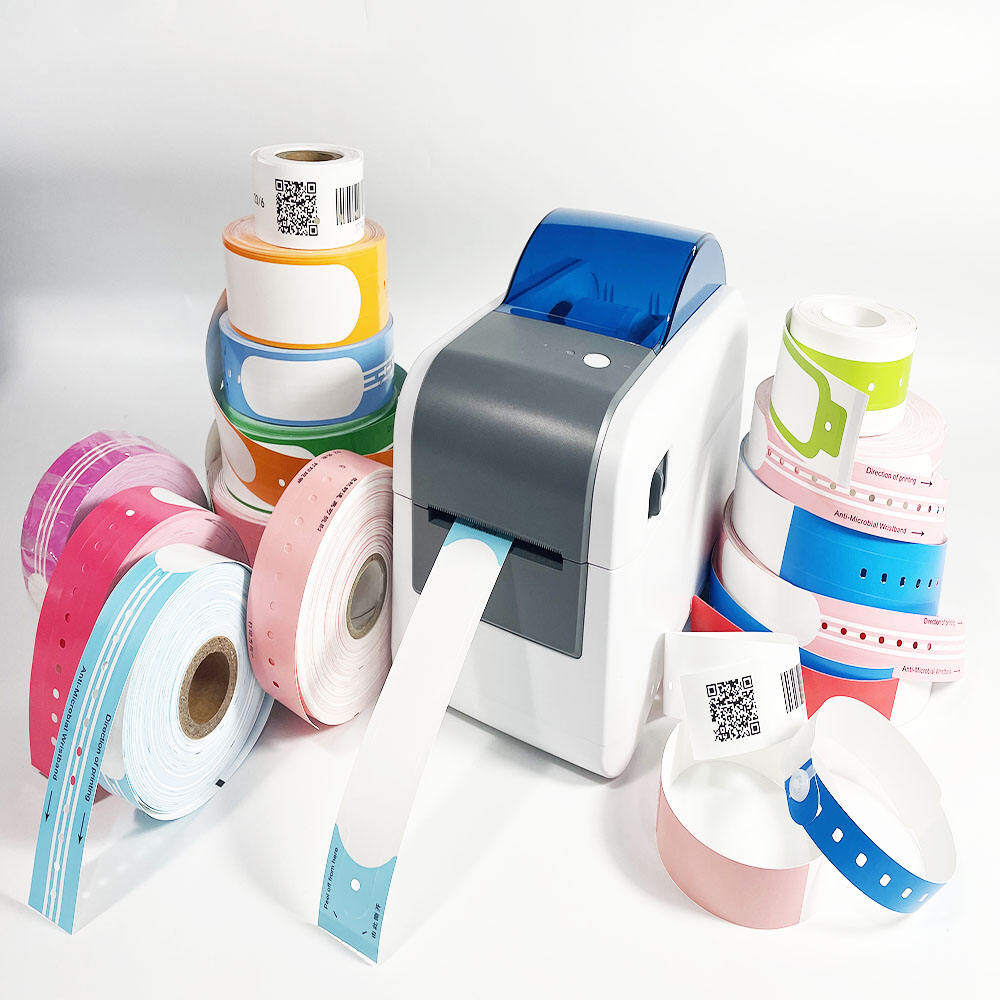
Best practice in behavioral health settings involves interdisciplinary assessment of each patient's tolerance for wristband wearing, exploration of alternative identification methods (ankle bands, photo identification cards, biometric verification), and documentation of the clinical rationale for any deviation from standard wristband protocol. The goal is to maintain identification safety while respecting the patient's psychological needs and avoiding iatrogenic harm from forced compliance.
The Medical Malpractice Nexus
The connection between wristband non-compliance and medical malpractice liability is well-established in both the literature and case law. Understanding this nexus is essential for clinicians who may view wristband checking as a low-priority administrative task rather than a critical component of their legal defense.
Sentinel Issue
The ECRI Institute, a leading independent patient safety research organization, has identified patient misidentification as one of the top patient safety concerns in healthcare. A comprehensive review of over 160 peer-reviewed publications and incident reports found that failures in patient identification contributed to wrong-patient surgery, wrong-site surgery, medication errors, transfusion reactions, diagnostic testing errors, and infant abduction. In the majority of these cases, the absence or non-use of a patient identification wristband was identified as a contributing or root cause factor.
The significance of this finding for malpractice liability lies in the concept of foreseeability. When a risk is well-documented, widely recognized, and preventable through established protocols, the failure to implement those protocols constitutes a breach of the standard of care. Courts do not require plaintiffs to prove that a wristband would have prevented a specific error; they require defendants to demonstrate that they implemented reasonable safeguards against a known risk. The wristband is that safeguard, and its absence is difficult to defend.
Case Law Precedents
Several landmark cases illustrate the legal consequences of wristband-related failures:
In a Florida case involving a surgical wrong-site error, the plaintiff's expert testified that the absence of a wristband on the patient at the time of the pre-operative verification violated the hospital's own policy and the Joint Commission's Universal Protocol. The jury returned a verdict against both the surgeon and the hospital, finding that the failure to verify patient identity through the wristband was a proximate cause of the wrong-site surgery. The court noted that the hospital's policy required wristband verification before any surgical procedure, and that the surgeon's reliance on verbal confirmation alone was insufficient given the availability of a more reliable identification method.
In a separate case involving a nurse who placed her own wristband on a patient after discovering the patient's band was missing, the court found that this ad hoc substitution created a false sense of security and violated the fundamental principle that identification must be based on verified patient-specific information rather than staff convenience. The nurse's intent to maintain identification continuity did not excuse the procedural violation, and the hospital was held vicariously liable under the doctrine of respondeat superior.
Respondeat Superior and Institutional Liability
The doctrine of respondeat superior holds employers liable for the negligent acts of employees committed within the scope of employment. In the context of wristband compliance, this means that hospitals bear direct liability for systemic failures in wristband policy implementation, staff training, supply availability, and monitoring. Individual nurses and physicians may also face personal liability, but the institution's deeper insurance coverage and broader duty of care make it the primary target in most litigation.
Institutional liability extends beyond individual incidents to encompass patterns of non-compliance. Discovery in malpractice litigation routinely includes requests for wristband compliance audit data, staff training records, incident reports related to identification failures, and policy revision histories. Organizations that cannot produce evidence of systematic wristband compliance monitoring and enforcement face heightened exposure to punitive damages and regulatory sanctions.
The "Refusal of Wristband" Protocol
When a patient with decision-making capacity refuses to wear an identification wristband, healthcare providers must navigate a structured protocol that balances respect for autonomy with fulfillment of the duty of care. This protocol is not optional; it is the legal and ethical framework within which refusal must be managed.
Best Practices for Managing Refusal
- Documentation of Refusal: Record the date, time, and circumstances of the refusal in the medical record. Include the patient's stated reason, the education provided, the alternatives offered, and the patient's response to each. Documentation should be factual, non-judgmental, and sufficiently detailed to demonstrate that the clinician fulfilled the duty to inform and offer reasonable accommodations.
- Patient Education: Provide clear, specific information about the safety function of the wristband, the risks associated with going unidentified, and the specific ways in which the wristband protects the patient from preventable harm. Avoid generic statements about "hospital policy"; instead, personalize the explanation to the patient's specific care plan and treatment trajectory.
- Alternative Identification: Offer and document alternative identification methods, including ankle bands, photo identification cards, bedside signage, and enhanced verbal verification protocols. The availability of alternatives demonstrates good faith effort to maintain identification safety despite the patient's refusal of the primary method.
- Risk Communication: Clearly communicate to the patient (and family, if appropriate) the specific risks associated with refusing wristband identification, including the possibility of medication errors, wrong-patient procedures, and delayed treatment. This communication should be documented as part of the informed refusal process.
- Reassessment: Revisit the wristband discussion at regular intervals and at key transition points (shift change, transfer between units, return from procedures). Patients who initially refuse may reconsider after experiencing the care environment, receiving additional education, or observing staff consistently using wristbands for other patients.
Legal Significance of the Refusal Form
A formal "Refusal of Wristband" form serves multiple legal functions that extend beyond simple documentation:
- Informed Consent Analog: The form documents that the patient was informed of the risks and benefits of wristband wearing and made a voluntary decision to refuse. This parallels the informed consent process for medical procedures and establishes that the refusal was knowing and intentional rather than the result of inadequate communication.
- Documentation of Capacity: The form should include an assessment of the patient's decision-making capacity at the time of refusal. This is critical because a refusal made without capacity is not legally valid, and clinicians may proceed with wristband application under the doctrine of necessity despite apparent resistance.
- Waiver Function: While a refusal form does not absolve the healthcare organization of all liability, it does establish that the patient assumed some responsibility for the consequences of their decision. This can mitigate damages in litigation by demonstrating contributory negligence or assumption of risk.
- Standardization: A standardized form ensures that all necessary elements are captured consistently across providers, shifts, and units. Ad hoc documentation in progress notes is vulnerable to omission, inconsistency, and retrospective challenge. A dedicated form creates a uniform record that is easier to audit and defend.
The "Last Mile" of Communication
The effectiveness of any wristband protocol ultimately depends on the quality of communication between clinician and patient. Technical compliance with documentation requirements is necessary but insufficient; the interpersonal dimension determines whether patients feel respected and heard or coerced and dismissed. Five principles guide effective communication in wristband refusal scenarios:
- Respectful: Acknowledge the patient's autonomy and right to make decisions about their own body. Avoid dismissive language, condescension, or implied threats. Respect does not mean agreement; it means treating the patient as a person with legitimate concerns rather than an obstacle to protocol compliance.
- Clear: Use plain language free of medical jargon. Explain the specific safety function of the wristband in terms the patient can relate to their own experience. Avoid abstract references to "policy" or "regulations"; focus on concrete, personal safety benefits.
- Collaborative: Frame the conversation as a partnership rather than a directive. Ask open-ended questions to understand the patient's concerns. Offer choices where possible (color, placement, material). Invite the patient to participate in problem-solving rather than simply complying or refusing.
- Documented: Record the substance and tone of the conversation, not just the outcome. Notes such as "patient educated regarding wristband importance" are insufficient. Document what was said, how the patient responded, what alternatives were offered, and what the patient's stated reasons were for accepting or declining.
- Culturally Sensitive: Recognize that attitudes toward medical devices, bodily autonomy, and institutional authority vary across cultures. Some patients may have cultural or religious beliefs that affect their willingness to wear identification devices. Engage cultural liaisons, interpreters, or community health workers when cultural factors appear to influence refusal.
Beyond Refusal: Building a Culture of Identification Safety
While individual refusal management is critical, sustainable improvement in patient identification safety requires systemic interventions that reduce the frequency of refusal and minimize the impact when it occurs.
Standardization Across the Care Continuum
Patient identification must be consistent across four critical phases of the care continuum:
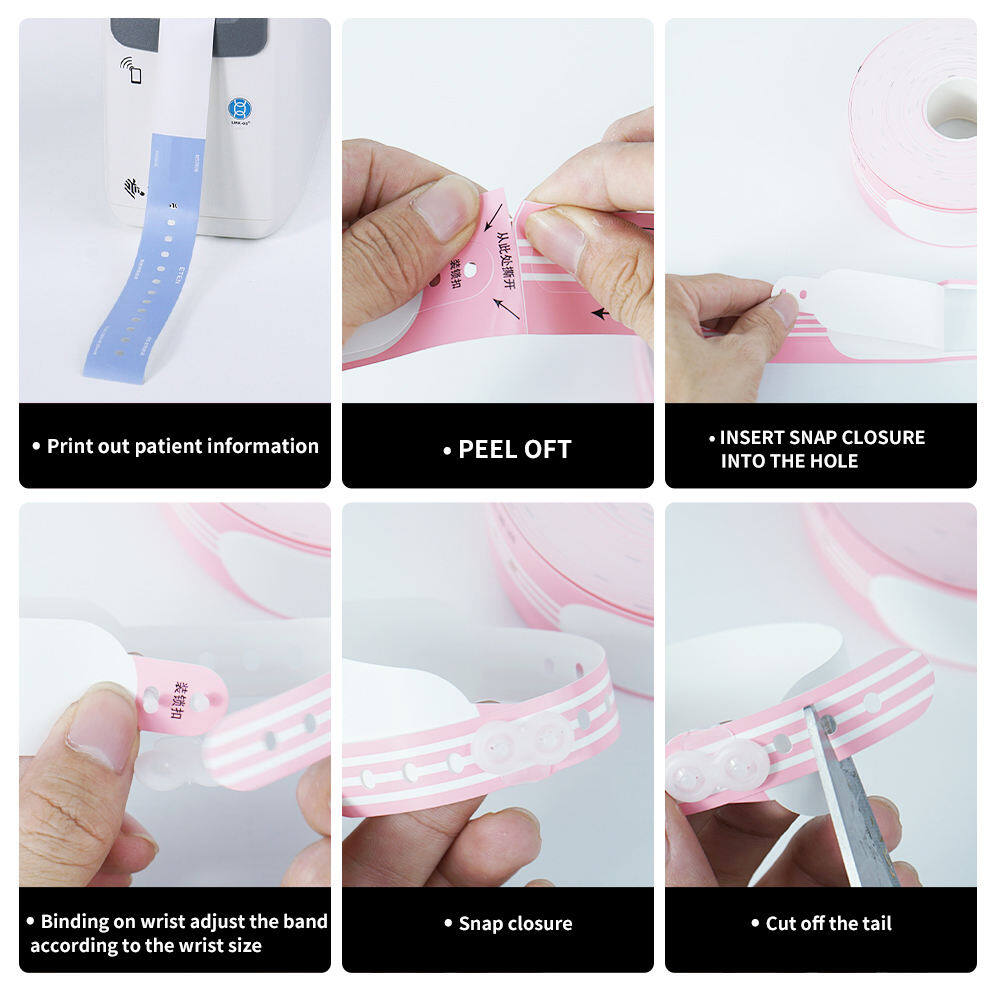
- Admission: Apply the wristband at the earliest point of contact, ideally during registration or triage before the patient enters the care area. Delayed application creates a window of unidentified vulnerability during which initial assessments, medications, and orders may be processed without verified identification.
- Reassessment: Verify wristband presence, condition, and legibility at every shift handoff, after every procedure, after bathing, and at regular intervals during extended stays. Automated reminders integrated into electronic health record workflows can prompt staff to perform these checks systematically.
- Handoff: Include wristband verification as an explicit step in every patient handoff, whether between shifts, units, facilities, or care teams. The receiving provider should visually confirm the wristband before accepting responsibility for the patient.
- Discharge: Remove the wristband only after all discharge medications, instructions, and follow-up appointments have been verified against the patient's identity. Premature removal creates risk during the discharge process itself, when patients are transitioning out of the supervised care environment.
Technical Infrastructure
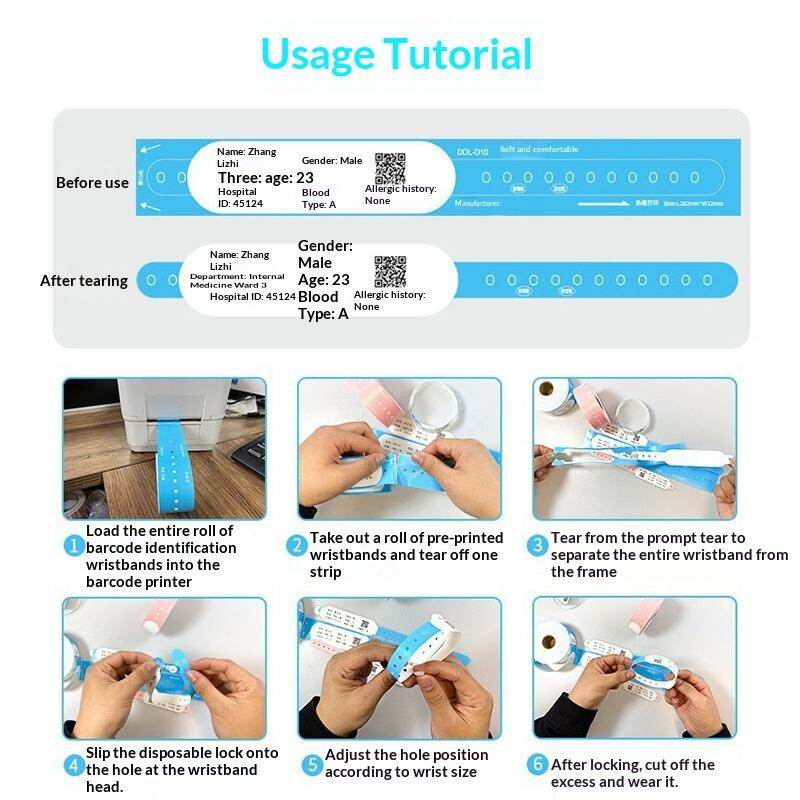
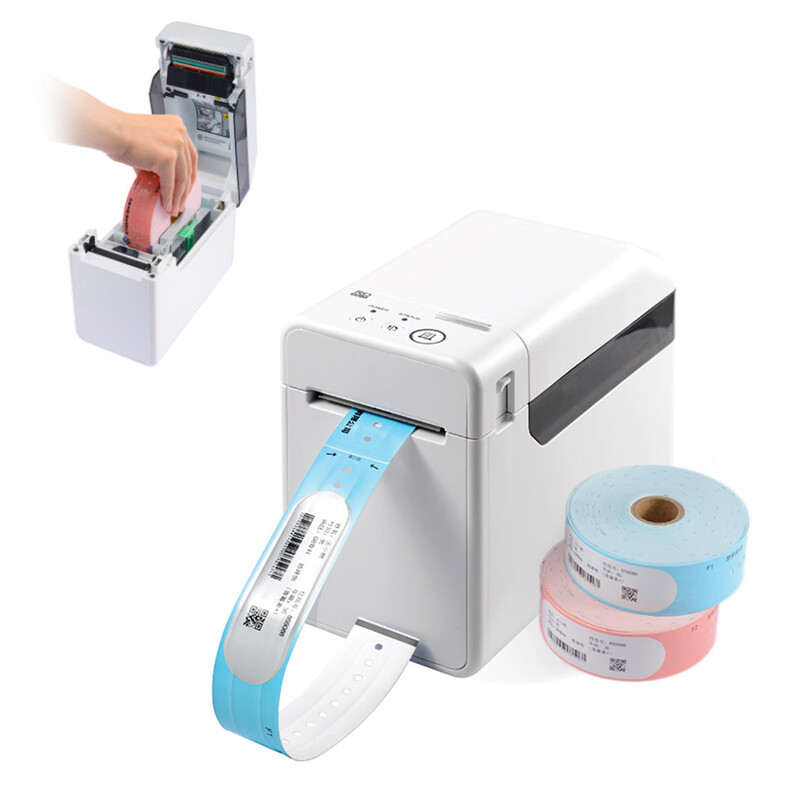
Modern patient identification systems increasingly integrate barcode scanning, RFID technology, and electronic verification into clinical workflows. These technologies enhance the reliability of wristband-based identification by providing automated verification that does not depend solely on human vigilance. Barcode scanning at the point of care creates an auditable electronic record of every identification check, enabling real-time compliance monitoring and retrospective analysis of identification practices.
RFID-enabled wristbands offer passive identification that does not require line-of-sight scanning, reducing the burden on staff and enabling continuous location tracking for high-risk patients. However, these technologies supplement rather than replace the fundamental requirement for a visible, legible, physically present identification device. Technology fails; batteries die; networks go down. The wristband remains the last-resort identifier when all electronic systems are unavailable.
Wristbands and Privacy
Patient concerns about privacy and data security sometimes contribute to wristband refusal. Patients may worry that the barcode or QR code on the wristband contains sensitive medical information that could be accessed by unauthorized persons. Healthcare providers should be prepared to explain that wristband codes typically contain only a medical record number or encounter identifier, not clinical data, and that accessing the linked electronic record requires authenticated credentials and audit logging. Transparency about what information is encoded and how it is protected can alleviate privacy-related concerns and reduce this category of refusal.

Conclusion: The Unseen Legal Shield
The patient identification wristband is far more than a strip of printed plastic. It is a legal shield that protects patients from preventable harm, clinicians from indefensible liability, and organizations from catastrophic regulatory and financial consequences. When a patient refuses to wear this shield, the healthcare team faces a choice: accept the gap in protection passively, or activate a structured protocol that maintains safety and creates a defensible record despite the refusal.
The key takeaways for healthcare providers and organizations are:
- Regulatory Mandate: Patient identification wristband use is required by law and accreditation standards across multiple jurisdictions. Compliance is not discretionary.
- Legal Exposure: The absence of a wristband is admissible evidence of breached duty in malpractice litigation. Organizations that cannot demonstrate systematic compliance face heightened liability.
- Refusal Management: Patient refusal does not eliminate the duty of care. Structured documentation, alternative identification, risk communication, and reassessment are mandatory components of a defensible refusal protocol.
- Communication Quality: Respectful, clear, collaborative, documented, and culturally sensitive communication reduces refusal rates and strengthens the legal record when refusal persists.
- Systemic Investment: Sustainable identification safety requires investment in better products, staff training, technology integration, and continuous compliance monitoring. The cost of prevention is trivial compared to the cost of a single wrong-patient event.
The "wristband phobia" paradox is that the very device designed to protect patients becomes a source of conflict when patients resist wearing it. Resolving this paradox requires healthcare professionals to view the wristband not as an administrative burden but as a sacred trust—a tangible commitment to every patient that their identity will be honored, their safety will be prioritized, and their care will be delivered to the right person, every time. When that trust is challenged by refusal, the response must be equally steadfast: educate, document, adapt, and never abandon the duty to identify. The wristband may be small, but the legal and ethical weight it carries is immense. Treating it with the seriousness it deserves is not just good practice—it is the red line of defense that separates safe care from negligent care.
Disclaimer: This article is intended for educational and informational purposes only and does not constitute legal advice. Healthcare organizations should consult qualified legal counsel and risk management professionals for guidance on patient identification policies, refusal protocols, and malpractice liability specific to their jurisdiction and circumstances. Regulatory requirements vary by country, state, and accrediting body; readers should verify applicable standards with relevant authorities.
Continue Reading
Have Questions About Wristbands?
Our team is ready to help you find the perfect wristband solution for your needs. Contact us directly on WhatsApp for quick responses.
Contact on WhatsApp