
The Unseen Guardian: A Deep Dive into the Patient Wristband as the Bedrock of Healthcare Safety and Operational Efficiency
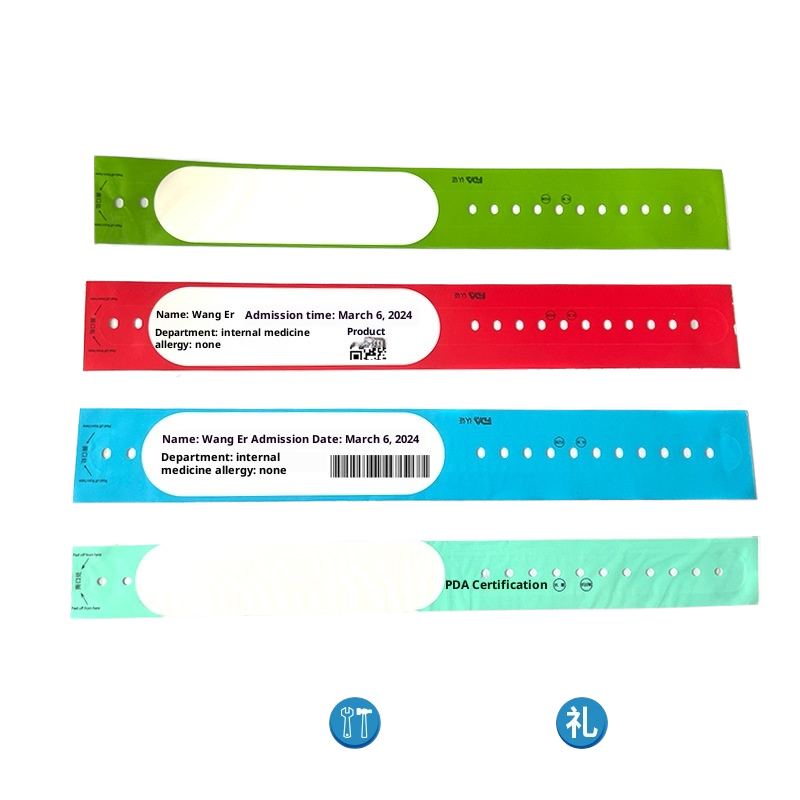
In the fast-paced, high-stakes environment of modern healthcare, a multitude of sophisticated technologies vie for our attention. From AI-driven diagnostic tools to robotic surgical systems, the narrative of medical advancement often centers on the complex and the digital. Yet, amidst this sea of innovation, one of the most critical tools for patient safety remains a humble, often overlooked, piece of plastic: the patient wristband, or as it is frequently referred to, the hospital bracelet. While it may seem simple, the role of the patient identification band extends far beyond a mere name tag. It is a silent guardian, a foundational element of clinical workflows, and the final, most crucial link in the chain of patient safety protocols.
This comprehensive exploration moves beyond the basics to delve into the multifaceted world of the patient wristband. We will examine its clinical applications, its role in risk management, its integration with digital health systems, the specific requirements of unique patient populations, the crucial importance of proper application, and the future trajectory of identification technology. This is a look at why the medical ID bracelet is not just an accessory, but a non-negotiable necessity for any high-quality healthcare institution.
The Clinical Imperative: Why a Hospital Bracelet is Non-Negotiable
The primary and most fundamental purpose of a patient ID wristband is to ensure the accurate and positive identification of every individual receiving care. This process is the bedrock upon which all safe clinical practices are built. The potential for patient misidentification is a persistent threat across the healthcare spectrum, from a simple blood draw to a complex surgical procedure. The consequences of such errors can be catastrophic, leading to wrong-site surgery, medication administration errors, incorrect blood transfusions, and misdiagnosis.
The patient identification band serves as a physical, visible anchor to a patient's identity and medical record. It is the one constant that travels with the patient, transcending shifts, departments, and handoffs. As highlighted by guidelines from organizations like the World Health Organization, a standard identification band should contain at least two unique patient identifiers, commonly the patient's full name and date of birth, or a unique medical record number. This simple visual check is the first and most critical step in the "two-patient identifier" protocol enforced by major accrediting bodies worldwide.
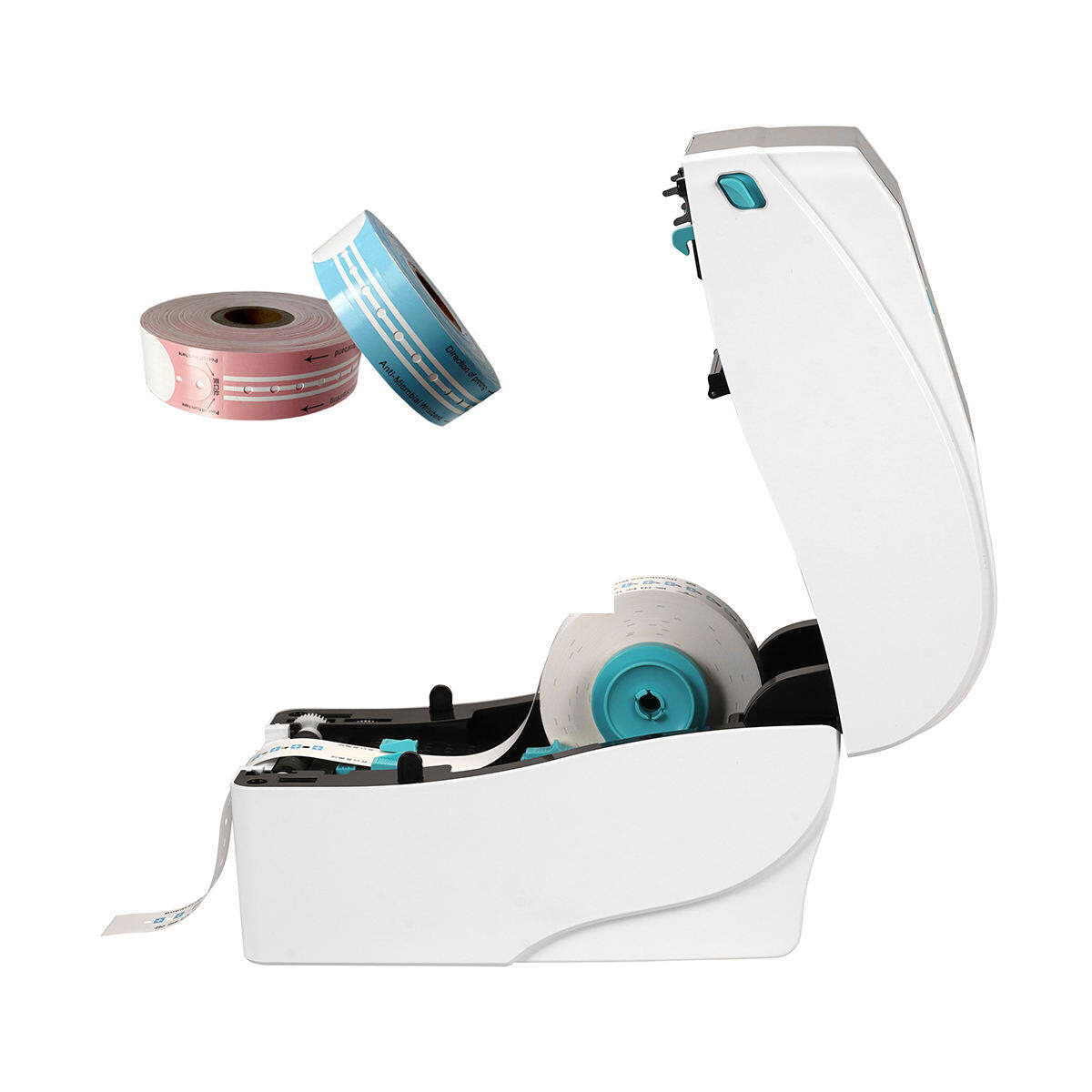
The evolution of the patient wristband has been driven by a need to reduce these errors. The shift from simple, often handwritten, paper bands to durable, printed plastic bands was a significant leap forward. This change enhanced legibility and durability, but the core principle remained the same: to create a reliable, tamper-evident link between a patient and their identity. The standard single-use patient bracelet, typically a slender, soft plastic band with a self-locking closure, is designed to be worn for the duration of a patient's stay, ensuring that their identity is always accessible and verifiable.
Beyond Identification: The Expanding Role of the Medical Bracelet
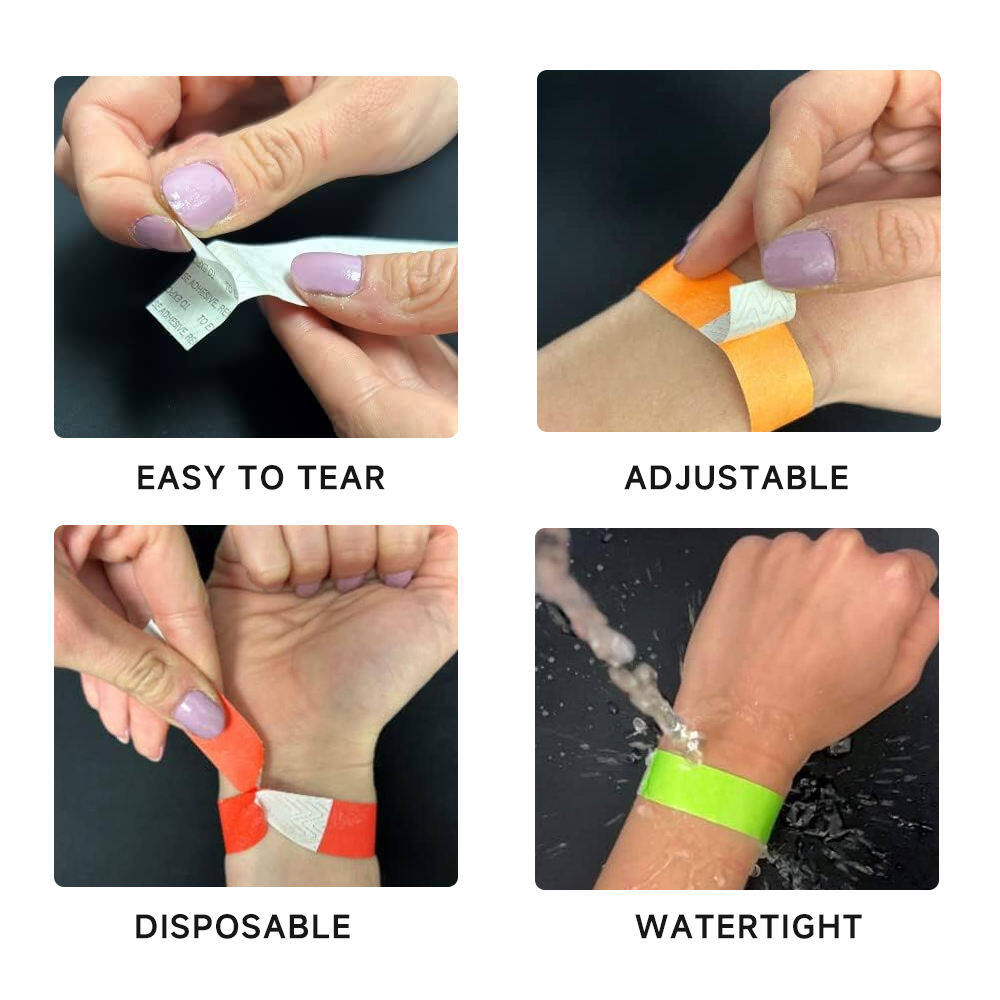
While identification remains its core function, the modern patient wristband has evolved into a versatile tool for communication and patient management. Its role has expanded to include the following areas.
Clinical Alert and Risk Communication
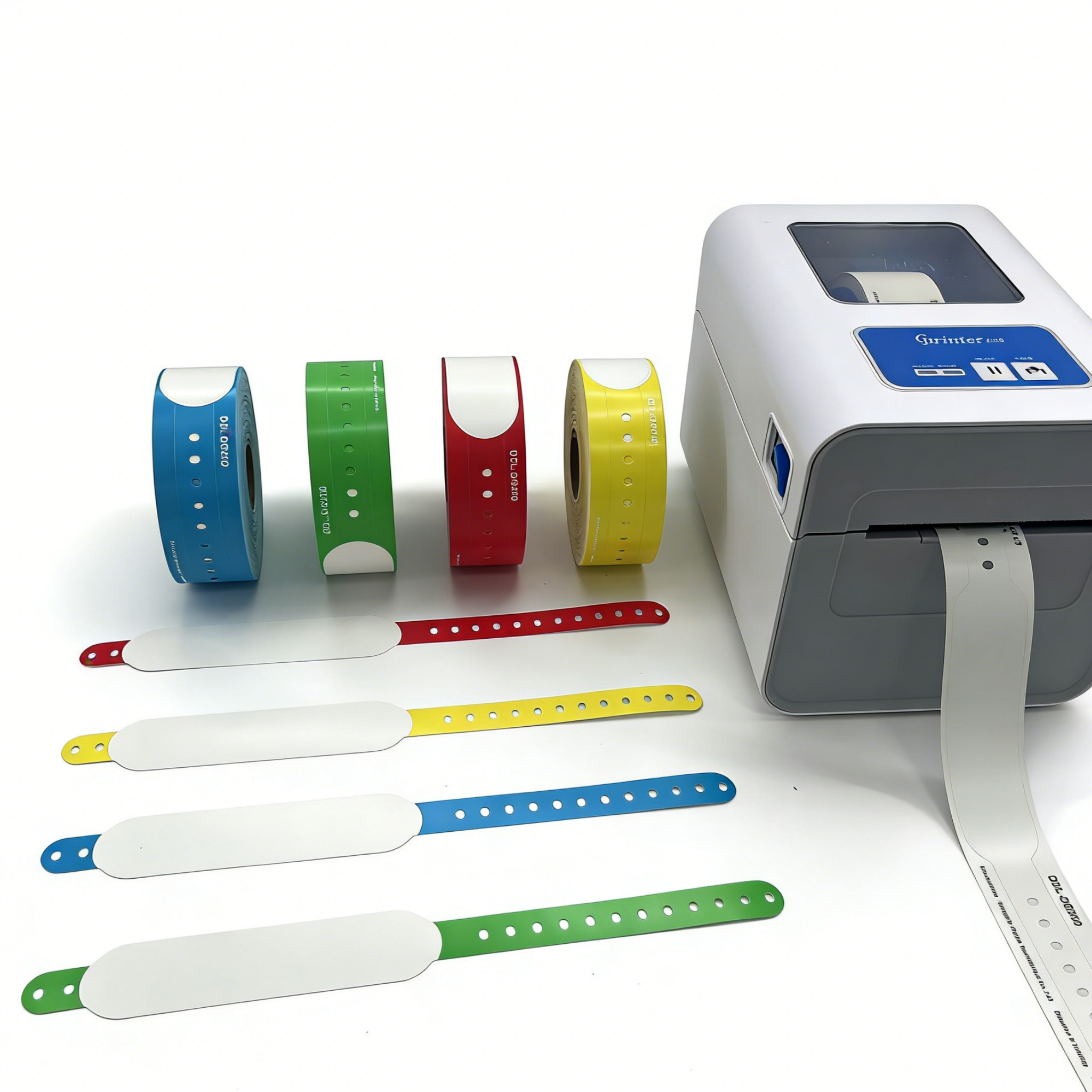
One of the most vital secondary functions is the communication of specific risks or conditions through color-coded wristbands. This system provides an instant, visual alert to all healthcare staff, from nurses and physicians to transporters and support personnel. Common examples include:
- Red or Pink: Often signifies a patient has a documented allergy.
- Yellow: Frequently used to indicate a patient is at high risk of falling.
- Green: May denote a latex allergy or specific sensitivities.
- Purple: Sometimes used for patients with a Do Not Resuscitate (DNR) order or other end-of-life directives.
These color-coded systems create a crucial safety net, especially in situations where a patient may be unable to communicate, such as during sedation or in an emergency. The success of this system relies entirely on standardization and staff education. This is why many hospitals implement strict policies on which colors are used and for what purpose, ensuring universal understanding among all clinical and non-clinical staff.
Technology Integration: Barcodes and RFID
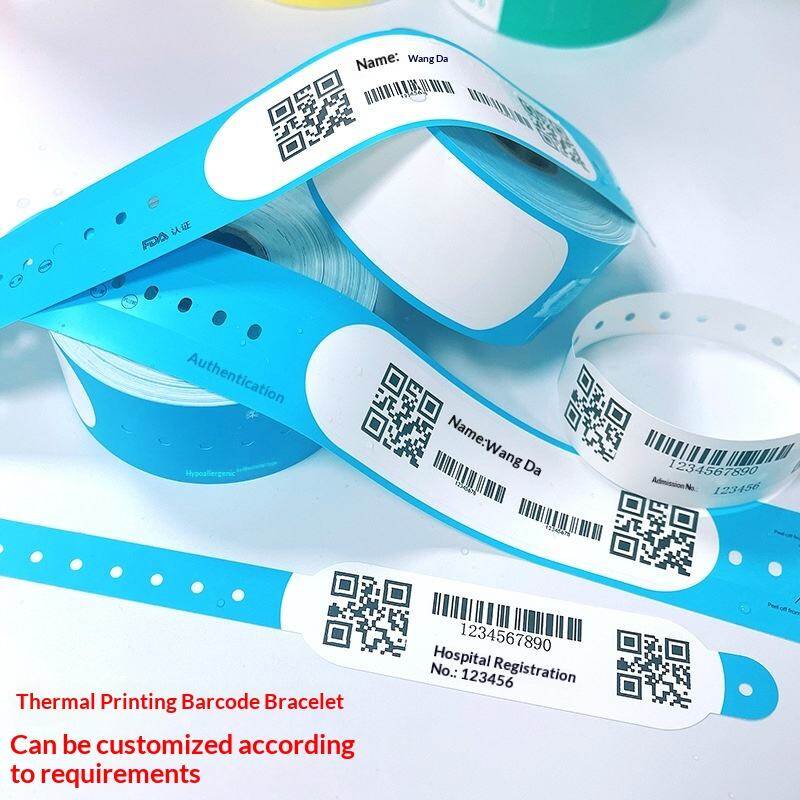
The true power of the patient wristband is unlocked when it becomes a digital key to a patient's electronic health record (EHR). The integration of barcode wristbands and Radio Frequency Identification (RFID) technology has transformed the hospital bracelet from a passive ID tag into an active data hub.
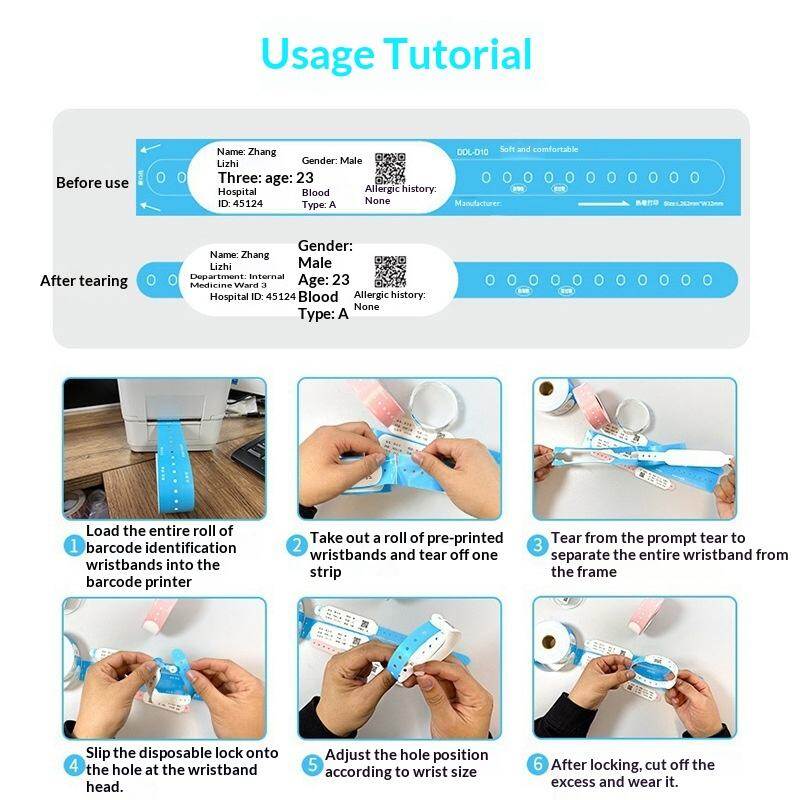
Barcode Wristbands: This is the most widely adopted technological advancement. A 2D barcode printed on the patient ID band can be scanned using a handheld device (a PDA or smartphone) at the point of care. This simple act can:
- Verify Identity: The scanner ensures the patient's identity matches the medication, blood product, or procedure about to be administered. This is known as the "Five Rights" (right patient, right drug, right dose, right route, right time), and the barcode wristband is essential for confirming the first and most crucial "right."
- Access Medical Records: Scanning the band provides instant, secure access to the patient's allergy list, medication history, and care plan at the patient's bedside.
- Track Samples and Specimens: When a blood or urine sample is taken, the label can be scanned against the patient's wristband, ensuring that the specimen is correctly linked to the patient, eliminating the risk of sample mix-ups.
- Streamline Workflows: Scanning automates documentation tasks, such as recording medication administration, reducing manual data entry and the potential for transcription errors. In some settings, this has been shown to save valuable nursing time, allowing more focus on direct patient care.
RFID Bracelets: Radio Frequency Identification (RFID) represents the next step in this evolution. Unlike barcodes that require a line-of-sight scan, RFID patient bracelets use electromagnetic fields to automatically identify and track tags that contain electronically stored information. This technology enables:
- Real-Time Location Systems (RTLS): Hospitals can track the location of patients, especially those with dementia or conditions that cause wandering. It can also be used to track expensive medical equipment.
- Enhanced Access Control: RFID tags can be programmed to allow or restrict access to certain areas, adding a layer of security for neonatal units or psychiatric wards.
- Proximity-Based Safety Alerts: If a patient with a high-risk allergy approaches a nursing station where they are receiving a medication, an alert could be triggered.
- Passive Data Capture: An RFID-enabled electronic bracelet can be read automatically as a patient passes through certain points (e.g., radiology, surgery), providing a passive log of patient movement and improving workflow analysis.
While the upfront investment is higher, the potential for improving patient safety, automating workflows, and enhancing asset management makes RFID technology a promising frontier for the hospital bracelet.
Specialized Applications: Tailoring the Wristband for Unique Populations
A one-size-fits-all approach to the patient ID bracelet is insufficient. Different patient populations have unique needs, requiring specialized bands to ensure safety and comfort.
The Neonatal Bracelet
The smallest patients require the most careful consideration. Newborns present a specific set of identification challenges, as they often lack discernible features and cannot verbally confirm their identity. The risk of infant abduction or mix-up, though rare, is a critical concern. Consequently, neonatal patient identification bands are designed with specific features:
- Size and Material: They are smaller, softer, and extremely flexible to prevent skin irritation on a newborn's delicate skin. Many are made of non-stretch polyester with soft vinyl clasps and are latex-free.
- Dual Application: Often, two identical bands are printed for a newborn. One is secured around the infant's wrist or ankle, and the other is given to the mother to create a matching pair.
- Anti-Tamper Features: These bands are often equipped with a one-time-use, breakaway clasp. Attempting to remove or cut the band will damage it, making it immediately evident if tampering has occurred.
- Legibility: Typically, black text on a white background is used, as this provides the best contrast and is a critical factor in legibility. The space on a neonatal band is limited, so information must be recorded clearly and unambiguously.
Wristbands for Special Circumstances
Beyond neonates, other patient groups benefit from specialized hospital bracelets:
- Patients with Cognitive Impairment: For patients with dementia, Alzheimer's, or autism, a robust patient bracelet that cannot be easily removed is critical. These bands help ensure they are not only correctly identified but also provide information on their condition and emergency contact details if they wander.
- Patients with Language Barriers: For patients who do not speak the local language, the hospital bracelet can be a vital tool. It clearly displays their name and medical record number, which can be cross-referenced with translated care materials and interpreter services, preventing communication errors.
- Emergency and Trauma Patients: In chaotic emergency situations, the medical ID bracelet is often applied immediately to a patient's wrist or ankle upon arrival. This may be a temporary band with basic information until a more permanent identification band can be created and printed. A delay in applying this band can increase the risk of identification errors.
- Patients with Allergy Alerts: For patients with severe allergies (e.g., penicillin, latex), the color-coded system (often red or pink) provides an immediate, life-saving visual cue to all staff, even before they access the patient's electronic record.
The Human Factor: Ensuring Proper Use and Application
A patient wristband is only as effective as the processes surrounding it. No matter how technologically advanced, a band that is not applied, worn, or used correctly is a point of failure. Ensuring the effectiveness of a patient identification band requires addressing the human factors involved.
The Application Process
The process of applying a medical ID bracelet is a critical step that is often fraught with the potential for error. An ethnographic study of wristband application identified several points where errors commonly occur:
- Decision to Apply: In emergency situations, the decision to apply a band can be delayed due to more urgent tasks, leaving the patient unidentifiable. This can cause significant problems later when tests are ordered, and the results need to be linked.
- Patient Data Verification: The information printed on the band must be double-checked against the patient's verbal confirmation (if possible) and another source, like a driver's license or admission form. Errors here can be catastrophic and, as seen in various studies, are a major area where checks fail. One study found that over 50% of the time, a verbal confirmation of identity was not performed, or a patient ID band was not utilized.
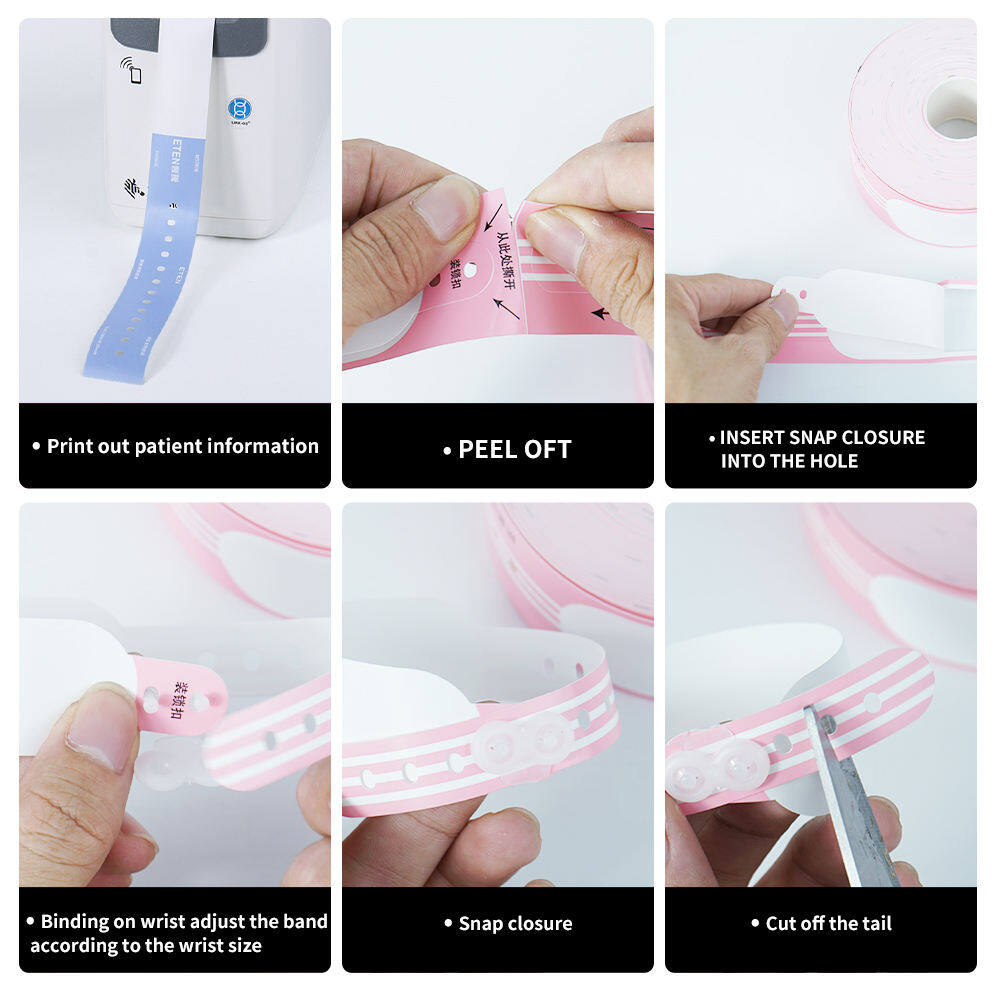
- Physical Application: The band should be placed on the correct wrist (often the right, but this can vary by policy). It should be snug enough not to slide off but loose enough to allow for comfort and circulation (typically, two fingers should fit between the band and the skin). The clasp must be fully secured, and any excess length should be cut off, ensuring no sharp edges that could irritate the patient's skin. The band should be checked and applied during the preparation for elective admissions, reducing the risk associated with preparing them without the patient present.
Staff Training and Policy Adherence
The widespread adoption of wristband use relies heavily on comprehensive staff training. While clinical staff like nurses and doctors are often highly aware of local policies, research suggests that non-clinical staff — such as ward clerks, porters, and transporters — may have less awareness, even though their actions (e.g., moving a patient) also expose patients to risks from misidentification. A study on the implementation of NPSA guidance found that while policy adoption was high, about a quarter of hospitals still reported problems with implementation, including difficulties related to staff attitudes.
Continuous education and reinforcement are vital. This includes reminders that the hospital bracelet is not a suggestion but a critical safety device. Patient education is equally important. Many patients may remove their wristbands due to discomfort, inconvenience, or lack of understanding. Hospitals must clearly explain that the patient ID bracelet is like an "identity card" and is essential for their safety. For example, in a Chinese hospital's experience, through consistent education, patients shifted from finding them a nuisance to actively cooperating and even reminding staff to scan them.
The Issue of Illegibility
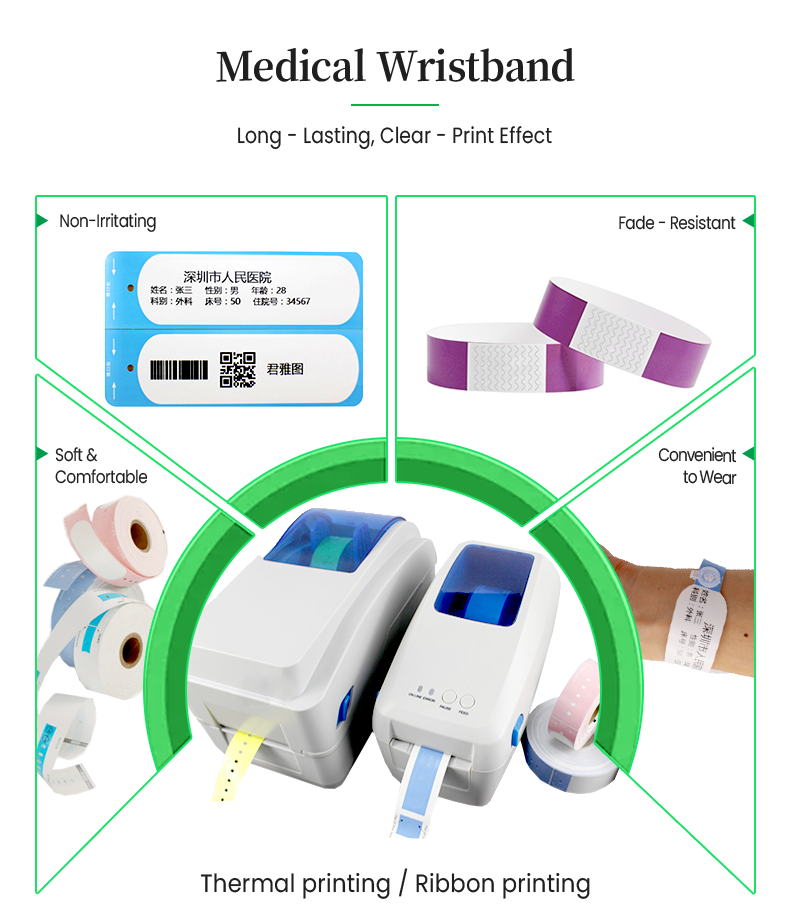
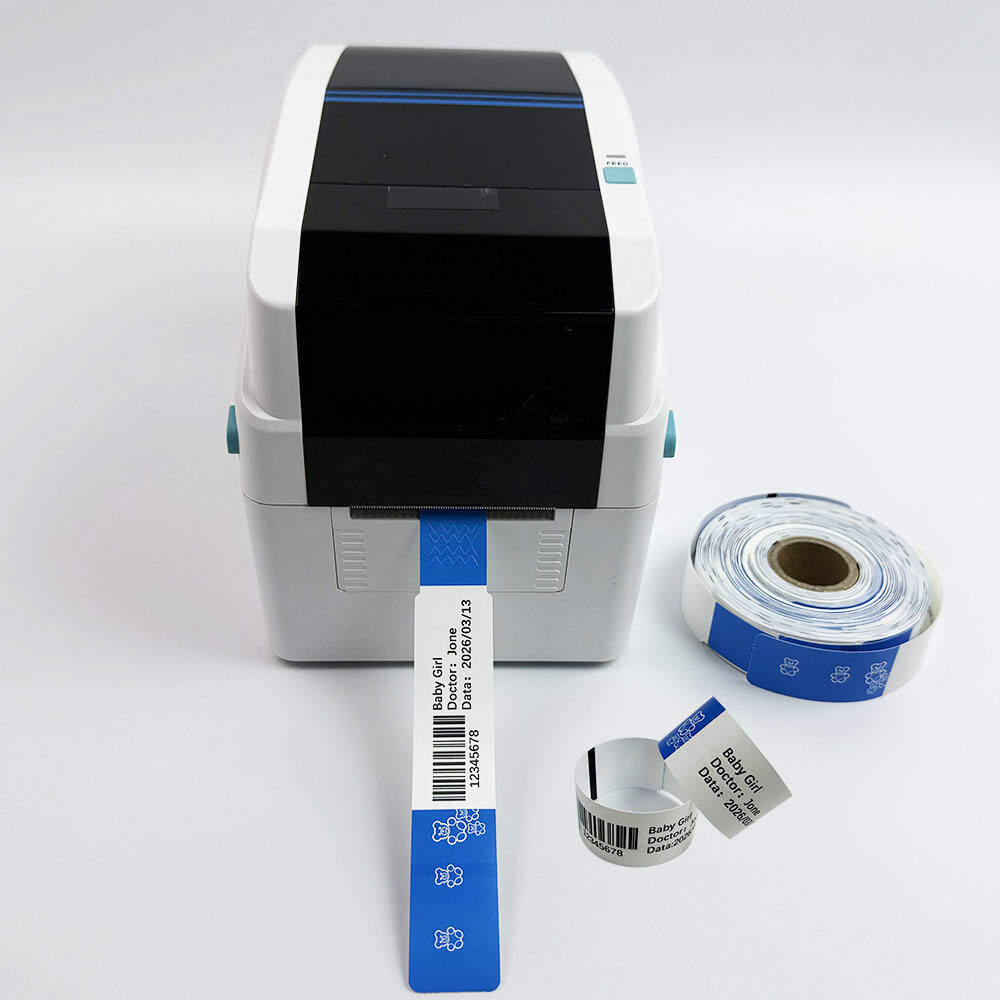
A wristband is useless if it cannot be read. Printed information can wear off or become smudged, especially if the band is exposed to water, alcohol-based hand rub, or bodily fluids. This is why the move to direct thermal printing on durable materials is superior to handwritten bands. The WHO specifically highlights that the use of black text on a white background is the standard for optimal contrast and legibility. Regular checks for legibility and replacement when worn is a key part of the workflow.
The Future of the Hospital Bracelet
While the fundamental purpose of the patient ID band will remain constant, its form and function will continue to evolve. The future is moving towards greater integration with the Internet of Things (IoT).
- Smart Band Integration: We may see the medical ID bracelet become a hub for other patient monitoring data. For example, a smart band could incorporate a pulse oximeter or temperature sensor, continuously transmitting these vitals to the patient's EHR, providing a more holistic view of the patient's condition in real time.
- Wearable Tech Synergy: The hospital bracelet could integrate with other wearable technologies, like smartwatches, to provide an even more comprehensive picture of a patient's baseline health metrics.
- Predictive Analytics: By tracking patient movement and interactions via RTLS, data from RFID patient wristbands could be used in predictive algorithms to identify patients at risk for specific adverse events (e.g., falls, sepsis) and trigger earlier interventions.
Conclusion
The patient wristband, or hospital bracelet, is much more than a simple piece of plastic. It is a foundational safety tool, a digital key to critical patient data, a visual communication device, and the final and most critical point of verification in countless clinical processes. Its evolution from a handwritten tag to a technologically integrated patient identification band mirrors the healthcare industry's journey toward a safer, more efficient, and more data-driven future.
From the emergency department to the neonatal intensive care unit, the patient ID wristband remains an indispensable, silent guardian. Its effectiveness, however, is not guaranteed by technology alone. It depends on rigorous institutional policies, comprehensive staff training, meticulous application, and patient cooperation. As we look to the future, the medical bracelet will continue to integrate with digital health ecosystems, enhancing its role not just as a name tag, but as an active participant in patient safety and care management. For any healthcare professional or institution, recognizing and respecting the profound importance of this humble device is not just best practice — it is a non-negotiable commitment to patient safety.
Continue Reading
Previous Article
The Critical Role of Maternal-Infant Matching Wristbands in Obstetric Safety: A Comprehensive Analysis of Technology, Protocols, and Best Practices
Next Article
The Unseen Utility: How the Hospital Wristband Has Evolved into a Critical Tool for Post-Discharge Care and Patient Communication
Have Questions About Wristbands?
Our team is ready to help you find the perfect wristband solution for your needs. Contact us directly on WhatsApp for quick responses.
Contact on WhatsApp